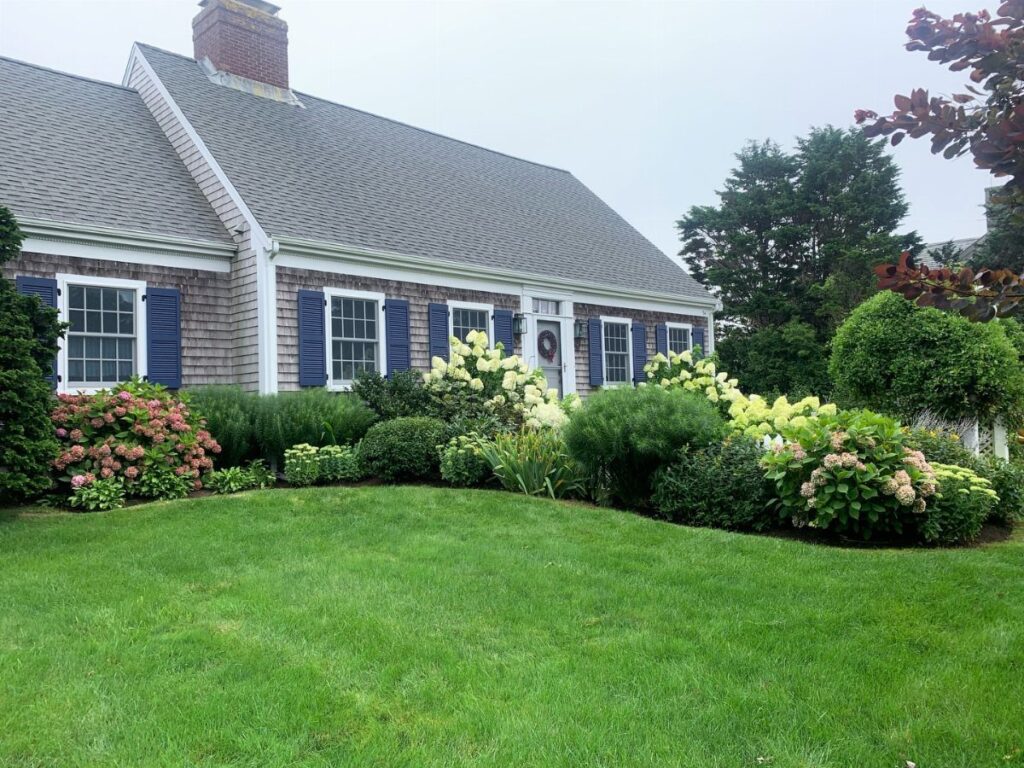
Cape Cod front yard landscaping covers everything you can finish between Saturday morning and Sunday night, and the hire-it-out jobs are the ones that take heavy equipment or engineering, not the ones that take taste.
[link-whisper-related-posts]1. Window Boxes
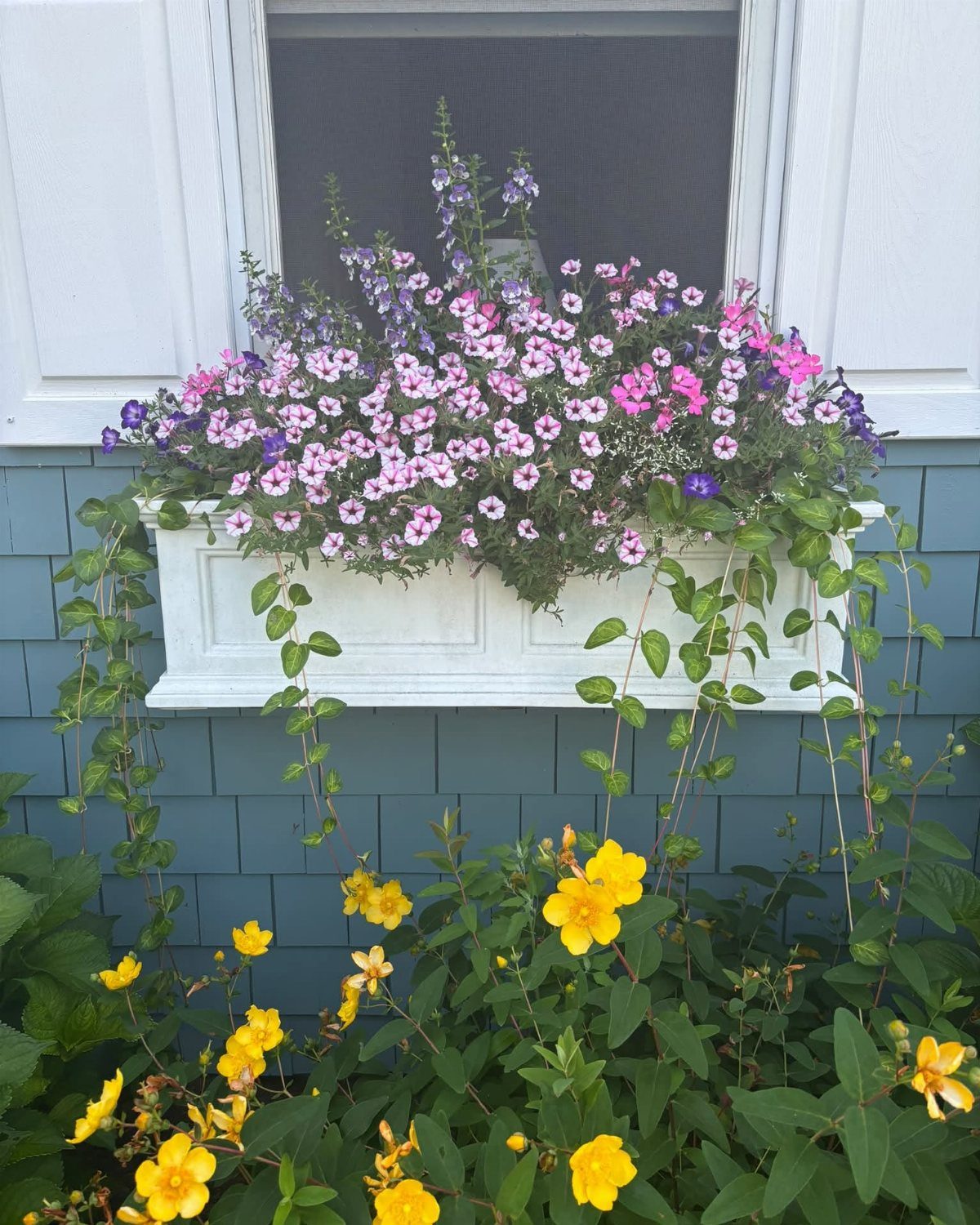
Window boxes let you change out color with the seasons without touching the ground below.
I mount mine with heavy-duty L-brackets into the window frame itself, not the siding; cedar shingles don’t hold weight well and the box will sag by August if you try.
Check the bracket rating against wet soil weight; saturated potting mix is heavy enough to pull a poorly anchored box right off the siding.
I fill the bottom third with crushed cans or foam peanuts for drainage, then potting mix above.

Designed Exclusively for Mayne Window Boxes – Specially made to fit only the Mayne Fairfield and Cape Cod window box models; not compatible with other brands or styles.

ADJUSTABLE DESIGN: Flexible sizing accommodates flower boxes from 2 inches to 7.8 inches wide with adjustable width from 4.9 inches minimum to 7.8 inches maximum, fitting various planter box dimensions
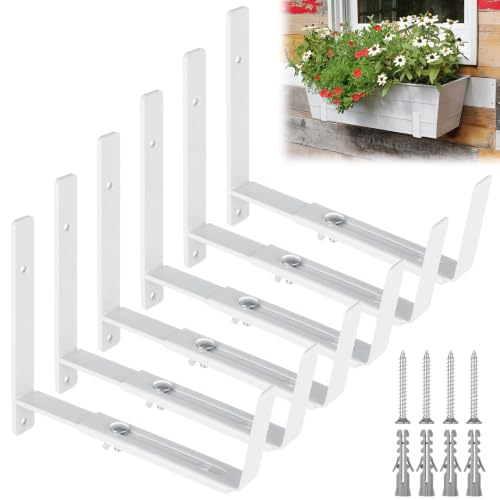
High Quality: Our window box brackets are made of high quality iron, strong and firm, with a strong load-bearing capacity, which can provide strong support for window frames; the surface is coated with white powder coating, which can increase its ability to prevent rust and corrosion, providing you with long-term service
2. Low Hedges
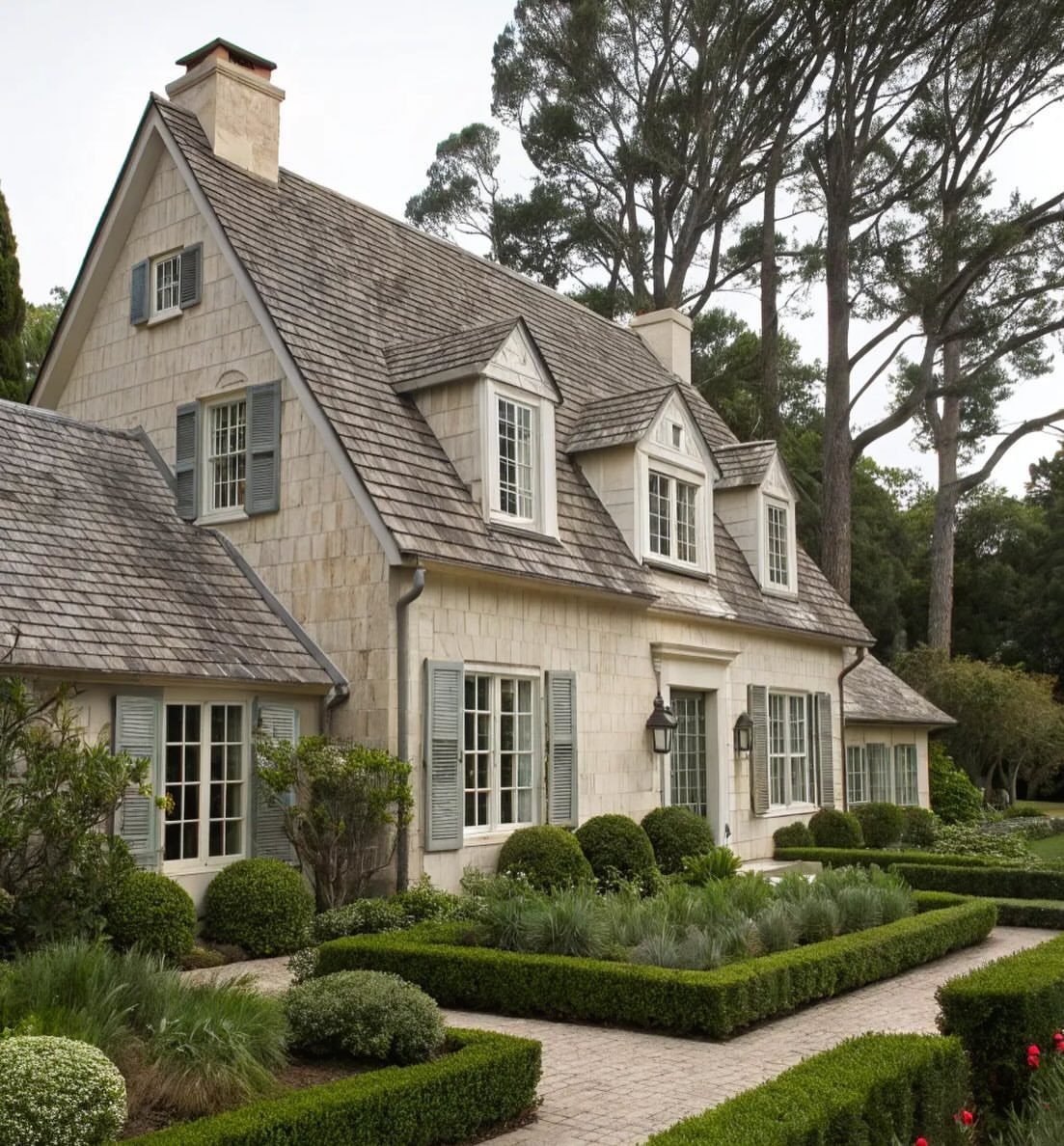
Low hedges suit Cape Cod houses because the architecture already has enough vertical lines; a tall hedge fights the roofline.
Boxwood stays the classic choice, though I prefer Japanese holly for less browning in salt air if you’re within a few blocks of the coast.
Keep them low enough to see over from the walk and shear after the spring flush, not midsummer.
The geometry is what sells the look, so I lay out the bed shape with a hose first and live with it for a week before cutting anything in.

Versatile Hedge Trimming Tool: Our hedge shears are essential shears gardening tools for shaping decorative shrubs, trimming hedges, and promoting overall plant health and beauty. A must-have addition to your gardening tools collection, perfect for both casual gardeners and landscaping enthusiasts.

Total cutting blade length: 140mm.
3. Picket Fencing
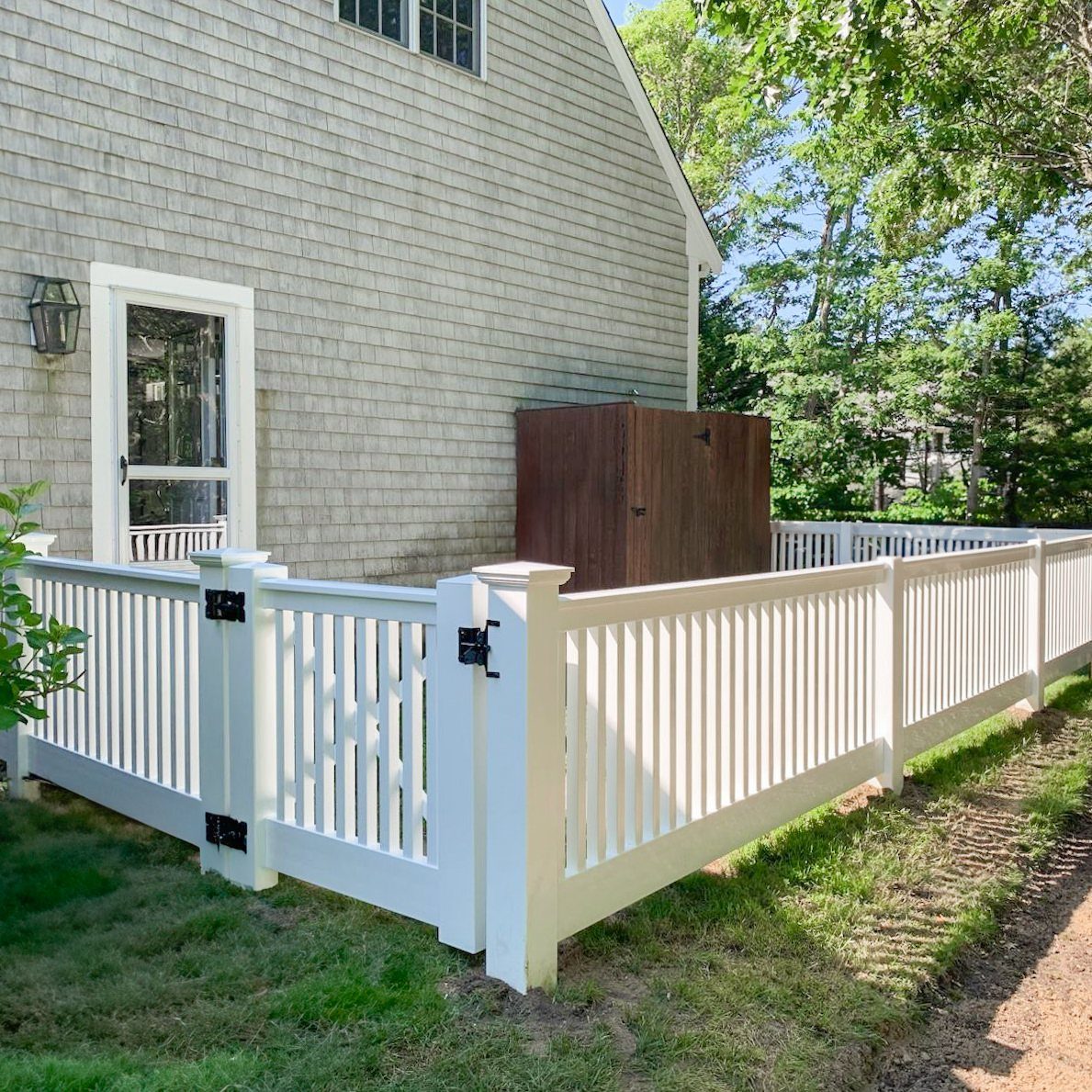
A picket fence reads as friendly where a solid fence reads as defensive, and that distinction matters on a small Cape lot where you’re close to the sidewalk.
I build mine in panels with pressure-treated 4×4 posts set deep in gravel, not concrete; the drainage prevents rot and makes future replacement easier.
The gate is where I spend money, with a stainless steel latch that won’t seize by year three. Paint before installation, every surface, or the end grain will wick water and swell the pickets from the inside out.

𝗦𝗲𝗹𝗳-𝗟𝗮𝘁𝗰𝗵𝗶𝗻𝗴 𝗚𝗮𝘁𝗲 𝗟𝗮𝘁𝗰𝗵: Self-latching ensures your gate automatically secures itself when closed, providing added safety and convenience. This feature prevents accidental openings, making it ideal for areas requiring reliable security, such as lots, yards, or restricted spaces.

GATE LATCH: Premium white gate latch for wooden fence applications, designed for outdoor durability and reliable security with smooth operation for residential and commercial fence gate hardware installations

PERMANENT & STURDY: Engineered for long-term durability —complete with premium hardware for a polished, professional finish.
4. Natural Stone Pathways
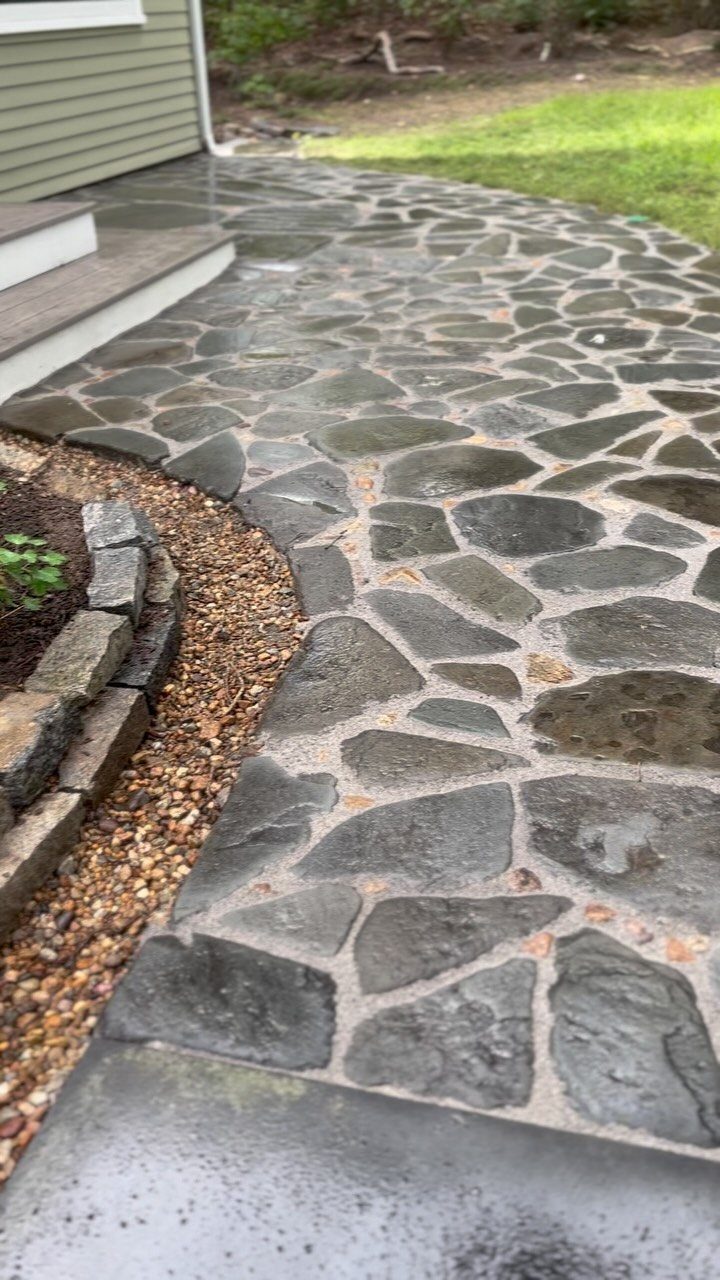
Natural stone pathways work because the irregular shapes let you curve around existing trees and grade changes without looking like you adjusted your plan.
I set flagstone on a compacted gravel base with sand on top, not mortar; frost heave will crack rigid installation in New England within 2 seasons. Leave gaps wide enough to plant thyme or dwarf mondo grass between stones.

MOST PREFERRED PAVING MATERIAL by home and landscape professionals
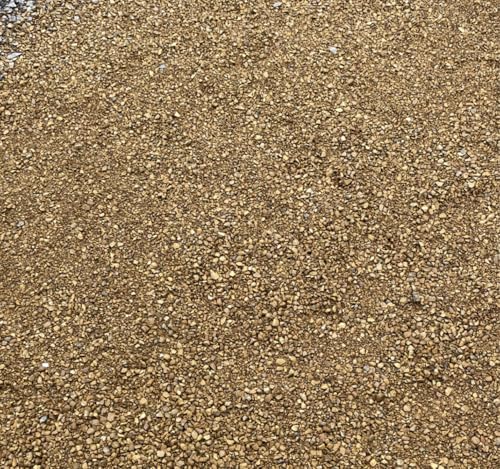
NATURAL DECOMPOSED GRANITE – Finely crushed natural granite with a warm, earthy appearance for pathways, patios, garden areas and landscaping projects.
5. Cascading Steps
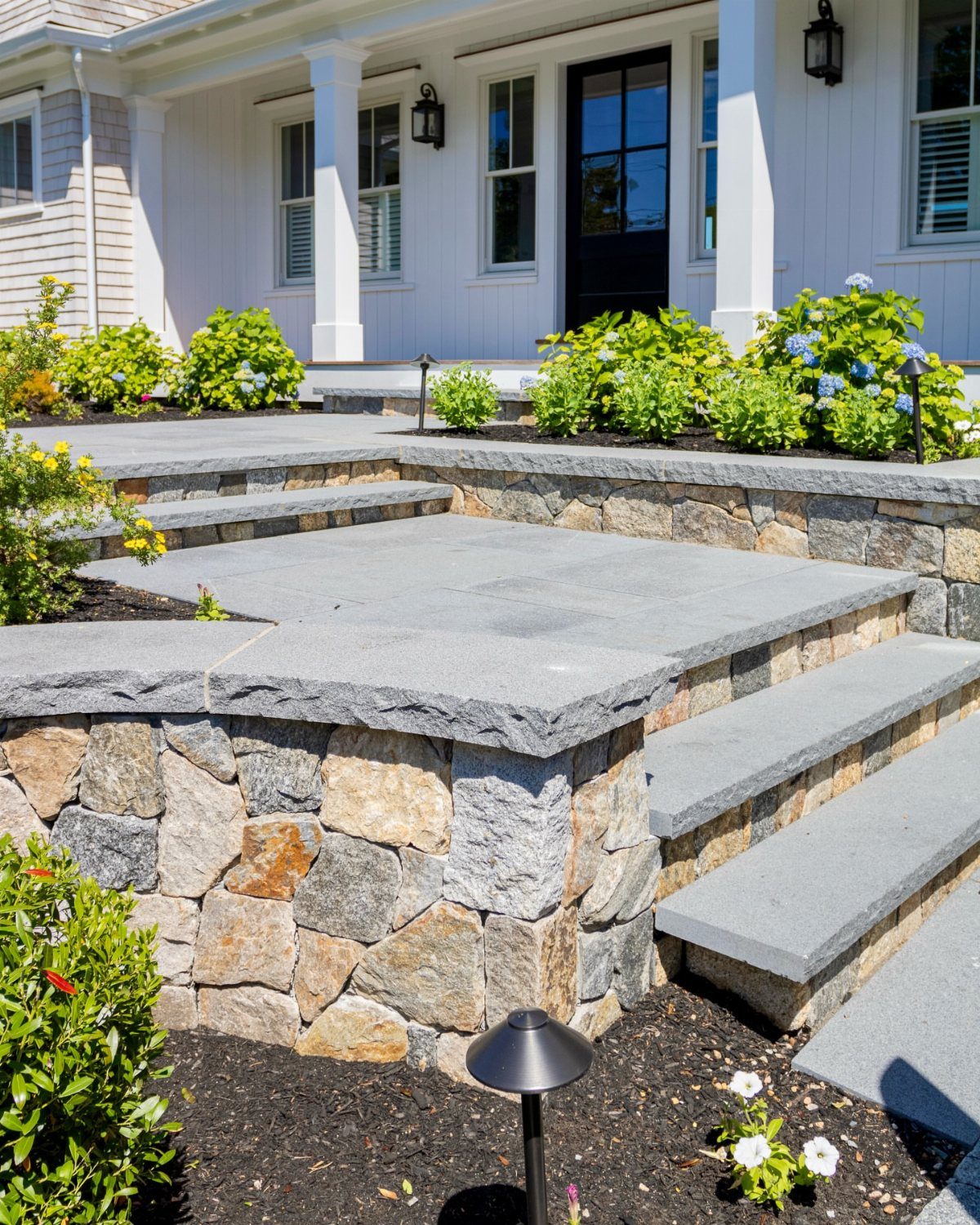
Cascading steps solve the problem of a steep front yard where a straight run would be too aggressive to climb comfortably.
I build the retaining walls first with dry-stacked fieldstone, then measure treads individually; each one gets leveled front to back and pitched 1/4 inch per foot for drainage.
The landing pads break the climb into short segments, which is where most people naturally pause anyway.
Count on this being a three-weekend project, not one, and rent a plate compactor for the base course; hand tamping won’t pass in clay soils.
6. Blooming Blue Hydrangeas
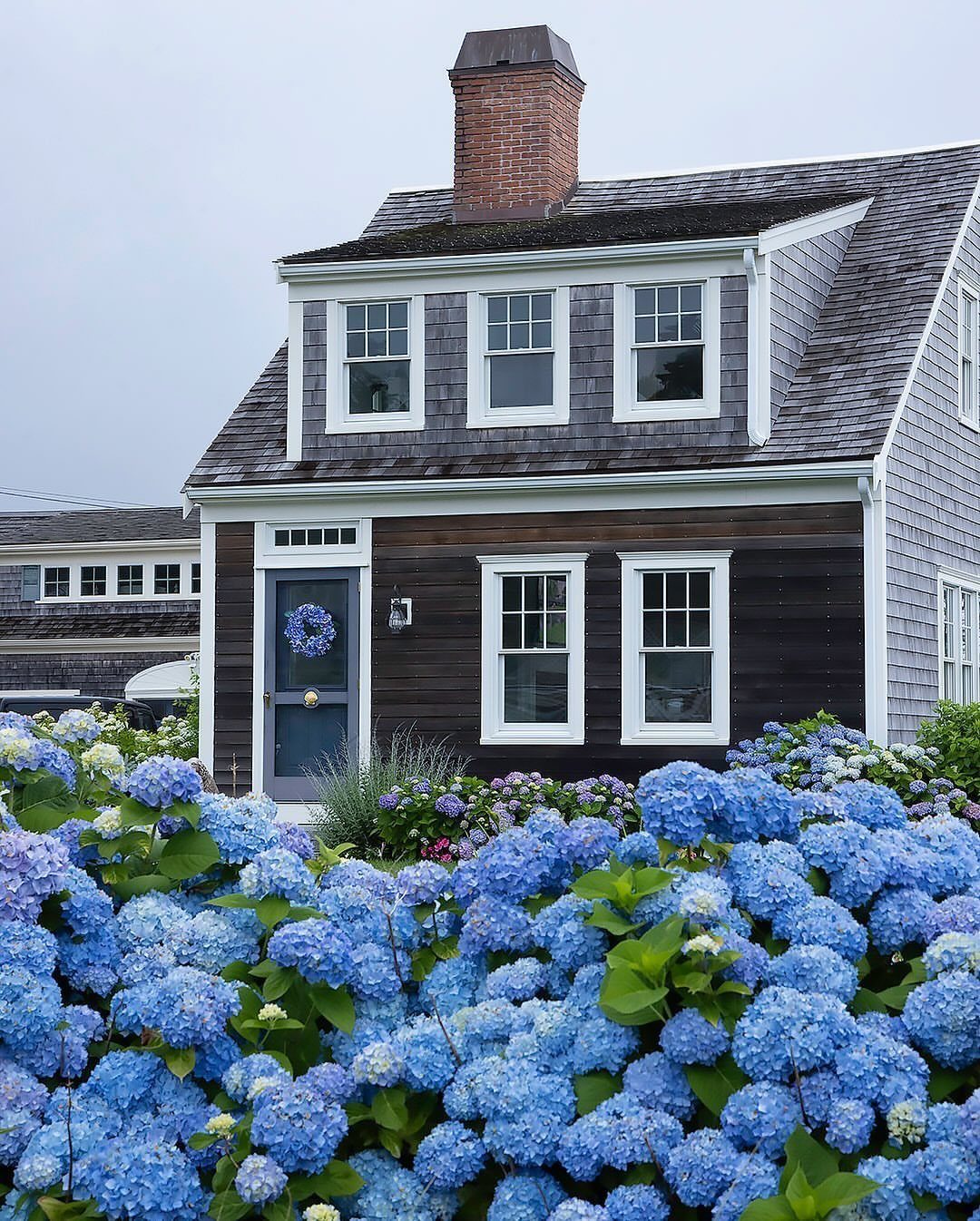
Blue hydrangeas are the plant people picture when they picture Cape Cod, but the color isn’t guaranteed.
I get mine from aluminum sulfate added to the soil in early spring, not from the variety tag at the nursery; without acidic soil, even ‘Nikko Blue’ opens pink.
Mass them in drifts, not singles, and give them morning sun with afternoon shade or the blooms will crisp by July.
I leave mine alone in fall and only prune after flowering in summer, since hard cuts in late fall or spring would remove the old wood that carries next year’s buds.
7. Gravel Driveway with Stone Edging
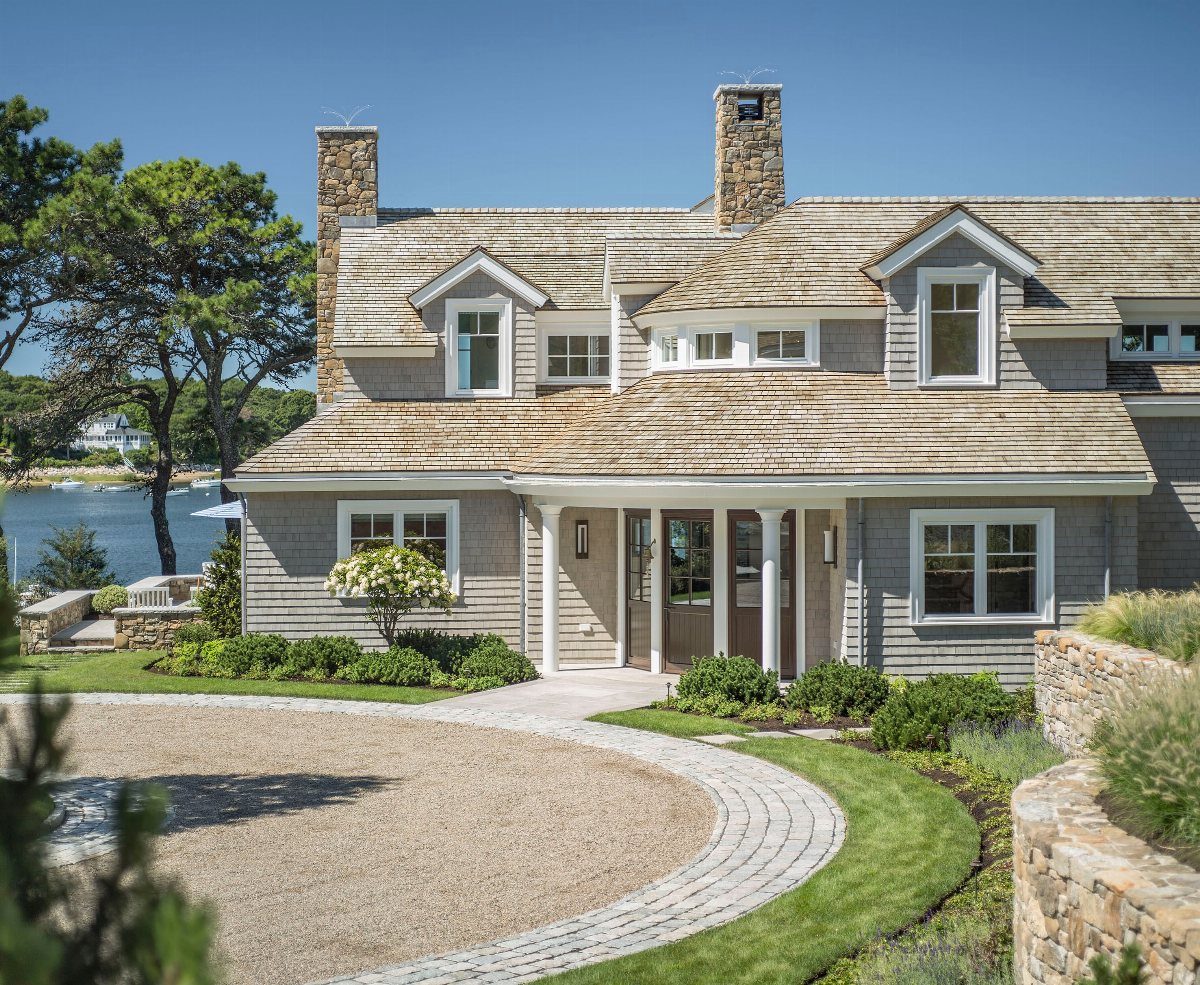
Gravel softens the arrival at a house where asphalt would read too suburban.
Stone edging keeps the gravel from migrating into the lawn every rain, and I run it flush with the grass surface so a mower wheel can track along without catching.
Check your local setback for permeable driveways; some towns on the Cape require them near wetlands, which makes this choice practical as well as pretty.
I order screened gravel, not crusher run; the fines in crusher run pack too tight and puddle.
8. Climbing Roses Against Shingles
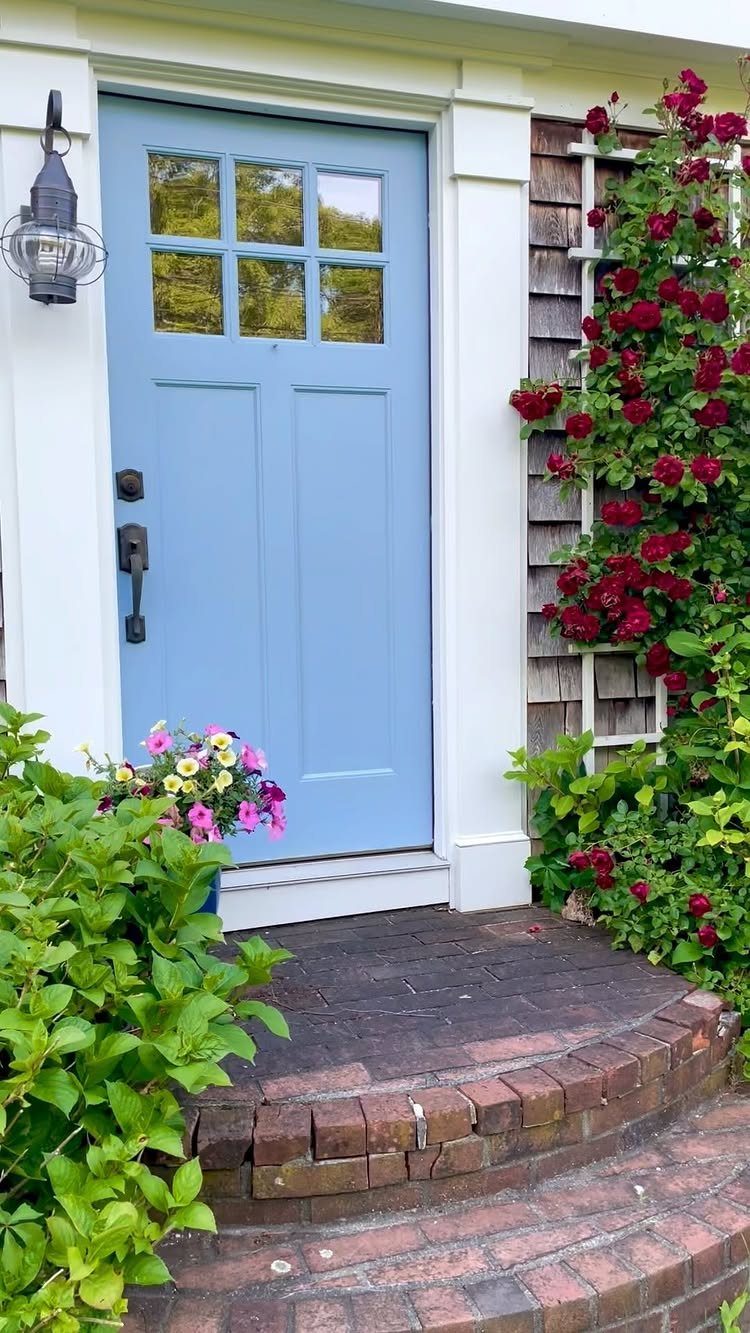
A climbing rose against shingles needs a trellis with an air gap behind it, or the damp will rot the siding once it sits flush for too long.
Prune heavy canes back to the framework every February before the sap rises.
9. Lawn Seating with Adirondack Chairs
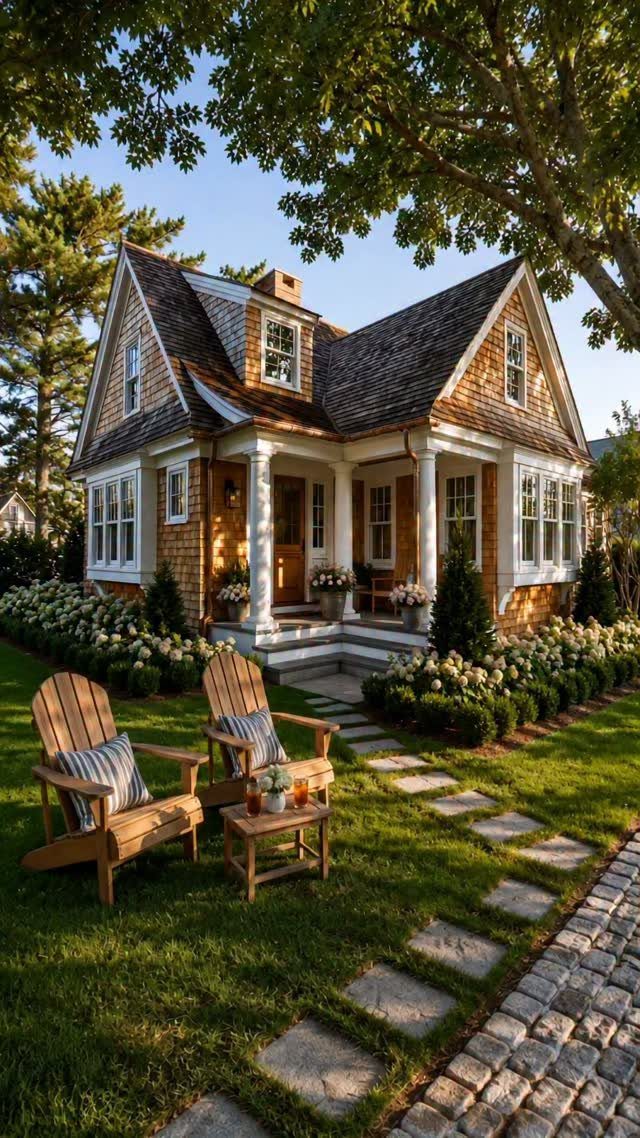
Adirondack chairs belong on lawns in this style because their low backs don’t block the house from the street the way upright furniture would.
I build mine from white oak if I’m painting it, cedar if I’m leaving it bare; pine rots in 2 seasons on damp Cape grass.
Set them on flat stones or deck blocks instead of sinking legs directly into turf, or you’ll trim around them weekly and still stain the wood with mower fuel.
A small table means you actually use the seats for coffee, not just Instagram.
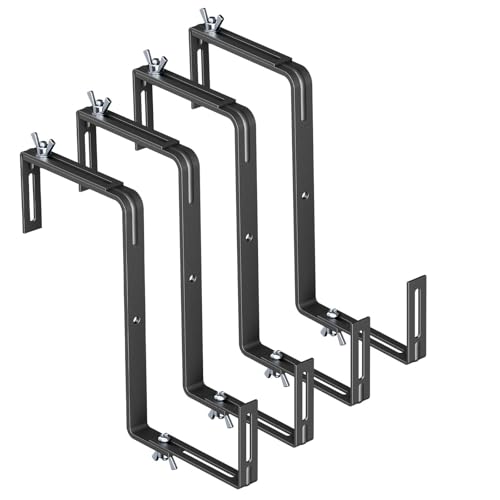
ADJUSTABLE DESIGN: Flexible sizing accommodates flower boxes from 2 inches to 7.8 inches wide with adjustable width from 4.9 inches minimum to 7.8 inches maximum, fitting various planter box dimensions

Adjustable Base Design: Our planter box brackets features a versatile and adjustable design with minimum 6'' and the maximum 12'' depth (Front To Back), allowing you to customize the width to suit your preferences

Generous 40-inch Length for Expansive Planting: this extra-large rectangular planter box measures 40 inches long, providing ample space for creating lush, cascading floral arrangements or a substantial herb garden; Its spacious design is well-suited for covering long stretches of railing or filling empty wall areas, allowing you to make a bold visual impact on balconies, patios, or fences; The two-pack offering enables symmetrical displays without the need for multiple separate planters
10. White Gravel Foundation Beds
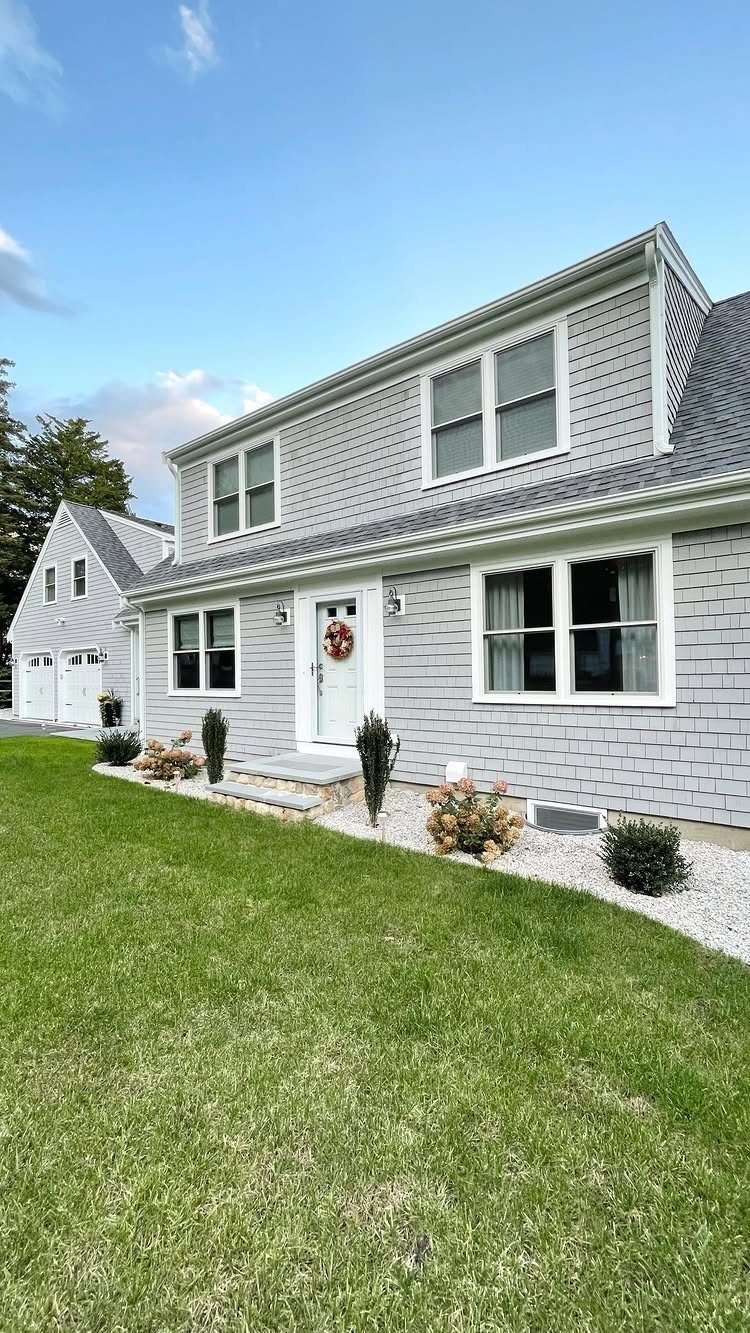
White gravel foundation beds read as tidy intention where dark mulch reads as ongoing maintenance. I use crushed marble, not pea gravel; the angular stone locks in place and doesn’t roll underfoot when I’m edging the lawn.
Lay landscape fabric first if your soil is loam, skip it if it’s sandy Cape soil that drains fast already.
Keep the gravel back from siding to avoid wicking moisture into the shingles, and choose shrubs that stay low or you’ll be pruning into a flat-topped hedge before long.
Emphasis on Simplicity
Cape Cod gardens work best when they stay quiet. The style isn’t about making anything stand out; soft colors and relaxed lines matter more than anything bold or architectural.
I pick plants for how they handle wind, salt, and poor soil, not for how they look in a nursery pot in June.
Native plants are the practical backbone here. They don’t need the watering, feeding, or fussing that ornamental varieties demand, and they look right because they belong.
Weathered wood and softened edges are part of the design, not signs of neglect. A real Cape Cod garden looks better once the wood has weathered and the edges have softened than it did when everything was fresh and new.
This isn’t laziness; it’s restraint. Every element I add has to earn its place, and if it needs constant attention to survive, I leave it out.
Xeriscape – is a great method to landscaping a Cape Cod home. Xeriscaping sustains natural resources by using native plants that require less water, no chemicals and represent the natural landscapes of Cape Cod.
Maintenance Tips
Heavy pruning works against this style.
I shape once or twice a year at most, letting plants find their natural form rather than forcing geometry on them. The relaxed lines are the point.
Fertilizer stays minimal.
Rapid, lush growth looks wrong and creates more work than I want. Established native plantings need little beyond what the soil already offers.
Water features, if I use them, stay small. Gentle sound and movement beat anything showy; a large fountain shifts the mood from quiet to theatrical.
Seasonal cleanup matters, but I don’t chase perfection. Some fallen leaves stay, wood graying is expected, and edges soften over time.
That aging is what gives the garden its ease. I want a yard that looks after itself more months than not, not one that needs me every weekend to look presentable.
Seasonal Interest
Year-round structure matters in a climate where winter lasts.
I lean on evergreens for this, dwarf spruce or pine in groups of three or five so the scale stays modest against a Cape roofline. They carry color when everything else has dropped.
For cold-month interest, red-twig dogwood stands out against snow with its bright stems. Little bluestem keeps texture and movement even dormant, and the seed heads catch frost well.
Spring and summer color come from native wildflowers: wild columbine and butterfly weed for pollinators and steady bloom. Sumac and sugar maple handle the fall shift to red and orange.
Once established, they handle shifting weather without demanding much. I plan for at least two seasons of interest from any plant I add; one-hit wonders aren’t worth the space.
Frequently Asked Questions
What are some good options for landscaping the front of a Cape Cod house?
Low hedges, picket fencing, natural stone pathways, and window boxes all suit the style well. Near the coast I swap boxwood for Japanese holly; the leaves stay green where salt air turns boxwood brown.
Window boxes need heavy-duty L-brackets screwed into the window frame, never the siding. Low, quiet lines work best against that steep roof; anything tall or fussy competes with the shape of the house itself.
What are the best colors for the exterior of a Cape Cod house?
White, soft blue, and sage green are the colors that belong on these houses, with wood trim and maybe a red door as the single bright note.
This limited range helps give the garden a spacious feel and keeps the overall look quiet and cohesive. The classic Cape Cod home usually features white siding or shingles with shutters on every window.
What are the best shrubs for Cape Cod?
Boxwood still works inland, but within sniffing distance of salt water I reach for Japanese holly; the foliage doesn’t bronze out the way boxwood does.
A cluster of three or five dwarf spruce anchors the winter yard without looming over the eaves. Red-twig dogwood lights up against snow, and beach plum with bayberry asks almost nothing of you once it’s in the ground.
Are Cape Cod gardens high-maintenance?
No, they are designed to be low-maintenance and thrive with minimal intervention.
Natives are the practical core; they grew here before irrigation and they will grow here after the spigot is off, and a relaxed yard means letting them keep their natural shape.
Twice a year with the shears is my limit, fertilizer goes on sparingly if at all, and I want the place to look decent through the weeks I am not there.