The 9 ideas below run from a compact flowering ornamental to a weeping willow that needs real space, and the one that belongs in your yard depends on how much room you have between the sidewalk and your foundation.
Soil pH matters more than people think for red maple; acidic ground gives the scarlet canopy that makes the tree worth planting, and alkaline soil shifts the fall show to orange-yellow instead.
[link-whisper-related-posts]1. Red Maple
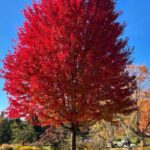
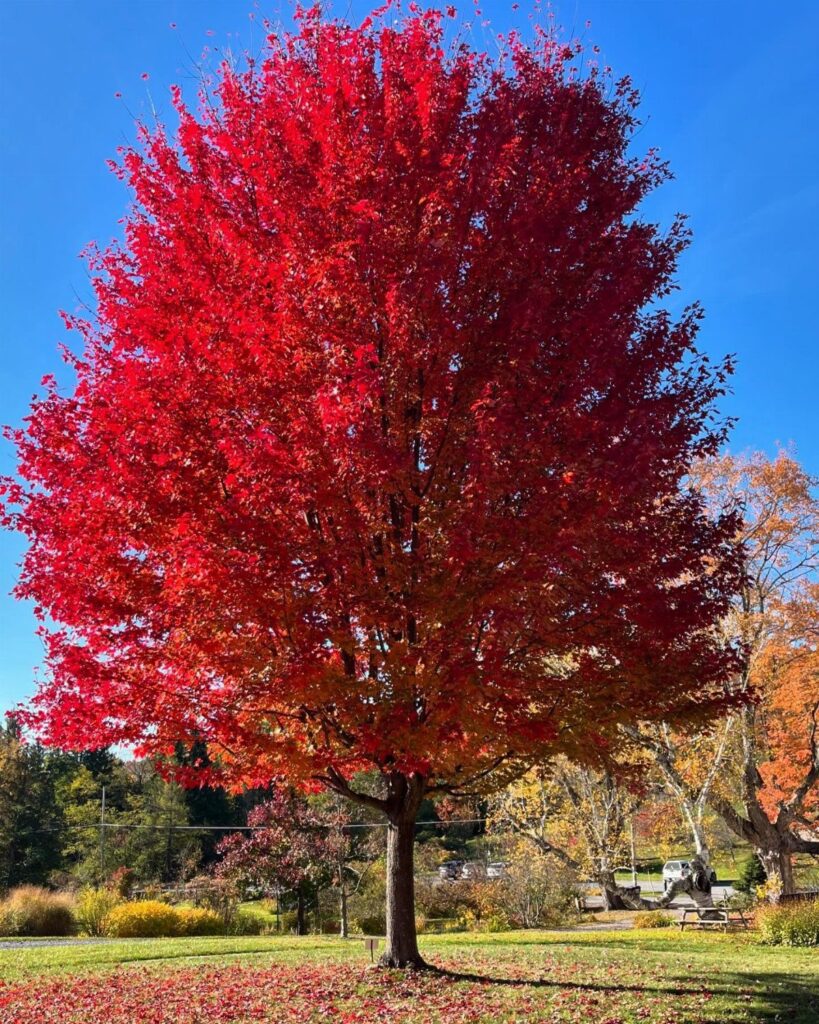
Red maple delivers the most dramatic fall color of any front-yard shade tree I would plant.
A red maple will give you that scarlet canopy, but only after years of steady growth. I would check my soil pH first; these trees prefer slightly acidic ground and color strongest where they get it.
Full sun gives the reddest leaves, so a yard shaded by neighboring houses or mature trees will give you orange-yellow instead.

Accurate Soil pH Testing: Dewildetradingco Soil pH Test Strips offer measurements of soil pH levels (pH 3.5-9). As an essential tool for every gardener and grower, these test strips help determine the optimal pH for various plants, such as outdoor plants, indoor plants, gardens, grass lawns, fruit trees, flowers, vegetables, and forest shrubs.

KNOW BEFORE YOU GROW | Grow the healthiest, sustainable lawn and garden with the most accurate and easy to use professional soil test kit on the market

PROFESSIONAL-GRADE ACCURACY: Engineered specifically for soil pH testing, delivering results quickly (in about 60 seconds). With a 3rd Generation, 3-pad ph tester strips design, our soil ph test kit ensures consistent, repeatable results for all your lawn, landscape and garden needs.
2. Northern Catalpa
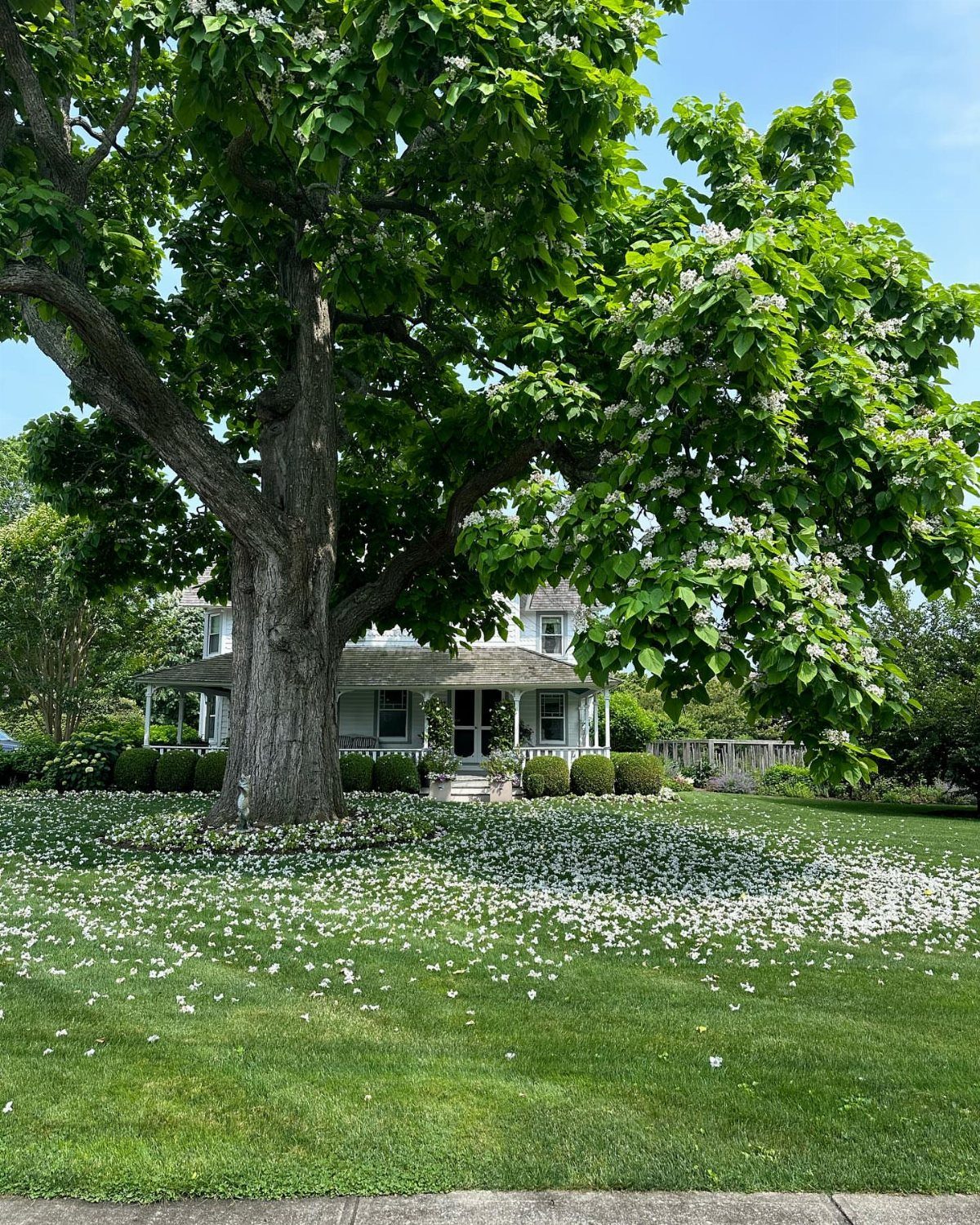
Northern catalpa asks for more space than the average suburban lawn typically offers.
The broad heart-shaped leaves and late-spring white blossoms drop heavily, as that carpet of petals shows, so I would not plant one where I mind raking or where the flowers will fall on pavement and turn slippery.
Where I do have the room, the dense summer shade and unusual tropical look more than justify the mess.


For sale is one Catalpa tree that is approximately 10-16" tall and shipped in a quart pot

“We do not ship to CA,AZ,WA and OR.”
3. Paper Birch
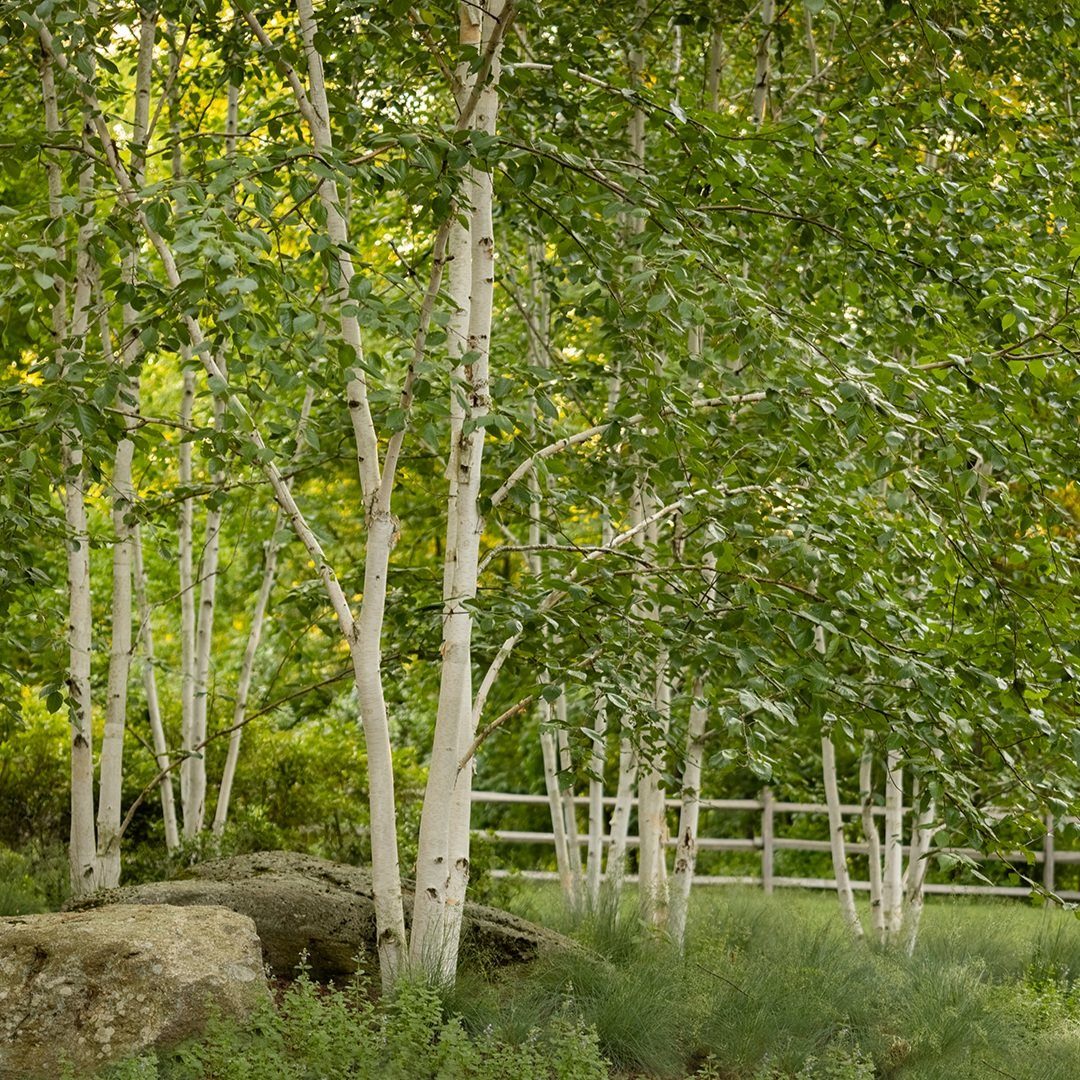
Paper birch reads as northern and natural, which makes it tricky where summer heat and humidity invite bronze birch borer.
I would plant paper birch in a grove, since single specimens look stranded and the root systems knit together for stability.
Approximately 3 Pounds

Supports Healthy Growth & Foliage – Helps promote lush leaves, improved canopy development, and overall tree vitality.

Supports Healthy Growth & Foliage – Helps promote lush leaves, improved canopy development, and overall tree vitality.
4. River Birch
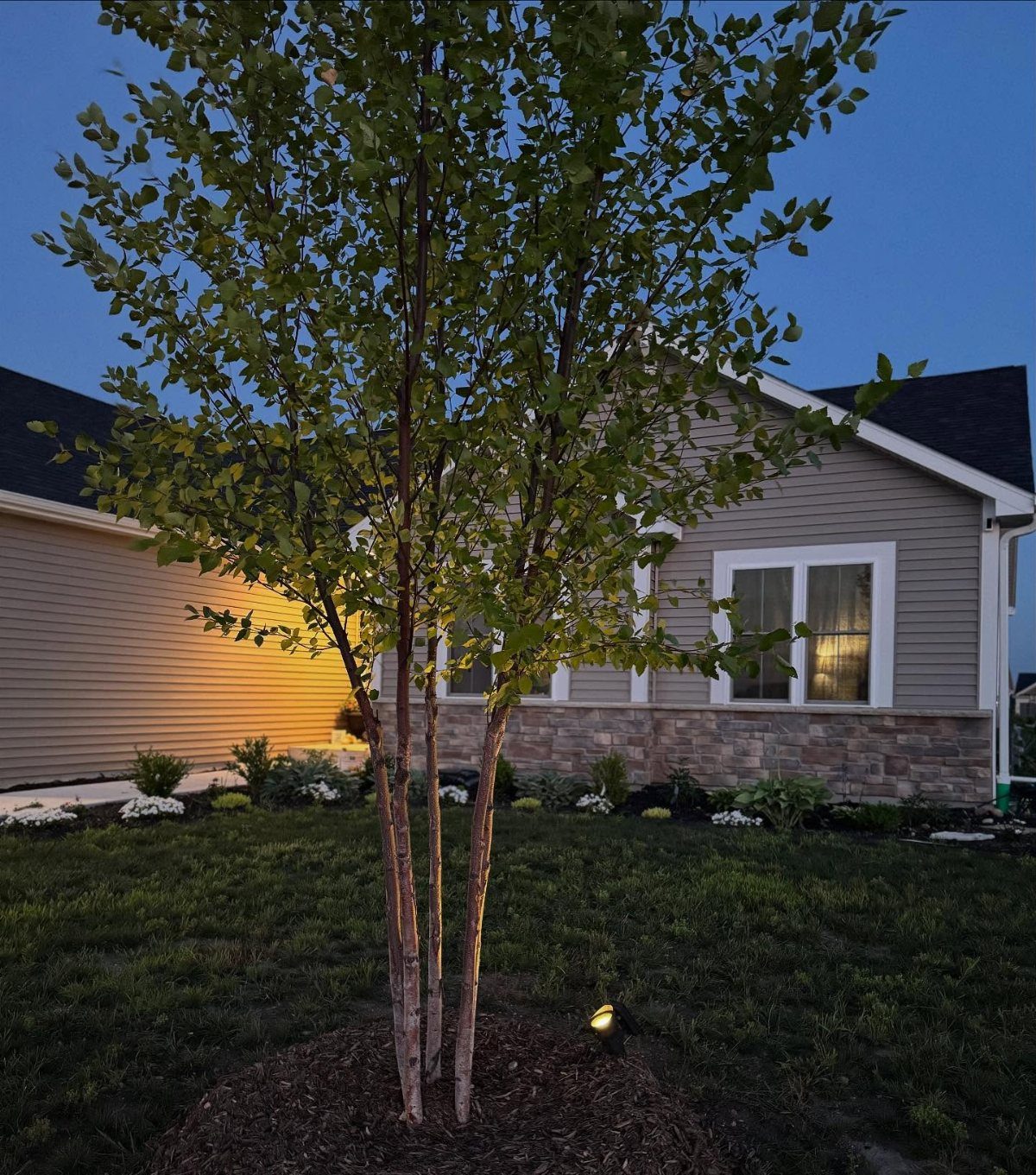
River birch is my substitute when I want birch looks below zone 6. The peeling cinnamon bark and multi-stem habit are the mature signature of a river birch, but young trees start thinner and greener.
I would give it moist soil if I can; in dry clay it survives but the leaves yellow and drop early.
I would wait on uplighting until the tree is established enough that I am not disturbing roots to install fixtures, though I can see why someone would want to highlight that peeling bark early.
Grow beautiful plants with less water
Increases plant establishment

100% Natural: No additives, chemicals or artificial fertilizers, formulated for indoor / outdoor container gardening
5. Mulched Young Shade Tree
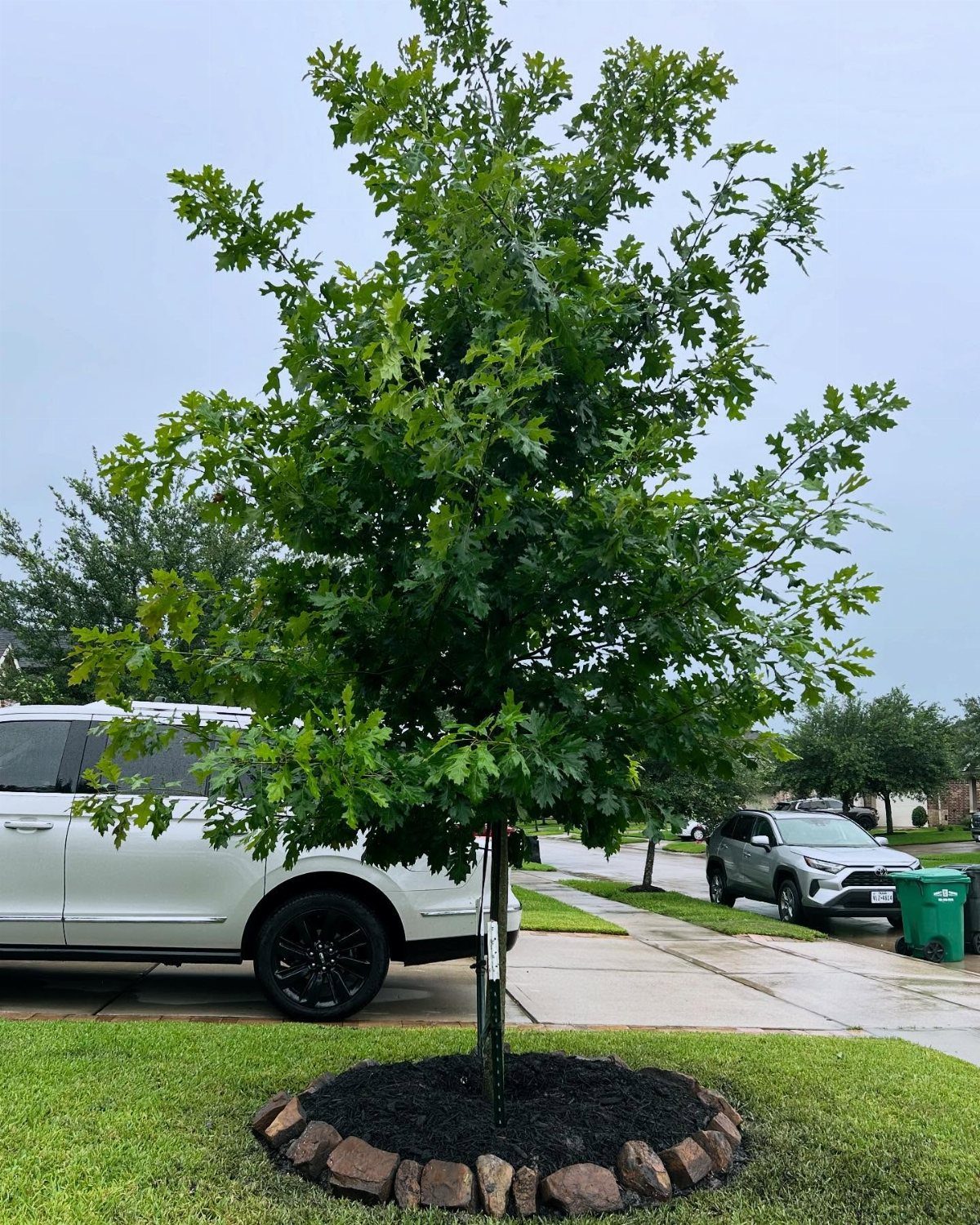
A young shade tree needs exactly this setup to survive its first few summers. The stone ring keeps lawn equipment back, and a mulch layer holds moisture and suppresses the grass competition that kills more new trees than drought.
I would pull mulch well back from the trunk itself; the volcano pile I see too often rots bark and invites pests. I would remove that stake after the first year so the trunk strengthens in wind.

High-Quality Non-Woven Fabric: Crafted from top-tier felt, these tree ring mulch mat offer long-lasting performance, ensuring optimal care for your trees.Before purchasing, please be aware of the hardness of this type of non-woven felt mat, which is different from the wooden tree ring

【Biodegradable and Long-lasting】: These non woven tree rings are made of high-quality high-density thick non-woven fabric, which is durable and saves resources. Tree-based covering non-woven fabrics naturally degrade over time, reducing waste and the need for constant replacement.

Breathable Non-Woven Ground Cover: Our tree mulch ring is constructed from high-density non-woven fabric. The breathable structure allows water and air to penetrate smoothly to nourish tree roots, while blocking sunlight to slow surrounding weed growth. It stabilizes soil temperature and reduces moisture evaporation for healthier plant growth
6. Walkway Accent Shade Tree
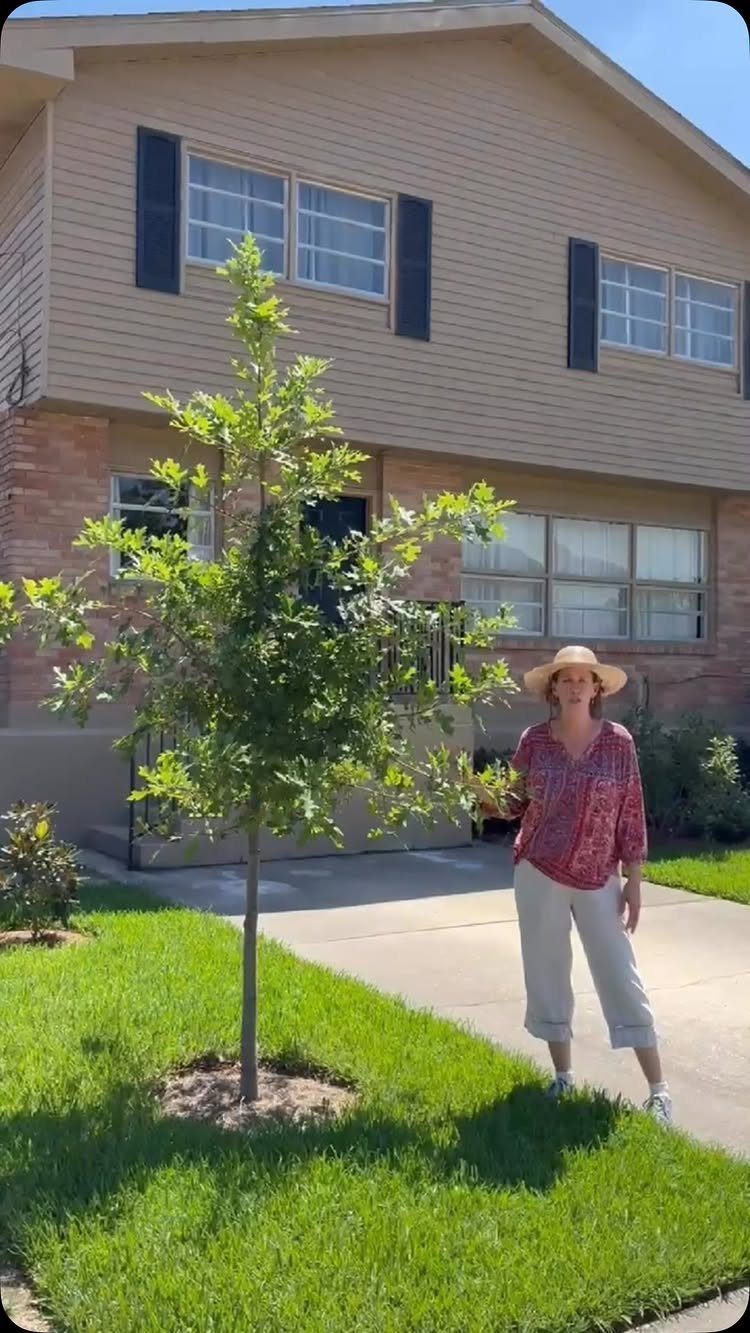
Placing a shade tree beside the walkway frames the approach and gives the house presence while the tree is still too young to cast real shade.
I would measure my mature canopy width before digging; a tree that overhangs the walk is charming small, a nuisance once it drips on passersby and heaves concrete with surface roots.

【Quick Soil PH Testing】 DOMICA Soil PH Test Strips offer measurements of soil PH levels (PH 3-9). As an essential tool for every gardener and grower, these test strips help determine the optimal PH for various plants, such as outdoor plants, indoor plants, gardens, grass lawns, fruit trees, flowers, vegetables, and forest shrubs.
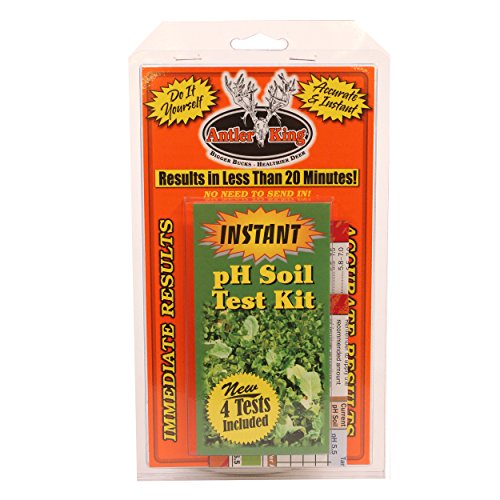
Know soil PH in 20 minutes
7. Weeping Willow
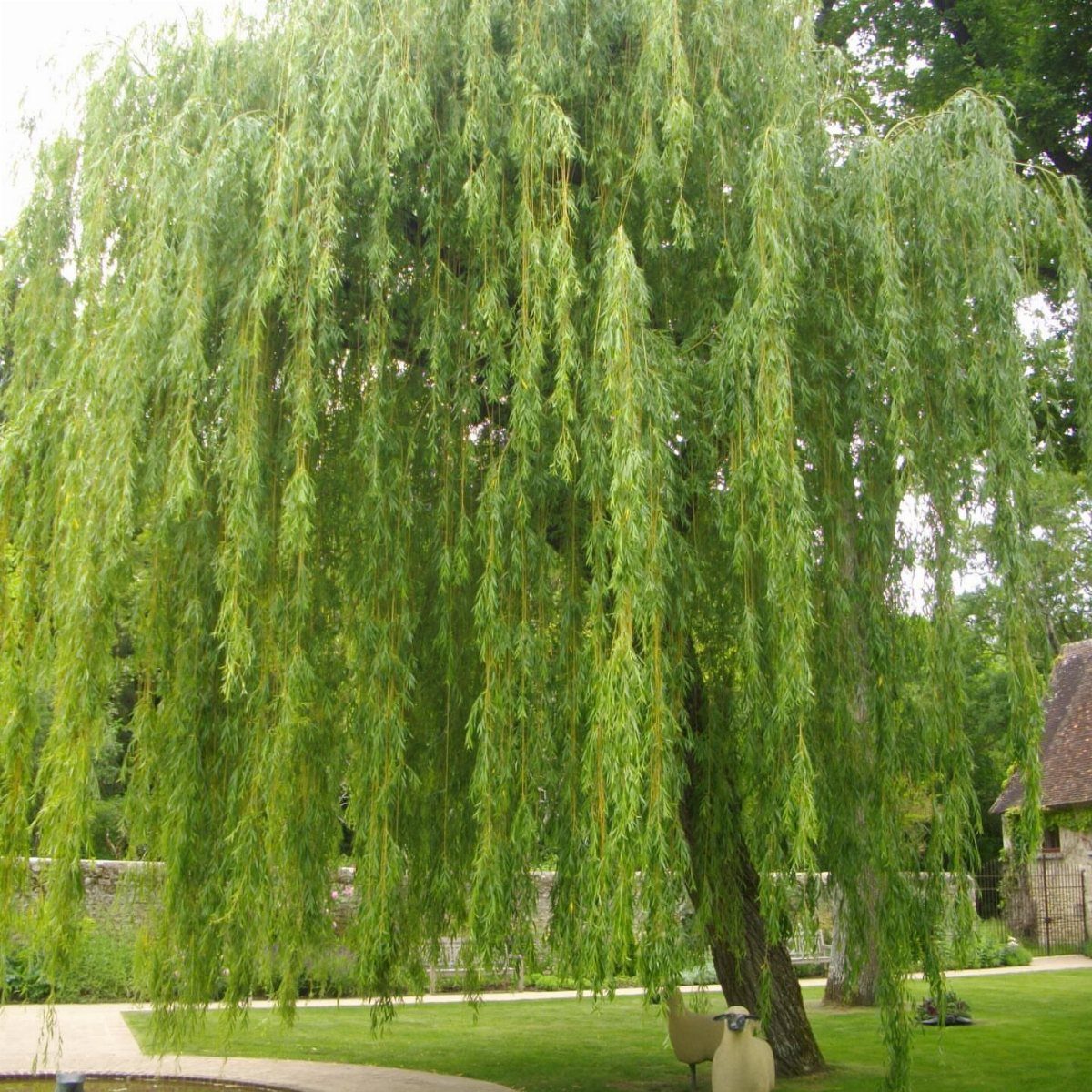
A weeping willow in the front yard is a statement that only works with serious space. The cascading branches need room to sweep the ground without blocking the walk or drowning foundation plantings in shade and leaf drop.
I would plant this only where I had open lawn in every direction, and where I did not mind seasonal cleanup; the twigs and leaves shed steadily.
The roots seek water aggressively, so I would keep it well clear of septic lines, water mains, and paved surfaces that heave.

Rapid Canopy and Shade Coverage: Delivers exceptional growth speeds to provide backyard shade without extended waiting periods. This deciduous tree quickly develops broad, heart-shaped leaves to block summer sun, lower ground temperatures, and help reduce home cooling costs naturally

SPECTACULAR ORCHID-LIKE BLOOMS: This variety is famous for its ability to produce large clusters of white, bell-shaped flowers with purple and yellow inner spotting. These elegant blossoms can add a high-impact look and a splash of sophisticated color to your favorite outdoor location during late spring and early summer.

For sale are two Catalpa trees that are approximately 10-16" tall and shipped in 4" pots
8. Flowering Ornamental Shade Tree
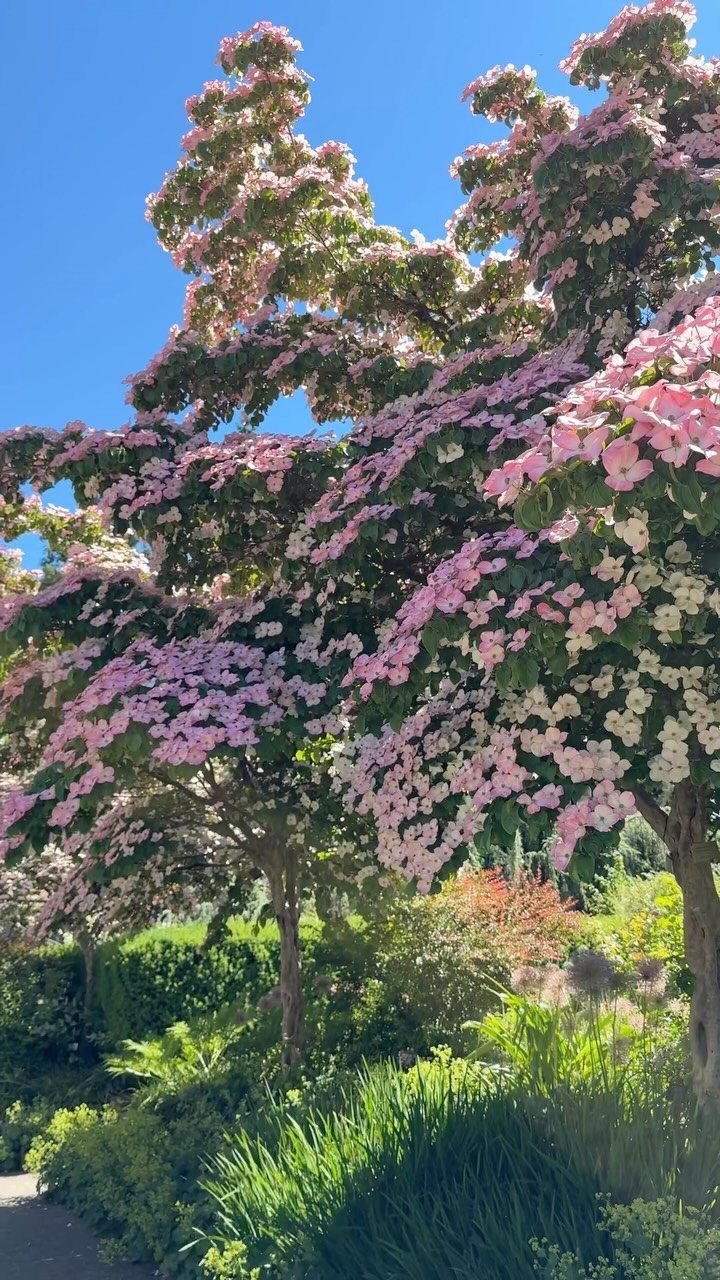
Dogwood and its flowering cousins give you spring color while the canopy is still open enough to let light through.
I would check my hardiness zone before committing; dogwood struggles where summers stay hot and humid, and anthracnose spreads fast in wet springs.
The pink and white bracts read brightest against a pale house or sky, so I would think about my backdrop, not just the bloom.
These trees stay small enough for most suburban lots, which matters when I do not want to fight utility lines or shade my vegetable beds into uselessness.
The American sweetgum — with its star-shaped leaves, neatly compact crown, interesting fruit, and twigs with unique corky growths called wings — is an attractive shade tree. It has become a prized specimen in parks, campuses, and large yards across the country.
9. Suburban Front Yard Shade Tree
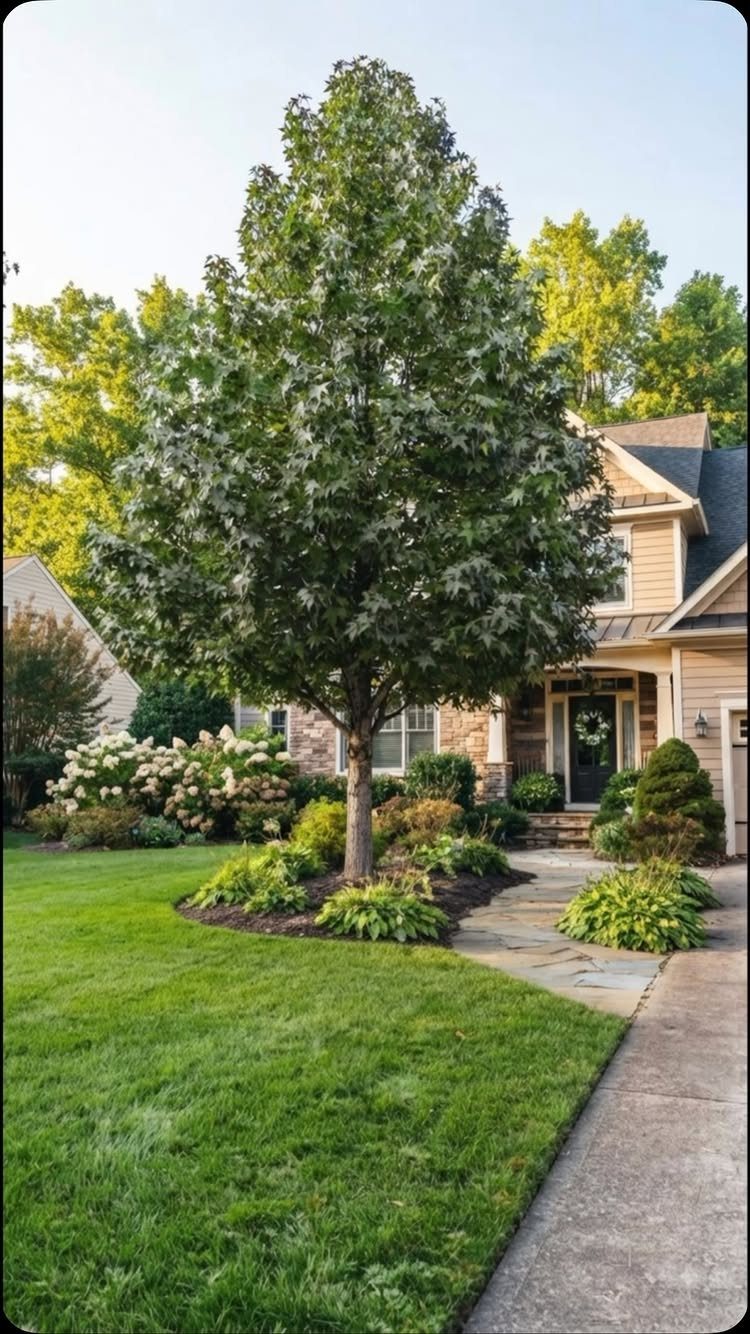
This is what most of us picture when we say "shade tree": one mature deciduous tree anchoring the front lawn, mulched and tidy, casting full shade by midsummer.
I would match my choice to the scale of the house; a two-story Colonial can carry an oak or maple that would overwhelm a single-story ranch.
Set the tree to frame the approach without crowding the structure; keep the walk and foundation plantings clear enough to let it read as a deliberate frame rather than an afterthought.
I would budget for professional planting if the tree is larger than 2 inches in caliper; the root ball gets heavy fast, and a crooked start is permanent.

Soil Moist granules are the eco-safe, water storing polymers that you simply place in soil then water

Saves time and labor on plant watering

100% Natural: Special soilless blend for the plant also known as “friendship plant”, “money plant” or “silver dollar plant”
Choosing the Right Tree
Front yard and backyard trees answer to different priorities, and the same species rarely serves both.
Height limits matter most where power lines run overhead; under lines I look for trees that top out low enough to stay clear, while open yards give more room to work with.
I also check what the tree drops and how its roots behave: fruit, seeds, or sap on concrete is a mess I don’t want to clean, and roots that push up pavement are a lawsuit waiting to happen.
Four-season interest matters too, since the street side is what everyone sees.

Natural Organic Tree Ring: These tree mulch rings are made of natural coconut fiber, which is very thick, the fiber is evenly distributed, and sturdy, it can keep the soil moisture in the pot well, they can also prevent weeds from growing arbitrarily

Sturdy Material: Mulch rings for trees utilize heavy duty nonwoven reusable landscape fabric to offer excellent outdoor weather resistance, promoting healthier root systems and supporting sustainable gardening practices in diverse settings like patios, driveways

Natural Organic Tree Ring: These tree mulch rings are made of natural coconut fiber, which is very thick, the fiber is evenly distributed, and sturdy, it can keep the soil moisture in the pot well, they can also prevent weeds from growing arbitrarily
Planting Considerations
Soil type matters as much as space. What the soil actually is, clay, sand, or loam, makes a real difference in how water moves and roots push through, so I check before I dig.
I would also note where the sun hits through the day; a tree that wants full sun will lean and thin if I place it where neighboring buildings shade it.
Distance from structures is not negotiable. I would locate water mains, septic lines, and irrigation systems before I choose my spot, since root systems follow moisture and can invade pipes or heave pavement.
Maintenance Tips
I would prune for structure while branches are still small enough to cut cleanly with hand tools, building good form in those early years before the wood gets thick.
Removing competing leaders early prevents the weak crotches that split in storms later. I would never remove more than a quarter of the canopy in a single season; the tree needs those leaves to feed root growth.
For pests, I would inspect bark and leaf undersides monthly through the growing season. Catching bronze birch borer or anthracnose early means less drastic treatment than letting an infestation establish.
I would also vary my fertilizing by species; dogwood and other flowering ornamentals need less nitrogen than a red maple pushing fall color, and too much produces soft growth that invites aphids.
Frequently Asked Questions
What is the best shade tree for a front yard?
That depends on your yard’s conditions and what you want from the tree. For fall color, I would plant red maple, though it needs slightly acidic soil and full sun to turn truly scarlet.
If I had a two-story house to cool, I would look for something with height and a broad canopy rather than an ornamental, since dogwood and its cousins stay small enough that their shade barely reaches a second floor.
I would also check my hardiness zone and soil type before committing to any species.
What is the quickest growing shade tree?
Weeping willow is the fastest I know, adding about 10 feet per year and topping out around 40 feet. The speed comes with trade-offs: softer wood that cracks in storms, and steady twig and leaf drop that demands seasonal cleanup.
What are some good shade trees that don’t get too big?
Dogwood is my first thought for a smaller front yard, since it stays compact enough to avoid utility lines and won’t shade your vegetable beds into uselessness.