Sixteen raised garden designs run from portable boxes you can wheel around to mortared stone that outlasts the house itself, with stops for seating, fencing, and even a hoop house along the way.
Your budget, your patience for construction, and how many seasons you plan to stay in one spot are what narrow the list to a single choice.
Dry-stacked brick lets you test the water without mixing mortar; 15 inches of bench width is enough for perching, twenty for coffee.
[link-whisper-related-posts]1. Portable Raised Planter Boxes
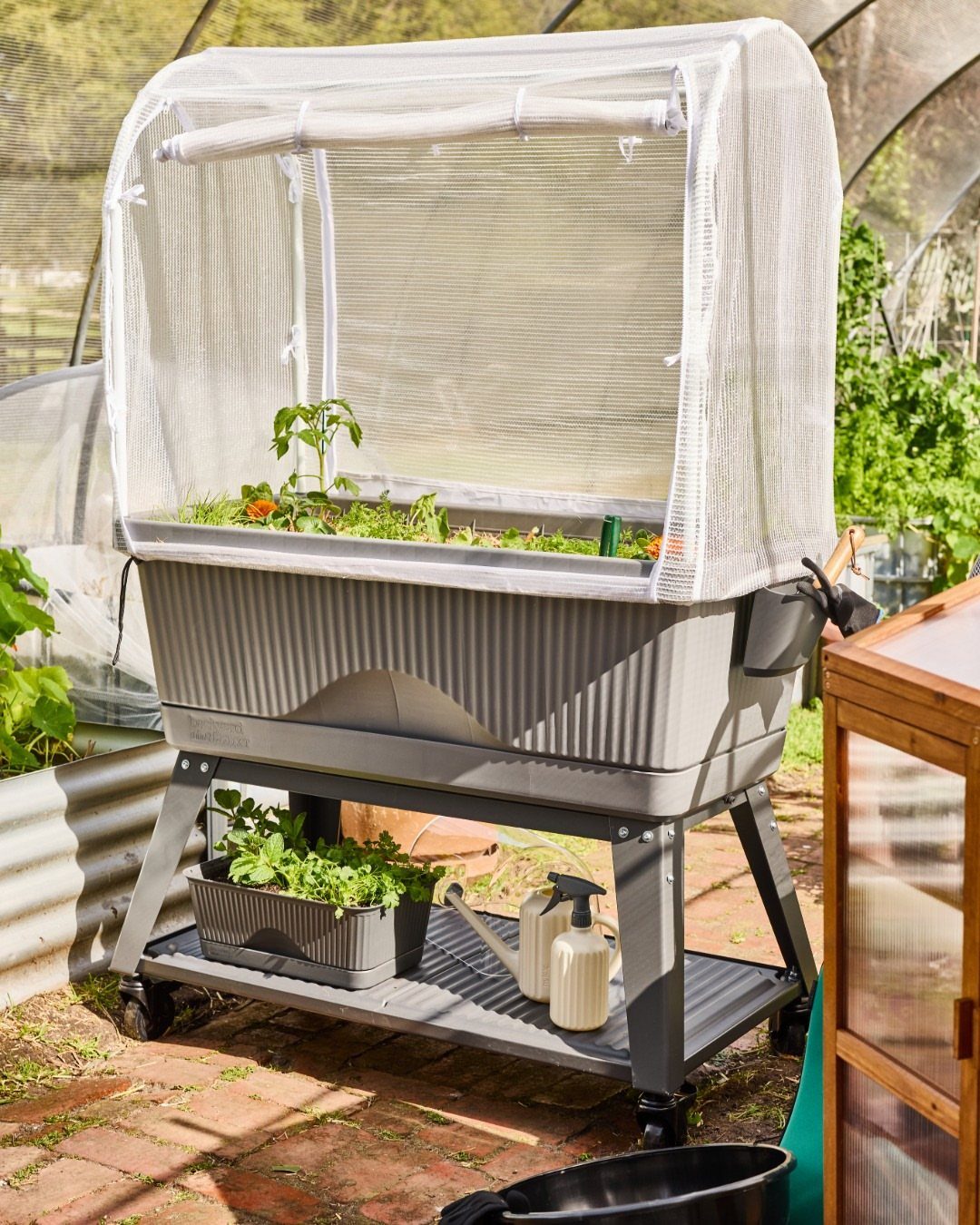
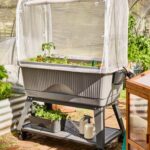
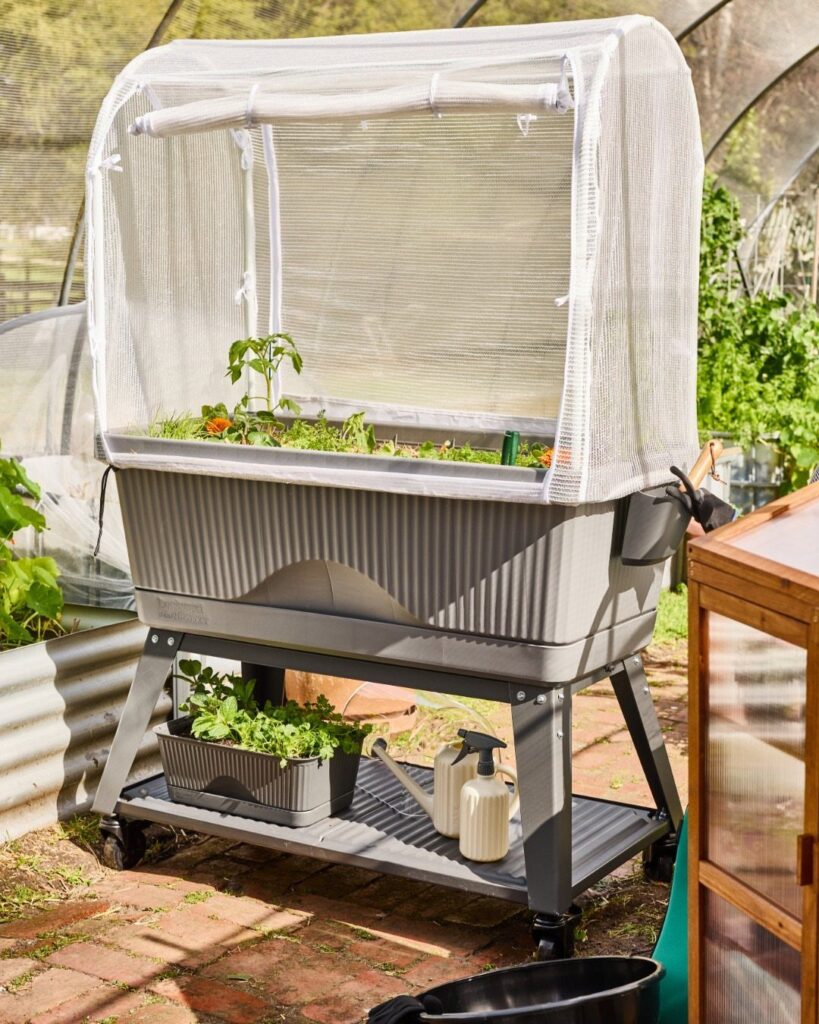
A portable raised planter sits on wheels so you can chase the sun across a patio or tuck it against a wall when company comes.
The mesh cover visible here is the detail that matters: it keeps cabbage moths and squirrels out without trapping heat the way solid plastic would.
Check that the casters lock, or a breeze on a sloped driveway sends your lettuce rolling.
I would look for a reservoir tray underneath, since elevated beds dry out faster than ground soil and daily watering gets old fast. Good for renters or anyone whose only outdoor space is borrowed.

🌿 Greenhouse Covered Raised Garden Bed: This 2x4ft elevated planter features a protective greenhouse cover, creating a cozy environment for your plants and extending your gardening season. Perfect for growing vegetables, herbs, and flowers outdoors in spring, fall, or unpredictable weather.

MOBILE GARDEN ON WHEELS — Two all-terrain wheels and an ergonomic handle let you roll a 200+ lb planted bed wherever sunlight goes. Move your garden across patio, balcony, or backyard in minutes.

Dual-layer drainage system:5 holes + 2 cross lines) prevents waterlogging 2x faster than single-hole beds. Keep roots healthy in heavy rain!
2. Wooden Raised Bed Garden
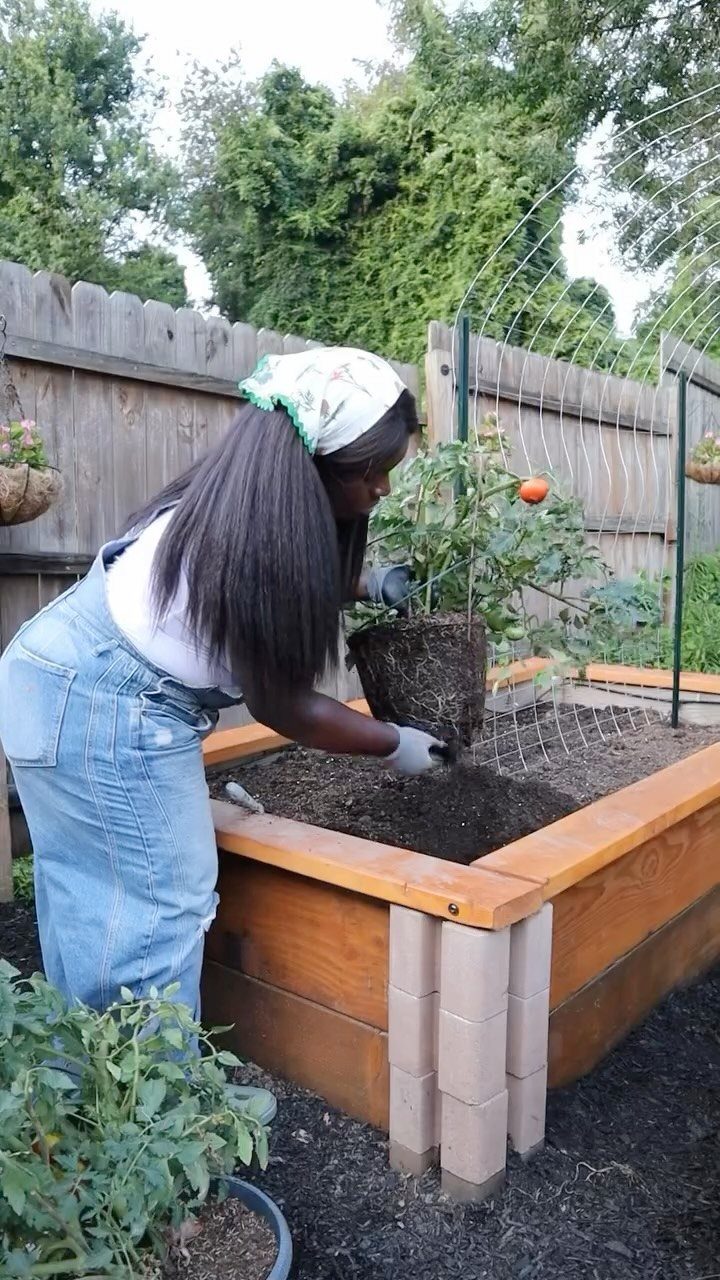
Wood is the material most people picture when they think raised bed, and for good reason: a basic box of cedar or pine is fast to build and easy to source.
I prefer concrete blocks at the corners to pure timber construction; they last longer and the weight holds the bed square.
They lift the boards off wet soil, slow rot, and give you a place to set tools while you work.
Pressure-treated lumber is cheap and lasts years, but I would skip it for vegetables I eat raw; the modern formulas are safer than old arsenic treatments, yet cedar still feels like the cleaner call.
One thing to decide before you cut: width. Reach the middle from either side without stepping in, or you compact the soil you just fluffed.

Elevate Your Garden - Opt for a brilliantly engineered raised garden bed to revolutionize your gardening. Its spacious design, measuring 48x24x30 inches, allows for the cultivation of multiple vegetable varieties alongside a plethora of herbs, optimizing your gardening space for ease and diversity.

🪵 Solid American Cedar: Crafted from untreated 100% solid American cedar boards, it is ideal for growing vegetables, herbs, and flowers.

Outdoor Raised Garden Bed Winter Cover:The cover size is 48"D x 24"W x 30"H.Suitable for most elevated wood planter box stand on market.Please note that:Cover only
3. Brick or Natural Stone Raised Bed
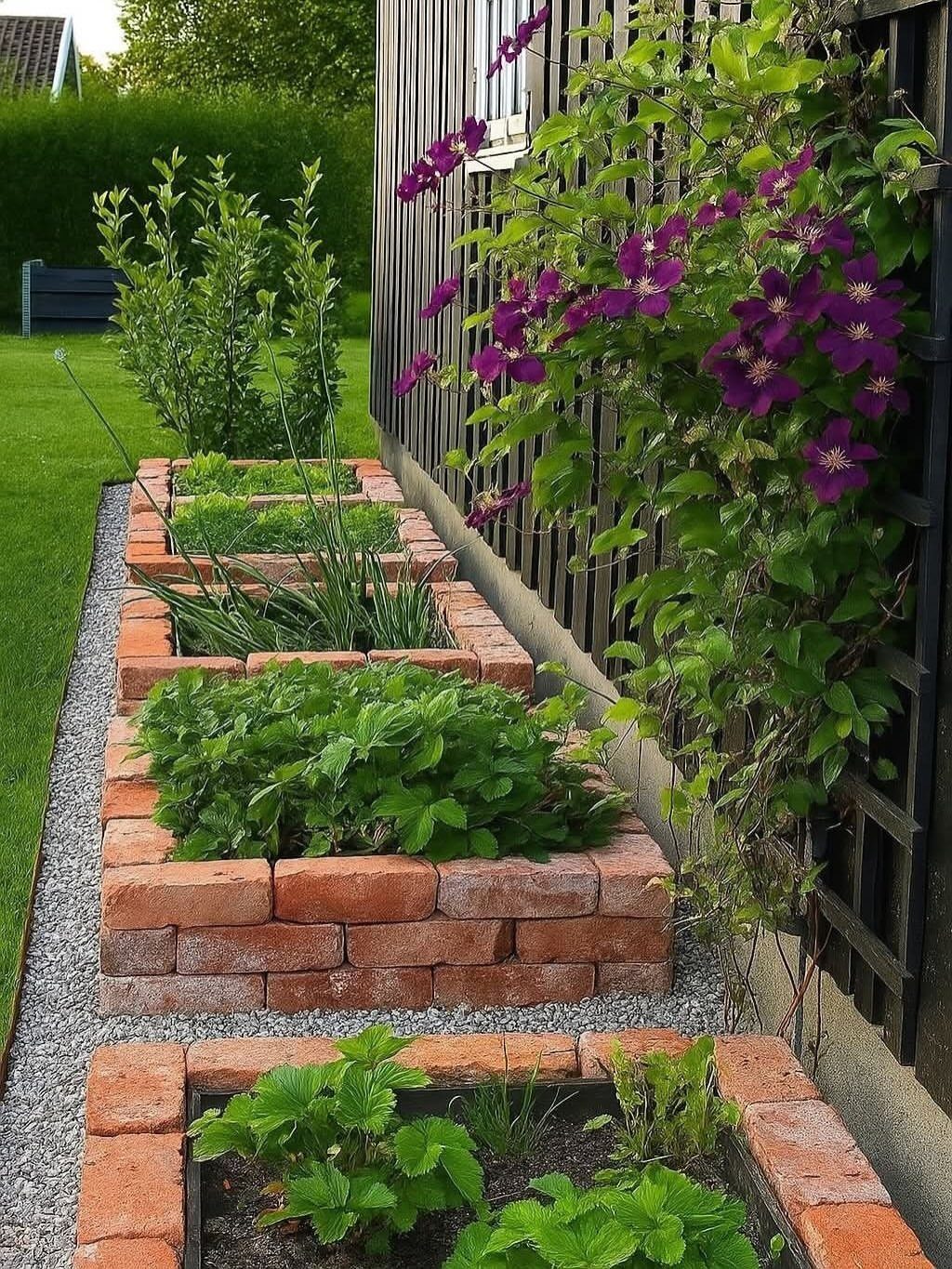
Brick and stone beds read as built-in, not built, which matters if your garden sits close to the house or the neighbor’s view.
Multiple small rectangles beat one long bed because they let you rotate crops and avoid stepping in soft soil to reach the middle.
Shorter walls need no reinforcement against bowing from wet soil, and you can walk between them for tending without leaving a compressed path. Mortared brick is permanent; dry-stacked lets water weep through and shifts a little as ground freezes.
I would go dry-stacked for a first try, since leveling a course of brick teaches you whether you enjoy this before you commit the weekend to mixing mortar.
Cost runs higher than wood, but a small bed by the kitchen door pays back in thyme you actually snip.
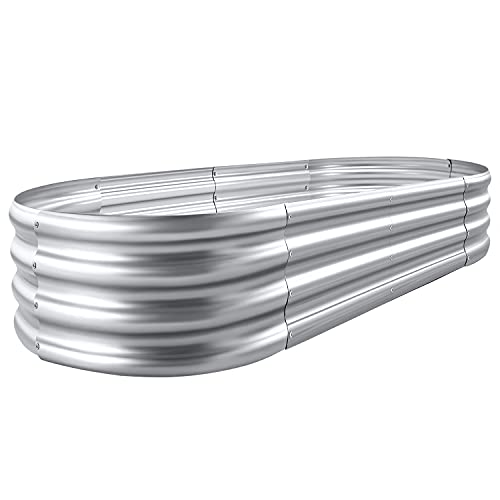
Each raised metal garden bed size: 4×2×1ft ,7.14Cu
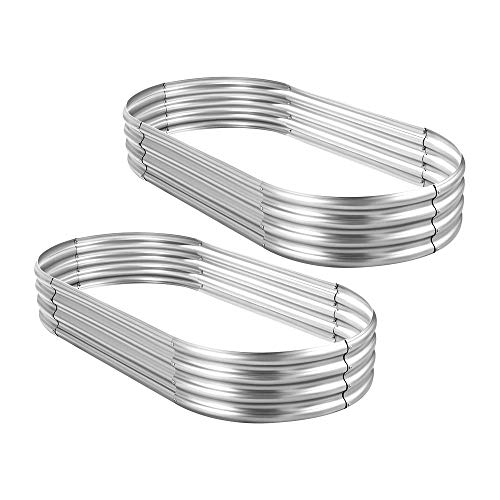
Each raised metal garden bed size: 4×2×1ft , 7Cu

SPACIOUS GROWING SPACE WITH EXTRA PLANTING DEPTH:Measuring 91.5" L × 47.3" W × 22.06" H, this galvanized raised garden bed holds approximately 412 gallons of soil, providing generous planting space and extra depth for vegetables, herbs, flowers and fruits. The spacious design allows roots to grow naturally while supporting tomatoes, peppers, cucumbers, broccoli, beans, lettuce, carrots, potatoes and other popular garden plants. Ideal for backyard gardening, raised vegetable gardens and outdoor planter box projects.
4. Tiered Raised Bed Planters
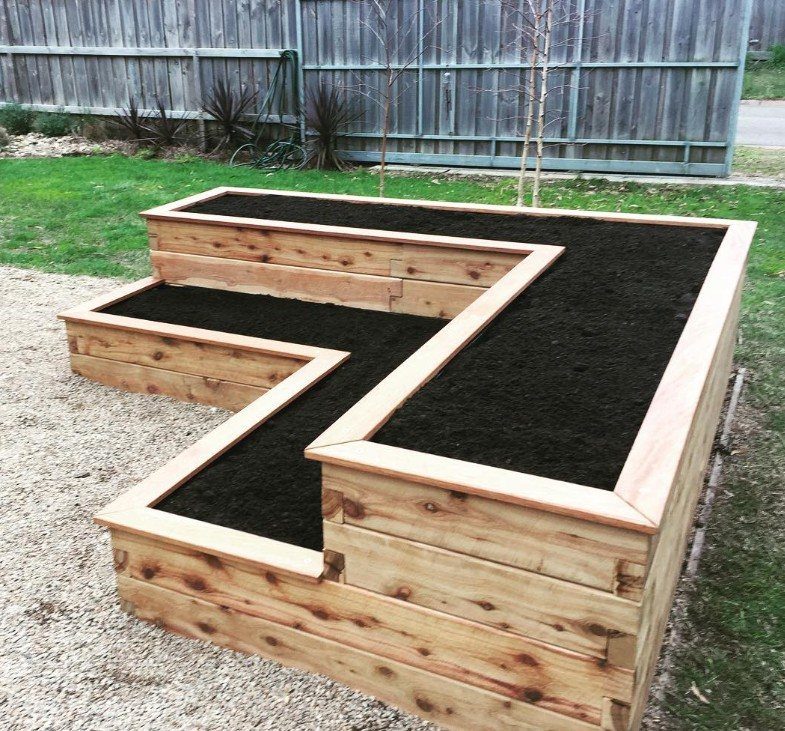
Tiered beds turn a slope or a flat corner into more planting surface than a single level gives, with the upper tiers draining into the lower ones.
The L-shape visible here is the detail that matters: it cradles a path so you tend from inside, not from the edges where soil compacts.
Build the lowest tier first and level it dead flat; each tier above steps back a few inches so the soil wall does not slump onto your path.
Depth varies by tier, and I would put root crops down low where there is room to grow down, leafy greens up top where the soil warms first in spring.
Tiers dry unevenly, so I check the top level more often than the bottom when I water.

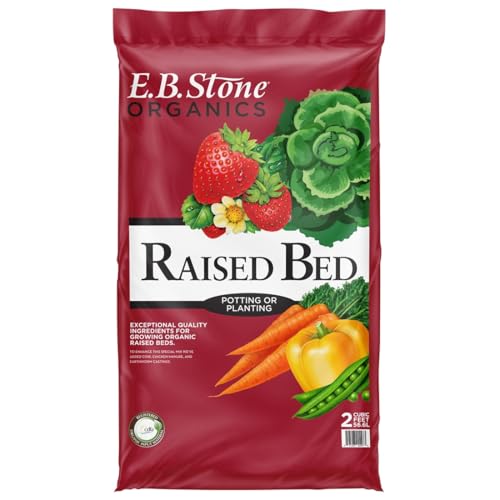
BUILT FOR RAISED BEDS - A rich, organic, ready-to-use garden soil blended specifically for raised beds, large containers, and vegetable gardens, no mixing required.

EASYFLEX DECORATIVE NO-DIG LANDSCAPE EDGING: Get a beautifully landscaped yard without all the work of a dig-in lawn edging; simple installation without trenches or shovels; color may vary due to the unique manufacturing process.
5. Raised Bed with Seating
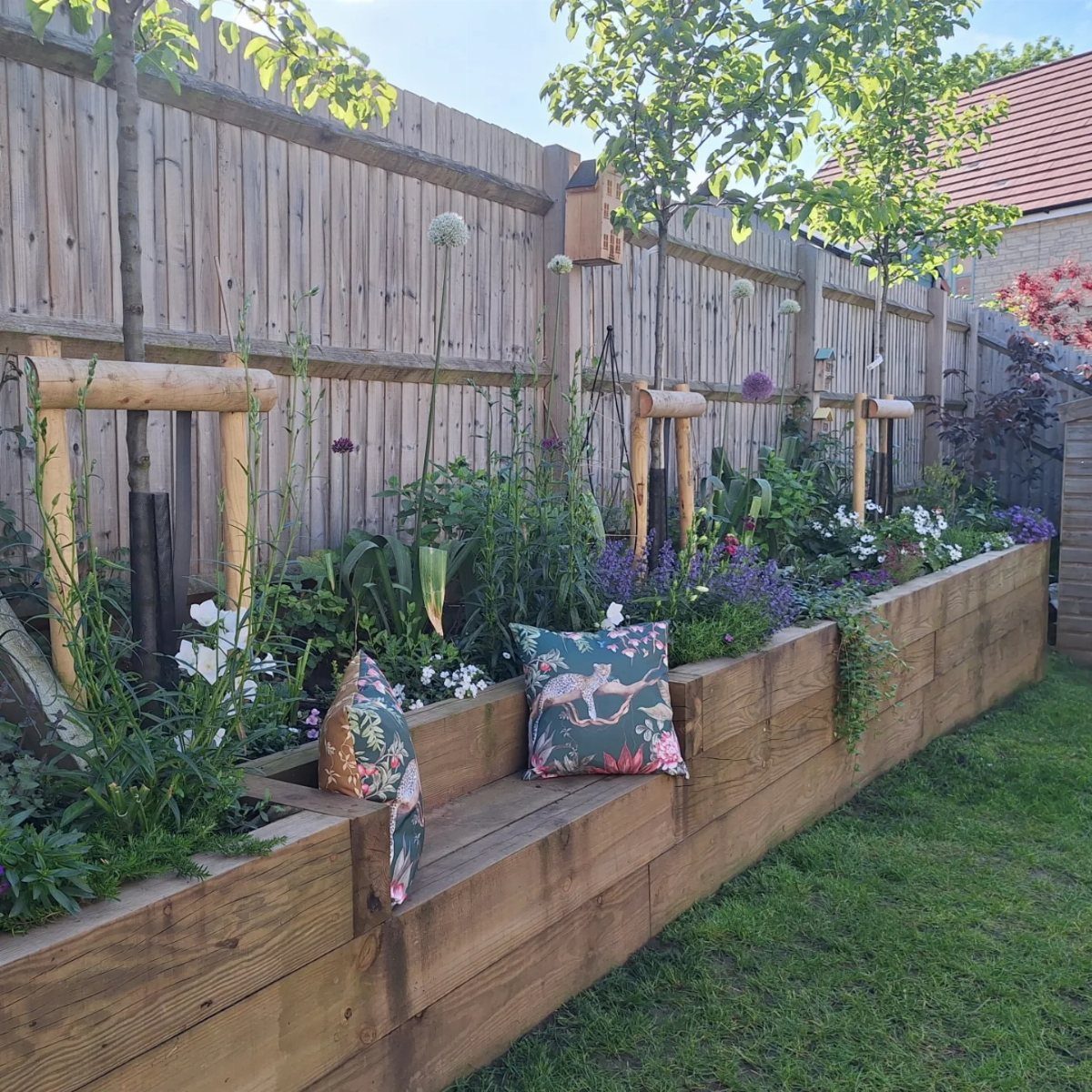
A bench built into the bed wall turns a gardening chore into something you pause in, which is how herbs get tended before they bolt and how you notice the first tomato hornworm.
A recessed seat with back cushions propped against the upper tier beats a flat ledge, which collects water and splinters. Width matters here: 15 inches is enough for perching, 20 for settling in with coffee.
The seat sacrifices some soil volume, so plan the bed deeper front-to-back to compensate, or keep the bench section to one side and grow full-depth on the other.
I would face the bench east or north; a south-facing seat bakes by June and you will not use it.

3-Tier Structure: This trapezoidal planter offers a 3-tier design with different depths, perfect for planting vegetables, herbs, and flowers while creating an attractive, compact garden area.

Sturdy and Stable: The frame of the vertical garden planter is made of high-quality metal material to create a more stable growing environment for your plants. The drainage hole at the bottom can drain excess water to ensure the soil can breathe.

【SIZE】: Vertical garden planter size: 33.1*18*28.7 inches.
6. Straw Bale Gardening
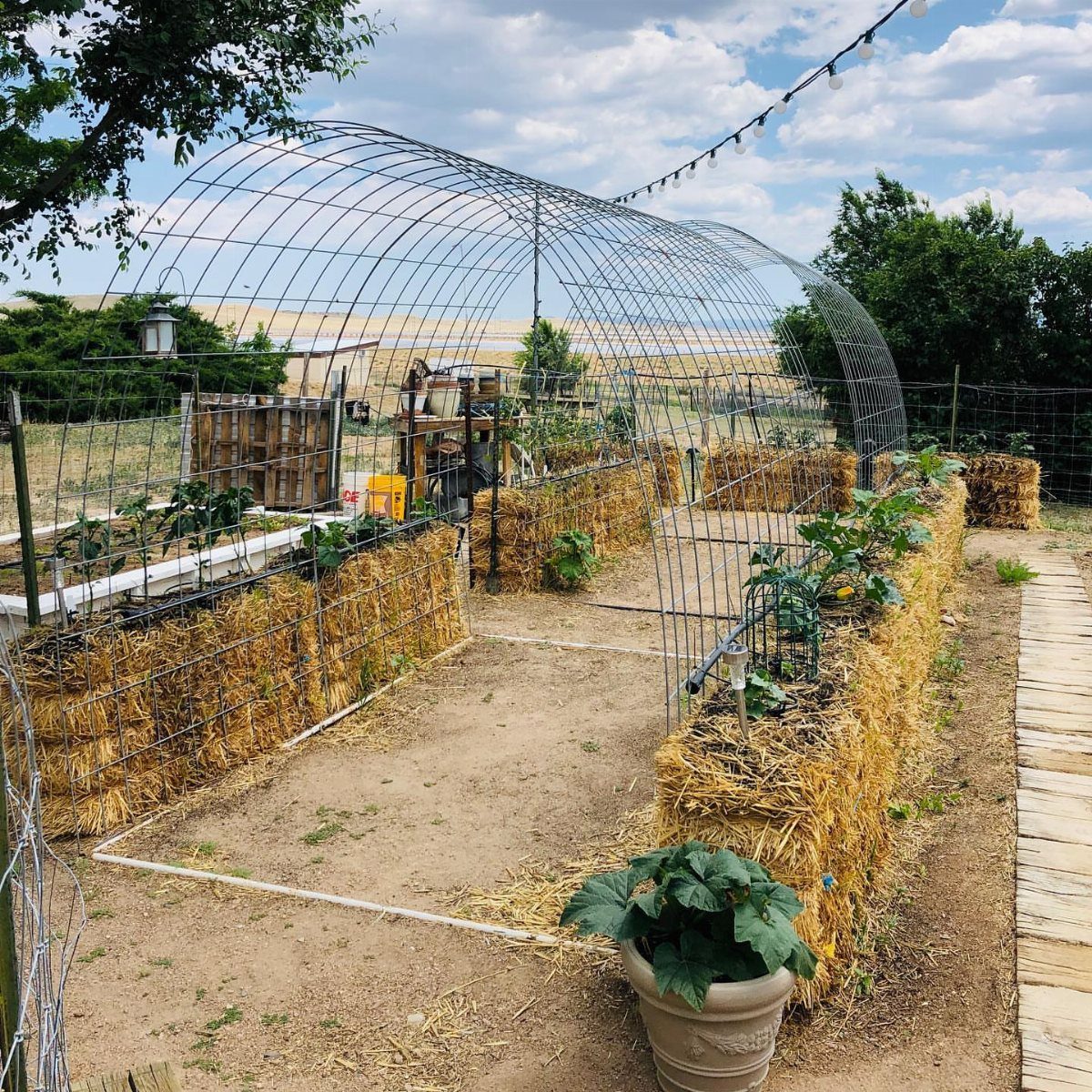
Straw bale gardening is the least work I know for a season-long bed with no construction and no digging, though conditioning the bale at the start takes patience.
You start with fresh bales, not last season’s composted ones, and condition them with water and nitrogen so the straw begins to rot inside.
Wire arches support a light cover early and vining crops later; tomatoes rooted in straw climb willingly, and the support keeps fruit off moist straw that molds.
The bales collapse by fall into a mound of compost, which is the point: next year’s ground bed starts here.
Check that your straw source did not spray persistent herbicide; a contaminated bale stunts everything you plant, and the test is to grow beans in a pot of the conditioned straw before you commit the whole garden.

1.Durable and long-lasting: The raised garden bed with legs is made of alloy metal, featuring a robust construction and extended service life. The material has undergone durability testing, supports up to 400 lbs under normal use, sturdy enough for daily gardening. The premium metal finish for long-term outdoor use

Convenient mobile raised bed grow box: The city picker is the ultimate raised bed gardening system. The unit is mobile and features four swivel casters for easy transport and sun tracking that works well in areas with limited space. The unit works well for patios, apartments, or even fire escapes

COMPACT SIZE FOR SMALL SPACES: Assembled planter has an 11.8 x 11.8 in footprint, a 9.9 in tall planter box, and a 41.3 in overall height with the trellis. Check the dimensions before ordering; designed for compact patios and balconies.
7. Raised Bed with Fencing
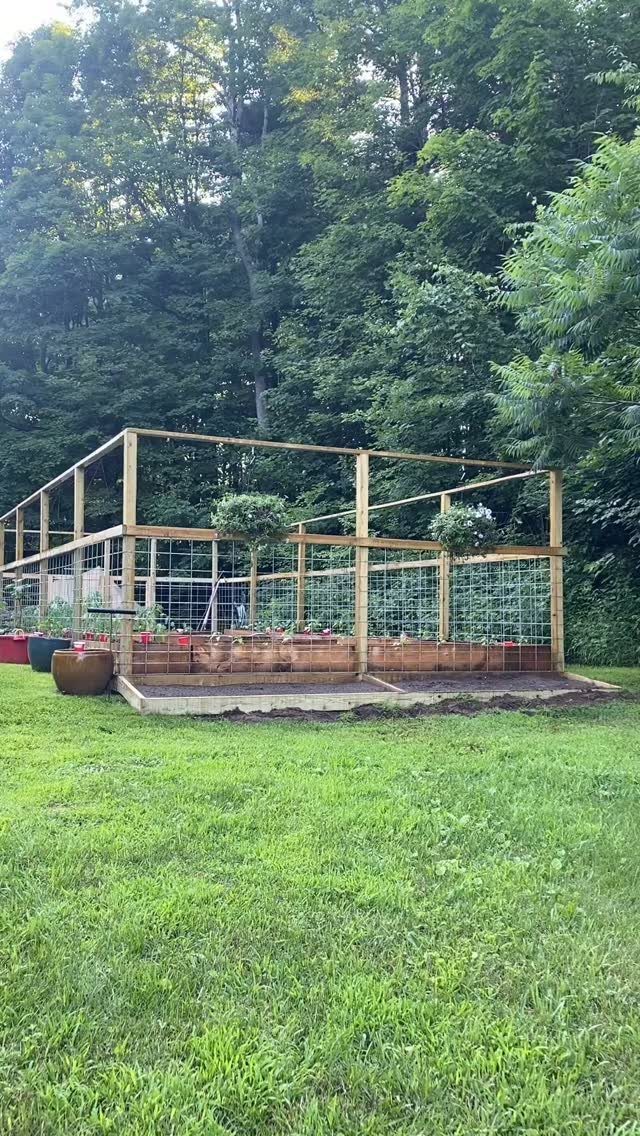
Tall wire mesh around a raised bed stops rabbits, deer, and the neighbor’s terrier without turning your garden into a fortress.
Posts set outside the bed wall keep the box itself clear for your knees and your hoe; the upper frame visible here is what stiffens the mesh so it does not sag between posts.
Gate width matters more than people think: a narrow opening is tight with a loaded wheelbarrow, and I would go wider if the path allows.
The fence shades morning sun on the east side, so I would plant shade-tolerant greens there and save the south face for fruiting crops.

Spacious and Practical Design: 8-foot garden bed provides ample space for plants to grow with an included liner to separate the wood from the soil and keep it in excellent condition

Multifunctional Design: This garden planter is separated into two growing areas for different plants or planting methods. The baffle can be removed to form a bigger growing area.

LONG-LASTING: Made from rot resistant, 1" thick, North American Western Red Cedar
8. Kitchen Herb Raised Garden
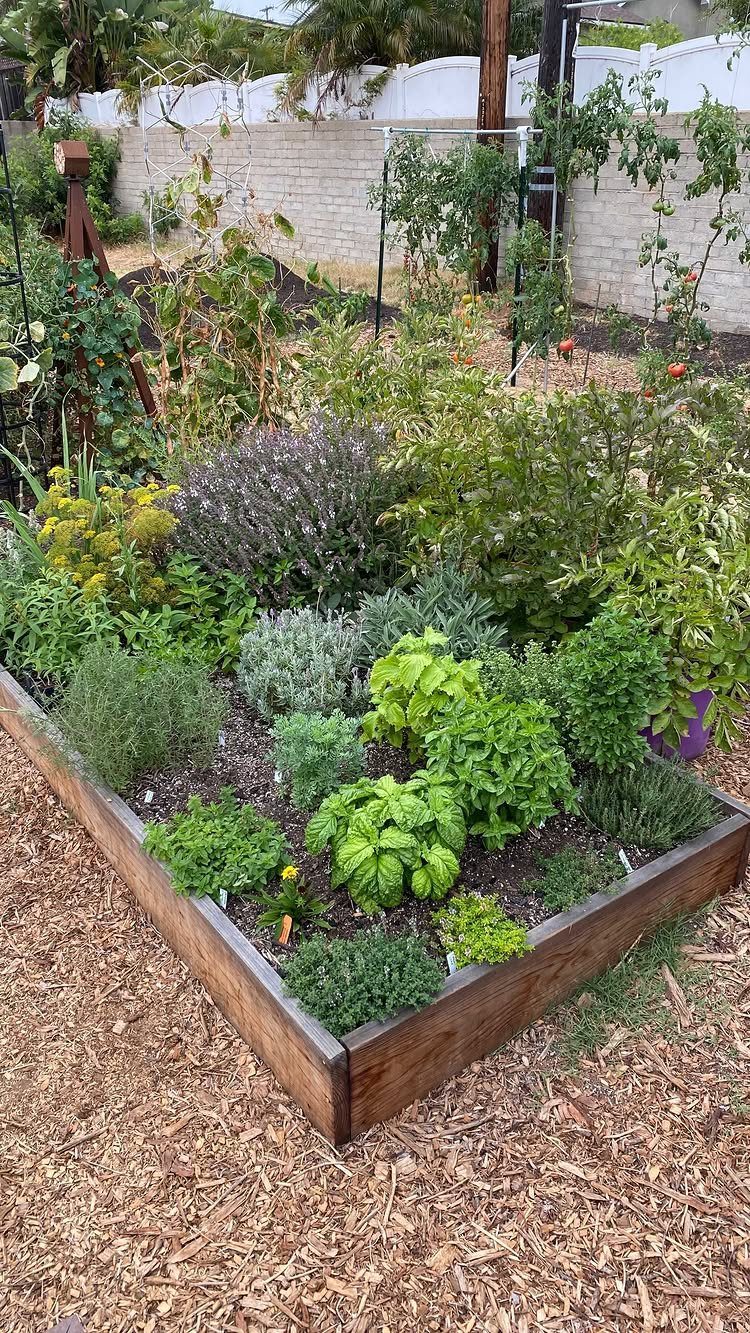
A bed of culinary herbs earns its keep by the kitchen door, where you actually snip basil for pasta water or rosemary for potatoes instead of watching it flower and go woody in a distant corner.
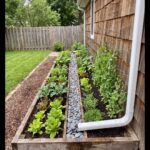
The woodchip paths visible here keep mud off your shoes and slowly feed the soil as they break down.
I would set thyme and rosemary on the sunniest edge, where Mediterranean roots stay drier, and tuck mint in a sunken pot or it will own the whole bed by August.
Most culinary herbs want poor soil, so I skip the compost pile and use half sand mixed into the fill.

ULTIMATE PRACTICALITY: The planter box measures 96"(L) x 24"(W) x 12"(H), has a huge capacity, any plants and flowers you want to grow can be planted, happiness is overflowing.

【Fully Customizable Garden Solution】-Create the perfect raised garden bed layout by connecting multiple units into squares, rectangles. This modular planter raised bed system adapts to any space, making it ideal for both small balcony garden boxes and large backyard flower beds.

Raised Garden Bed: Cultivate plants like vegetables, flowers, herbs in your patio, yard, garden, and greenhouse
9. Corrugated Metal Raised Beds
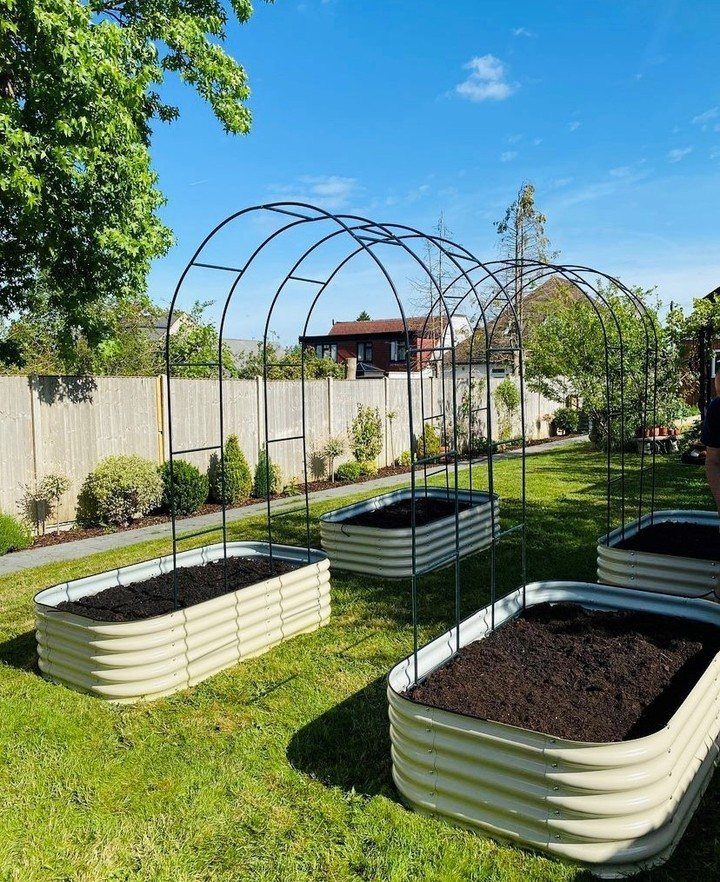
Corrugated metal sides reflect heat, which warms soil early in spring and bakes roots by July if the bed sits against a south wall.
The beige panels visible here are a smart middle ground: lighter than dark colors, so they do not collect heat the way black or forest green would.
The arched trellises connecting bed to bed are the detail I would copy first: they turn separate boxes into one system for tomatoes, cucumbers, or pole beans, and the tunnel shape sheds rain better than a flat top.
Wear gloves when you cut or handle the panels; the folded edges are sharper than they look.

EASYFLEX DECORATIVE NO-DIG LANDSCAPE EDGING: Get a beautifully landscaped yard without all the work of a dig-in lawn edging; simple installation without trenches or shovels

Size: 60×29×11 in, 68 gallons of soil required.

Durable & Flexible Material GTSABWAY garden edging is Made from high-quality metal, ensuring superior durability and flexibility. Easily shape it into straight lines,curves, circles, or unique contours ,without cracking,Can withstand all kinds of weather conditions, ensuring long-term durability and reliability. providing reliable Garden Border solutions.
10. Fabric Raised Planting Beds
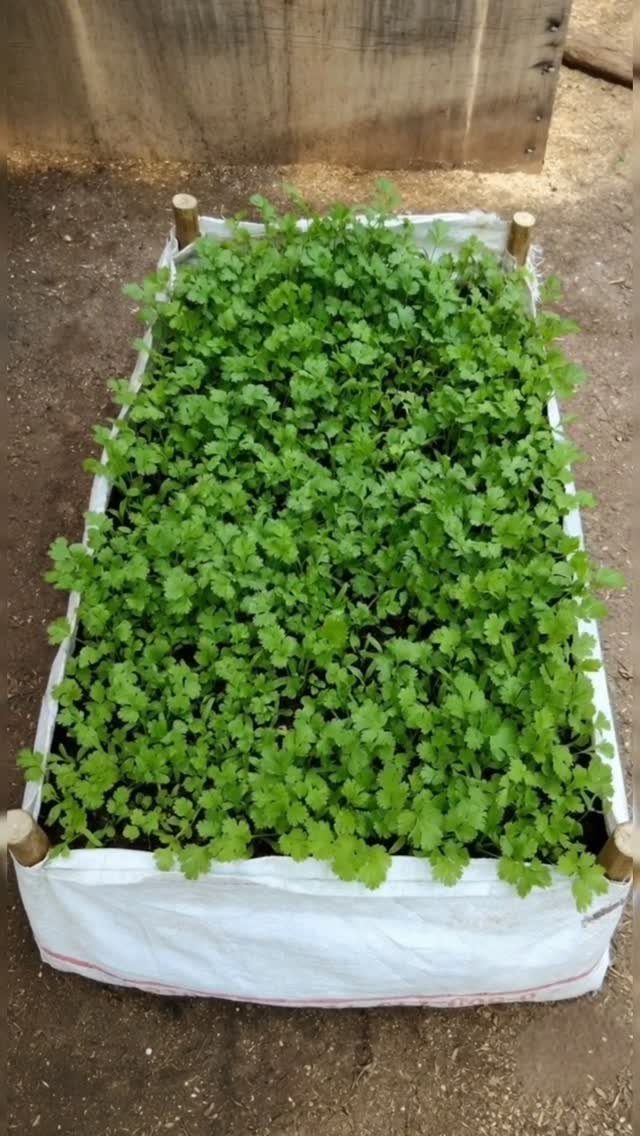
Fabric grow bags are the cheapest raised bed I know, and the only one you fold flat in October to store in a garage shelf.
Wooden stakes at the corners do the actual work of holding the bag square; without them the sides slump and soil spills.
I would check the fabric weight before I buy: heavy-grade material holds up for several seasons, lighter grades fray where the stakes rub.
Drainage is built in, which means daily watering in high summer; I set mine on a tray if I leave for a weekend, or the cilantro flags by Saturday evening.
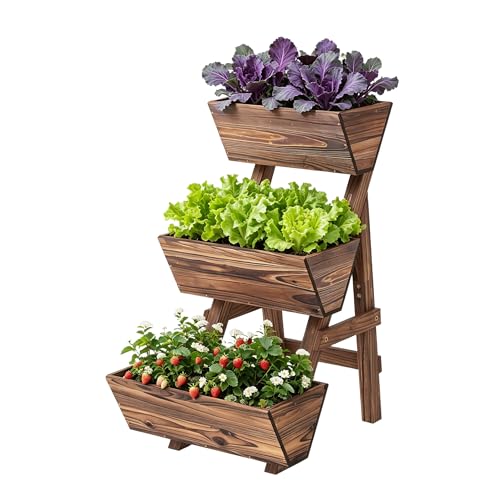
【Space-Saving 3-Tier Design】: The 3-tier planter box design will not take up too much floor space, which can separate and organize the sections as well as grow different kinds of plants. The trapezoidal design allows all plants to enjoy full sunlight for better growth. The box bottom of each tier is equipped with drainage holes to help drain excess water and prevent root rot

【3 Tier Raised Garden Bed】The vertical garden planter adopts 3 tier design, so there is enough space to plant and divide vegetables, herbs, flowers, etc. Save a lot of space for you and keep your garden well organized.
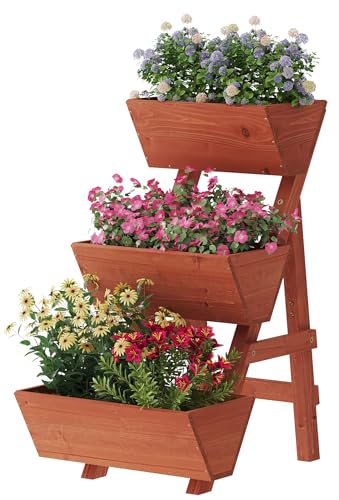
【SIZE】: Vertical garden planter size: 16.5*17*27.8 inches.
11. Covered Hoop House Raised Bed
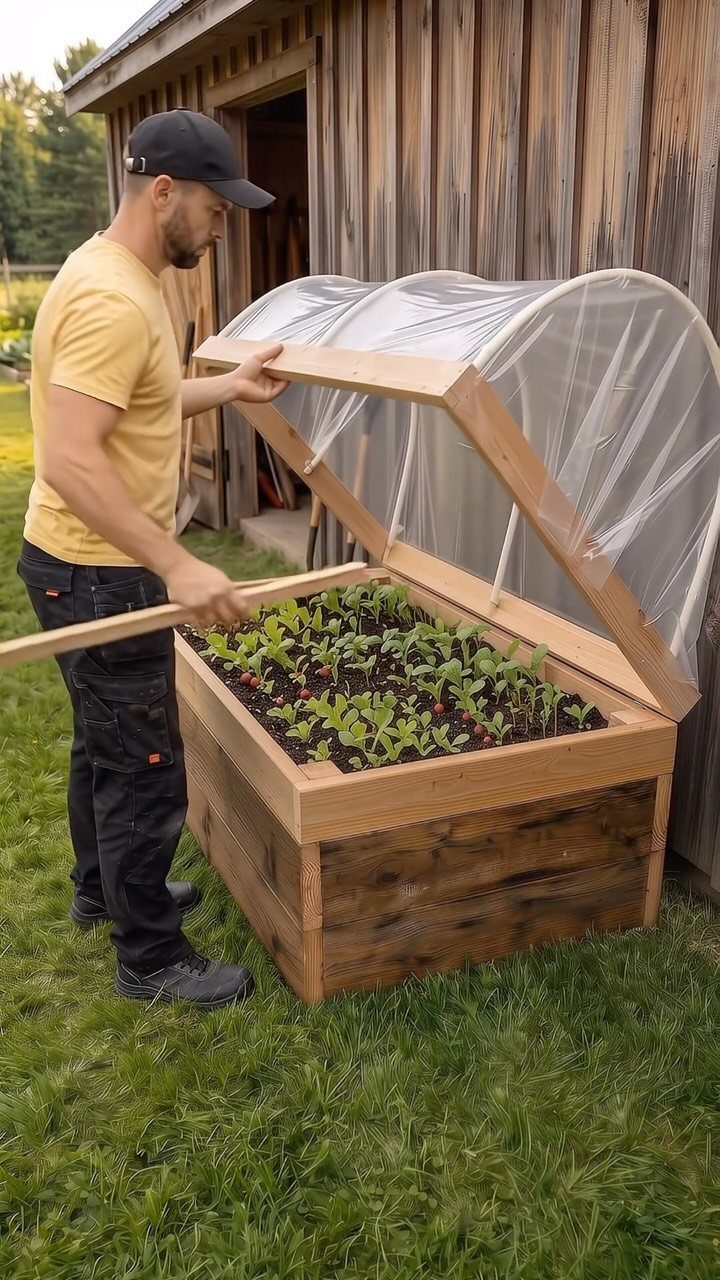
A hoop house turns a single raised bed into a three-season greenhouse, with the clear plastic trapping heat while the prop-open end visible here keeps seedlings from cooking on sunny April days.
The wooden base frame carries the load; PVC or metal hoops slip into pockets or brackets so you can pull the cover off entirely in June.
I would build the hoops tall enough to walk inside, or at least to kneel; a low tunnel saves plastic but you tend it from outside, and the soil compacts where you reach.
Ventilation is the make-or-break detail: a still, closed hoop house turns into an oven fast on a bright March morning.
12. Cinder Block Raised Beds
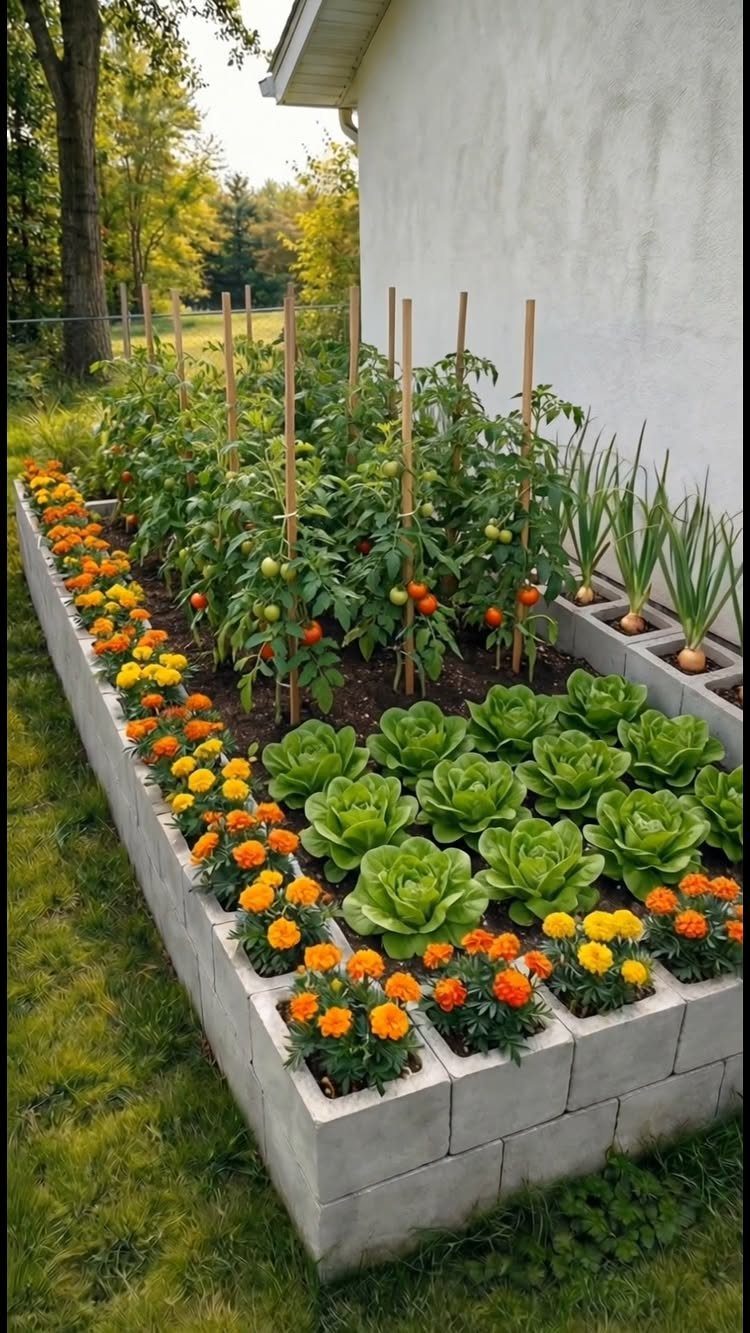
Cinder block beds are the one raised bed you stack without cutting anything, and the hollow cores visible here are not a quirk; they are extra planting pockets for shallow-rooted crops like lettuce, onions, or the marigolds that slow nematodes.
The blocks are alkaline, so I would not plant blueberries or potatoes against them; tomatoes and leafy greens handle the p drift fine.
A single course of block gives you shallow soil; I would stack two if I want carrots or parsnips.
The gray concrete is not handsome, but a coat of exterior latex fixes that, or you let the marigolds do the talking.
13. Woven Wattle Garden Beds
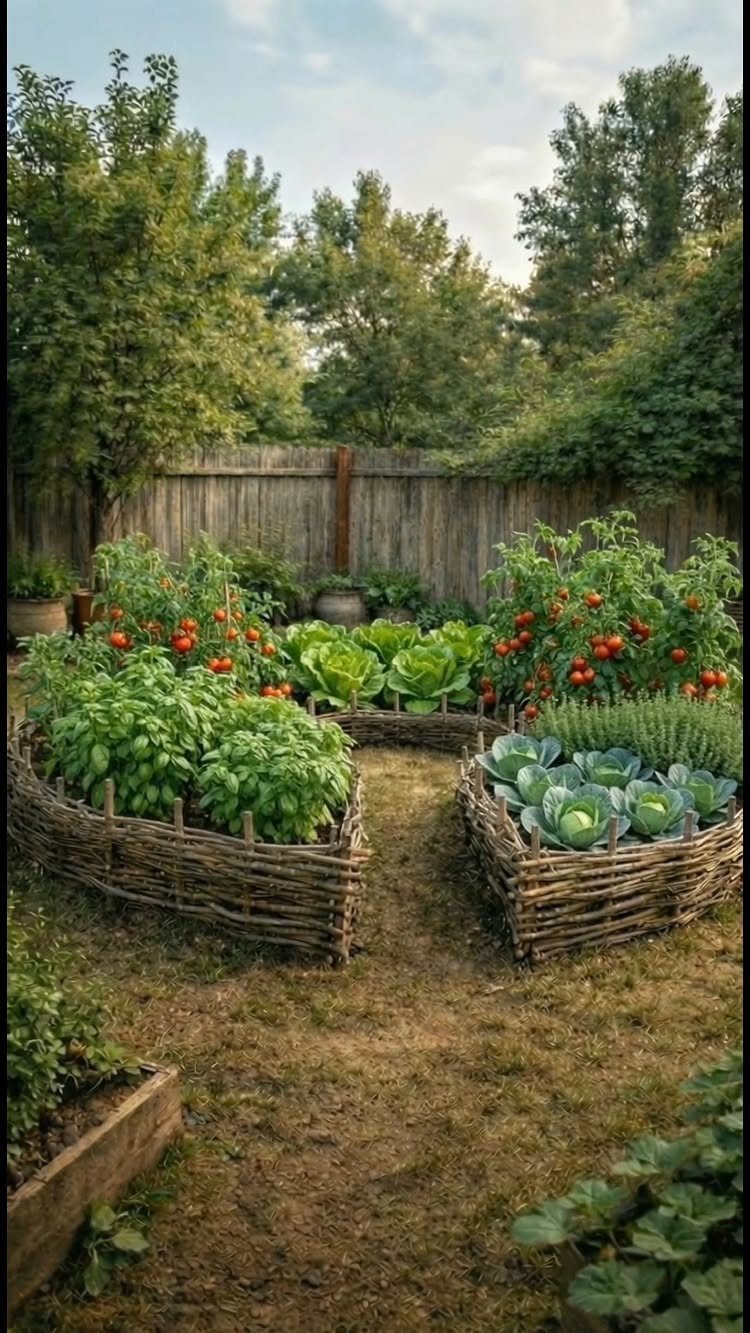
Wattle beds are woven from fresh green branches, flexible enough to bend into the heart-shaped bed visible here or the tighter curves of a keyhole garden.
Hazel, willow, or any sapling you coppice in late winter works; weave while green, as dry branches snap instead of bending.
The weave opens as it dries, so pack soil against the inside to hold the shape and slow the gap. I would expect 2 seasons before the bottom rods rot through; by then the soil wall holds itself.
Good for a temporary bed or a child teaching plot. Skip it where voles are heavy, as the gaps make highway tunnels.
14. Upcycled Plastic Bottle Beds
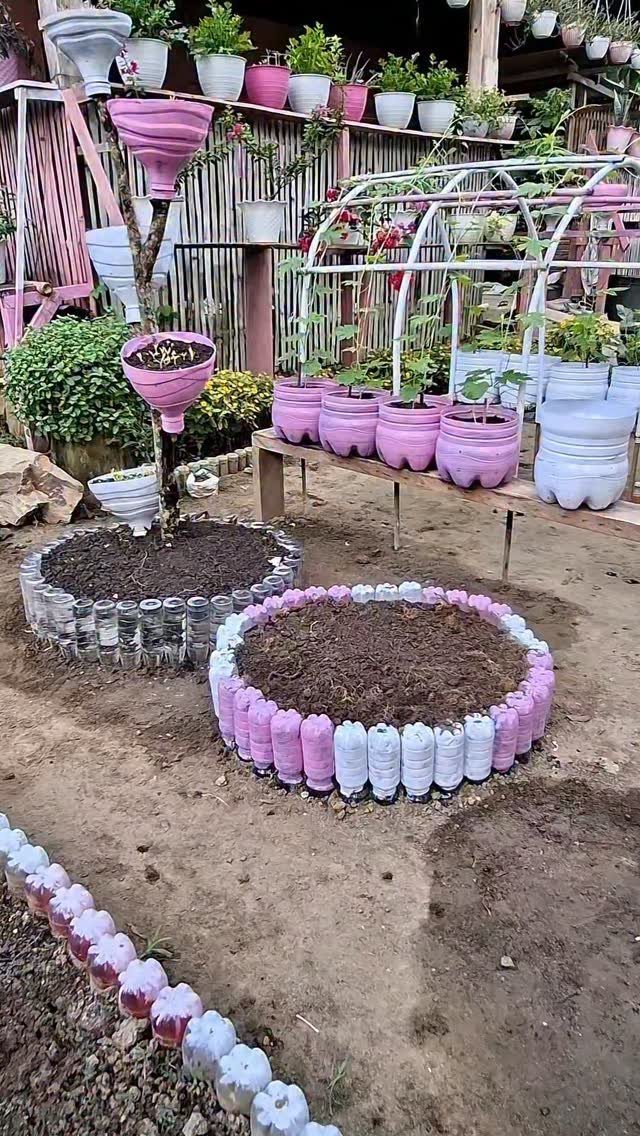
Plastic bottle beds edge a circle with the bottles themselves: tops cut off, bottoms buried neck-down, painted or left as the label shows.
The fill here is dark soil inside each bottle, not inside the ring; the bottles are the wall, and you pack soil behind them to finish the bed.
I would check that the paint is exterior acrylic, as interior latex flakes when wet plastic flexes in sun.
The bottles visible are the size of a standard soda bottle; smaller bottles mean more joints to seal and more work for the same circle.
Free if your household generates the supply slowly, and the bed is only as strong as your patience in collecting them.
15. Vertical Log Border Bed
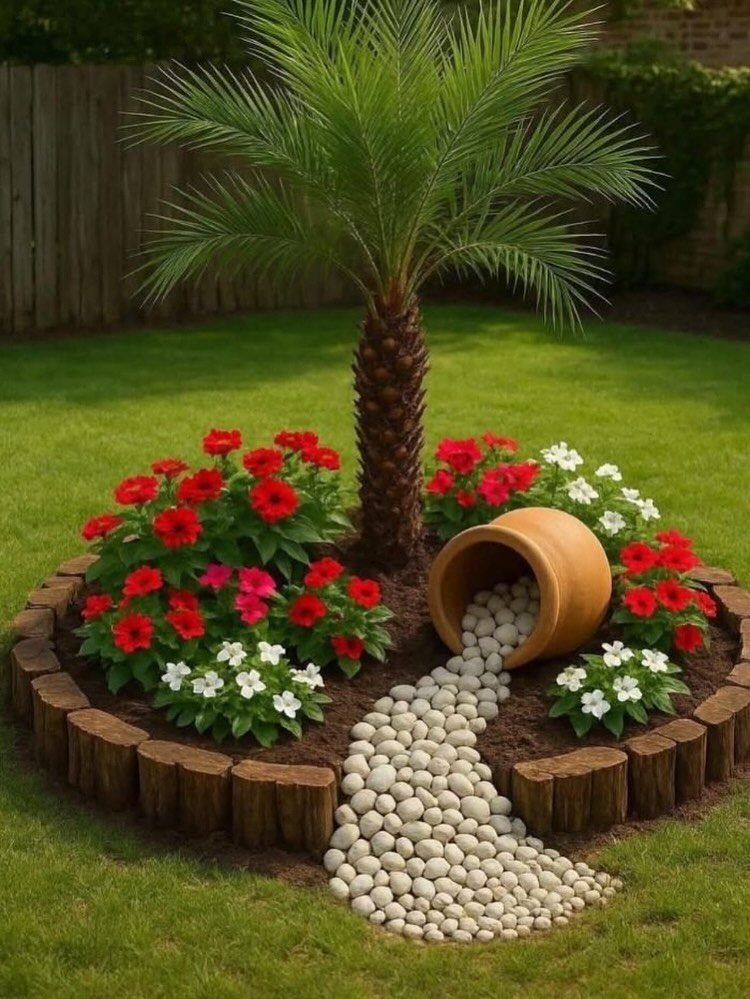
Vertical log rounds make a circular bed wall with ends butted tight, like a stockade stood on its head.
The short height visible here is enough to hold a raised soil layer and define the space without needing rebar stakes or deep burial.
The circle means no corners for soil to dry in, and you tend from every side.
I would use cedar or locust if I had it; pine or spruce rots faster and invites ants that farm aphids on the roots nearby.
Set the logs on cardboard to smother grass first; mowing close around a circle is harder than a straight edge, so the cardboard buys you a season to decide on a path material.
Raised Bed Maintenance
Watering a raised bed is not the same as watering ground soil, and the difference catches people off guard.
Soil in an elevated box warms faster and loses moisture quicker, so the top inch can look dry while an inch below still holds what roots need.
I would feel the soil with a finger before I commit to a full watering, or I end up drowning plants that only looked thirsty.
Overhead sprinklers are easy but they wet the leaves, and wet foliage spreads disease faster than dry. Soaker hoses or drip lines sitting on the soil surface put water where the roots are with less risk.
If you have several beds to tend, run your hose access before you plant, or you will be carrying cans through July.
Mulch buys you time between waterings by slowing evaporation and suppressing the weeds that compete for water. Straw, shredded leaves, or finished compost all work; I would keep mulch a couple inches away from stems to avoid rot.
A water-soluble fertilizer fed on a regular schedule through the season keeps production up, though I would read the label for each crop and back off if growth looks dark and leafy instead of fruiting.
Plant Selection
A raised bed is only as good as what you plant in it, and the match between plant and condition matters more than the box itself.
Leafy greens, carrots, and beetroot handle partial shade better if your site is not perfect.
Soil depth is the hard limit. A bed built shallow, one course of block or a thin frame, supports lettuce, onions, and herbs with fibrous roots.
For carrots, parsnips, or anything that grows down before it grows up, I would plan on enough usable soil depth for the roots to run, and deeper is always better.
Leave yourself room to kneel between beds, half a meter is enough, or you will compact the soil leaning in from the edge.
If you have a greenhouse or cold frame, position it within easy reach of your beds; you will move seedlings back and forth more often than you think.
Pest Management
Raised beds lift crops above some problems but not all, and the pests that remain are the ones that can climb or fly.
Netting is the most reliable barrier I know: corner posts and a drape of fine mesh stop carrot fly, aphids, and cabbage moths before they settle.
Mesh size matters enough that I would check it before buying; too large and the insects slip through, too fine and it blocks pollinators you want.
Birds are easier to discourage than to defeat. A scarecrow works only if you move it every few days; birds learn fast.
Old CDs on string catch light and flutter, which buys more time than a static figure. Motion-activated sprinklers startle squirrels and rabbits, though you need to remember where you put them or you will startle yourself.
Taller corner posts built into the bed from the start make netting simpler than retrofitting.
I would plan for them even if pests are light this season; populations shift, and a frame in place is easier than wrestling posts into packed soil later.
Frequently Asked Questions
How deep should your raised garden beds be?
Most vegetables need at least 12 inches of usable soil depth to root properly. I would build deeper than you think you need; shallow beds limit what you can plant and dry out faster.
What are the downsides of using raised beds?
Soil in a raised bed heats up and drains quicker than the ground below it, which means more trips with the watering can and a bigger upfront spend on lumber or ready-made kits.
Elevated soil warms quicker in spring, which helps early growth, but that same warmth means moisture escapes quicker in July.
I still think the easier weeding and the ability to build your own soil mix make the extra work worth it; just plan on a soaker hose or drip setup and get in the habit of checking moisture every couple of days.