These cheap raised garden beds run from a simple stack of bricks or cinder blocks to wood plank builds with or without a trellis, with cost depending more on your material choice than on hired labor.
What settles the choice is how much height you actually need: low walls warm soil and save cash, while tall beds save your back but demand sturdier construction and faster drainage.
I would check that wall height first, because brick beds top out at 2–3 courses before mortar becomes necessary, and that is where the weekend project ends.
[link-whisper-related-posts]1. Bricks
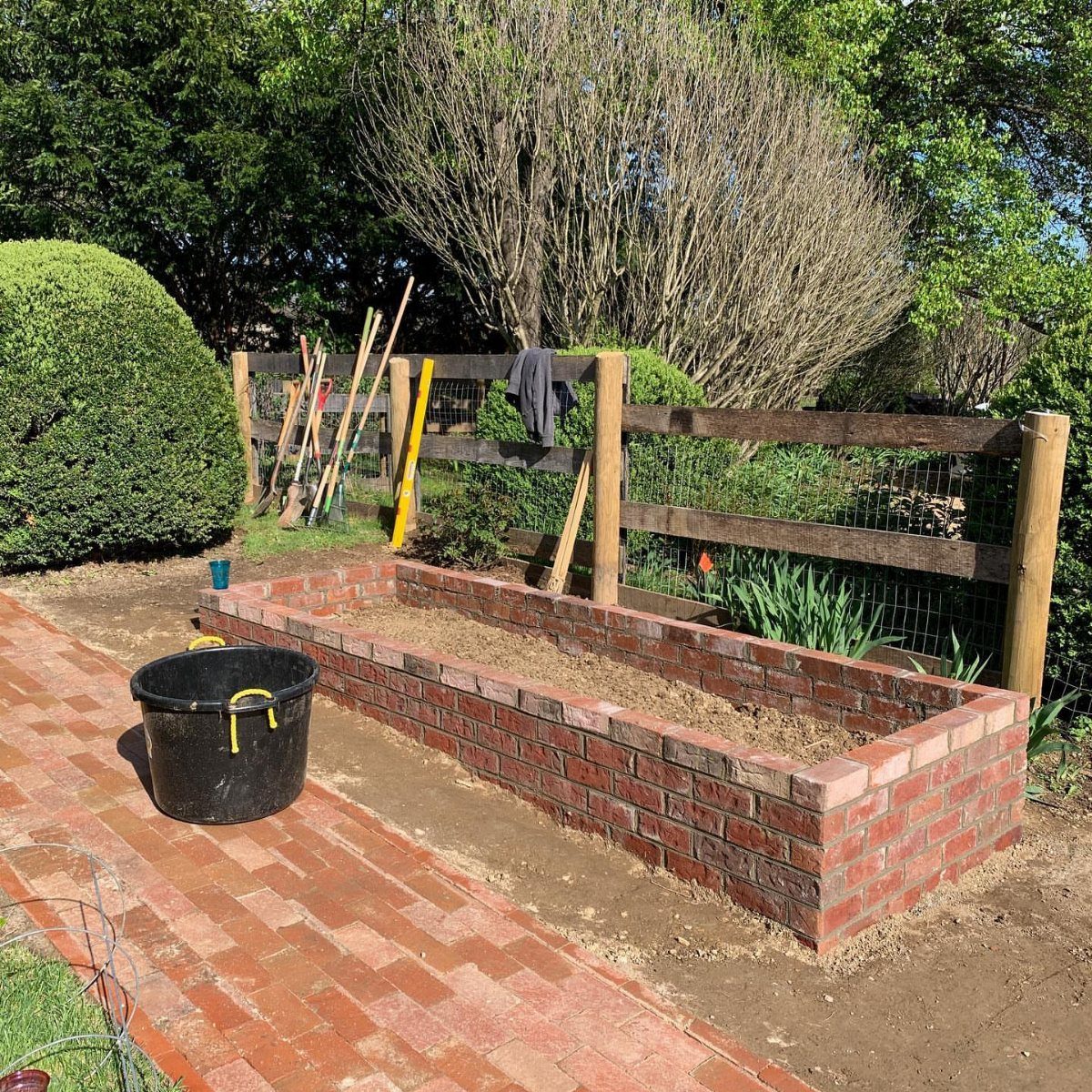
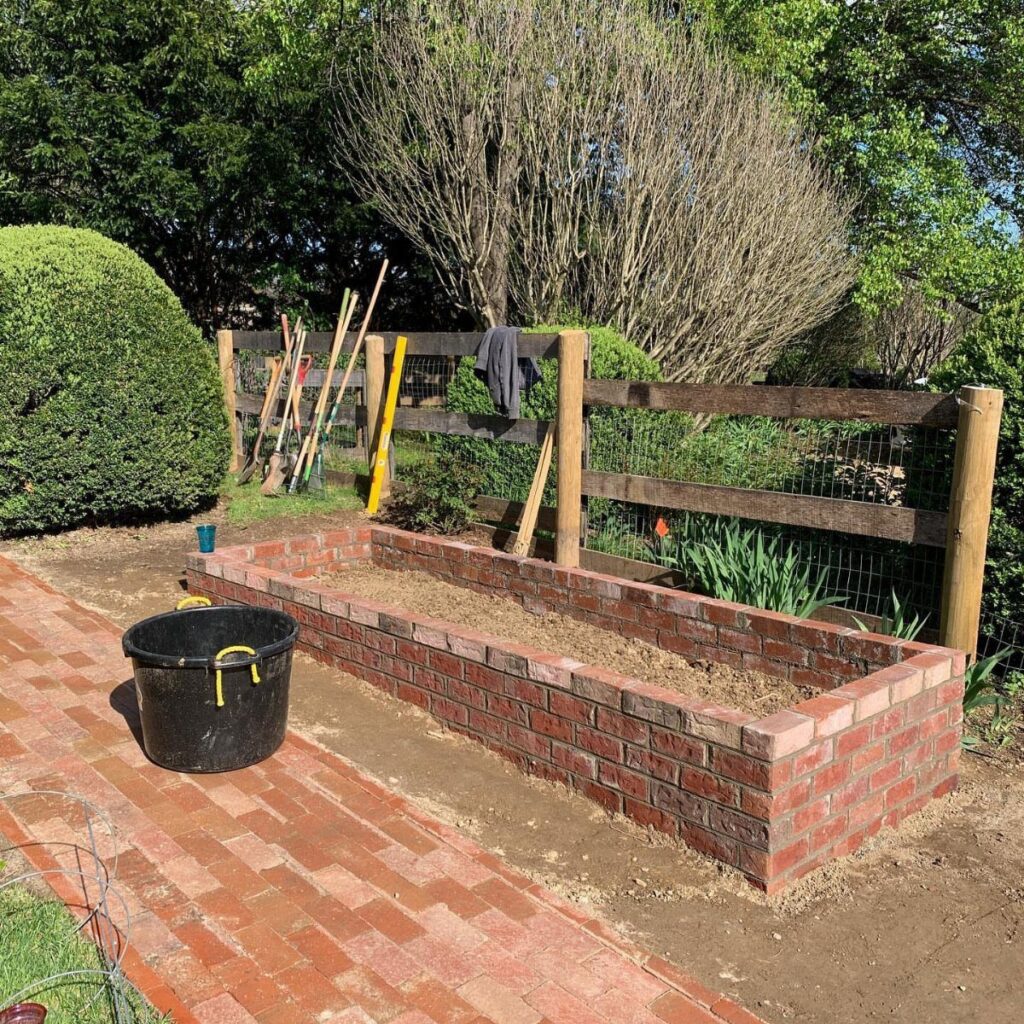
A red brick bed warms the soil earlier in spring and holds that heat later into fall, which matters in cooler zones where every week of growing season counts.
Before you commit, check your wall height. Brick beds work best low, 2–3 courses tall; much higher needs mortar or pinning, and that stops being a weekend project.
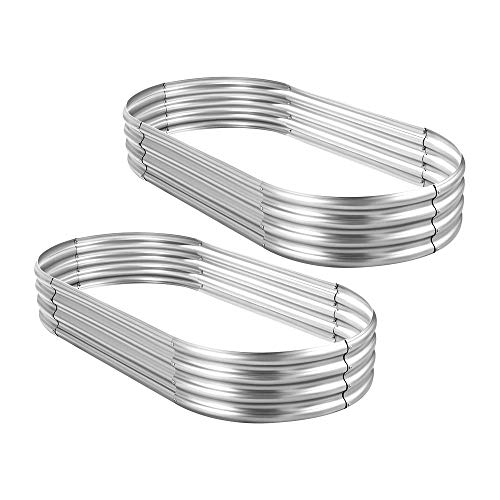
Each raised metal garden bed size: 4×2×1ft , 7Cu
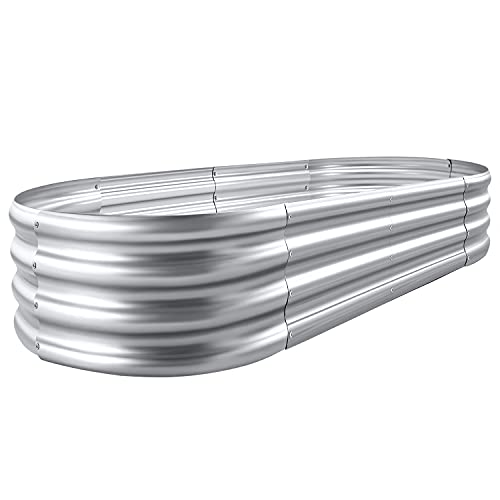
Each raised metal garden bed size: 4×2×1ft ,7.14Cu

Raised Garden Bed - Add a new level of convenience to your gardening experience with the Galvanized Raised Garden Bed. Enjoy expanded yield and a more assembled garden layout with this garden accessory, each sized at 120 cm X 60 cm x 30 cm.
2. Cinder Blocks
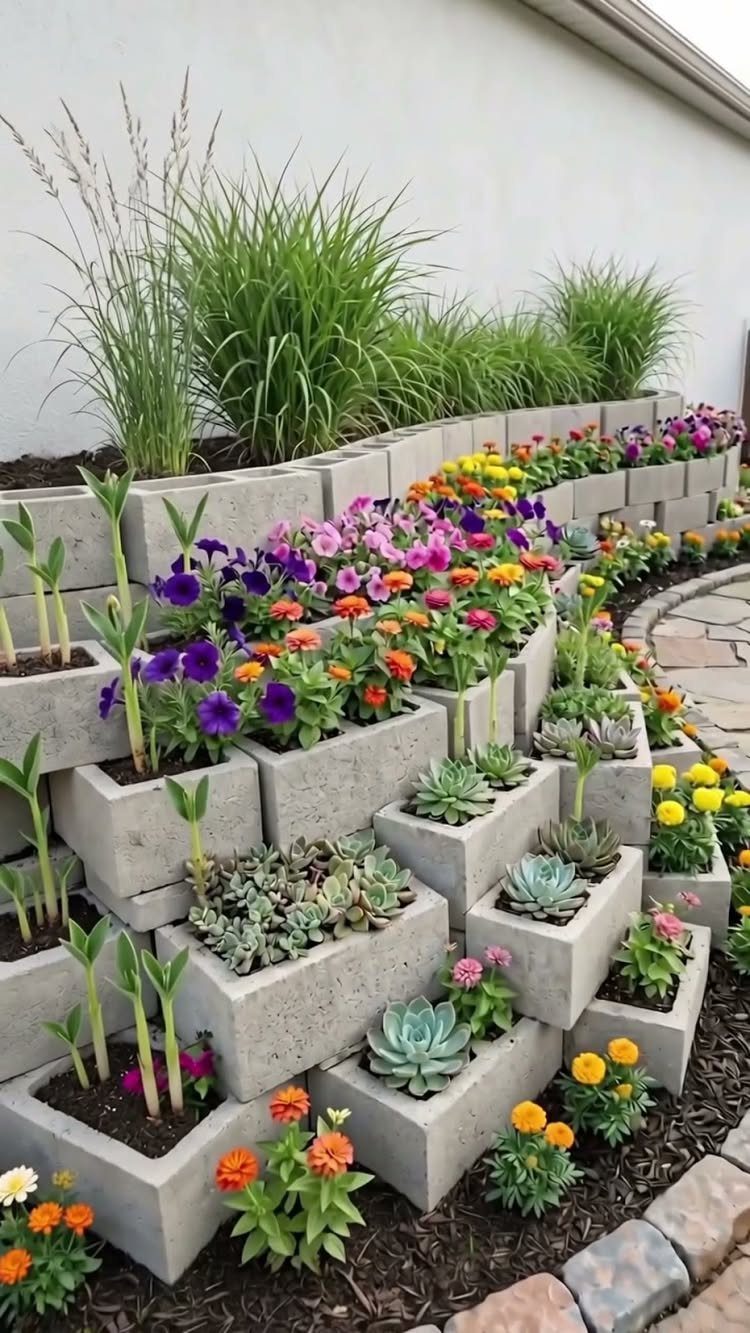
The open cells in cinder blocks turn this wall into its own planter grid, which is smart square footage if your footprint is small.
Each cell holds about half a cubic foot of soil, enough for shallow-rooted herbs, succulents, or annual flowers; I would not trust tomatoes or deep peppers to the blocks alone.
The blocks themselves are cheap at most hardware stores, and a single-layer bed does not take many.
One thing to check: "cinder block" is the old name; what you will actually find is concrete block, heavier and with hollow cores running through it. The cells still fill and drain fine.
Cinder blocks are a popular choice for a raised bed because they basically double as planters. At Lowe’s, they’re only a couple bucks each.
— Cheapism

【4 Tier Vertical Raised Garden Bed】: Overall Dimensions: 16.8*18.3*41.5 inches. Each planter box size: 16.8*7.02*5.5 inches. This raised planter box works great on patios, balconies, decks and backyards. Designed vertically with proper height, it leaves ample growing space for lower-layer plants and saves you from frequent bending while gardening.

【32.4" Tall Planter Boxes with Trellis】Product Dimensions: 7.2"D x 35.1"W x 32.4"H. Each plastic raised beds for gardening measures 7"D x 16.8"W x 5.5"H with a bottom size of 13.5 x 4.7 inches. This vertical design of herb garden planter outdoor is perfect for those with limited horizontal space, such as small balconies, patios, or even indoors near a window. Standing at 32.4 inches tall, the raised garden beds outdoor maximizes vertical space, allowing you to grow a diverse range of plants without taking up too much floor area.

【3 Tier Raised Garden Bed】The vertical garden planter adopts 3-tier design, so there is enough space to plant and divide vegetables, herbs, flowers, etc. Save a lot of space for you and keep your garden well organized.
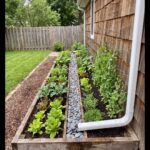
3. Simple Wood Plank Beds
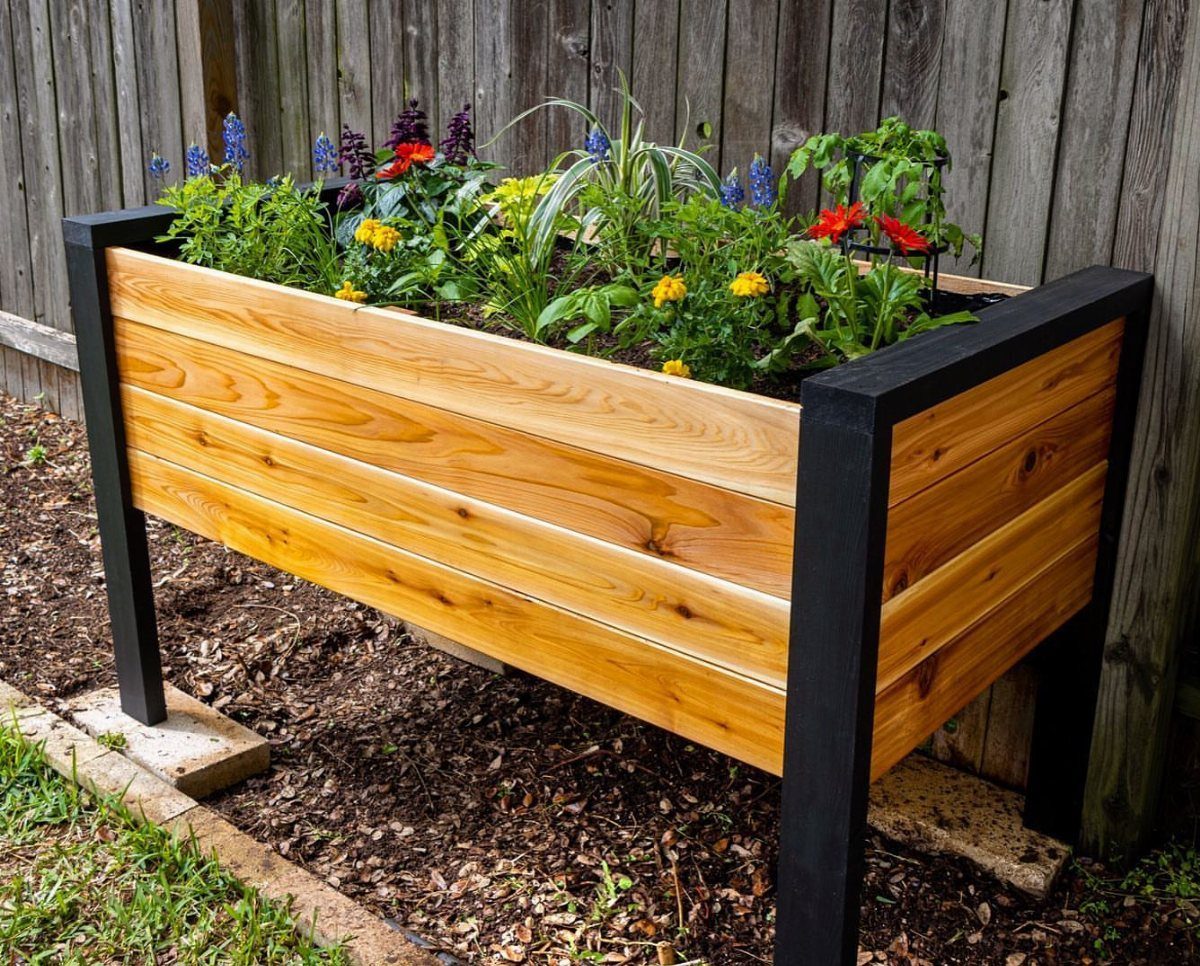
This is the raised bed most people picture first: planks, corner posts, assembled in an afternoon.
The black metal brackets on the visible version are doing the structural work, and I would build with those rather than trying to toe-nail corners square.
Cedar or redwood lasts longest but costs more; pressure-treated pine is the budget call and lasts several years if you line the inside with plastic sheeting to keep soil from direct contact.
Elevated legs are optional: they save your back, but they also limit root depth and dry out faster in midsummer heat.

GARDEN BED WOOD SEALER - For Use On Cedar And All Wood Types Used In Raised Bed Gardens. Deep Penetrating, Natural Oils, Bond With Wood Fibers To Protect Wood For A Decade Or More.

Generous Planting Space: Ample bed space provides your plants and vegetables with room to thrive, promoting healthy growth and robust yields.

Sufficient Planting Area: The elevated planter box measures 42" x 34.5" x 15"; The 15-inch depth provides ample capacity for holding soil, allowing plant roots to extend freely and ensuring healthy growth and breathability; This planter is absolutely ideal for growing and displaying vegetables, fruits, and flowers
4. Wood Bed with Trellis
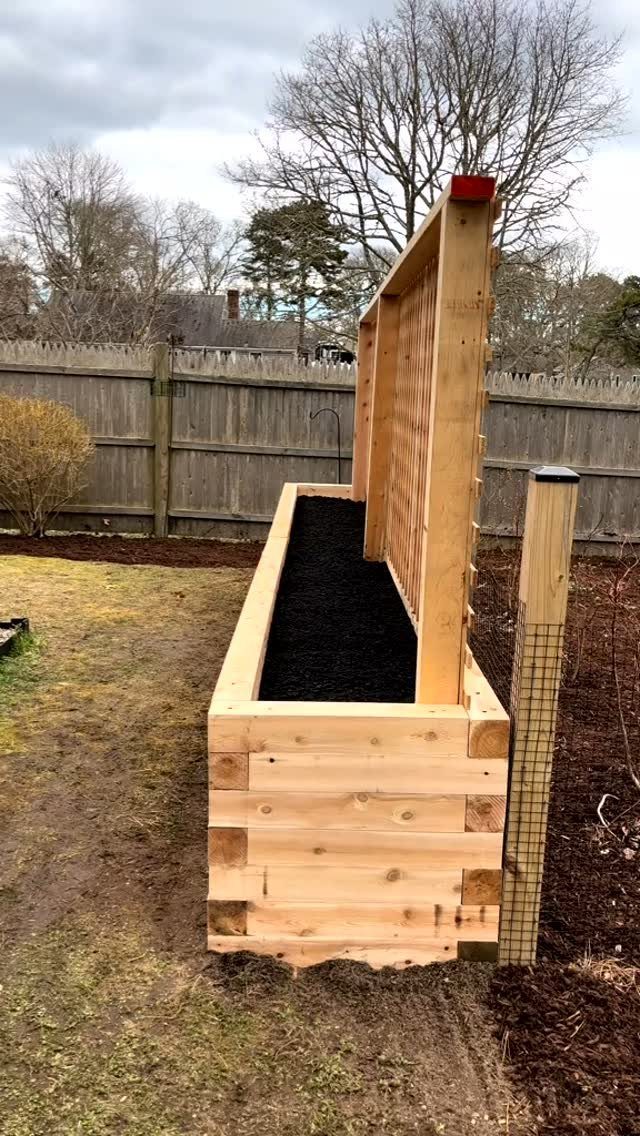
The trellis side is what saves this design from being just another wood box; it turns one long edge into vertical growing space for tomatoes, beans, or cucumbers that would otherwise sprawl.
I would set the trellis on the north or west side of the bed so it does not shade lower plants through the morning.
The visible version is tall enough to need anchoring: wind loads on leaf-heavy vines are real, and a freestanding trellis will lean by August.
Lag-bolt it to the bed frame, or better, to the fence behind it if that is yours to drill into.

Heavy-Duty Steel: Made from thick powder-coated steel, these L-shaped raised bed corner brackets are rust-resistant, corrosion-proof, and provide strong support. They are durable, resistant to deformation or breakage, ensuring stable use in various outdoor environments

Heavy-Duty Steel: Made from thick powder-coated steel, these L-shaped raised bed corner brackets are rust-resistant, corrosion-proof, and provide strong support. They are durable, resistant to deformation or breakage, ensuring stable use in various outdoor environments

- DURABLE AND LONG-LASTING: These heavy-duty raised garden bed corner brackets are made of matte black powder coated steel, rust resistant and wear resistant, suitable for long-term outdoor use.
Benefits of Raised Garden Beds
Raised beds drain faster than ground-level plots because gravity pulls excess water downward even when the soil beneath is saturated. Nobody walks the bed soil, so it stays loose instead of packing tight.
Kids running through the garden stay out of your vegetables more naturally when there is a wall between them and the crop.
Weeding drops because the defined box edges let you spot intruders early, and the close spacing of a square-foot layout crowds out weeds that need open ground.
You get to choose what goes inside, which matters when your native soil is heavy clay or full of rocks that nothing wants to grow in.
Harvesting and tending happen at whatever height you built to, which saves your back over a season of bending.
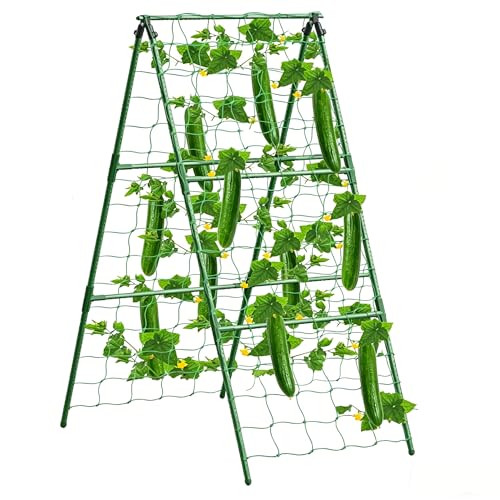
【Package included】:This Trellis for Climbing Plants Outdoor comes complete with everything you need to get started: 17pcs metal stakes, 8pcs T shape connect pipe, 2 A-shaped connectors, and a 0.9x1.8meter plant net.


Self-Watering System for Effort Saving: Designed for tomatoes and incorporating a trellis, this tomato planter maintains consistent hydration through a self-contained reservoir. The innovative base grid of tomato cage uses a movable panel, allowing the roots to draw water as needed and effectively balance drainage. Simply add water via the side inlet to the planting compartment—daily watering is not required
Cost Considerations
A simple box runs about $15 in materials if you build it yourself. That is the benchmark to hold pre-made kits against; most store-bought versions run higher, sometimes far higher, for the same footprint.
The height you build is the height you work at, so measure against your own body before cutting anything. A wall wide enough to perch on doubles as seating, which matters more than it sounds during long weeding sessions.
Building your own also means you choose every dimension: a narrow bed against a fence, a deep one for root crops, or a tall one that brings the soil surface nearly to waist level.

Each circle raised garden bed is made of 0.6 mm thick galvanized steel for enhanced rigidity and long-term outdoor use. The corrugated metal panels help resist bending and maintain a stable round shape after the planter is filled with soil.

Size: Accessories for 2 complete garden beds in one box!!! 72"(L) x 36"(W) x 12"(H), growing area of this garden bed perfect for an array of vegetables, herbs, and flowers in your yard

Overall dimensions: 4ft(L) x 2ft"(W) x 0.9ft"(H), 2 sets in one package.
Materials to Avoid
Cedar carries natural rot resistance from its own oils, which is why it sits at the affordable end of the long-lived woods.
Redwood outlasts it but costs enough that I would only use it for a bed I planned to keep for many years. Douglas fir is cheaper than either and will work, though you will rebuild sooner.
Railroad ties are the one I would skip. The treatment chemicals, including copper-based fungicides, can move into soil and are barred from organic growing.

【3 Tier Raised Garden Bed】The vertical garden planter adopts 3 tier design, so there is enough space to plant and divide vegetables, herbs, flowers, etc. Save a lot of space for you and keep your garden well organized.

Durable and Sturdy: This vertical garden planter is crafted from high-quality metal with a premium powder-coated finish, delivering reliable waterproofing and rust resistance for indoor and outdoor use. The non-slip foot pads protect your floors, patios, and decks from scratches and scuffs
Frequently Asked Questions
What is the cheapest material to use for raised garden beds?
Pressure-treated pine is the cheapest option that still lasts several years, though I would skip it if you are growing food organically since the copper-based treatment can move into soil.
If you’re building the box yourself from scratch, lumber and screws add up to around $15.
Cedar fence posts are another affordable choice that lasts longer without the chemical concerns, and cinder blocks run only a couple dollars each at most hardware stores.
Are there raised garden beds made from recycled plastic?
Yes, some kits use recycled plastic and other eco-friendly materials. I would hold any kit against the $15 self-build benchmark, since store-bought versions often run higher for the same footprint.
Which vegetables grow best in a raised garden bed?
Most vegetables, herbs, and flowers do well, though root depth matters. Leafy greens, broccoli, and herbs thrive in shallow beds, even in cinder block cells.
Tomatoes, peppers, and cucumbers need deeper soil, so I would not trust them to cinder blocks alone. The trellis design works well for vining crops like beans and cucumbers that would otherwise sprawl across the ground.
Is it cheaper to buy or build a raised garden bed?
Building your own is almost always cheaper.
That same footprint in a store-bought kit usually runs higher, often by a lot. A kit goes together in an hour, though you’re stuck with whatever size and height they picked.