These 7 garden plans layout ideas range from a quick sketch on graph paper to a full formal potager with geometric beds, and the right one depends on whether you are working with an in-ground yard, a raised structure, or just a few containers on a patio.
[link-whisper-related-posts]1. Raised Bed Garden
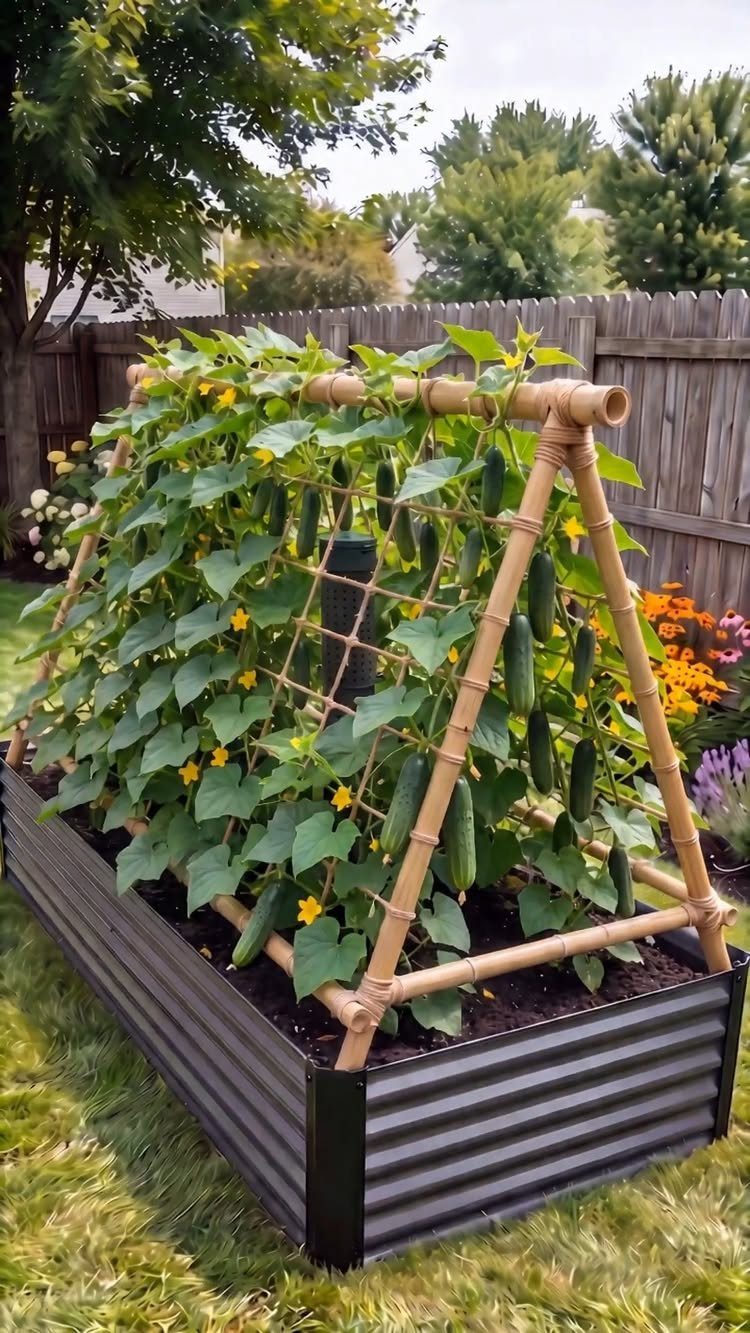
Raised beds warm faster in spring and drain better than flat ground, which matters if your soil is heavy clay or stays soggy.
Check the width before you build or buy.
You want to reach the center from either side without stepping in, so 4 feet is the practical maximum. An A-frame bamboo trellis handles lighter vines like cucumbers well; heavier crops need sturdier support.
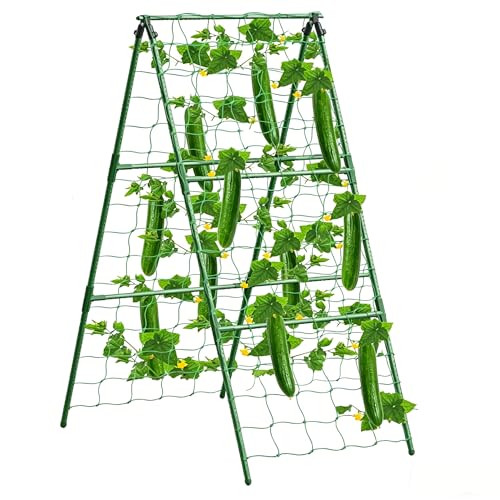
【Package included】:This Trellis for Climbing Plants Outdoor comes complete with everything you need to get started: 17pcs metal stakes, 8pcs T shape connect pipe, 2 A-shaped connectors, and a 0.9x1.8meter plant net.

【Multi-Function】 Tall Tomato Cage-Each tomato cage can be adjusted from 16inches to 47 inches in height,suit for different growth stages of plants, offering versatile supports for a wide variety of tomato plants, ensuring they grow tall and strong.

【HIGH COST PERFORMANCE】Besides the frame trellis, we also provide multiple accessories for your need.Includes 8 x panel trellis, 12 x screw, 6 x ground stakes,20Pcs cable zip ties,a pair of gloves.You may assemble the unit according to the picture.It can also be combined into your favorite or suitable shape.
2. Pathway Design
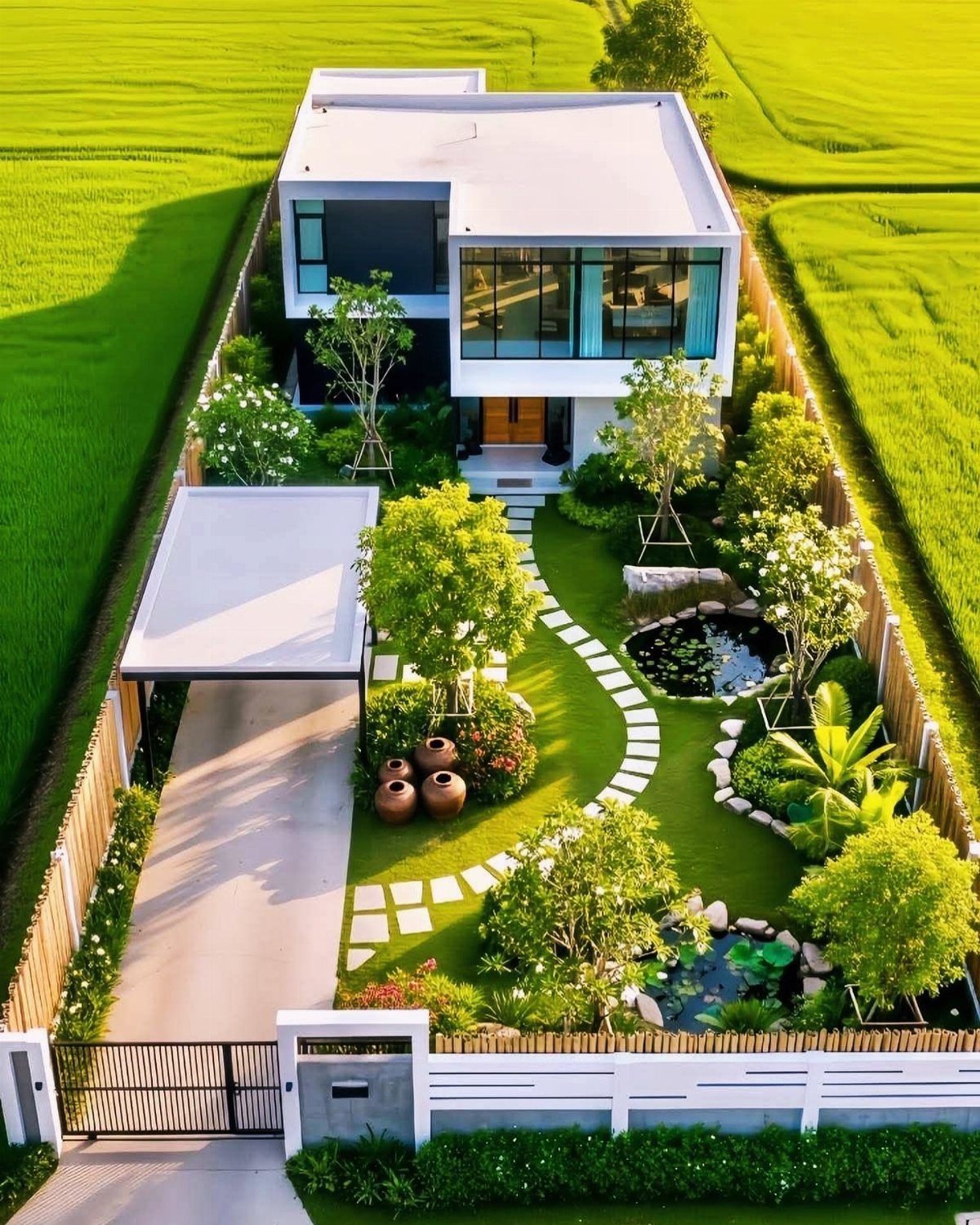
A path turns a yard into a garden you actually walk through rather than look at. A curved stepping-stone route breaks up a long front lawn and gives the eye somewhere to travel.
Stone on grass means leveling each piece so it does not rock, which takes time but costs less than a full hardscape. Leave space between stones if you want ground cover to fill in; tighter spacing reads more formal.

UNIQUE OUTDOOR WALKWAY SOLUTION: Elevate your garden, lawn, or backyard with BIRDROCK HOME Rubber Stepping Stones. These durable pavers create a functional and stylish walkway, enhancing your landscape while providing a solid and reliable surface to walk on.

【Realistic Brick Pattern for Garden Decoration】Featured with vivid brick texture design, this garden edging matches various garden styles perfectly. It can neatly surround flower beds, lawns and vegetable plots, keeping your outdoor space stylish and fresh all year round.

Easy DIY Landscape Upgrade: Create garden paths, backyard walkways, patio access, and outdoor play areas with lightweight Redu-material stepping stones that install quickly without digging or tools.
3. Container Garden Layout
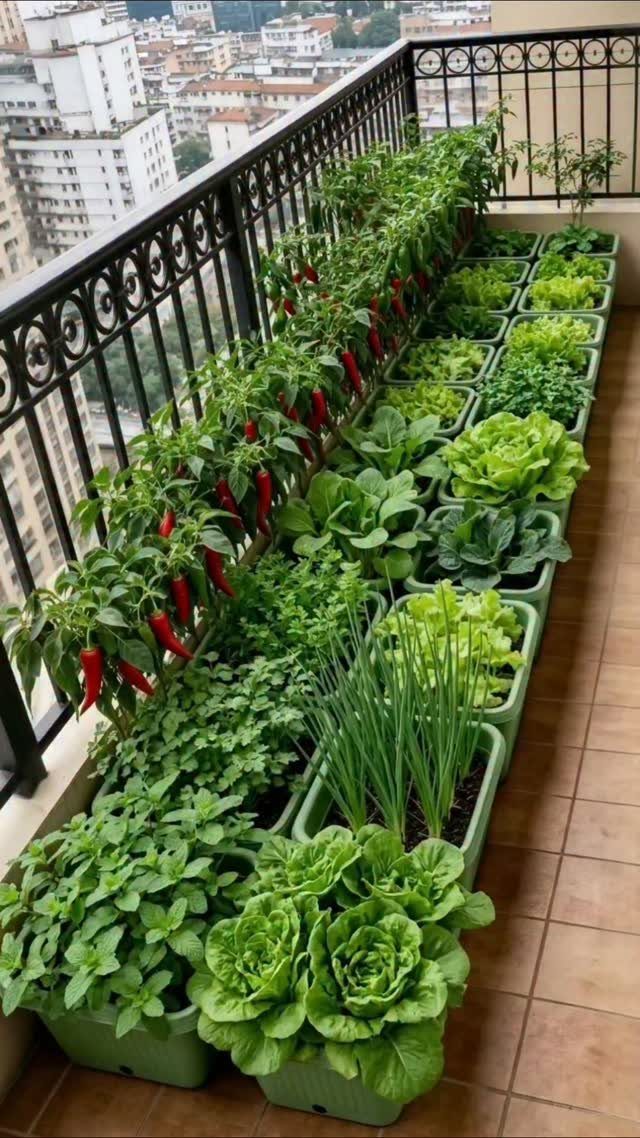
Balcony railings and apartment rules usually rule out in-ground planting, so containers become your whole system. Green rectangular planters arranged in rows make watering and harvesting efficient on a narrow space.
Plastic holds moisture longer than terracotta, which matters on a hot balcony where you might water twice daily in July.
Group plants by their water needs: lettuce and herbs both want consistently moist soil, so they can share a schedule, while peppers prefer drier soil between waterings and belong elsewhere.
Tomatoes would need their own pot; they dry out faster and attract different pests.

【 Vertical Raised Garden Bed with Trellis】Perfect for home gardening lovers, this herb planter outdoor with 4 garden boxes let you plant vegetables, herbs, and flowers in separate plant bed while the 11-inch trellis supports climbing plants like tomatoes, strawberries, vines, and peppers. The balcony raised garden beds outdoor with legs creates an optimal environment for your plants to thrive.

Balcony Rail Planter: Rectangular outdoor planters was designed to maximize inside growing space allowing dirt and roots to grow strong and deep.This special design can be hung on the balcony, window, garden,railing, anywhere in the room,also can be used as desktop.

High Quality: Made of high quality plastic, which is durable, allows you to reuse the planter for several seasons.
4. Border Garden
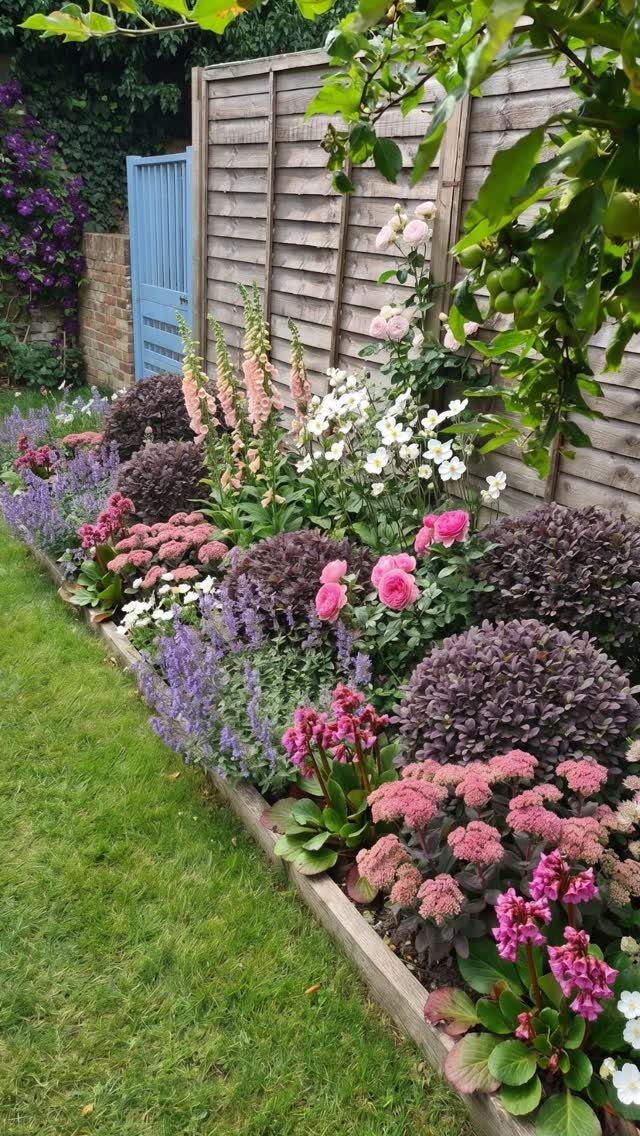
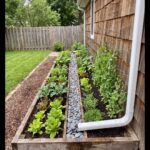
A border garden uses the edge you already have, fence or foundation, and turns it into planting space without claiming the middle of the yard.
A tiered mix runs tall plants at the back down through midsize blooms to low ground cover at the front, which is the standard depth trick for a bed seen from one side.
I would measure the depth before buying plants. A border this deep, maybe 6 feet, can handle that layered structure; anything under 3 feet and you are choosing between height at the back or fullness at the front, not both.
The purple shrubs here read as anchors; without them the eye has nowhere to rest.
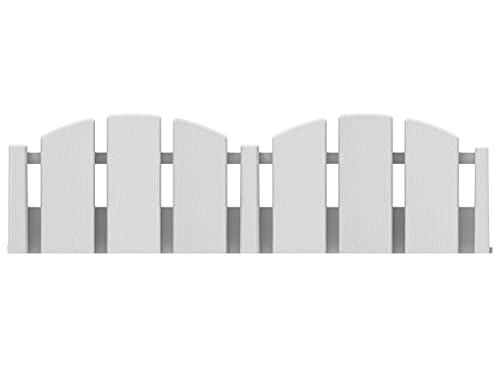
EASYFLEX DECORATIVE NO-DIG LANDSCAPE EDGING: Get a beautifully landscaped yard without all the work of a dig-in lawn edging; simple installation without trenches or shovels
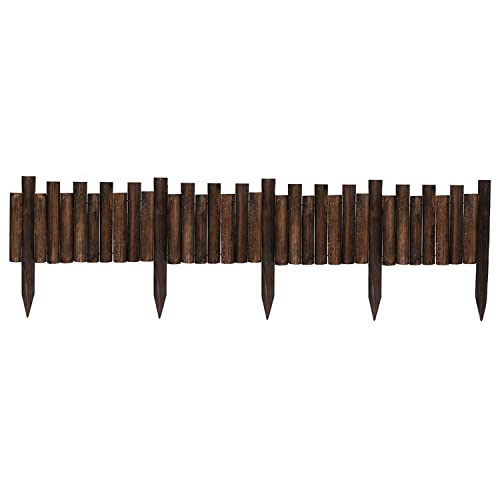
About the Edging: 8 inch height above ground, stakes Height 4 inch, 3.6 Feet total Length; Made from sturdy wood with a carbonized finish, this short fence is durable and long-lasting, standing up to outdoor elements.

EASYFLEX DECORATIVE NO-DIG LANDSCAPE EDGING: Get a beautifully landscaped yard without all the work of a dig-in lawn edging; simple installation without trenches or shovels
5. Twin Garden
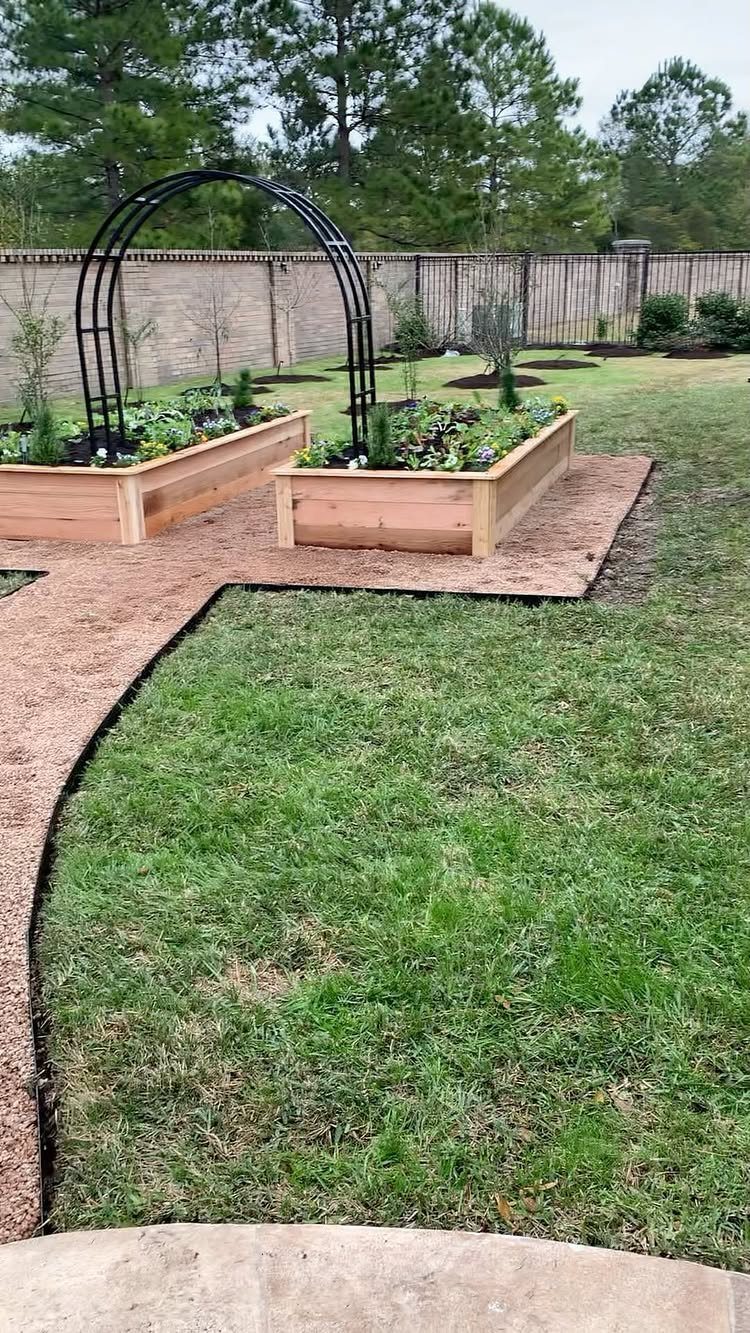
2 matching beds with something joining them reads as intentional in a way single beds rarely do. A gravel path and metal arbor frame the walk between the beds as part of the design, not just leftover space.
Symmetry demands similar planting in each bed, or the balance breaks.
If your sun exposure differs on the 2 sides, as it often does against a fence, I would adjust the plant choices to match the performance rather than force identical varieties into unequal conditions.

Create a Stunning Garden: Our 2 x 2 x 1 ft raised garden bed provides ample growing space for your plants. Its 1 ft depth is ideal for various plants. Grow vegetables, fruits, flowers, and herbs in gardens, farms, fields, or open areas
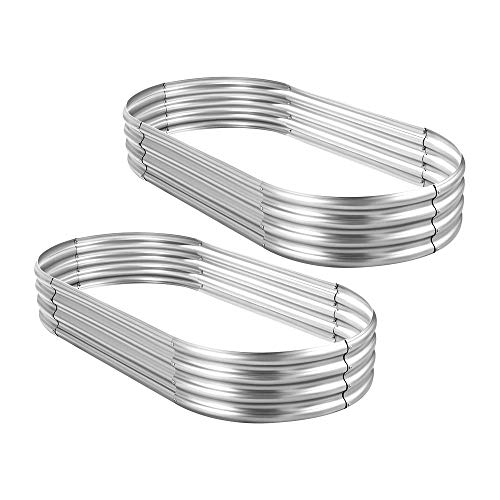
Each raised metal garden bed size: 6×3×1ft ,15.55Cu
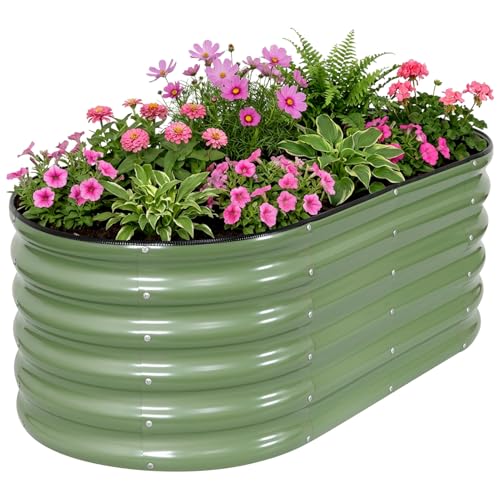
【Large & Deep Root Space】 This 17-inch tall metal garden bed lets you garden without the back and knee strain. Its generous size provides ample space for growing a variety of crops together. This 4x2x1.4FT large raised garden bed outdoor gives you the freedom to plant deeper-rooted vegetables like carrots and potatoes in one organized, productive layout.
6. Formal Potager
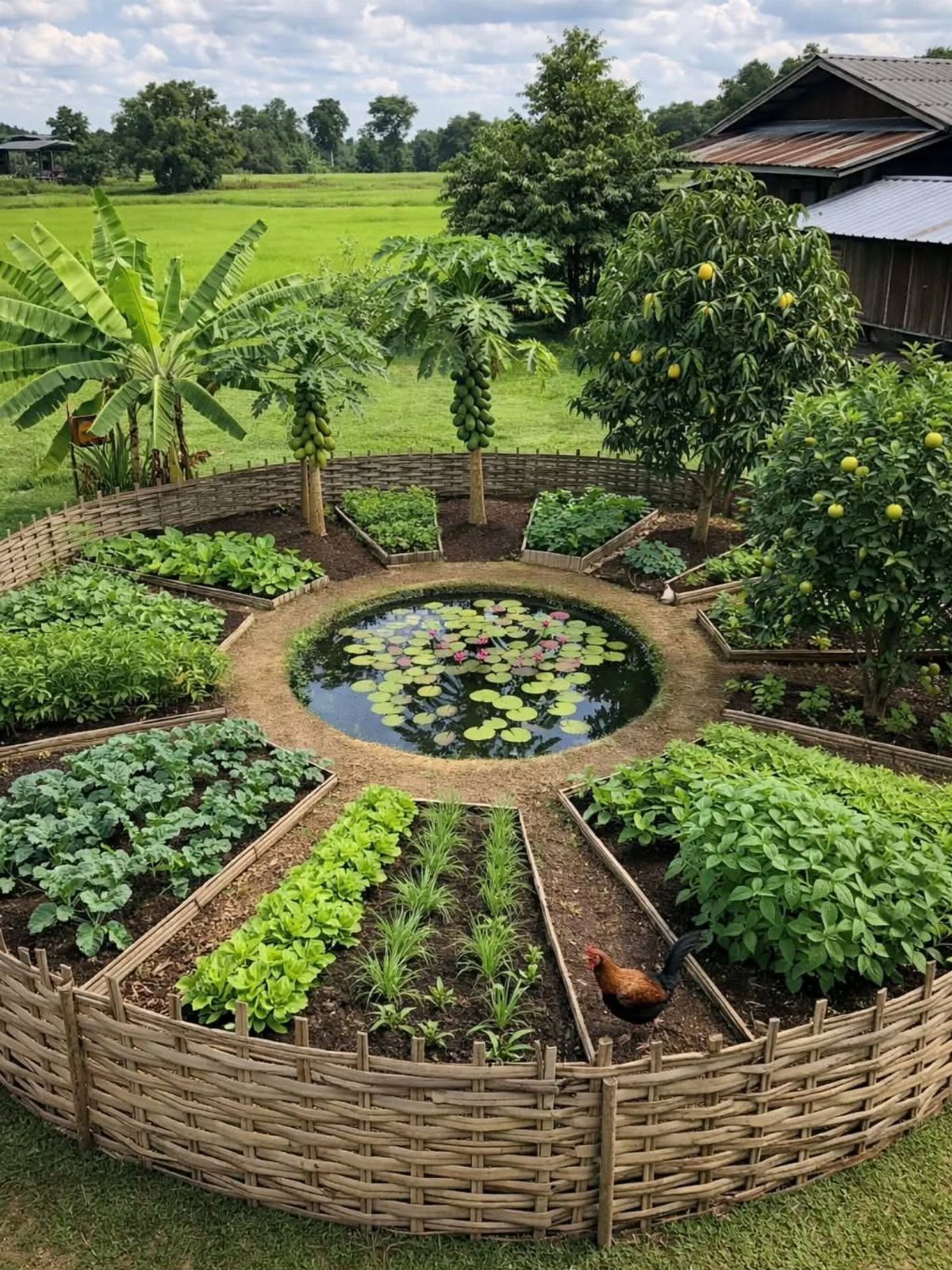
A potager is a kitchen garden laid out with geometry in mind, not just productivity.
A circular potager plan divides the space into wedge-shaped beds radiating from a central point, which is more ambitious than most of us need but shows the principle clearly.
The woven bamboo fence here is doing real work: keeping rabbits and casual walkers out without the visual weight of stockade panels.
A circle takes more edging per square foot of planting space than a rectangle, so material costs run higher for the same harvest area.
I would borrow the wedge-shaped beds and central focal point for a rectangular yard and skip the curve unless the space invites it.

【Package included】:Crafted from robust hollow steel, this garden stakes features a fade-resistant green plastic coating, offering reliable protection against wind, rain, and rust. This Trellis for Climbing Plants Outdoor comes complete with everything you need to get started: 17pcs metal stakes, 8pcs T shape connect pipe, 2 A-shaped connectors, and a 0.9x1.8meter bird net.

【Package included】: This Trellis for Climbing Plants Outdoor comes complete with everything you need to get started: 17pcs metal stakes, 8pcs stainless wire connect pipe, 2 A-shaped connectors, and a 0.9x1.8meter Bird net.
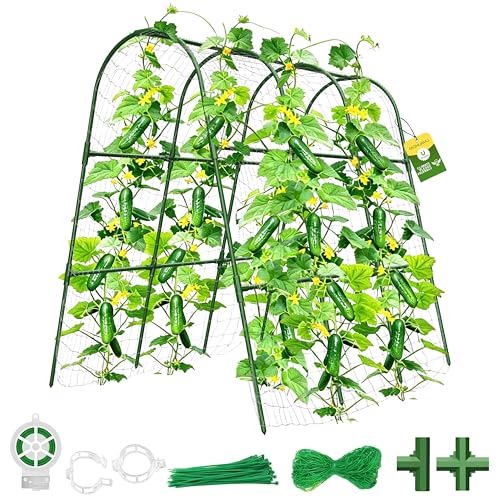
【U-Shape Stability Structure 】 U-frame trellis is more stable than A-frame trellis. Allowing you to plant a row on both sides. The arch design maximizes the garden space.
7. Hand-Drawn Landscape Blueprint
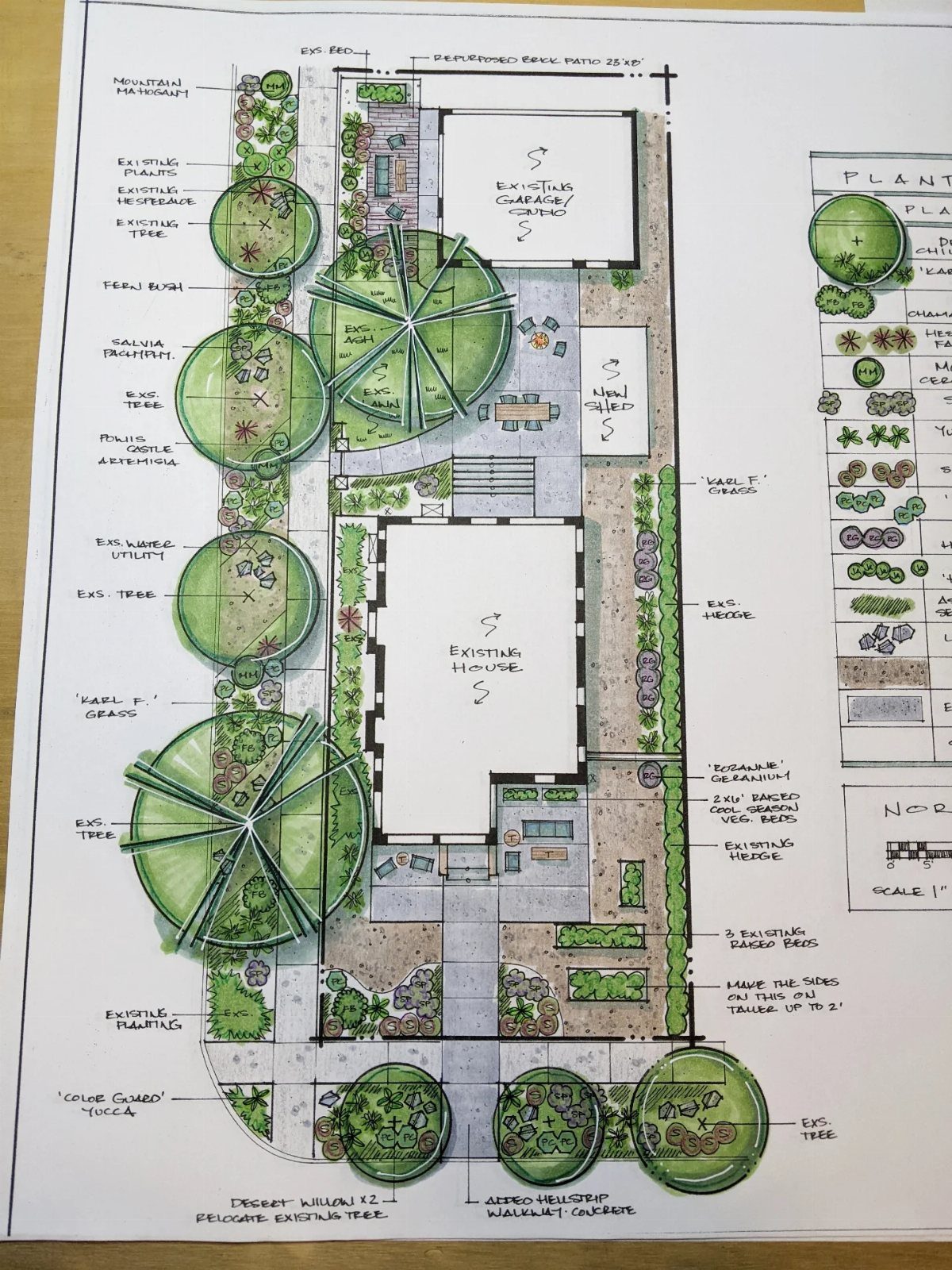
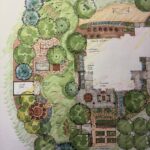
A hand-drawn plan forces you to think in scale before you dig. This one marks existing trees as circles, proposed beds as shapes, and notes a patio dimension that keeps furniture placement honest.
Graph paper helps, or any paper where you assign one square to one foot. The plant labels with a legend matter: "purple shrub" is useless once the tag is gone and you need a replacement.
I would draw north at the top and mark where shadows fall in midsummer afternoon, since that decides what thrives where.
This suits anyone who wants to see the whole yard at once, not plant by plant.
The time is up front: an hour with a tape measure, then an evening with colored pencils. Skip it if you prefer adjusting in the dirt.

Weather-Resistant & Built to Last: Crafted from durable PC+ABS resin, these stepping stones are heat-resistant, crack-proof in freezing temps, and impact-resistant. Designed for year-round outdoor use, they won’t fade, warp, or lose their shape—rain or shine.

【Natural Stones】This river rocks are natural lightly polished for smooth effect, comes in a variety of natural colors. Resists fading for long-lasting beauty

【Natural River Stone】Our stepping stones, made from river rocks, are naturally stunning. Each stone, crafted from genuine river stones, retains its natural texture to highlight its intrinsic beauty. With their unique natural colors, they can create an eye-catching garden path for your patio.
Choosing Plant Varieties
I start my plant list in January with seed catalogs, then cut it down by what my family actually eats and what my climate allows.
A filter tool can narrow by hardiness zone, soil type, and light, though I treat its results as suggestions, not guarantees; only you know the wet corner or the afternoon shade from your neighbor’s tree.
Disease resistance matters more than novelty.
If late blight hits your tomatoes every August, ‘Defiant’ or ‘Mountain Magic’ will outlast the heirlooms you are tempted by. Same for basil: ‘Amazel’, ‘Prospera’, and ‘Rutgers Devotion DMR’ stand up to downy mildew.
I still experiment with oddities like cucamelons, but I limit them to a few plants so I am not relying on a crop no one at my table recognizes.
Check seed packets for indoor start dates. Tomatoes need 6 to 8 weeks under lights before they go out; count back from your last frost date and write it on the calendar.

【Universal Fit for Most Railings】Stop worrying if it will fit! Our adjustable railing planter boxes bracket (made of sturdy, powder-coated iron) securely mounts on any railing from 1.6" to 4.9" wide. This no-drill design protects your property, giving you a stable, custom fit for your balcony, deck, or patio fence.

MOBILE GARDEN ON WHEELS — Two all-terrain wheels and an ergonomic handle let you roll a 200+ lb planted bed wherever sunlight goes. Move your garden across patio, balcony, or backyard in minutes.
Garden Maintenance Tips
Pathways need to stay clear. I have tripped over a hose left across stepping stones too many times to ignore this; one flat trip and you are nursing a knee instead of weeding.
Soil quality drives everything else. If you are starting new beds or your existing ones have gone flat, work in compost before you plant and test every couple of years to see what has been used up.
Poor soil will stunt plants that should thrive even with the right sun and water.
Pests are local, so I watch for what shows up repeatedly in my yard rather than treating for every possibility.
Aphids, squash bugs, the particular beetles your neighbor warned you about; note them in your plan so you can rotate crops away from their preferred hosts next season. I handle most with hand-picking and row cover, not sprays.

【Upgraded Landscape Edging 】These Landscape edging are made of protection PP material, stable and not easily crushed. No peeling, no corrosion and not deformed. It's suitable for long-term use, creating clean lines in your garden with some landscape edging.

【Upgraded Landscape Edging】These edging for landscaping are made of protection PP material, stable and not easily crushed. No peeling, no corrosion and not deformed, And include 20Pcs anchoring stakes can withstand 60mph strong wind. You don't worry about your garden damaged by strong winds.And the garden edging is suitable for long-term use, creating clean lines in your garden with some landscape edging.

SHIPMENT CONTAINS: One 5 inch x 40 foot brown flexible landscape edging coil with 10 matching stakes for securing garden borders
Planting Timing
Cool-season crops go out before the soil warms: lettuce, peas, spinach, the plants that bolt once summer heat arrives.
I seed them a few weeks ahead of my last spring frost date, which I mark on a calendar I will actually check.
I hold off on warm-season crops until the frost date is firmly behind me. Tomatoes, peppers, squash; they sulk in cold soil and never recover the time lost.
Fall planting runs off the first frost date, not the last.
Count backward from that date to your crop’s days to maturity, then add a buffer for shorter days and slower growth. Napoli carrots at 58 days need sowing with that margin built in, not the number on the packet alone.

2FT DEPTH: 24 inches of depth holds up to 215 gallons of soil-ideal for medium to deep root plants and vegetables like broccoli, beans, and more. Note: This product does not include a bottom panel
Frequently Asked Questions
How to design a garden layout at the front yard?
Start with a curved stepping-stone path to break up a long lawn and give the eye somewhere to travel. Leave gaps between stones for ground cover to fill in, or space them tighter for a more formal look.
In what order do you plant vegetables in a garden?
Plant cool-season crops first, before the soil warms: lettuce, peas, and spinach go out a few weeks ahead of your last spring frost date.
Fall planting runs backward from your first frost date, counting the crop’s days to maturity plus a buffer for shorter days and slower growth.
How can I plan a year-round garden?
Work from your 2 frost dates. I start the year with cool-season crops ahead of the last spring frost, switch to warm-season ones once that date passes, then plan autumn plantings by counting backward from the first fall frost.
A hand-drawn plan on graph paper, with north at the top and afternoon shadow patterns marked, keeps you honest about what fits where and when.