These English garden front yard ideas range from a weekend of planting plugs to a mason-built stone gate with wrought iron, and the deciding factor is how many seasons you are willing to wait for fullness.
If you need the bed filled this year, you will spend more on an instant garden; if you can wait a couple of seasons, a modest plant budget and free perennial splits from neighbors gets you the same density.
The detail that separates a path that lasts from one that heaves is compacted crushed stone below your flagstone, checked against your local frost line before you start.
[link-whisper-related-posts]1. Pathways
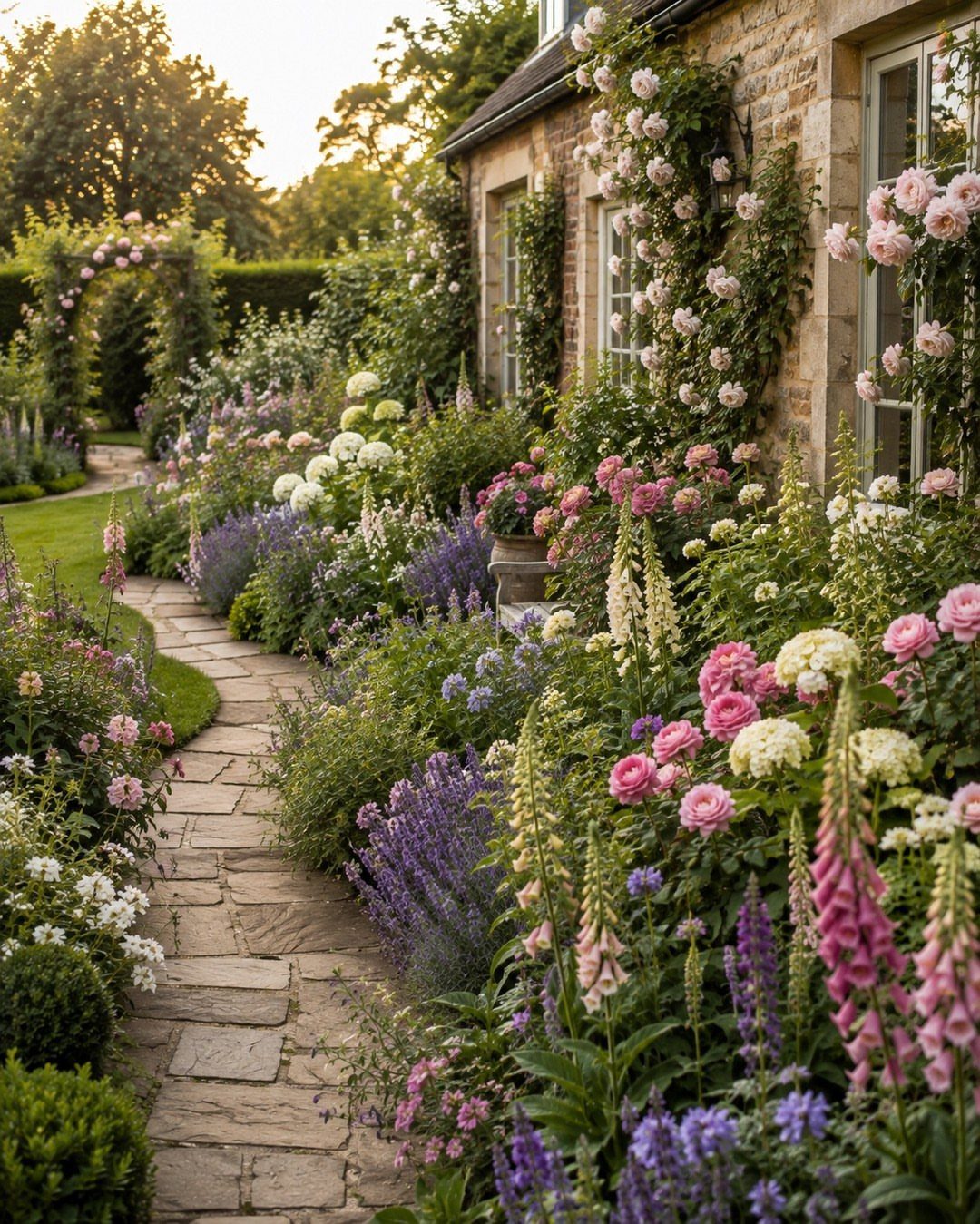
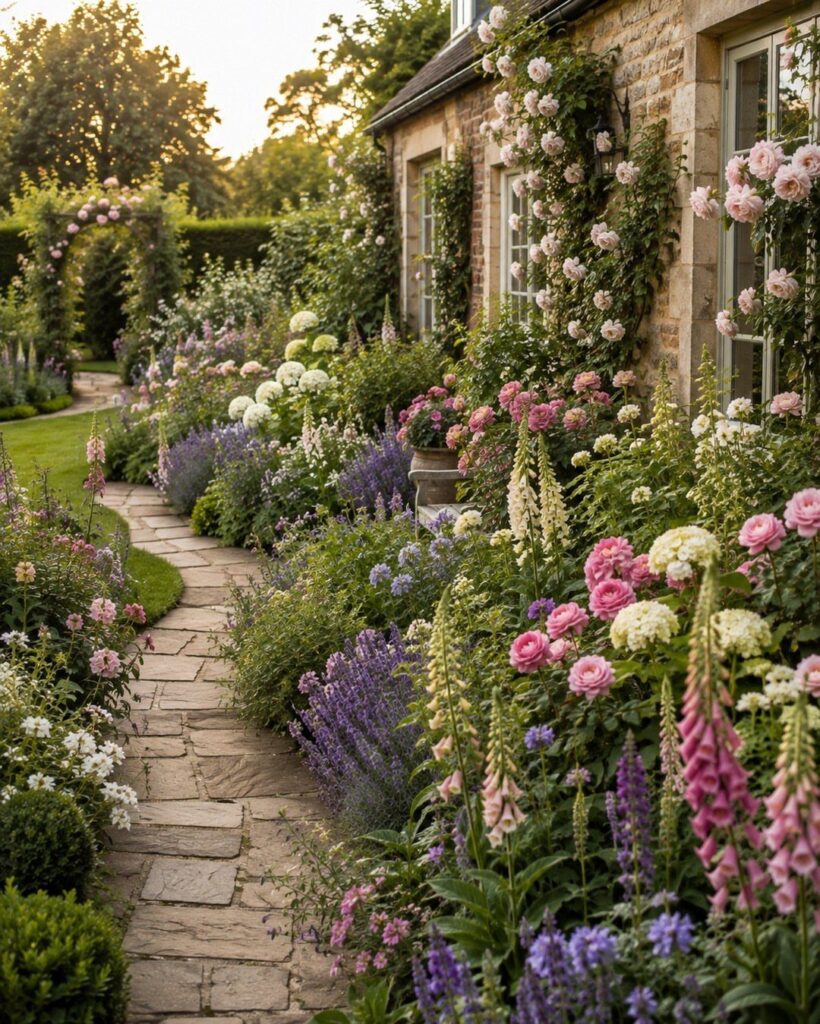
A curved flagstone path does 2 jobs at once: it gets foot traffic off your beds and it builds anticipation for whatever sits around the bend.
I would check my frost line before laying any stone loose; in zones where the ground heaves, a compacted base of crushed stone keeps the surface from shifting after one winter.
I like pathways with grass growing between the stones rather than tightly mortared joints.

EASYFLEX DECORATIVE NO-DIG LANDSCAPE EDGING: Get a beautifully landscaped yard without all the work of a dig-in lawn edging; simple installation without trenches or shovels; color may vary due to the unique manufacturing process.

𝐅𝐥𝐞𝐱𝐢𝐛𝐥𝐞 & 𝐄𝐚𝐬𝐲 𝐭𝐨 𝐈𝐧𝐬𝐭𝐚𝐥𝐥: Each panel measures 40" (L) × 5" (H), including 3" underground stakes for strong anchoring, leaving 2" visible above ground for a clean, low-profile border. The hammer-in design makes installation fast and effortless—perfect for creating neat, professional-looking edges without digging.

2. Cottage Garden Plants
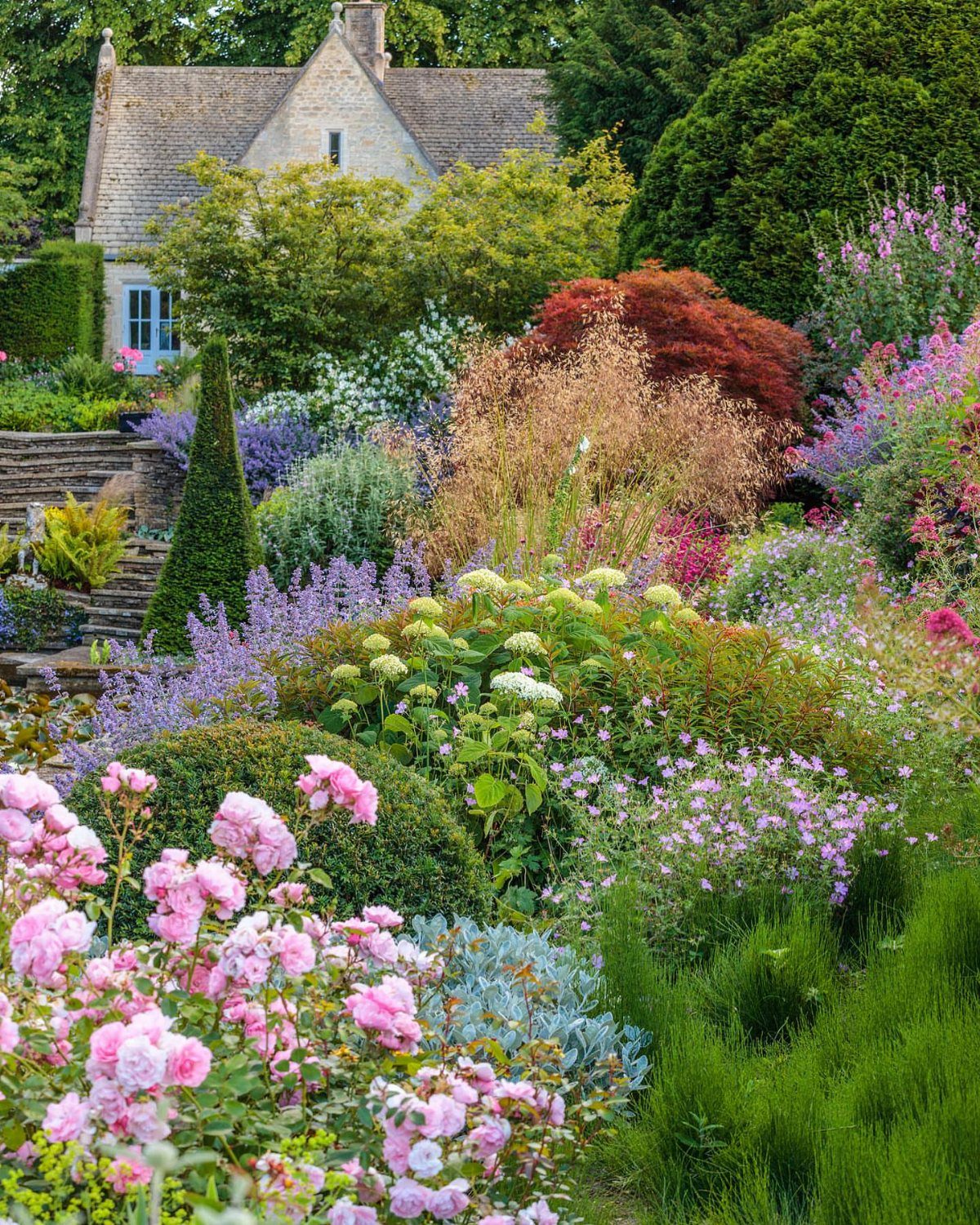
The cottage garden look is less about specific plants and more about density: layers of height, bloom times staggered so something is always open, and no bare soil showing.
What I would decide first is hardiness. I start my list with what survives locally, then sort by bloom season, then worry about color.

1.5 INCH CRUSHED LIMESTONE – Natural crushed limestone approximately 1.5 inches in size with an angular shape and gray, light gray and natural stone color variations.

3. Mix of Colorful Flowers
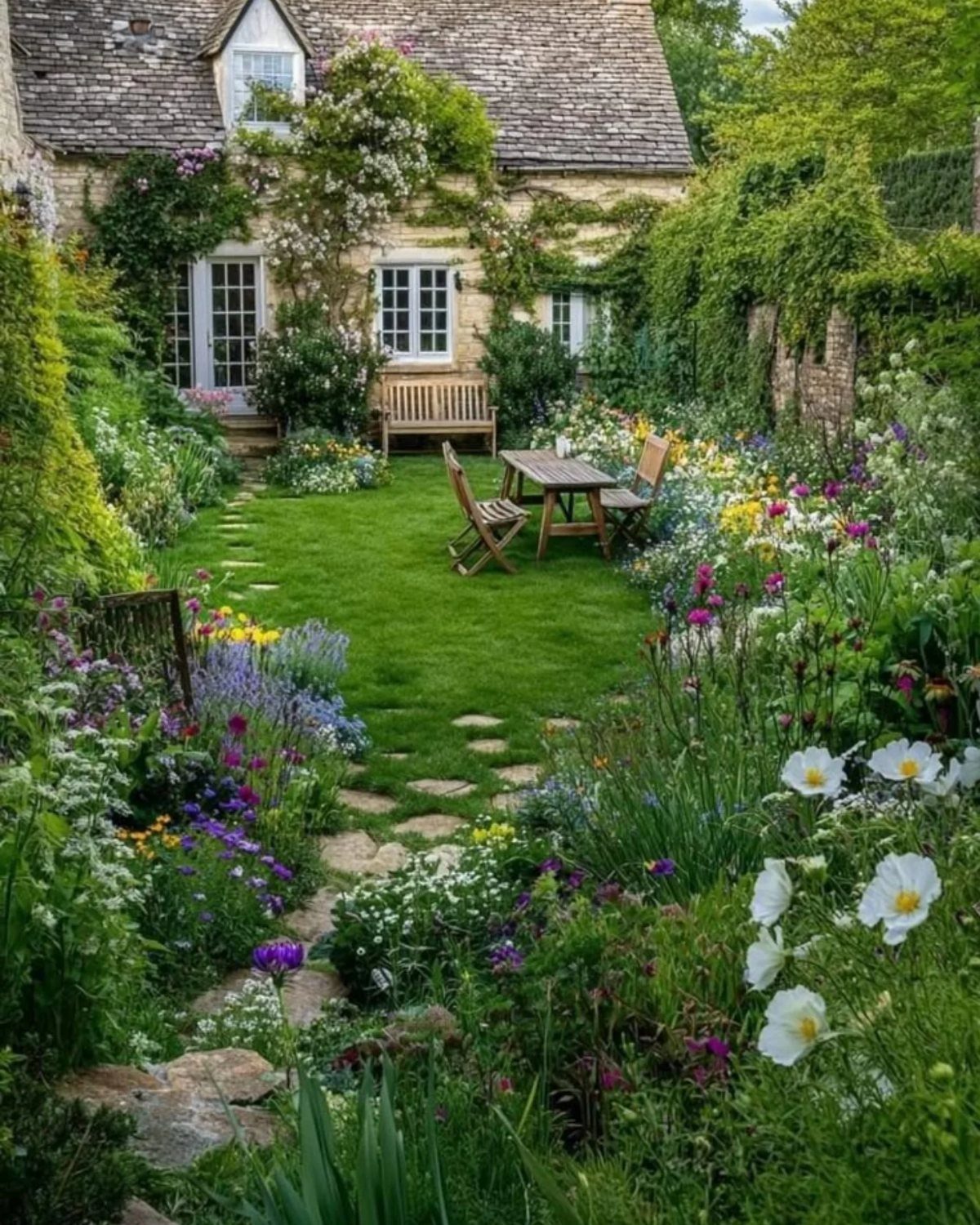
Color mixing in an English garden is not random; it is a sequence of deliberate pairings that happen to look effortless.
I would plan for at least 3 bloom waves across a season, since a one-week flush leaves you with green mulch the rest of the year.
For a weekend project on a tight budget, I buy plugs or small pots rather than gallons and wait one season for the fill.

100 EASY TO USE PEAT PELLETS: Contains 100 Jiffy 36mm soil pellets—ideal for germinating a wide range of vegetable, herb, and flower seeds indoors.

Use upright flower clusters as part of a planned ornamental bed or cottage border.

🌸 Gypsophila – Airy white blooms for bouquets and borders. 🌸 Sweet William – Fragrant pink, red, and white flowers for cottage gardens. 🌸 African Daisy – Bright, sun-loving daisy-like blooms. 🌸 Candytuft – Elegant white flowers for pathways and borders. 🌸 Poppy – Deep-red blooms with black centers for bold contrast. 🌸 Aster – Vibrant, butterfly-attracting late-season flowers. 🌸 Zinnia – Petite, colorful blooms for cutting gardens.
4. Foxglove
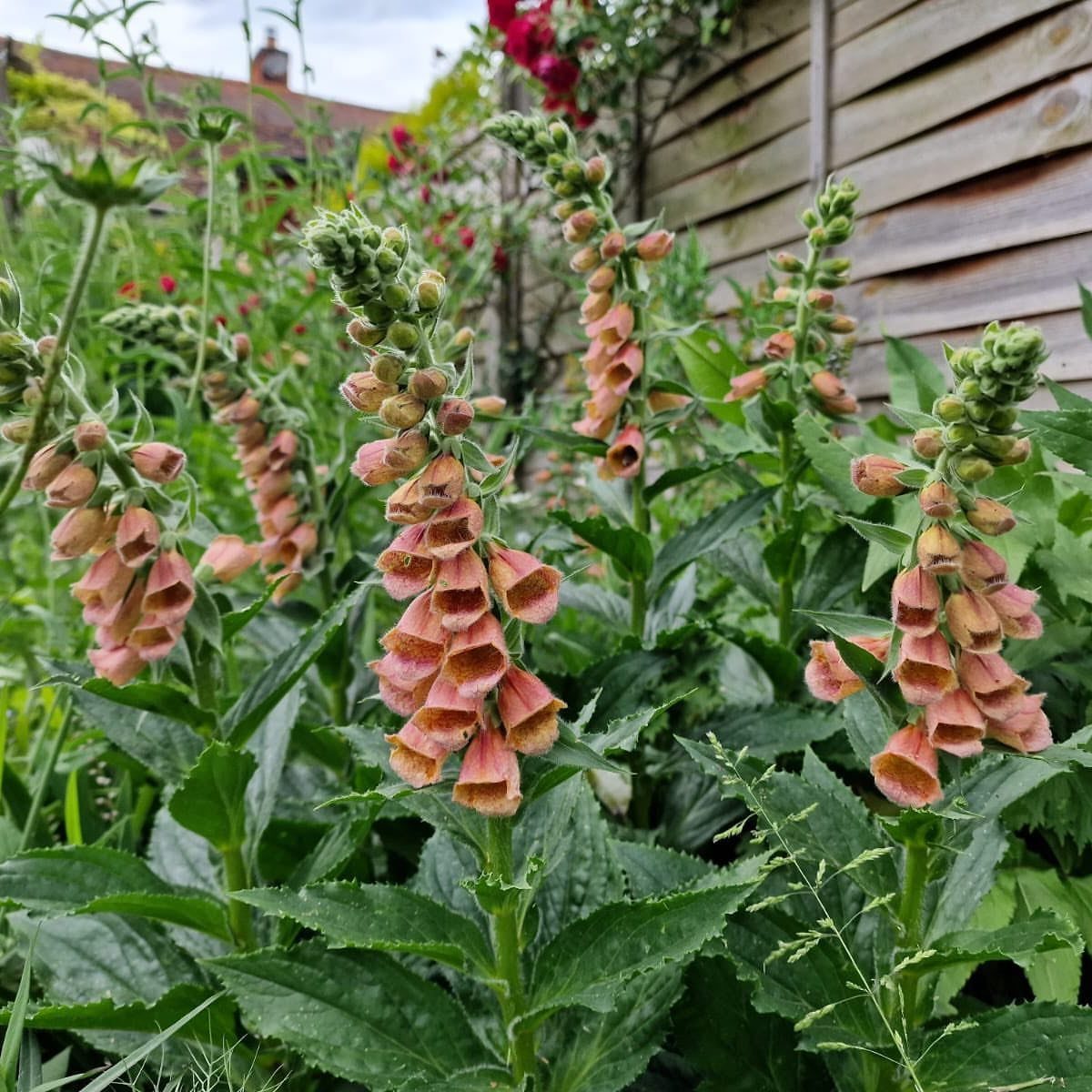
Foxglove is biennial, which is the detail most people miss: first year it is a low rosette of leaves, second year it sends up the tall spires you are after.
I plant new plants each year so I never have a gap. All parts are toxic, so I would skip this one if small children use the yard unsupervised.

🌱 Seed Prep for Better Germination: Cold stratify foxglove seeds by placing them in a moist paper towel or sand and refrigerating for 7-14 days. Sow seeds on the soil surface and press lightly without covering, as foxglove seeds require light to germinate.

2,000 PREMIUM SEEDS: Includes 2,000 high-quality Foxglove seeds, offering a wide color range and strong germination for towering floral spires in garden beds and borders.

Bulk Mixed Colors: Over 350,000 Common Foxglove seeds for filling garden borders and flower beds with tall spire blooms, creating layered height and color in outdoor landscaping
5. Pea Gravel Path
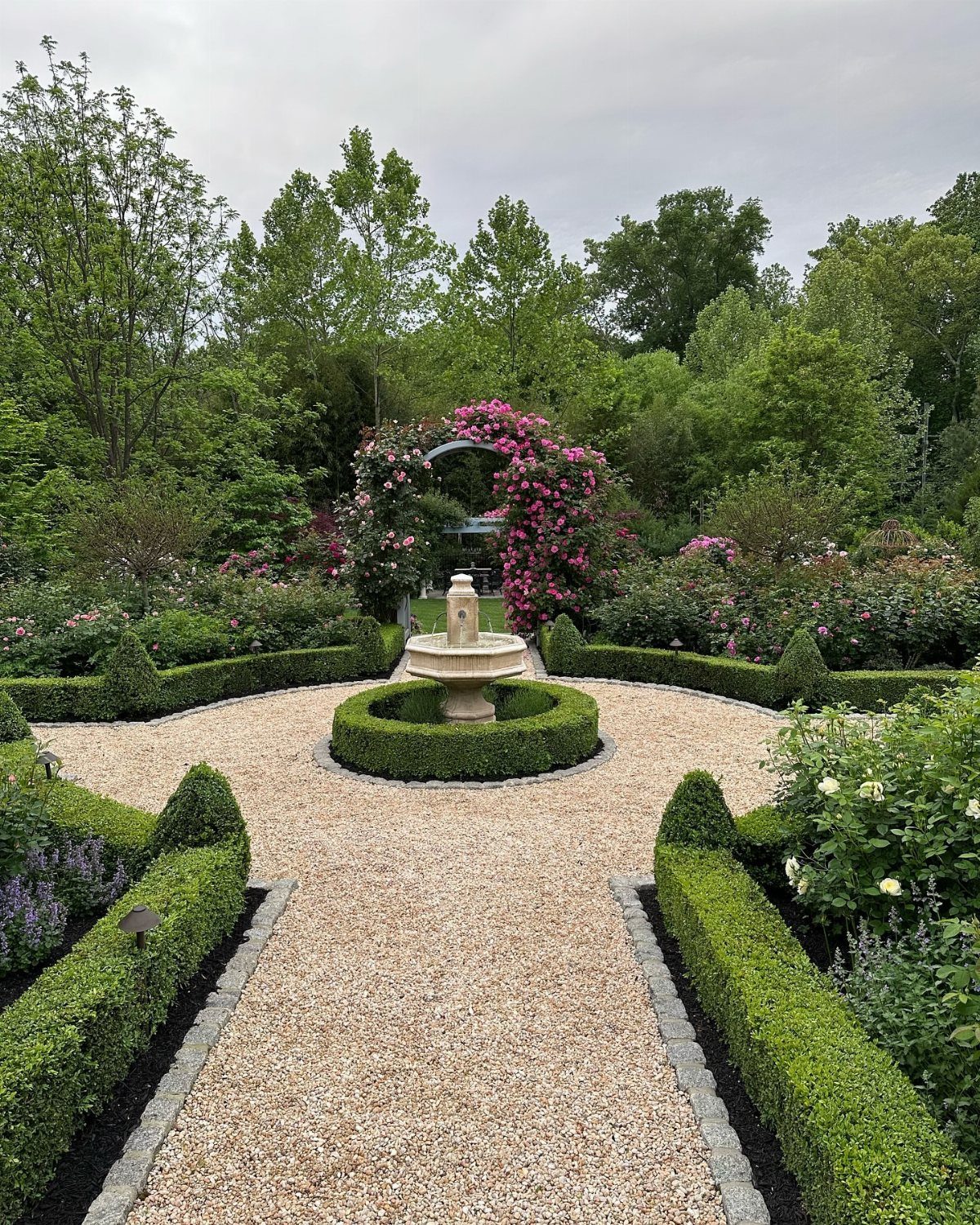
Pea gravel paths look loose and informal, but the good ones start with prep.
Landscape fabric underneath keeps the stone from sinking into soil and weeds from punching through; I would overlap seams and pin them down. Edging is non-negotiable; without it, gravel drifts into lawn in 2 mowings.

【Landscape Edging Kit】 -- Includes 3 rolls of landscaping edging (33ft each) and 150 spikes, offering flexible layout options for various landscaping length needs,instead of having to take out long and heavy edging and cut it

5OZ High Density & Durable Woven PP Material: This landscape fabric has 1415 Sq.ft large coverage area, length: 108ft/33m, width: 13ft/4m.This weed cloth can be easily cut to meet various needs such as driveway stabilization, gardening, agriculture, and drainage. Made of woven PP material and 5OZ high density, this driveway fabric has great durability and easily conforms to uneven surfaces.
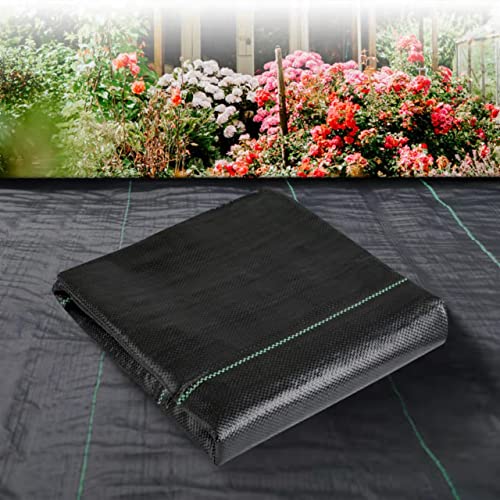
Premium Weed Barrier Fabric:Weed barrier landscape fabric is a type of geotextile fabric that is commonly used in landscaping and construction.With excellent weed control properties, providing a clean and tidy landscape.Very strong and durable,Pro landscape weed barrier will provide you with premium weed protection for a very long time.
6. Natural Mulch
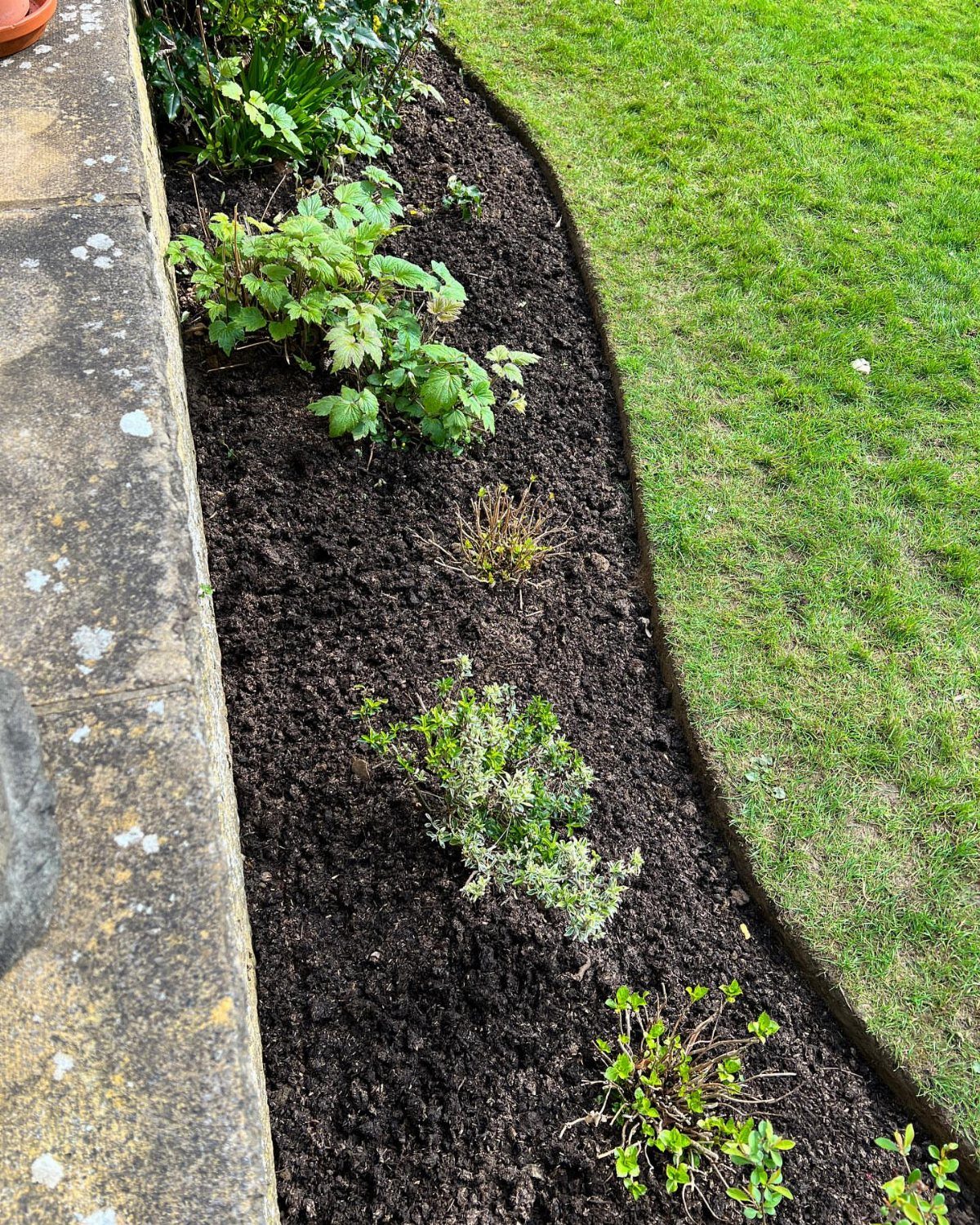
Dark shredded bark is the mulch I default to for beds where I want plants to read as the feature, not the ground plane.
It holds moisture well in summer and suppresses most annual weeds once laid deep enough. I would keep it clear of stone walls by a hand’s width; wet bark against limestone stains it tannic brown in a season.

Easy DIY Landscape Upgrade: Create garden paths, backyard walkways, patio access, and outdoor play areas with lightweight Redu-material stepping stones that install quickly without digging or tools.

【HEAVY-DUTY GALVANIZED STEEL】Say goodbye to flimsy aluminum. LAVEVE Garden Edging is built with a reinforced, thickened galvanized steel core, offering superior strength and durability while remaining flexible for custom-shaped borders.

Vintage Charm: Natural gray finish features subtle color variation that replicates the look of weathered stone, adding visual texture to gardens, pathways, and outdoor spaces
7. Wrought Iron Entry Gate
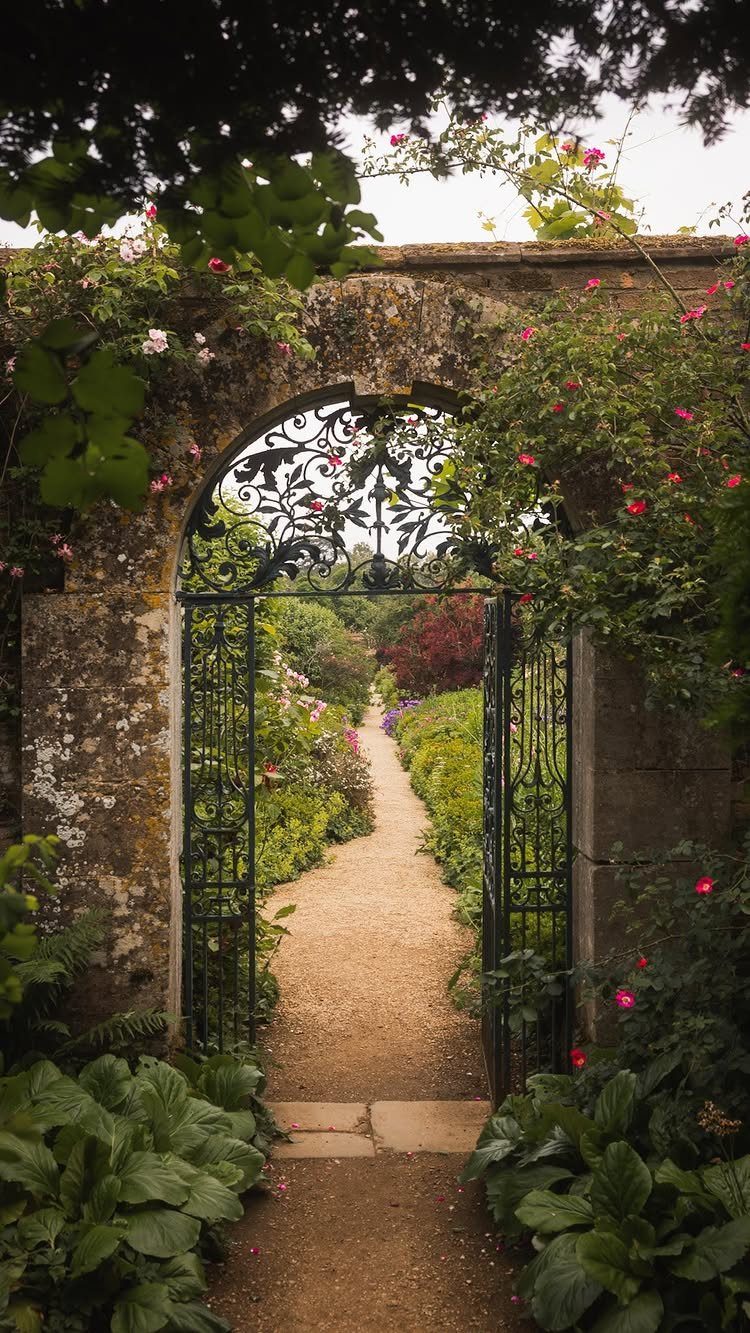
An ornate wrought iron gate frames the garden like a period doorway, setting the English garden mood before a visitor steps inside.
I would check whether my opening is wide enough to need a double gate; wide single gates sag over time without a center stop or heavier posts.
Stone surrounding the iron wants footings below frost line, so I would budget for a mason if the wall is new construction.
8. Climbing Roses on Brick
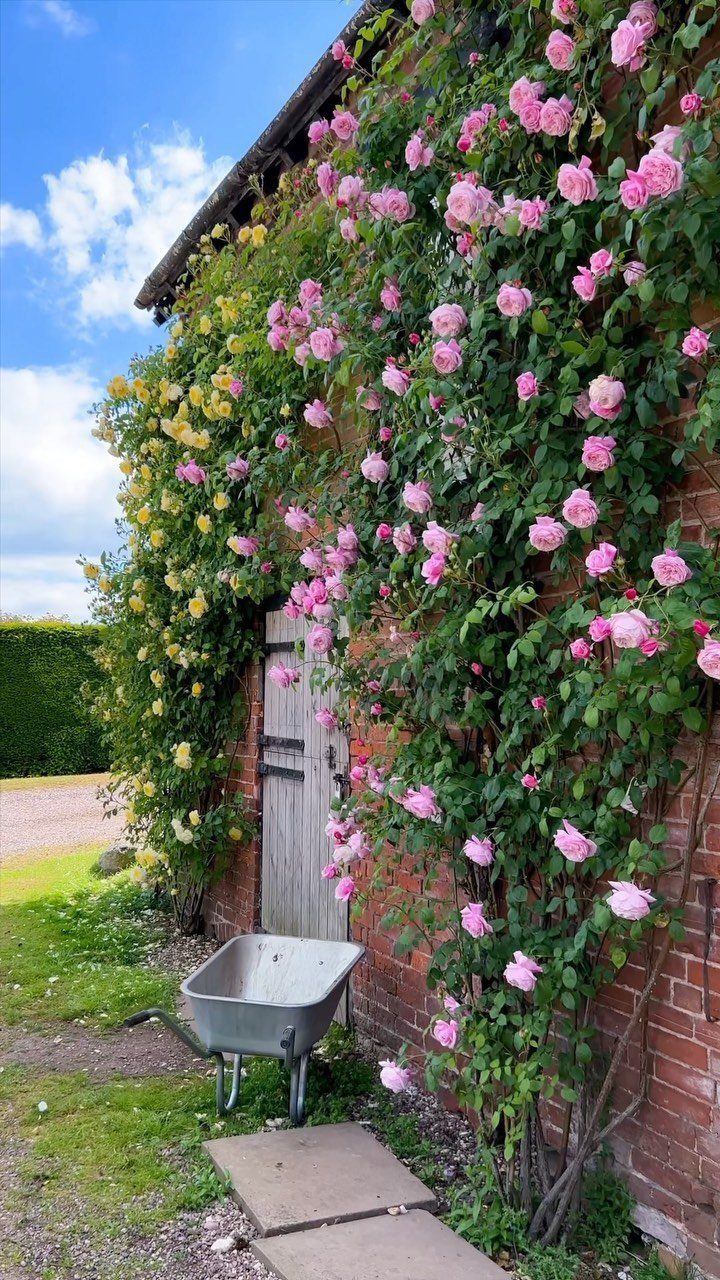
Climbing roses trained flat against brick give the wall the look of living architecture.
I would choose a repeat-flowering modern climber over a once-blooming heirloom; the first flush in June is dramatic, but I want color into September for a front yard I pass daily.
Rusted pegs or discreet wire trellis work better than letting canes scramble; untrained roses belly outward and block paths. Brick warms early and holds heat, so southern-facing walls need more water than I would guess.

Suitable for USDA growing zones 4–9

🌱 COMPLETE 10-PIECE KIT — Everything you need to start seeds in one box: 10 biodegradable peat pots, 10 expandable coco coir soil discs, and 10 plant markers. Just add water and sow — no extra supplies needed for herbs, vegetables, or flowers.

LIVE LAVENDER PLUG PLANTS: Healthy rooted lavender starter plugs ready for transplanting into gardens, raised beds, containers, and landscape borders.
9. Tall Hollyhocks and Stone Facade
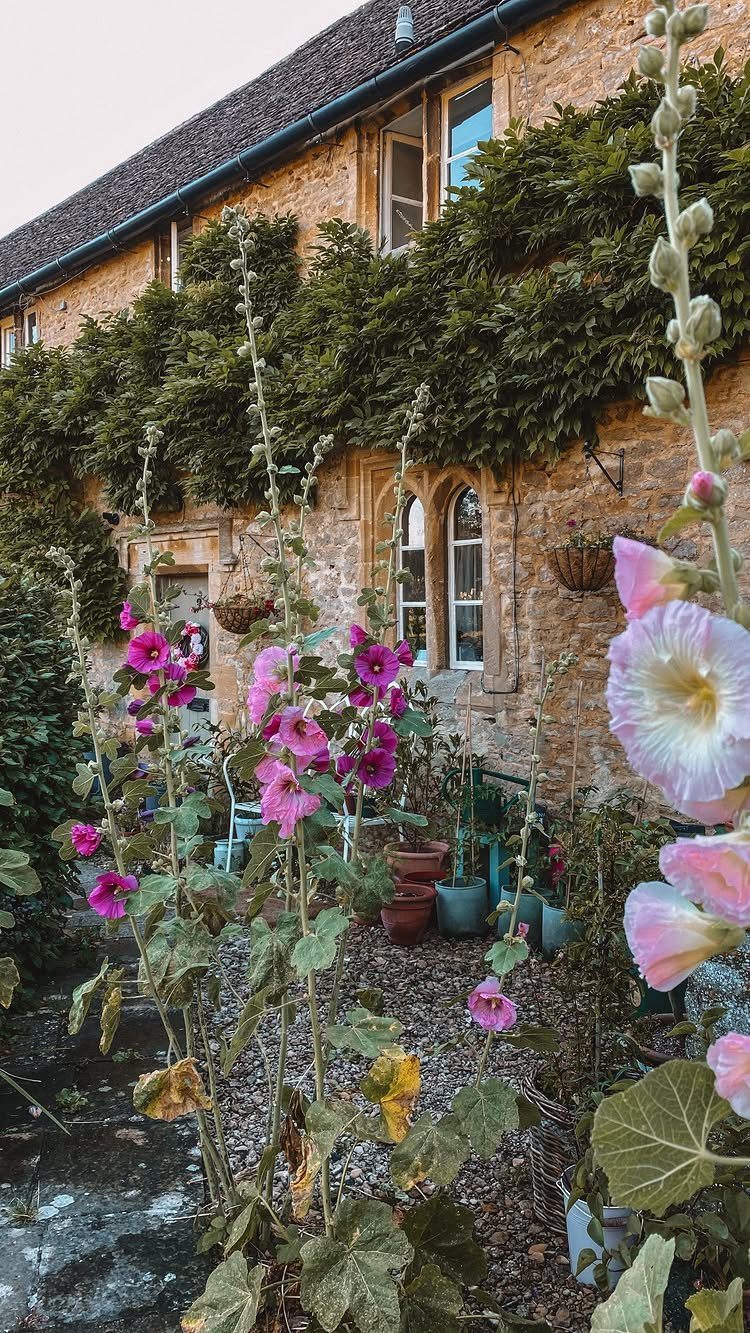
Hollyhocks against stone give cottage height without a hedge to maintain. They are technically short-lived perennials, but I treat them as biennials and let seeds drop; volunteers appear in the gravel cracks the next spring.
Magenta and pink hollyhock varieties read as intentional against gray limestone, whereas true red can look accidental.
I would plant them deep enough that stems do not rock in wind; a tall hollyhock with a loosened root plate does not recover.


STUNNING BIENNIAL BLOOMS: White Fox glove seeds produce stunning 35-47 inches perennial blooms, showcasing white flowers. These wildflower seeds are good for adding height and elegance to your garden. Great for creating beautiful borders or for brightening up shaded areas with wildflower gardens.

Premium Live Plants: Two (2) large live Foxglove Dalmatian Mix plants big, healthy, ready to grow, premium perennial flower plants, 4" to 8" tall plants, in 4" pots. NON-GMO No Neonicotinoids. Pollinator Favorite
10. Potted Olive Trees and Lavender
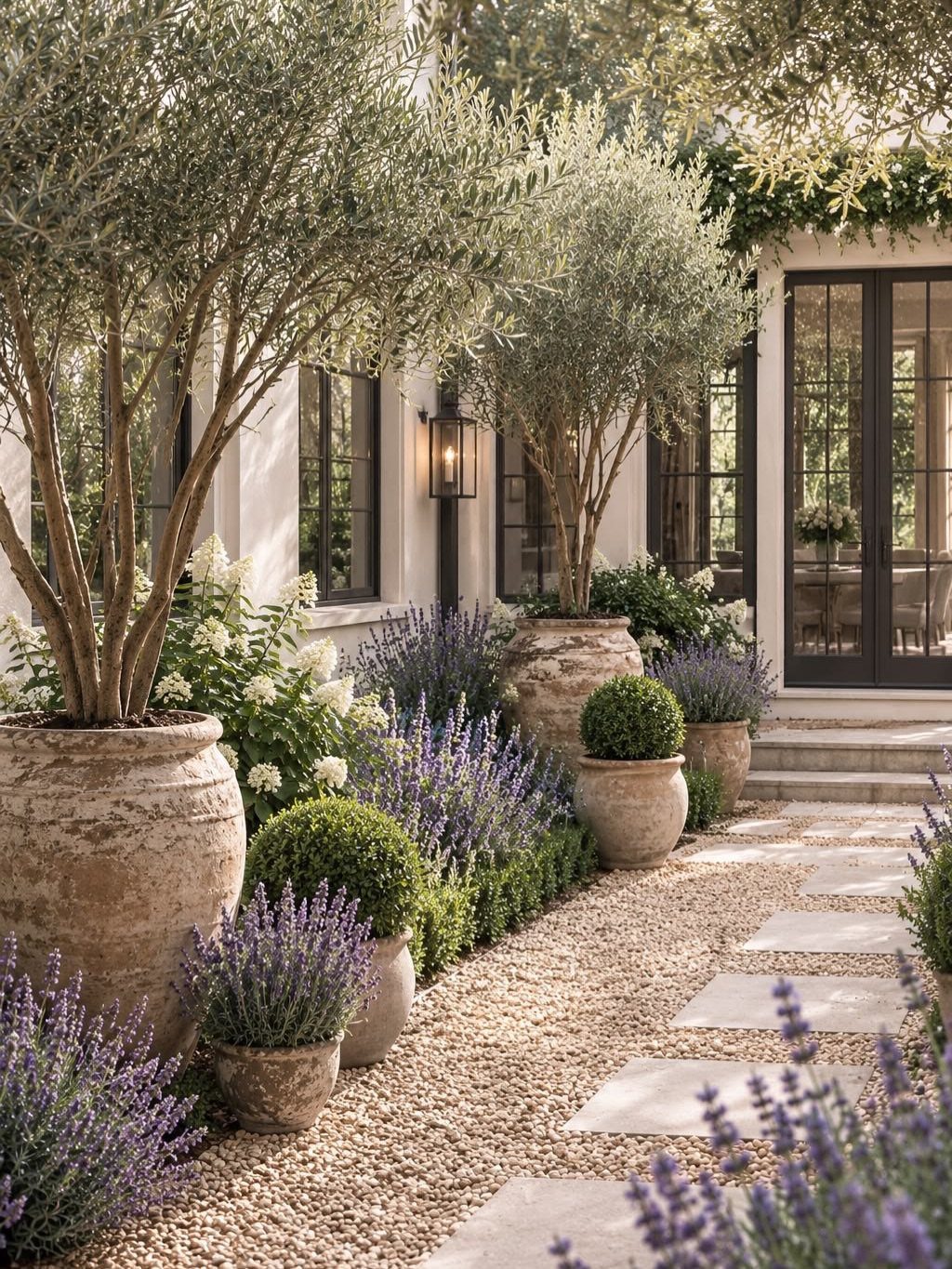
Olive trees in terracotta give a Mediterranean accent that sits comfortably inside the English garden framework. The pots here are half the height of the shrubs, which is the scale I would aim for; dainty containers read as afterthoughts.
Lavender at their feet wants the same full sun and sharp drainage, so this pairing works practically as well as visually.
I would bring the olives into a bright garage or porch for winter anywhere colder than zone 8; one hard freeze splits their cambium and the damage shows the next June.

Professional Grade Weed Barrier: LAVEVE weed barrier fabric is made of woven polypropylene material. Its high-density and permeable characteristics effectively stop weed growth and protect soil health so your plants can grow well.
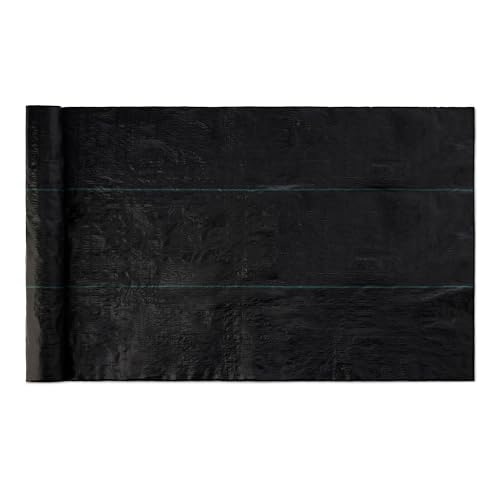
50x3-foot heavy-duty weed control fabric for helping prevent unwanted weed growth

Quality Metal Material: Our galvanized garden edge is processed using high-precision CNC technology, ensuring accuracy down to every millimeter. Innovative 3D ripple design not only enhances the aesthetic appeal of the fence but also strengthens its structural integrity.
11. Delphiniums and Alliums
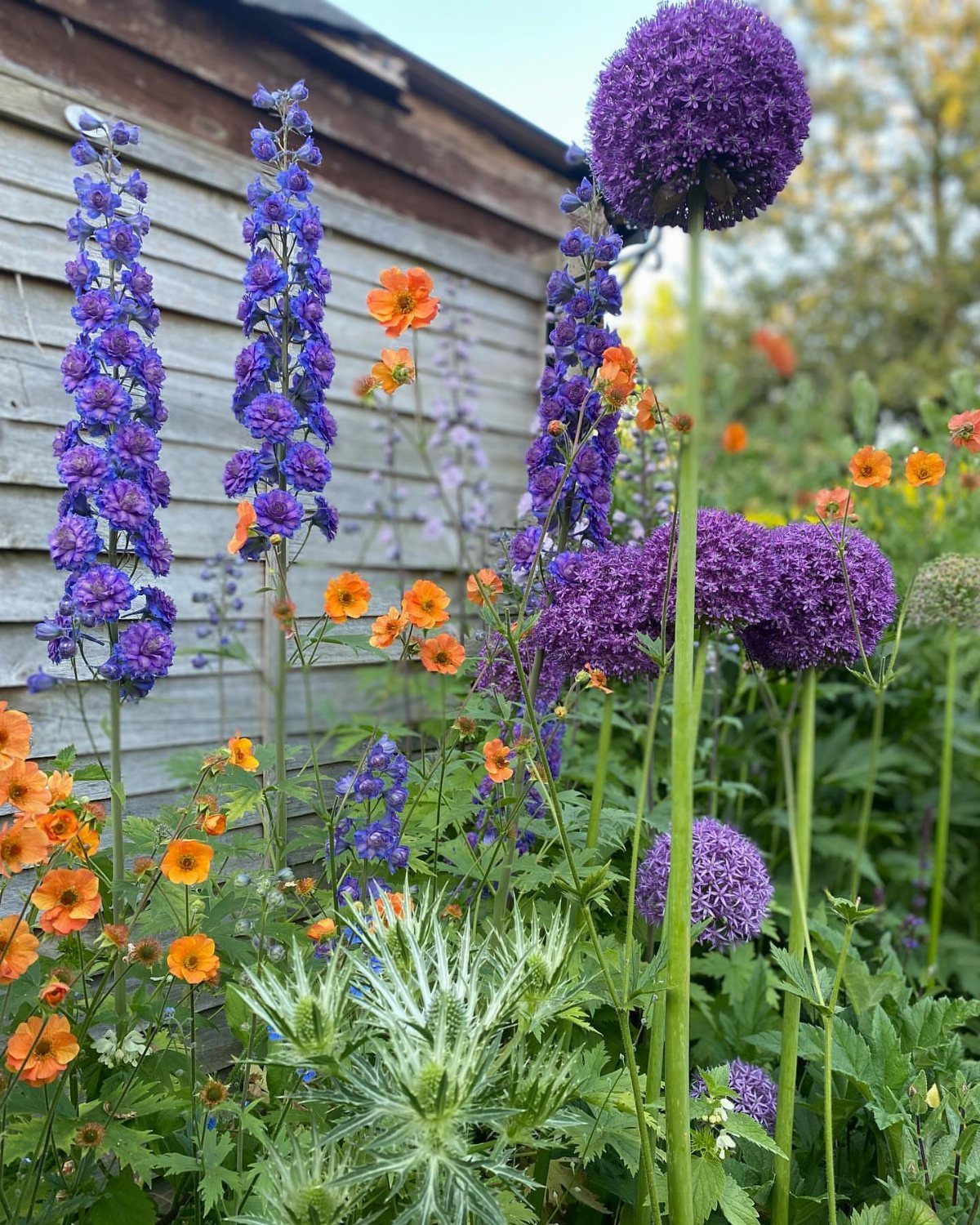
Delphiniums and alliums together hit 2 different scales of height: the delphiniums draw the eye upward and the alliums hold the middle zone like rounded exclamation points.
Both want sun and soil that drains fast; I would skip this combination for heavy clay unless I raised the bed first.
Delphiniums need staking once they get tall, and I would put supports in early rather than threading them through mature growth.
The wood wall behind them is doing quiet work; a dark background makes purple read as luminous in morning light.
Maintenance Tips
Regular weeding is easier in a full garden because dense planting leaves little bare soil for weed seeds to take hold.
I would still lay mulch every spring; even a full border benefits from the moisture retention and the barrier it forms against annual weeds that blow in from lawn or sidewalk.
Autumn cleanup means getting leaves off the beds before they mat and smother low foliage.
I would not strip every stem bare; many cottage perennials prefer their old growth left until spring. What I do remove is anything already diseased or soggy, since wet debris against crowns rots them through winter.
Budget Considerations
An instant garden loaded with gallon and two-gallon plants runs into real money fast. One account I have seen landed near $2,800 for a pathway and potting shed area, with peonies and foxgloves alone at $500 and reblooming lilacs at $350.
That is not a required budget; it is what happens when you fill space in weeks rather than seasons.
I would plan plant costs as my biggest line item and look for ways to shrink it without shrinking the garden.
Perennials divide after a year or two, so a neighbor or local gardening group is often a source of free splits.
What I would not do is shop for instant fullness on a weekend timeline with no plan for where each plant goes. That is how the total drifts upward one impulse buy at a time.
Frequently Asked Questions
How to design a garden layout at the front yard?
Start by checking how much sun the space gets each day, then choose plants that match those conditions.
I would sketch a simple plan on paper next, marking paths about 4 feet wide and placing taller plants where they won’t shade shorter neighbors.
Pea gravel works well for the main walkways, with a compacted base beneath so the surface stays level after winter.
What is the difference between a cottage garden and an English garden?
Cottage gardens lean fully informal, packed tight with flowers and no bare soil showing, while English gardens can include more structured pieces like wrought iron gates or stone walls alongside the loose planting.
Both share dense layers and staggered bloom times, but an English front yard might also have formal paths or a period gate setting the mood before you step inside. I treat the cottage look as the heart of either style.
What are some ideas for paths in a cottage garden?
Flagstone laid with grass between the joints gives a softer look than mortared edges, and a curved line builds anticipation for what sits around the bend.
Pea gravel is another good fit for the English style, though I would start with landscape fabric underneath and solid edging on both sides to keep stone from drifting into lawn after 2 mowings.
Either way, check your frost line and use a compacted crushed stone base where ground heaves.