These 11 ideas run from a simple pine box you can knock together in an afternoon to substantial raised beds built from cedar or hemlock, and the right one depends on whether you need mobility, seating, privacy, or serious growing space.
A box on legs saves your back from bending; a built-in bench saves square footage on a cramped patio; a tiered planter stacks herbs or flowers in a small footprint.
The common thread is that each uses wood you can find at any home center and finish in a weekend, with drainage details I would not skip: half-inch holes through every bottom board, lined with landscape fabric if gaps run a quarter-inch or wider.
[link-whisper-related-posts]1. Simple DIY Pine Planter Box
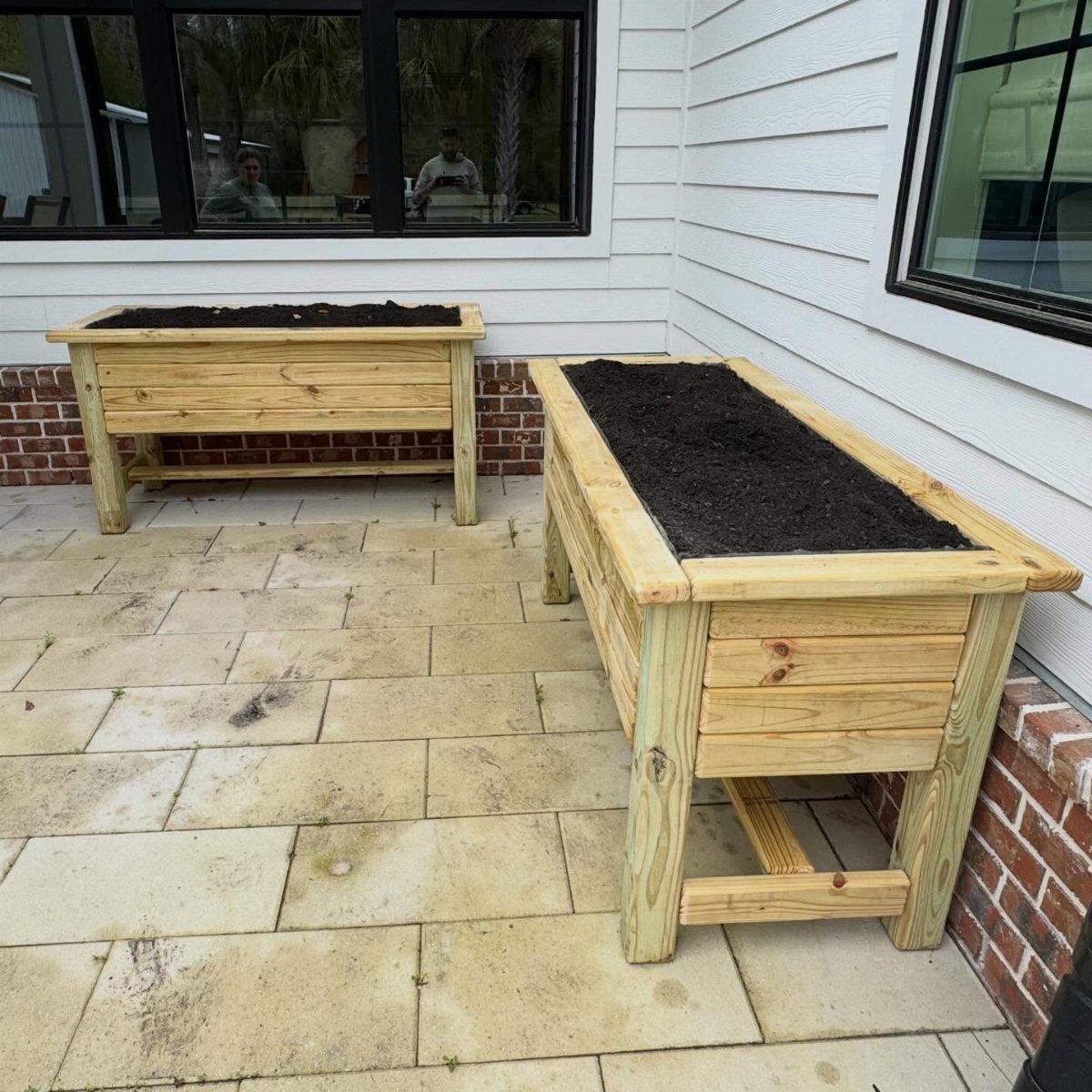
Pine boards from any home center make this the easiest entry point into building your own planter.
Check the bottom boards: they need gaps or drilled holes so water drains instead of pooling. I would line the inside with landscape fabric to keep soil from washing through those gaps while still letting water out.
2. DIY Planter Box with Trellis
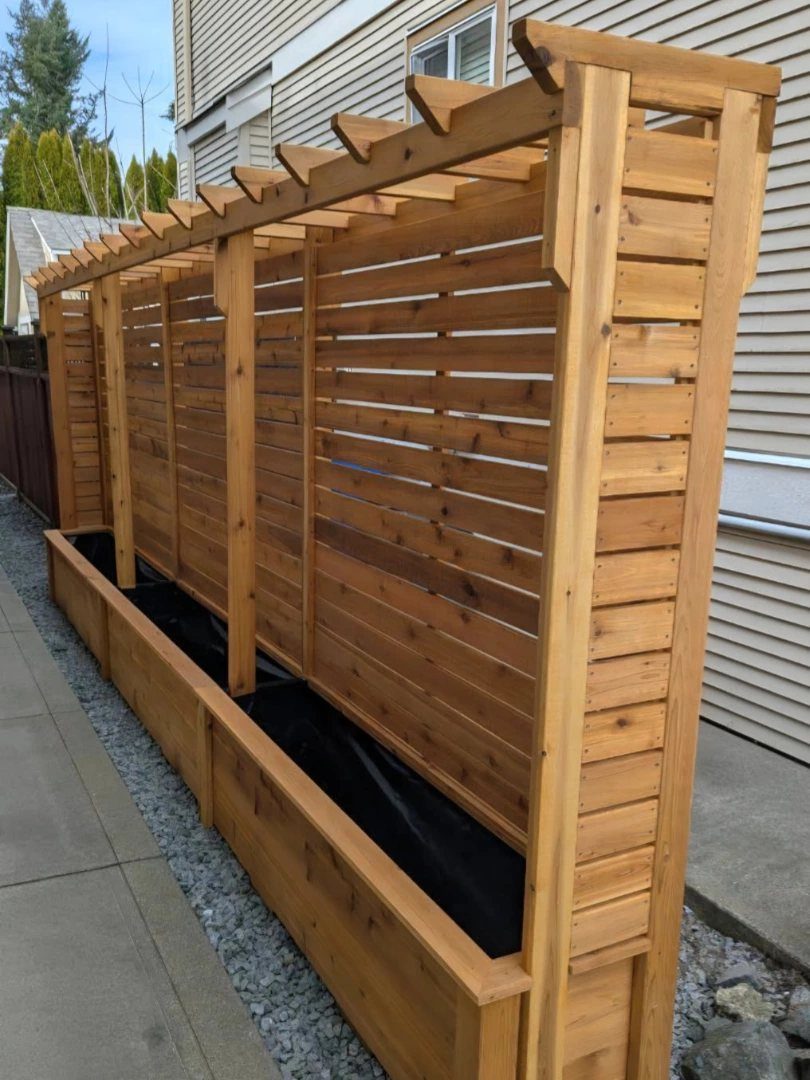
A trellis built onto the box itself saves you from installing separate supports later. The slatted panels and pergola top give climbing vines 2 directions to grow, which fills the screen faster than a flat wall.
The black fabric lining tells me the builder wanted clean sides without soil spilling through joints.
I would use the same, or a pond liner with bottom holes poked through. Weight matters once this is loaded with wet soil and mature plants; set it on level ground or anchor the base.
3. DIY Railing Planters
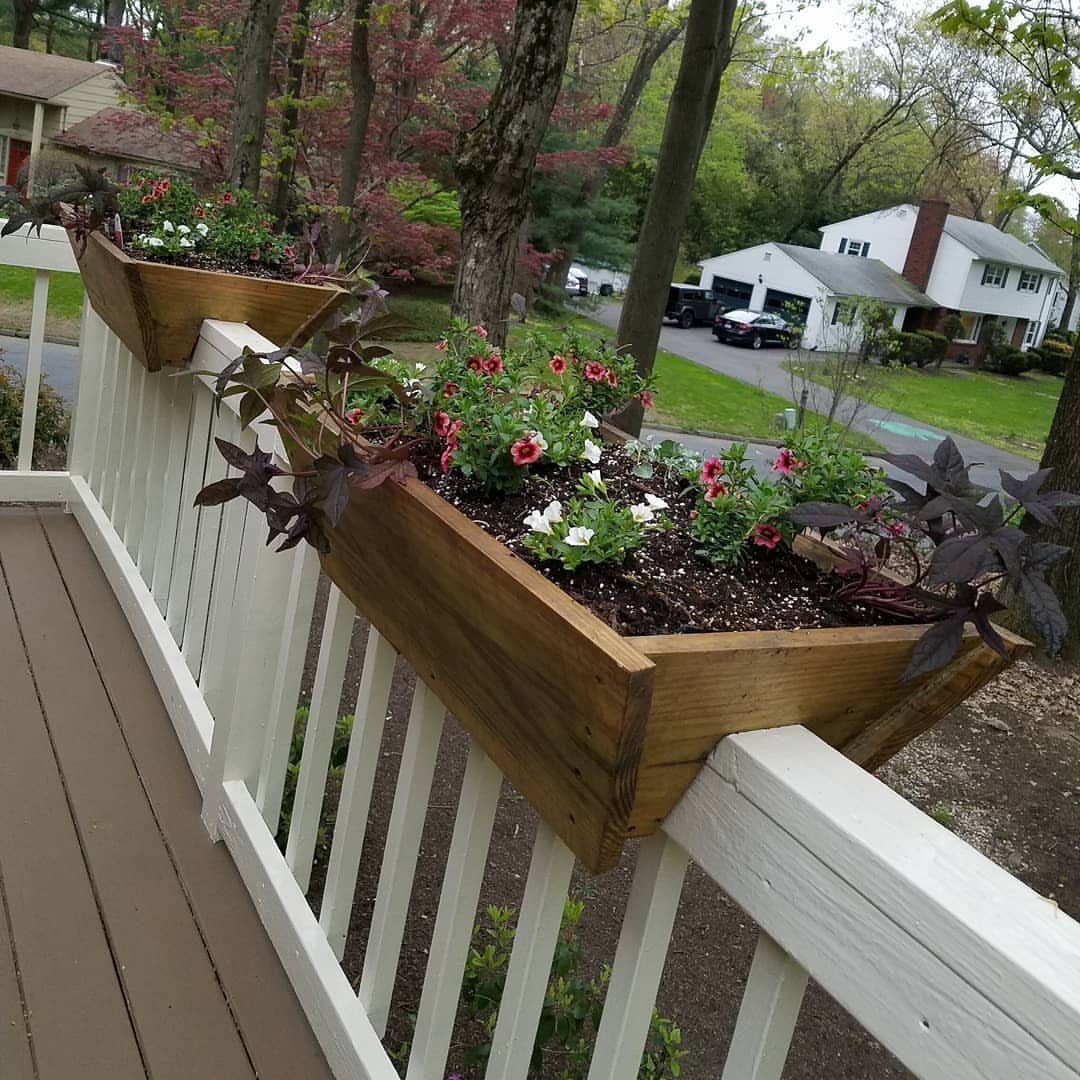
These boxes straddle the railing rather than hanging from it, which I prefer for sturdiness and for protecting the rail finish.
The custom fit means measuring your actual railing width first; a half inch off and the box rocks or slips.
I would use exterior screws and add a cleat underneath that grips the rail on both sides. Drainage holes go in the bottom, but check where the water lands; your neighbor below may not appreciate drips on their balcony.

【Universal Fit for Most Railings】Stop worrying if it will fit! Our adjustable railing planter boxes bracket (made of sturdy, powder-coated iron) securely mounts on any railing from 1.6" to 4.9" wide. This no-drill design protects your property, giving you a stable, custom fit for your balcony, deck, or patio fence.
4. DIY Strawberry Planter
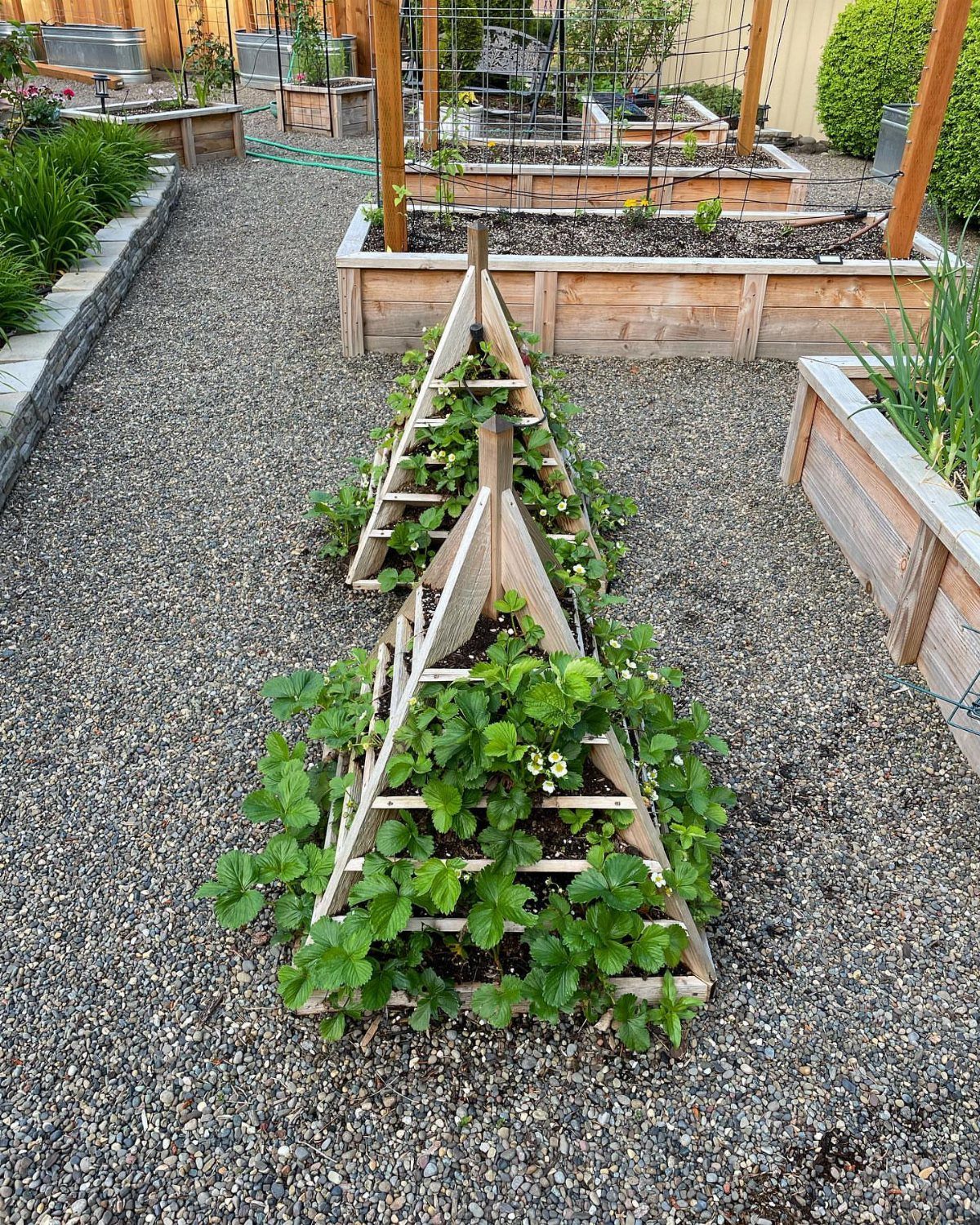
The pyramid shape gives each strawberry plant its own pocket of soil and light, which beats crowding them into flat ground where fruit rots against damp earth.
The A-frame sits on gravel, so the legs stay drier than they would on soil.
I would angle the planting pockets slightly backward so soil does not slide out when you water.
The height puts fruit within easy reach and puts leaves above most slugs, though you will still need to net against birds if you want any berries yourself.

Reliable Metal Band Construction: This Pyramid Garden Kit includes 3 Metal Bands crafted from sturdy metal, designed to support the vertical garden structure through regular gardening use. The metal material maintains its shape during assembly and planting, providing a stable base for soil and plants. Paired with other included components, the bands form a durable framework, supporting your gardening activities season after season without frequent replacements
5. DIY Privacy Screen Planters
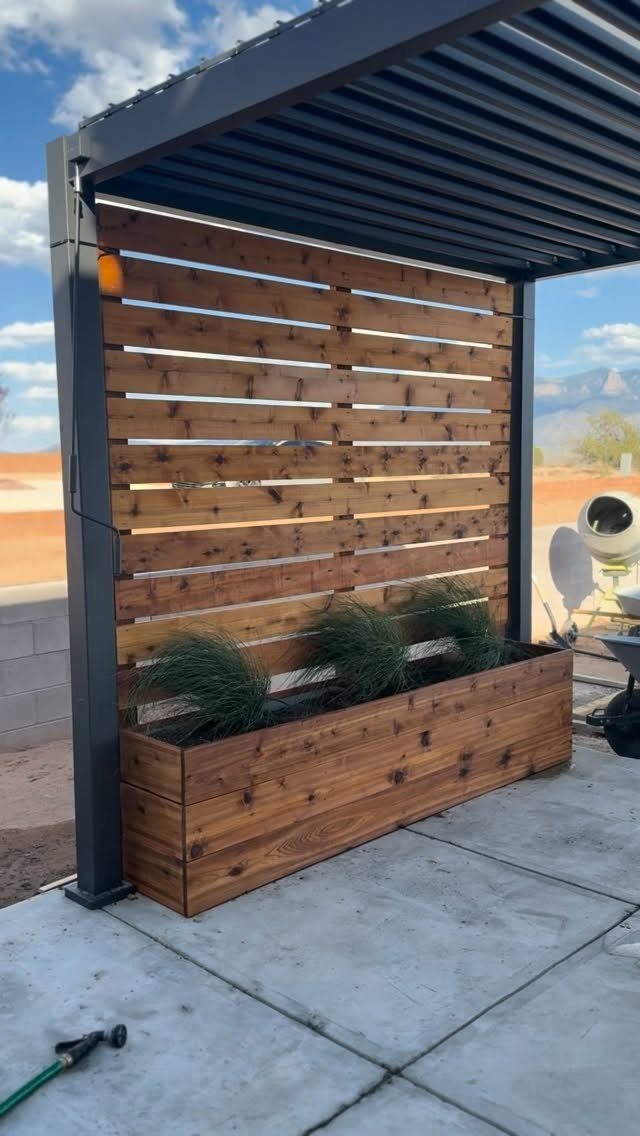
A planter with privacy screen attached solves 2 problems where neither piece alone would do enough. The horizontal slats give you partial blockage immediately; add climbing plants and the screen fills in over a season.
The stained wood and modern lines suit a contemporary patio, but the idea works with any style if you match your wood and slat spacing.
I would set this perpendicular to the sightline you want broken, not parallel to it, or you create a corridor instead of a wall.

1 SCREEN PURCHASE: You will receive 1 screen with planter box with your purchase. Please note primary image displays 3 separate screens with planter boxes

Versatile Usage Scenarios:The 12-inch planter box features an ergonomic height and pre-drilled drainage holes, ideal for growing flowers, vegetables, herbs and other plants. It can also double as a privacy screen on balconies or patios, for separated, private outdoor spaces.
6. DIY Tiered Planter
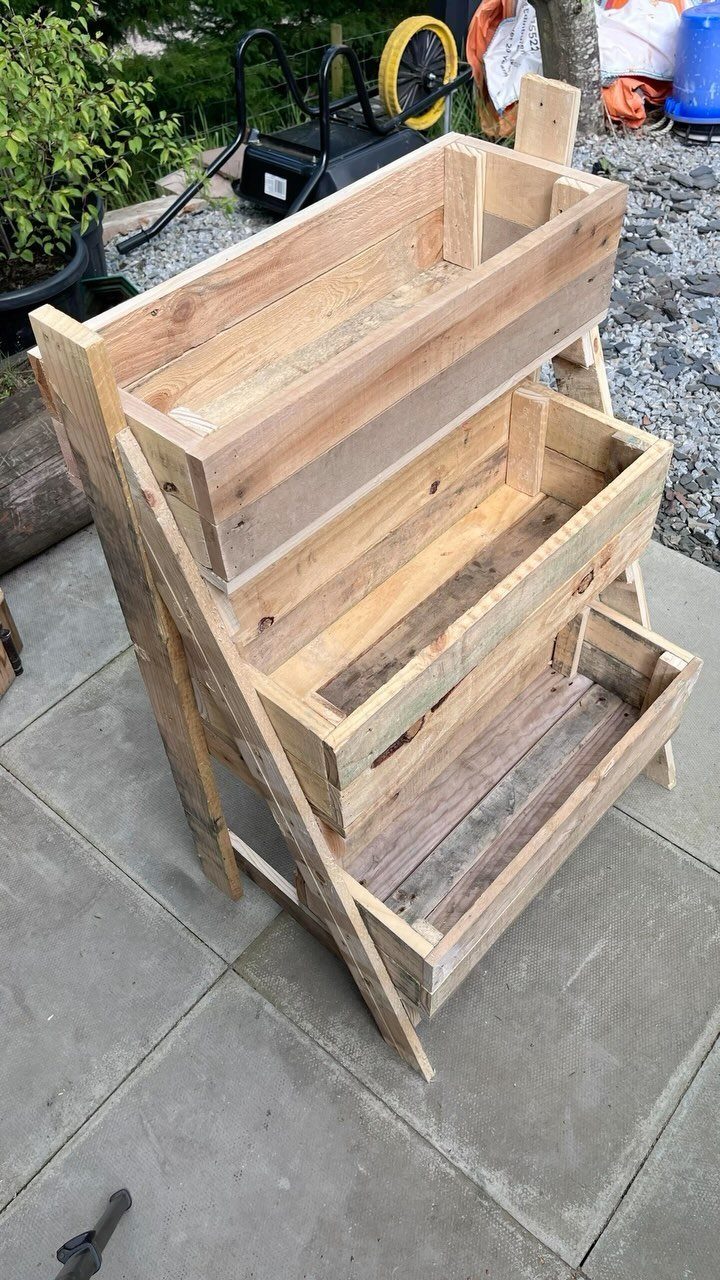
Three levels in the footprint of one planter lets you grow herbs that need different conditions in the same structure: thyme and rosemary up top where it dries faster, basil and parsley lower where moisture lingers.
The pallet wood keeps cost near zero if you have a source and time to pull nails.
The builder calls this a planter and herb box combined. I would treat the wood or line the boxes; pallet wood is rarely rated for ground contact and rots faster than decking or cedar.

LARGE PLANTING SPACE: 8.4 cubic feet of space can support your choice of flowers, succulents, vegetables, and more

Elevate Your Garden - Opt for a brilliantly engineered raised garden bed to revolutionize your gardening. Its spacious design, measuring 48x24x30 inches, allows for the cultivation of multiple vegetable varieties alongside a plethora of herbs, optimizing your gardening space for ease and diversity.

[Versatile Hanging Roof]: Find a proper display spot for the creeping plants and basket plants. The raised garden bed has a wide hanging roof to provide additional growing space. As needed, it can also accommodate your ribbons, string lights, or colorful flags to decorate your backyard, patio, and deck.
7. DIY Scrap Wood Outdoor Planter
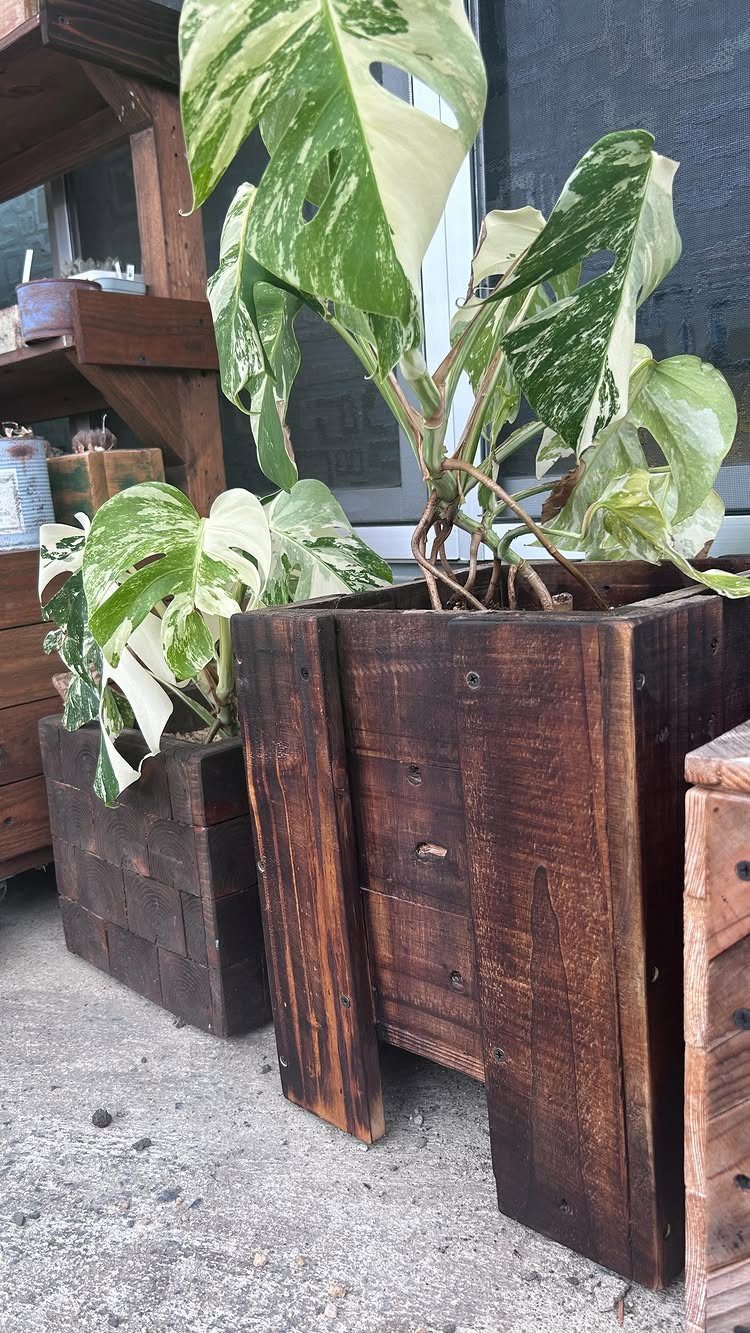
Scrap wood planters cost nothing if you keep cutoffs from decks, fences, or old furniture. The varied widths and colors in these boxes show the mix; I would sand any rough edges that touch soil or hands.
Check that none of the wood was pressure-treated with chromated copper arsenate, the greenish-tinted lumber common before the EPA phased it out for residential use. That leaches and does not belong near vegetables or herbs.
Modern ACQ-treated or bare cedar scraps are fine. Line with plastic or fabric if gaps are wide enough to lose soil.

【Planting & Privacy】This raised garden bed combines growing space and privacy, creating a cozy outdoor corner for veggies or vines. Ideal for patios, yards, or anywhere extra coverage is needed

【 Sturdy Fir Wood Structure 】 The elevated planting box is crafted with natural fir wood, which is not easy to deform or crack, offering durability and longevity. Additionally, reinforced wooden battens and strong support legs provide a reliable structure.
8. Built-In Planter Box Bench
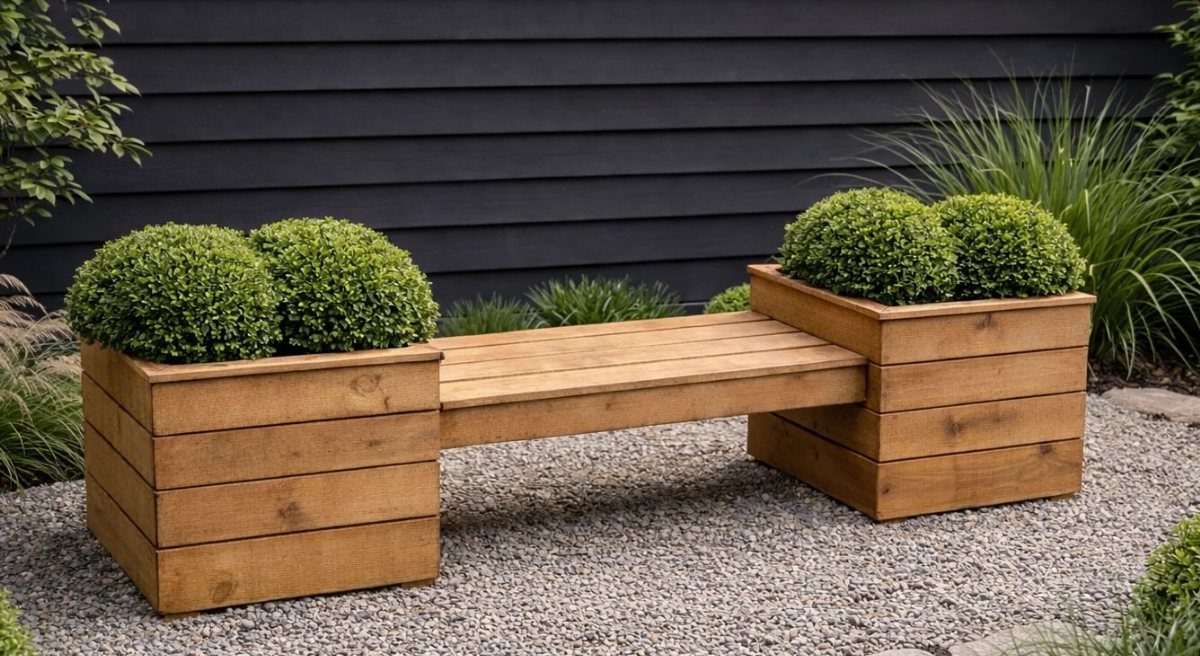
A bench with planters built onto both ends gives you seating and greenery in one footprint, which matters on small patios where every square foot counts.
The gravel base here drains well and keeps the wood drier than bare earth would.
I would use 2-inch thick seat boards so the span does not sag with use; thinner decking flexes over time.
The planter depth looks shallow, so stick with compact shrubs or annuals rather than deep-rooted perennials. Match the wood species to your climate or plan to reseal on a schedule that keeps the grain protected.

Space-Saving Design with a Natural Matte Finish: Features a versatile design that maximizes your outdoor space while providing an attractive natural matte appearance

【Fits Various Railing Widths】This railing planter box works with railings up to 4.9 inches wide and features an adjustable width mechanism. Its compact, detachable support design allows easy disassembly, so you can seamlessly move it from outdoor to indoor use

Designed to fit traditional 1” metal railings and 2x4 (1.5x3.5”) railings with the included stabilizers.
9. Elevated Planter Box on Legs
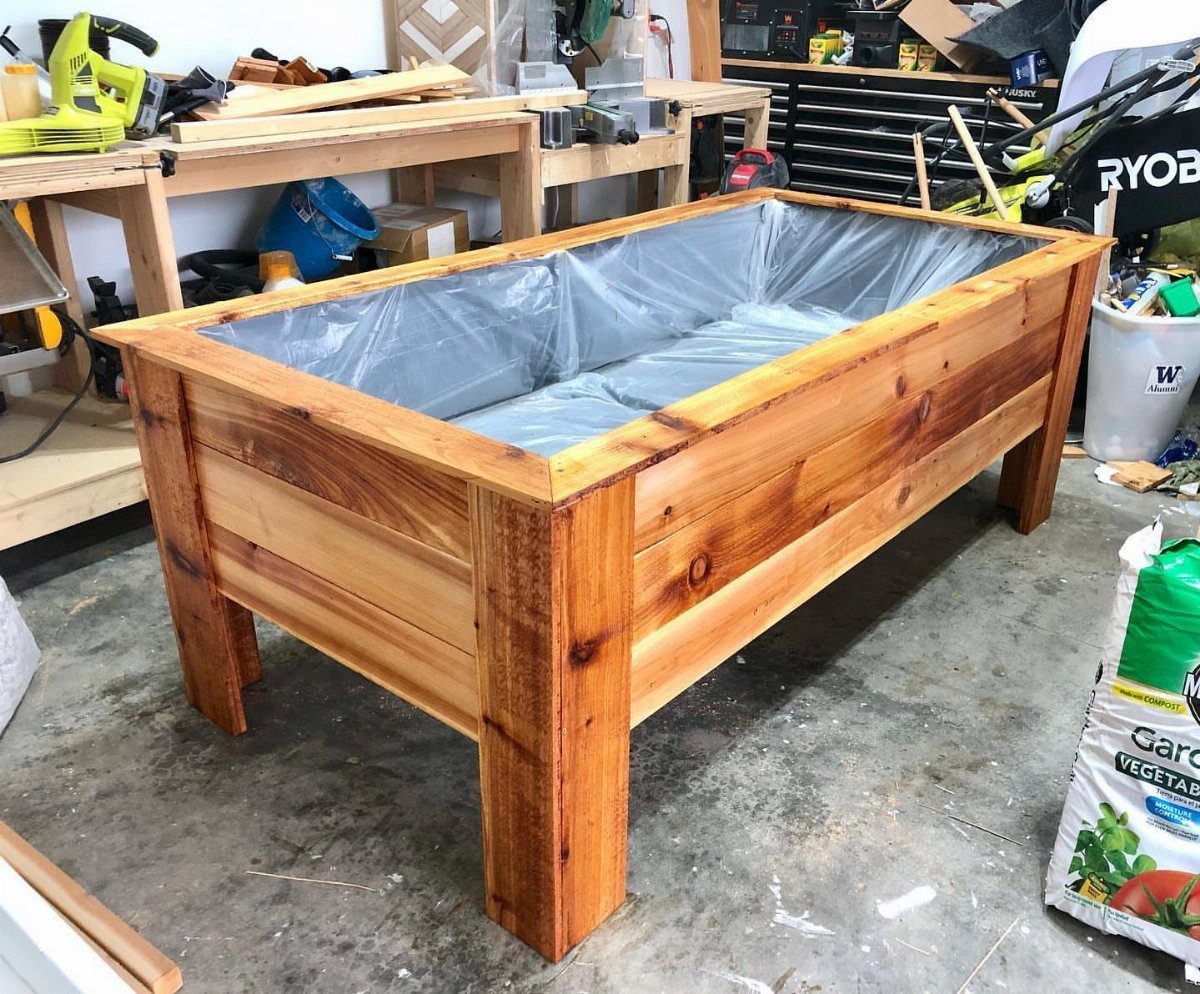
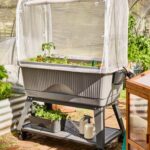
Elevated boxes on legs save your back and keep rabbits out; this one stands high enough to work standing up. The plastic lining protects the wood but needs bottom slits or holes so roots do not sit in water.
Legs must be solid, 4x4s at minimum, with cross-bracing if the box runs longer than 4 feet.
I would add caster wheels to one end if you need to move it for patio cleaning or winter storage. Seal or paint legs and underside before you fill the box, since you will not reach them later.

Portable and lightweight: Strawberry Plant Pot, crafted from lightweight materials, this planter is easy to carry and reposition, offering flexibility in plant arrangement,indoor pot,decorative flower pots

Size: 3.62" open mouth diameter x 6.1" Overall Diameter x 7.28" Height.

Grow More in Less Space – Innovative side-planting pockets plus a spacious top opening let you grow flowers, herbs, or strawberries out the sides and the top for a full, cascading display. Includes zinc-plated chain (packed between the pots when shipped).
10. Large Raised Wooden Garden Beds
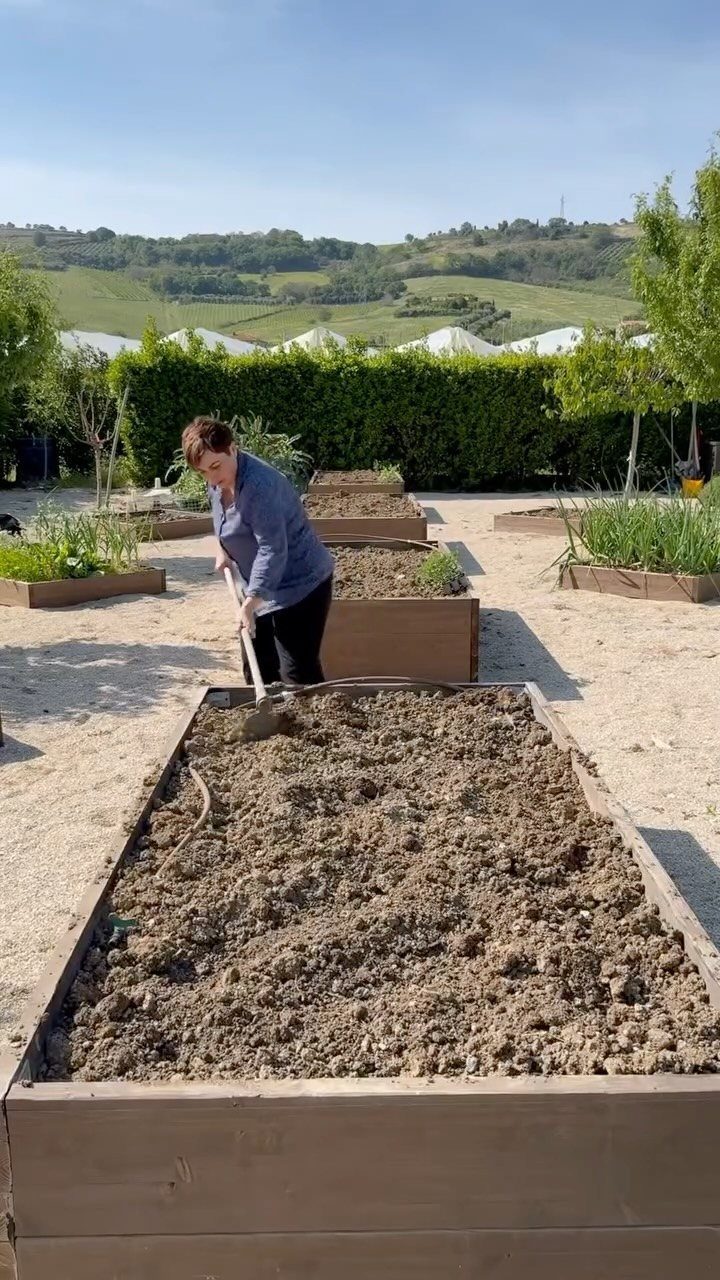
Raised beds this deep, probably 18 inches or more, let you grow carrots, parsnips, and other root crops even where native soil is compacted clay or rock. The scale here is serious growing, not a few herbs by the door.
Fill costs add up fast at this volume. I would layer the bottom with logs, branches, and leaves the first year; they decompose and shrink, saving soil, but you will top off in year two.
Use untreated cedar or hemlock for the frames; pressure-treated lumber is cheaper but I skip it for anything I eat from.

Outdoor Privacy Screen with Planters: Create a secluded and serene haven in your outdoor space with this elegant freestanding privacy screen. It features integrated built-in planters, allowing you to surround yourself with vibrant flowers and greenery for natural charm. The stylish design effectively blocks unsightly views and provides a beautiful backdrop, making it suitable for creating a private corner on your deck, patio, or in your backyard for both quiet relaxation and social gatherings

✅ Durable & Rust-Resistant Metal Build This planter box with trellis is constructed from galvanized steel for exceptional durability. Unlike wood alternatives, this raised garden bed with trellis resists rust, warping, and fading, making it the ideal planter with trellis for long-term outdoor use.

【Planting & Privacy】This raised garden bed combines growing space and privacy, creating a cozy outdoor corner for veggies or vines. Ideal for patios, yards, or anywhere extra coverage is needed
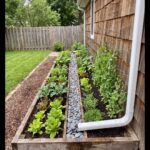
11. Long Rectangular Patio Planter
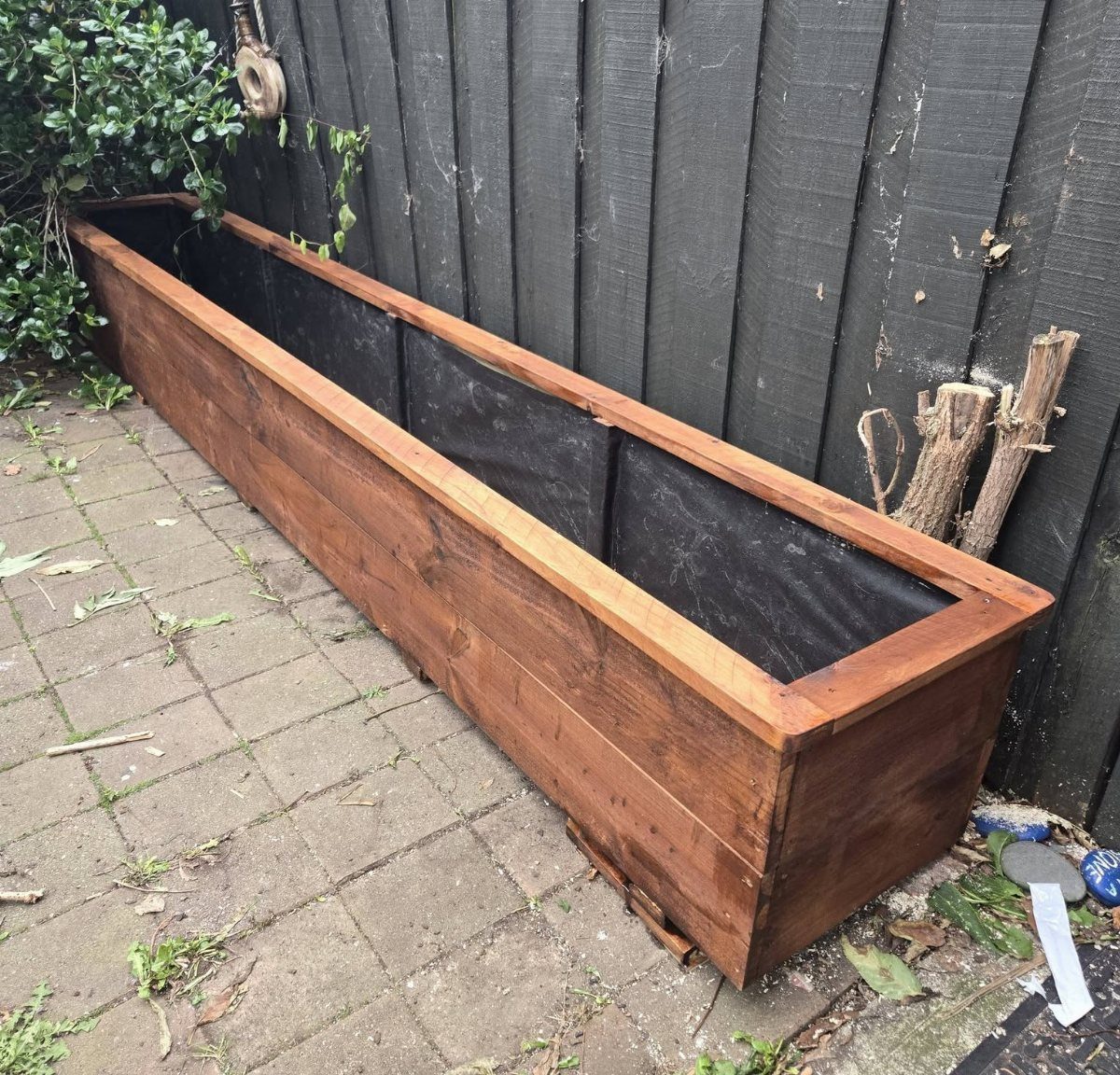
A single long box like this defines a patio edge or screens a fence base without breaking the budget on multiple planters.
The black fabric liner keeps soil off the wood and extends its life; I would staple it high enough to fold over the rim, then trim flush.
The length needs internal cross-bracing every 3 feet or the sides bow outward under soil pressure.
The stone patio underneath means drainage must go somewhere; drill holes and set the box on shims so water exits freely rather than pooling on the pavers.
Best Wood for Planters
Cedar lasts longest against rot because its natural oils repel moisture without any finish applied. I would use it for planters I intend to keep bare or oil lightly.
Pressure-treated pine costs less and holds up fine if you seal it, but the treatment does leach small amounts over time. I avoid it for vegetables or herbs I will eat; flower beds and ornamentals are where it belongs.
Hemlock splits the difference: harder than pine, accepts stain well, and resists decay better than spruce though not as long as cedar. It is the middle choice I pick when cedar prices spike.
Planter Box Drainage
I drill a row of half-inch holes through each bottom board, spacing them so water escapes fast enough that roots never sit soggy.
A damp rag while you work keeps glue drips from hardening on show surfaces. Drill pilot holes before driving screws, especially near board ends where splitting hides until the wood swells.
Landscape fabric on the bottom filters soil without blocking flow.
It is not required, but I use it when gaps between bottom boards are quarter-inch or wider. Seal or stain after assembly, before planting; moisture never reaches protected grain.
Lining Wooden Planters
Plastic nursery pots inside wood boxes keep the wood dry and let you build from lighter stock: 1-inch lumber or plywood instead of thick boards rated for ground contact.
A coat of exterior paint or a penetrating sealant on the outside faces buys the wood a few extra seasons before the grain starts to gray and check. The wood lasts years longer because it never touches moist soil directly.
I trim it flush after stapling so it does not show.
Black fabric or pond liner works for clean-sided boxes where soil spilling through joints would look messy.
The choice between fabric and plastic depends on how often you want to refill: fabric lets finer roots through and breaks down faster; plastic pots lift out entire for repotting.
Frequently Asked Questions
What are some creative design ideas for planter boxes?
A trellis built onto the box itself gives climbing vines 2 directions to grow and saves installing separate supports later.
Tiered planters stack three levels in one footprint so you can group herbs with different moisture needs together. For railings, boxes that straddle the rail stay sturdier than hanging versions and protect the finish underneath.
What is the best wood to use to make planter boxes?
Cedar outlasts the rest because its own oils push moisture away, even bare. When cedar jumps in price I look at hemlock: harder than pine, stains clean, and holds off decay longer than spruce though not cedar’s span.
Pressure-treated pine runs cheaper and survives if you seal it, though I pass on it for boxes that will grow food.
Do planter boxes need a bottom?
Yes, with gaps or drilled holes so water drains instead of pooling. I lay landscape fabric against the inside so soil stays put while water still finds its way out.
Some builders skip a fixed bottom and set plastic nursery pots inside the box instead, which keeps the wood dry and lets you use lighter stock.
How to line a wooden planter box with plastic?
Staple the plastic high enough to fold over the rim, then trim flush so it does not show. Cut slits or holes through the bottom plastic so roots never stand in water.