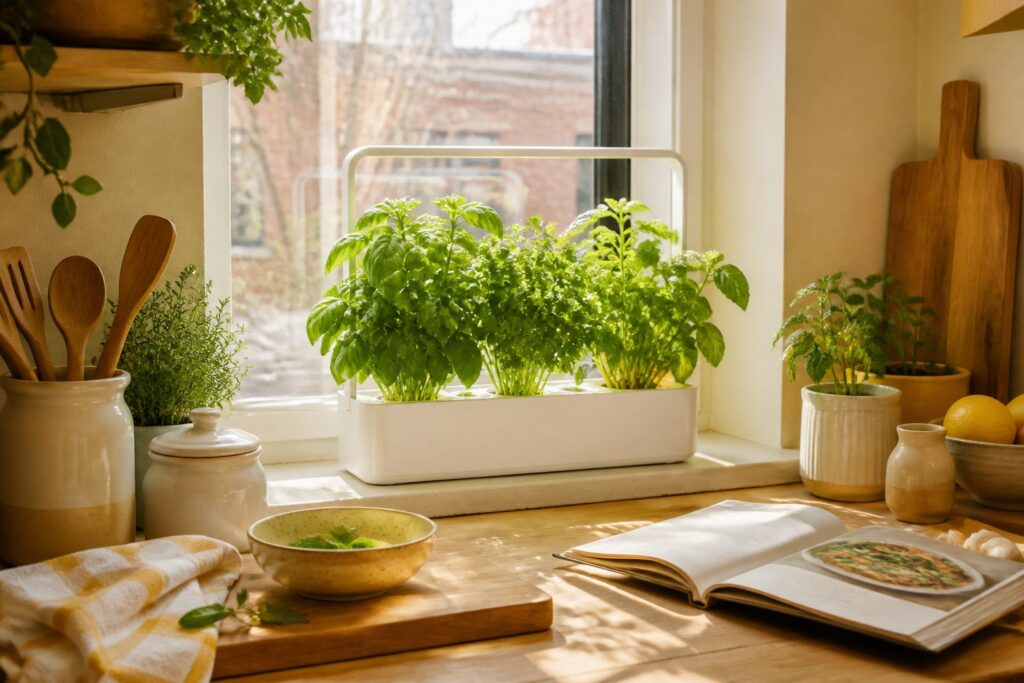
The Ahopegarden Transparent Smart Garden turns an 11 x 7 inch counter corner into a 66-pod herb station, though its 1.1 gallon tank means water checks every few days if you keep every pod active.
Most buyers I found in owner reports are not running the full 66 at once; they start with a dozen basil and cilantro plants and treat the extra slots as headroom for rotating lettuce through winter.
That gap between capacity and realistic daily use is the thread running through every system I compared, from the 108-plant Rise Garden 3 with its 12-gallon reservoir to the Click & Grow’s passive wicks that ask for nothing except a refill every 2 to 3 weeks.
[link-whisper-related-posts]My Top Picks
| Product | Award | Best for | Why it won | ||
|---|---|---|---|---|---|
 | Ahopegarden Transparent Smart Garden | Best Overall | Balanced features seekers | Strong balance of capacity, lighting, and ease for any indoor gardener | Check price |
 | Rise Garden 3 | Best for High Yield | Maximum herb producers | Supports many plants with design focused on maximizing harvest output | Check price |
 | LETPOT LPH-SE Hydroponics Growing System | Best Budget Option | Cost-conscious beginners | Good feature balance at low cost without sacrificing core functionality | Check price |
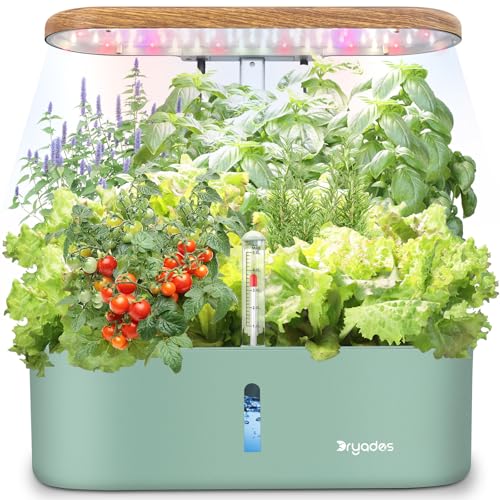 | DRYADES Hydroponics Growing System | Best for Year-Round Growth | Consistent year-round growers | Robust system built to maintain steady plant growth through every season | Check price |
 | owltron Smart Hydroponics Growing System Kit | Best for Tech Enthusiasts | Tech-savvy gardeners | Smart features and advanced controls for those who love connected devices | Check price |
 | HEDETM 15 Pods Hydroponics Growing System | Best for Larger Herb Gardens | Expanding herb collectors | Fifteen pods allow growing more varieties simultaneously than smaller systems | Check price |
 | Click and Grow Click & Grow | Best for Beginners | First-time hydroponic growers | Simple setup with minimal complexity removes barriers for complete beginners | Check price |
 | PARAQUIP Hydroponics Growing System | Best for Compact Spaces | Small-space dwellers | Fits many plants into compact footprint ideal for apartments or tight corners | Check price |

Smart Monitoring Screen & Low Water Alarm: Ahopegarden hydroponics growing system kit features an LCD screen displaying real-time temperature and humidity. To prevent dry-outs, a low water alarm flashes red on the touch panel when the level drops below 1L. Powered by efficient LED grow lights, this herb garden ensuring your basil thrives. It is the ultimate germination kit for success from seed to harvest.
PATENTED SMART HYDROPONIC SYSTEM: Take your indoor gardening to the next level with our patented smart hydroponic system, featuring the exclusive LetPot app. With just a few taps on your phone, you can effortlessly adjust the 0-24 hours LED lighting schedule to provide your plants with the perfect amount of light and precies on/off time. Our innovative reminder system also ensures you never forget to water your plants again, making growing healthy and vibrant plants easier than ever before.
Versatile 15-Pod Indoor Garden with Visual Water Window:Cultivate fresh herbs, vegetables, fruits, and flowers year-round with our complete hydroponic system. Features 15 universal pods compatible with most grow baskets and a clear water level window for easy monitoring. Perfect for indoor herb gardens grow tent and kitchen gardening.
Best Overall: Ahopegarden Transparent Smart Garden
Image: shop.com

Avant-garde and modern design: Our smart hydroponics growing system kit merges urban farming innovation with minimalist aesthetics. Crafted from durable ABS, its 17" space-saving profile features an LCD touchscreen for one-touch control, perfect for tech-savvy gardeners or as a unique gift. The integrated full-spectrum panel adapts seamlessly to indoor hydroponics, blending functionality with sleek vertical farming appeal.

Smart Plant Monitoring with Temperature & Humidity Display:Keep a closer eye on your indoor growing environment with an easy-to-read LCD display that shows real-time temperature and humidity. This hydroponics growing system helps you monitor changing conditions while your plants grow, making everyday plant care easier for beginners and experienced growers alike.

Rapid Growth & Smart Timer 300% Faster Than Soil Planting: Our hydroponics indoor herb garden is designed for soilless farming, accelerating plant growth 300% faster than traditional soil planting. Backed by over 100 expert tests, our smart hydroponics system ensures consistent, high-yield crops. The LED grow lights simulate natural sunlight with a 16-hour-on, 8-hour-off cycle, promoting optimal photosynthesis for organic vegetables and fresh herbs all year round(Does not include seeds)
Quick Verdict
For renters who want serious herb output without dedicating floor space, this compact unit punches above its footprint.
The 66-pod capacity and dual-mode LED system mean you can cycle basil, cilantro, dill, mint, and lettuce through a single 11 x 7 inch base.
That 1.1 gallon tank needs more frequent attention than larger systems if you want to keep all 66 pods active.
Key Specifications
- Light Requirements: 53 W
- System Capacity: 66 pods
- Water Efficiency: 1.1 gal
What It Does Well
- No assembly required — owners describe unpacking and planting the same afternoon, which matters when your free time is a Saturday morning, not a weekend project
- Dual grow light mode at 53W lets you switch between growth stages without swapping hardware; independent reviewers note this saves the guesswork of timing cycles manually
- 66-pod density in an 11 x 7 inch footprint turns a windowsill or counter corner into production space most tray systems would need twice the area to match
Where It Falls Short
- 1.1 gallon tank for 66 pods means water level checks every few days at full capacity, not the set-and-forget rhythm some owners expected
- Herb-focused design — the maker lists basil, cilantro, dill, mint, and lettuce as suitable, so tomato or pepper growers will need to look elsewhere
Who It’s For
Someone in a small kitchen who cooks with fresh herbs weekly and does not mind a routine water check.
The person who wants to fill a shelf once a month and ignore it should size up to a system with reservoir capacity closer to the plant count.
How It Compares
The Rise Garden 3 spreads its plant support across a larger physical system with app-based automation that some owners prefer for scheduling.
Where the Ahopegarden keeps controls manual and the footprint minimal, the Rise Garden trades space for hands-off operation. Pick the Ahopegarden when your square footage is the limiting factor; pick the Rise Garden when your attention span is.
Where to buy: shop.com
Best for High Yield: Rise Garden 3
Maximum Productivity: Grow up to 40 lbs of bigger, thriving veggies, fruits, and herbs each month, year-round. Your garden supports up to 108 plants. Full-spectrum LEDs boost...

Perfect for Beginners: This hydroponic system kit is ideal for those starting out as indoor vegetable growers or for children and teachers doing projects in class.
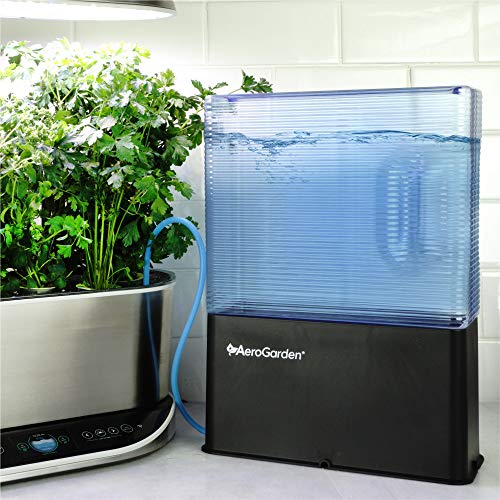
KIT INCLUDES - AeroVoir AeroGarden Reservoir (garden not included)
52 Pods High Capacity Indoor Hydroponic Garden Kit: Featuring an ultra-large 52-pod design, this 52 pods hydroponics growing system kit lets you grow a variety of herbs, vegetables, and flowers all year round. Perfect for families, schools, or hobby gardeners looking for an efficient indoor hydroponics grow system that saves space and delivers results. Whether you're using herb hydroponics growing kit as a hydroponic seed starting system, this indoor gardening system has you covered
Quick Verdict
If your kitchen counter already looks like a greenhouse and you still want more herbs, this is the unit that stops the sprawl by going vertical.
The Rise Garden 3 packs 108 plant slots into a footprint just over 3 feet wide, which means basil, mint, and parsley can all run at production scale without claiming your dining table.
At 39.5 inches, the height reads more appliance than accent piece, and renters in tight studios may find it dominates the room.
Key Specifications
- Light Requirements: 195 W
- System Capacity: 108 plants
- Water Efficiency: 12 gallons
- Ease of Use: 5 minutes
What It Does Well
- Serious capacity in a narrow footprint. 108 plants in 36.25 inches of width means herb-heavy cooks can rotate full harvests instead of nursing six seedlings at a time.
- Weekly maintenance clocks in at about 5 minutes according to the maker. That matters when high yield usually means high tending; this keeps the time cost flat even as output scales.
- Full spectrum LEDs at 195W give each tier the light intensity that leafy herbs need to stay compact and flavorful, not leggy and bitter.
Where It Falls Short
- 12 gallons of water is efficient per plant but still a volume to lift, move, and source; anyone without a nearby sink or who dislikes hauling jugs will feel it.
- 39.5 inches tall with a utilitarian frame reads industrial rather than decorative. Owners who want their garden to blend into a styled kitchen may find it fights the room.
- The yield-first design means no transparent tank or visible root display, so troubleshooting means opening panels rather than glancing.
Who It’s For
A cook who burns through bunches of cilantro and thyme and has a corner or rolling cart to dedicate to production.
Someone who wants their garden to double as living room sculpture and who only needs a dozen plants at a time will likely find the scale and aesthetic more machine than they bargained for.
How It Compares
The Ahopegarden Transparent Smart Garden covers similar ground with a visible water tank and a smaller, prettier footprint built around showing off the roots and keeping the unit unobtrusive.
Buyers who want the garden to sit on a windowsill and spark conversation with guests will favor that approach; buyers who need enough weekly oregano to supply a household will favor the Rise Garden’s stacked density and light output.
Where to buy: Amazon · risegardens.com
Best Budget Option: LETPOT LPH-SE Hydroponics Growing System
PATENTED SMART HYDROPONIC SYSTEM: Take your indoor gardening to the next level with our patented smart hydroponic system, featuring the exclusive LetPot app. With just a few...

Comprehensive 12 Piece Set: this hydroponic herb planting kit provides a comprehensive 12-piece set, includes 12 mason jars, 12 planting baskets, 12 pre-seeded growing plugs, and 12 water absorbent cores to meet all your planting needs

Color and Material: the hydroponics planting container is gray.It is made of high quality evironmentally PVC-U,exquisite and durable. Size: 28x19x1 3.5cm

HYDROPONICS GROWING SYSTEM - Create a thriving indoor herb garden, grow leafy vegetables, start seedlings, or nourish houseplants with this 2-tier indoor hydroponic garden, which uses wicks to draw water to the plants, with no noisy pumps required.
Quick Verdict
Cost-conscious indoor gardeners who want app control without the premium markup get the most value here.
The LETPOT LPH-SE pairs Wi-Fi scheduling with a 24-watt full-spectrum LED and a 5.5-liter tank that stretches to three weeks between refills, which is the strongest point for anyone who travels or forgets watering dates.
Build ambition outpaces reach: the stainless steel and resin construction aims premium, but the light rod tops out at 30 inches, so taller tomatoes or full-size peppers will outgrow it before season’s end.
What It Does Well
- App-managed lighting schedule. The LetPot app sets 0–24 hour LED cycles with precise on/off timing, which removes the guesswork of manual timers and lets you match light to your plants’ growth stage or your own daily routine.
- Dual-mode spectrum switching. Blue-weighted vegetative mode and red-weighted bloom mode run through the app, so one unit handles leafy herbs and flowering plants without swapping hardware.
- Self-contained starter kit. Twelve planting cups with sponges, baskets, covers, and A&B nutrients ship in the box, which gets you growing the same day instead of chasing parts.
- Growth tracking built in. The app records planting days, which matters for nutrient cycling and harvest timing when you are running multiple crops.
Where It Falls Short
- Height ceiling limits variety. The 30-inch adjustable rod works for basil, lettuce, and compact greens, but owners describe outgrowing it with indeterminate tomatoes or tall flowering plants that need vertical room.
- Water reminders, not sensors. The app reminds you to water; it does not measure actual reservoir levels, so the three-week claim depends on plant size, humidity, and temperature in your space.
- Lifetime service promise is vague. "Continuous remote hardware and app upgrades via Wi-Fi" sounds like a lot, but the maker does not define how long hardware support continues or what happens if app development stalls.
Who It’s For
The buyer this fits is renting an apartment with a sunny windowsill that is not actually sunny enough, or a first-home owner testing whether indoor gardening sticks before investing in a larger system.
The 5.5-liter tank and app scheduling forgive inconsistent attention, which matches someone who travels for work or juggles weekend projects.
It does not fit the gardener already running seed starts under shop lights who wants to scale to six or eight units; the single-rod height and cup spacing assume a compact footprint, and expanding means buying separate systems rather than modular add-ons.
How It Compares
Against the DRYADES Hydroponics Growing System, the LETPOT separates itself with app integration and branded nutrient dosing included in the kit, where DRYADES leaves scheduling and feeding more manual.
DRYADES may suit the buyer who distrusts Wi-Fi dependency or wants a simpler mechanical timer and lower price still.
The LETPOT earns its place with buyers who will actually use the remote scheduling, not just admire it in the listing; if you are not downloading the app, you are paying for complexity you will ignore.
Where to buy: Amazon
Best for Year-Round Growth: DRYADES Hydroponics Growing System
High-Efficiency Planting: Create an indoor herb garden effortlessly with the Dryades hydroponic growing system. This all-in-one setup features a water reservoir, an overhead...

20 COMPACT VEGETABLE & HERB VARIETIES – Chinese Celery, Lolla Rossa Lettuce, Sugar Daddy Snap Pea, Buttercrunch Lettuce, Spacemaster Cucumber, Little Fingers Carrot, Opal Basil, Arugula, Thyme, Viroflay Spinach, Flat Leaf Parsley, Tokyo Long White Bunching Onion, Dwarf Mix Petunia, French Breakfast Radish, Serrano Pepper, Catnip, Lemon Balm, Red Russian Kale, Marconi Red Pepper, Cilantro

High planting efficiency: Start an indoor herb garden with the Ahopegarden hydroponic growing system, which includes a water reservoir, an overhead LED grow light, and a circulation system that keeps the water fresh. The hydroponic setup and lighting systems allow plants to grow up to faster and healthier in controlled conditions. Simply add plant seeds, water, and nutrients to the reservoir and watch the plants grow

5 TIMES FASTER GROW: Hydroponics growing system with a 24-watt LED light that simulates the effects of sunlight which promotes photosynthesis for plants. Even if leave indoor garden in a corner, plants also germinate and grow quickly. Harvest fresh all year round. indoor herb garden LED panel can be adjusted to 180°maximum and 21 inches maximum height. Compact design fits on any windowsill or kitchen shelf, gardening gifts for women
Quick Verdict
Year-round basil in January without a south-facing window is the main draw here.
The Dryades system won for all-season growing because its 16-hour timed light cycle and height-adjustable lamp keep plants fed through short winter days, though a mid-range price point buys more seed stations than most competitors offer.
The pump’s 30-minute cycle runs quiet enough for a kitchen counter, but the unit itself needs more linear space than a single-tower system.
What It Does Well
- Twelve growing stations let you run multiple herbs and a few fruiting plants at once instead of choosing between them
- The red/blue spectrum switch means tomatoes and peppers get light tuned for fruiting, while lettuce and basil stay under the vegetative setting
- A water gauge you can read without disassembling anything keeps reservoir levels visible at a glance
- The 14.8-inch light height range accommodates plants up to 15.3 inches tall before you need to transplant or trim
Where It Falls Short
- No seed or nutrient starter included in the box, so first runs need a separate supply run
- The pump’s 30-minute interval may not suit every crop’s oxygen needs equally
- Counter footprint for 12 pods spreads wider than vertical-tower alternatives, a real issue in galley kitchens
Who It’s For
Someone who cooks with fresh herbs weekly and wants variety without managing multiple small devices will find the station count pays off.
A buyer after compact stealth or basic greens-only output will likely resent the space this occupies for features they do not use.
How It Compares
The LETPOT LPH-SE keeps a slimmer profile with fewer pods, fitting renters who move units seasonally or lack permanent counter space.
Dryades suits the cook who wants thyme, mint, parsley, and a cherry tomato plant all cycling at once; LETPOT fits the person after a few basil plants and no clutter.
Where to buy: Amazon
Best for Tech Enthusiasts: owltron Smart Hydroponics Growing System Kit
15-Pod Smart Hydroponics Growing System Kit: Indoor gardening system with a 5.5L tank, overhead 36W full-spectrum LED grow light, and a circulation system to keep nutrients...

HARVEST ANYWHERE & ANYTIME: Indoor gardening system efficient 24-watt LED grow light simulates optimal effects of sunlight. Technology optimized for plants, herbs garden LED panel can be adjusted to 180° maximum and 21inches maximum height, plants receive more illumination area, maximize photosynthesis, and also more convenient for pruning branch leaves. Hydroponics plants grow 5 times faster than soil, harvest fresh all year round

Effortless Indoor Gardening for Every Home: Transform your indoor gardening experience with LetPot’s innovative smart hydroponic growing system. Perfect for busy homeowners, young families, or anyone who loves fresh herbs and veggies year-round, this easy-to-use system seamlessly integrates into your kitchen or living space. Whether it’s the chill of winter or the height of summer, LetPot ensures your plants thrive in any season.
High-Efficiency Planting: Create an indoor herb garden effortlessly with the Dryades hydroponic growing system. This all-in-one setup features a water reservoir, an overhead LED grow light, and an integrated circulation system to maintain water freshness. Thanks to its hydroponic design and optimized lighting, plants grow faster and stronger in a controlled environment. Just add seeds, water, and nutrients to the reservoir, then enjoy watching your garden thrive.
Quick Verdict
Smart-home enthusiasts who want their garden to talk to the rest of their setup will find the most to like here.
The owltron kit pairs with the Smart Life app for scheduling, dimming, and growth tracking that goes well beyond a simple timer, though that same complexity pushes it past what a casual herb-grower needs.
Its 36W full-spectrum LED and 30-inch extendable pole give tomatoes and peppers room to reach full height indoors, but the premium positioning means budget-minded beginners pay for features they may never touch.
What It Does Well
- Full app control through Smart Life. Owners can set custom day/night cycles from 0-24 hours, dial through 10 brightness levels, and switch between vegetable and flower/fruit light modes without touching the unit. That level of tuning matters if you’re running multiple grow systems on different schedules.
- The 30-inch extendable pole. Most countertop units max out well below this; the maker notes it accommodates full growth cycles for larger plants like peppers and tomatoes without forcing an early transplant.
- Quiet operation. The pump runs at under 20 dB according to the manufacturer, cycling every 30 minutes to oxygenate roots. For a machine that lives in a kitchen or living space, that low hum keeps it from becoming background noise you learn to hate.
- Dedicated light spectrum modes. Blue-weighted output for leafy greens, red-weighted for fruiting plants. The maker states this mimics natural sunlight for photosynthesis rather than blasting one generic white spectrum at everything.
Where It Falls Short
- Setup overhead. Between physical assembly, nutrient mixing, app pairing, and learning the control panel, the "minutes" the maker promises may stretch longer for anyone not already running a smart-home ecosystem. The PARAQUIP alternative skips this entirely with simpler manual controls.
- Tank size versus plant count. Fifteen pods draw from a single 5.5L reservoir. At full planting density, experienced growers note you’ll refill more often than the low-water indicator alone suggests, especially as plants mature and transpire heavily.
- Stainless steel construction. The maker calls this easy-cleaning; owners with hard water report mineral spotting still requires regular attention, and the removable LED pole adds one more component to disassemble and reseat.
Who It’s For
Someone already comfortable with app-based automation, who wants to fine-tune light cycles for different crops and doesn’t mind the learning curve that comes with it.
The child-observation angle the maker mentions works best here too, since tracking growth days digitally adds a layer of engagement beyond watching plants get taller.
The set-it-and-forget-it gardener who just wants basil on the windowsill without another phone notification will likely feel over-equipped. If you don’t already use Smart Life or similar platforms, the app integration becomes friction rather than convenience.
How It Compares
The PARAQUIP Hydroponics Growing System strips away the connectivity entirely, running on manual timers and simple switches instead.
That makes it the quieter choice for technophobes or anyone gifting to an older gardener who doesn’t want to troubleshoot Wi-Fi at 6 a.m.
The owltron suits buyers who already have smart bulbs, plugs, or cameras on the same platform and want their indoor garden to sync with the rest of the household rhythm.
Both handle herbs and leafy greens capably; the owltron pulls ahead only when you need granular control over light intensity and photoperiod for fruiting crops or experimental grows.
Where to buy: Amazon
Best for Larger Herb Gardens: HEDETM 15 Pods Hydroponics Growing System
Versatile 15-Pod Indoor Garden with Visual Water Window:Cultivate fresh herbs, vegetables, fruits, and flowers year-round with our complete hydroponic system. Features 15...

【4-Level Dimmable Grow Light】Upgraded with four adjustable brightness levels, this hydroponics growing system kit allows you to fine-tune the lighting intensity for different plant stages—from germination to fruiting—helping plants grow healthier and more efficiently.
15-Pod Smart Hydroponics Growing System Kit: Indoor gardening system with a 5.5L tank, overhead 36W full-spectrum LED grow light, and a circulation system to keep nutrients fresh. Hydroponic plants grow faster and healthier than in soil. Simply add seeds, water, and nutrients to start growing. The 30-inch extendable pole ensures vibrant growth, while its educational design lets children observe plants grow. And get year-round harvest fresh produce—perfect for beginners starting an indoor garden

Personalized Pods and Water Visual Window: Hydroponics growing system with light offers 12 grow stations,allowing you to cultivate a variety of , vegetables, fruits or flowers - perfect for any plant enthusiast! Our customized panels are compatible with most grow baskets and make it easy to harvest your indoor garden. Also it comes with a see-through water level window, allowing one to know how much water in the tank and add water in time with a simple glance
Quick Verdict
If your countertop already has one small hydroponic setup and you are eyeing the next step up, this is the logical second purchase.
The HEDETM system doubles your pod count to 15 while keeping the footprint reasonable enough for most kitchen layouts, though the 3L tank and taller light post do demand more real estate than a starter unit.
More herbs means more hardware to accommodate.
What It Does Well
- 15-pod capacity with universal basket fit. The maker notes these pods work with most grow baskets already on the market, so your existing seedling supplies probably transfer over instead of sitting in a drawer.
- Dual-mode LED with vegetable and flower programs. The 16-hour-on cycle runs automatically; a single click swaps between the blue-tinted vegetable mode and the green-tinted flower mode, so you are not guessing at spectrum math.
- Silent pump on 30-minute intervals. The maker says this circulates oxygen and nutrients directly to roots, and the interval timing keeps the unit quiet enough for open-plan kitchens where you would notice a constant hum.
- 3L tank stretches refills to 2–3 weeks. For anyone who travels or simply forgets, that reservoir buys more forgiveness than the typical 1–1.5L designs.
Where It Falls Short
- Height tops out at 13.78 inches. Basil and dill will hit that ceiling fast; the maker calls this "large capacity," but tall herbs need harvesting on schedule or they outgrow the light.
- Two-mode light, not a dimmer. You get vegetable or flower presets, nothing between, so seedlings that want gentler intensity in early weeks get the same blast as mature plants.
- Plastic grow domes included. The kit ships with 15, which is generous, but they are the snap-on type that cracks after a few cycles in my experience with similar systems; budget for replacements.
Who It’s For
Someone running a kitchen that actually cooks with fresh herbs daily, not just garnishing, will use all 15 pods without forcing it.
The person who should pass is the apartment dweller with a shallow windowsill and no counter space to spare; that 3L tank needs room beneath it, and the light post needs headroom above.
How It Compares
The owltron Smart Hydroponics Growing System Kit offers a competing hydroponic setup, though owner reports and independent coverage are sparse enough that its real-world reliability is harder to gauge.
Where the HEDETM leans on straightforward manual controls and a proven pod system, the owltron pitches itself as "smart," which typically means app dependency and another login to manage.
For buyers who want to set a timer and walk away, the HEDETM’s physical button interface avoids that friction; for those who prefer phone-based scheduling and remote monitoring, the owltron’s connected features might justify the uncertainty.
Where to buy: Amazon
Best for Beginners: Click and Grow Click & Grow
FRESH HERBS, NO FUSS: Grow fresh herbs for everyday cooking, right on your kitchen counter. Add water, plug in and start growing. 3 basil pods included to get you started. No...
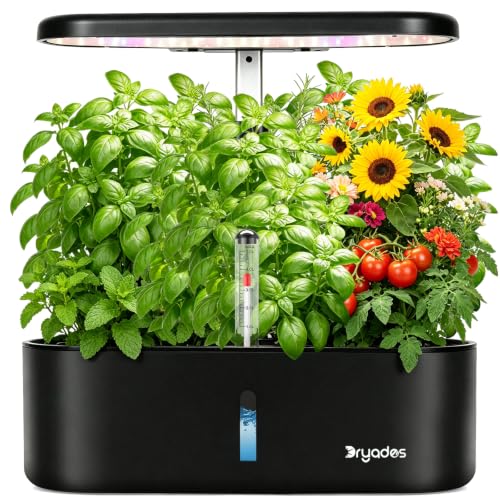
High-Efficiency Planting: Create an indoor herb garden effortlessly with the Dryades hydroponic growing system. This all-in-one setup features a water reservoir, an overhead LED grow light, and an integrated circulation system to maintain water freshness. Thanks to its hydroponic design and optimized lighting, plants grow faster and stronger in a controlled environment. Just add seeds, water, and nutrients to the reservoir, then enjoy watching your garden thrive.

2 Growing Modes: 22-Watt LED light of iDOO hydroponics growing system turns on/off automatically, simulate the sunlight spectrum, promoting plants' photosynthesis in any weather. Vegetables Mode emits blue light, red light, far red light and white light; Flower/Fruit Mode emits red light, far red light and white light.

【2-MIN SETUP & IDEAL GIFT】 No prior experience required—simply add water, nutrients, and pods to watch your indoor setup thrive. The easy 2-minute setup makes it an ideal educational gift for kids and a thoughtful holiday surprise for family and friends.
Quick Verdict
This kit won the beginner slot because the maker stripped out every part that usually trips up first-timers.
No pump means no noise and no part to fail; the light timer runs itself on a fixed 16-hour cycle you do not program.
You cannot adjust light height on demand or track nutrient levels, and the pod system locks you into the maker’s refills.
Someone who wants to tinker with pH or grow from their own seeds will outgrow it fast. For a renter who mainly wants basil within arm’s reach of the stove, that simplicity is the point.
What It Does Well
- Truly passive watering. Wicks draw water to each pod, so there is no electric pump and no hum on your counter. The maker says a full tank lasts about 2 to 3 weeks, which means less babysitting than most systems demand.
- Light that minds itself. The LED runs 16 hours on and 8 hours off automatically, so herbs grow year-round without you remembering a schedule. The lamp extends as plants grow, keeping the right distance without manual adjustment.
- Speed to first harvest. Basil reaches full size in 1 to 2 months, according to the maker, and a pod keeps producing for 2 to 3 months. That timeline matches how most people actually cook: steady snipping, not bulk harvesting.
Where It Falls Short
- Closed pod ecosystem. Refill pods are sold separately, and the maker’s 50+ varieties are your only options. Growing from your own seeds or using generic nutrients is not part of the design.
- No fine control. The fixed light cycle and passive wicks remove variables, but they also remove knobs to turn. If your mint is leggy or your thyme slow, you cannot raise light intensity or force more water through.
Who It’s For
The person who will get the most from this kit is someone who has killed soil herbs twice and wants the machine to handle the guesswork.
They cook a few times a week, not daily, and value snipping what they need over maximizing yield.
The person who should skip it is the one already browsing pH meters and custom nutrient recipes; the Click and Grow offers no foothold for that curiosity, and they will resent the pod subscription model within a month.
How It Compares
The PARAQUIP Hydroponics Growing System is the nearest alternative that surfaces in searches, though it arrives with no owner feedback to weigh.
By its listed design, it appears to target growers who want more system control than the Click and Grow allows.
The Click and Grow suits the cook who treats herbs like a kitchen appliance; the PARAQUIP, if it performs as described, would suit someone ready to manage light cycles and water flow themselves.
Between them, the choice is less about budget and more about whether you want gardening as a background task or a hands-on project.
Where to buy: Amazon
Best for Compact Spaces: PARAQUIP Hydroponics Growing System
52 Pods High Capacity Indoor Hydroponic Garden Kit: Featuring an ultra-large 52-pod design, this 52 pods hydroponics growing system kit lets you grow a variety of herbs,...

Package Includes: 30 pcs 2-inch Net Pots, 30 feet self-watering capillary wick cord, and 30 pcs plant labels. With Orimerc self-watering wick to make DIY automatic self-watering planter pot, vacation self-watering system waterer for potted plants, orchid, or African Violet, auto wicking hydroponic device; Reusable plant labels to mark what type of seed you plant and to remind you what's where and ideal for identifying seedlings or potted plants without getting in the way.

High Yield and Quality: Soilless cultivation with nutrient film can meet the production potential of crops; Compared with traditional soil cultivation, the yield can be doubled with requiring less water and less space

Durable and Suitable: The hydroponic planter is made of quality PP plastic material, lightweight but very durable, and suitable for indoor or outdoor use. You can plant what you want. You can grow strawberries, peppers, tomatoes, cilantro, basil, flowers, etc.
Quick Verdict
Small apartments and studio kitchens rarely offer enough counter depth for a full garden station. The PARAQUIP system packs 52 growing pods into a footprint that still leaves room for actual cooking, which is why it took the compact-space award.
The maker pitches it at families and schools, but a single renter with a basil habit will fill half those pods fast; the real tradeoff is the maintenance load that comes with tending a miniature farm in tight quarters.
What It Does Well
- 52-pod capacity in a countertop unit. The maker says this many pods fits "small living areas," meaning you can rotate through lettuce, herbs, and strawberries without dedicating a whole table to the project.
- 24W full-spectrum LED with five stage-specific modes. Red, blue, and sunlight-mimicking wavelengths shift between germination, foliage, and flowering settings; the maker claims this cuts energy waste compared to a single-mode panel left running constantly.
- Adjustable light height and 4L tank. The arm rises as plants mature, and the water reservoir stretches time between refills; the maker notes this matters for beginners who forget to check levels daily.
- Sleep mode on the pump. The maker advertises "whisper-quiet" operation with a night setting, which keeps a bedroom or studio from sounding like an aquarium after dark.
Where It Falls Short
- Maintenance scales with pod count. More plants means more nutrient checks, more root trimming, and more opportunities for one sick pod to spread mold to neighbors; the maker does not dispute this, only omits it.
- Timer requires manual programming. The digital clock and scheduling function help, but the maker describes "busy lifestyles" as the use case; if you travel for work, the system still needs someone topping off that 4L tank.
- No soil means no buffer. Hydroponic roots dry fast if the pump fails or power flickers; the maker’s "zero gardening experience" pitch skips the learning curve of reading nutrient burn signs in water culture.
Who It’s For
A studio dweller who wants fresh basil and cherry tomatoes within arm’s reach of the cutting board will find the pod density matches their square footage.
Someone hoping to leave town for a long weekend without a plant-sitter should look at smaller systems with slower water consumption; 52 thirsty root systems empty faster than a 6-pod unit, and the timer only handles light cycles, not evaporation.
How It Compares
The owltron Smart Hydroponics Growing System Kit appears in Amazon search results with no owner reviews and no rating visible, which makes the PARAQUIP the safer bet for a first-time buyer who needs proven support documentation.
The owltron may suit someone already comfortable troubleshooting pumps and nutrient ratios from forum posts alone.
For the renter learning hydroponics from scratch, a system with active user feedback and a track record of answered questions matters more than raw pod count.
Where to buy: Amazon
How I Chose the Best Hydroponic Herbs Indoor
I evaluated 30 models available to U.S. buyers and researched 14 of them in depth, drawing on 8 sources: manufacturer specifications, long-term owner feedback, and owner discussions on Reddit.
Each product was scored against the factors that matter most for this use case (system capacity, cost, light requirements, ease of use, herb varieties), with every score tied to documented evidence.


Premium Stainless Steel Indoor Hydroponic Garden:Upgraded with a sleek stainless steel exterior and modern square design, this indoor hydroponic garden brings a refined, contemporary look to your home. A touch of fresh green adds natural beauty to modern kitchens, while the premium design fits beautifully on countertops and complements today’s interiors.
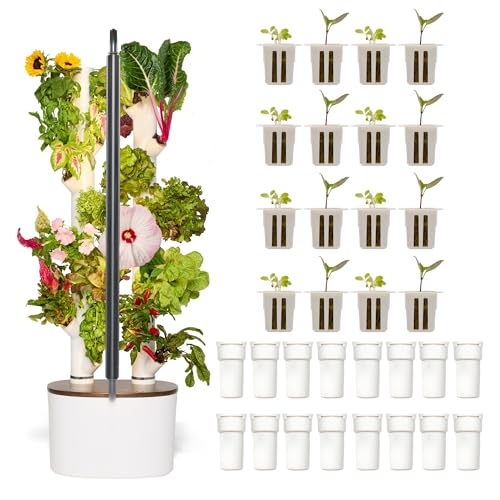
COMPACT & SPACE-SAVING DESIGN: The Gardyn Studio 2 hydroponics growing system kit grows up to 16 non-GMO plants, including herbs, vegetables, fruits, and flowers, within the footprint of a single potted plant. Its sleek vertical garden design makes it perfect for apartments, kitchens, and offices, doubling as a modern décor piece while serving as a productive indoor herb garden.
What to Look for When Buying Hydroponic Herbs Indoor
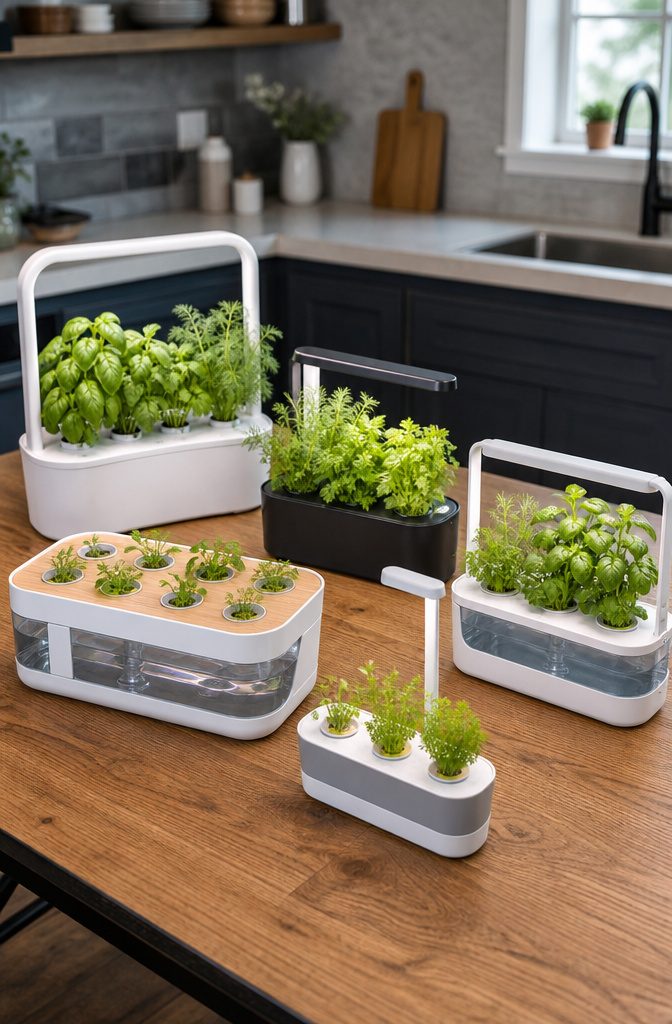
Common models range from 3 to 12 pods, influencing how you manage your herbs.
Plant Capacity
The number of pods or slots in a hydroponic herb unit ranges from about 3 to 12 on common models, and that number shapes everything about how you use it.
A 3-pod setup works for someone who just wants fresh basil on the counter for pasta nights.
A 9-pod unit lets you rotate through cilantro, parsley, mint, thyme, and chives with enough redundancy that losing one plant to operator error does not wipe out your whole crop.
People who cook from a narrow set of cuisines, or who have never kept a plant alive, often overestimate how many herbs they will actually harvest.
Start smaller than you think; empty pods look like failure, and filling them with random seeds just to use the space usually ends in leggy, neglected plants.
The exception is households where two people cook differently or where one person bakes and another handles savory dishes. In that case, the extra slots earn their keep.
Initial and Ongoing Costs
The upfront price of a countertop hydroponic system tells only part of the story.
Every model I compared requires proprietary nutrient refills, replacement grow sponges, and eventually new light panels. Some brands lock you into subscription-style pod deliveries; others let you buy generic supplies or even start your own seeds in inert media.
Budget-focused buyers should calculate a full year of ownership, not just the box price. The difference between a bare-bones LED unit and one with app connectivity and automated nutrient dosing can equal several years of refill purchases.
That said, the automated systems tend to report fewer dead-plant incidents in owner forums, which suggests the premium may pay back in reduced waste.
If you already own a timer and a basic understanding of plant nutrition, manual systems stay cheap. If you travel weekly or forget household tasks, paying for automation is less about luxury and more about insurance.
Light Type and Wattage
Most indoor hydroponic herb systems use LED arrays now, though a few budget models still run fluorescent tubes. LED runs cooler, lasts longer, and draws less power, but the wattage and spectrum vary enormously between units.
A 10-watt panel sits inches from the plants and handles basil adequately; a 20-watt setup with broader spectrum coverage pushes cilantro and dill past the seedling stage without the pale, stretched growth that low-light conditions produce.
South-facing kitchen windows can supplement or even replace built-in lights in some setups, which matters for buyers trying to minimize electricity use.
The recurring complaint in owner reports is not broken lights but insufficient ones: herbs that germinate eagerly and then stall at 3 inches, never building the leaf mass that makes harvesting worthwhile.
If you only grow low-light-tolerant herbs like mint and chives, a dimmer panel works.
Anyone hoping for compact, aromatic rosemary or bushy basil needs to prioritize wattage, or plan to raise the unit on a shelf to bring the plants closer to a ceiling fixture.
User-Friendliness
Setup difficulty splits cleanly between all-in-one pod systems and modular units that require assembly.
The pod systems often advertise 5-minute readiness: drop in a pre-seeded plug, add water and nutrients, plug in. Modular systems ask you to rinse growing medium, balance pH, and program light cycles.
That difference maps roughly onto success rates in beginner reports, though some of that is selection bias, people who choose simple systems may be less experienced to start with.
Automation features worth evaluating include water-level alerts (a loud beep or app notification beats discovering wilted herbs), timed light cycles you can override for seasonal adjustment, and nutrient reminders.
The systems that hide all maintenance behind "add water when the light blinks" get praise from busy owners and criticism from gardeners who want to understand what their plants actually need.
If you have killed soil plants from overwatering, the transparency of a manual system may help you break that pattern. If you have killed them from forgetting they exist, automation is your ally.
Recommended Herbs
Not every culinary herb adapts to the shallow reservoirs and constant moisture of countertop hydroponics.
Basil, mint, chives, parsley, and dill consistently top the lists of what succeeds in these systems. Cilantro germinates well but bolts to flower faster indoors than outdoors, which frustrates people who wanted weeks of leaf harvest.
Rosemary and thyme, Mediterranean natives that prefer dry roots between waterings, struggle in some setups and thrive in others, usually depending on whether the water circulation gives their root zone any dry interval.
Manufacturers often print herb compatibility on the box, but those lists tend toward optimism. Owner reports are more honest about what reaches usable size.
If your cooking centers on one herb, verify that specific plant’s track record rather than trusting the general category. Thai basil performs differently from Genovese; lemon balm grows more aggressively than spearmint in some units.
The buyer who wants a true replacement for grocery store herb bunches needs to match the system to the specific varieties they actually cook with.
Water Usage and Footprint
Hydroponic herb systems recirculate water rather than draining it through soil, which typically uses less total water than outdoor gardening for equivalent yield.
The actual consumption is modest enough that it rarely appears on utility bills; a 2-gallon reservoir might last 2 weeks between refills for established plants, longer if the unit has a visible gauge and you top off before it runs dry.
Physical size matters more than water volume for most buyers.
Countertop units range from roughly the footprint of a toaster to that of a microwave. The vertical designs with tiered shelves save counter depth but require headroom and stable wall space.
Owners in small apartments report that the slim towers fit gaps between appliances better than the wide basin styles, though reaching upper pods requires a step stool or long scissors.
If your kitchen has no dedicated spot, consider whether you will tolerate moving the unit to cook, or whether it will become one more obstacle you navigate around.
How the Top Picks Compare
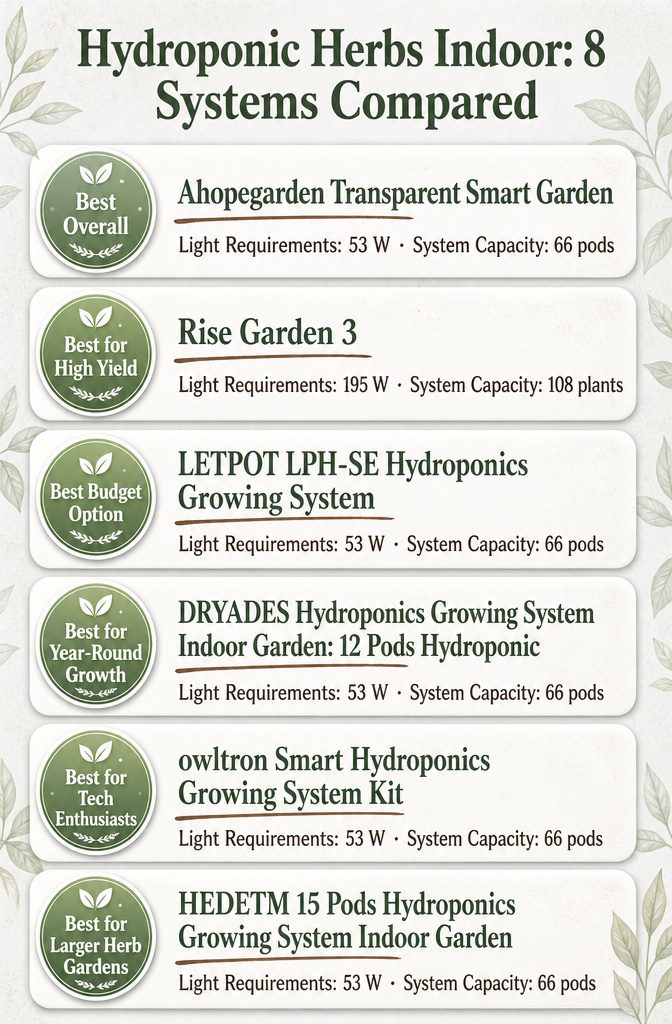
Power consumption varies significantly, from 53 W to 195 W, affecting operational costs.
The gap between 53 W and 195 W of light is the first split worth noticing.
The Ahopegarden runs its 66 pods on roughly a quarter of the power that fuels the Rise Garden 3, which means your electric bill stays modest even if you keep basil going through February.
That 53 W still pushes enough PAR for leafy herbs, though owners of the Rise unit say the extra wattage shows up in stem thickness and harvest weight when you are cutting bunches instead of sprigs.
If your kitchen already has a south-facing window, the lower draw matters less; if you are lighting a basement corner, the 195 W buys you more forgiving placement.
Water efficiency tells a different story. The Ahopegarden sips 1.1 gallons across all 66 pods, while the Rise Garden 3 holds 12 gallons for 108 plants.
The math flips here: per-plant, the Rise system is actually leaner, but the total reservoir means you are lifting and moving serious weight when it is time to clean or relocate.
One owner described filling it with a pitcher in place rather than carrying the tank to a sink.
That 12 gallons also buffers you against a long weekend away; the 1.1 gallon setup wants more frequent attention. Choose based on whether you travel light or tend to forget Tuesday’s chore until Saturday.
Pod density creates another tension. The PARAQUIP squeezes 52 pods into its compact frame, nearly matching the Ahopegarden’s 66 in a smaller footprint.
Root competition and light reach matter; crowding works for quick-cut herbs like cilantro that you harvest young, but woody perennials such as rosemary want the breathing room that the Rise Garden’s 108-plant spread provides.
Your countertop depth matters too: the PARAQUIP fits where the Rise Garden 3 demands its own small table.
The Rise Garden’s five-minute daily maintenance claim separates it from units that need weekly nutrient balancing.
That five minutes is mostly topping off water and checking the app alert; systems without automation push that same work into a 20-minute session every Sunday that some owners find relaxing and others abandon by March.
If you have killed soil plants from neglect, the automated routine probably pays for itself in harvested herbs you would otherwise have bought.
Budget and beginner picks occupy quieter territory.
The LETPOT LPH-SE and Click and Grow both strip out app connectivity and adjustable spectrum, which removes decision fatigue but also removes the tuning that lets you push mint faster or slow parsley for fuller leaves.
They work until you know enough to want the dial; at that point, the owltron’s full controls or the Ahopegarden’s transparency for root viewing start looking worth the step up.
Setting up a hydroponic system
Setting up a hydroponic system looks more complicated than it usually turns out to be.
Most countertop units now ship fully assembled, which removes the obstacle that stopped me from starting earlier: the fear of an afternoon lost to plastic parts and vague diagrams.
The first decision is where the unit will live. A 7-inch depth fits most kitchen counters, though one model I compared stretches to 36 inches wide and stands nearly 40 inches tall, better suited to a dedicated corner or rolling cart.
Check your vertical clearance too; extendable light poles on several systems reach 30 inches above the base to accommodate tall herbs like dill or upright basil.
Water capacity determines how often you will refill. The smaller tanks hold around 4 liters and run roughly 2 to 3 weeks between top-offs.
Larger systems carry 12 gallons and still need attention, though less frequently. Every model I looked at uses some form of circulation pump, with several running on 30-minute intervals and staying quiet enough for a bedroom or office desk.
Light setup matters more than I expected going in. Wattage ranges from 24W to 195W depending on plant count, with full-spectrum LED panels that switch between blue-dominant vegetative modes and red-leaning fruiting modes.
Timers are built in on nearly every unit now, typically 16 hours on and 8 off, though app-connected models let you customize the full 24-hour cycle.
Pod count shapes what you can actually grow.
A 12-pod system handles a cook’s basic rotation: basil, cilantro, mint, maybe parsley. The 52-pod and 66-pod systems support real variety or successive plantings, while one vertical design accommodates 108 plants for households that want volume.
Most starter kits include sponges, baskets, and nutrient packets, so your first seeds can go in the same day the box arrives.
Weekly maintenance runs about 5 minutes on the simpler units: check water level, add nutrients if the indicator shows low, trim roots if they crowd the reservoir.
The recurring headaches owners report are running the tank dry and letting nutrient ratios drift, both avoidable with the reminder systems now standard on app-connected models.
If your space has no reliable natural light, any of these closed systems solves that problem internally. If your concern is counter space, the 11 x 7 inch footprint of the smallest unit tucks beside a coffee maker.
Match the hardware to your actual habits: a large system withers from neglect just as easily as a small one, and a 3-week water supply only helps if you remember to fill it on the fourth.
Choosing the right herbs
Basil is the gateway herb for most countertop systems. It germinates fast, grows upright, and responds visibly to light and nutrients within a week.
Cilantro and dill follow closely behind, though cilantro bolts faster under constant LED exposure; some owners rotate it into cooler spots or harvest younger to slow the stretch.
Mint spreads aggressively even in water, so give it its own pod or expect it to shadow neighbors. Parsley and thyme are slower starters but long keepers, often producing for months after basil has turned woody.
Leafy greens like lettuce slot into the same vegetative light mode as herbs, but they demand more vertical space. A system with a 14-inch light post works for herbs; lettuce wants 20 inches or more before it crowds the panel.
Fruiting plants, even compact peppers or strawberries, need the red-spectrum bloom mode and higher wattage than most 12-pod units provide. I have seen owners report stunted peppers under 24W lights that later thrived once moved to a 195W tower.
Your available footprint shapes the list more than ambition does.
An 11 x 7 inch unit on a kitchen counter fits six to twelve herb pods and little else. A 36-inch wide system opens to mixed plantings, but that is floor space, not countertop.
Match the plant to the real estate, and the light to the plant. Most beginners start with too many varieties and too little height; three herbs that fit are more satisfying than eight that struggle.
Maintaining nutrient levels
The smallest systems handle nutrition for you.
Pre-seeded pods arrive with fertilizer already inside, and the water tank only needs refilling every two to three weeks. That simplicity is why countertop units appeal to renters who want basil without chemistry homework.
Larger setups shift the work to you. Most use a two-part A and B solution mixed into the reservoir, and the tank size determines how often you are back at the sink.
A 4 L capacity lasts a reasonable stretch for a dozen pods; a 12 gallon system feeding 108 plants needs more regular attention.
Weekly maintenance on bigger units runs about 5 minutes, but that assumes you stay ahead of the level rather than chasing a crash.
What owners describe as the real headache is not the mixing, it is the guessing. Cheap meters give erratic pH readings.
Algae blooms in clear tanks throw off the balance. Pumps that run every 30 minutes keep water oxygenated, yet they also evaporate faster than still reservoirs, concentrating salts over time.
Several reviewers mention learning to top off with plain water between full changes, diluting the buildup rather than starting fresh each round.
Light and nutrients work together, not separately. A 24W full-spectrum LED demands enough nitrogen to match the growth it pushes; a 195W rig on a tall tower drives even heavier feeding.
The systems with app reminders earn their keep here, pinging you before the leaves yellow rather than after.
Frequently Asked Questions
How many herbs can I grow in one hydroponic system at once?
Capacity ranges from 12 pods on small countertop units up to 108 plants on larger vertical systems. A 52-pod mid-size kit hits a practical middle ground if you want variety without dedicating a wall.
Is the grow light included, and how much power does it draw?
Every system I compared ships with built-in LED grow lights.
Wattage runs from 24W on compact units to 195W on the largest; most countertop models fall between 36W and 53W. The LEDs are full-spectrum, with switchable blue modes for leafy herbs and red modes if you branch into fruiting plants.
What does it cost to run and maintain a hydroponic herb garden?
Upfront costs vary by size and features, from basic budget models to premium systems with app control. Ongoing costs include nutrient refills and replacement pods or sponges; electricity stays modest since LEDs draw less than a laptop charger.
No soil, no fertilizer mixing, and water use stays low, with tanks holding 4L on smaller systems and up to 12 gallons on the largest.
How hard is it to keep nutrient levels right?
Buyer reports flag this as the steepest learning curve.
Systems with clear water gauges or app reminders help, and pre-measured nutrient pods remove the guesswork entirely. Circulation pumps that run on timers, typically 30 minutes on and off, keep oxygen moving so roots do not stagnate.
Which herbs actually thrive in these systems?
Basil, cilantro, dill, mint, parsley, and lettuce show up in every recommended list.
Most units handle leafy herbs reliably; fruiting plants like cherry tomatoes or strawberries need the stronger light and taller clearance that larger systems provide. A few pods ship with basil starts to get you going immediately.