Garden trees run from a single accent you plant in an afternoon, like a Desert Willow or Eastern Redbud, to a layered privacy screen of fast-growing trees that takes years to fill in.
What decides which one belongs in your yard is knowing whether you need shade by next season or are willing to wait a decade for a canopy wide enough to cool the house.
The post below covers species that handle a range of conditions, from the cold-hardy Flowering Dogwood to heat-loving Crape Myrtle, plus what to know about mature size before you dig.
[link-whisper-related-posts]1. Eastern Redbud
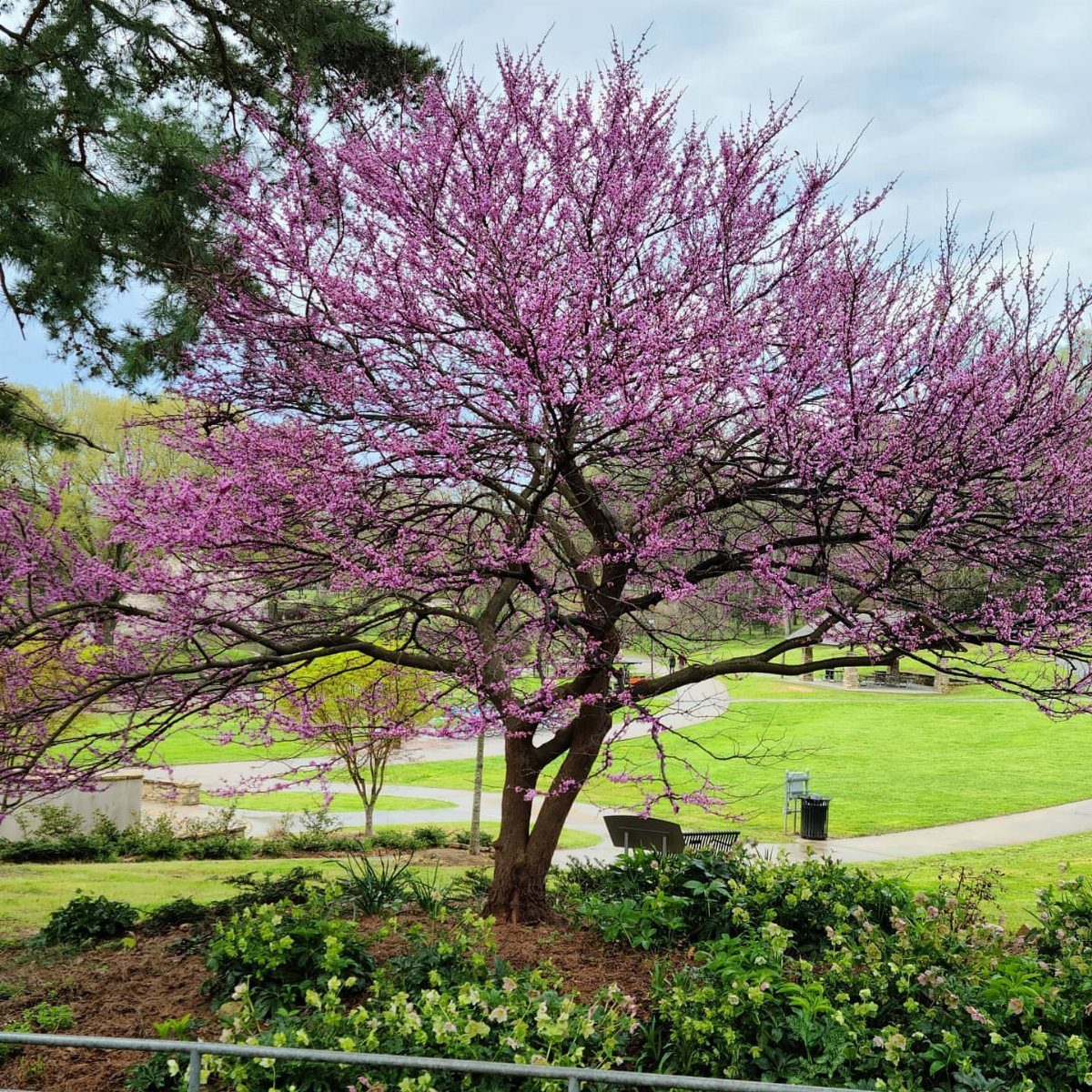
The Eastern Redbud earns its spot as a native tree that pushes out clusters of pink blossoms straight from the trunk and branches before the leaves even arrive.
I would check your hardiness zone first; it handles cold winters well but struggles in the hottest parts of the South without some afternoon shade.
A redbud at lawn height with lower plantings beneath it tells me the canopy stays high enough to walk under and the roots play nice with neighbors.

2 Packs, 3.6Ft Solar Christmas Tree Outdoor – Each tree has 100 snowflake lights that turn on automatically at dusk. Powered by the sun, no wiring or electric bills. Measures 3.6ft from stake to topper (± slight error).


UNIQUE FAN-SHAPED FOLIAGE: This variety is famous for its distinct, lush green leaves that resemble a maidenhair fern. These high-impact leaves add a splash of elegant texture to your yard during the spring and summer before transforming into a brilliant golden-yellow display in the autumn.
2. Japanese Maple
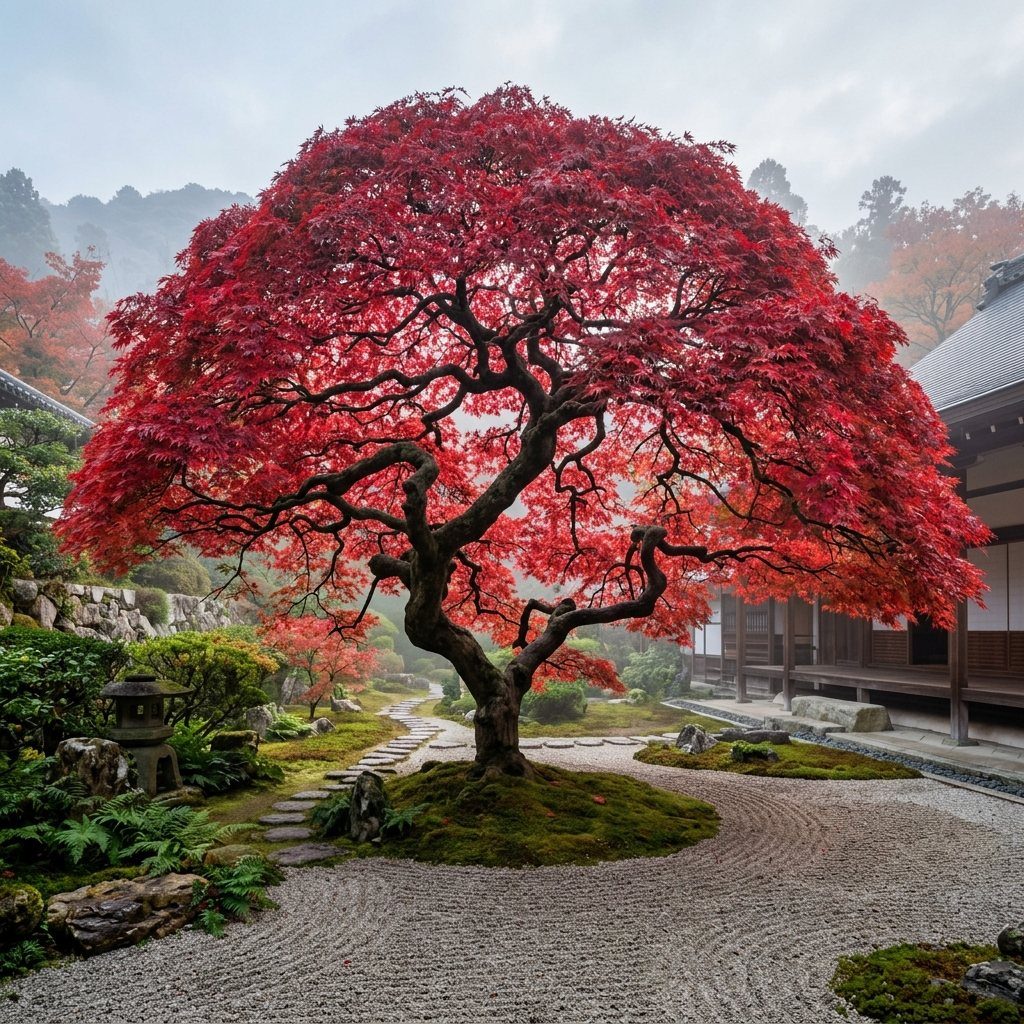
A Japanese Maple carries its color in the foliage itself, so the drama lasts from spring through fall rather than flashing by in a single bloom week.
The red-leaf varieties need more sun than the green ones to keep their color intense, though in the hottest zones that same sun can scorch the leaf edges.
I would place mine where it gets morning light and dappled afternoon shade, and I would budget for slow growth; this is not the tree to block a view next season.
The pruning here is clearly maintained over years, so decide now whether shaping is a task you will keep up with or whether a more naturally vase-shaped cultivar suits you better.

VIBRANT ROSY-PINK BLOOMS: This variety is famous for its ability to produce a massive display of elegant, four-petaled pink flowers in early spring. These iconic blossoms can add a high-impact look and bring a touch of sophisticated charm to your favorite outdoor location as one of the first signs of the season.

Pink Flowering Dogwood 2-3 feet in height in a 3x6" pot - live plant

Used Book in Good Condition
3. Flowering Dogwood
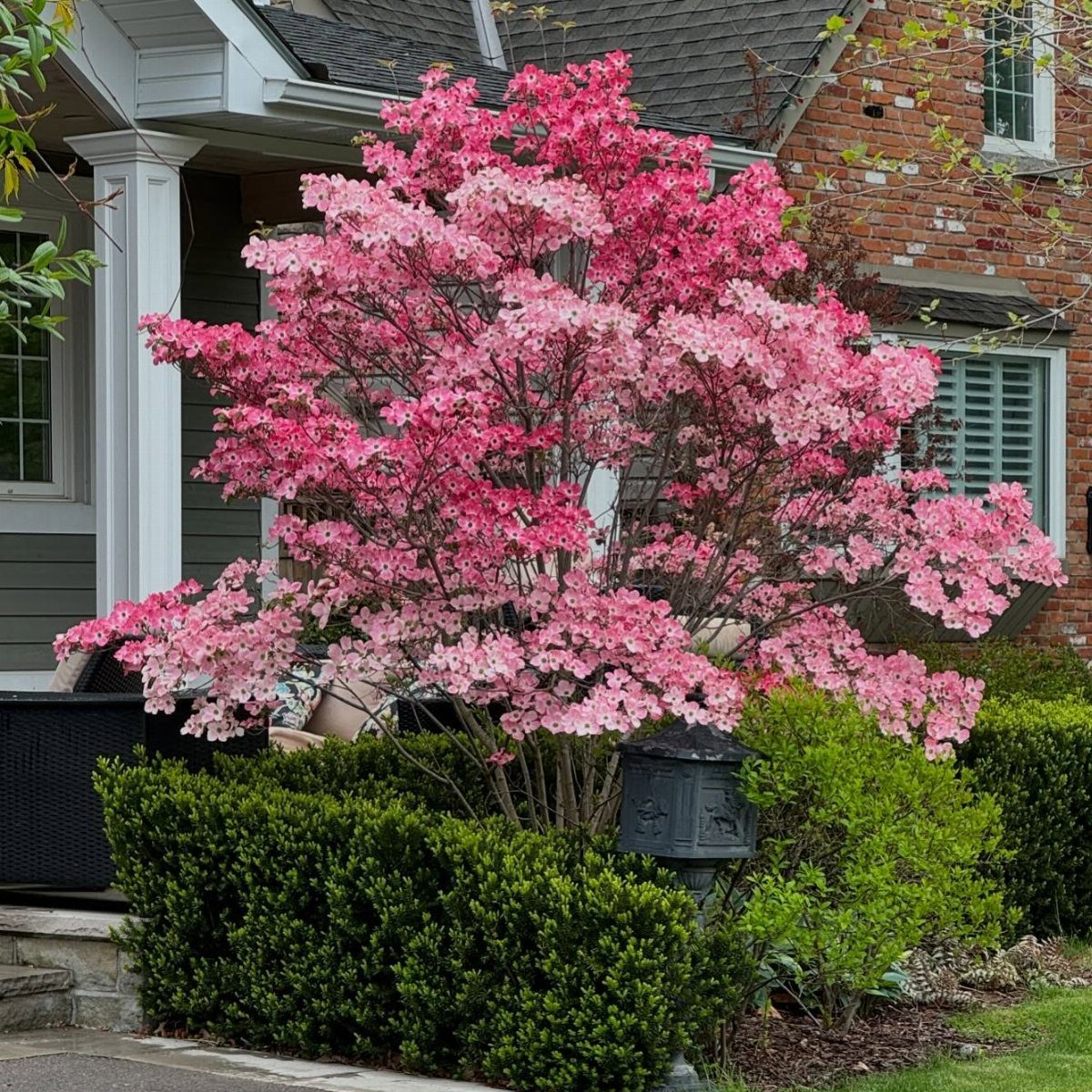
Flowering Dogwood reads as a front-yard tree in most neighborhoods, and the photo confirms why: modest mature height, layered branches, and that brief explosion of pink or white bracts in late spring.
I would plant it where the roots stay cool and mulched; dogwoods stress in reflected heat off pavement and in thin lawns.
Check that your soil drains; wet feet kill more of these than cold ever does. Pink blooms get all the attention, but I lean toward the white ones myself for the cleaner contrast against bark and shadow.

Raise seedlings for an ornamental tree collection or a future bonsai training project.

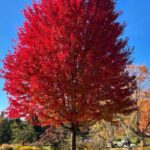
Japanese Red Maple, scientifically Acer palmatum, is an ornamental tree admired for its vibrant red foliage

🍁 Iconic Japanese Maple – Acer palmatum ‘Bloodgood’ with deep red foliage spring to fall
4. Crape Myrtle
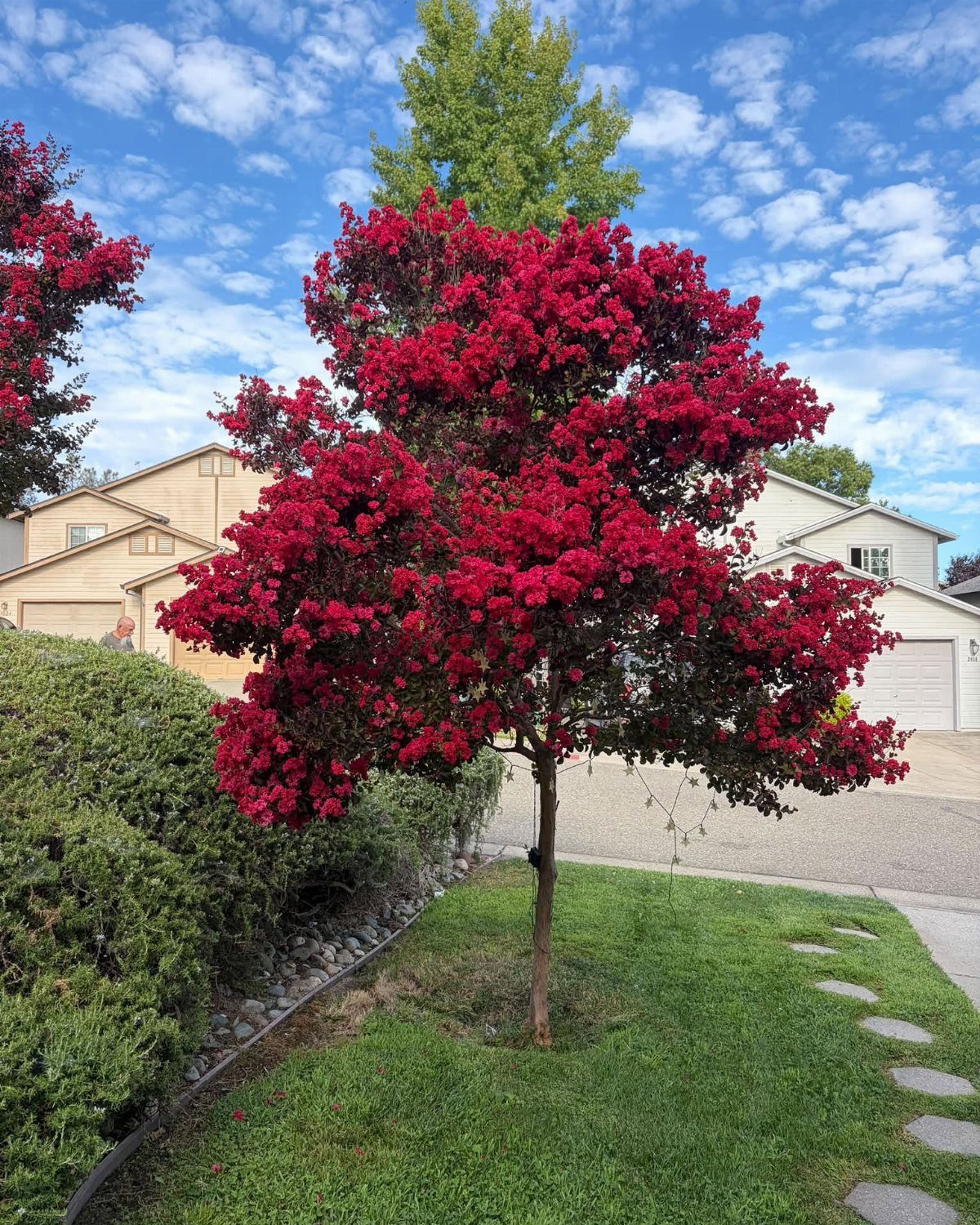
Crape Myrtle fills the gap when spring-blooming trees have already finished and the garden needs color at eye level through July and August. Saturated reds read loud against pale siding; I usually pick softer pinks or lavenders for smaller spaces.
It wants full sun, rewards with fast growth, and asks for almost nothing beyond a late-winter cleanup of the prior season’s seed heads if you prefer a cleaner branch structure.
In the northern half of its range, dieback to the ground some winters is normal; buy a single-trunk form only if you are south enough to keep it.

Thrives in USDA zones 6-10

These plants are ready to transplant directly into the ground upon arrival. All pictures are of fully grown plants. Sizes shipped are in the title and description. Deciduous plants do not have leaves in the winter.

Thrives in USDA zones 6-10
5. Trees with Broad Canopies
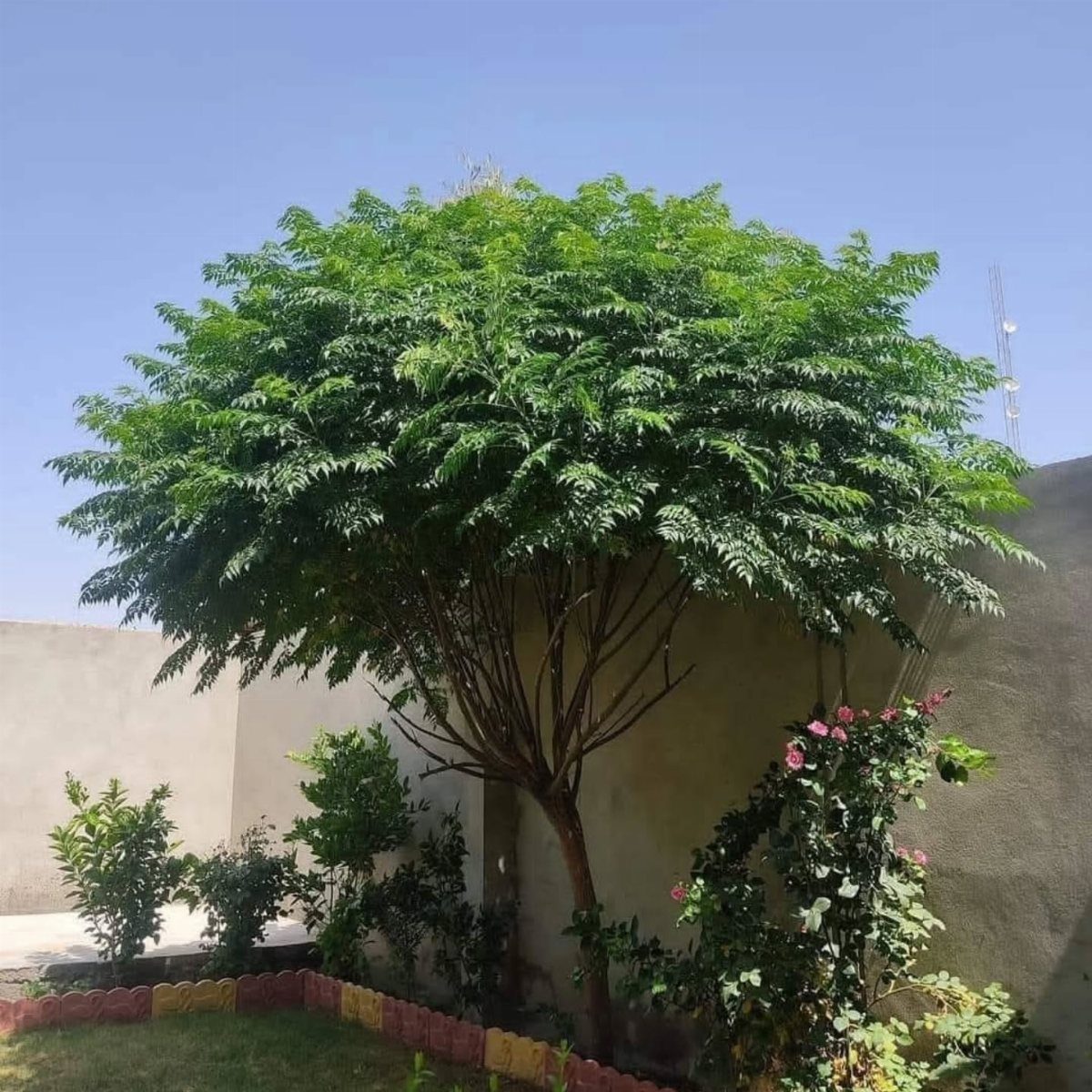
A broad canopy tree solves the specific problem of shading a seating area or a stretch of lawn without trunk clutter in the middle of the space.
I would measure the spread at maturity against my usable ground; that radius sounds generous until you realize it overlaps the neighbor’s property line or blocks your own vegetable beds.
Root spread follows canopy spread roughly, so plan hardscaping before the tree goes in, not after.

#1 GROWTH RATE: Fastest growing tree in the world, very attractive look, no cotton or suckers to clean up. Very Easy and Effective

Very fast growing, Hybrid Poplar Trees are great for fast privacy, shade, and landscaping.
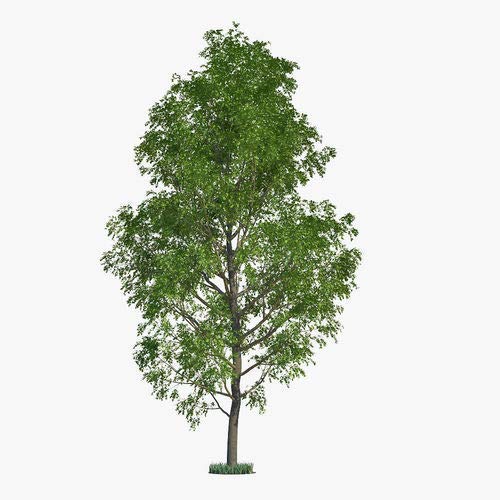
FAST GROWING PRIVACY OR SHADE TREE: Hybrid Poplar Trees are very popular for their fast growing and no seeds or cotton. Very attractive and easy to maintain, change the view very fast
6. Crabapple Trees
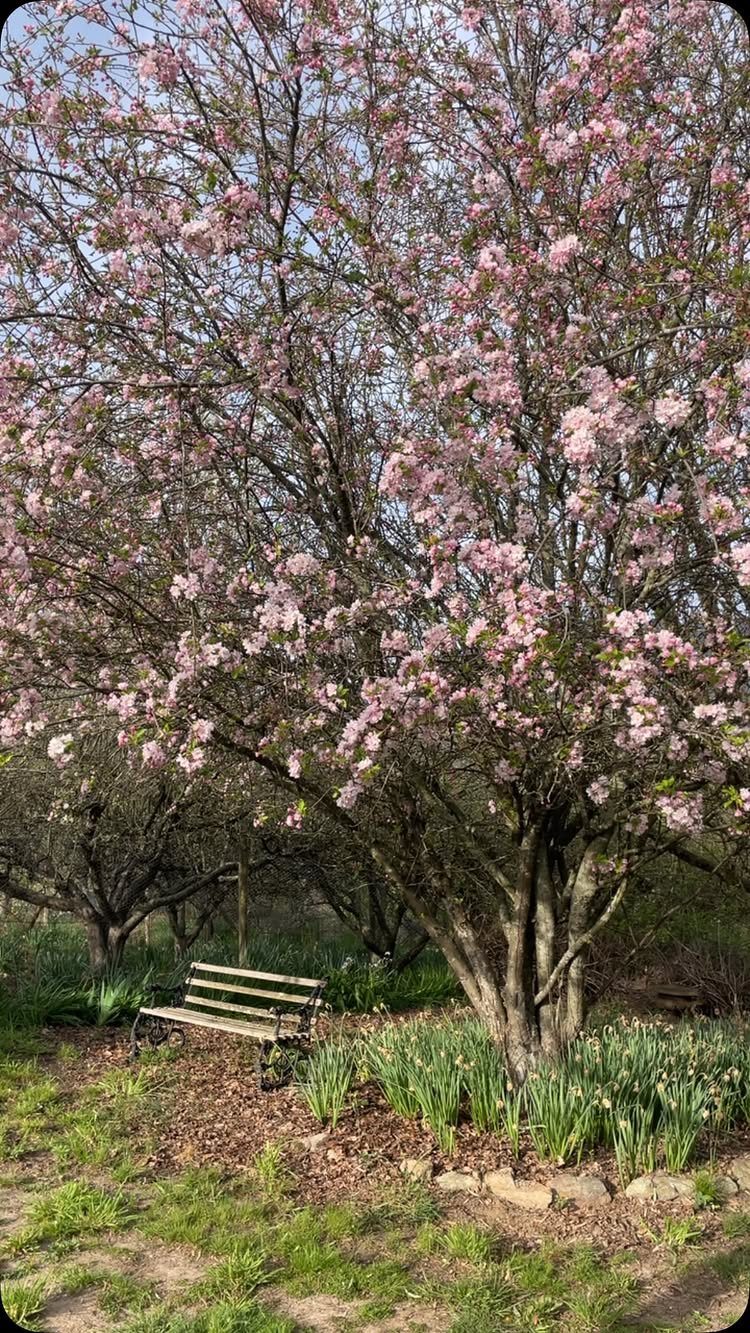
Crabapple gives you 2 shows: the spring bloom that fills every branch, and the fruit that hangs on into winter for birds or for visual interest if you choose a persistent variety.
Pink blossom is the classic look, though I would shop by fruit size and disease resistance rather than flower color alone. Small-fruited types litter less and attract cedar waxwings without drawing wasps to rotting drops on a patio.
Place the bench before you plant; the tree will grow to frame it, not the other way around, and the daffillies at the base suggest a bulb layer that takes the space from one-season to three.

[Orange Fall Vibes]: This house flag features religious cross designs in autumn orange color, perfect for welcoming the Fall season.

Multiple Color Changing Solar Lights: Press the power button to turn on the light and enter the 8 fixed modes: Red, Blue, Green, Purple, White, Warm, RGB, OFF. The solar spotlights outdoor waterproof panel can automatically detect whether it’s day or night using the brightness of its surroundings and It will automatically switch from charging mode to lighting mode. So you can place colored led solar outdoor lights to decorate your pool, garden, trees, yard, Xmas, Halloween

Multiple Color Changing Solar Lights: Press the power button to turn on the light and enter the 8 fixed modes: Red, Blue, Green, Purple, White, Warm, RGB, OFF. The solar spotlights outdoor waterproof panel can automatically detect whether it’s day or night using the brightness of its surroundings and It will automatically switch from charging mode to lighting mode. So you can place colored led solar outdoor lights to decorate your pool, garden, trees, yard, Xmas, Halloween
7. Fast-Growing Trees Privacy Screen
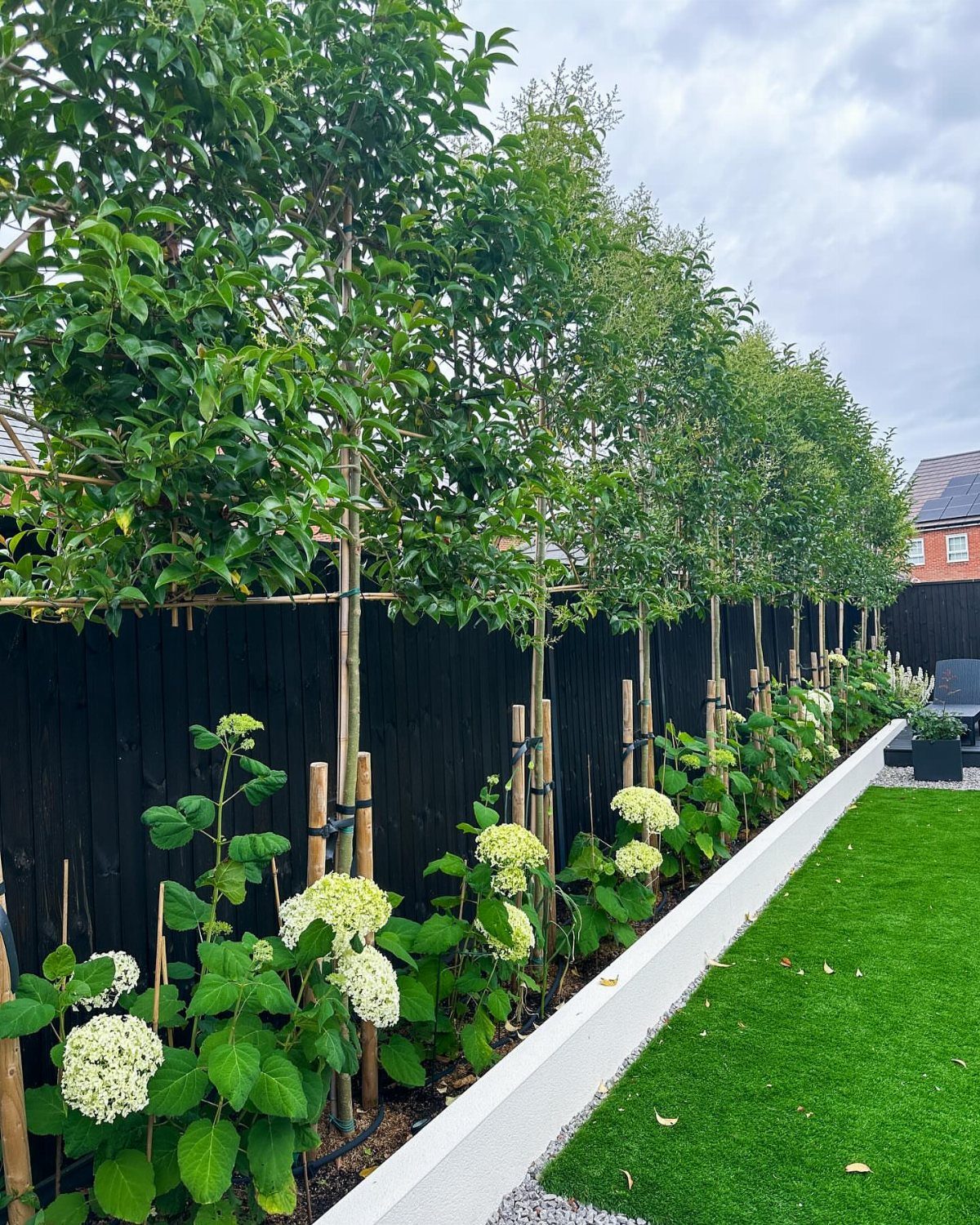
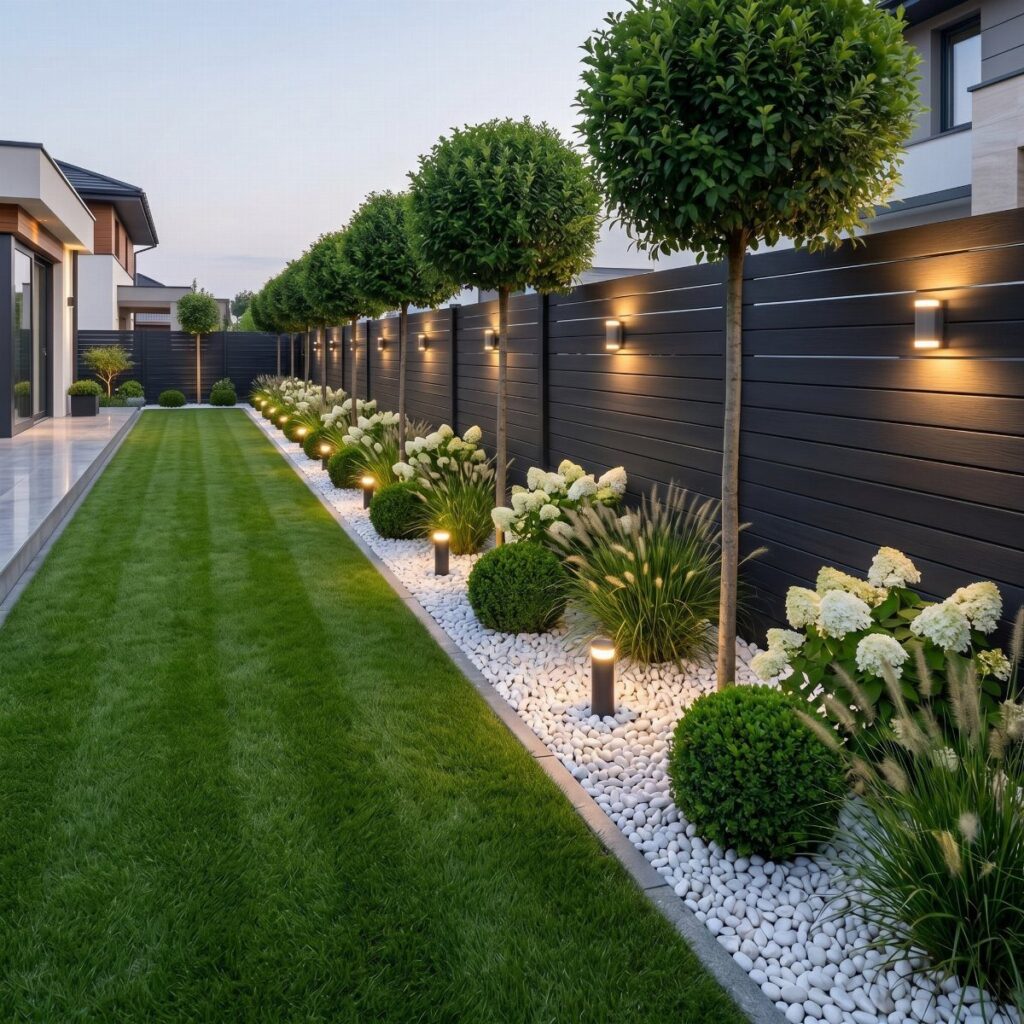
A privacy screen of fast-growing trees buys you seclusion before your neighbors finish their next renovation. I would space them at half their mature spread so the canopies knit together without choking each other at the trunk.
Check the root habit before you plant along a fence line; some quick growers heave posts or send suckers under the boards.

Spring Blooming Display: Pink Dogwood produces soft rosy-pink blooms in early to mid-spring, creating a breathtaking floral display before or just as the leaves begin to emerge

2 Well Rooted Seedlings approx 12-18 inches tall. Ship Bare Root in Peat

VIBRANT ROSY-PINK BLOOMS: This variety is famous for its ability to produce a massive display of elegant, four-petaled pink flowers in early spring. These iconic blossoms can add a high-impact look and bring a touch of sophisticated charm to your favorite outdoor location as one of the first signs of the season.
8. Fruit Trees
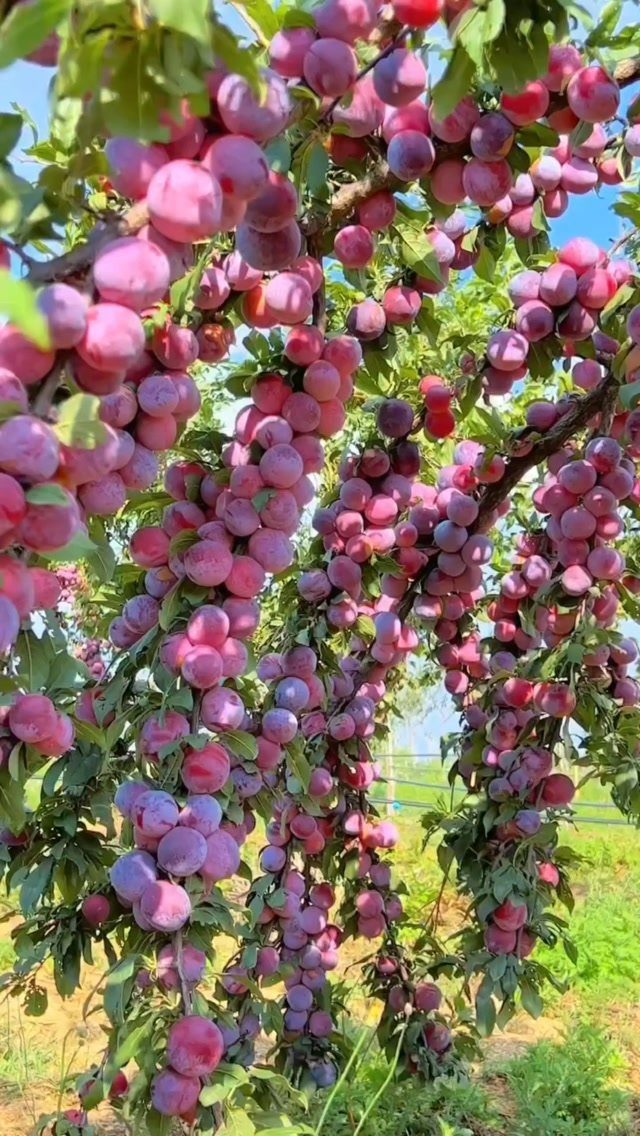
A plum heavy enough to bend the branch tells you the yield a single fruit tree can carry once it settles in.
I would match the variety to my chill hours, not just my zone; too few cold nights and the tree leafs out without setting fruit, too many and southern varieties stall.
Standard rootstocks give you the height for shade and a real tree silhouette, though dwarfing ones fit tighter yards and let you pick without a ladder.
The birds will take their share; I plant enough to lose some and still harvest.

Used Book in Good Condition

Seasonal Color Display: Leaves stay red for most of the summer and turn greenish red during hot weather in the southern part of its range, with reddish fall color providing year-round visual interest

LEGO Bonsai Maple - Realistically replicates the shape of nature and creates a space to calm and forget stress
9. Bark Adds Color & Texture
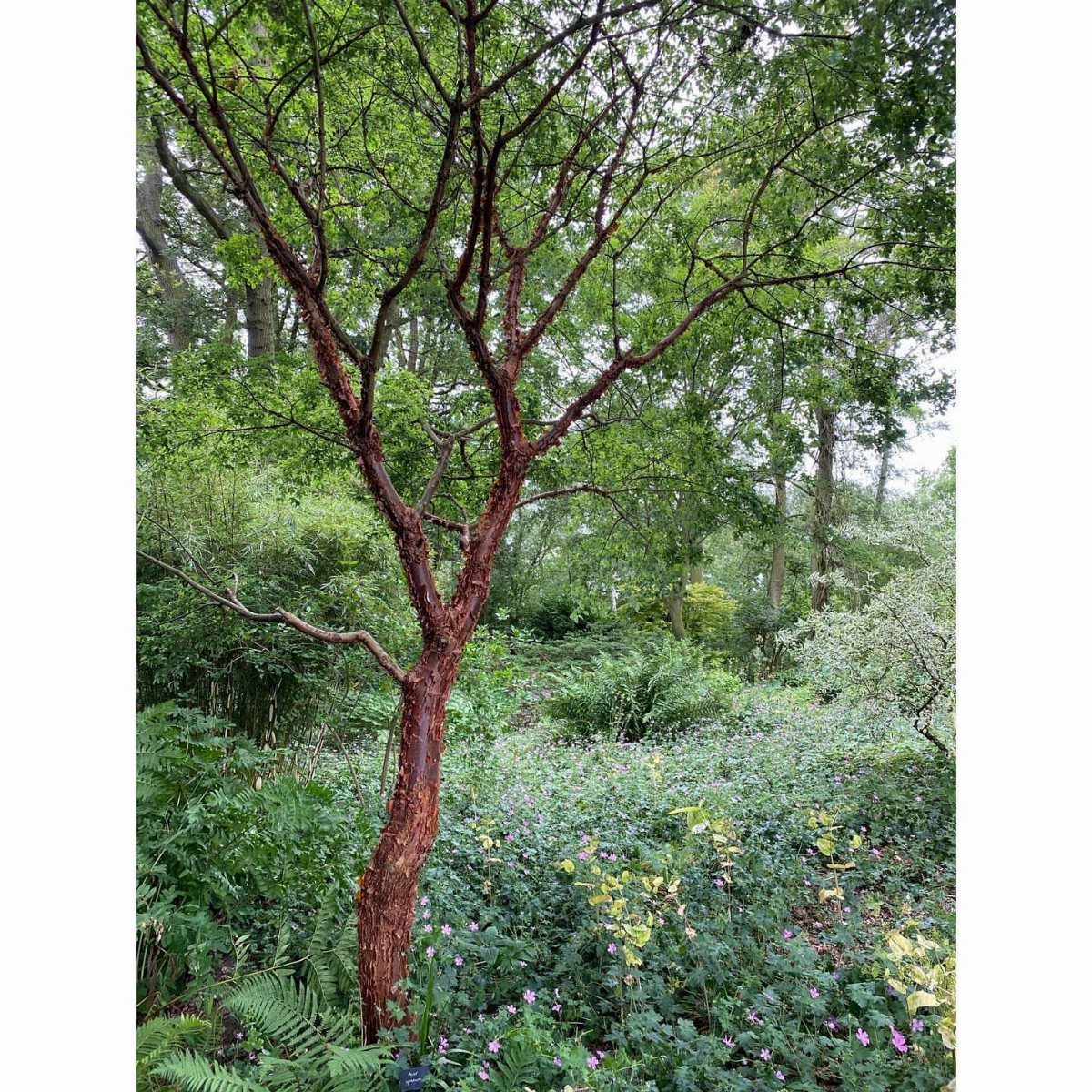
Peeling bark carries the garden through the months when flowers and foliage have quit. Watering needs run low for most species with this trait; good drainage matters more than fertility.
Ferns and groundcover at the base suggest a woodland edge rather than lawn, so plan the surrounding planting to stay low and let the trunk stay visible.

These are ready to plant and should be put in the ground according to the included instructions upon arrival. All pictures are of fully grown plants. Sizes shipped are in the title and description. Deciduous plants do not have leaves in the winter.

Stunning purple blooms create a vibrant display, enhancing your landscape with striking color throughout the summer and early fall

MATURE SIZE: Grows to an impressive height of 20+ feet tall and spreads 15+ feet wide, making it an excellent shade tree with upright growth pattern.
10. Desert Willow
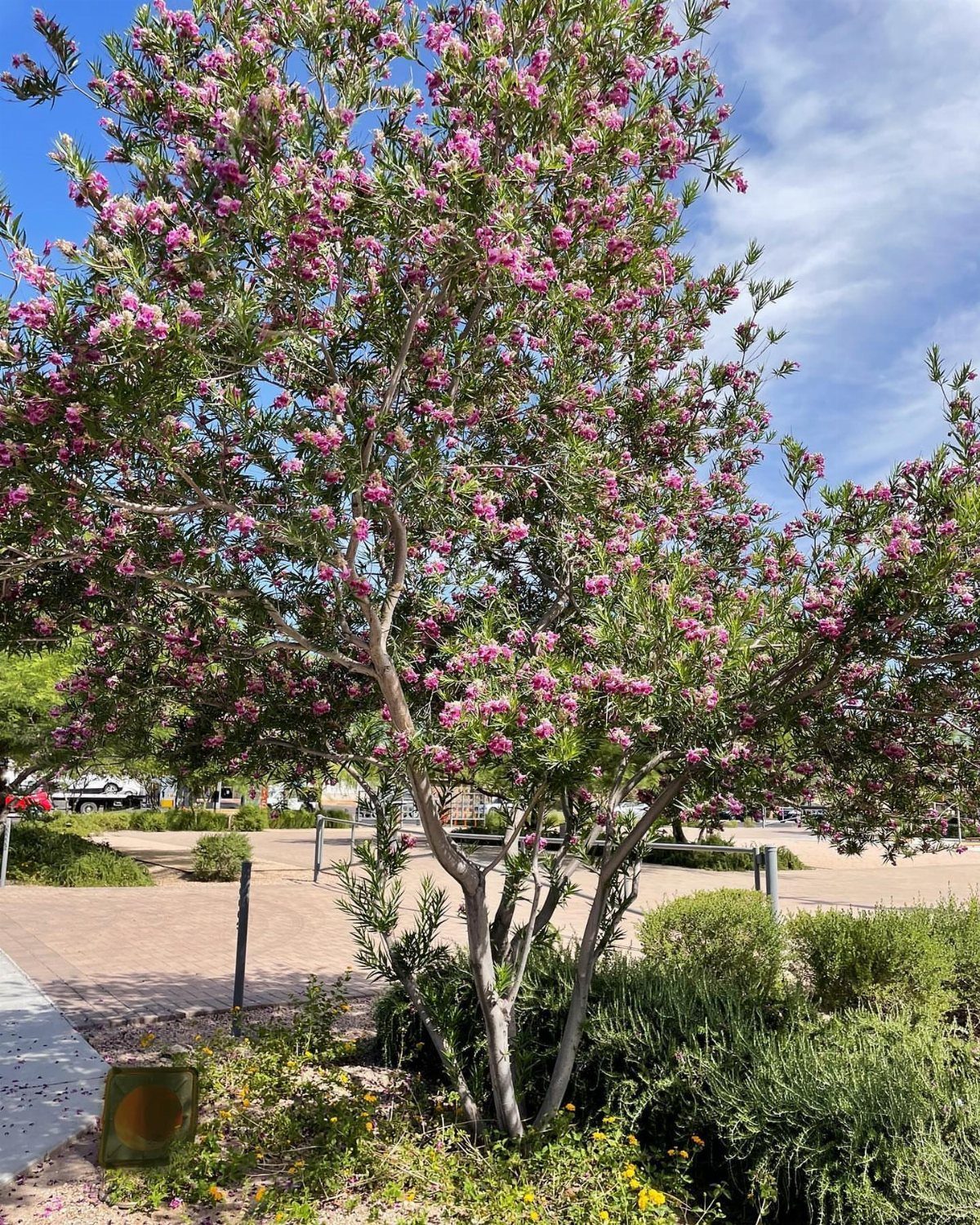
Desert Willow reads as a tree for the Southwest, but it handles any spot with dry summers and sharp drainage.
The pink blooms run for months, not weeks, and the narrow leaves filter light without casting the heavy shade that kills grass beneath.
I would plant it as a multi-trunk form like the one here; single-trunk versions look stranded and the multiple stems handle wind better.
Hummingbird traffic is a real side benefit if you sit nearby. Give it sun, skip the peat-heavy soil amendments, and do not overwater once it is established.


FAST-GROWING PRIVACY & SHADE TREES: Hybrid willow is one of the fastest growing trees available, capable of growing 8–12 feet per year under ideal conditions. Perfect for privacy screens, windbreaks, shade, and property borders.

A RARE FIND:2 Beautiful Globe Willow Trees, Make Awesome Shade
11. Small Trees as Focal Points
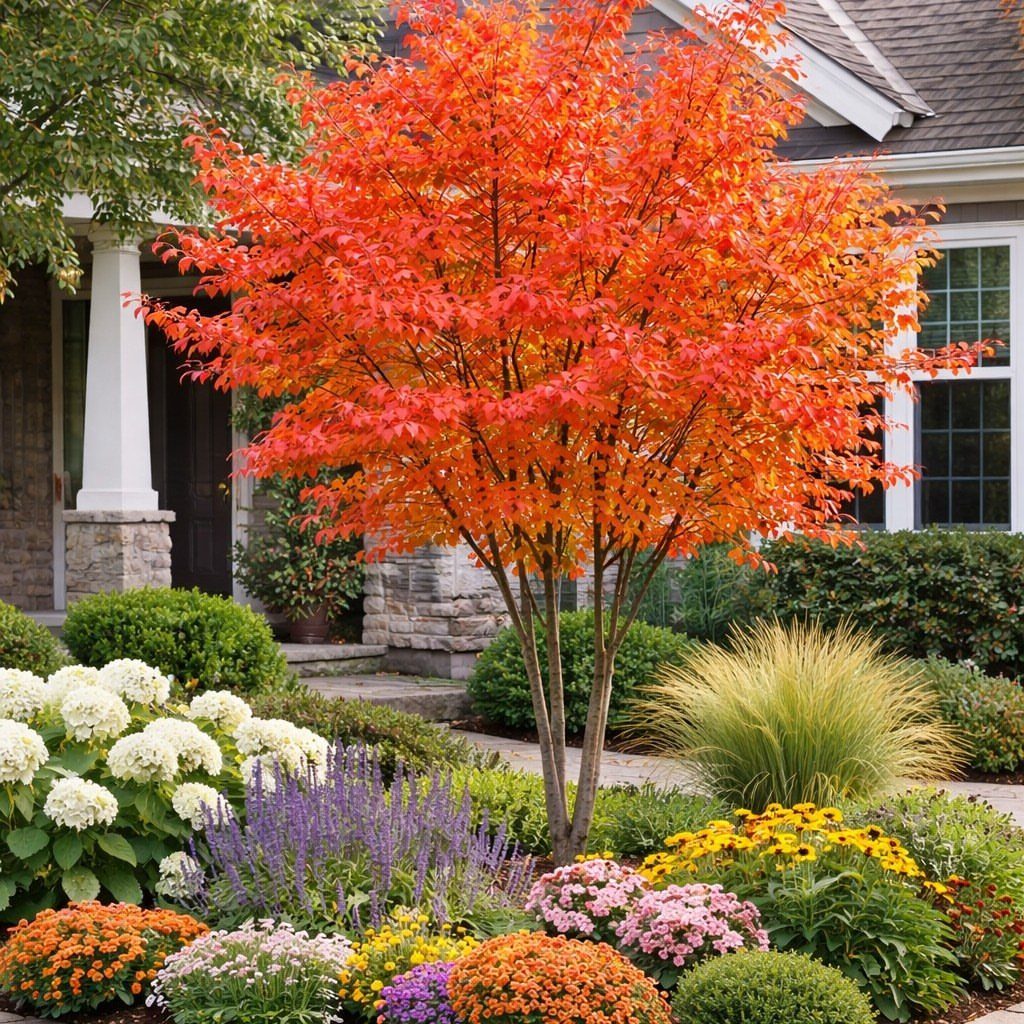
A small tree as the center of a bed gives the eye somewhere to land before the rest of the planting registers.
The orange autumn foliage here against late perennials tells me this one was chosen for that specific week when everything else is fading; I would think about what season my own garden needs the help.
Underplanting with grasses and shrubs at varying heights builds the frame so the tree does not float alone.
Scale matters more than species; a tree that stays small enough to live under your eaves without later pruning battles is the one to pick for a single-story house.
Ornamental trees can also be used to create a focal point in your garden. Fruit trees are also beautiful and can be grown in orchard fashion or incorporated into your garden.
12. Magnolia Trees
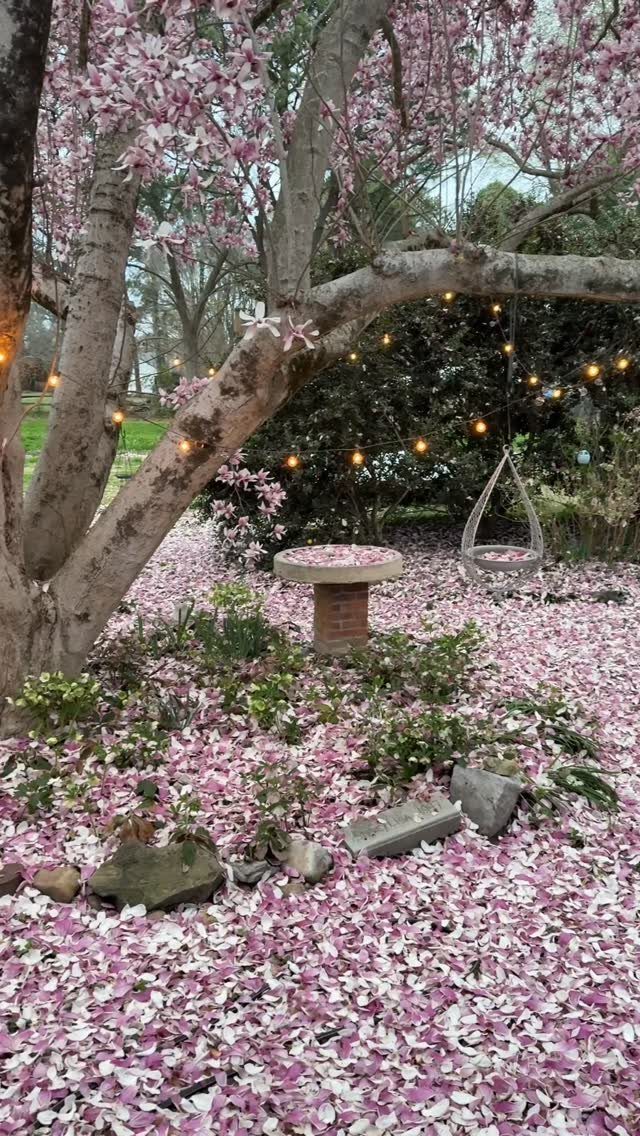
Magnolia flowers are large enough to read from a window and fragrant enough to find with your eyes closed, though the petal drop turns into real maintenance on paving.
The carpet of spent blooms here looks romantic in a photo; I would decide whether I am willing to sweep daily each spring or whether lawn beneath is easier to rake.
String lights in the branches suggest the tree doubles as evening structure, so plan your outlet or solar placement while the limbs are still reachable.
Evergreen types hold leaves year-round; deciduous ones like this give you the flower show and winter light both.
13. Layering with Trees
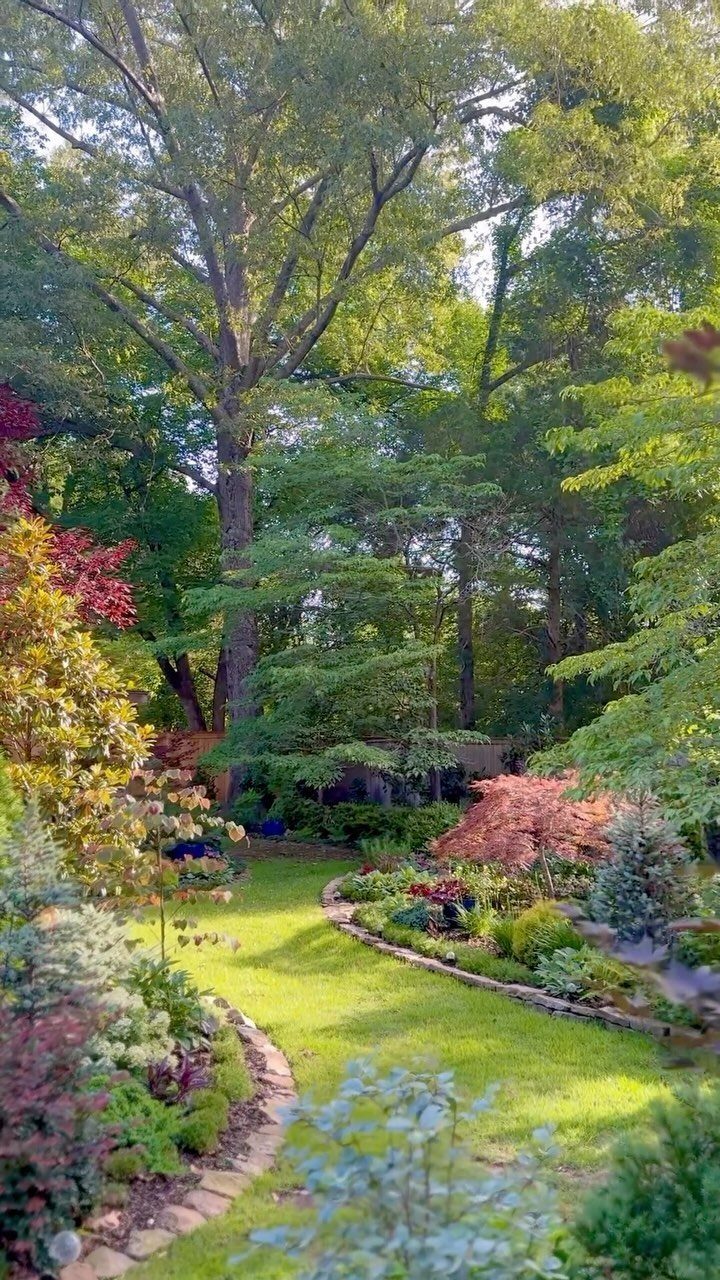
Layering trees by height turns a flat yard into something you read from front to back, the way this path pulls you past Japanese maples and conifers toward the tall canopy behind.
I would start with the ceiling tree, since it sets the light levels everything else must live with, then work down through understory sizes rather than planting all at once and hoping they sort themselves out.
A stone edge like this one keeps the layers visually tidy even when plants overlap their lines.
Check your mature heights against windows and sightlines; a layered view that reads from the kitchen sink is different from one built for walking through.
14. Seasonal Interest
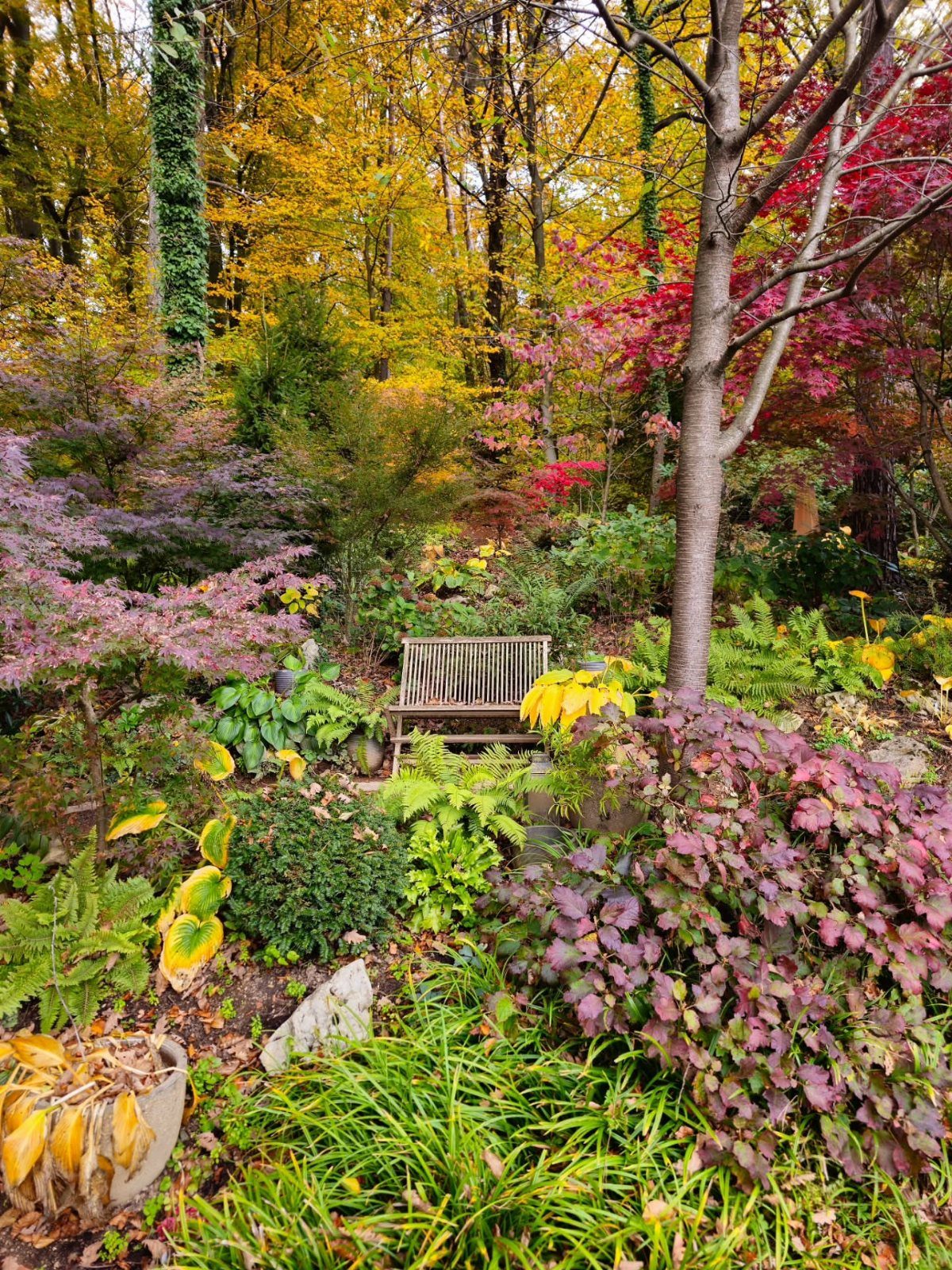
I would map my own garden’s dull season before I shop; most yards need help in late summer or deep winter, and a tree that peaks when you are already indoors misses its purpose.
Japanese maples carry two colors if you pick a cultivar with spring reds that shift to orange or purple in fall, so one plant handles two acts.
The surrounding ground here stays low, letting the hillside read as color blocks rather than individual plants competing.
Planning Before Planting
Start with why you want the tree in the first place. Shade, privacy, fruit, or curb appeal each pull toward different shapes and sizes, and buying before you know your goal wastes money and planting seasons.
For privacy, a row of fast growers spaced at half their mature spread knits together faster than a fence and outlasts it.
Wildlife draws its own crowd. Birds, squirrels, and deer each favor different species, so decide whether that traffic is a benefit or a nuisance before you commit.
Mature Size Considerations
"Dwarf" and "small" on a tag do not mean what they sound like. Research the actual mature spread before you buy, because growth rate and final width catch people off guard.
A rule of thumb: divide the anticipated mature spread in half and plant that distance from any structure. A tree reaching 20 feet wide wants at least 10 feet of clearance from your house or fence.
Check spread against your vegetable beds, your neighbor’s line, and your own sightlines from windows.
A broad canopy that solves one problem can create another by blocking light or heaving pavement. The space that looks generous at planting fills fast.
Maintenance Tips
Spring or early fall is when I plant. In zones 7–9, I prefer fall planting when the air cools but the soil stays warm enough, and winter rains do some of the watering for me.
The root flare, where the trunk widens into roots, needs to sit right at ground level or an inch above; buried flares rot. Water deeply 2–3 times per week the first season; slow soaking for 30–45 minutes beats daily sprinkling.
Mulch 2–3 inches deep in a 3–4 foot circle, but keep it 4–6 inches from the bark itself. Piled mulch rots wood and invites pests.
Design around what you already have.
Shade-loving species go under existing canopy. Compatible plantings reduce competition and disease spread.
A tree is decades of cooling bills, cleaner air, and lower stress. The work up front is small against that return.
Frequently Asked Questions
What is the most beautiful tree for a garden?
Beauty depends on what you want to look at and when. I would pick a Japanese maple if foliage color matters from spring through fall, or a flowering dogwood or magnolia if you want a brief but dramatic bloom.
Eastern redbud sends pink straight from the trunk before a single leaf opens, which looks like nothing else in the yard.
What is the 10/20/30 rule for trees?
This rule says to plant a tree ten feet from any structure for every twenty feet of mature height. I use half the mature spread as my simpler rule, which lands close to the same number for most garden trees.
What are some good trees to have in my garden?
Eastern redbud, Japanese maple, flowering dogwood, and crape myrtle each suit different jobs.
Redbud and dogwood stay small enough for front yards; Japanese maple gives months of leaf color; crape myrtle carries bloom into late summer when other trees have finished.
Match the tree to your hardiness zone, soil drainage, and whether you need shade, privacy, or curb appeal.