The ideas below range from a single afternoon with round pavers and gravel to an embedded river stone walkway that needs some patience with mortar.
What decides which is yours is whether this path is your main entrance or a secondary walk, because that changes the stone shape, the surface texture, and whether you want lighting built in.
[link-whisper-related-posts]1. What Are Stepping Stones?
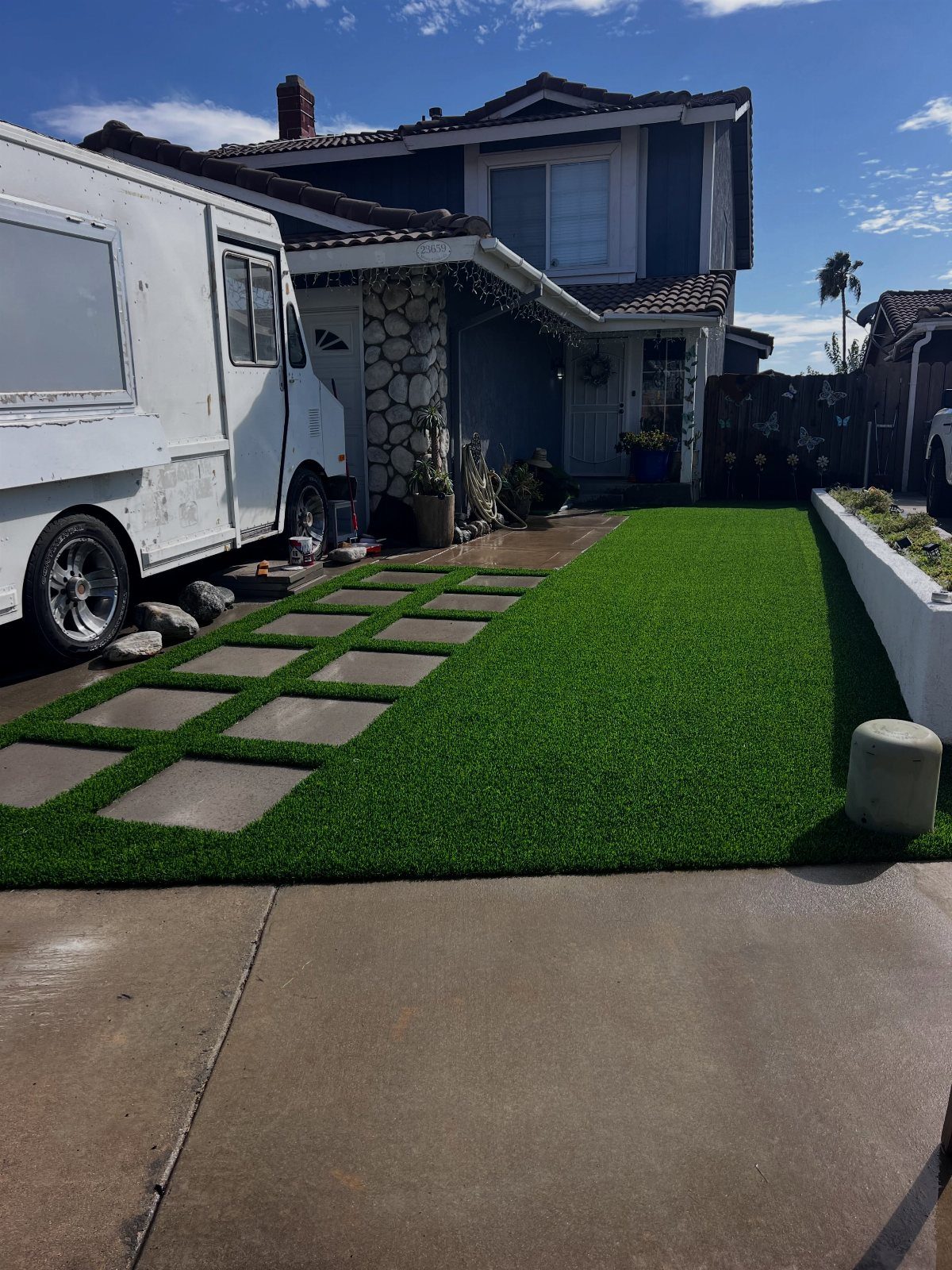
Stepping stones are individual pavers laid with gaps between them, creating a path you walk across rather than a solid walkway.
The ones in this yard sit in artificial turf, which removes the maintenance of grass growing between stones but means you are committing to synthetic ground cover throughout.
Before choosing this, I would check whether your HOA allows artificial turf; many do not.
I would also measure my stride and lay the stones at that spacing dry before setting anything, since the gaps are part of the path and awkward spacing ruins the function.

Sturdy Cast Iron Construction: Lawei turtle stepping stone is made of heavy-duty cast iron with genuine verdigris finish, this metal stepping stone withstands all weather extremes—perfect for year-round outdoor use in gardens, lawns and patios without rusting or cracking.

UNIQUE OUTDOOR WALKWAY SOLUTION: Elevate your garden, lawn, or backyard with BIRDROCK HOME Rubber Stepping Stones. These durable pavers create a functional and stylish walkway, enhancing your landscape while providing a solid and reliable surface to walk on.

RUBBER STEPPING STONES: Elevate your outdoor space with these lightweight simulated flagstone rubber pavers that offer the timeless beauty of real stone without the heavy lifting.
2. Flagstone Stepping Stones
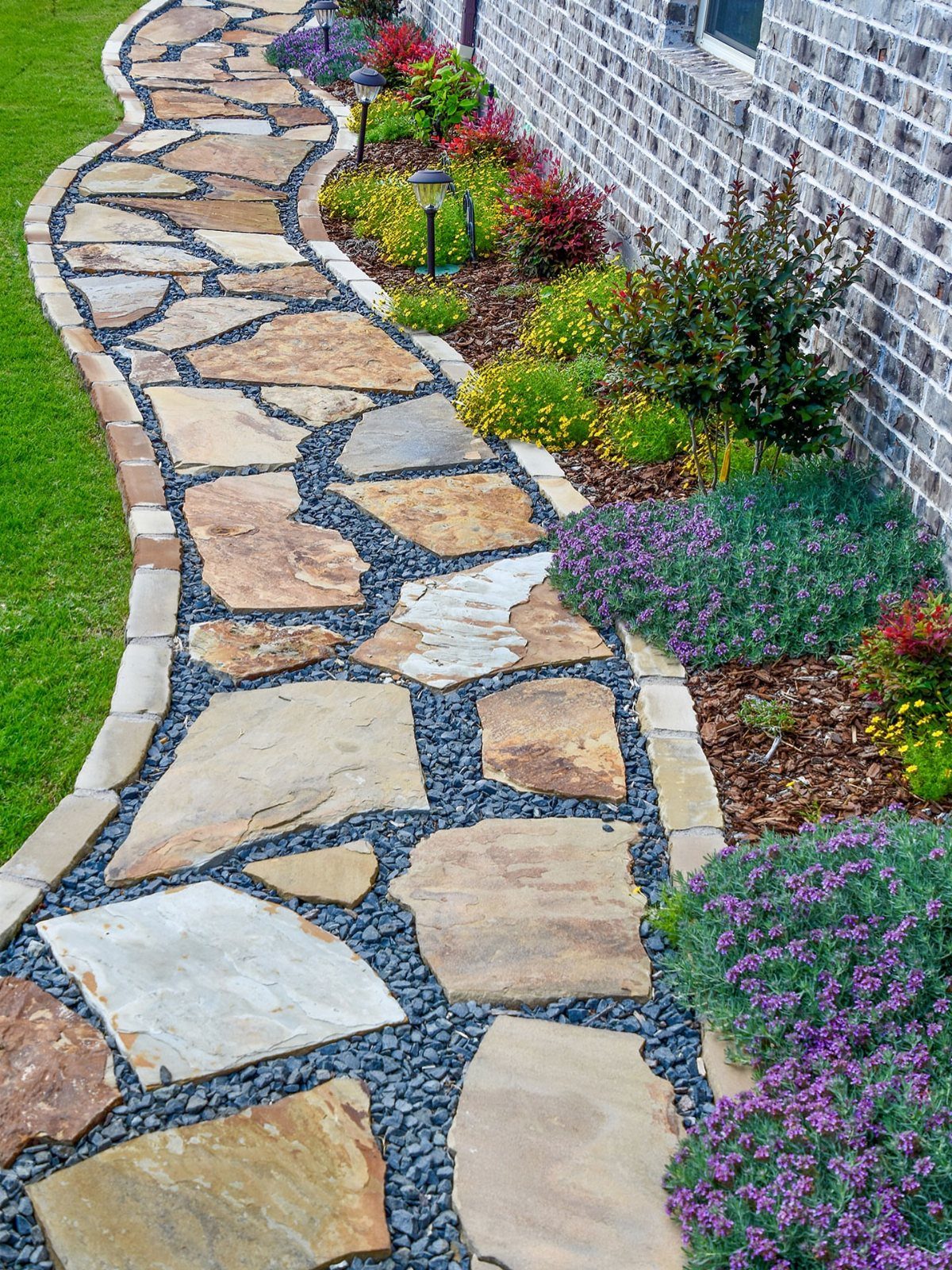
Flagstone stepping stones are irregular slabs of natural sedimentary rock, split along bedding planes so each piece carries its own shape.
The dark gravel between them drains well and stays neat, though it will scatter onto the lawn with heavy rain.
I would order extra stone by square footage to account for breakage and the irregular shapes that do not tessellate cleanly. The cost runs higher than concrete pavers, but the stone weathers in rather than wearing out.

Vintage Charm: Natural gray finish features subtle color variation that replicates the look of weathered stone, adding visual texture to gardens, pathways, and outdoor spaces


NATURAL SLATE - 100% real slate stone will add beauty and realism to your creations. Because these are natural stones, each bag is a mix of stones from 1/4 to 1/2 inches. Product of the USA
3. Linear Pathways
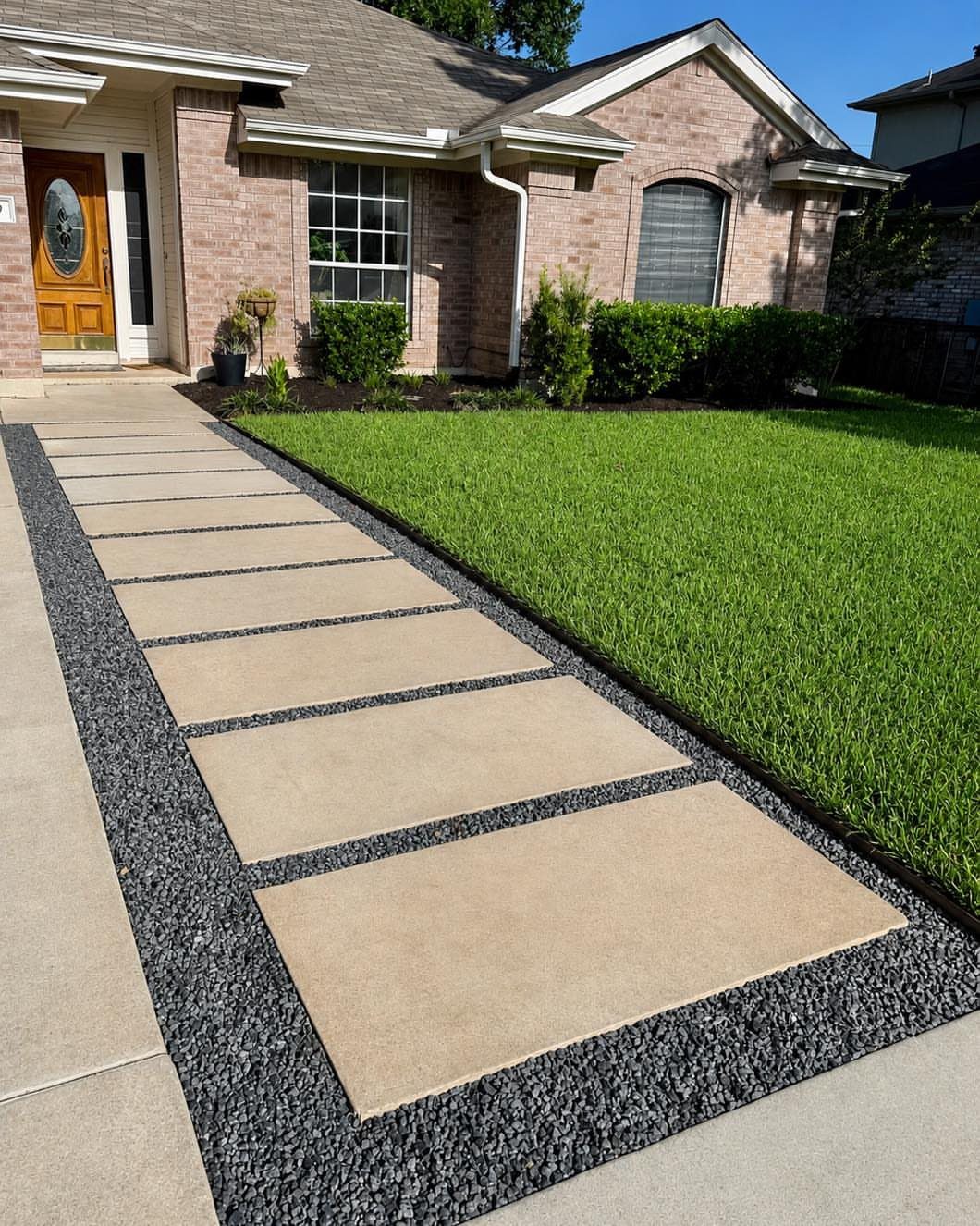
A linear pathway suits a house with a straightforward front facade and a door centered on the yard.
This is the easiest layout to execute yourself because every measurement repeats.
I would mark the line with a string, excavate 4 inches for gravel base plus stone thickness, and rent a plate compactor for one day; without compaction, the stones tilt within two seasons.
The formality works best when the house architecture is equally plain.

This reusable plastic 12-Inch Round Mold can be used over and over again to make your own stepping stone

REAL CONCRETE CONSTRUCTION: Crafted from genuine concrete material, this garden stepping stone offers authentic, natural texture and long-lasting durability for outdoor use.
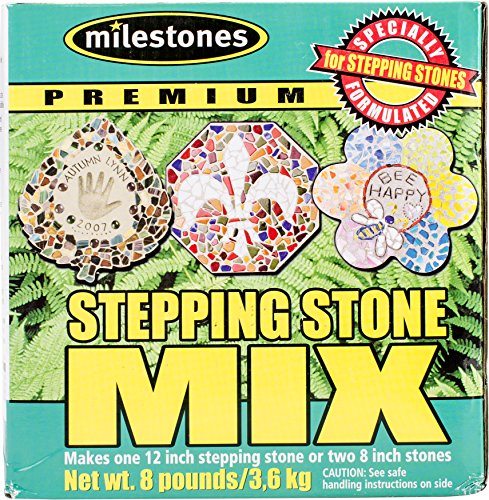
Premium stepping stone mix is a specialized mix of super-fine cement, latex, and curing agents
4. Curved Walkways
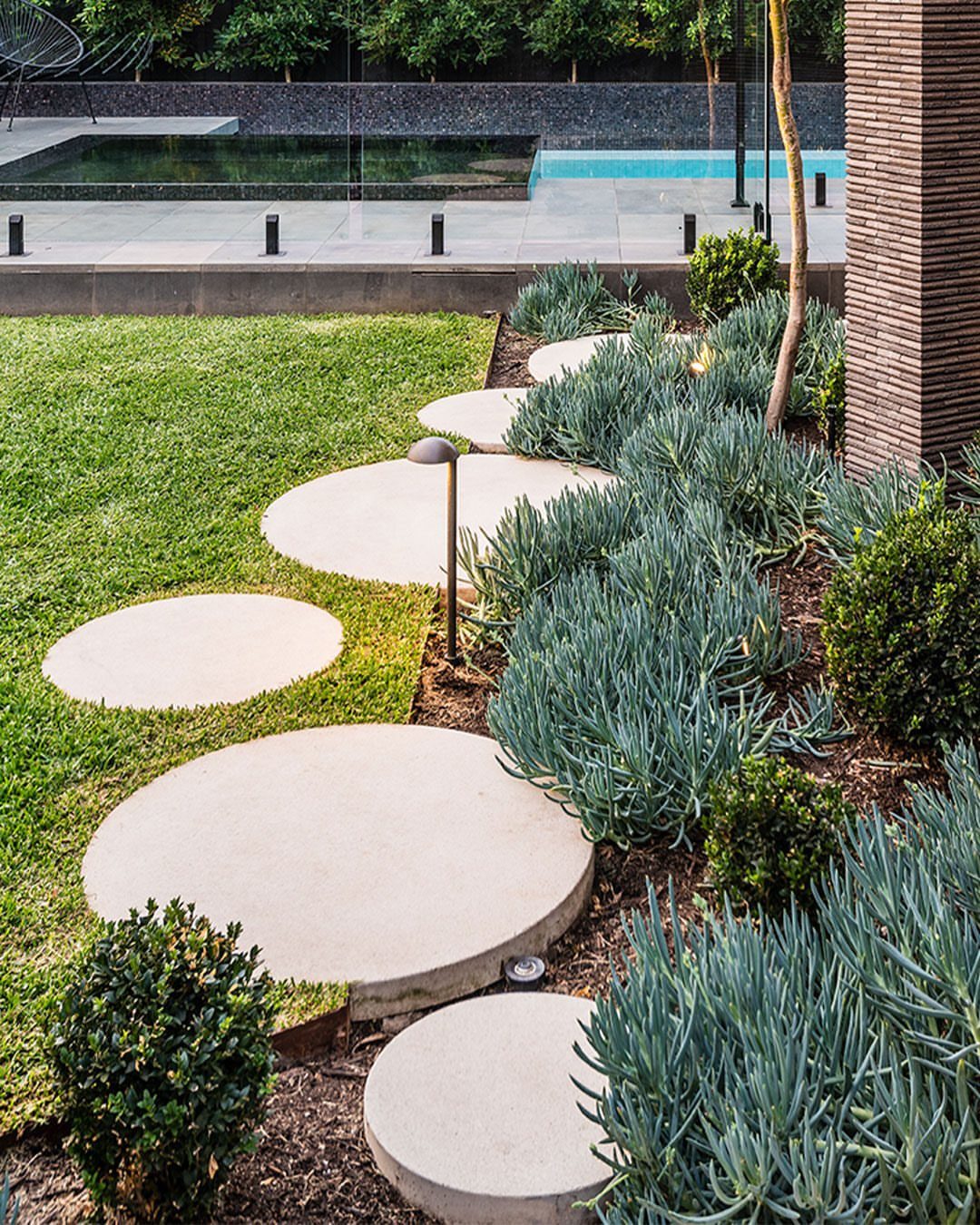
Curving walkways borrow from garden paths rather than architectural lines, and the round stones here emphasize that softness.
Each concrete disc is probably a foot and a half across, spaced so grass grows between them and the curve widens naturally where the lawn allows.
To lay this yourself, I would drive stakes at the curve’s center and swing a string to mark the arc, then adjust stone spacing so the gap stays consistent even as the path bends.
The grass between stones needs edging twice a year or it overgrows the walk; mulch between would lower that maintenance but change the look entirely.

Coastal Shell Design: Add seaside charm to your outdoor space with this shell-pattern garden stepping stone. Designed to elevate garden paths, walkways, patios, and yard displays, this decorative round accent brings a relaxed coastal feel to flower beds, entry areas, and backyard landscaping.
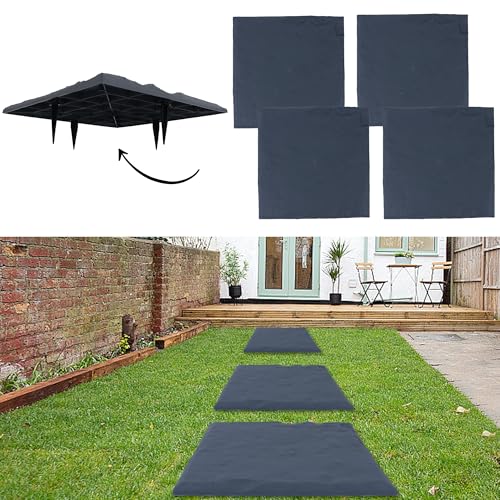
Durable & Easy: These 15.5" stepping stones are made of weatherproof resin, so they can withstand rain, hail, UV rays, and cold temperatures. They also feature four ground stakes for secure installation, making them perfect for patios, walkways, and gardens.

Decorative beautification effect: using unique natural pebbles, can be freely spliced and combined to create a personalized patio path or pattern. It can also be separated into single pieces and flexibly embellished in various parts of the yard, adding natural wild fun. It is a unique and practical decorative element for lawn and garden
5. Stepping Stones with Decorative Gravel Filler
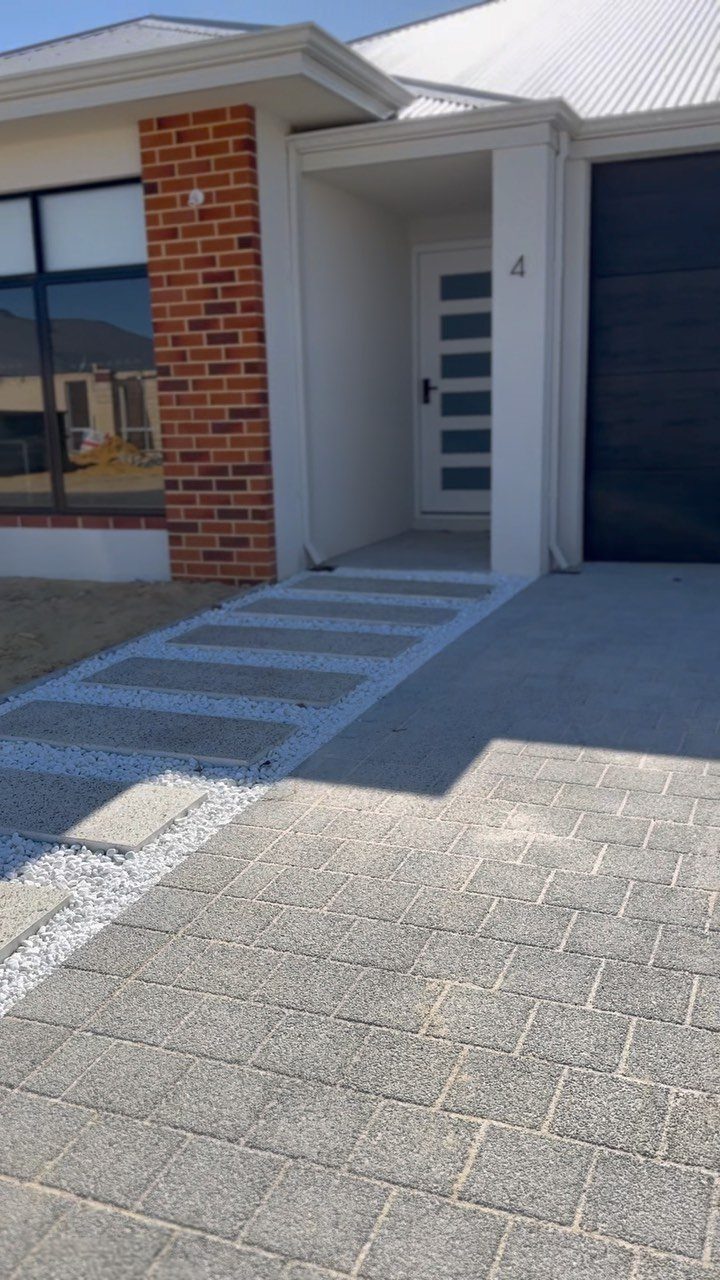
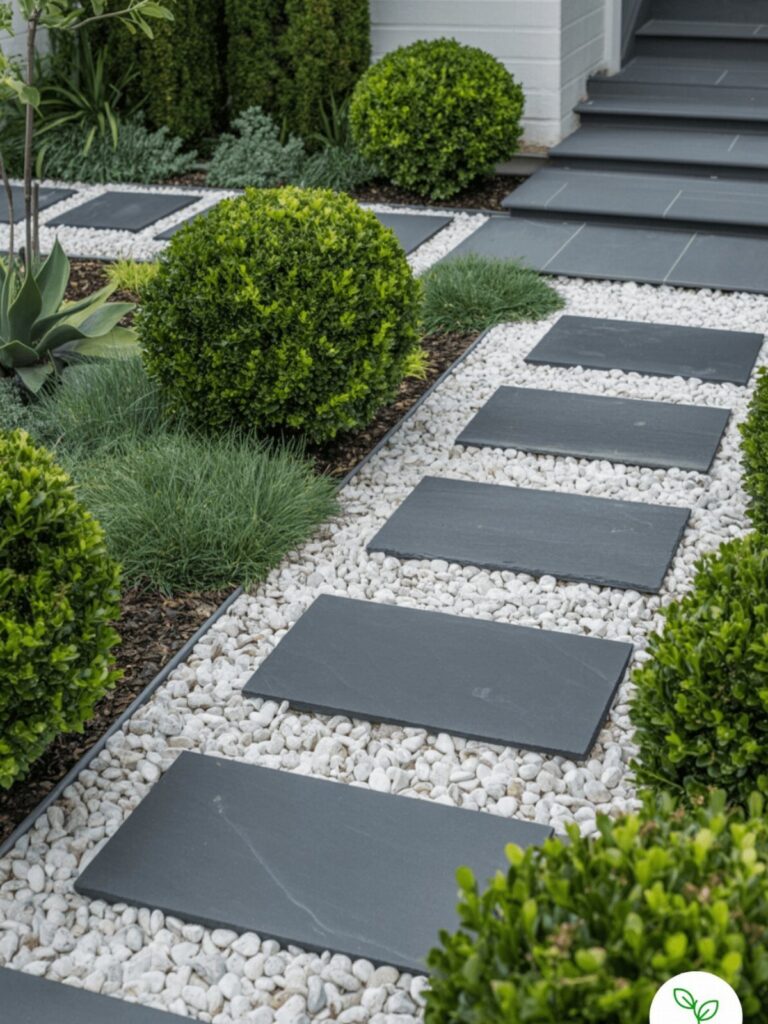
Decorative gravel filler turns the gaps between stones into a visual element rather than leftover space.
I would lay landscape fabric beneath the gravel or expect weeds within the first year; the fabric adds cost per square foot but saves hours later.
White gravel shows dirt and leaf stain more than grey or tan, so this suits a yard with mature trees already handled or none at all. The modern house style carries the choice.

【Superior Material and Detail】Our permeable paver system, made entirely from 100% recycled plastic, offers superior durability and strength. The set comprises 12 units, each 1.6 inches deep, and covers 32 square feet. This gravel paver solution provides an efficiently and long-lasting option for various applications.
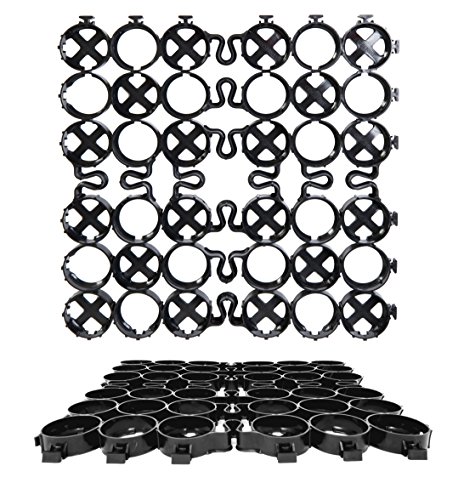
EASY TO USE: Our lightweight permeable pavers are easy for any level of DIYer to install; Feel proud of your own outdoor home improvements!

【Natural River Stone】Our stepping stones, made from river rocks, are naturally stunning. Each stone, crafted from genuine river stones, retains its natural texture to highlight its intrinsic beauty. With their unique natural colors, they can create an eye-catching garden path for your patio.
6. Embedded River Stone Walkway
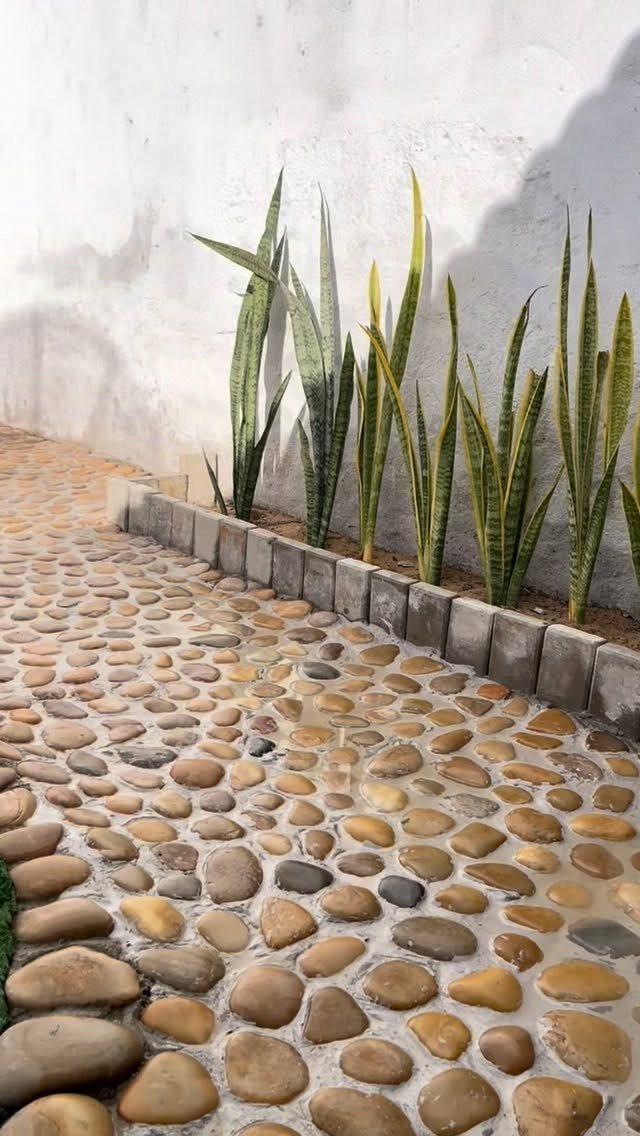
Embedded river stone is a poured concrete walkway with smooth rounded stones pressed into the surface before it sets, giving texture underfoot and a mottled visual.
The concrete border pavers here separate this path from planting beds and keep the edge clean where the river stone field meets the garden.
This is not a beginner project; the concrete sets fast and stone placement is permanent once cured. I would work in short sections so one person can press stones before the surface skins over.
The smooth stones are slippery when wet, so I would skip this for a primary entrance in rainy climates and keep it to secondary paths.

【100% Natural Polished Pebbles】Crafted from hand-picked natural river rocks, these stepping stones feature smooth, polished surfaces with varied earthy tones. Each stone is securely mounted on a durable, high-density felt/mesh backing that is water-resistant and built to withstand rain, sun, and heavy foot traffic without falling apart.

Weather-Resistant & Built to Last: Crafted from durable PC+ABS resin, these stepping stones are heat-resistant, crack-proof in freezing temps, and impact-resistant. Designed for year-round outdoor use, they won’t fade, warp, or lose their shape—rain or shine.
7. Stepping Stones Set in Grass Lawn
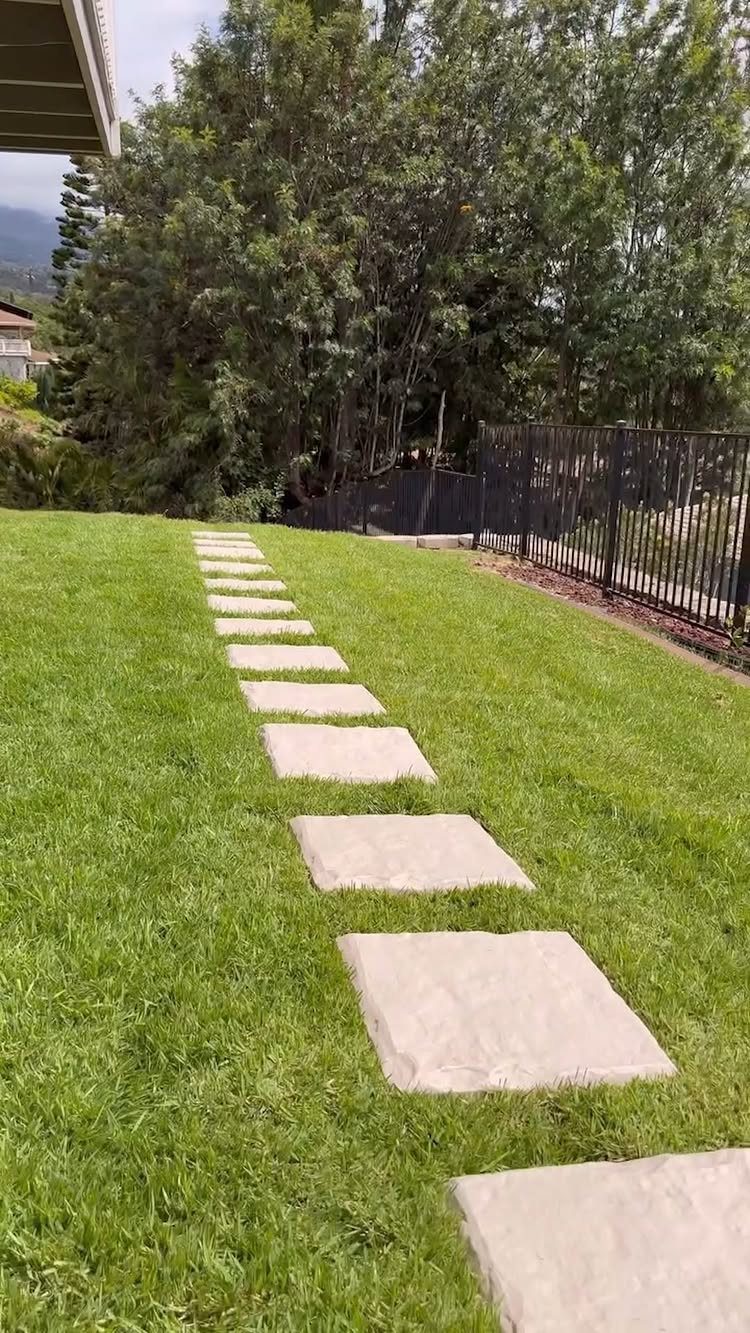
Rectangular pavers dropped flush into living turf give the most traditional front-yard look of any path style I know.
Grass grows right up to each edge, so the mower needs to clear the stone height by a quarter inch or the blades chip the edges.
I would check my mower deck height against the paver thickness before buying anything. The stones here sit large enough that two full strides fit on each one; smaller rectangles turn into a hopscotch course.
This suits a lawn you already maintain well. The grass between stones needs the same water and feeding as the rest of the yard, and bare patches show fast if your irrigation misses.
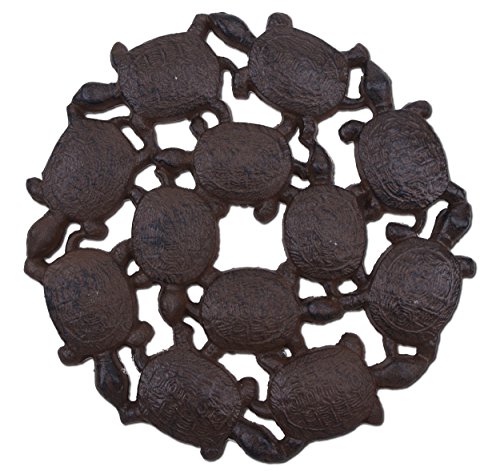
Decorative Baby Turtles Yard & Garden Stepping Stone!
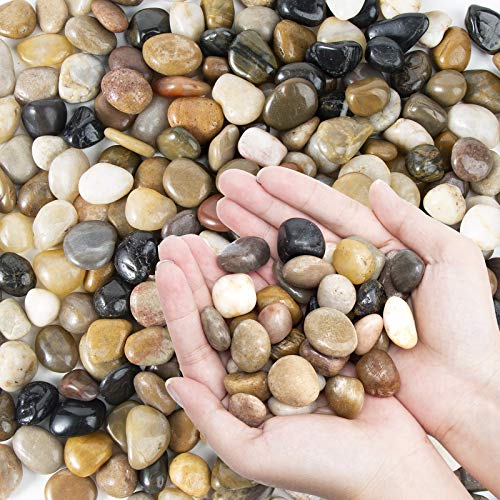
Natural Stones: This river rocks are natural lightly polished for smooth effect, comes in a variety of natural colors, Resists fading for long-lasting beauty. The color of this river rock is natural so it may include a variety of different shades of browns, whites and black rocks. (rocks are natural and as a result some may be broken or out of shape, oval or round, thick or thin.

Vintage Charm: Brushed teal finish offers a distinctive color with a subtle patina effect, adding character and providing a unique decorative touch to gardens and outdoor spaces
8. Stepping Stones Set in Mulch
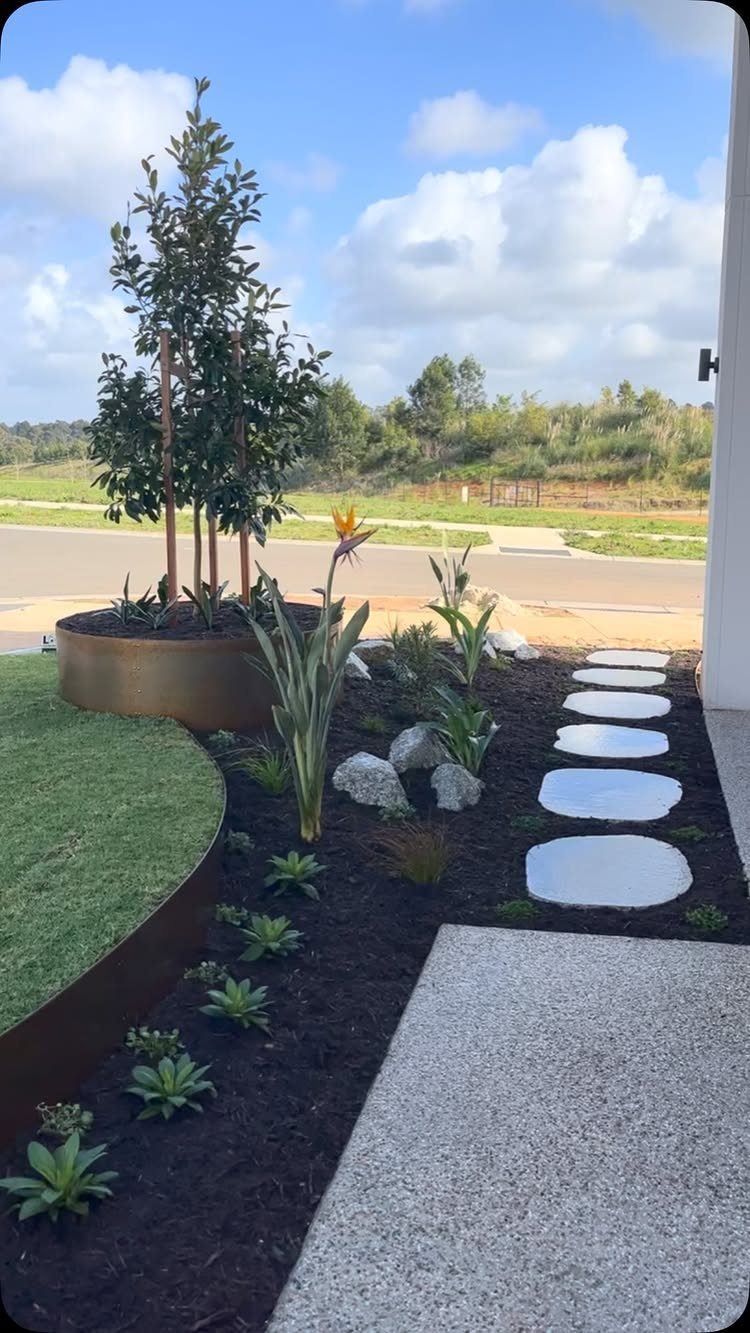
White circular pavers floating on dark mulch read as deliberate contrast rather than afterthought, and the mulch bed gives more flexibility than cutting into lawn.
The metal edging visible against the concrete walk is doing real work; without it, mulch migrates onto pavement every rain.
I would install that edging first, then lay the stones, then fill mulch to half their height so the surface stays walkable.
The stones here look like poured concrete rather than cut stone, which keeps cost down and the circles perfectly regular.
This path works when you want planting space close to the walk; the mulch bed is already a garden zone, not grass you are sacrificing.

Package Includes: You will receive 6pcs round stepping stone molds in 3 varying sizes. The inner diameters are approximately 8.86'', 10'', and 11.22'', while the outer diameters measure around 10.16'', 11.42'', and 12.68''. The stepping stone mold is suitable for crafting concrete or stained-glass garden stepping stones in different sizes.
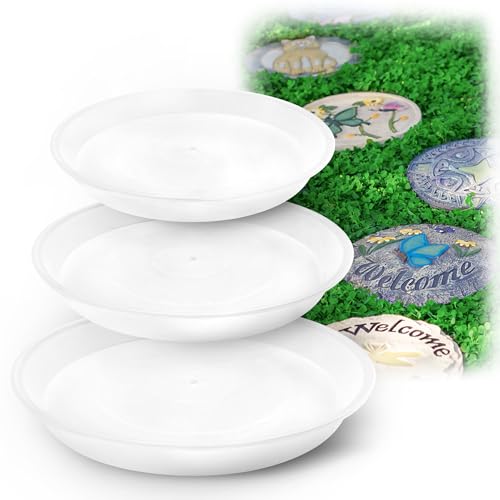
Round Stepping Stone Mold:You can use our round concrete moulds in your garden and on your pavements, pavers in a variety of sizes to suit your needs. For you to create a beautiful stepping stone, passage, garden walkway

Round Stepping Stone Mold:You can use our round concrete moulds in your garden and on your pavements, pavers in a variety of sizes to suit your needs. For you to create a beautiful stepping stone, passage, garden walkway
9. Illuminated Stepping Stone Walkway
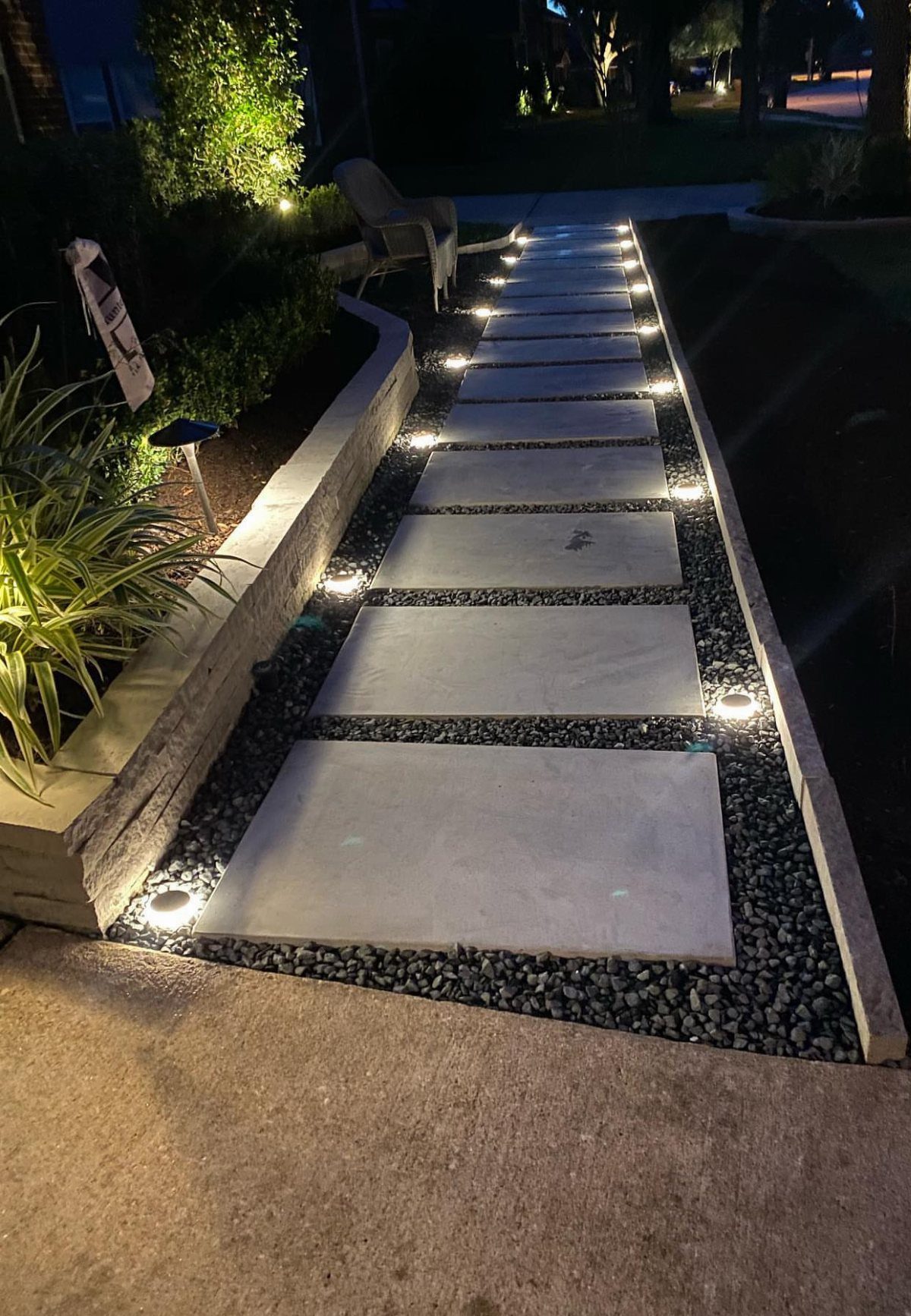
Ground-level disks flanking each paver turn a utilitarian path into something you use after dark without thinking.
Low-voltage LED fixtures like these tap into a transformer on a 120V outlet, and the wiring runs in conduit beneath the gravel base.
I would plan the electrical before any excavation; retro-fitting means lifting stone and base to trench. The fixtures sit below mower and string-trimmer height, but leaves collect around them and need clearing or the light pattern turns spotty.
Running cost is pennies per night, though the transformer draws standby power always. I would put this on a switch inside the house, not a timer I forget to adjust with the seasons.

Inspired by Sunflowers: these stepping stones emphasize the beauty found in nature; The sunflower design is thoughtfully crafted to express a playful personality and charm that elevates the atmosphere around your surroundings; Please note that our stepping stones for garden are made of metal sheets, which are more heavy duty, that witness the stunning combination of nature and artistry embedded in each stone

【Natural Stones】This river rocks are natural lightly polished for smooth effect, comes in a variety of natural colors. Resists fading for long-lasting beauty
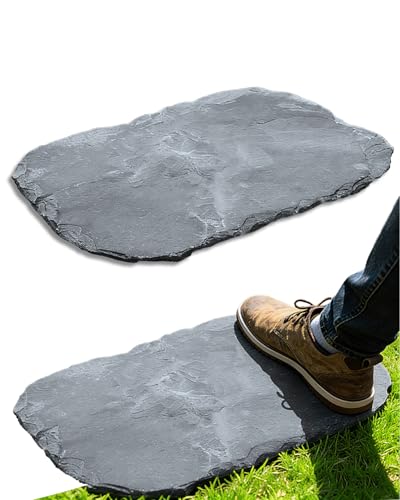
【Natural Stone】Made from natural stone, each stepping stones preserves its unique texture and natural, irregular edges, adding distinctive beauty to your garden, pathway, or lawn. Each walkway pavers outdoor measures approximately 12''×16'' (typically within ±1.5in for size)
10. Round Stepping Stones
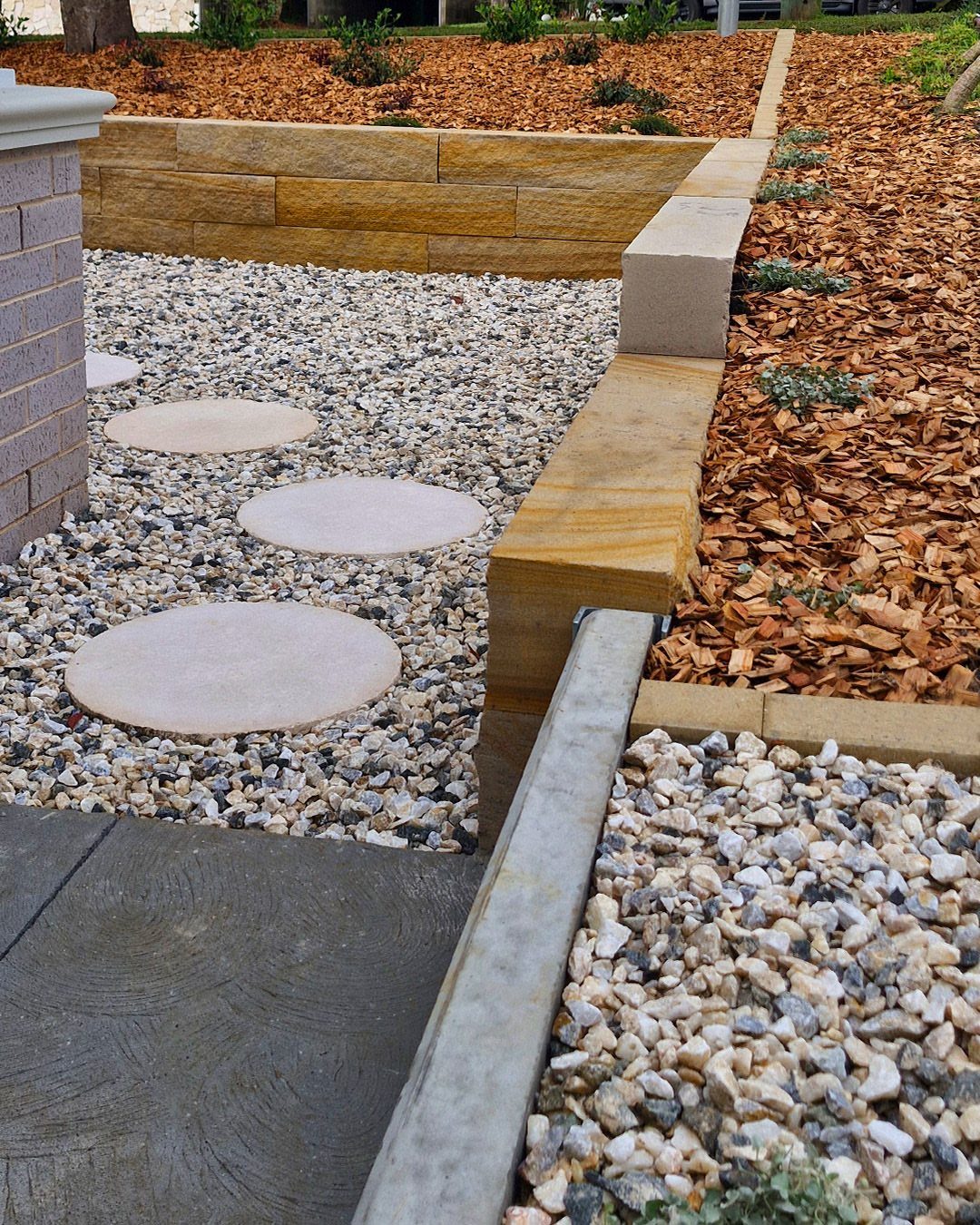
Circular pavers in loose gravel are the easiest shape to lay yourself; no edges to align, only center points to space.
The grey and white pebble mix here is river rock, deep enough to hold the stones steady but not so deep that the surface rolls underfoot.
I would put down landscape fabric first, or expect the gravel to sink into soil and need topping off sooner than you want.
The sandstone wall alongside gives this its color logic; without that warm tone nearby, the pale circles can look stranded.
Round stones force a slower walk, which I like for a secondary path. For a main entrance I would choose rectangles that let a natural stride flow.

Solid Durble Ground Grid: The ground grid paver is made of HDPE material, tensile, which is supersonically welded for durability; Light weight, abrasion resistance, stable performance

DURABLE: The grid pavers are made of high density polyethylene (HDPE) material, which is environmentally friendly, tensile, light oxidative aging, acid and alkali resistant, and suitable for different soil and desert conditions.

【 2/4 inches Thick Multi-purpose Geocell Grid 】 Our geo grid is perfect for installations on slopes and/or flat areas. The ideal solution for all sorts of projects - from light load pads, landscaping, patios, walkways, parking areas, and anything that needs to withstand a light load while maintaining the structure!
Safety Features
Textured stone with a rougher finish is the main safety reason I would choose natural stone over smooth tile or polished surfaces for a path that sees rain or sprinkler spray.
Natural cleft bluestone, the textured surface Wicki labels with its Karney trademark, gives grip underfoot that polished or sawn stone does not. The irregular top catches shoe tread where a flat surface would skate.
For gravel-filled paths, the base matters more than the surface.
Without the 4-inch compacted gravel base the list calls for, stones tilt and create trip edges within a season or two. I would rent that plate compactor even for a short walk; hand-tamping leaves soft spots that settle later.
Mulch or decorative gravel between stones protects plants from foot traffic that would compact soil and break stems, which keeps the path usable in wet weeks when bare ground turns muddy.
Aesthetic Benefits
The filler between stones does more visual work than most people notice. Each choice changes what the path says about the house it leads to.
Irregular flagstone pieces fit like a puzzle, and that variation is the texture that keeps a path from looking machine-made.
Pattern-cut stone is available, but I prefer the natural cleft pieces where every slab differs. More waste and a harder layout come with the territory; you are buying extra square footage to find shapes that fit together without gaps.
Spacing is where you customize. Tight gaps suit a formal approach; wider ones let thyme or moss colonize the cracks for a garden look.
Bluestone carries a regional palette, grey-blue with tan veining, that suits certain house colors and clashes with others. I would lay 3 samples against my siding before ordering a pallet.
Frequently Asked Questions
How to layout stepping stones?
Space stones 18-24 inches apart to match a natural stride, and lay them dry first to check your personal spacing before setting anything.
I would measure my own stride rather than defaulting to a number, since awkward gaps ruin the path’s function.
Curved paths need a stake driven at the center with a string swung to mark the arc; the stones then get adjusted so gaps stay even through the bend.
What is the cheapest option for a garden path?
Stepping stones cost less than continuous paving because you buy only the surface area you step on, not a solid walkway. Mulch or gravel filler between stones is cheaper than cutting into lawn and maintaining grass in the gaps.
Is it cheaper to make stepping stones?
Pouring your own concrete circles or rectangles saves on material markup but requires forms, mixing, and curing time that a weekend project may not accommodate.
I would price bagged concrete and form lumber against precast pavers at a local supplier before deciding whether casting your own makes sense.
Smooth self-cast stones are also more slippery than textured commercial pavers, which affects where I would use them.
Where can I find colorful stepping stones?
Sandstone carries warm tones and bluestone runs grey-blue with tan veining; for brighter colors, painted concrete or ceramic pavers are what I would look for at a garden center or tile supplier.
For brighter colors than natural stone offers, concrete suppliers tint cast pavers; I would call local mason yards rather than big-box stores for those options.