The 15 ideas below range from a free afternoon with soup cans to a weekend with pallets and wall slats. Which one fits comes down to whether you need portability, permanence, or something in between.
A single row of cinder blocks 2 high needs nothing but gravity to stay put, yet a prefab slat panel with cylinders can fake the same look without the sawdust.
[link-whisper-related-posts]1. Ladder Planter
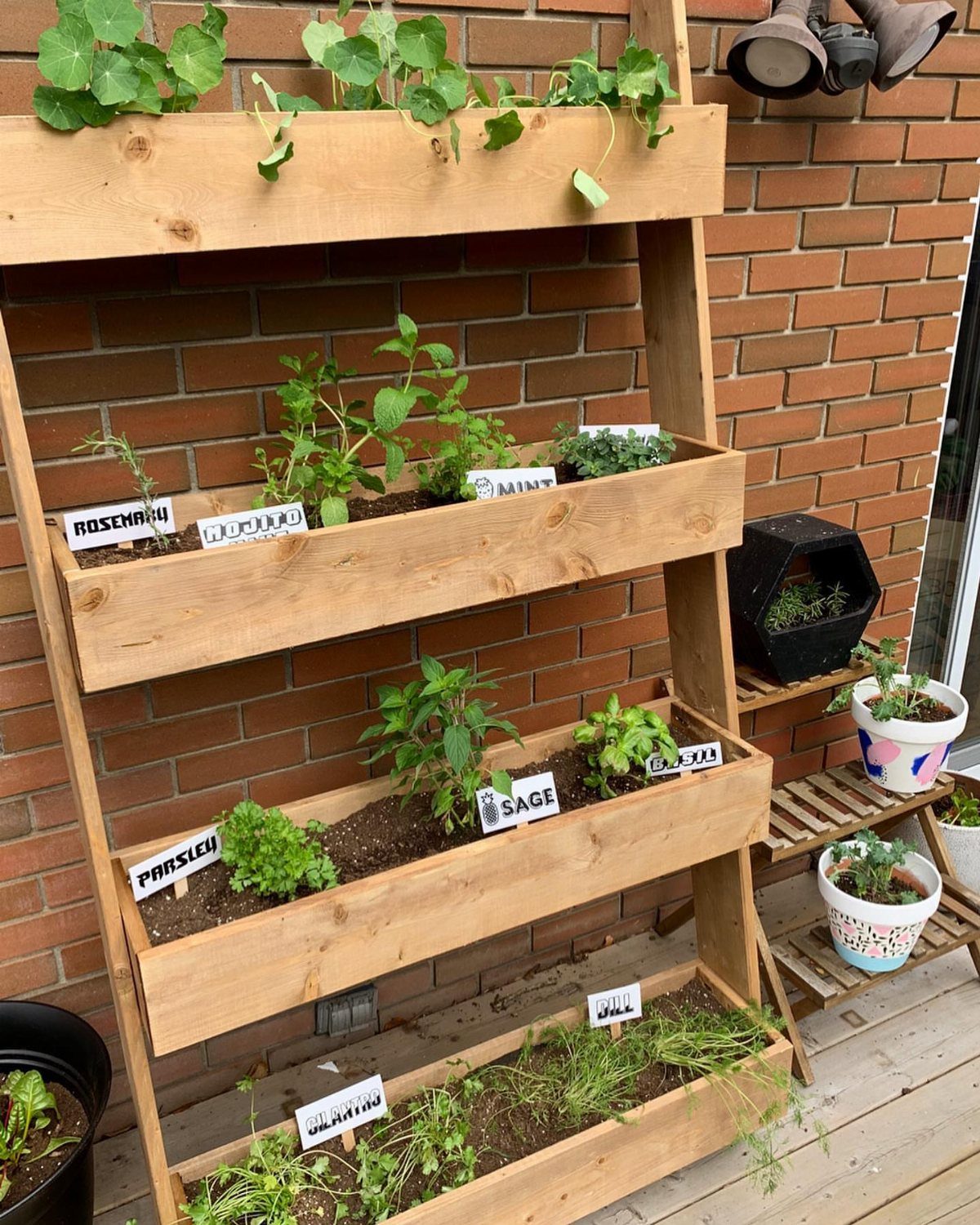
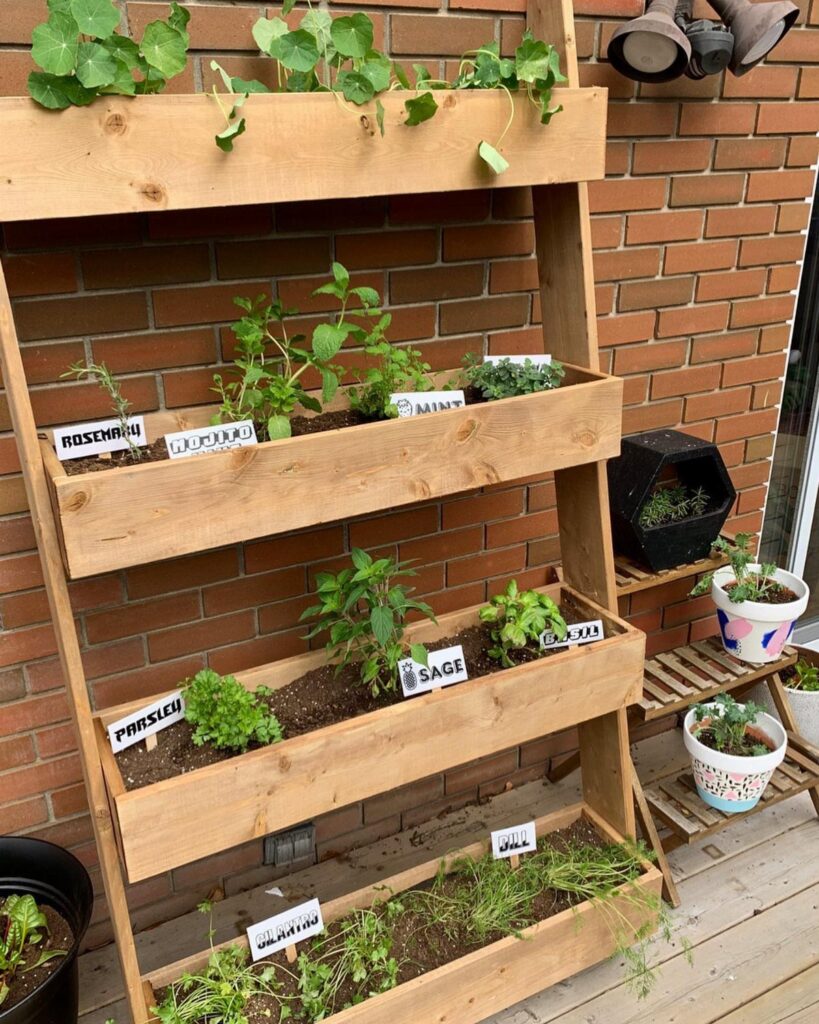
A leaning ladder planter gives you vertical growing space without building anything permanent. I like that the slanted tiers drain naturally and you can move the whole unit if the sun shifts through the season.
Check that your ladder is solid wood, not composite or laminate, since soil moisture will swell cheap materials fast. Root herbs like dill and cilantro need deep soil in each tier; shallow-rooted parsley can manage with a bit less.

Spacious 5-Tier Growing Area: Designed with 5 separate planting boxes, this garden planter provides generous room for growing fruits, succulents, vegetables, or colorful flowers while keeping your gardening area neatly organized in one place.

2. Tin Can Herb Planters
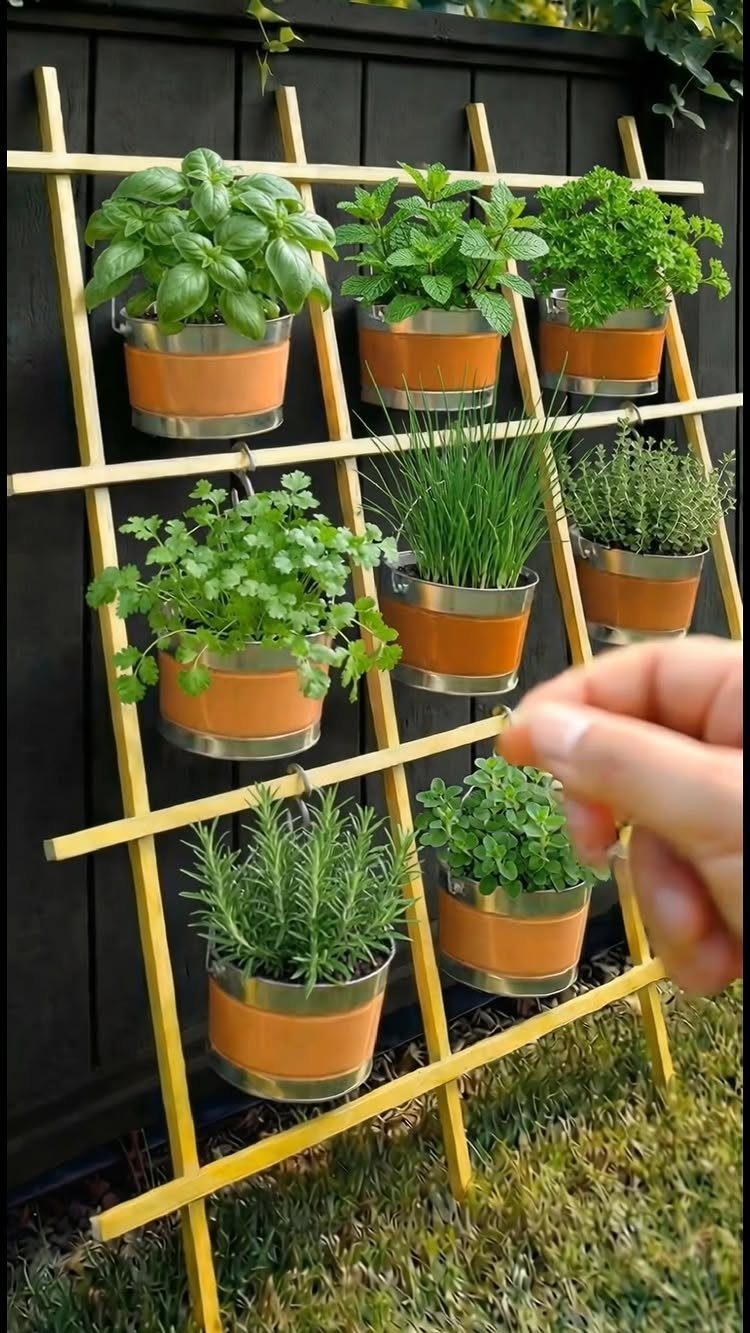
Save your clean soup and coffee cans, punch 2 holes near the rim with a nail, and hang them from any trellis or fence you already own.
The metal holds heat, which basil and rosemary actually prefer; lettuce and cilantro would cook in full sun.
Paint the outside with leftover exterior paint to slow rust, but leave the inside bare or line it with plastic so no coating leaches near your food.
One person can hang a row of cans on a trellis in an afternoon.

VERSATILE WALL DECOR: Perfect for flowers, herbs, succulents or faux greenery. Ideal for indoor walls, balconies, patios, kitchens, or entryways.

3 Tiered Hanging Herb Garden Set: the package includes 1 piece of 3 tiered hanging vertical planter shelf, suitable for decorating kitchens, living rooms, offices, balconies and other places, and 12 pieces of plants pots, ideal for growing herbs, cacti, and so on; Please note that we provide you with non marking nails and hooks for easy hanging
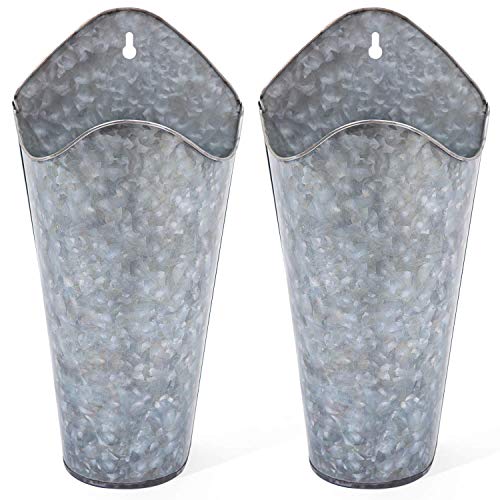
This is a unique set of two galvanized metal wall mounted planters, match flowers or any artificial greenery. Adds rustic and country sense for household style, ideal for home decoration to display plants. Helps to beautify and purify your house, perfect addition for livingroom, bedroom, bathroom, dining room, kitchen, indoor or outdoor and any occasion
3. Pallet Herb Garden
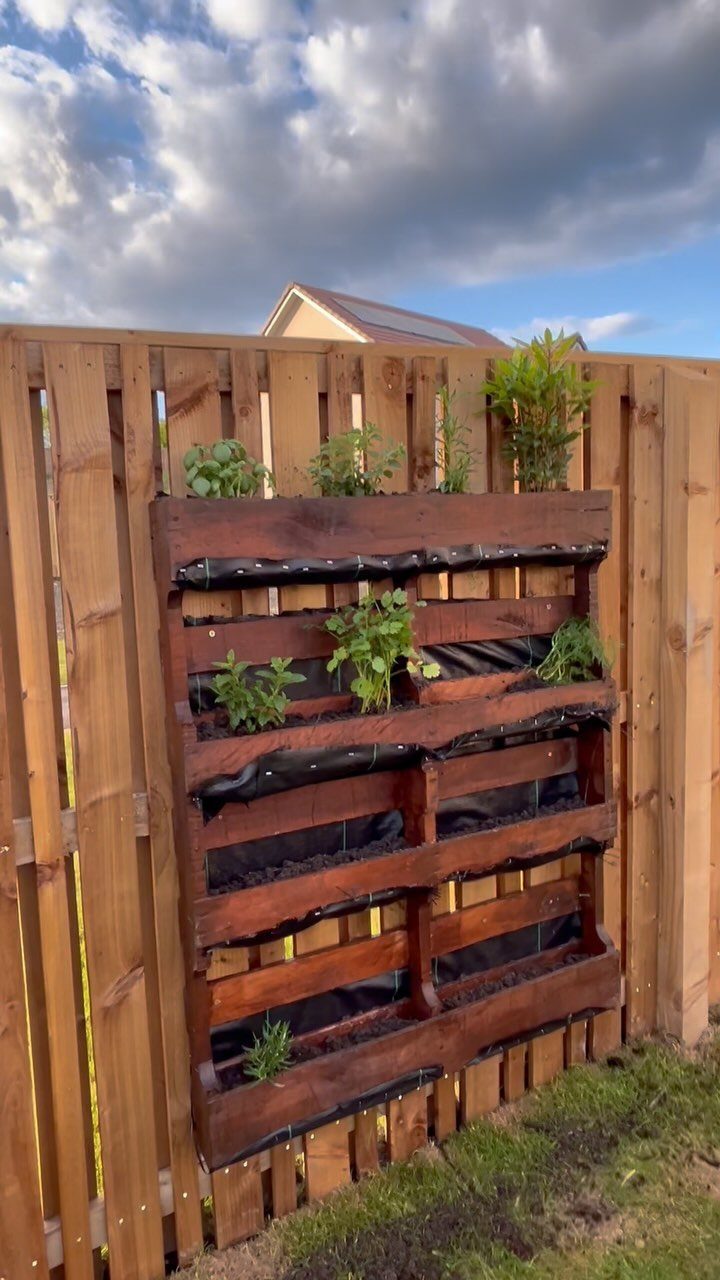
Pallets split the difference between store-bought planter and built-from-scratch bed. The slats already spaced for forklift forks become your planting rows once you line the back and bottom with landscape fabric and fill with soil.
I would stain rather than paint, since paint flakes into soil over seasons of watering and root disturbance.
A standard pallet holds a full row of herb plants if you use both faces; mount it on fence posts, not directly against siding, so air can pass behind.

Complete All-In-One Kit - No need to buy separate supplies. This herb starter set comes with 4 plastic planter pots, 4 soil discs, 4 plant markers 4 heirloom herb seed packets, and essential planting tools—everything you need to start your indoor herb garden immediately.
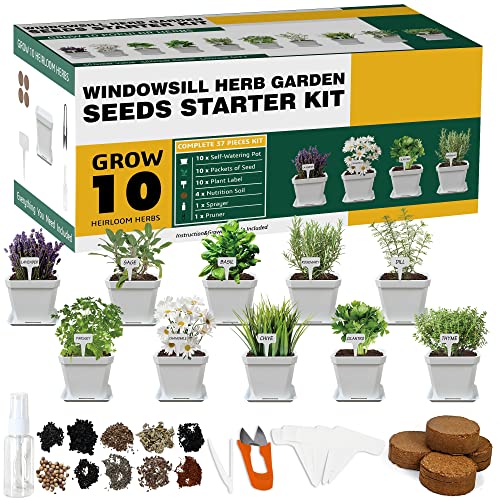
MEET ALL NEEDS FOR HERB GROWING: Package comes with 10 types of herb seeds, 10 pots, 10 plant markers, 4 soil discs, 1 water bottle, 1 mini metal pruner, and an instruction & growing guide. The herb grow kit is super simple and easy to use, perfect for garden beginners.

COMPLETE INDOOR HERB GARDEN KIT: This ROOTCRAFT herb growing kit includes everything you need to start your herb growing journey. It's perfect for kitchen, windowsills, balconies and patios, elevating your indoor space with a vibrant array of gourmet herbs
4. Mason Jar Herb Garden
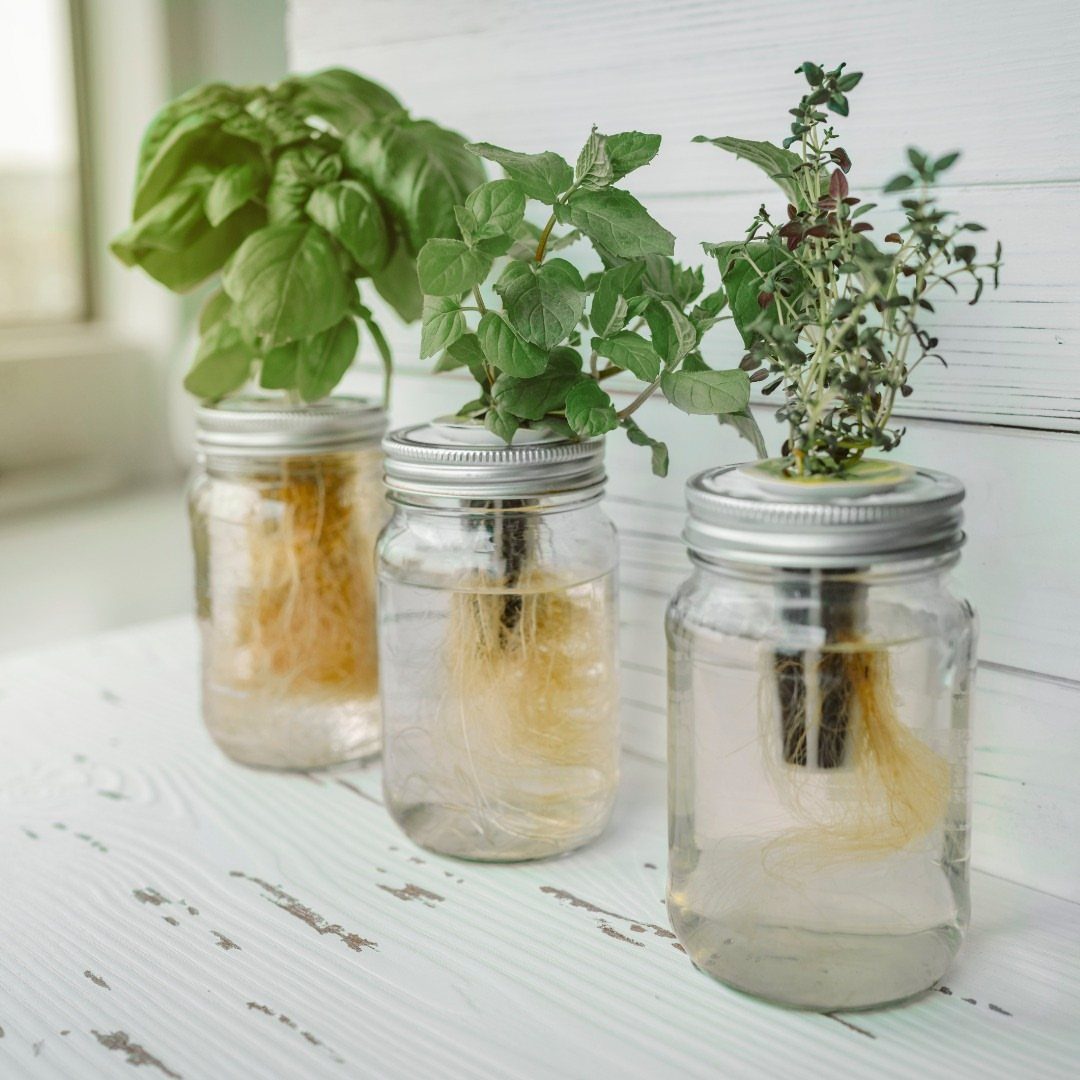
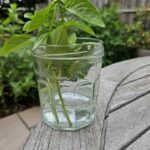
Root herbs in water through the glass, then transplant most of them or keep changing the water indefinitely for a windowsill display that never needs soil.
Mason jars work because the straight sides do not trap moisture against the stem the way curved vases do; change water before it clouds.
Basil and mint root readily in plain tap water; woody rosemary and thyme usually need rooting hormone to succeed this way. I keep these on a kitchen sill where I will actually snip them.

【Material】: The spherical glass vase is made of high borosilicate glass, with a simple round shape, and a jar wears a bamboo saucer. The cork lid can be easily set and poured with water. glass vase Size: 3.9*3.9inch

QUANTITY - This package includes 6 plant propagation jars, the simple and elegant design fits any home decor and makes heart-warming gifts.

Comprehensive 12 Piece Set: this hydroponic herb planting kit provides a comprehensive 12-piece set, includes 12 mason jars, 12 planting baskets, 12 pre-seeded growing plugs, and 12 water absorbent cores to meet all your planting needs
5. Centerpiece Planter
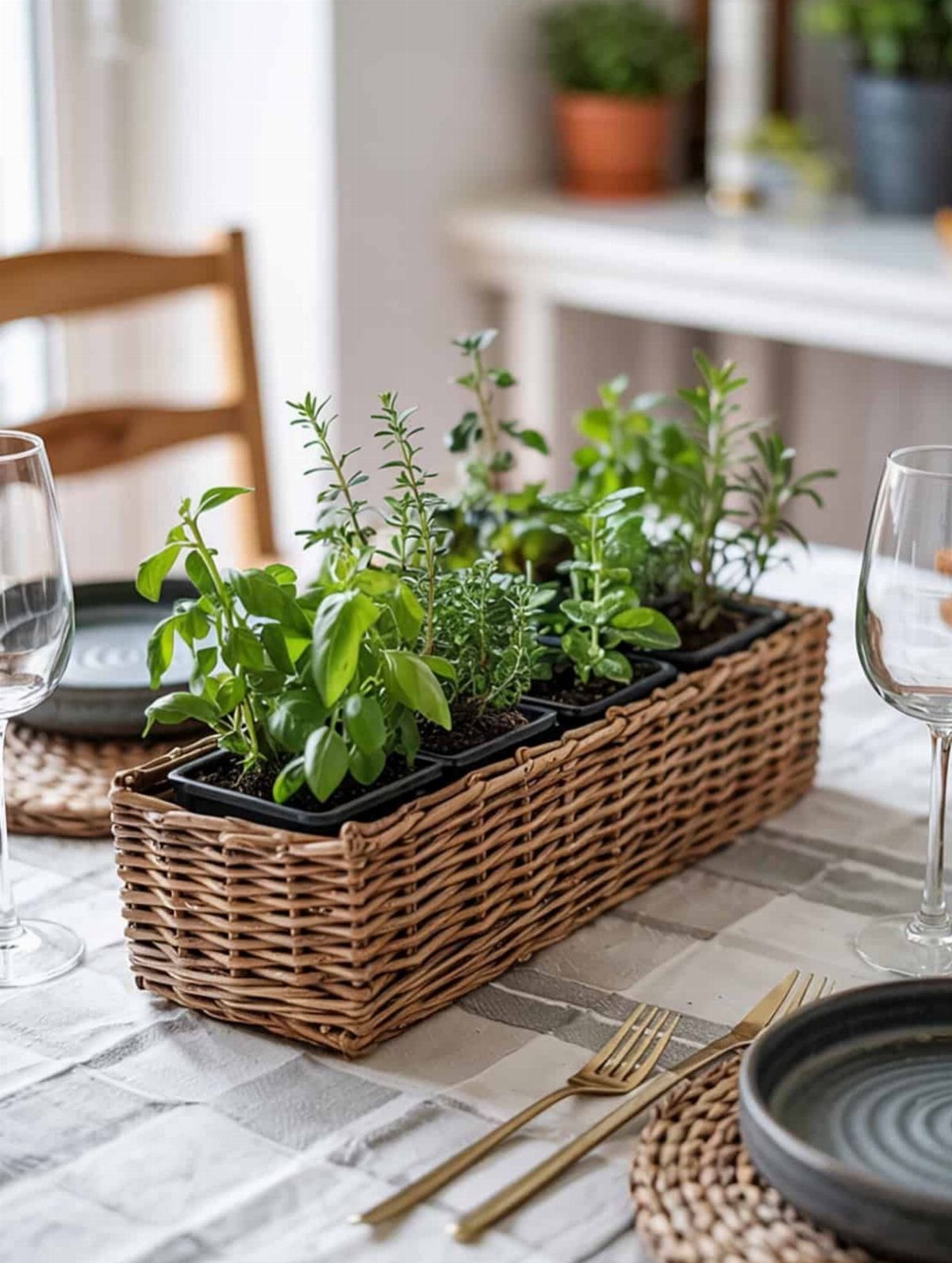
Small potted herbs dropped into a basket read as one living centerpiece instead of clutter on the table.
The basket itself does not hold soil; it hides the plastic nursery pots your herbs arrived in, so you can lift them out to a windowsill after dinner or when they need water.
I would choose a basket tight enough that pots sit level; loose weave lets them tilt and spill soil onto your table linens. Water the day before you host, not the morning of.

【Elegant Goblet-Inspired Design】:Featuring a unique goblet shape with a stable pedestal base, this decorative holder elevates your floral arrangements—literally and stylistically. The elevated profile adds a sense of height and sophistication to any surface, making it a standout artistic piece compared to standard flat-bottomed baskets.

Waterproof Interior Protection: Built-in thick plastic liner prevents water leakage and soil spills to keep your surfaces pristine. No extra saucer is needed for most 6-8 inch nursery pots, protecting hardwood floors, carpets, and wooden shelves from moisture damage during indoor watering
6. Burlap Sack Planters
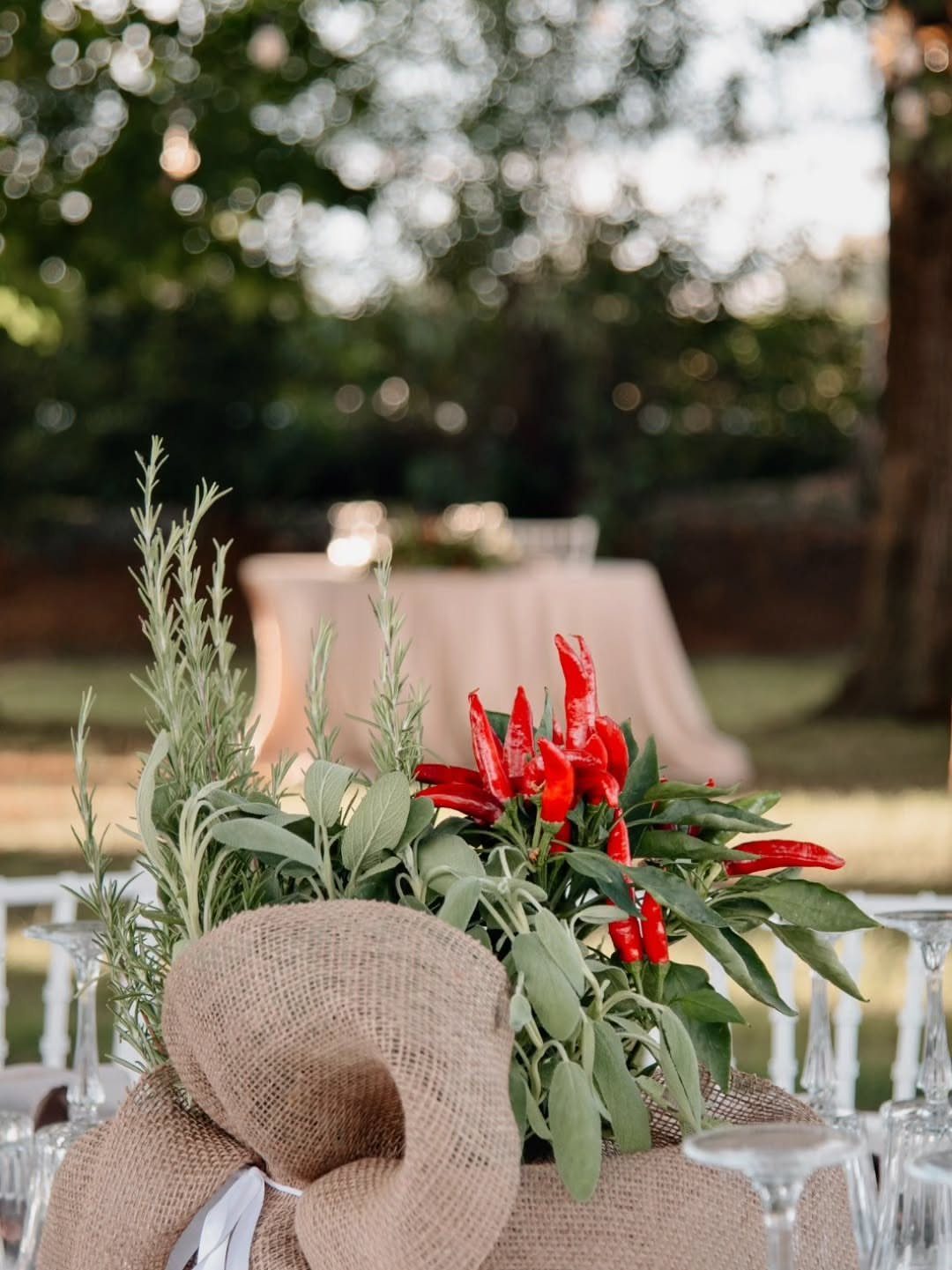
A burlap sack wrapped around a nursery pot softens the plastic edges for a table setting that still feels garden-rough.
Burlap wicks water outward, so this works best for events, not daily growing; the fabric stays damp and rots in about one season of saturation.
Tie the sack loosely with twine or ribbon rather than sealing it, so excess drainage can escape and you can peel it back to check soil moisture.
I would reserve this look for rosemary, sage, and other dry-loving herbs that you under-water slightly.

2 PACK SET: 29x60cm (11.4" x 23.6"). Pick the right size for your plants to prevent unpleasant experience and possible wastage on resources. Plants, flowers, pots and decorations NOT included

Raised Garden Bed: This raised garden bed is constructed of thick wood boards and solid wood legs for years of sturdy use.

5 Separate Planting Boxes: Five individual planter boxes provide dedicated growing areas for herbs, vegetables, flowers and succulents, making it easier to keep different plants organized within one compact vertical garden instead of spreading multiple pots across the floor.
7. Raised Herb Beds
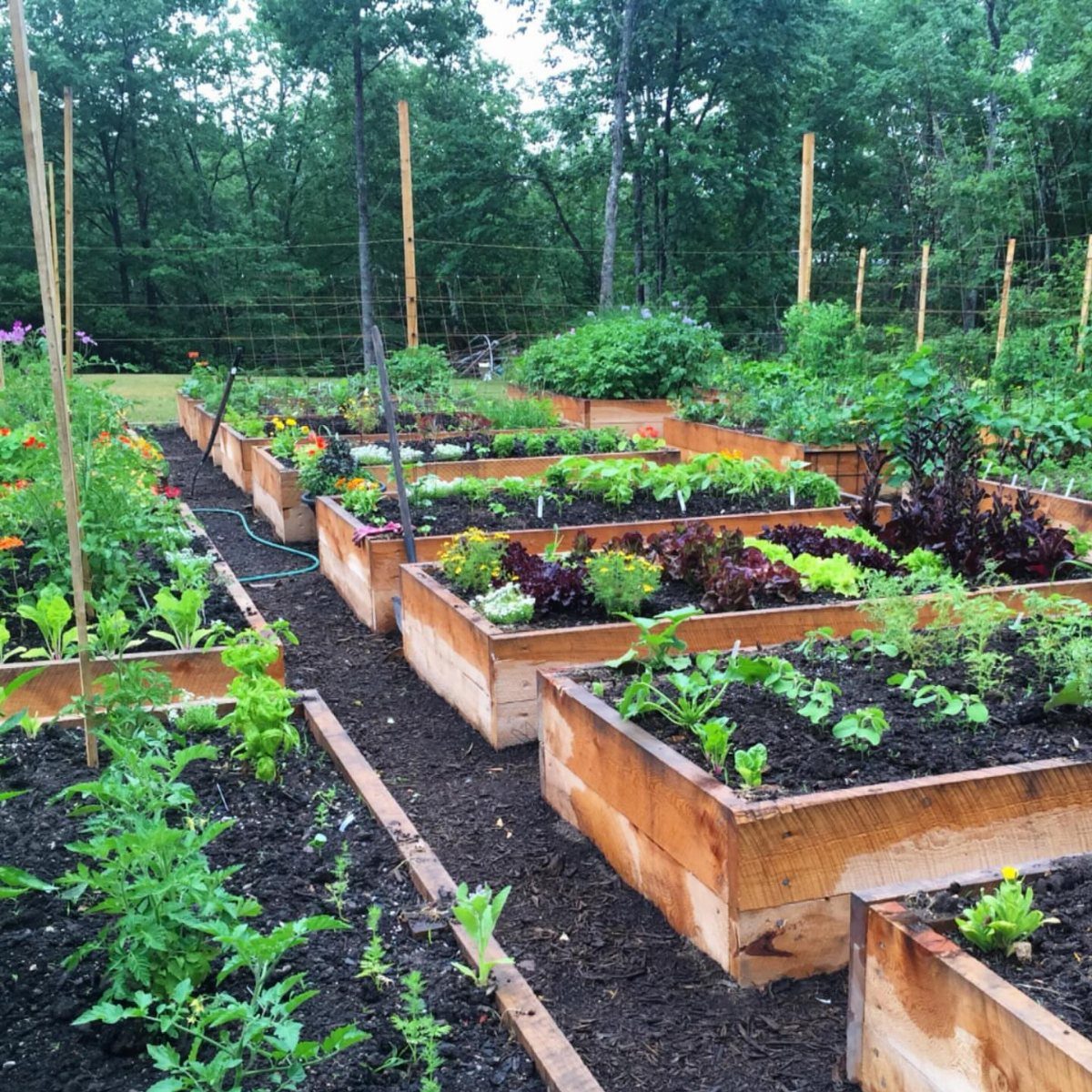
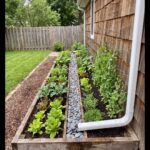
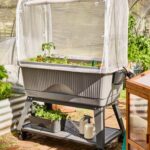
Existing raised beds or flower beds around your home save you from building anything new.
Herbs need the same sun and drainage your vegetables already get, so tuck them into gaps between larger plants or along the front edge where they stay reachable for snipping.
I would keep mint in its own pot even inside a raised bed; the roots spread underground and overrun slower-growing neighbors within a season.
Check that your soil has not compacted into brick; herbs with taproots like dill and fennel need loosened earth deep enough to grow straight.

Material: Hanging fence planter made of metal iron. Durable and lightweight. Balcony flower pots are not easy to rust or damage, and have a long service life
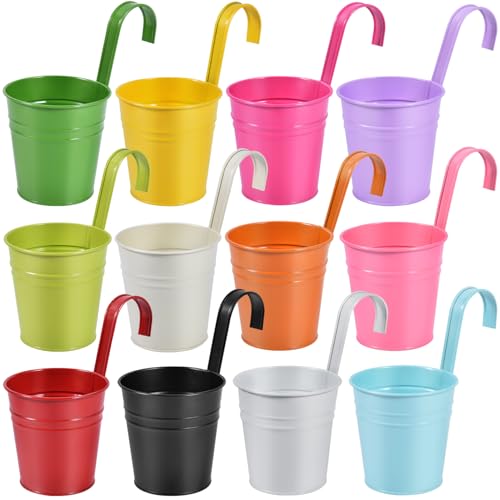
Material: Hanging fence planter made of metal iron. Durable and lightweight. Balcony flower pots are not easy to rust or damage, and have a long service life

DISPLAY PLANTS IN ANY WINDOW: By hanging five planters on a metal rod, Triflora makes it easy to water and display plants in your window without taking up space on the window sill or countertop
8. Create a Patio Display
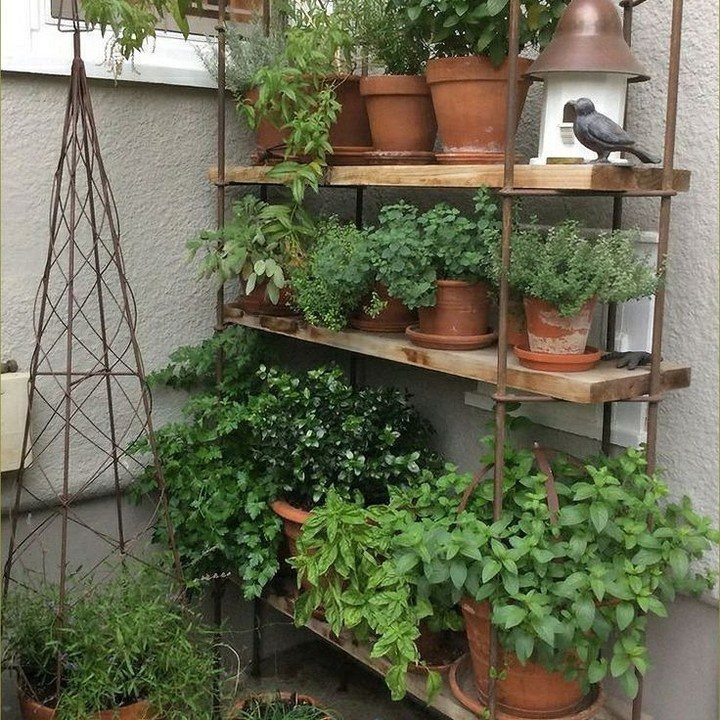
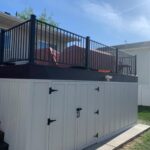
A metal-and-wood shelving unit against your exterior wall turns vertical space into growing room without drilling into siding.
Terra cotta pots on each tier dry out fast, which actually helps rosemary, thyme, and oregano that rot in soggy soil; basil and parsley will need daily watering in summer heat.
Hard pieces like a small birdhouse or plant obelisk break up the green so the display reads as garden styling, not just storage. Move the whole unit if afternoon sun proves too harsh for leafier herbs.

HERB PLANTS & SEEDS - Start an indoor herb garden from seed with basil, chives, dill, cilantro and parsley, each in its own burlap pot.

All-in-One Package: Our kit includes 5 of the widely loved organic, non-GMO herb seeds—basil, parsley, rosemary, thyme, and mint. The set also comes with 5 burlap bags, 5 coconut soil discs, 5 plant markers, 3 gardening tools, 1 pruning scissors, 1 spray bottle, and an wooden box
9. Herb Garden Signage
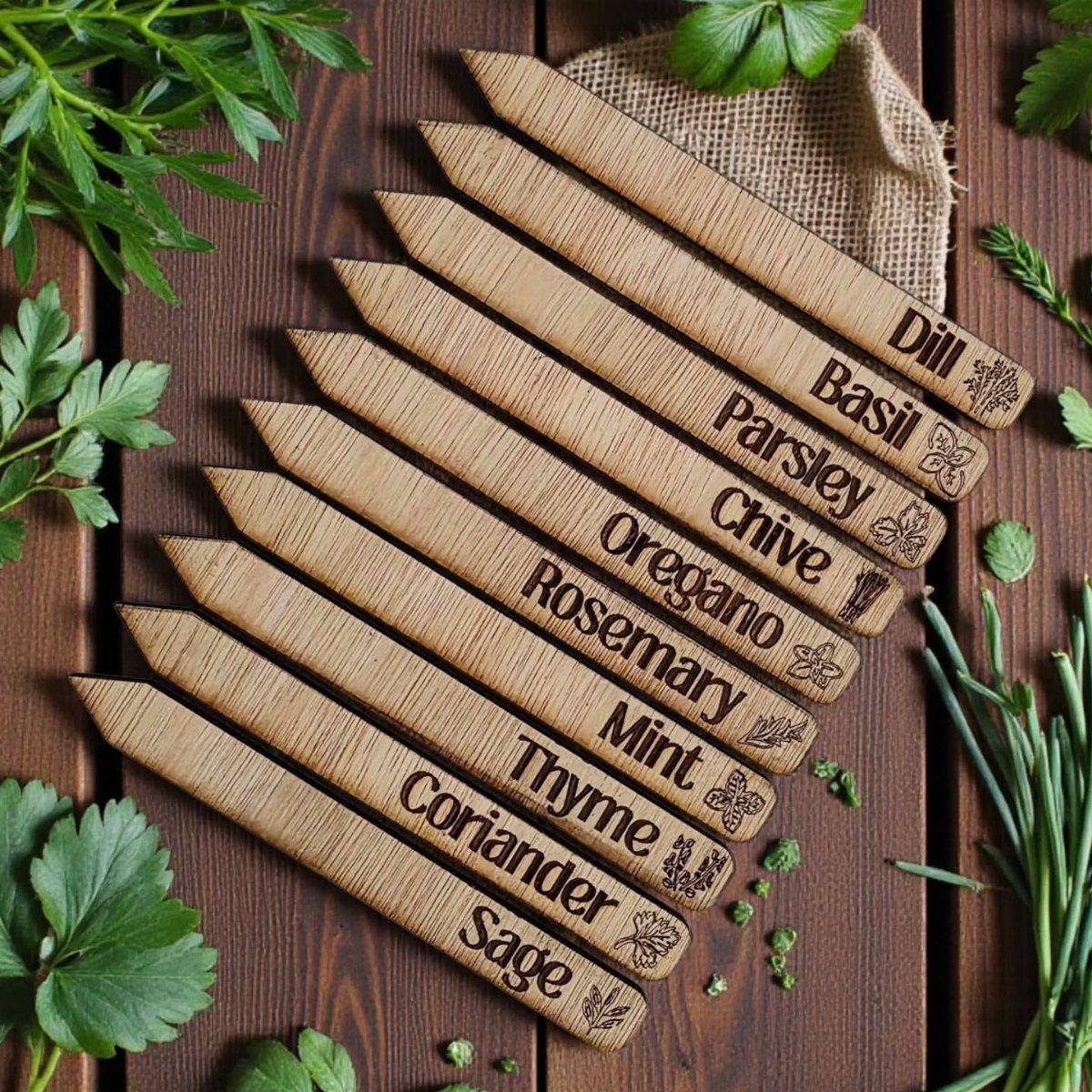
Wooden markers labeled with herb names keep your rows straight once seedlings sprout, and they age into the garden rather than looking like hardware-store plastic after one summer.
Flush engraving sits cleaner than raised letters; soil and water do not collect in the grooves as easily.
Cedar or redwood lasts several seasons untreated; pine will gray and split faster unless you oil it. I would sand the stake end to a point rather than forcing blunt wood into rocky soil.
10. Strawberry Pot Planter
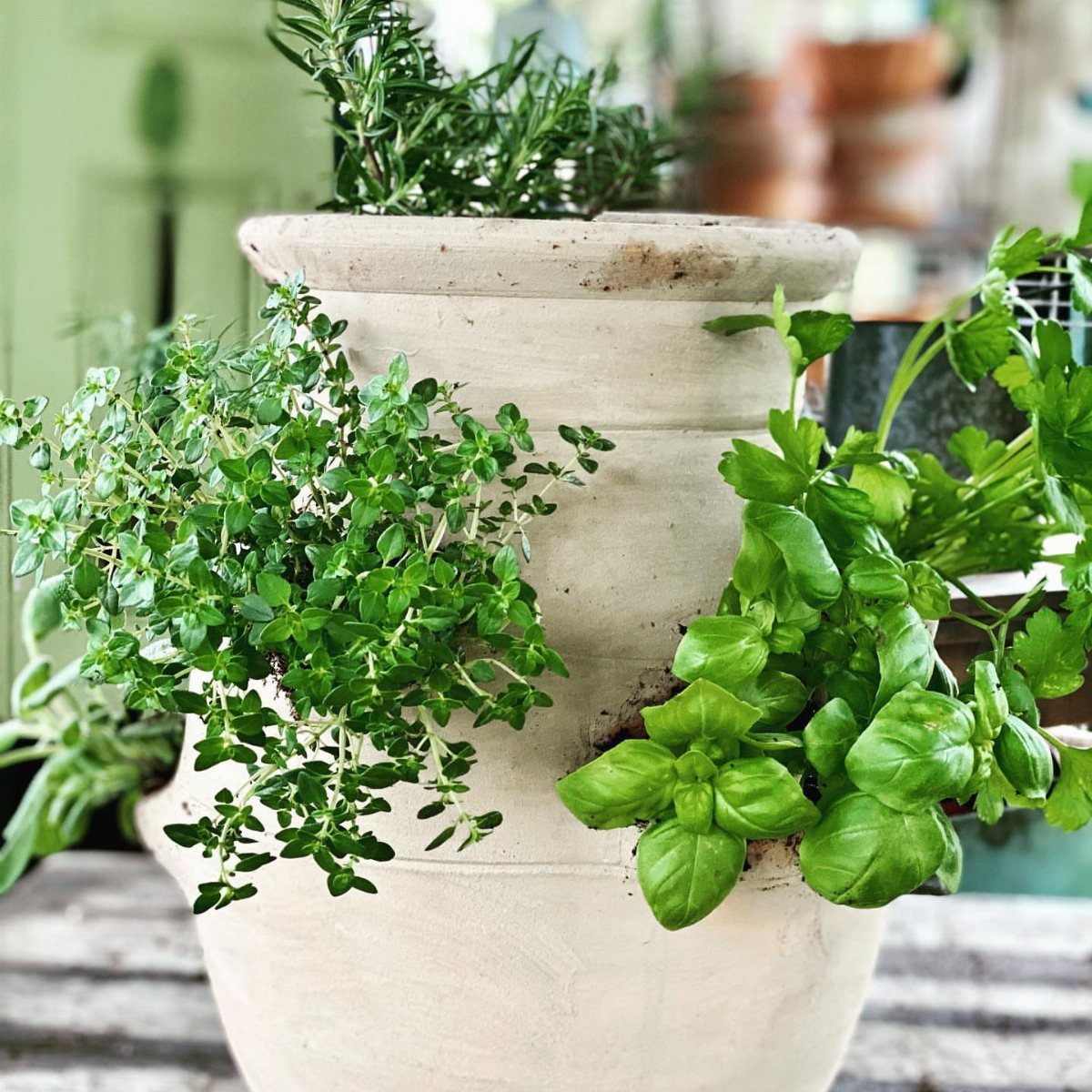
A strawberry jar’s side pockets give each herb its own microclimate: rosemary and thyme near the top stay drier, while basil lower down catches more runoff from watering.
Ceramic holds moisture longer than terra cotta, so I would use a cactus-mix soil or add extra perlite to prevent root rot in those upper pockets.
The narrow openings mean mature plants may need dividing or replacing rather than full repotting; start with small nursery starts, not established herbs from larger pots.
One jar on a patio table keeps your most-used herbs within arm’s reach of the kitchen door.
11. Cinder Block Planter
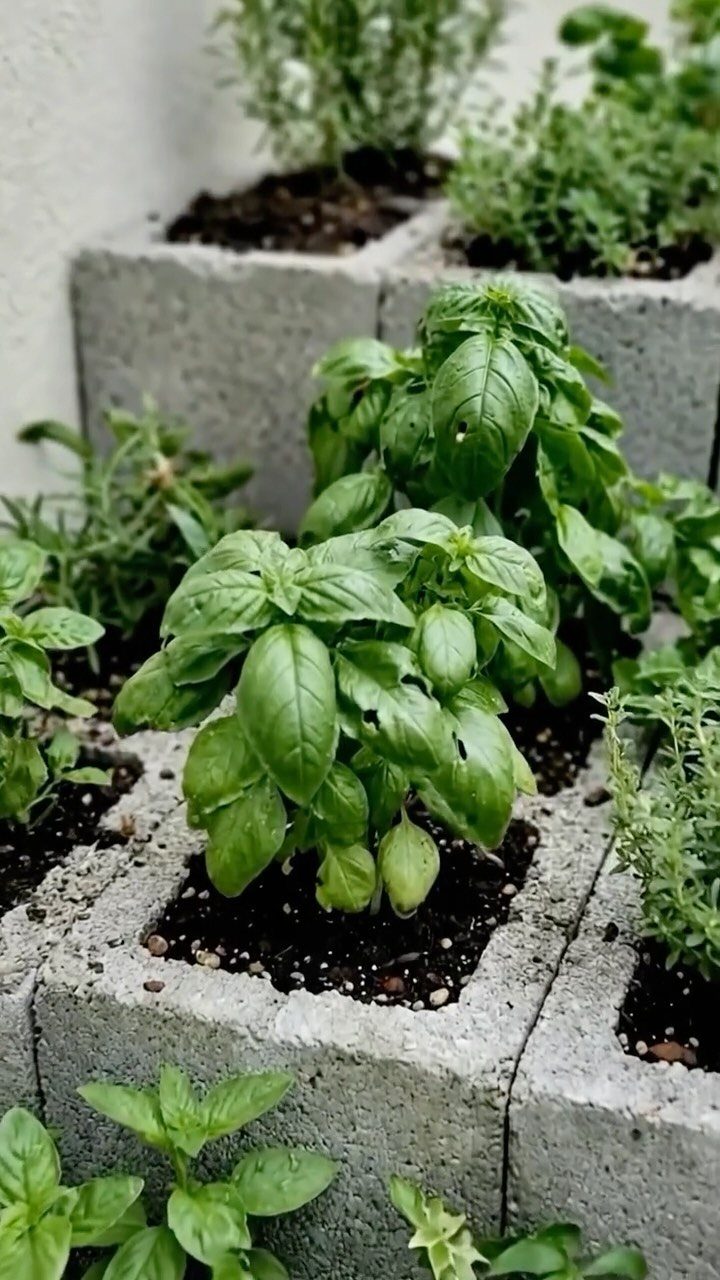
Stacked cinder blocks create planting cells from nothing but gravity and the hollow cores already cast into each block.
The concrete leaches lime that raises soil pH over time; this suits Mediterranean herbs like rosemary, oregano, and thyme, but I would not grow acid-loving tarragon or chives here without refreshing the soil yearly.
Fill cores with quality potting mix, not native garden soil, since the block walls prevent deep root escape and drainage is limited.
A single row 2 blocks high is stable; anything taller needs construction adhesive between layers if children or dogs bump against it.
12. Hanging Teacup Herb Planters
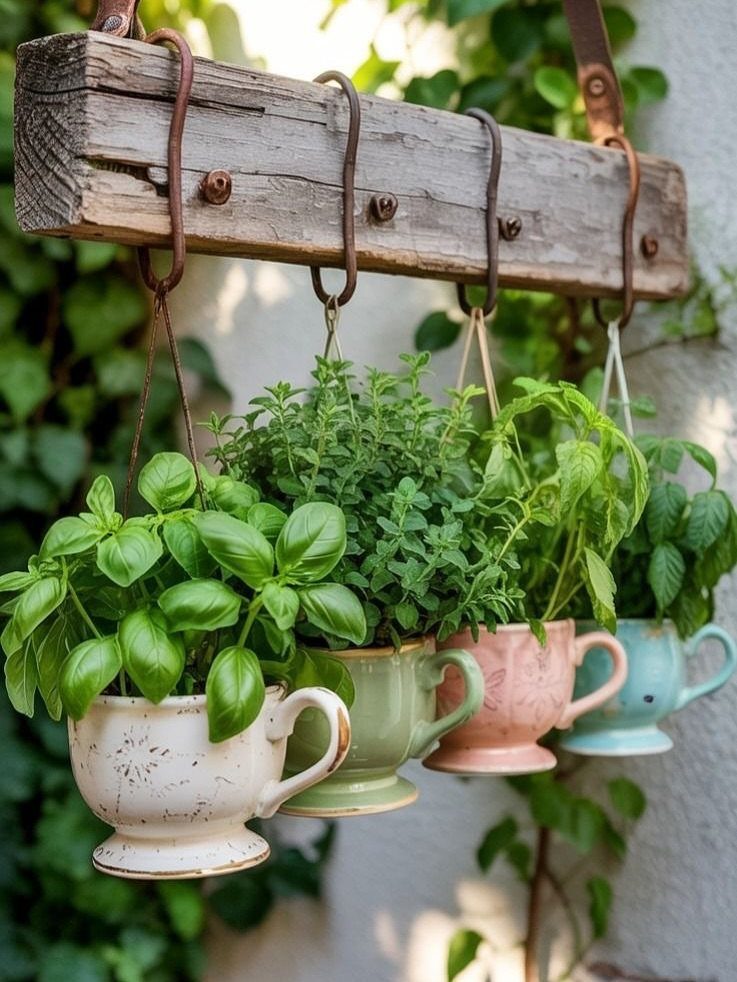
Ceramic teacups drilled for drainage and hung from a beam turn a blank wall or porch ceiling into a kitchen garden at eye level.
Pastel-glazed cups look sweet, but any thrifted set works; I would avoid metallic finishes that heat up in direct sun and cook shallow roots.
Cord suspension lets you adjust height, though I would keep the bottom cup at least 6 feet above walking space so no one takes chamomile to the forehead.
These dry out faster than ground plantings, so mint and lemon balm, which tolerate variable moisture, suit this setup better than finicky cilantro.
13. Wall-Mounted Pot Rack Garden
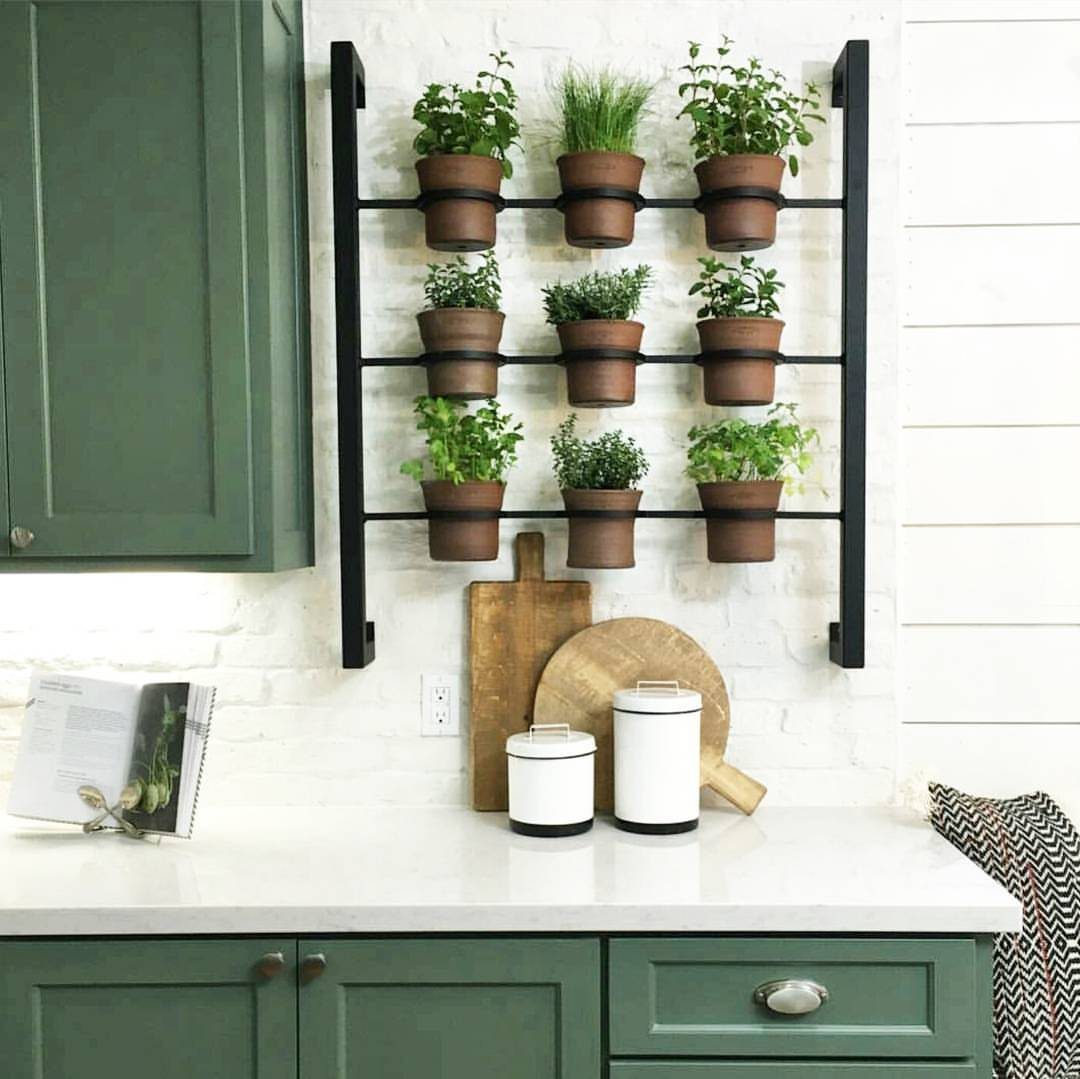
A metal grid rack screwed to wall studs turns brick or plaster into vertical growing space without eating floor area.
Terra cotta dries fast, so this setup favors rosemary, thyme, and oregano over basil or parsley unless you are willing to water daily.
I would mount at counter height or slightly above, where snipping is natural and the pots stay visible for dryness checks.
14. Slat Wall Vertical Garden
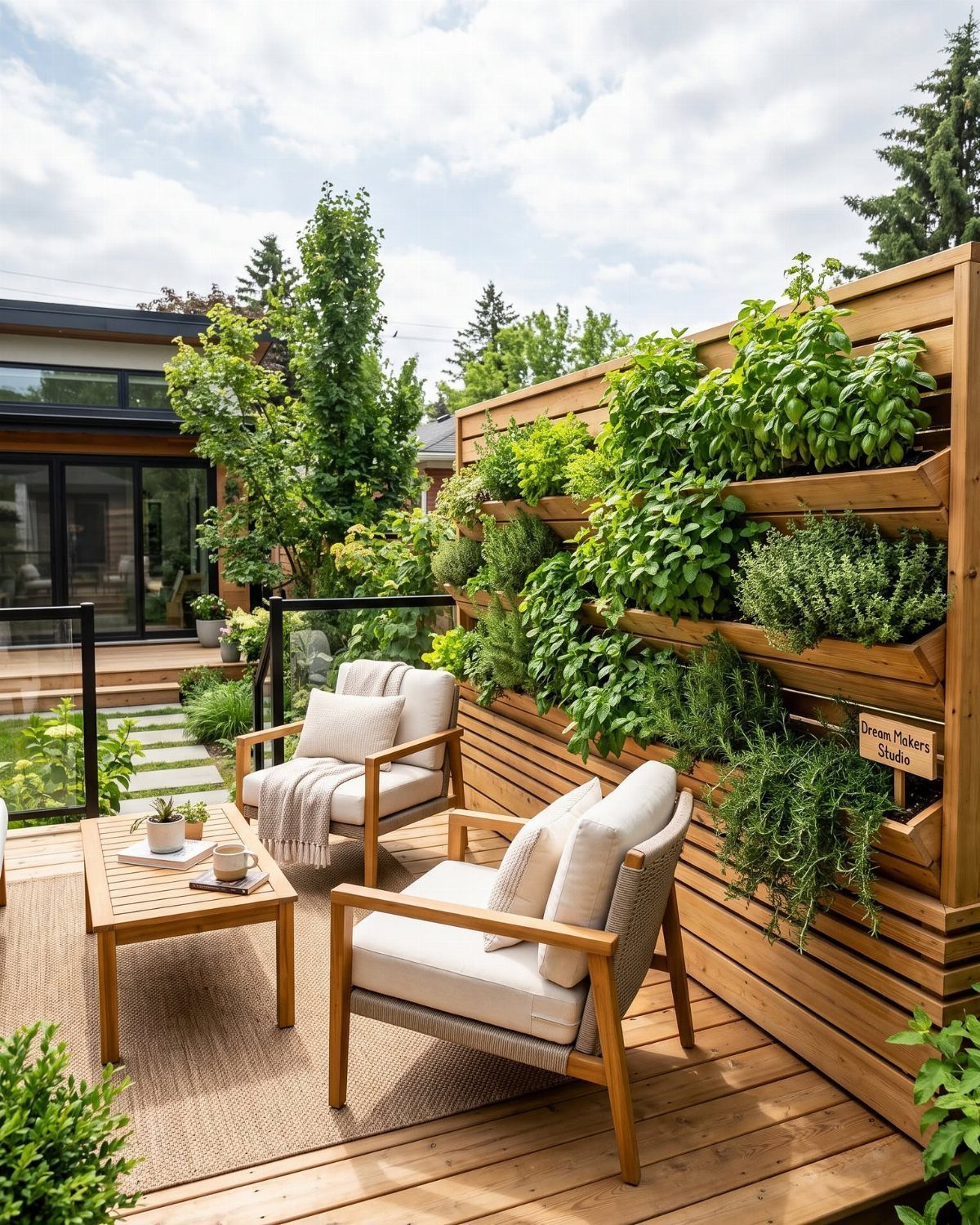
A slat wall with built-in planter boxes reads as outdoor architecture rather than add-on gardening.
Angled boxes catch more sun than flat-mounted pots and shed rainwater rather than pooling it; cedar or redwood holds up to that wet-dry cycling better than pine.
Built-ins this size need professional cutting or serious DIY skill with a table saw, so I would adapt the look with a prefab slat panel and separately mounted window boxes if I were doing it myself.
Keep the slat spacing wide enough that plants do not mash against wood when they fill out.
15. Labeled Wall Cylinders
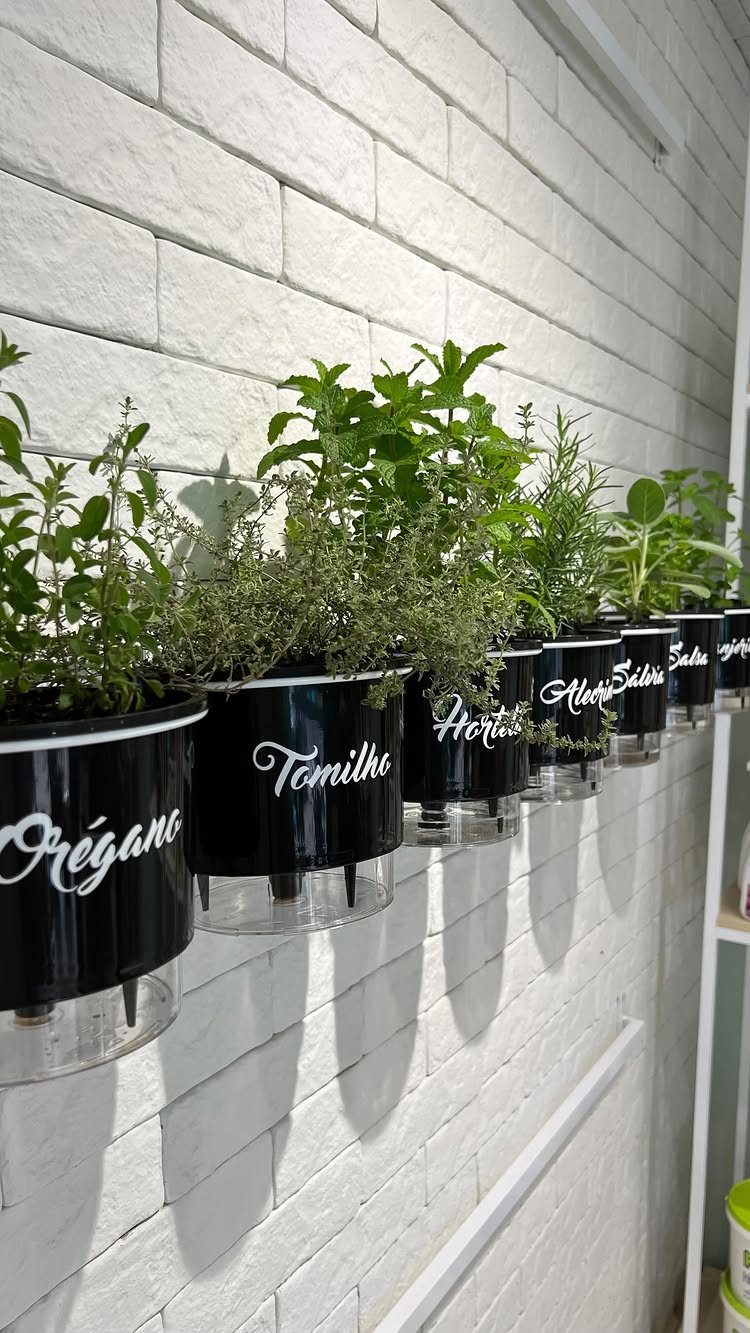
Self-watering cylinders mount flush to wall studs and keep herbs alive through a missed day or a hot weekend, which matters if your schedule shifts.
The reservoir in these planters buys you some time between waterings; I would still check weekly, since evaporation rates vary wildly by wall sun exposure.
Cursive labels look sharp against the black, but any waterproof label works; paint pen on tape lasts a season, engraved metal tags last years.
This row setup suits a narrow wall beside a door or between windows where depth is scarce but width allows a horizontal run.
Best Herbs for Beginners
Mint, oregano, and thyme are the herbs I would hand to anyone convinced they kill plants.
They survive drought, bounce back from overwatering, and spread fast enough that a single pot turns into gifts for neighbors. Basil needs slightly more attention, but a sunny spot and morning watering keep it productive all summer.
For indoor growing, I would start with just two or three herbs rather than a full windowsill.
Basil and parsley handle the lower light of a kitchen; rosemary and sage tolerate the dry air near a stove. Chives are nearly as forgiving as mint, and the cut-and-come-again harvest means you rarely buy them at the store.
Woody herbs like rosemary, sage, and thyme suit travelers and the forgetful.
They take full sun or part shade, need water less often than soft-leaved varieties, and recover from a missed weekend. The only herb I would warn against for beginners is cilantro, which bolts to seed the moment it senses stress.
There’s something special about topping off a homemade meal with fresh herbs from the garden. While growing tons of fruits, veggies and flowers usually requires a large outdoor space, growing herbs is actually quite simple — and it can even be done indoors on a windowsill.
Herb Garden Maintenance Tips
Herbs want plenty of direct sun and soil that drains fast enough that water never pools.
I check drainage by pouring water into a dry pot; if it sits longer than a few minutes, I add perlite or coarse sand before planting.
Morning is the time; evening moisture on leaves invites fungus. Terra cotta clues you in visually, darkening when damp and lightening as it dries.
I fertilize lightly through the growing season, using half the strength the label suggests; herbs in pots do not need much feeding to stay productive.
Herbs grown too rich lose concentration in their oils and taste flat. I would rather under-feed and harvest less often than over-feed and wonder why my basil smells like lettuce.
Prune often, and prune above a leaf node where two shoots will replace one. This keeps plants compact and productive rather than woody and sparse.
Choosing the Right Containers
Every container needs a drainage hole. I have drilled them into found objects, bought pots with saucers, and learned that a layer of gravel at the bottom does not substitute; waterlogged roots rot in standing water regardless.
Ceramic and plastic hold moisture longer, so I use those for basil, parsley, and cilantro that want steady dampness. Glazed ceramic holds more water than unglazed; that distinction matters in humid climates where evaporation already lags.
Size matters more than material for root health. A single basil plant wants more soil depth than you might expect; rosemary eventually needs even more room to stretch its roots.
I match the pot to the mature plant, not the nursery start, or I transplant up before roots circle and strangle.
Matching containers read as intentional on a potting table or windowsill, but I would not prioritize looks over function. A mismatched set that drains beats a coordinated collection that drowns its plants.
Frequently Asked Questions
How to make a DIY herb garden?
Start with a sunny spot and containers that have drainage holes; every pot needs one, and gravel at the bottom does not substitute.
I would pick forgiving herbs like mint, oregano, or thyme if this is your first attempt, since they survive the learning curve.
What herbs shouldn’t be planted together?
Mint needs its own pot even inside a raised bed; its roots spread underground and overrun slower-growing neighbors within a single season.
Dill and fennel grow deep taproots that compete for the same vertical space, so I would give them room rather than crowding them against shallow-rooted parsley.
Otherwise most herbs share space fine if each gets the sun and soil depth it needs.
Do herbs like deep or shallow pots?
It depends on the herb.
Root herbs like dill, cilantro, and fennel need deep soil to grow straight taproots; shallow containers stunt them. Rosemary eventually wants more room than you might expect, while shallow-rooted parsley manages with less.