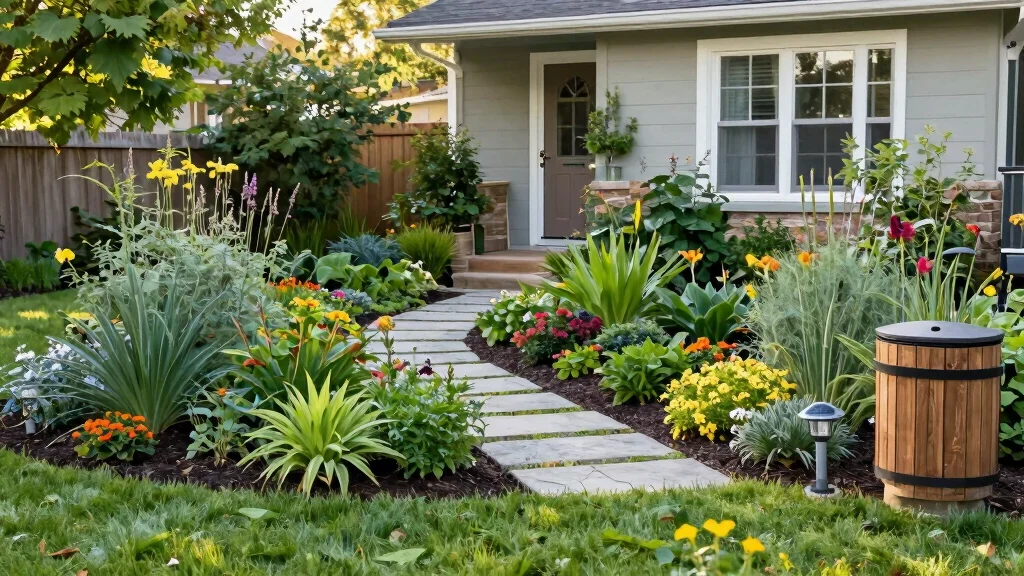
Creating an enchanting front yard can feel a bit overwhelming, but it doesn’t have to be. The desire to step outside and see a space that reflects your personality and values has inspired this post. If you’re someone who loves all things gardening and sustainable design, you’re in the right place. Whether you’re just starting out or looking to elevate your existing yard, I’ve gathered 18 front yard design ideas that are eco-friendly, charming, and sure to boost your curb appeal.
You’ll find a treasure trove of ideas that not only make your home look stunning but also align with green practices. From native plants that support local ecosystems to cozy outdoor living spaces perfect for gatherings, this guide will help you create a front yard that’s both beautiful and beneficial for the environment. Get ready to roll up your sleeves and transform your outdoor space into a haven you adore.
Let’s dive into these creative front yard landscaping ideas that are not just visually appealing but also practical and sustainable. Each concept comes with tips and tricks to make implementation a breeze. Whether you want a low-water garden or a delightful pollinator habitat, you’ll discover something that resonates with your style and eco-conscious approach.
[link-whisper-related-posts]Key Takeaways
– Diverse Plant Choices: Explore native plants that thrive in your area, requiring less water and maintenance while supporting local wildlife.
– Edible Landscapes: Consider integrating edible plants into your front yard design for a space that’s not only beautiful but also functional.
– Water Conservation Techniques: Learn about water-wise landscaping methods, such as rain gardens and xeriscaping, to reduce water usage while keeping your yard lush.
– Sustainable Decor Options: Discover recycled and upcycled decor ideas that add charm to your yard without breaking the bank or harming the planet.
– Creating Outdoor Living Spaces: Find tips on how to design inviting outdoor spaces that enhance your home’s curb appeal and provide a relaxing area to enjoy nature.
1. Native Plant Paradise
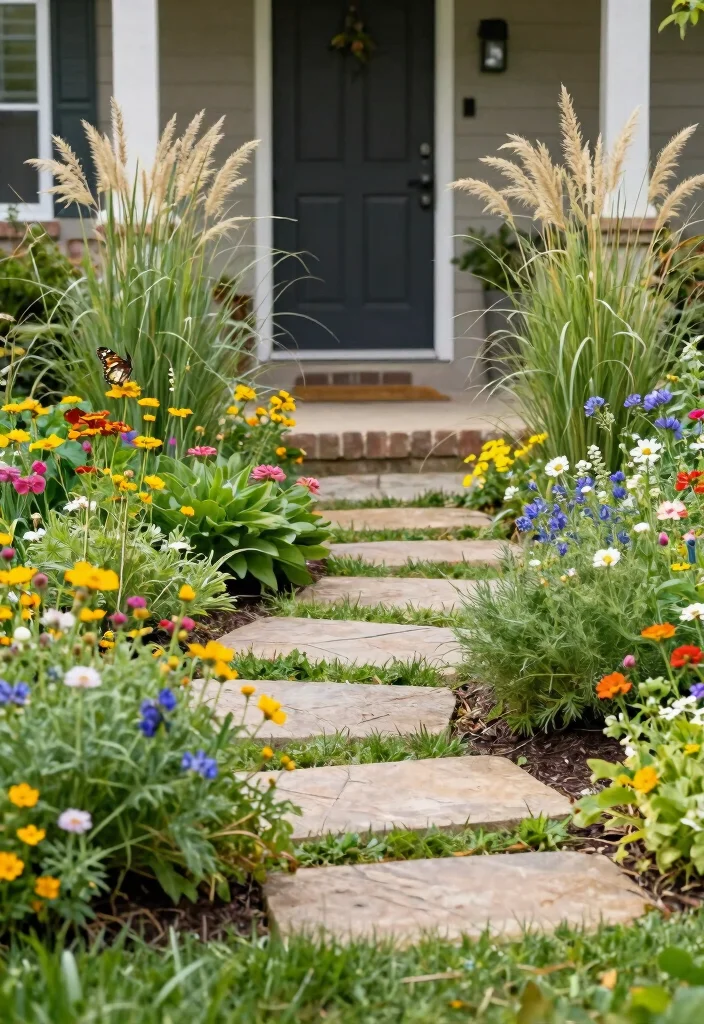
Are you looking to create a front yard that thrives with minimal effort? Embracing native plants is a fantastic way to achieve a vibrant garden that requires less water and maintenance. These plants are naturally suited to your local climate, showcasing beautiful wildflowers and lush greenery that attract pollinators, all while reducing your environmental footprint.
Start by exploring native plants that flourish in your area. Consider arranging them in varying heights and colors for a visually stunning display. Group plants with similar watering needs to simplify your garden care.
Key benefits of native plants:
– Reduces water consumption significantly.
– Supports local wildlife, including beneficial insects and birds.
This native plant paradise will enhance your home’s curb appeal and contribute positively to your local ecosystem.

Flag Size: This Yard Flag is 12 x 18 Inch, Double Sided With the Image Printed, the Image is Vibrant and Vivid On Both Sides, and Text Reads Correctly From Both Sides. Only 1PC Garden Flag (Flag Stand or Pole are Not Included).

Perfect Size for Any Garden: Measuring 12.5 x 22 inches, this vibrant garden flag fits most standard flag stands (sold separately), making it easy to showcase your seasonal style. No guesswork—just hang and enjoy!

2. Edible Landscapes
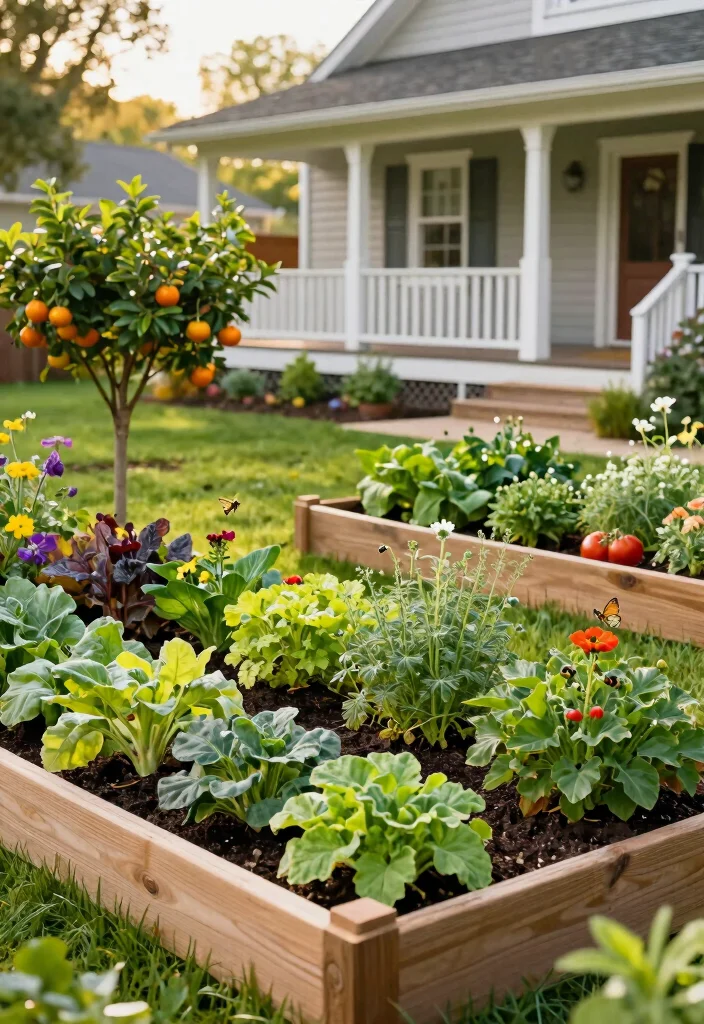
Why settle for just beauty when you can have a delicious garden right in your front yard? An edible landscape transforms your space into a vibrant garden filled with fresh produce. Imagine strolling past blueberry bushes and colorful vegetable beds, all while enjoying the beauty of nature.
Begin by selecting dwarf fruit trees that fit your yard size. Incorporate fragrant herbs like rosemary and mint that not only enhance your meals but also attract pollinators. Consider using raised garden beds for a neat and organized look.
Tips to create your edible landscape:
– Choose compact plants for small spaces.
– Mix herbs with flowers for visual appeal.
– Use vertical planters to save space.
This design promotes healthy eating while adding charm to your home, allowing you to savor the pride of growing your own food!

Natural Filtration: Helps control nitrates and ammonia levels in your water environment


3. Water-Wise Landscaping
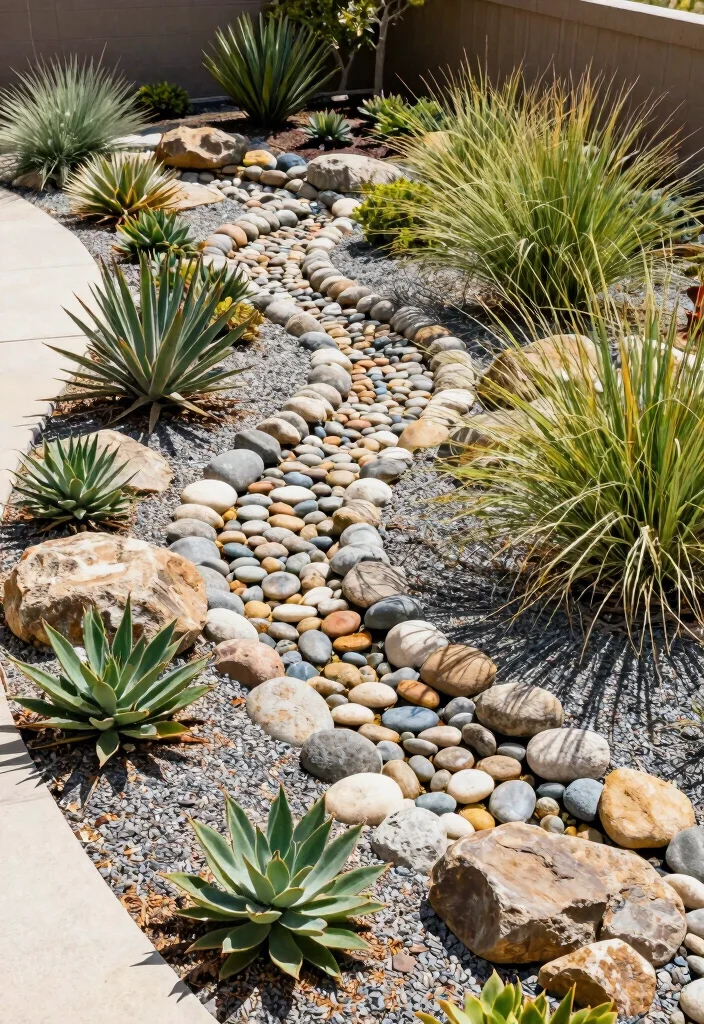
With water scarcity becoming a pressing issue, adopting water-wise landscaping is a smart choice. This approach focuses on using drought-resistant plants and clever design to minimize water use. Picture a front yard filled with beautiful succulents, decorative stones, and mulch that keeps moisture in.
To start your water-wise garden, create a dry creek bed to channel rainwater effectively. Use gravel to replace traditional grass areas, which will reduce water usage.
Key ideas for your water-wise landscape:
– Incorporate drought-resistant plants for low maintenance.
– Use mulch to prevent evaporation.
– Design with contours to enhance water retention.
This stunning design not only looks beautiful but also ensures your yard stays vibrant, even during dry seasons.


Size: 12.5 x 18 inches, perfectly fits various outdoor scenes such as patios, patios, porches, mailboxes, balconies, backyards, lawns, and flower beds; can be used for everyday home decoration, creating a festive atmosphere, or as a personalized sign for parties, events, and other occasions.

Native plants design for pollinator garden fans, plant native gardeners, milkweed growers, wildlife habitat makers, seed savers, prairie people, and no lawn yards.
How To Choose Sustainable Front Yard Design Ideas
When designing a front yard, making sustainable choices is key to creating an eco-friendly space that enhances curb appeal. Here’s a guide to help you select the best sustainable design elements for your front yard.
1. Assess Your Space
Start by evaluating the size and shape of your front yard. Take measurements and note any existing features, like trees or walkways. Consider the amount of sunlight your yard receives throughout the day. This information will guide your plant selection and layout choices.
2. Select Native Plants
Choosing native plants is one of the simplest ways to promote sustainability. These plants are adapted to your local climate and soil, requiring less water and maintenance. Research what native species thrive in your area. They not only support local wildlife but also give your yard a natural look that blends with the surroundings.
3. Consider Water Conservation
Incorporate drought-tolerant plants and landscaping techniques that minimize water usage. Use mulch to retain moisture in the soil and reduce evaporation. Design your yard with rain gardens to capture runoff and sustain plants naturally. These methods not only save water but also lower your water bills.
4. Choose Sustainable Materials
When selecting materials for hardscaping, opt for recycled or locally-sourced products. This can include reclaimed bricks, stones, or wood. These choices not only reduce your environmental footprint but also add unique character to your front yard design. Additionally, consider permeable materials for walkways to help with drainage and prevent flooding.
5. Maximize Outdoor Living
Think about how you use your front yard space. Creating cozy outdoor living areas can enhance your front yard’s functionality. Use sustainable furniture made from eco-friendly materials. Adding seating areas, fire pits, or shaded spaces encourages family gatherings and boosts the overall enjoyment of your outdoor space.
6. Plan for Seasonal Interest
Incorporate plants that bloom at different times of the year to provide year-round beauty. This diversity attracts various pollinators and enhances your yard’s ecosystem. Consider using bulbs that bloom in spring, summer perennials, and fall foliage plants to keep your garden vibrant and alive through all seasons.
Pro Tip: Start small if you’re new to landscaping. Begin by focusing on one area of your front yard and gradually expand your project. This way, you can refine your design choices and ensure they align with your sustainable goals before fully committing to larger changes.
By following these guidelines, you can create a front yard that not only looks good but also promotes sustainability. Enjoy the process of turning your space into an eco-friendly haven!

Convenient Drip irrigation kit has everything needed to water up to a 4’ x 8’ raised bed garden
4. Cozy Outdoor Living Spaces
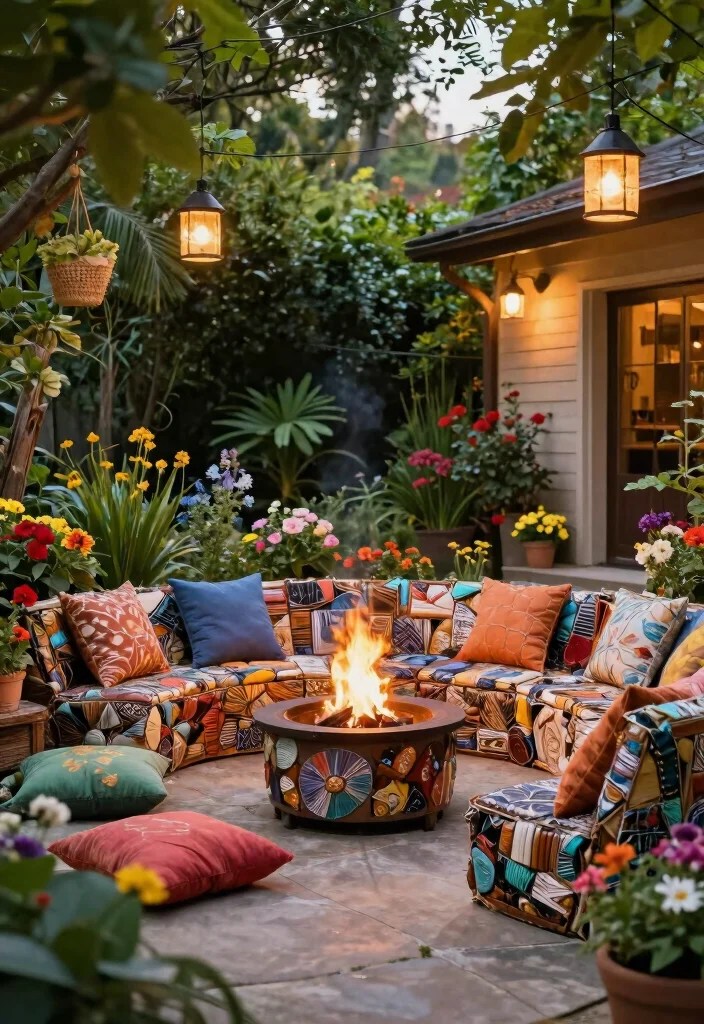
Imagine transforming your front yard into a cozy outdoor oasis where you can relax or entertain friends. A charming seating area with eco-friendly furniture surrounded by lush plants creates the perfect retreat. Picture colorful cushions inviting you to sit back and enjoy the beauty of nature.
Start by creating a designated seating area with benches or comfortable chairs nestled among greenery. An inviting fire pit can add warmth and ambiance, making it ideal for gatherings.
Essential elements for your outdoor living space:
– Incorporate comfortable seating surrounded by plants.
– Add a fire pit for cozy evenings.
– Use sustainable materials for furniture choices.
This design enhances your home’s curb appeal while providing a welcoming space to enjoy nature right outside your door.
❝Turn your front yard into a cozy outdoor living space—part of smart front yard design ideas landscaping—without sacrificing eco-friendliness. Start with a small seating nook among lush greenery, add an energy-smart fire pit, and watch gatherings bloom as naturally as your plants.❞
📹 Related Video: Breathtaking Small Front Yard Ideas | Garden Gates, Arches & Cozy Entryways
5. Sustainable Lawn Alternatives
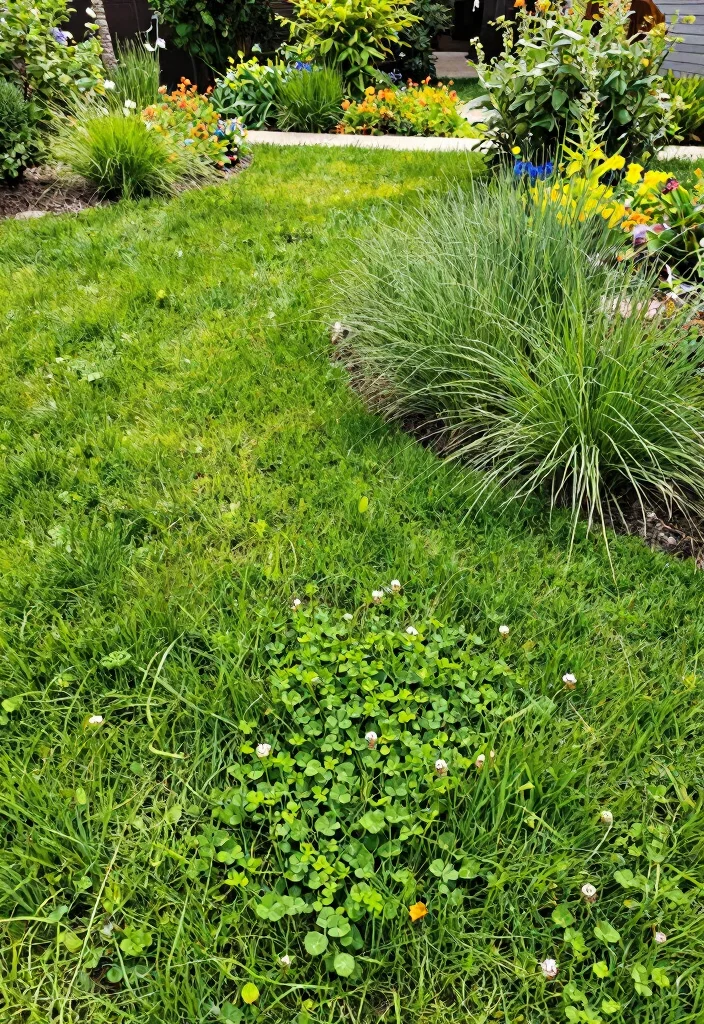
Tired of the constant upkeep of a traditional lawn? Consider sustainable lawn alternatives that provide a lush look without all the maintenance. Ground covers like clover and moss create a beautiful green carpet that requires minimal care.
To implement these alternatives, assess your current lawn and identify areas that can be replaced. Select low-maintenance ground covers that thrive in your environment, and transition gradually to allow new plants to establish themselves.
Benefits of these sustainable options:
– Reduces water usage and fossil fuel consumption.
– Provides a habitat for local pollinators.
These choices will refresh your front yard, offering an eco-friendly appearance while lowering your carbon footprint.
6. Recycled and Upcycled Decor
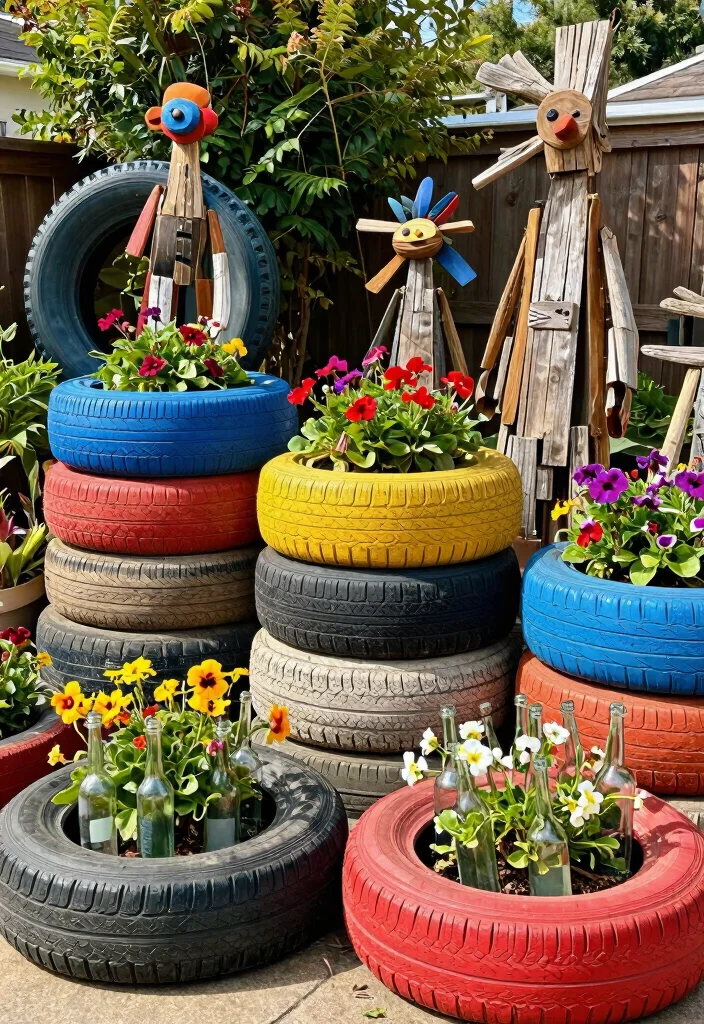
Unleash your creativity by incorporating recycled and upcycled decor in your front yard. Imagine a garden adorned with unique planters made from old tires and glass bottles, showcasing your personal style while promoting sustainability.
Start by gathering materials you already have at home. Transform these items into artistic elements, such as bird feeders or decorative planters, to add character to your garden.
Here’s how to get started:
– Collect items you no longer need around your house.
– Transform them into garden art or functional decor.
– Involve family and friends for a fun project!
This approach not only sparks creativity but also makes your front yard a unique reflection of your personality, all while encouraging sustainable living.

7. Vertical Gardens
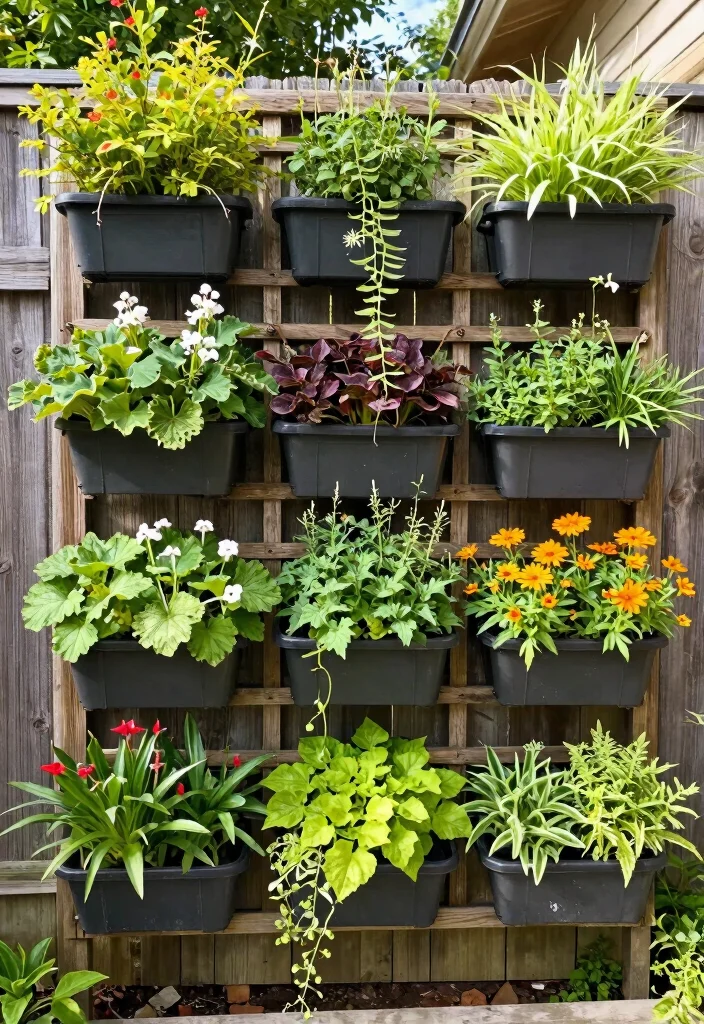
Limited space doesn’t have to limit your gardening dreams. Vertical gardens are an excellent way to maximize your front yard’s potential while adding beauty. Picture a trellis adorned with climbing plants or wall-mounted planters bursting with colorful flowers and herbs.
To create your vertical garden, select a wall or fence that gets plenty of sunlight. Opt for trailing plants that thrive in your climate and use eco-friendly materials for the structure to ensure durability.
Advantages of vertical gardens:
– Saves space while enhancing visual interest.
– Improves air quality and provides insulation.
Vertical gardens not only beautify your front yard but can also yield fresh herbs and vegetables right at your fingertips!

Flag Size: This Yard Flag is 12.5 x 18 In, Double Sided With the Image Printed and Texts are Correctly Readable on Double Sides. Only 1PC Garden Flag (Flag Stand or Pole are Not Included).

![BAVAHA [12"x18"] Pollinator Friendly Garden Flag Native Plants Garden Flag Wildlife Habitat Pesticide Free Sign Save Earth Spring Summer Gardening Gifts Outside Decorations Patio Porch (Double Sided)](https://m.media-amazon.com/images/I/51iSXdHYDcL._SL500_.jpg)
Premium & Durable Materials: Made from high-quality polyester with vibrant PU and carbon black printing. The thick cloth and reinforced double-stitched edges ensure the flag withstands outdoor elements for year-round use.
8. Rock Gardens
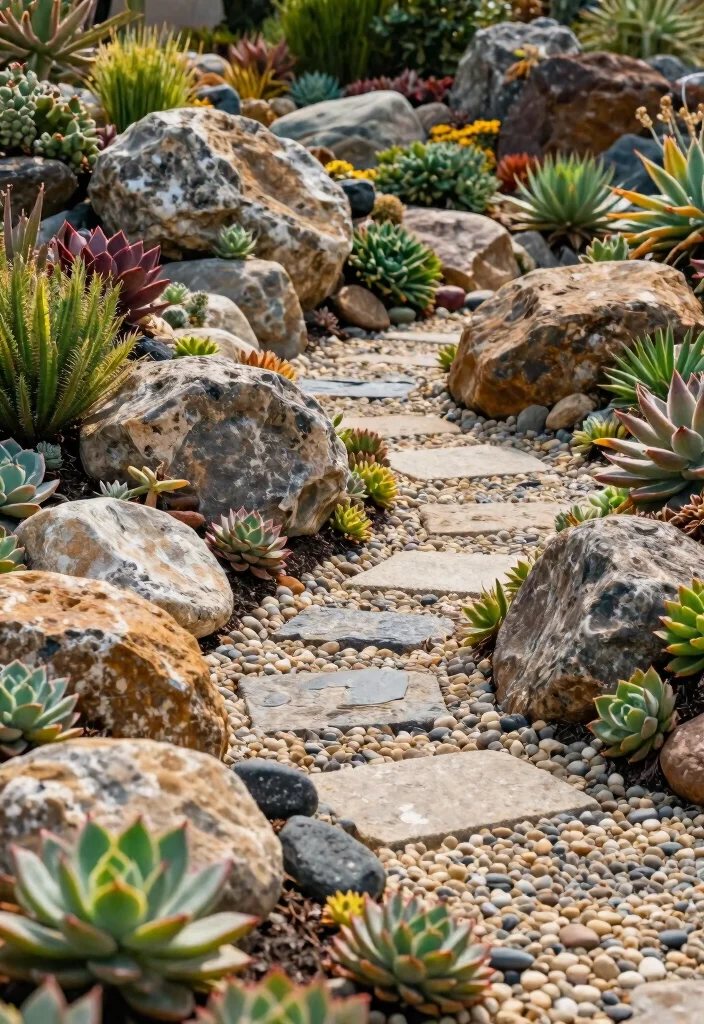
Rock gardens beautifully blend hardscape with plant life, creating stunning contrasts in your front yard. Imagine a landscape filled with various rocks and boulders surrounded by drought-resistant plants like sedums and succulents.
To create a rock garden, select rocks in different sizes and shapes for depth and interest. Organize plants that thrive in rocky soil to complement your hardscape and add pathways for accessibility.
Tips for your rock garden:
– Choose various rock sizes for visual appeal.
– Incorporate plants that thrive in rocky conditions.
– Add paths for easy navigation.
This design is not only visually striking but also low-maintenance, making it perfect for busy homeowners.
Fun fact: rock gardens can cut irrigation by up to 50% when paired with drought-tolerant plants like sedums. For savvy front yard design ideas landscaping, mix rocks in varied sizes and add winding paths to boost curb appeal and accessibility.

Connects up to nine 1/4" Drip irrigation tubes to a 1/2" riser

100FT 1/4" Universal Irrigation Kit for Gardens---Tailored for gardens, this 100ft 1/4" tubing kit avoids hose mismatches. It includes 18 bendable nozzles, 18 three-way connectors, 1 two-way connector, and other essentials for DIY watering setups.

Crafted with high-quality polyester fabric, this garden flag features excellent wear resistance, and waterproof. It withstands harsh outdoor weather including wind, rain, and sunlight, ensuring long-lasting use throughout the Christmas season and repeated yearly decoration without easy wear.
9. Pollinator Gardens
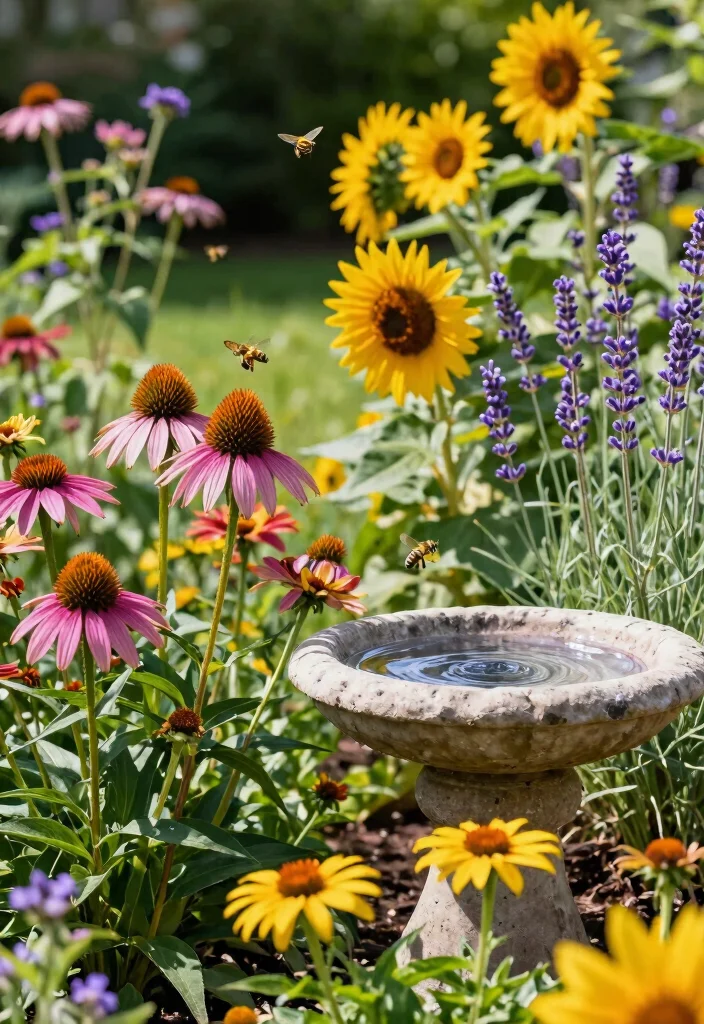
Creating a pollinator garden in your front yard is a wonderful way to support local ecosystems. This design includes diverse flowering plants that attract bees, butterflies, and other pollinators, adding beauty and life to your landscape. Picture a colorful array of flowers, including coneflowers and sunflowers, buzzing with activity.
To ensure a thriving pollinator garden, include a mix of plants that bloom at different times for continuous food sources. Provide water options, such as shallow birdbaths or ponds, to draw in more wildlife.
Essential elements for your pollinator garden:
– Mix plants that bloom throughout the seasons.
– Provide water sources for wildlife.
– Choose native plants to attract local pollinators.
By establishing a pollinator garden, you enhance biodiversity while beautifying your yard!
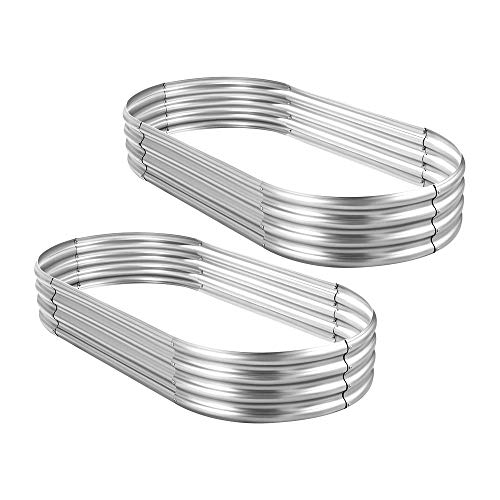
Each raised metal garden bed size: 4×2×1ft , 7Cu

Raised Garden Bed - Add a new level of convenience to your gardening experience with the Galvanized Raised Garden Bed. Enjoy expanded yield and a more assembled garden layout with this garden accessory, each sized at 120 cm X 60 cm x 30 cm.
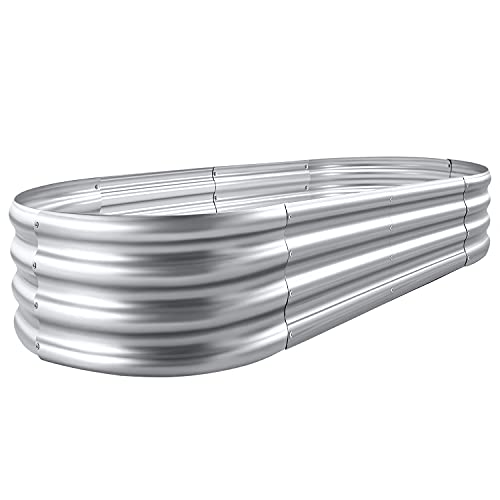
Each raised metal garden bed size: 4×2×1ft ,7.14Cu
10. Biophilic Design
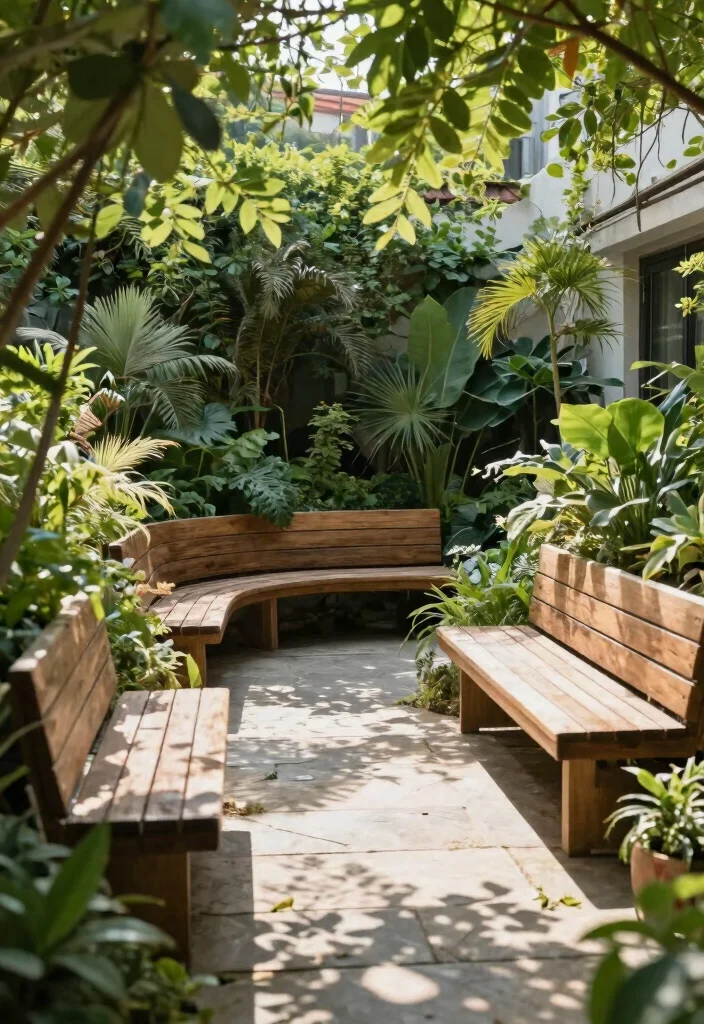
Biophilic design focuses on blending natural elements into your front yard to enhance your well-being. Think about incorporating materials, textures, and colors that mimic nature, such as wooden benches and stone pathways surrounded by greenery. Imagine a peaceful retreat where you can unwind and connect with the outdoors.
Start by using natural materials for pathways and seating. Create zones within your yard that encourage relaxation and interaction with nature.
Key features to include:
– Use natural materials for outdoor furniture and pathways.
– Create inviting zones for relaxation and enjoyment.
This tranquil space will offer you an escape to unwind, read a book, or enjoy a cup of coffee while surrounded by the beauty of nature.
11. Rain Gardens
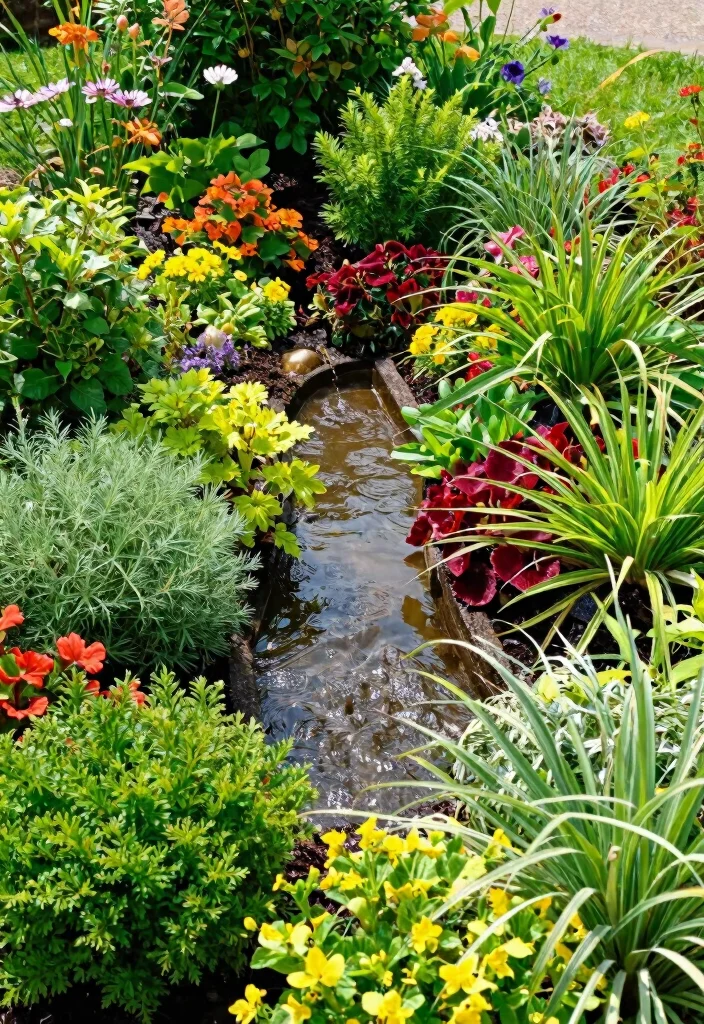
Rain gardens are an effective solution for managing stormwater runoff while adding beauty to your front yard. These gardens use native plants to absorb excess rainwater and filter pollutants. Picture a lively garden filled with colorful plants surrounding a shallow depression that collects rainwater.
To create a rain garden, identify areas in your yard where water tends to pool. Select plants that thrive in both wet and dry conditions, and design the garden to naturally direct water flow into the designated area.
Steps to create your rain garden:
– Identify pooling areas in your yard.
– Choose suitable plants for varying moisture levels.
– Design to guide water into the garden.
This not only enhances your yard’s aesthetics but also protects local waterways, benefiting both you and the environment.
12. Organic Mulching
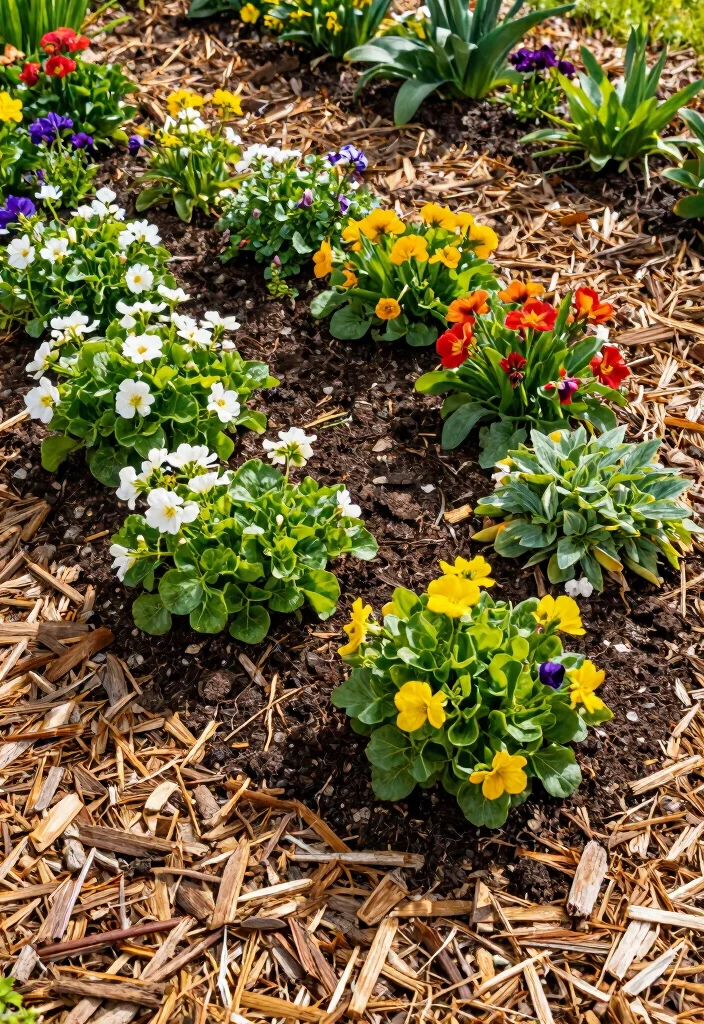
Incorporating organic mulch into your front yard design is an easy yet effective way to enhance soil health and suppress weeds. Picture a beautifully mulched garden bed with a layer of wood chips or straw, surrounding vibrant flowers and plants.
Organic mulch offers numerous benefits, such as retaining moisture in the soil and breaking down over time to enrich it with nutrients. When mulching, choose materials that are local and sustainable, applying a layer of 2-4 inches around plants for the best results.
Benefits of organic mulch include:
– Helps retain soil moisture, reducing watering needs.
– Enriches soil as it decomposes.
By nurturing your soil, you’ll cultivate a thriving front yard with minimal effort.
13. Solar-Powered Lighting
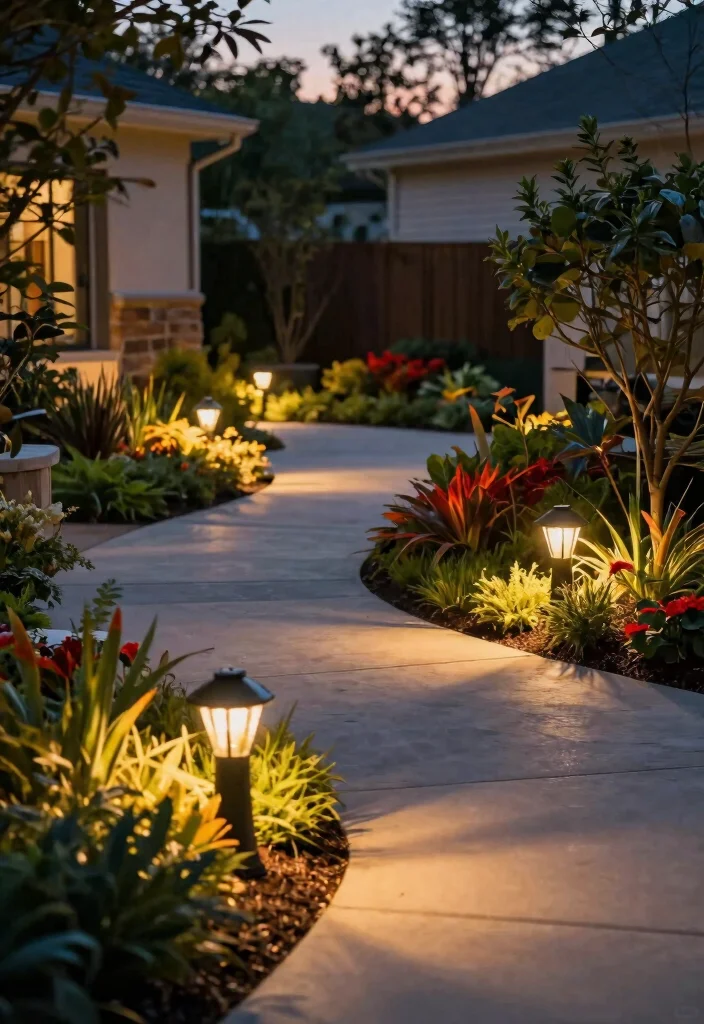
Brighten your front yard sustainably with solar-powered lighting. Imagine charming pathways illuminated by soft, ambient lights that enhance safety and create a magical atmosphere in your garden.
To set the perfect evening mood, identify key areas needing lighting, like pathways or seating areas. Choose solar lights that match your garden’s overall design and place them strategically to highlight beautiful plants or structures in your yard.
Advantages of solar lighting:
– Reduces energy consumption and costs.
– Offers flexibility without the need for wiring.
This eco-friendly approach allows you to enjoy your outdoor space longer while minimizing your carbon footprint.
14. Green Roofs and Living Walls
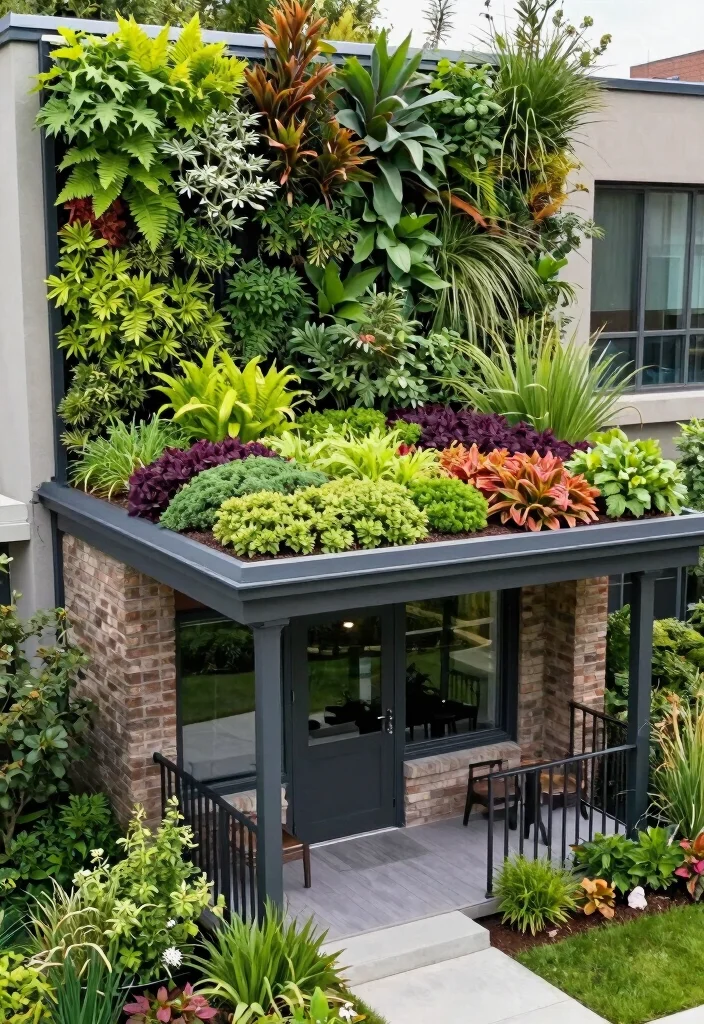
If you’re ready to push the boundaries of traditional landscaping, consider green roofs and living walls. These innovative designs bring nature to new heights, providing stunning aesthetics and improved insulation for your home. Imagine a sloped front porch covered in sedums or a living wall brimming with greenery.
To implement these designs, ensure your structure can support the additional weight and select low-maintenance plants suitable for vertical growth.
Benefits of green roofs and living walls:
– Provides excellent insulation, lowering energy costs.
– Absorbs rainwater and improves air quality.
These eye-catching and environmentally friendly designs will make your home stand out while promoting sustainability.
15. Seasonal Planting Schemes
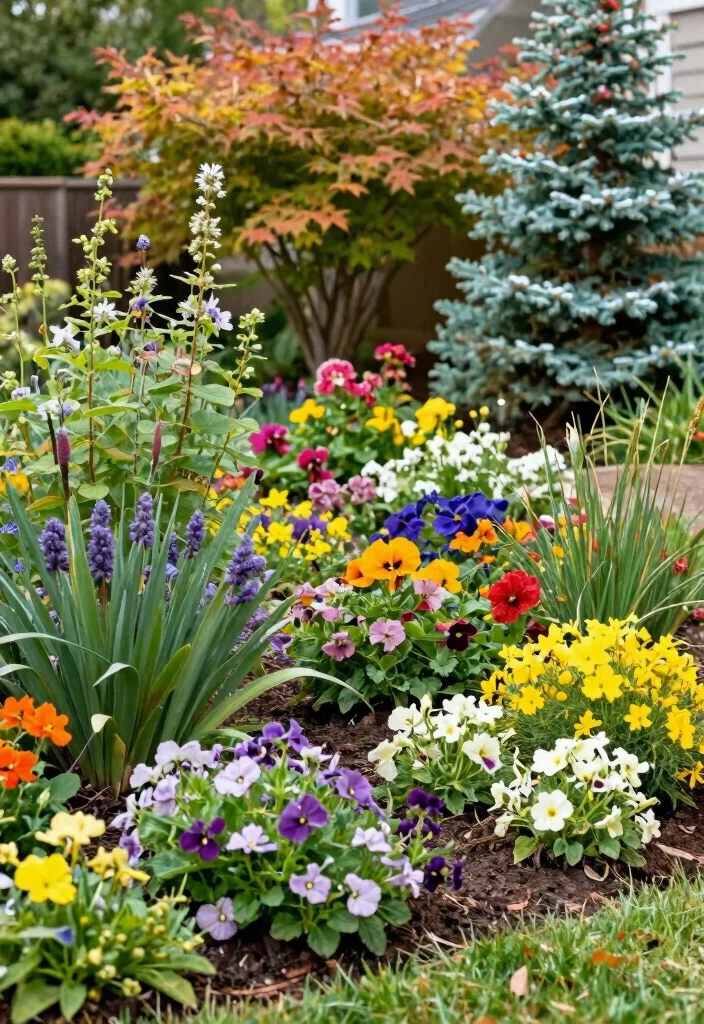
Keep your front yard looking fresh and inviting throughout the year by implementing seasonal planting schemes. A mixture of plants that bloom in different seasons creates an ever-changing display of color and interest. Picture a yard with spring bulbs, summer perennials, fall foliage, and winter-evergreens, all harmonizing beautifully.
To plan your seasonal garden, research flowering times and select a variety of plants. Incorporate evergreens to provide structure during the colder months.
Planning tips for seasonal planting:
– Research flowering schedules for various plants.
– Include evergreens for winter interest.
This thoughtful approach ensures your front yard remains appealing year-round, showcasing the beauty of nature’s cycles.
16. Pathway Innovations
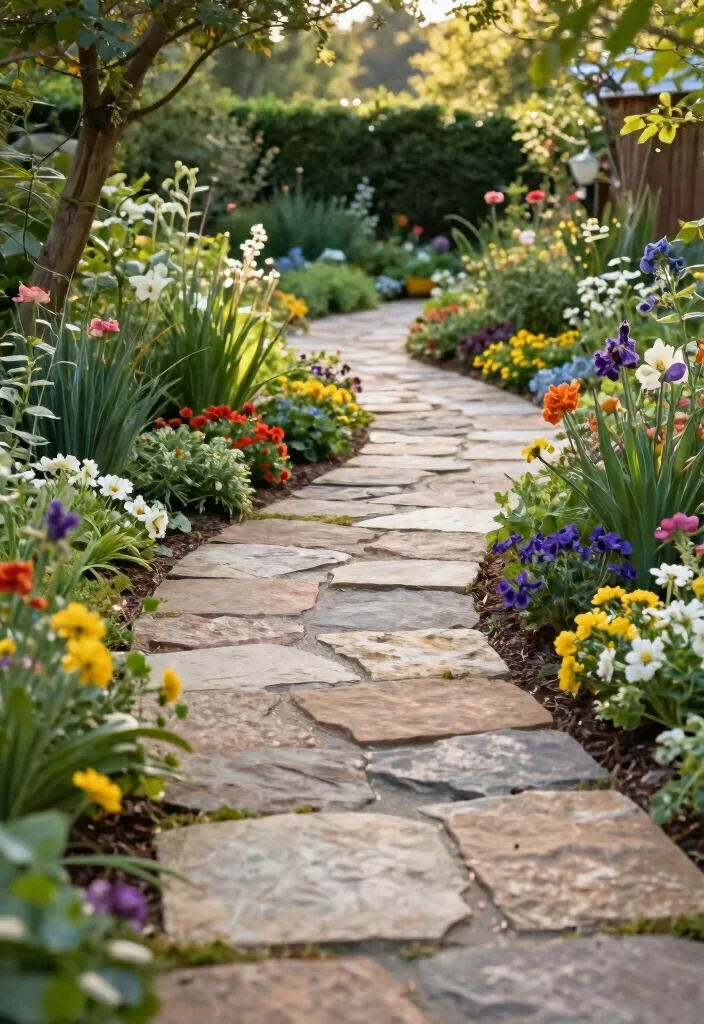
Pathways provide structure and invite exploration in your front yard. Instead of opting for traditional concrete, consider creative alternatives like gravel or flagstone. Imagine a winding pathway made of natural stones leading you through a lush garden filled with colorful flowers.
Key elements for an inviting pathway: Choose materials that complement your house’s style and incorporate curves for a more natural feel.
Pathway innovations to consider:
– Explore alternative materials for a unique look.
– Incorporate curves to enhance the journey.
These pathways not only enhance your front yard’s beauty but also effectively manage traffic flow, making your outdoor space more functional.
Fun fact: switching a concrete path to permeable gravel slashes runoff by up to 40%—a simple swap for eco-friendly front yard design ideas landscaping. Curved, natural-stone paths invite wandering through your garden while keeping things practical and welcoming.
17. Backyard-Front Yard Connection
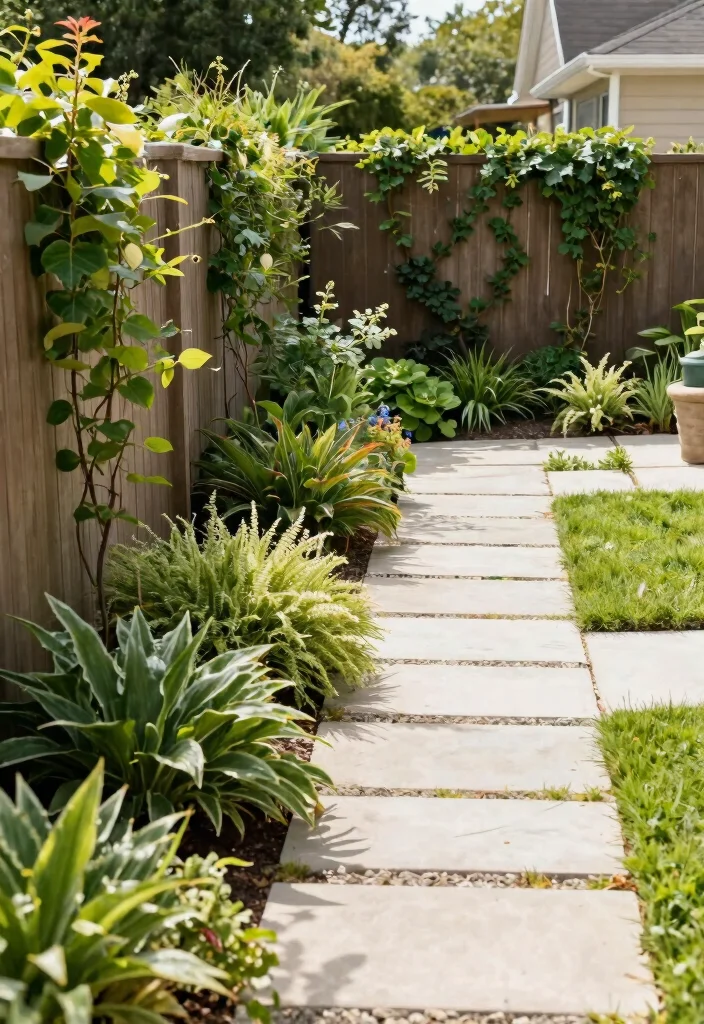
Why not extend your living space by creating a seamless connection between your front yard and backyard? Imagine a low fence or archway adorned with climbing plants that draws the eye from one area to the next.
To enhance this connection, use similar plant types in both spaces to create a cohesive design. Consider pathways that connect the two areas, inviting exploration and movement.
Tips for a successful connection:
– Match plant types in both areas.
– Design pathways that encourage movement.
This design not only enhances your home’s flow but also maximizes your outdoor living potential, making your property feel expansive.
18. Landscape Art Installations
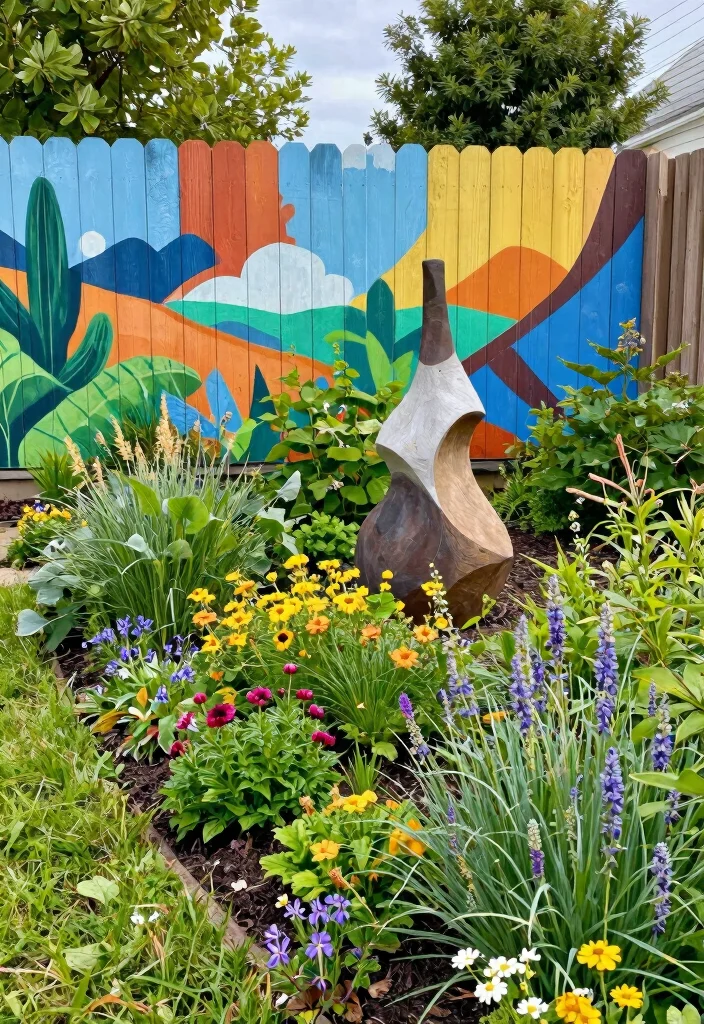
Embrace creativity by incorporating art into your front yard. Picture a striking sculpture surrounded by a garden of native flowers or a beautiful mural on your fence that tells a story. This personal touch elevates your landscape, making it unique to you.
When adding art, choose pieces that reflect your personality and values while ensuring they complement the surrounding plants and design.
Considerations for landscape art:
– Select art that resonates with you personally.
– Ensure harmony with the surrounding landscape.
By adding artistic elements, your front yard becomes a visual feast that enhances both your curb appeal and connection to nature.
Conclusion
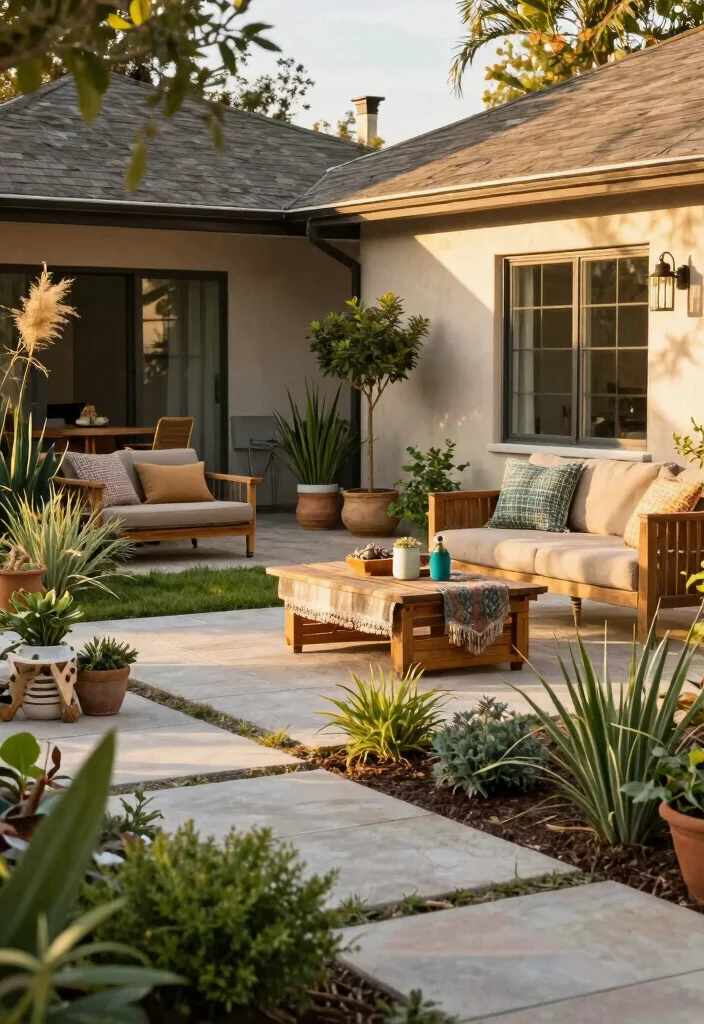
Embracing these sustainable front yard design ideas can dramatically change your home’s aesthetic and ecological footprint. Whether you opt for native plants, edible gardens, or unique artistic elements, each choice contributes to a healthy environment and a beautiful landscape.
Creating an eco-friendly front yard doesn’t just improve your curb appeal; it fosters a greater connection to nature and the community, inviting others to join the journey towards sustainability. Take inspiration from these ideas and let your front yard reflect your values while bringing joy to your home.
Note: We aim to provide accurate product links, but some may occasionally expire or become unavailable. If this happens, please search directly on Amazon for the product or a suitable alternative.
This post contains Amazon affiliate links, meaning we may earn a small commission if you purchase through our links, at no extra cost to you.
Frequently Asked Questions
What are practical, eco-friendly front yard design ideas to boost curb appeal?
Looking to boost curb appeal while keeping sustainability in mind? Here are practical front yard design ideas landscaping that work in most climates.
Choose native, drought-tolerant plants for low water use and year-round interest. This is a core landscaping tips you can start with.
Incorporate a mix of textures and colors with front yard landscaping ideas that highlight focal points like a specimen tree or a decorative stone path. Use permeable surfaces such as gravel or pavers to reduce runoff and help the garden thrive with less maintenance. Add a simple rain barrel for irrigation and mulch to conserve soil moisture.
Finish with low-voltage outdoor lighting to extend usability of outdoor living spaces and enhance curb appeal ideas after dark.
How can I reduce water use in front yard landscaping without sacrificing beauty?
You can dramatically cut water use with smart plant choices and efficient irrigation. Start with front yard landscaping ideas that prioritize natives and other drought-tolerant species. Group plants by their water needs (hydrozones) and use organic mulch to cut evaporation.
Install a drip irrigation system and rain barrels to capture rainfall for the garden. Replace lawns with groundcovers and permeable hardscapes to keep the landscape green with less watering. These landscaping tips make your outdoor space beautiful while staying eco-friendly.
What are budget-friendly ways to design a sustainable front yard?
You don’t need a big budget to get stunning curb appeal. Start with repurposed materials and simple starter plants. Use mulch, groundcovers, and edible low-maintenance options. Create focal points with a DIY rock bed or upcycled planters to keep things interesting. Use solar lighting to keep costs down and extend outdoor living spaces into evenings. Focus on curb appeal ideas that can be implemented in stages, matching front yard design ideas landscaping with your budget.
How can I design my front yard to improve outdoor living spaces and curb appeal?
Plan zones for seating, shade, and traffic flow. Add a small patio or compact deck, a welcoming path, and a focal plant or sculpture. Choose materials that withstand weather and require minimal maintenance. Use seasonal color and evergreens to keep year-round interest—these front yard design ideas landscaping will boost curb appeal ideas while expanding your outdoor living spaces.
What common mistakes should I avoid in sustainable front yard design?
Avoid overwatering and choosing high-maintenance plants that struggle in your climate. Don’t ignore drainage, sun/shade patterns, or the microclimates of your lot. Invasive species and non-native plants can harm ecosystems and complicate maintenance. Also plan for local regulations and pollinator-friendly options, or you’ll miss out on native wildlife and long-term savings. Start with a simple plan and test adjustments; it’s easier to reach your goals with thoughtful, sustainable steps rather than big, costly overhauls.
Related Topics
front yard design
sustainable landscaping
curb appeal
garden design inspiration
outdoor living
eco-friendly tips
easy landscaping
beginner friendly
landscaping tips
minimalist front yard
seasonal gardening
creative outdoor spaces