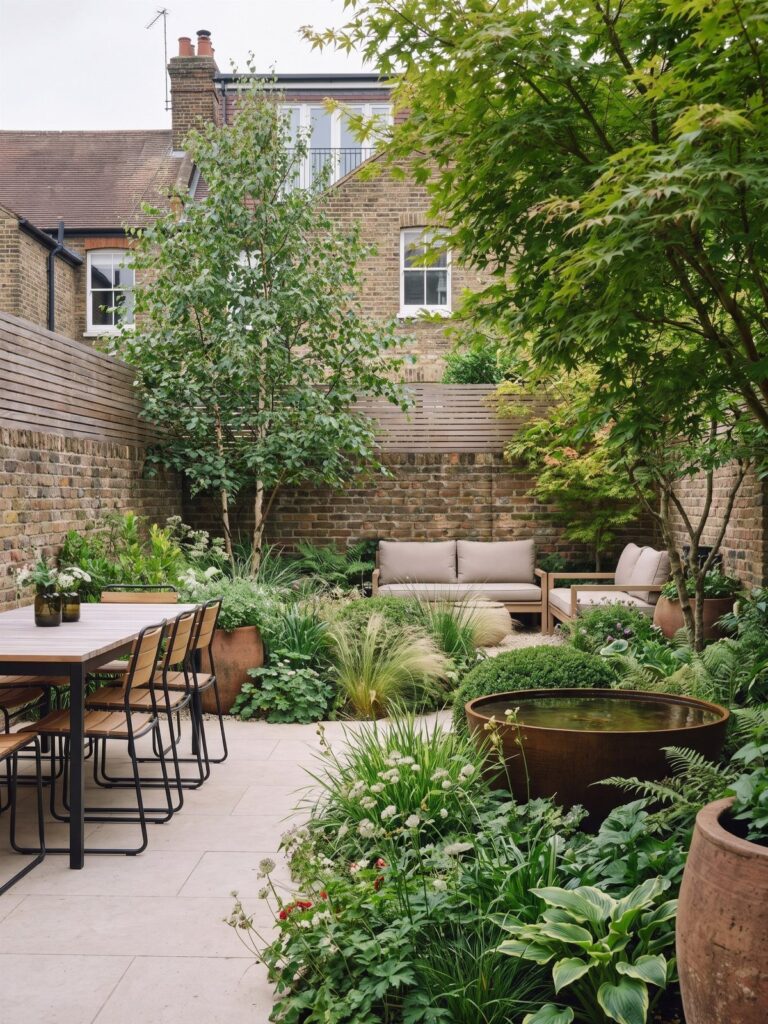
Small garden design can mean a bag of gravel and a shallow basin or a glass-roofed pergola that needs a code check and a budget for tempered panels.
What picks your idea is whether you rent or own, since anchoring to walls, building roofed structures, and sinking ponds all split on that line.
The 19 ideas below include both, and I would note the 30-inch path width for two people passing without brushing shoulders as the kind of hard number that keeps a tight layout from feeling tighter.
[link-whisper-related-posts]1. Vertical Gardening
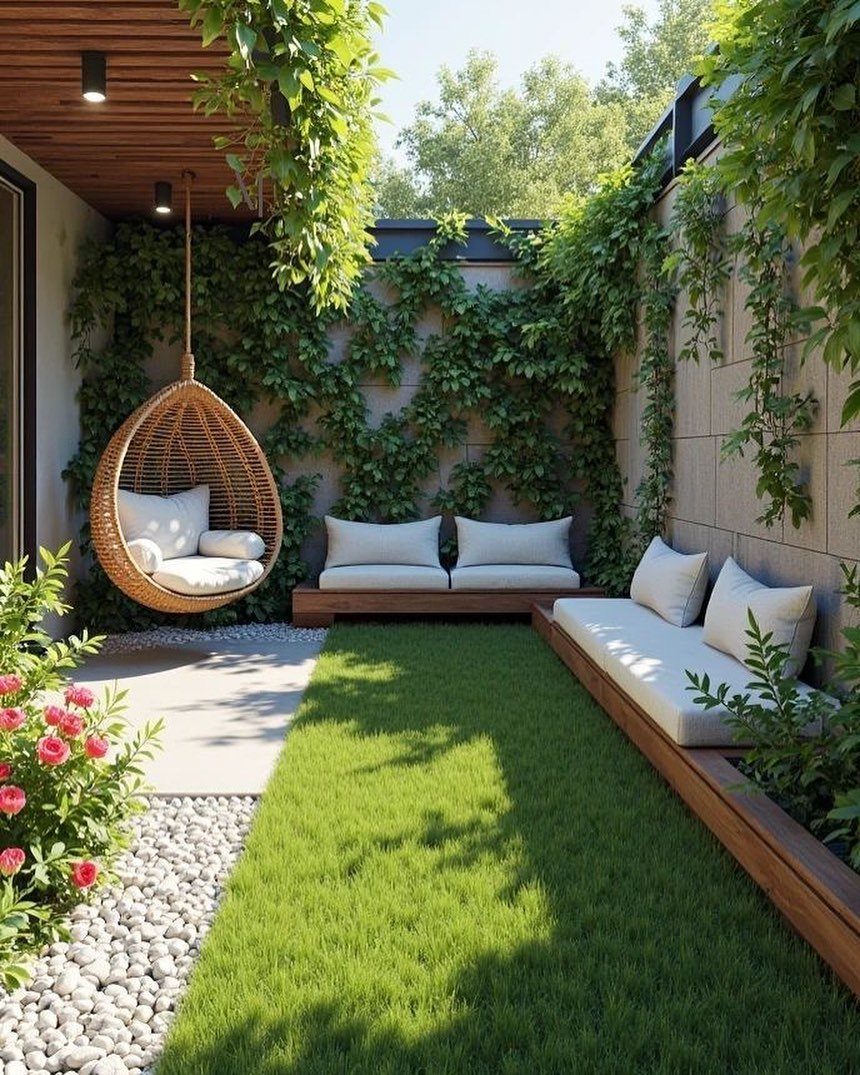
A vertical garden climbs walls, fences, or freestanding frames instead of spreading across ground you do not have. Rough stucco or brick grips roots on its own, while smooth painted surfaces need a trellis or wire grid mounted first.
I would check whether your wall faces sun enough for what you want to grow; shade-tolerant vines like climbing hydrangea handle north-facing brick, but tomatoes or flowering vines want direct light for most of the day.
Weight is the other check. A mature vine in wet soil adds surprising load; I would not anchor a heavy system to siding or a fence I did not own without asking.

【Extra-Large Height & Space for Climbing Plants】Standing at 65 inches tall—3 inches higher than standard versions—this trellis provides generous vertical space for vigorous climbers. The 51×17.7-inch frame with dense netting ensures even plant distribution and maximum sunlight exposure, effectively improving fruit yield and quality.
2. String Lights
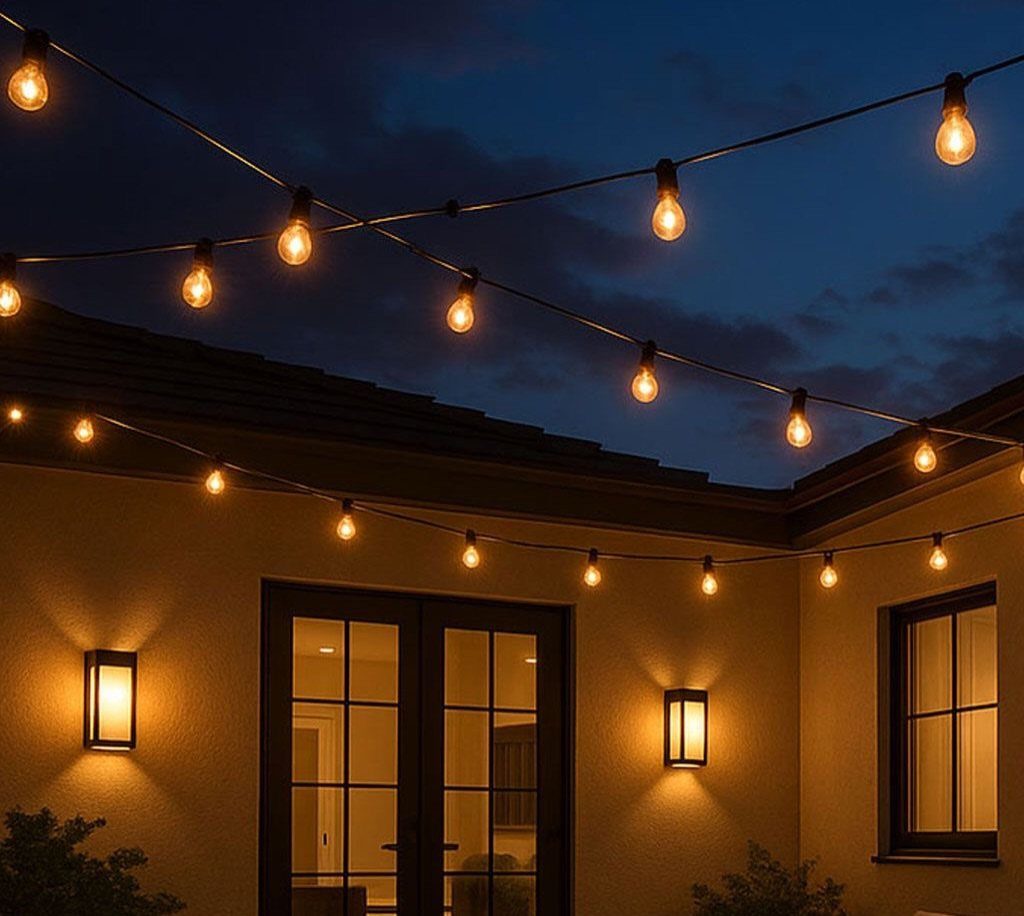
Bistro string lights turn a small garden usable after dark without the harshness of a single flood.
Overhead crisscross patterns need 2 anchor points at roughly equal height: house wall to fence, tree to pergola beam, or posts you set yourself.
I would plan the path first with the lights still in the box, measuring the span and counting how many strands that buys; most connect end-to-end up to a set limit, and exceeding it risks the fuse.
LED bulbs draw less power and stay cool if they touch leaves, which matters when you string through branches. Dusk-to-dawn timers are cheap and save the daily plug walk.
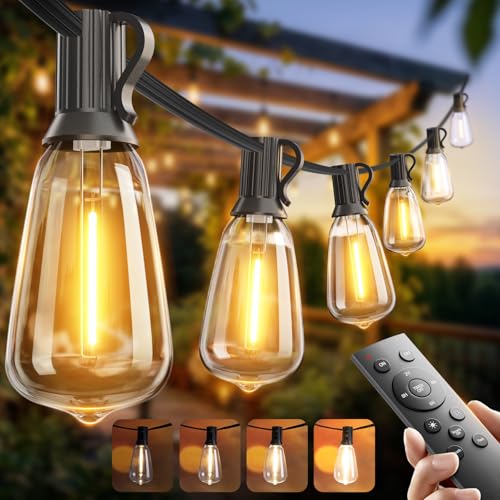
【Remote Control – Adjust Lights Without Getting Up】Sit back and use the remote to turn your lights on/off and fine-tune the brightness. Easily move from a gentle evening glow to bright lighting for cooking, gatherings, or game night, all without walking over to the outlet. The maximum remote control range is 50 feet.
3. Strategically Place Mirrors
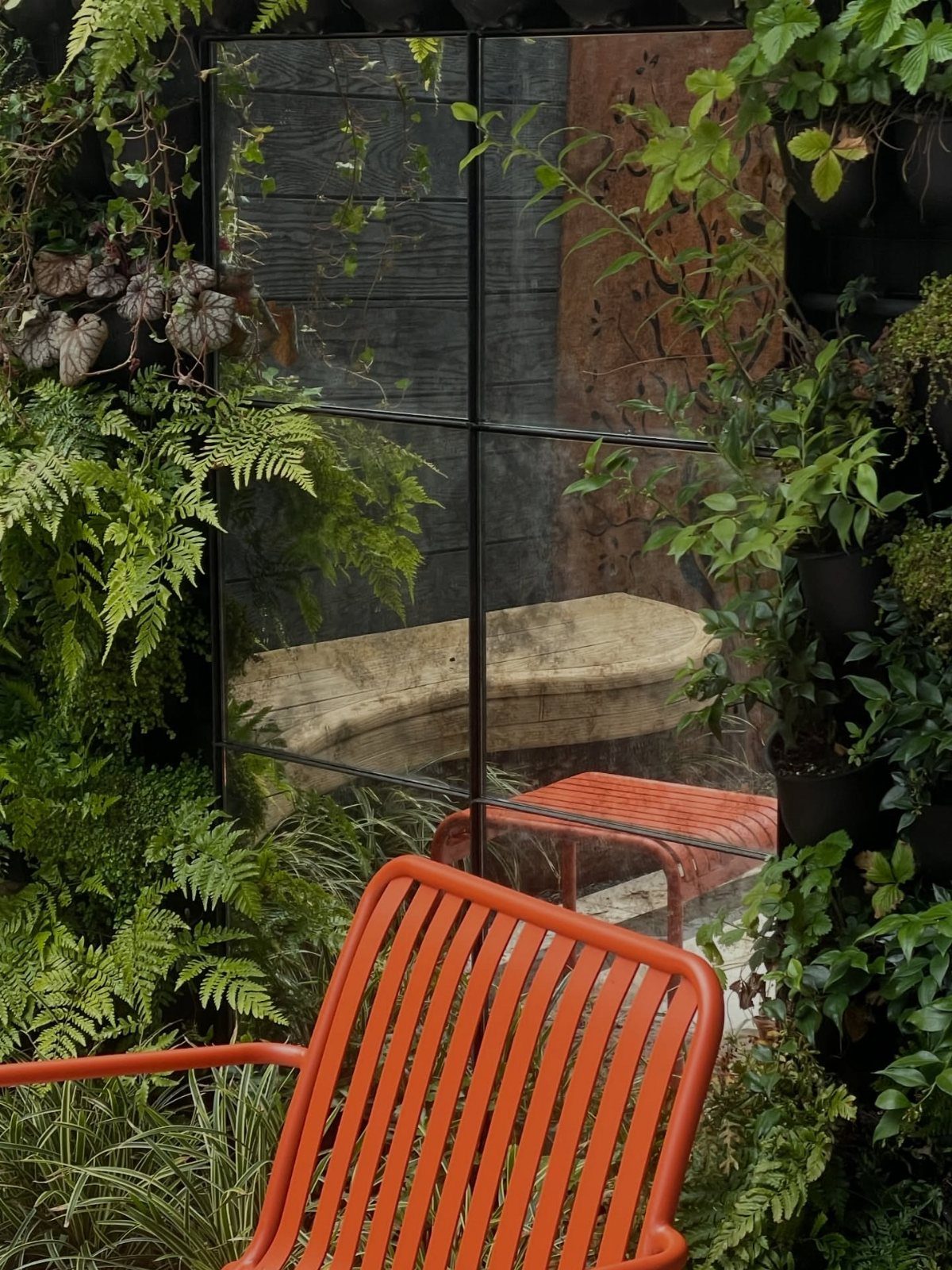
A mirror outdoors bounces light around and tricks the eye into seeing depth that is not there.
A black windowpane frame reads as a borrowed architectural element, not a bathroom mirror stuck outside; that choice of frame style is what sells the illusion.
I would mount it where it reflects greenery, not the neighbor’s siding or your own air conditioning unit, and I would seal the back and edges with exterior-grade caulk even if the label says weather-resistant.
One thing I would skip: placing it where direct sun hits it head-on. That concentrates heat and can scorch leaves or, with the wrong glass, create a fire risk.
4. Outdoor Room
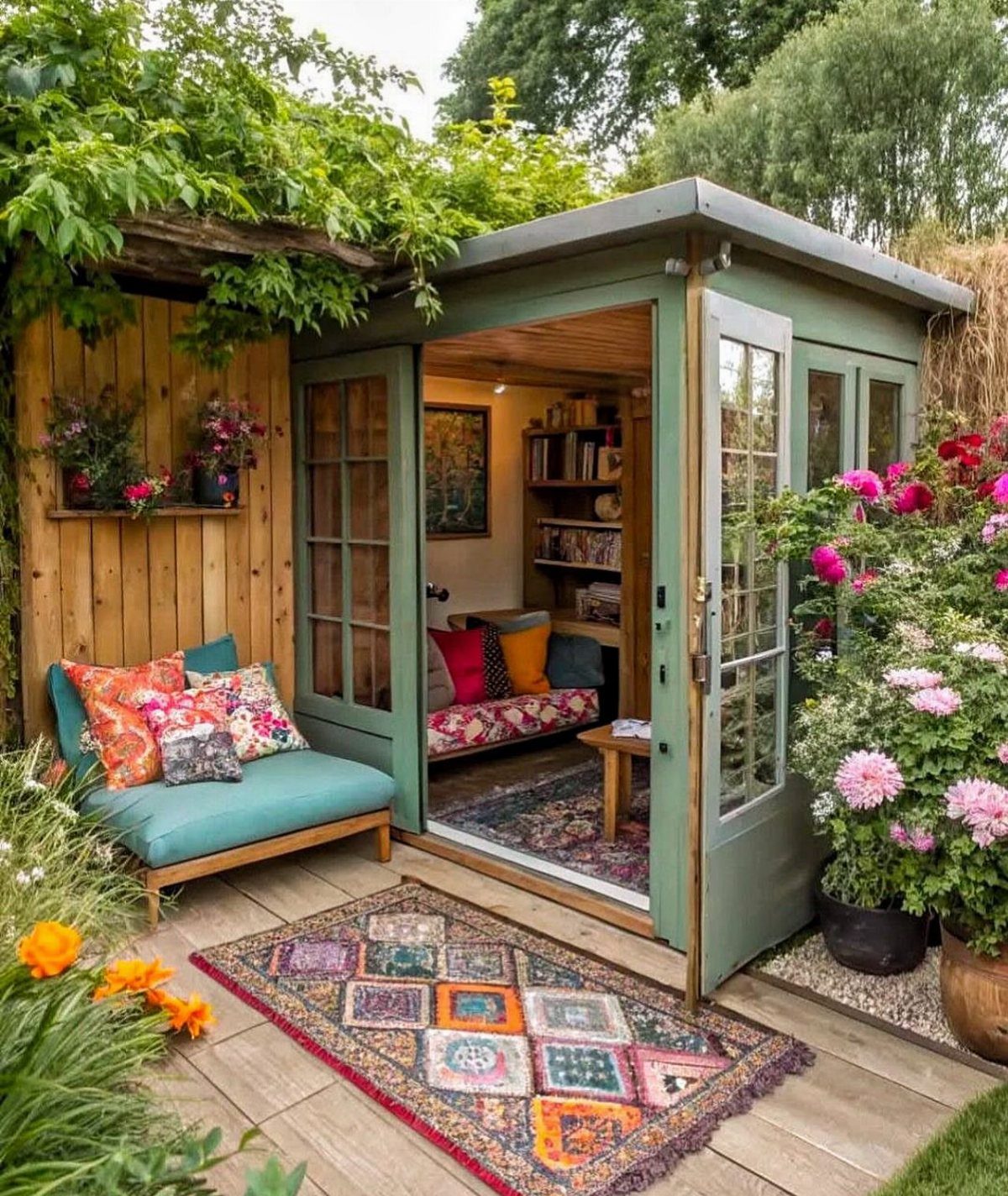
An outdoor room extends your living space by giving it walls, a roof, or at least a clear boundary.
The idea scales down from a small shed fitted out as a lounge to a canopied corner or a screen of tall planters; the defining move is treating the area as a room, not as leftover space.
I would decide early whether I need it weatherproof or just weather-tolerant. A shed with doors and a solid roof keeps books and cushions dry; a daybed under open sky needs everything stored or covered nightly.
Budget usually decides this one. A used shed runs more than a fabric room, while a rug and curtain panels on a rod can mark a room for a fraction of the cost.
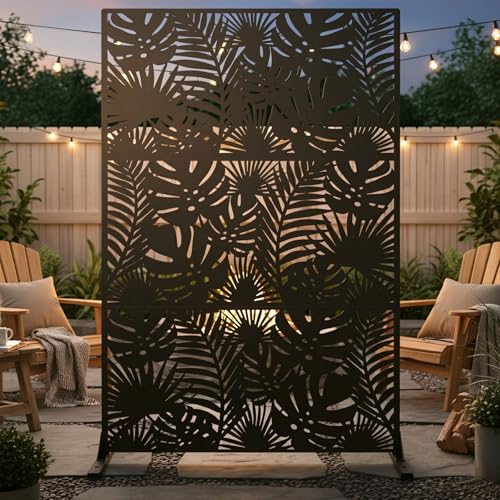
𝗢𝘂𝘁𝗱𝗼𝗼𝗿 𝗣𝗿𝗶𝘃𝗮𝗰𝘆 𝗦𝗰𝗿𝗲𝗲𝗻 𝗳𝗼𝗿 𝗣𝗮𝘁𝗶𝗼, 𝗚𝗮𝗿𝗱𝗲𝗻 & 𝗕𝗮𝗹𝗰𝗼𝗻𝘆:Transform your outdoor area with this decorative metal privacy screen. The 72x44in freestanding panel creates a modern garden divider that shields unwanted views while adding a contemporary touch to your patio, balcony, or backyard.

Details: Artificial ivy wall is 120 inches long and 40 inches wide, with green faux ivy leaves. Made up of 12 small panels (connected).Can cover 33.33 square feet. the faux Ivy Vine are textured and look real. You can reassemble or cut to get the size you want. 50 cable ties are included to assist in installation.

Upgrade iCover Privacy Screen For Fence: Our privacy screen is made of heavy-duty knitted net, measuring 4 ft high by 50 ft long. It is suitable for fences with a height of 4 ft or slightly higher. Please accurately measure your fence before purchase
5. Outdoor Rugs
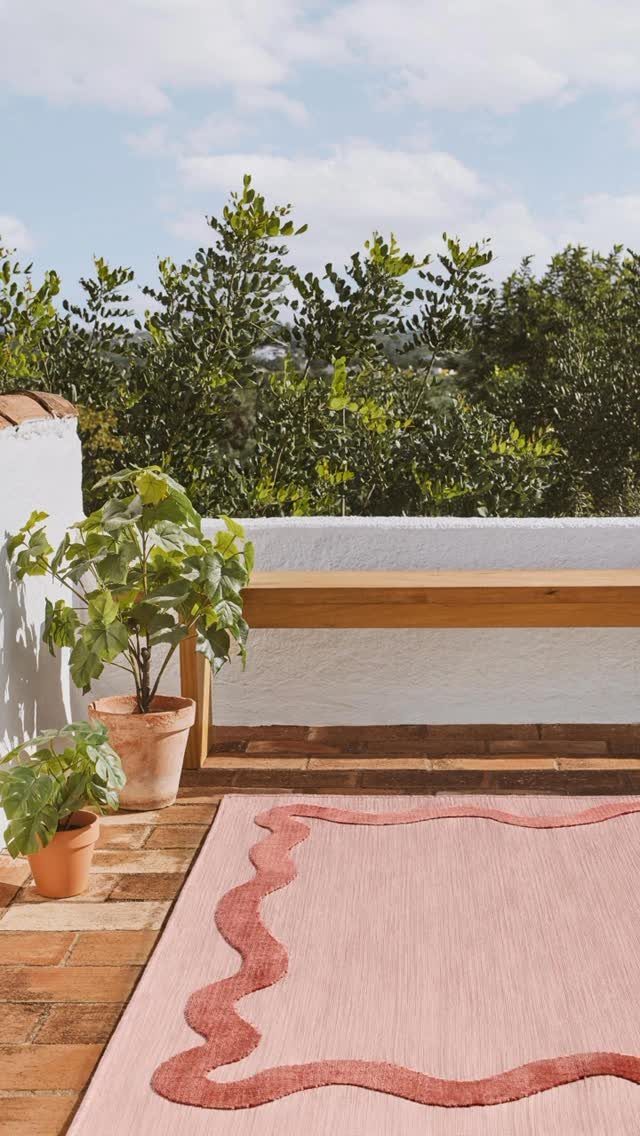
An outdoor rug defines a seating or dining area the way a rug does indoors, and it softens hard surfaces that small gardens tend to have plenty of.
A wavy pink border on terracotta tile tells me the rug is polypropylene or another synthetic that will not mildew when the patio drains slowly; natural fiber like jute or cotton rots fast outside and I would avoid it.
I would hose the rug down at season’s end and let it dry fully before storing, or leave it out if the label says it is rated for full exposure.
Size matters more than pattern: a rug that floats in the middle of the space looks lost, so I would measure to have front legs of chairs on it at minimum.
6. // Built-In Seating Area
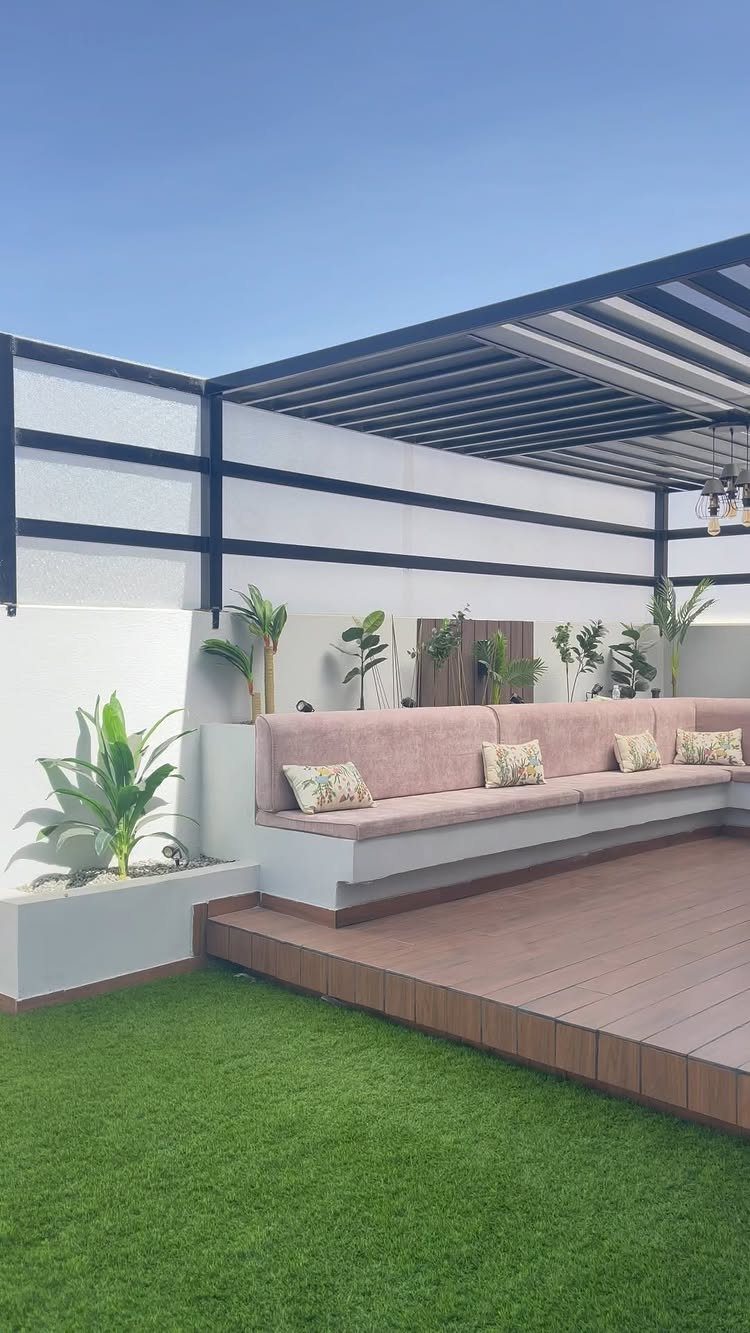
Built-in seating turns the ground itself into furniture, which in a small garden means you do not lose square footage to chair legs and circulation gaps.
A bench running along a wall under a pergola, with cushions laid on top and planters integrated at the ends, saves the separate space a side table or plant stand would need.
I would build the seat height with cushions included in the measurement, or slightly lower bare if I preferred no cushion.
Storage underneath is possible with hinged tops, but I would add the hinge only if I had dry items to store, since damp collects in enclosed outdoor spaces.

【Rust-Resistant Material】: Cucumber trellis is constructed with high-quality galvanized steel inner pipes and an exterior plastic coating, forming a dual-layer rust-proof barrier to ensure long-lasting durability

【Rust-Resistant Material】: Cucumber trellis is constructed with high-quality galvanized steel inner pipes and an exterior plastic coating, forming a dual-layer rust-proof barrier to ensure long-lasting durability
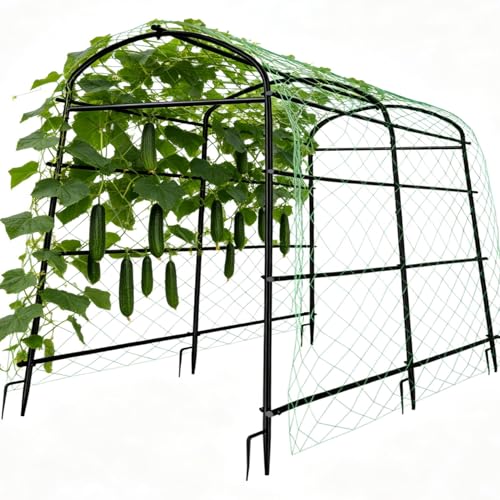
A plant climbing trellis is essential for maximizing yield and optimizing space, especially for vines plants like cucumbers, beans and morning glory. Our trellis provides the crucial vertical support needed for healthy growth and abundant harvests.
7. Benches with Storage
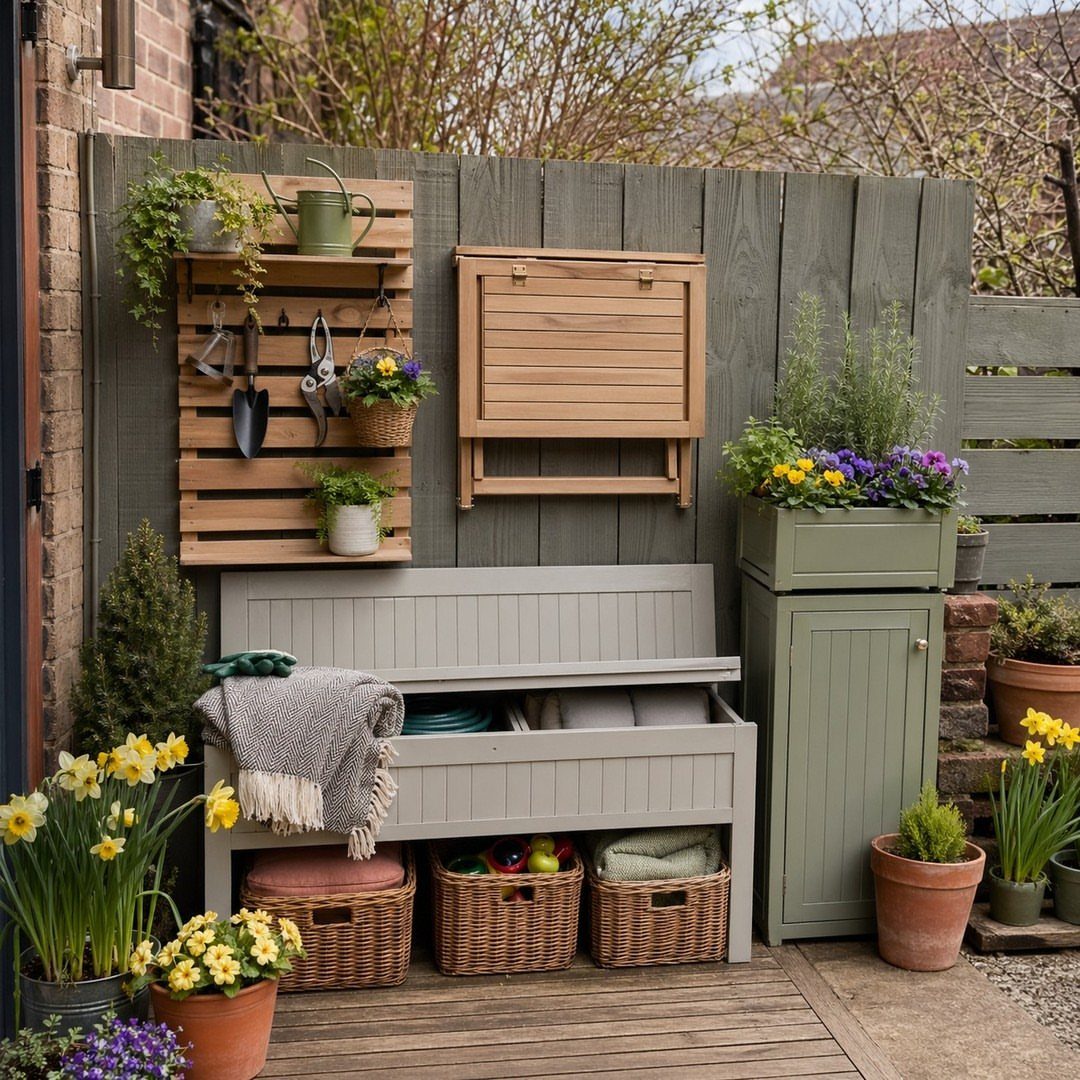
Freestanding storage benches keep cushions, tools, or pots dry without the commitment of built-in carpentry.
A painted wooden frame with wicker baskets underneath makes a storage bench that keeps cushions or tools dry; I would check that the lid seals tight or the contents live in bins, since outdoor humidity finds every gap.
Bench height matters if you plan to sit on it: standard dining chair territory works for most adults, and lower than that gets hard on the knees.
I would place it against a wall or fence so it does not block circulation, and I would measure the depth before ordering; a 20-inch seat eats more patio than it looks.

【SMART REMOTE CONTROL - ADJUST FROM YOUR SEAT】 Effortlessly manage your ambiance with the included remote. Choose from 25%, 50%, 75%, or 100% brightness levels to suit any occasion—from intimate dinners to festive parties. No need to leave your seat or struggle with hard-to-reach outlets; complete control is at your fingertips.

VintageFlame String Lights:This retro-style flame outdoor Halloween Lights comes with 10 flickering flame bulb, lead length:6.6 feet, distance between two blub:1.6 feet, total lenth:21 feet. End-to-end connectable allcows up to 3 strands (Total:63 feet) , with realistic orange flame and transparent shells, creating a warm, mystical glow. Perfect for adding a stylish touch to , garden parties, or everyday home Halloween decorations.

Remote control with customizable lighting & timer: control your outdoor string lights via remote to adjust brightness from 25%, 50%, 75% to 100%. Choose from 3 lighting modes: breathing, steady, and flashing to tailor your desired ambiance. Plus, set the built-in timer for 6 or 8 hours to automatically turn off the lights, saving your energy and electricity bills.
8. Water Feature
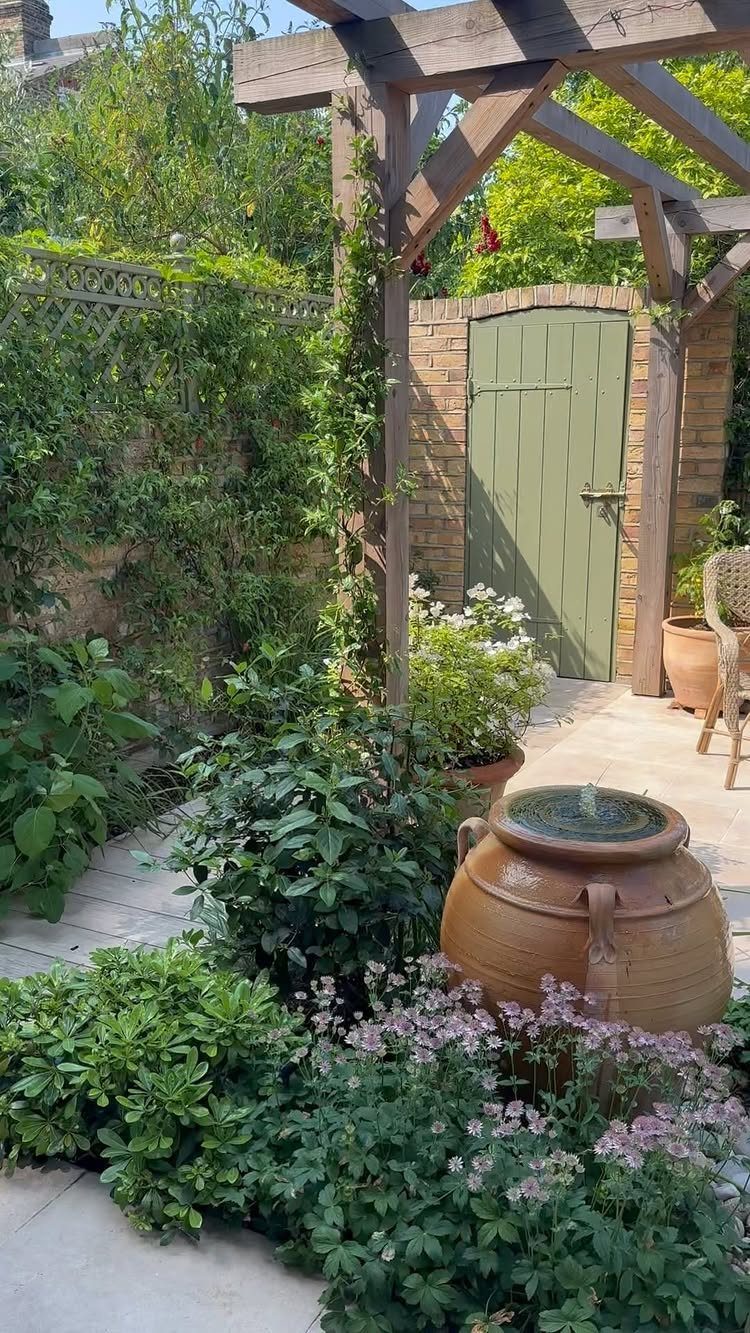
A bubbling pot fountain anchors a small garden with sound and movement without the space or safety concerns of open water.
A terracotta jar in a bed of gravel hides the reservoir and pump underneath; a hidden basin catches overflow and recirculates it, so the water bill stays minor.
I would set it on level ground and check that the pump cord reaches a GFCI outlet, since extension cords through wet soil are something I would not risk.
The gentle burble masks traffic noise, but I would skip it if I lived where mosquitoes breed; still water draws them, though moving water like this does not.

Elegant design : This wooden mirror has a rectangular shape that is simple and versatile, on the wall according on your decor style.This mirror has a crystal clear reflection and a wooden border with subtle indentations that has a rustic feel
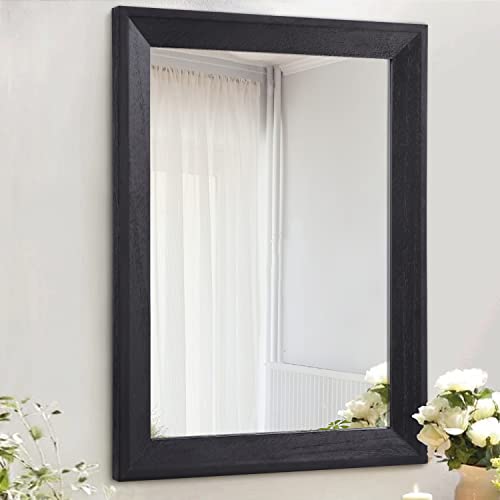
Classy Design: This rustic mirror has a rectangular shape that is better vertical on your wall depending on your decor;Lend a vintage-inspired look to your home decor with this unfinished wood frame

Soft Matte Black Translucent Pink
9. Stepping Stones
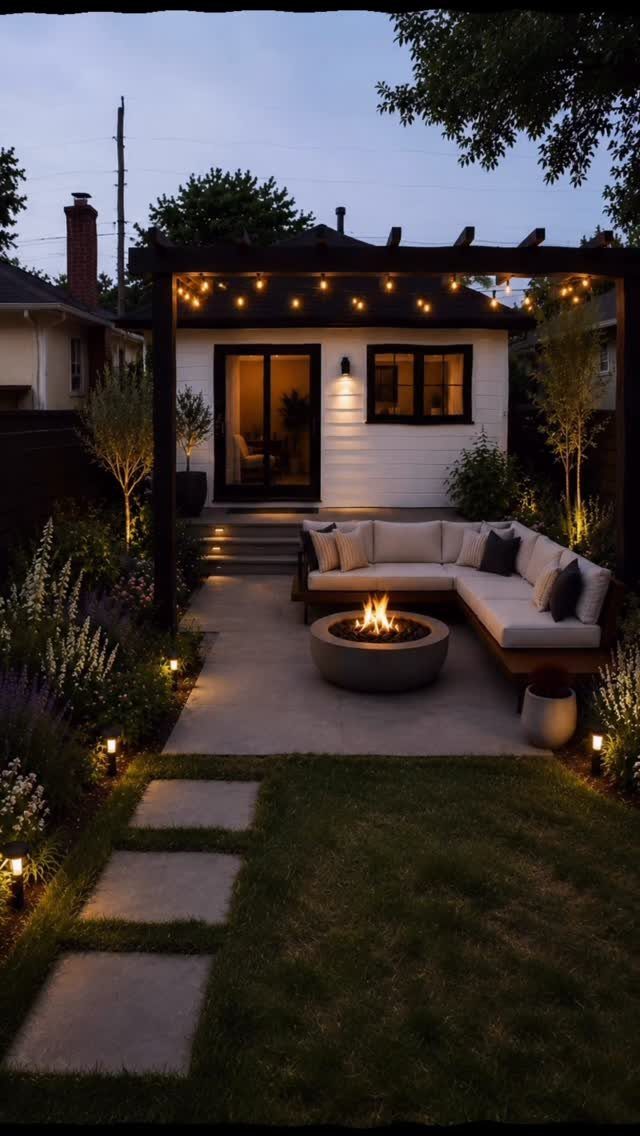
Rectangular pavers set into lawn create a path that reads as intentional, not leftover, and the grass between keeps the garden feeling planted rather than paved.
Stepping stones set flush with the turf mean mowing over them without catching a blade; I would set them on compacted sand, not just dropped on dirt, or they tilt within a season.
Spacing is a stride question: a comfortable step for most adults works best, but I would pace it out myself before cutting sod.
Concrete, natural stone, or porcelain all work; smooth cast stone is lighter to handle and cheaper by the piece.

STYLISH NATURAL WOOD: This FSC certified wood screen is made with real wood meaning no two boards have the same grain color, finish, or wood knots differing it from vinyl outdoor privacy fence screen panels.

Upgrade iCover Privacy Screen For Fence: Our privacy screen is made of heavy-duty knitted net, measuring 5 ft high by 50 ft long. It is suitable for fences with a height of 5 ft or slightly higher. Please accurately measure your fence before purchase

High Quality Material and Construction: Shade&Beyond privacy screen is crafted from 170 gsm UV protected NON-RECYCLED HDPE fabric; featuring durable brass grommets on each side for secure installation
10. // Try a Pergola
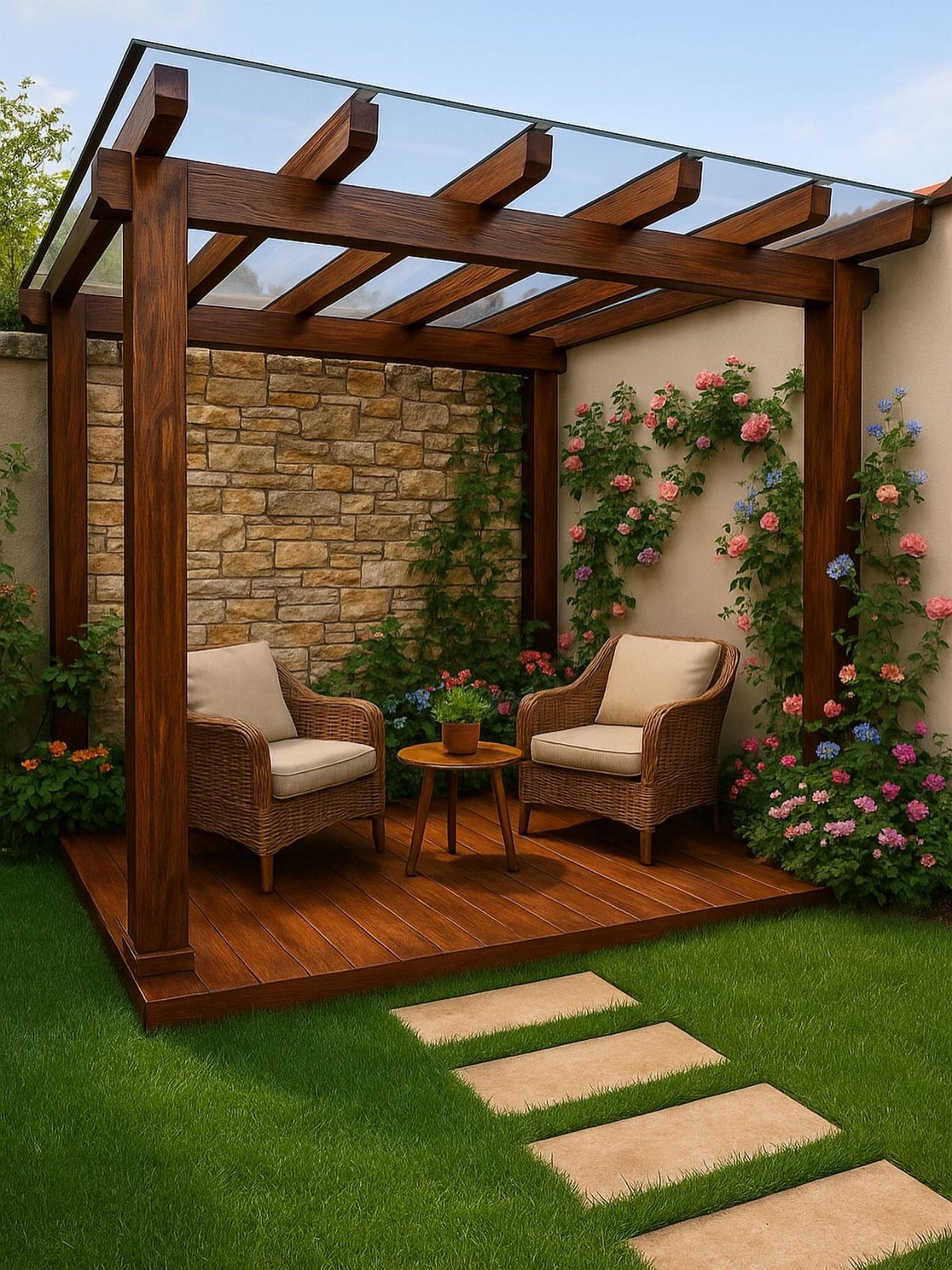
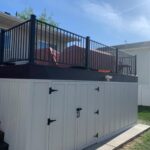
A pergola with a glass roof keeps rain off while letting light through, turning a narrow deck into a sheltered room without walls.
A wood frame painted or stained to match the house helps a small space feel deliberate; I would check local code before building, since some municipalities count roofed structures toward lot coverage limits.
Glass panels need cleaning, and I would budget for tempered or laminated safety glass, not standard panes that shatter.
A fabric canopy is the cheaper alternative, but it fades and I would store it for winter; glass stays up and costs more up front.

OUTDOOR PERGOLA: Our pergola features a flat roof design that enhances the beauty and elegance of your garden while allowing plenty of natural sunlight. Built for long-term outdoor use, this wood pergola is resistant to cracking and warping and can withstand wind speeds up to 80 mph. Its traditional antique exterior complements most outdoor décor and provides sturdy support for growing grapevines or climbing flowers.

Premium Solid Cedar Wood Frame: Crafted from high-quality cedar wood with rich grain patterns, this pergola features a natural finish and is treated with a weatherproof stain for long-lasting durability, ensuring protection through all seasons

Wind-Resistant Protection: Pro-Tect tested and proven to withstand up to 100 mph winds
11. Create Zones
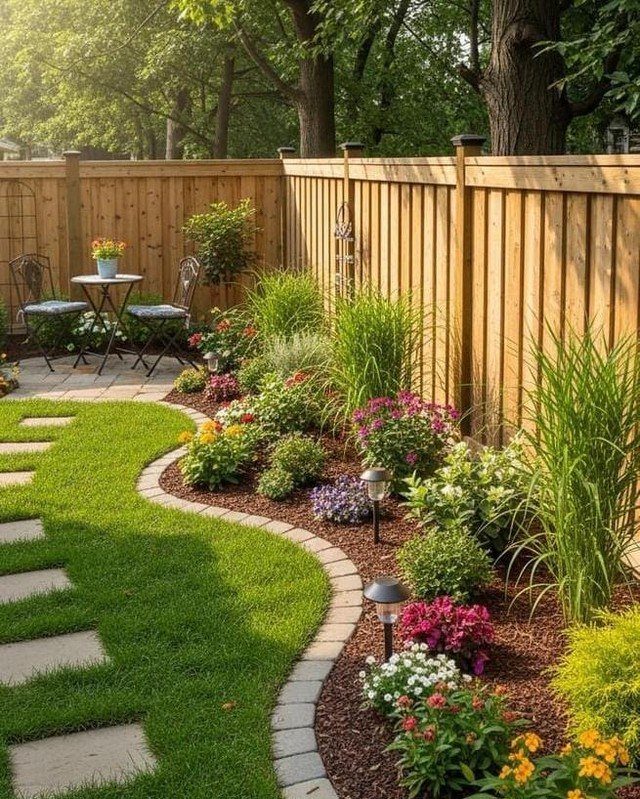
Dividing a small garden into areas for sitting, planting, and walking makes it feel larger by giving each patch a single job.
Brick edging, a change in surface, and a shift in plant density can mark 3 zones without any fence or wall.
I would choose one material per zone and stick to it; mixed surfaces read as clutter when the total area is small.
The path needs to be wide enough for a wheelbarrow if you plan to garden seriously, or at least 30 inches for two people to pass without brushing shoulders.
12. Layered Planting
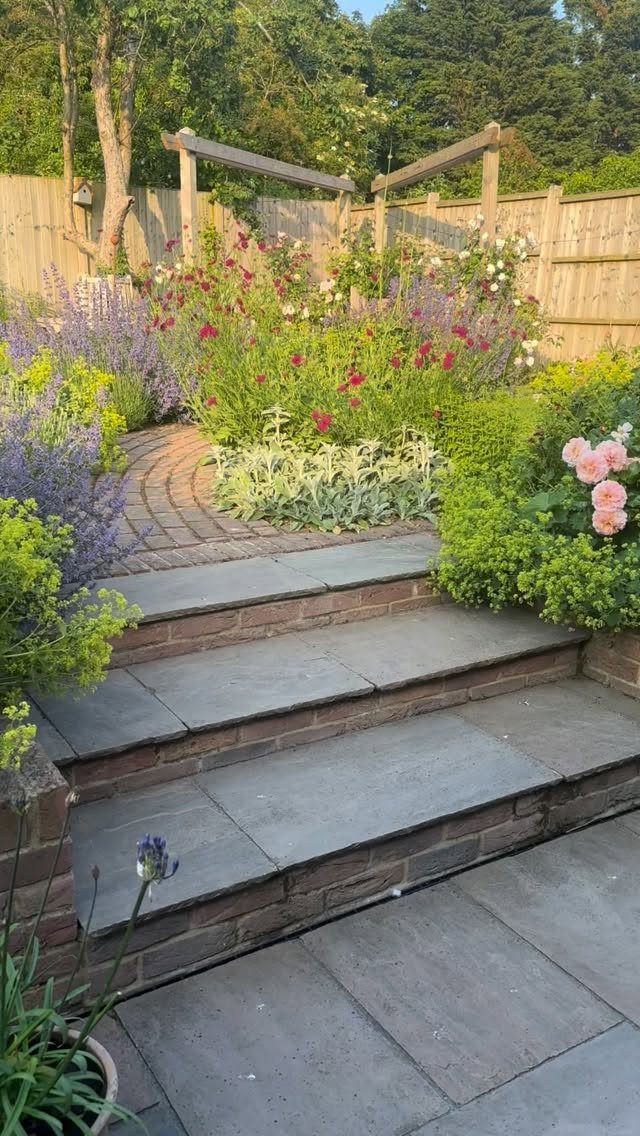
Stacking plants by height, shortest at the front and tallest at the back, builds depth that a small garden desperately needs.
A bed that runs from ground cover up through shrubs to a climbing vine on the pergola keeps the view open; nothing blocks what is behind it, so the eye travels.
I would place the tallest layer where it screens something worth hiding, a fence or an air conditioning unit, and keep the front edge low enough to deadhead without kneeling.
Evergreen shrubs at the back give winter structure; if I had to choose one layer to skip, it would be the mid-height perennials, though they are the easiest to find at any nursery.
13. Raised Beds
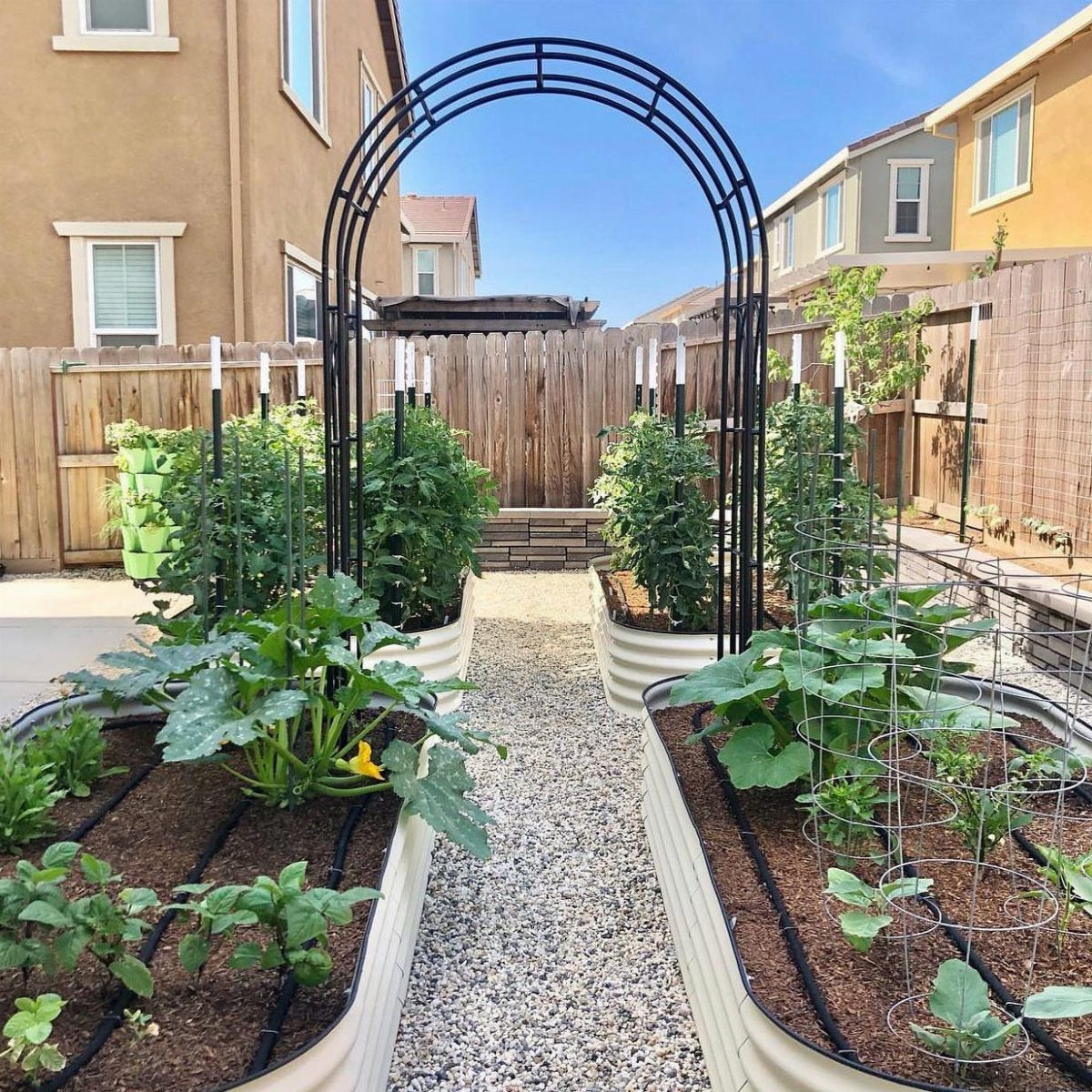
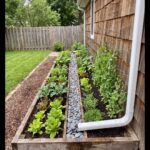
Corrugated metal raised beds warm fast in spring and drain better than ground-level soil, which matters when your small garden is also your only garden.
I would keep the beds narrow enough to reach the center from either side without stepping in and compacting the soil. The gravel path between them keeps mud off your shoes and looks cleaner than bare dirt.
Galvanized steel lasts longer than the painted kind, but both edges need a rolled top or trim; the cut rim is sharp enough to slice a hose or a hand.
14. Small Pond Surrounded by Plants
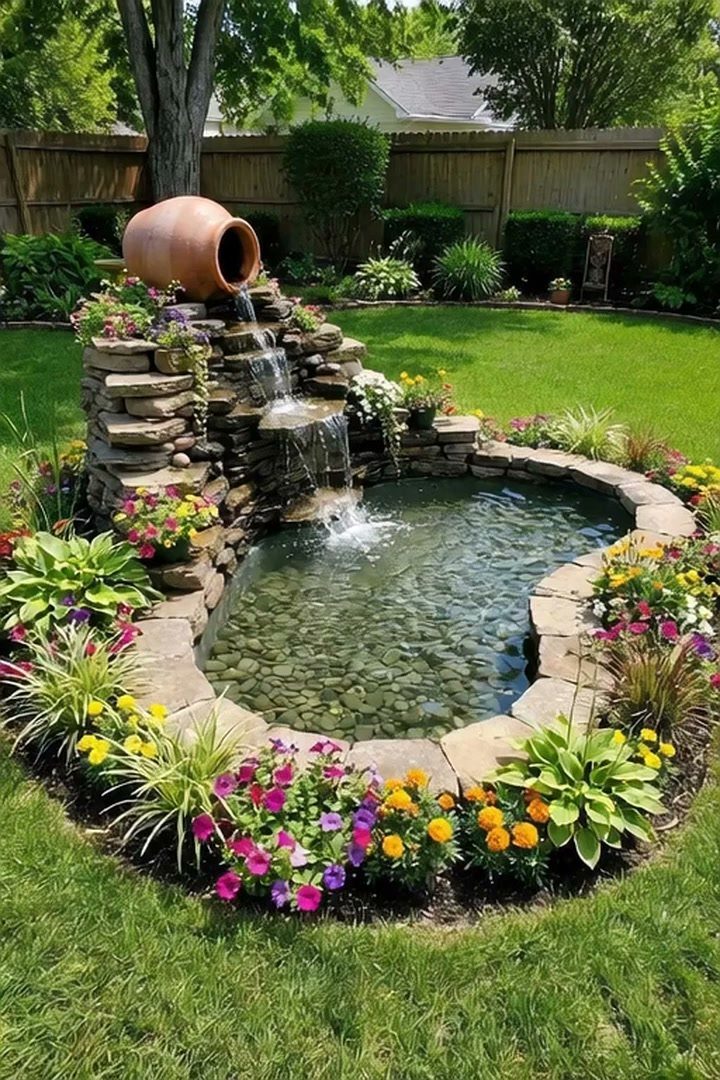
A small pond with a stacked stone waterfall turns a corner of lawn into something you hear before you see.
The terracotta urn spilling into the pool hides the pump tubing inside the stone stack; I would set the basin on compacted sand, not turf, or it settles and the water level looks wrong within a year.
Flat stone pavers as edging let you kneel for maintenance without sinking into mud. I would check that the overflow has somewhere to go in heavy rain, or the lawn turns swampy downhill.
15. Install a Small Greenhouse
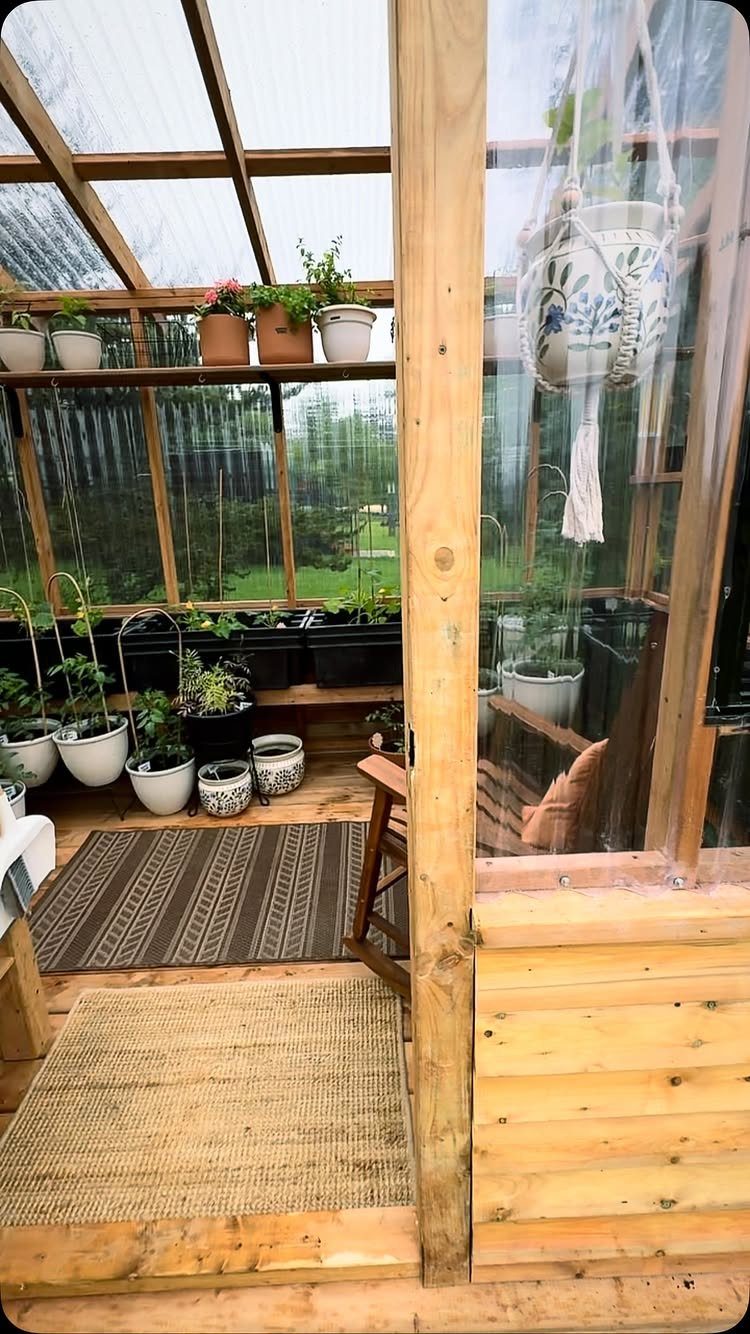
A small greenhouse extends your growing season and gives seedlings a head start weeks before the last frost date.
A wooden frame with clear plastic walls is the budget version of glass; I would anchor it to a base or the wind picks it up once the profile catches.
Woven rugs on the floor mean this one doubles as a sitting space, but I would keep a hose nearby or hauling water gets old fast.
Ventilation matters more than beginners think; a door or window you can prop open keeps the temperature from cooking plants on sunny March days.
16. Fire Feature
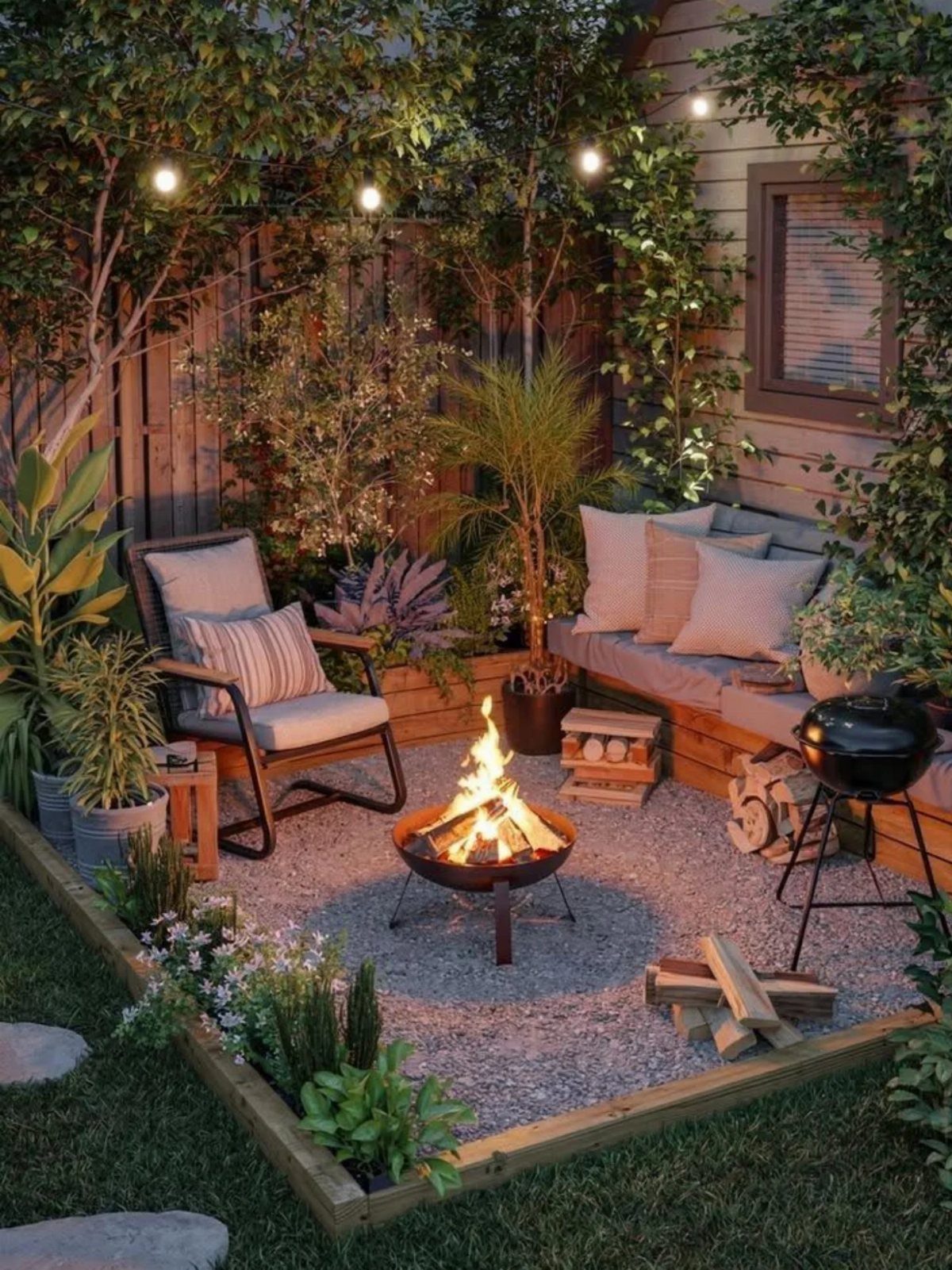
A fire pit bowl on gravel turns a small patio into a space you use after sunset and deep into fall.
I would check local burn bans before buying; many Western states restrict wood fires for months each year, and a propane bowl is the workaround.
The string lights overhead are a separate circuit from the fire; I would run them on a timer so you are not climbing a ladder with a stick after dark.
17. Evergreen Plants
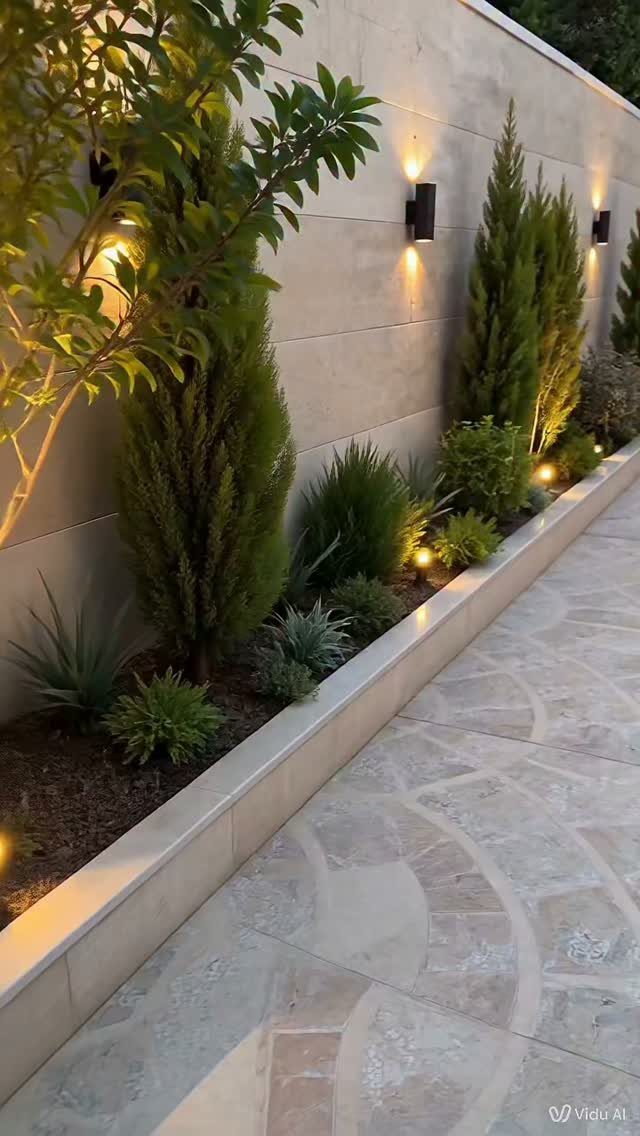
Evergreen shrubs and cypress against a wall give structure in January when everything else is sticks and mud.
Uplighting at the base turns that structure into architecture at night; I would use LED fixtures on a transformer, not line voltage, since you are running cable through garden beds.
The narrow footprint suits side yards and tight boundaries where deciduous trees would overhang the neighbor’s space.
I would plant with mature width in mind; a cypress planted too close to the wall needs moving before long, and evergreens do not transplant well once established.
18. Delicate Plants
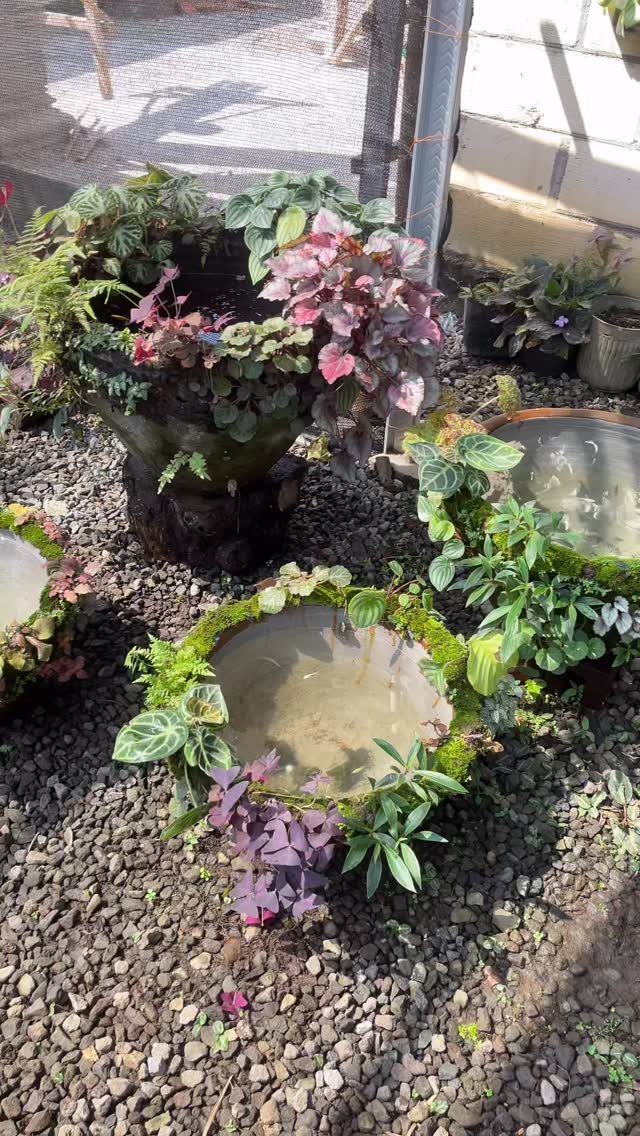
Shallow concrete basins planted at the rim with moss, ferns, and begonia turn a patch of gravel into a composition you build like a table setting.
The water surface reflects sky and the plants overhead, so the visual space reads larger than the footprint. I would set the basins on level ground; even a slight tilt drains one side dry and the other overflows.
These plants want shade and constant moisture at the roots, so this idea belongs where afternoon sun does not hit. I would refresh the water weekly or it stagnates; there is no pump here to keep it moving.
19. Miniature Garden
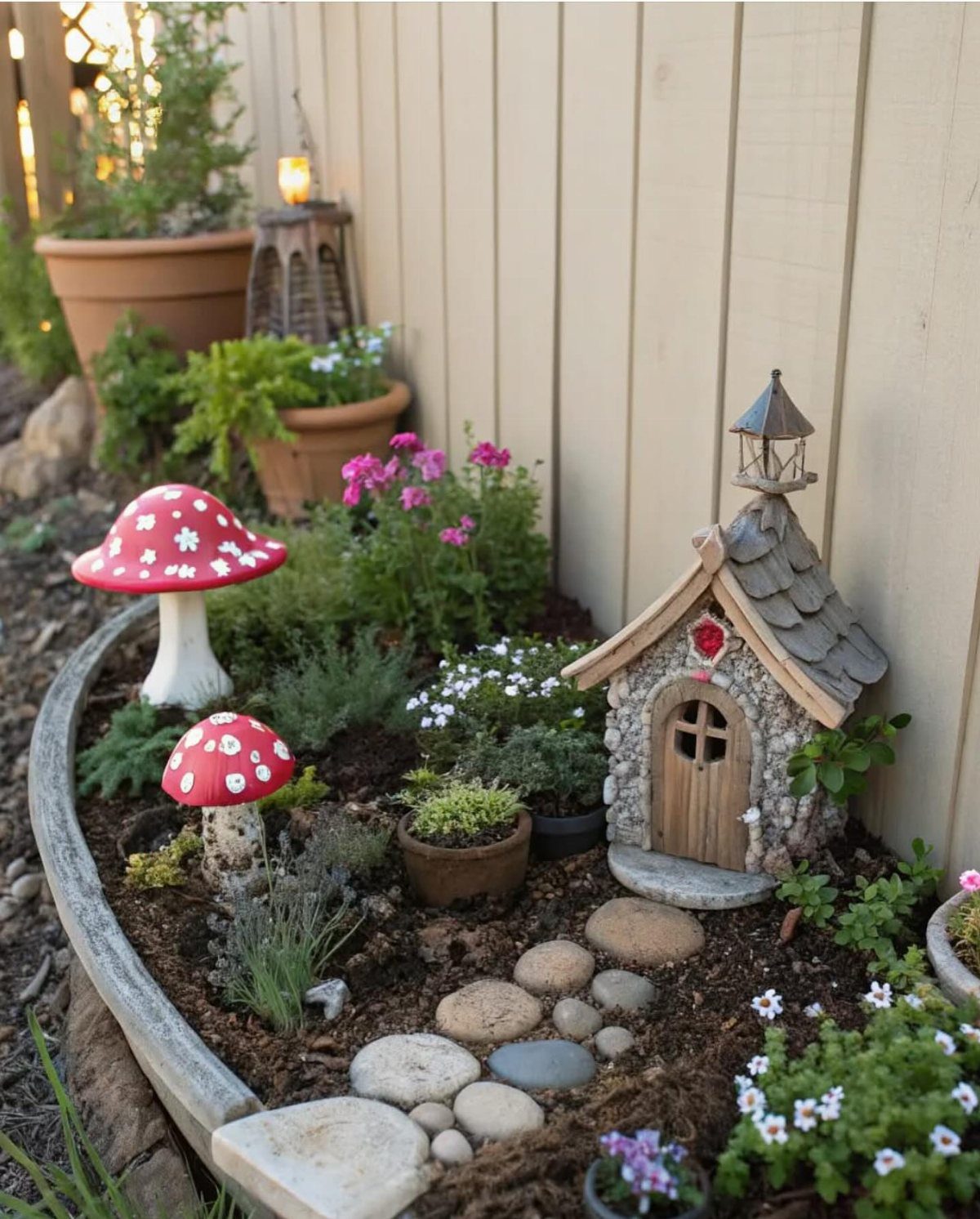
A miniature garden turns a narrow bed along a fence into a scene that rewards stopping to look.
I would choose plants that stay small: baby tears, Irish moss, or miniature ferns that do not outgrow the frame within a season.
Drainage matters more than soil quality; a bed that holds water rots the roots and washes paint off accessories. I would skip this idea if the space gets full afternoon sun, since moss and small-leafed plants crisp fast without shade.
Planning Your Garden Layout
Start with how you actually want to use the space. A morning coffee spot, a place to read, or somewhere to pot seedlings: pick one and let it drive every choice after.
Draw the plot boundaries first, then test layouts on paper before you buy anything.
Traffic matters more in a small garden than in a large one; a path that dead-ends at a bench or forces you to backtrack makes the space feel smaller than it is.
Working with a designer pays off here if your budget allows it, since they read circulation in ways most of us do not.
But you can get most of the way yourself by walking the space with your daily routine in mind: where do you carry groceries, where does sun fall at 6 p.m., where does water pool after rain.
Each answer trims the layout closer to something that works.
Choosing the Right Plants
A small garden lets you spend on a few exceptional plants instead of filling acreage with filler.
I would look for specimens that earn their keep across multiple seasons: flowers, fruit, fall color, winter bark, or at least two of the four.
Small trees, shrubs, and evergreens give a small garden its bones, holding shape through every season.
Taller perennials can screen what you do not want to see. In a modern setting, ornamental grasses along a straight walk keep lines clean; a single well-placed tree reads as intentional where a crowded bed would look restless.
Match the plant to the climate you have, not the one you wish for.
A rock garden makes sense where water is scarce; lush hedges do not. I would avoid anything that needs constant shearing to stay small, since maintenance eats the time you meant to spend enjoying the space.
Choose for mature size, not the label in the nursery pot; a plant that outgrows its spot is a mistake you pay for twice, once in money and once in labor.
Frequently Asked Questions
What are some creative ideas for a small patio garden?
A wall-mounted planter or tall container lets you grow upward when floor space is scarce, and a compact bistro table or weatherproof loveseat gives you somewhere to sit without claiming the whole patio.
I would add string lights overhead for evening use, and an outdoor rug in polypropylene to define the seating area without mildew issues.
A bubbling pot fountain adds sound without taking up square footage, and built-in seating along one wall saves the circulation space that freestanding chairs would need.
What plants are best in a small garden?
Native plants that require less water once established and attract beneficial pollinators are the right starting point.
I would put my money into a handful of plants that pull double or triple duty: spring bloom, summer berries, autumn foliage, or interesting branching that shows in winter.
I would skip anything that needs weekly shearing to stay in bounds; that kind of upkeep turns relaxation into another chore on the list.
How do you structure or organize a small garden?
Start with a focal point, then consider the angles from which you will view it most often, including the view from inside the house.
Give each corner a single purpose, a spot to sit, a bed to tend, a strip to walk; when every patch has one job, the eye reads more space than is there.
I would pick one hardscape material for each zone and stay consistent; a patio of just gravel or just pavers keeps the eye calmer than three surfaces fighting in a tight area.
How do you start a small garden for beginners?
Begin with decent soil and match the plant to the light you actually have, checking tags for full sun, partial shade, or full shade before you buy.
Raised beds suit beginners because they warm earlier in spring, drain faster after rain, and keep you out of the mud.
Begin with a single zone or purpose, such as a morning coffee spot, and let that drive every choice after.