These tiny garden ideas run from a weekend and a few dollars in potting soil to container towers and a small greenhouse, and the one that fits comes down to whether you own the ground beneath you or work around what a landlord allows.
Renters will live mostly in containers, hanging baskets, and vertical stacks that lift away when the lease ends; anyone with a patio or small yard can sink a raised bed and plant dwarf wisteria where it will stay.
The 80 square feet of mixed containers is the figure that stuck with me, a real measure for turning almost nothing into enough lettuce and herbs for a season.
[link-whisper-related-posts]1. Vertical Gardening
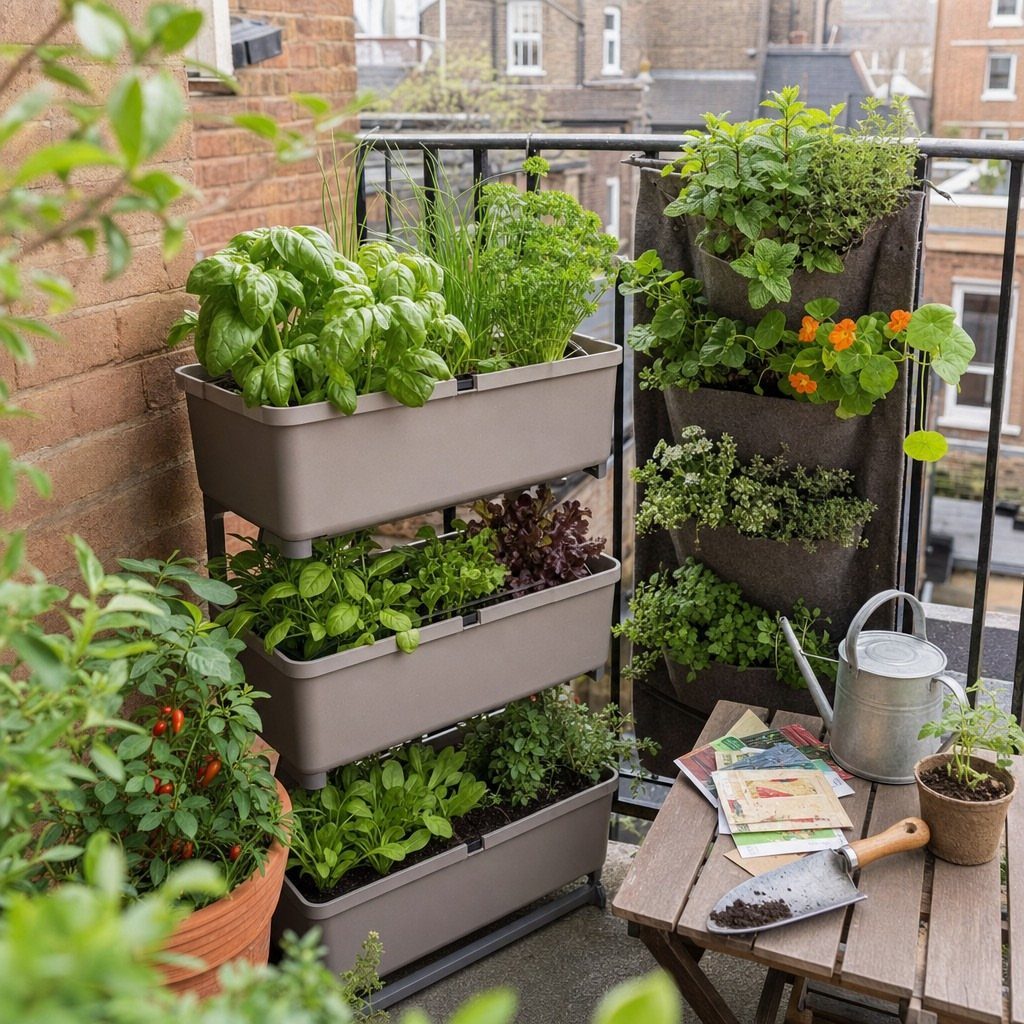
Vertical gardening buys back floor space you do not have.
A tiered stack planter works best for herbs you harvest often; fabric pockets handle greens with shallower roots. Check the weight rating on your railing or wall before you buy; a loaded three-tier unit runs heavier than it looks.
I would start with the stack system for a balcony, since it sits on its own feet and needs no hardware.

Space-Saving : This strawberry planter maximizes your gardening space by stacking 5 layers to grow more plants in a compact area. The strawberry tower planter is ideal for patios, balconies, or indoor use.
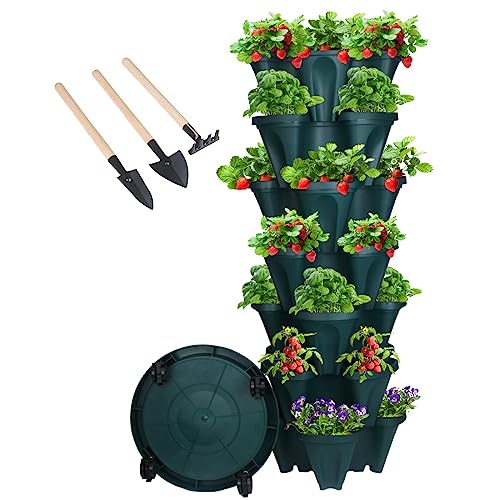
SAVE FLOOR SPACE - Stackable vertical planter tower
2. Container Gardening
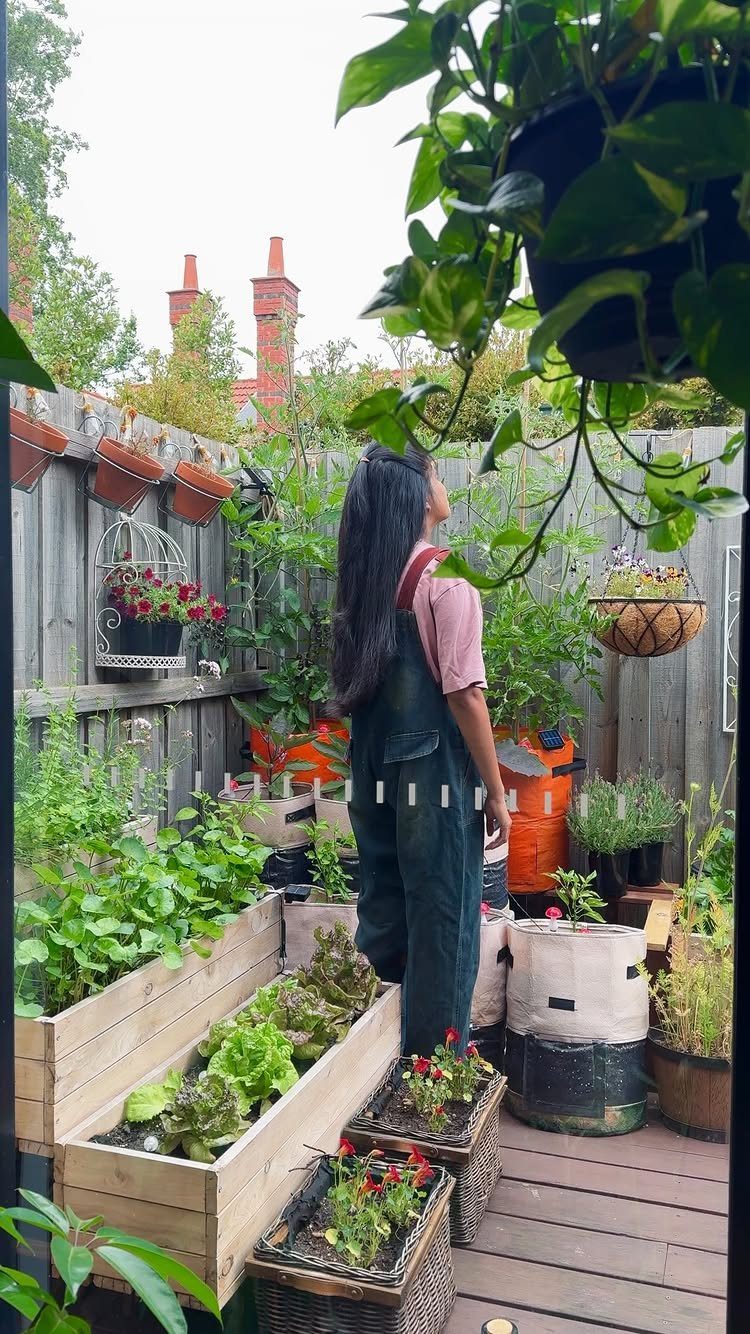
Container gardening is the fallback that works when you have no soil to plant in, and you can push it further than most people think.
Wooden boxes, fabric grow bags, wall pots, and hanging baskets together turn about 80 square feet into a full garden.
I would decide up front whether I want to move things seasonally; grow bags and pots lift easily, but wooden boxes filled with soil stay put.
Drainage is the check I would not skip. Every container needs holes, and I would raise boxes on small feet or shims so water does not pool underneath.
To get maximum enjoyment out of your small garden, “merge the indoors with the outdoors,” suggests landscape architect Blythe Yost, co-founder of the online landscape design company Tilly.

Pack of 2 semi circular wall hanging planters. Rustic Indoor and outdoor decoration.


Package includes 2 black railing plant holders, each overall measures 8.6" / 22 cm dia. x 7.1" / 18 cm H; Inner size is about 8" / 20.4 cm top dia. x 6.7" /17 cm bottom dia. x 4.3" / 11 cm H. Suitable for rail width less than 2.2" / 5.6 cm, please measure your rail before purchase.
3. Raised Beds
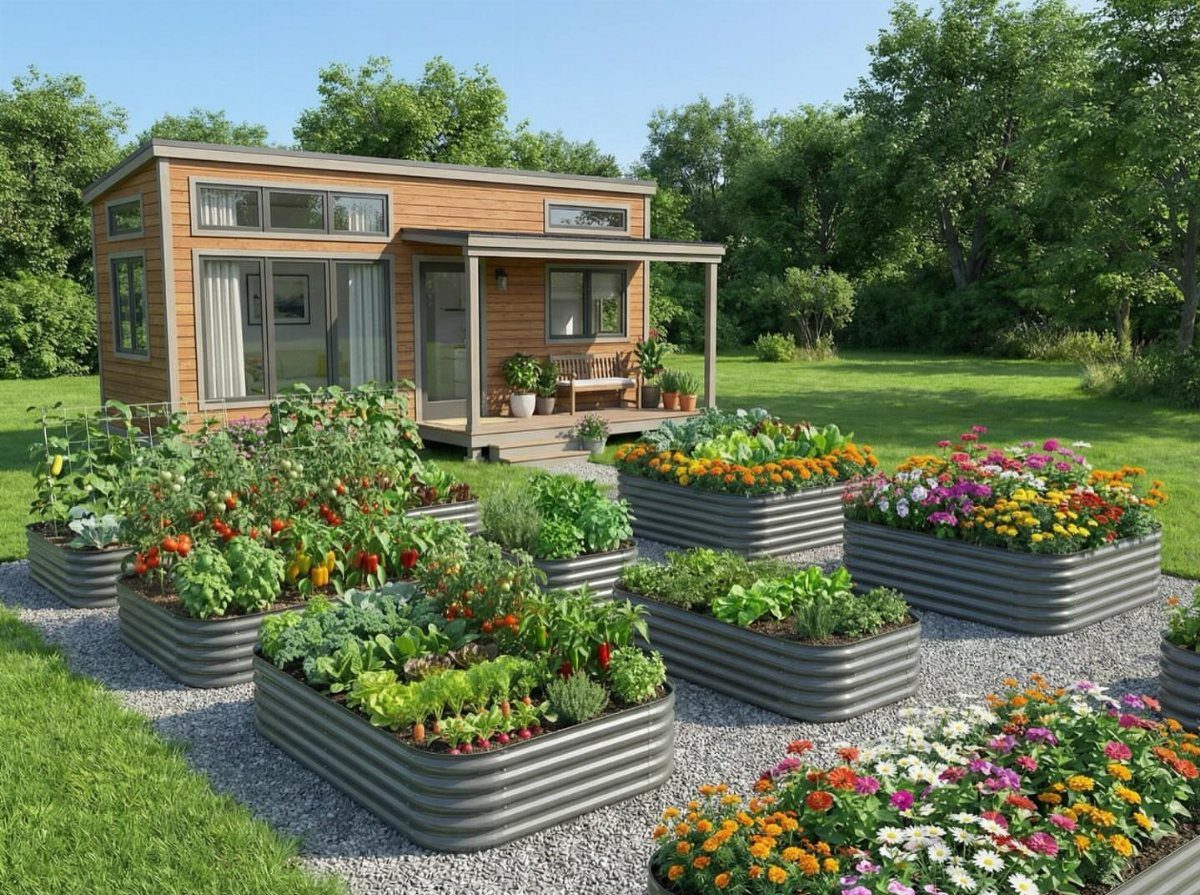
Raised beds give you control over soil when the ground is compacted, contaminated, or just not yours.
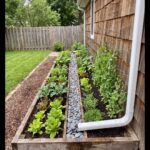
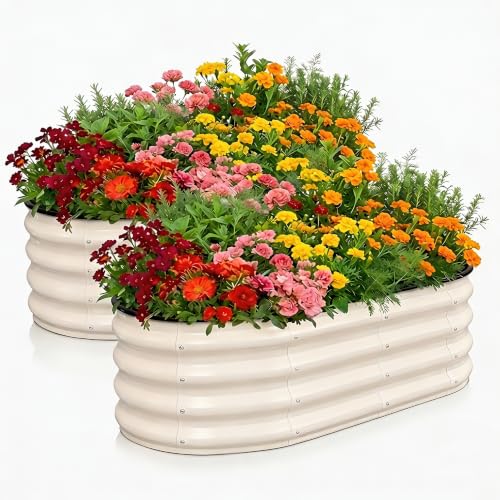
Corrugated metal beds are the version I would build or buy for a small yard; they heat up and cool down fast, which extends the season slightly, and the metal sides reflect heat onto plants from the right angle.
I would set them narrow enough to reach the center from either side without stepping in. The gravel base visible under one bed is worth copying; it drains well and keeps weeds down better than bare dirt.

4X2X1FT GROWING SPACE: This oval raised garden bed measures 4 x 2 x 1 ft, providing 7+ cu. ft. of organized growing space for vegetables, herbs, flowers, strawberries and selected root crops. Its compact footprint fits naturally into backyards, lawns and small outdoor gardens while keeping plants easy to reach and maintain.

【Spacious and Versatile Design】: The CATMANOR raised garden beds outdoor provide ample growing space for a variety of vegetables, herbs, and flowers. The raised bed design maximizes planting capacity, making it an ideal solution for gardening enthusiasts who want to grow medium to deep-rooted plants such as broccoli, beans, and more.

Each raised metal garden bed size: 4×2×1ft ,7.14Cu
4. String Lights
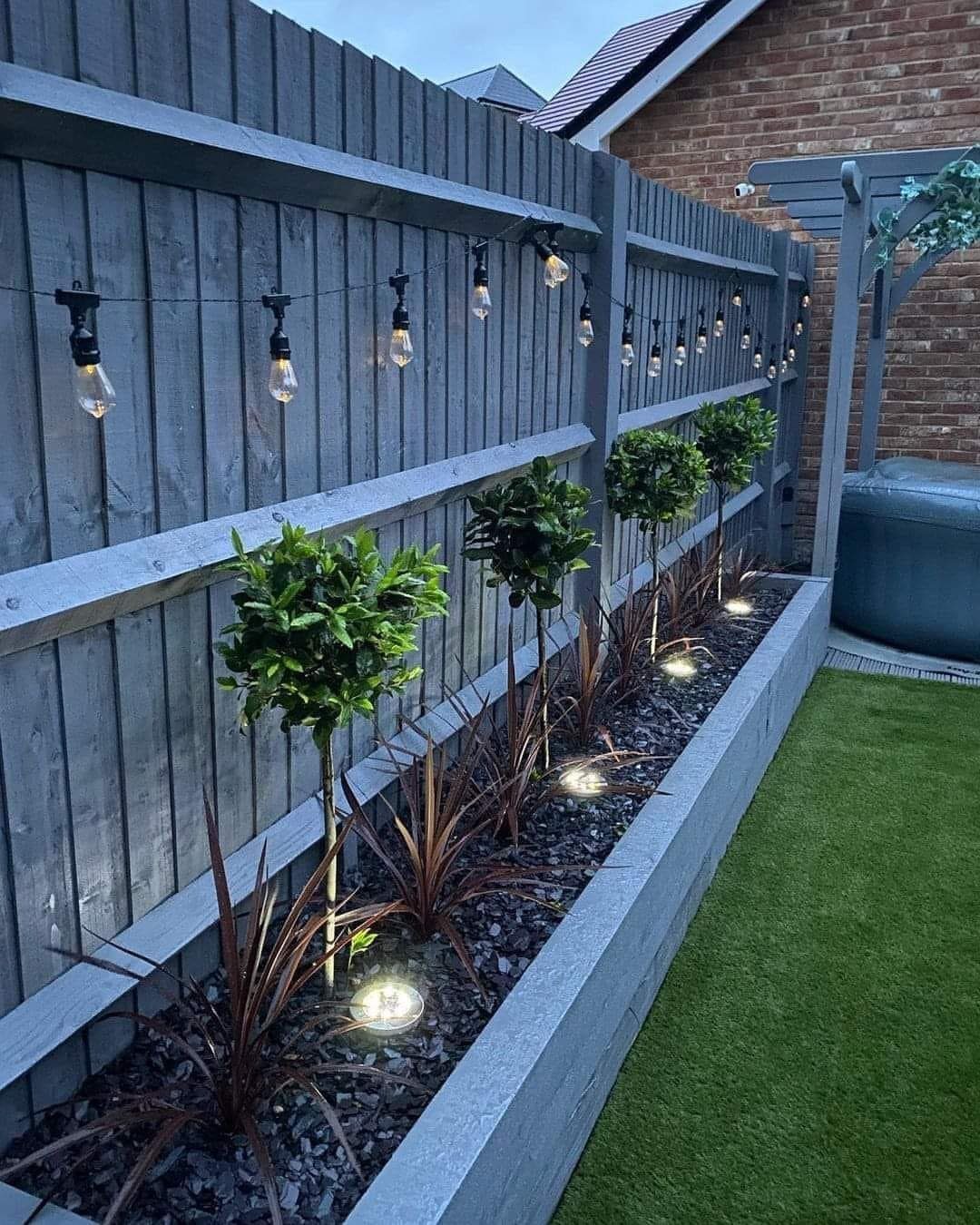
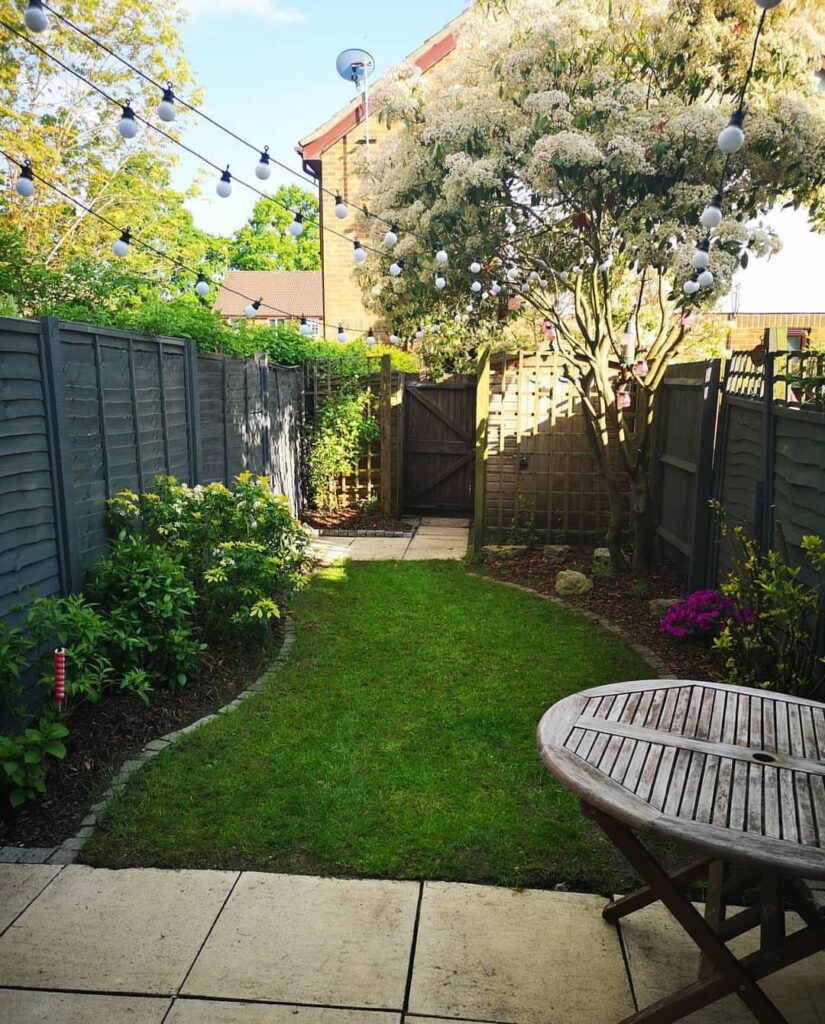
String lights are the cheapest square footage you can add to a small garden after dark, and fence-hung is the setup I would copy.
The lights run above the planting, so they do not compete for ground space, and the ground lights below fill in shadows the overhead strands cast.
I would check whether my outlet or planned solar panel sits within the strand length before I hang the first hook; extension cords across walking paths fail quickly outdoors.
LED bulbs last longer and draw less power than incandescent, though the warmer color temperature I prefer, 2700K, still costs slightly more per strand.

Sturdy & Garden-Ready Material: Made of 300g of thickened nonwoven fabric, these pots are moderately permeable, environmentally friendly, and BPA-free; Ideal for raised beds, patios, and outdoor gardens

Pro LST 5 Gal Grow Bags(QTY 5 Pack) Size: D 11.8" x H 11.6" | Built-in metal rings(QTY:15)

Sturdy & Garden-Ready Material: Made of 300g of thickened nonwoven fabric, these pots are moderately permeable, environmentally friendly, and BPA-free; Ideal for raised beds, patios, and outdoor gardens
5. Hanging Baskets
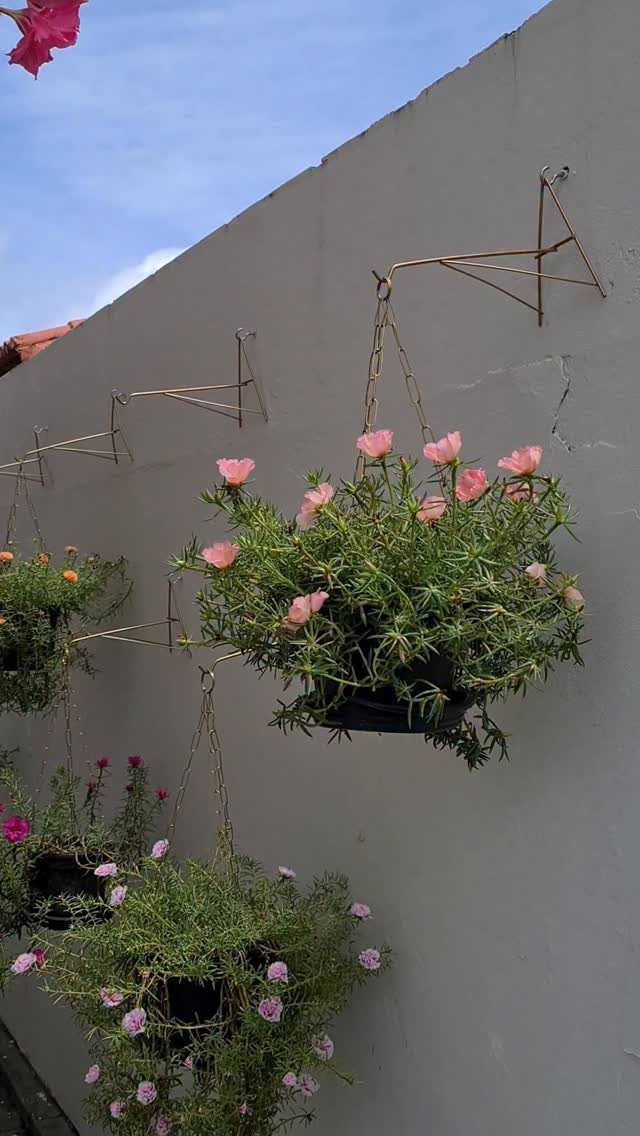
Hanging baskets move color to eye level and keep pathways clear underneath.
Moss roses are a smart pick for baskets in full sun; they tolerate drying out better than most flowering annuals, which matters because hanging soil heats and loses moisture faster than ground beds.
I would check the bracket rating before I plant; a wet basket with mature growth gets heavy fast, and the wrong bracket pulls out of soft siding or old mortar.
I would also plan to water more often than my in-ground beds, probably daily in July and August.

【Cherry Blossom Design】Experience the magic of spring all year round with these solar Christmas lights, inspired by flower - cherry blossoms. The 60 LED bulbs in each 26ft string (19.4ft lighting length, 6.6ft lead length) add a charming touch to your garden, and multiple sets can be connected for an even more enchanting effect;

Solar Powered and Auto On/Off: Warm White Christmas string lights powered by solar energy with no extra electric cost or battery replacement needed. The light sensor charges the lights during the day and turns them on automatically at night
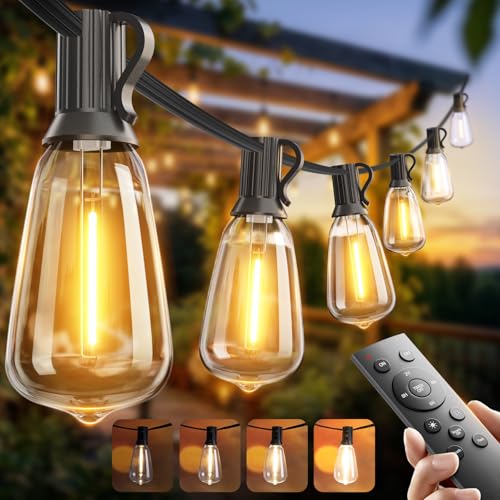
【Remote Control – Adjust Lights Without Getting Up】Sit back and use the remote to turn your lights on/off and fine-tune the brightness. Easily move from a gentle evening glow to bright lighting for cooking, gatherings, or game night, all without walking over to the outlet. The maximum remote control range is 50 feet.
6. Use Mirrors
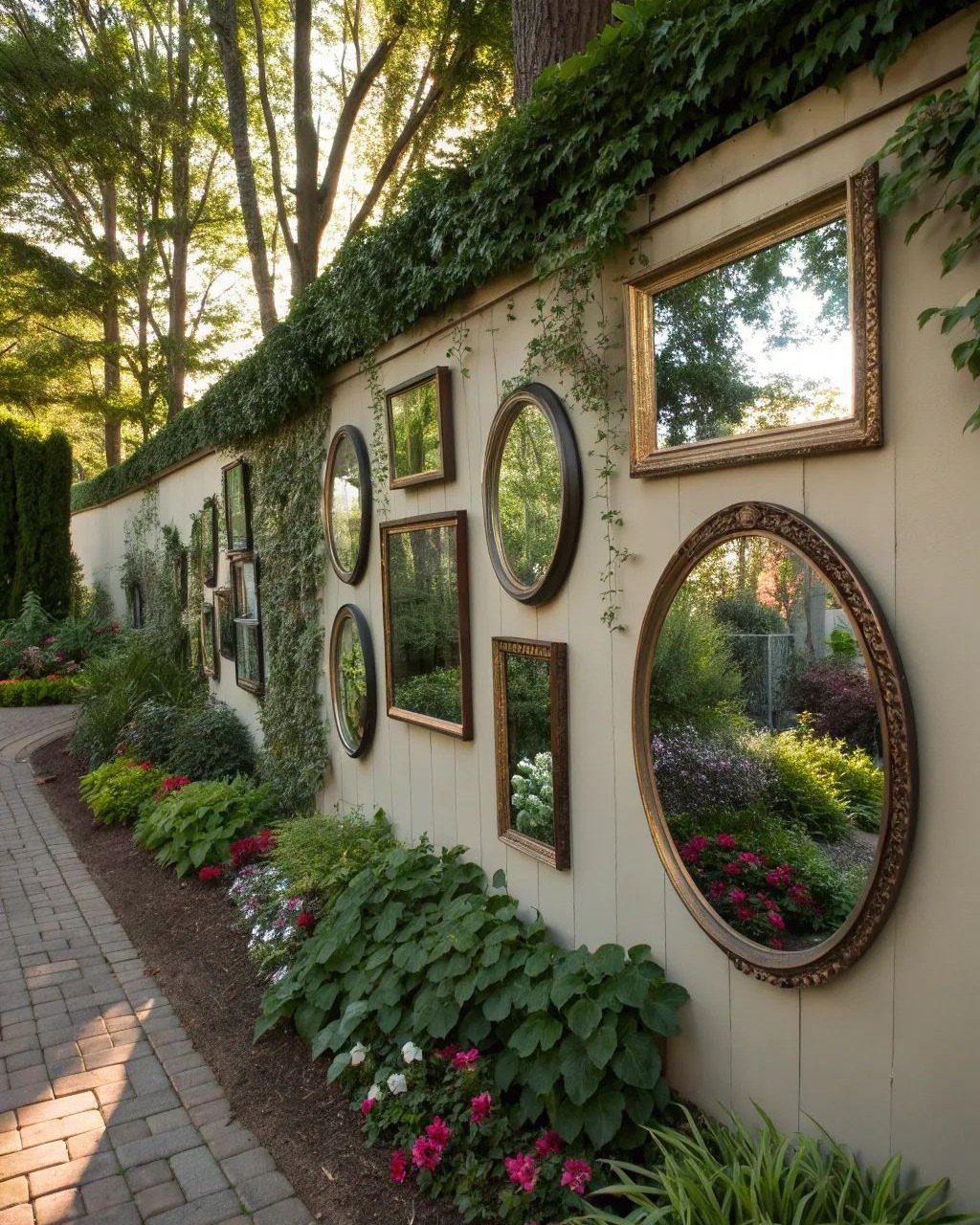
Mirrors on a garden wall bounce light into shaded corners and visually double whatever planting sits opposite them. Assorted mirror frames work when they are grouped tightly, so the eye reads them as one feature rather than scattered decoration.
I would use exterior-grade mirror or rescue a frame and have a piece of outdoor acrylic mirror cut to fit; standard indoor mirror backing peels and flakes within a season of humidity and temperature swings.
Placement is the judgment call. I would angle mine slightly downward so reflected sky does not glare at a seated diner, and I would avoid positioning any mirror where it focuses sunlight onto dry wood or fabric.

High-quality Product: Thick, high-quality PP materials can be used repeatedly without fading, not easy to crack even in summer; Suitable for garden or indoor use

MADE IN THE USA – SUPPORTS 3 SMALL BUSINESSES Proudly manufactured in the United States. Every Smart Spring planter purchased directly supports three small U.S. businesses, helping keep jobs and production local.

Package Includes: You will receive 2 pcs garden bird netting plant cover for vertical strawberry planter, the size is 59 x 22 inch, appropriate size is suitable for 6-7 tier stackable planter pot, ideal for protecting strawberry from insects, birds and many other animals. (NOT include stackable planter)
7. Outdoor Screens
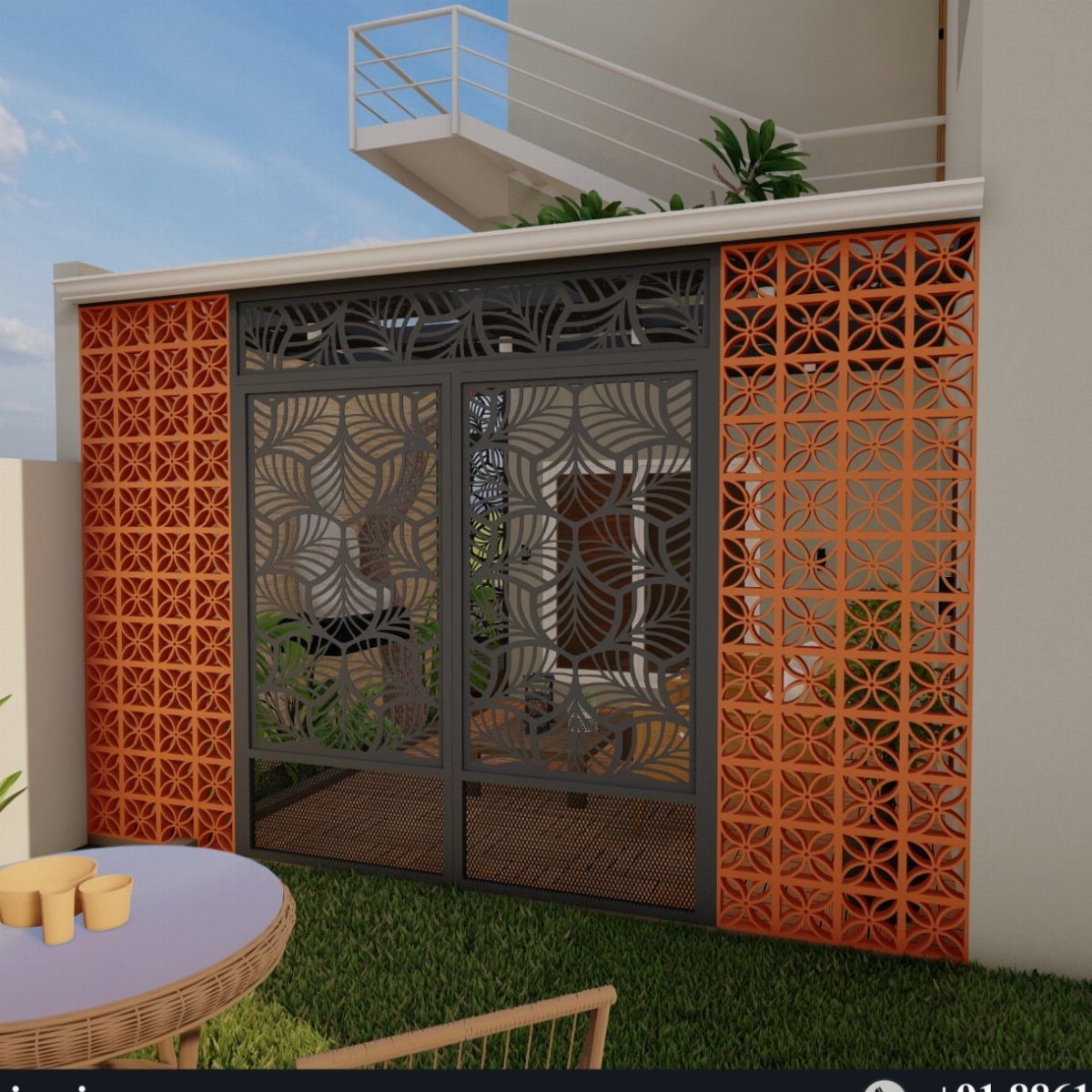
Outdoor screens give structure to a small garden by carving one area from another without the bulk of a full wall.
Breeze blocks and laser-cut metal panels both work; blocks cast patterned shadow and take a climbing plant, while metal screens read lighter and move on a track.
I would check my property line and any HOA rules before I build anything tall, since height limits vary block by block. A freestanding screen on feet sidesteps permits entirely and relocates when I want the space open.


【7-14 Days Watering-Free】13 inch extra large self watering hanging planters (2 Pack) allow your plants to thrive for 7–14 days without frequent watering, making plant care effortless even during short trips or busy schedules. Perfect for hanging pots for plants indoor and outdoor, these planters support all house hanging plants and flowers, including pothos, spider Plants, Baby's tears, herbs, Boston fern, string of pearls, ivy, and Baby Breath, offering convenience and healthy growth.
8. Create a Focal Point
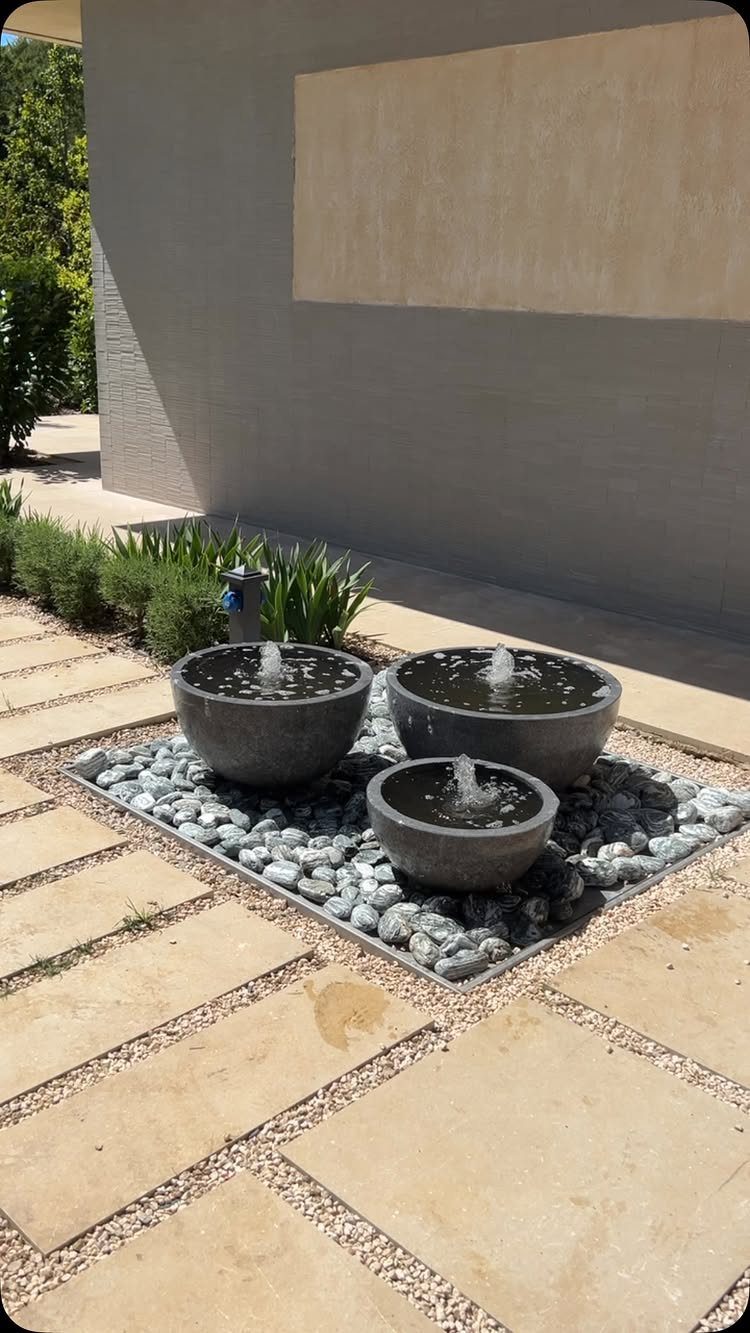
A focal point stops the eye and gives a tiny garden the sense of intention it needs.
Three matching bowl fountains set into river stones draw the eye across the space without demanding too much room; the repetition keeps the arrangement calm rather than busy.
I would place something like this where I see it from my usual seat or from the door I enter by; a focal point I have to turn around to notice misses its purpose.
Moving water covers traffic noise, though the pump does add a small amount to your yearly electricity bill. The maker of this one notes that cascading bowls bring sound without overpowering the architecture around them.

SPACIOUS GROWING SPACE WITH EXTRA PLANTING DEPTH:Measuring 91.5" L × 47.3" W × 22.06" H, this galvanized raised garden bed holds approximately 412 gallons of soil, providing generous planting space and extra depth for vegetables, herbs, flowers and fruits. The spacious design allows roots to grow naturally while supporting tomatoes, peppers, cucumbers, broccoli, beans, lettuce, carrots, potatoes and other popular garden plants. Ideal for backyard gardening, raised vegetable gardens and outdoor planter box projects.
【Raised Garden Beds Outdoor】: GRASQUILINE’s galvanized raised garden bed features enhanced rust and corrosion resistance, ensuring years of durable use even in harsh outdoor environments and humid climates — so you never have to worry about premature wear.

【Spacious and Versatile Growing Space】The CATMANOR raised garden beds outdoor offer plenty of room for growing vegetables, herbs, and flowers. The raised bed design helps make better use of planting space and works well for medium to deep-rooted plants like broccoli, beans, and similar crops.
9. Cozy Seating Area
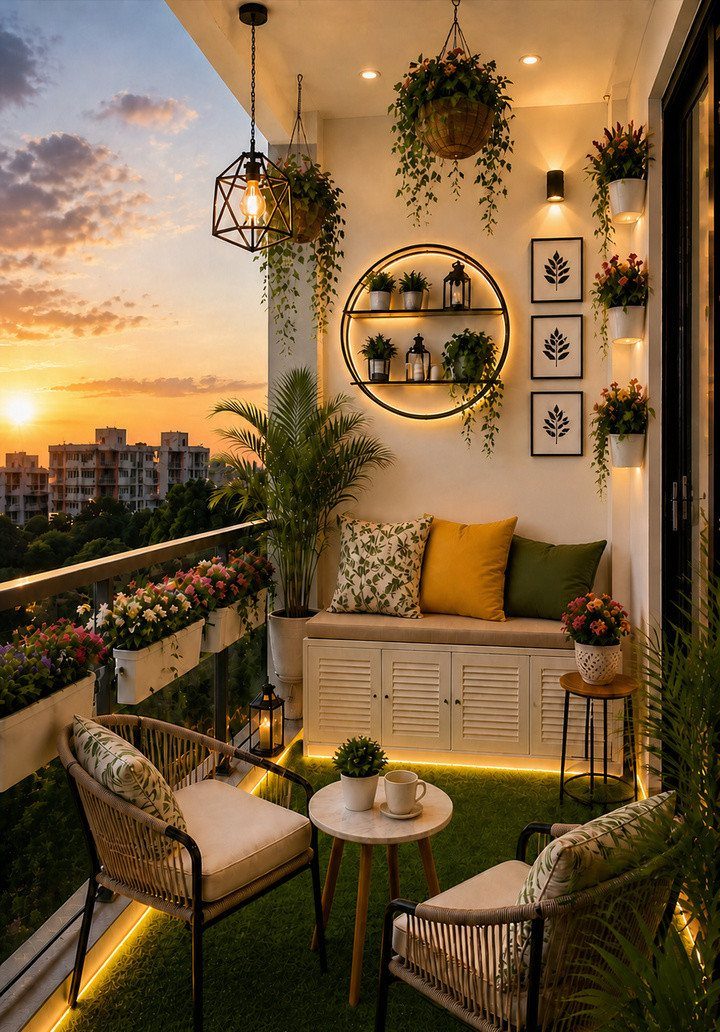
Artificial turf on a balcony is the detail I would copy from this setup; it softens concrete underfoot and drains through the mesh backing, so a morning rain does not strand the space for hours.
2 chairs and a small table fill a modest footprint, which leaves room for plants along the railing without crowding the walking path.
Storage benches hide cushions when weather turns, and I would not skip that; outdoor fabric fades fast if it sits out wet.
The hanging plants and pots at varied heights keep the eye moving so the small footprint reads as garden, not just furniture on a slab.

Reusable garden grow bags designed to improve plant growth by air pruning roots and draining excess water.

*Light material-Our planting bags are made of durable 1 mm (200g) non-woven fabric, but also strong and durable, corrosion-resistant, wear-resistant, breathable, and have a service life of several years.

Sturdy & Garden-Ready Material: Made of 300g of thickened nonwoven fabric, these pots are moderately permeable, environmentally friendly, and BPA-free; Ideal for raised beds, patios, and outdoor gardens
10. Small Greenhouse
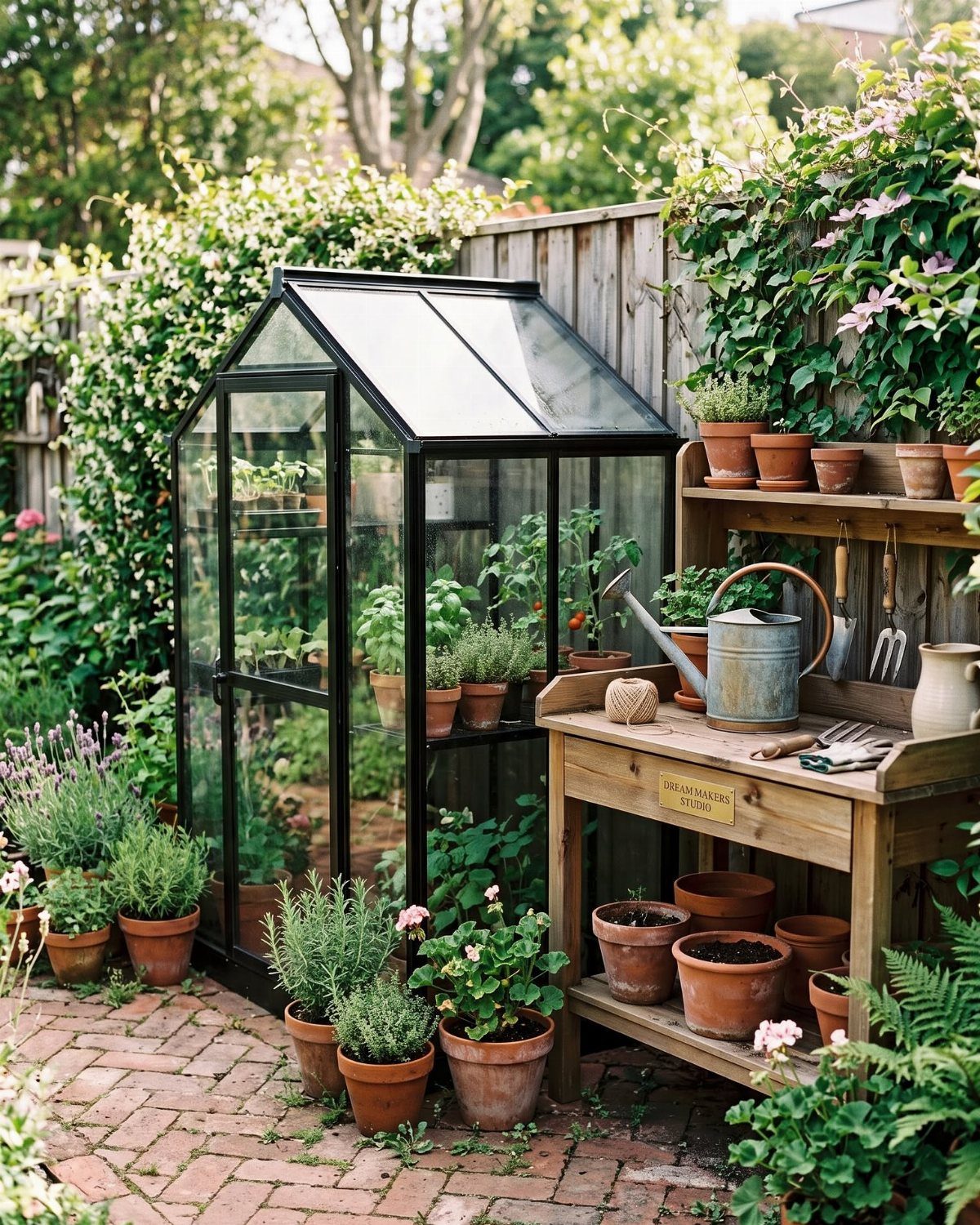
A greenhouse this size, roughly the footprint of a potting bench, extends the season for seedlings and protects tender starts from late frost.
Glass panels heat the interior faster than polycarbonate, which matters on a brick patio that already stores daytime warmth; I would choose glass if my goal is tomatoes in April, polycarbonate if summer overheating is the bigger risk.
The bench beside it saves trips indoors for tools and soil, though I would keep the bench wood untreated or sealed with exterior oil; standard interior polyurethane peels in greenhouse humidity.
Check that your patio can handle the concentrated load of a glass house full of pots; a filled unit runs surprisingly heavy.

【4 PACK STRING LIGHT POLES FOR OUTSIDE】 - Create elevated lighting with 4 adjustable poles for outdoor string lights. Use these string light poles for deck, patio, backyard and garden setups, including family dinners, holiday parties, poolside gatherings, pathways, and outdoor solar Christmas lights displays. Poles only; lights are not included.
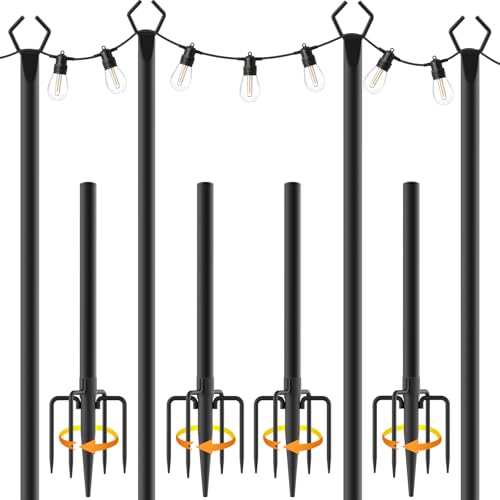
No height restrictions:Made of high quality metal, it will not bend or wobble. The poles for string lights is not limited by its own length, and the excellent load-bearing properties allow you to install it on high fences and walls. Get rid of the general height limitation. You can also hang more number of strings of lights. Also can be applied to banners, lanterns, wind chimes, all kinds of light decoration, etc.

【Cherry Blossom Design】Experience the magic of spring all year round with these solar Christmas lights, inspired by flower - cherry blossoms. The 60 LED bulbs in each 26ft string (19.4ft lighting length, 6.6ft lead length) add a charming touch to your garden, and multiple sets can be connected for an even more enchanting effect;
11. Dwarf Trees and Shrubs
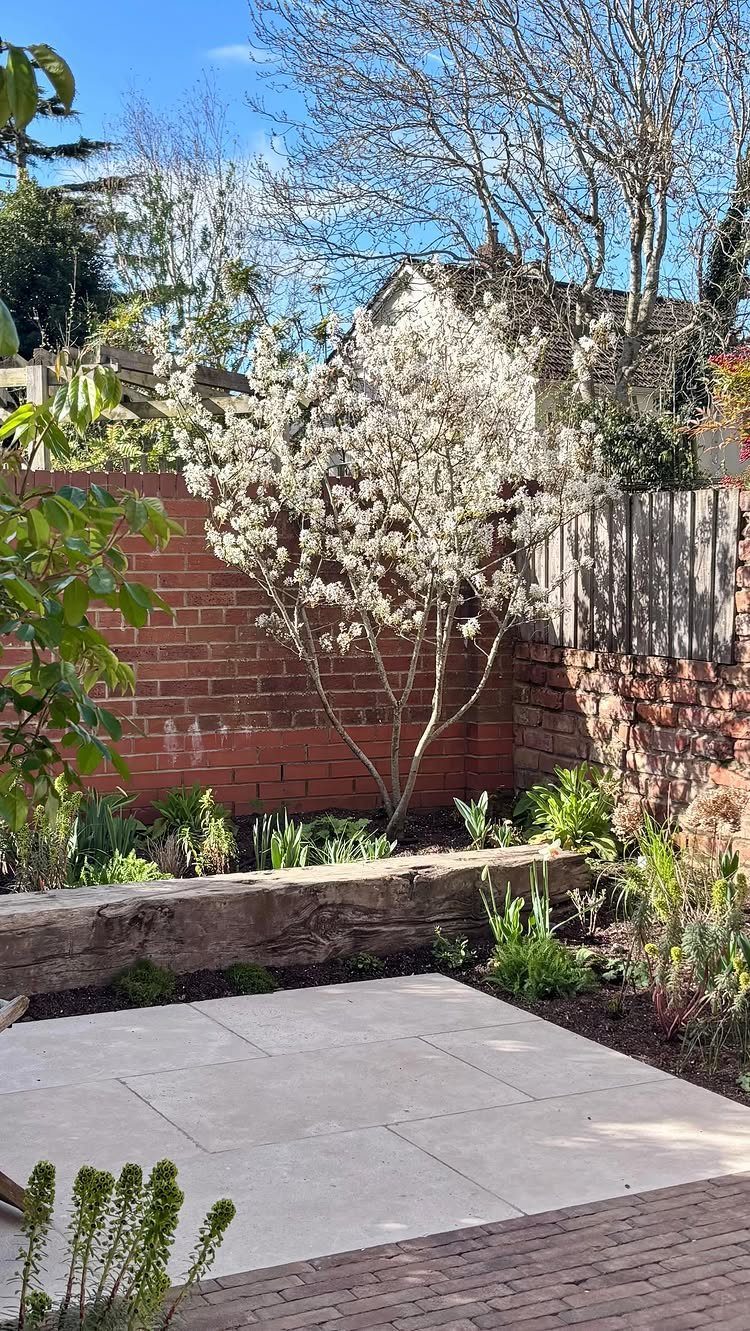
A single dwarf tree in bloom against brick gives a walled courtyard the vertical element it needs without outgrowing the space before you know it.
White flowers read fresh against dark brick; I would match flower color to my wall, not fight it.
True dwarfs stay compact at maturity, so I would read the tag carefully, since "dwarf" gets used loosely for anything smaller than standard.
Container planting works if I want to move the tree for parties or seasonal sun, but in-ground planting in a raised bed like this one lets the roots spread and reduces watering frequency by half.
12. Patio Paradise
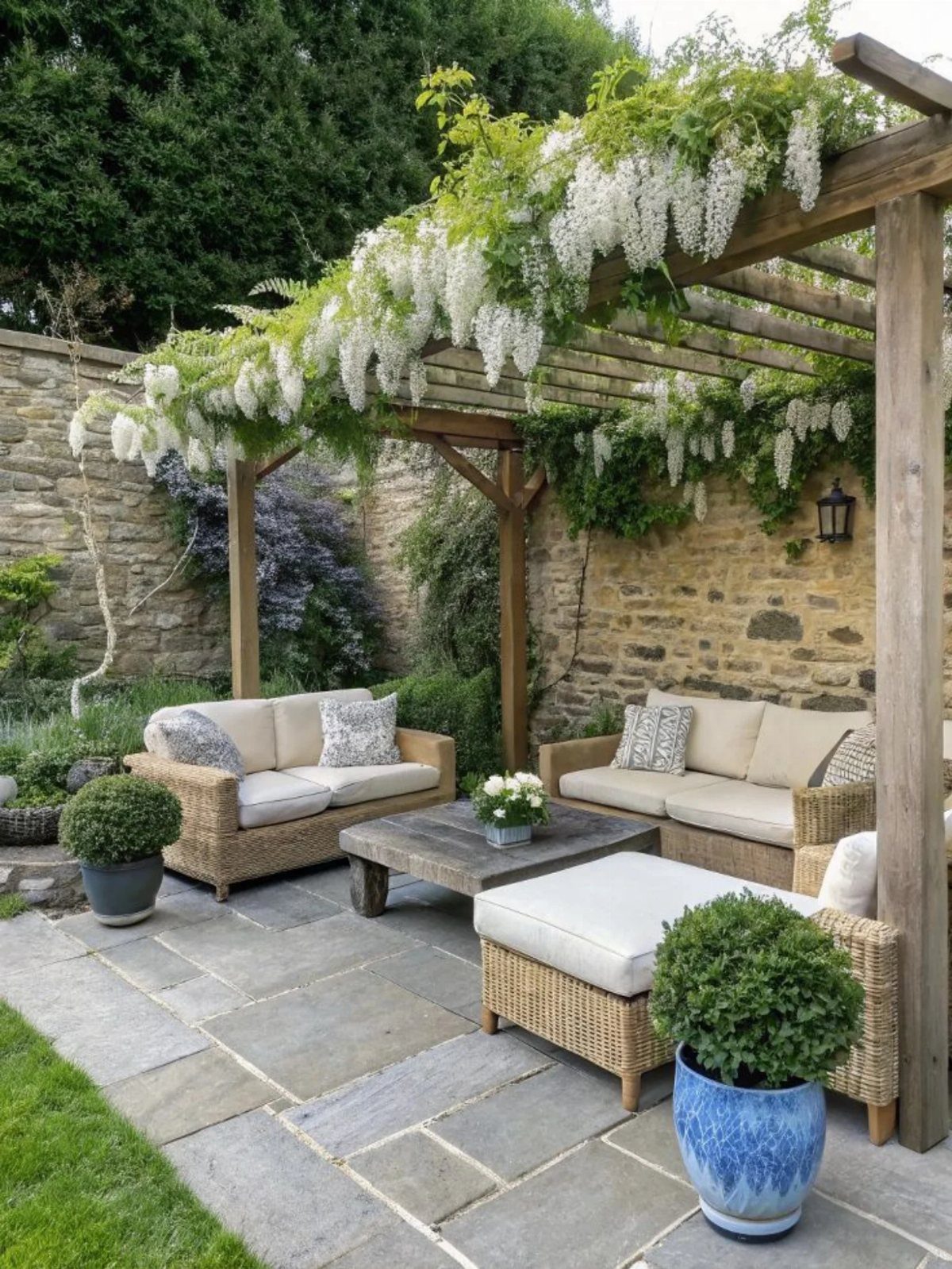
A pergola covered in wisteria turns a bare patio into a room with a ceiling. Wisteria needs patience to bloom from a young graft, so I would buy a plant already in flower or choose clematis for faster coverage.
The wicker seating stays dry enough under the canopy to use standard outdoor cushions rather than full marine-grade fabric, which saves noticeably on replacement cost.
I would set the pergola posts in concrete below frost line if I am in zones 5 or colder; frost heave tilts a structure fast.
Seasonal Interest
Year-round color in a tiny garden depends on picking plants that earn their spot across more than one season.
I would lean on evergreens for the backbone, since bare winter months hit small spaces harder than large ones. Broad-leafed options like camellia, boxwood, holly, mahonia, and viburnum keep foliage when perennials have died back, and several flower as well.
Spring bulbs and summer perennials fill the gaps, but I would check that each one offers something after its bloom passes, whether that is seed heads, bark, or fall color.
Two or three colors total, plus green, keeps the eye from scattering; a small planting reads calmer that way. High-value shrubs and trees that multitask beat single-season annuals in tight quarters.
Garden Maintenance Tips
Small gardens fail fastest on watering and soil, not plant choice.
Container plants cannot pull nutrients from the ground, so I would feed them during the growing season; a slow-release fertilizer mixed into the potting soil at planting gives a head start.
Drainage holes are non-negotiable in every pot, window box, and hanging basket. Water should feel moist a finger deep, never soggy; root rot sets in fast when it does.
Deadheading and trimming spent flowers and spindly stems keeps growth directed where you want it.
I would match each plant to its light requirement before I set it in place, full sun versus afternoon shade, and choose varieties rated for my USDA zone.
Drip irrigation beats hand-watering for consistency and waste, though a simple setup works fine if a full system is too much. Edges matter too; crisp borders between lawn, path, and bed make a small space read intentional rather than cramped.
Frequently Asked Questions
How to create a garden in a small space?
Vertical layers buy you the most planting real estate when ground space is scarce: a stack planter for herbs, fabric wall pockets for lettuce and spinach, then group whatever containers you have, wooden boxes, grow bags, wall pots, hanging baskets, into one dense cluster that reads as a single garden.
A patchwork of mixed containers totaling about 80 square feet gives you the equivalent yield and variety of a traditional in-ground plot.
On a balcony, I would reach for a tiered stack planter first; it stands on its own feet and saves you from drilling into railings or begging the landlord.
What are things you commonly see in a garden?
Flowers, vegetables, herbs, trees, and shrubs are the living core, plus pathways, seating, water features, string lights, and screens that divide space.
In a small garden, I would expect to see containers, hanging baskets, and vertical elements like wall pots or trellises used more heavily than in a large yard.
Mirrors, outdoor screens, and even small greenhouses are details I see working hard in tight spaces, bouncing light around or stretching the season by a few weeks.
What is a mini garden called?
A mini garden usually goes by container garden or pocket garden, depending on how it is built.
Container garden is the broader term for anything grown in pots, boxes, or bags rather than open ground. Pocket garden typically describes a planted gap between structures or a narrow vertical planting, like fabric pockets on a wall.