Light decides which herb you should root first: rosemary, lavender and lemongrass want a bright, sunny sill, while mint, sage and basil settle for a counter or shelf with decent daylight.
The list runs from fast, forgiving mint, where white roots lengthen in a clear cup within days, to slower rosemary and lavender that ask for patience.
One habit applies to all 11: tap water that has sat for 24 hours is gentler on new roots than water straight from the faucet.
[link-whisper-related-posts]1. Basil Stems in Water
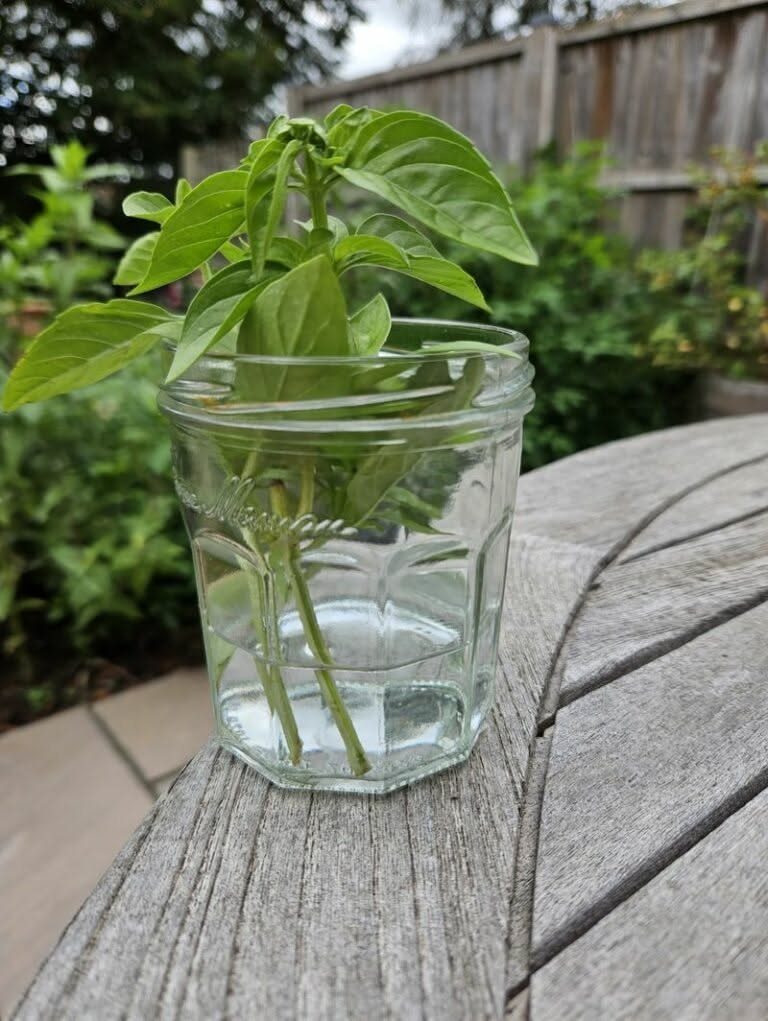
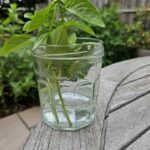
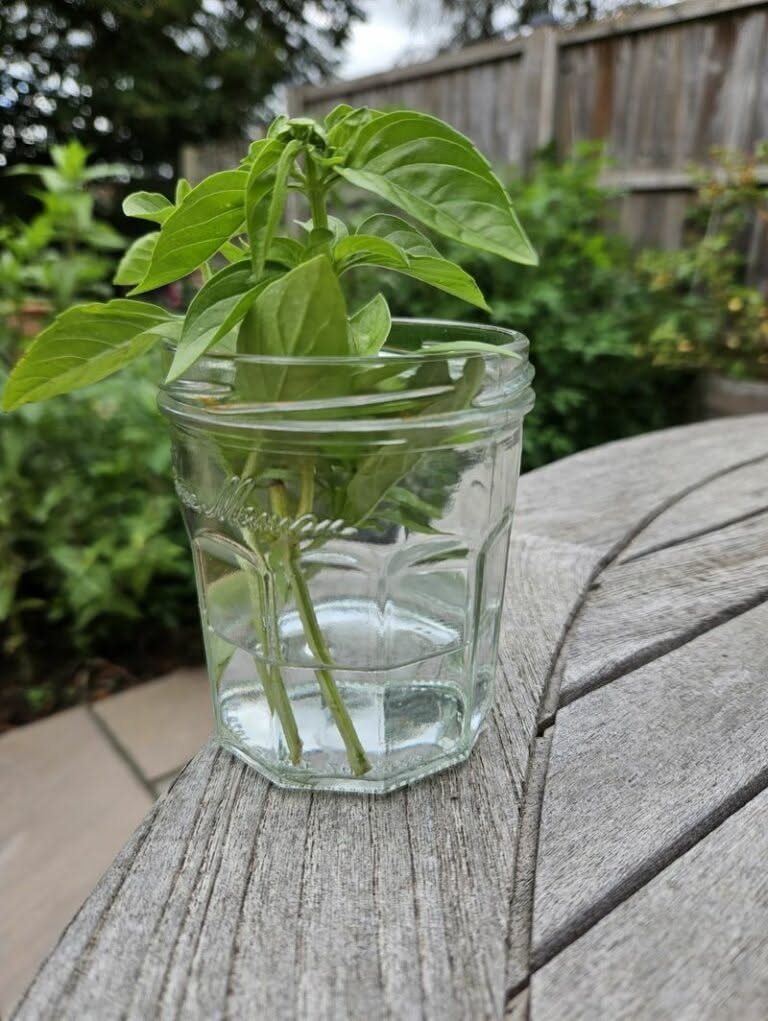
Basil is the herb I’d start with, because a few stems in a plain glass jar already look like a kitchen counter fixture. Clear glass lets you watch the water level and see when it clouds.
Keep the jar where the leaves get plenty of light, and top off the water as it drops. Change it when it looks murky.

THE ULTIMATE ROOTING BOOSTER: Specially formulated with all-natural rooting hormone and vitamins, our propagation drops dramatically speed up root development and strengthen plants at every stage, from delicate cuttings to mature houseplants.

🌱 Promotes Healthy Root Development - Formulated with IBA, this liquid rooting hormone helps stimulate root formation in plant cuttings. Supports stronger root systems for more reliable propagation results.

2. Mint Stems in Water
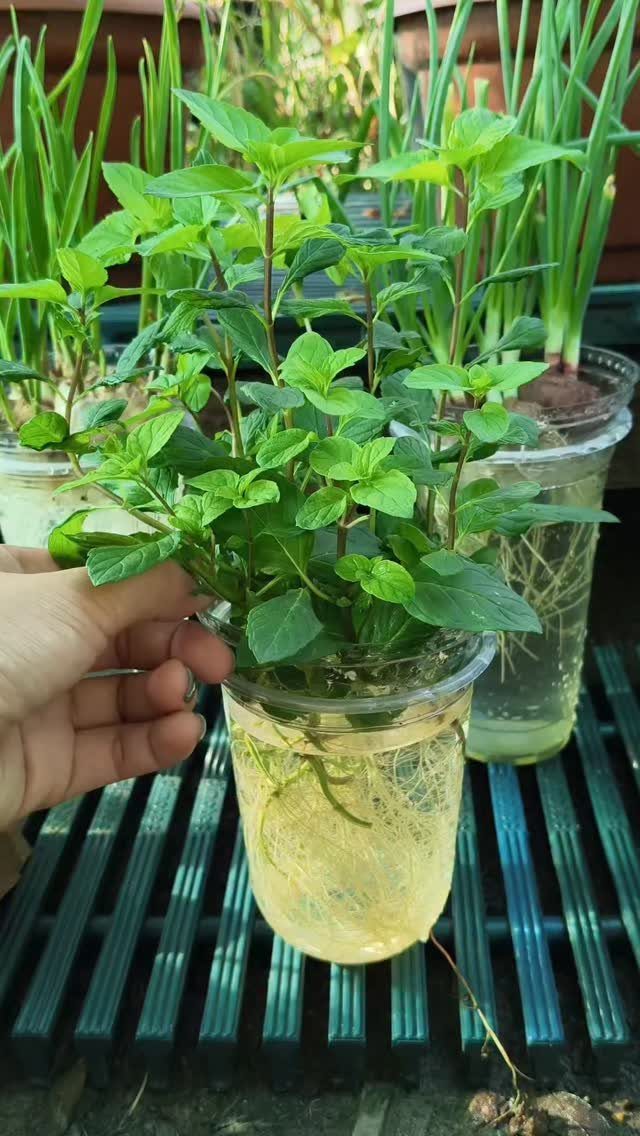
Mint shows its roots fast, and a clear cup is the right container because you can see the white roots lengthen without lifting anything out. Plastic works as well as glass here, and it costs next to nothing.
Choose stems with healthy green leaves and keep the cup topped up. Mint is a good pick if you want to see results quickly and have no gardening experience.
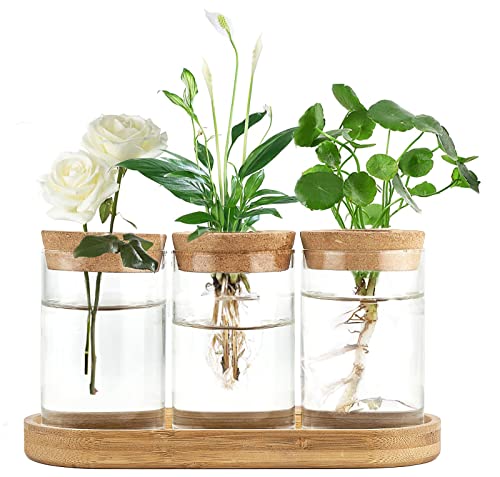
Tabletop Propagation Vase: This stylish design plant propagation vase with lid wooden stand great for growing hydroponic plants. The glass bottle provides enough sapce for planting and growing plants, and the flowers bottle is transparent, making it easy to observe the absorption of plants under sunlight

Core Functionality: This Hydroponic plant bottle is designed as a versatile glass terrarium that enables you to cultivate plants hydroponically, serving as a micro landscape container and stylish home decor piece to bring greenery into any indoor or outdoor space

Multiple Combinations: including 24 plastic plant cultivation bottles, 24 perforated wooden plugs, 24 thank you tags, and 16.4 ft/ 5 m hemp rope, which can meet your various plant needs and are suitable for plant lovers; The transparent material can observe the growth of plants and changes in water levels, and the appropriate size also provides space for plant growth
3. Oregano Stems in Water
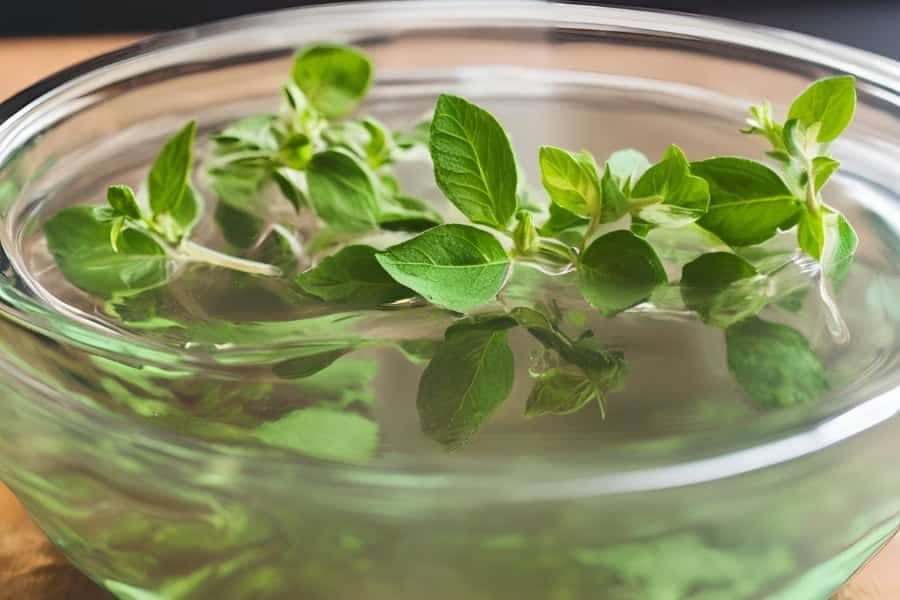
A wide bowl suits oregano better than a narrow jar, since the stems can float and spread instead of crowding together.
Oregano roots fine in a clear glass jar or bowl, as long as the container holds about 2 inches of water and keeps the cut ends submerged while the leaves stay dry.
Keep the leaves above the waterline, where they stay green, and refresh the water now and then. It’s an easy, low-effort setup for a small kitchen.

NERVOUS SYSTEM SUPPORT: When life gets overwhelming, turn to our sugar-free organic Lemon Balm extract. The Lemon Balm herb provides nerve-soothing support for hectic days and busy minds.*

★ 𝐖𝐡𝐨𝐥𝐞 𝐃𝐫𝐢𝐞𝐝 𝐋𝐞𝐦𝐨𝐧 𝐁𝐚𝐥𝐦 𝐋𝐞𝐚𝐯𝐞𝐬: Premium-quality lemon balm leaf, carefully dried to preserve their refreshing aroma and herbal properties—perfect for tea, infusions, and natural wellness.

PURE LEMON BALM LEAF: This bag contains Melissa officinalis, the botanical name for lemon balm. Lemon balm leaf adds sweetness and a delicate citrus flavor to any recipe
4. Sage Stems in Water
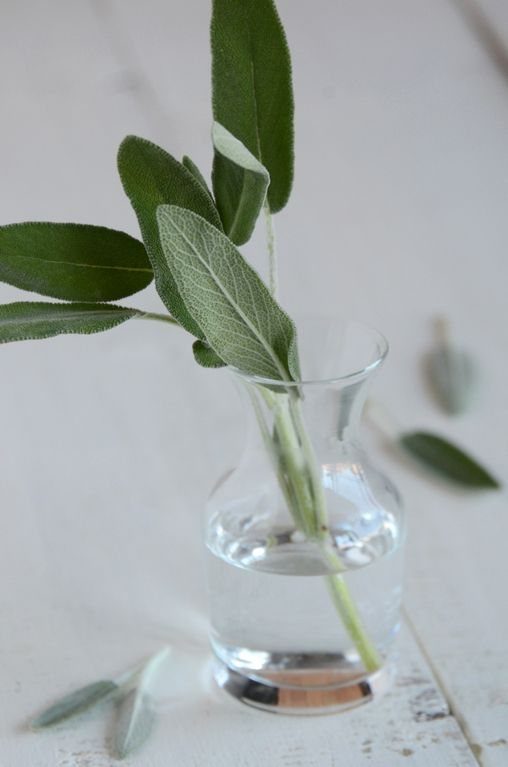
Sage looks tidy in a small vase, and that’s how I’d keep it: a few stems, a little water, and a spot on a shelf or counter. The compact size suits a tight space.
Use a clean vase and replace the water when it clouds. Sage takes almost no attention, which is the reason to pick it if you forget plants easily.

Complete Propagation Kit: this hydroponic propagation station includes 5 clear glass jars (2.56x3.94in) with cork stoppers and a wood tray (14 in); This ready to use plant propagation station makes starting your hydroponic projects simple and convenient

POWERFUL ROOTING HORMONE FOR CUTTINGS: Our propagation drops feature a scientifically balanced blend of Indole-3-Butyric Acid (IBA) and vitamins to dramatically accelerate root cell division. Perfect for Pothos, Monstera, and Philodendron—top searched houseplants—it delivers faster, denser root growth than traditional gels or powders, making it ideal for plant cuttings propagation.

Professional Rooting Hormone Formula – A proprietary blend of Indole-3-Butyric Acid (IBA), vitamins, and supportive nutrients designed to accelerate early-stage root growth in plant cuttings and props. These liquid propagation drops help reduce propagation time, promote root vigor, and minimize transplant shock
5. Lemon Balm Stems in Water
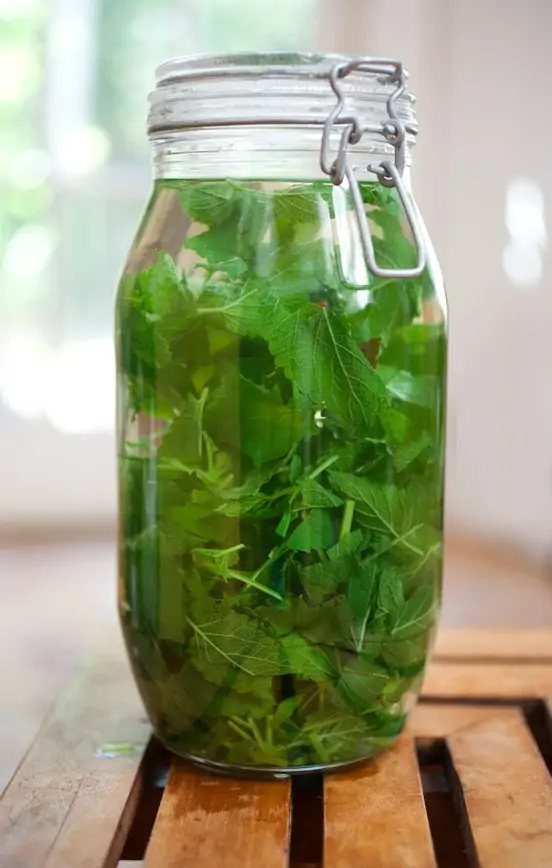
Lemon balm works in a lidded jar, and a clasp-top jar is a handy find for it because it’s sturdy and easy to move around. Leave the lid open so the stems sit in water with room above.
Fill the jar with water and change it when it looks cloudy. Pick a spot with good light, and your lemon balm should stay green on the counter.

Varied Design Glass Planter: The propagation stations include 6 planter terrariums in different shapes and sizes, providing ample space for hydroponic plants. It’s an ideal choice for home gardeners and plant enthusiasts, allowing you to fully enjoy the delight of hydroponic gardening

Spill-Proof Design: The propagation vases is made of plastic and is not easy to break; Removable cork stoppers contain water during movement, the aperture of water propagation station facilitates the insertion and adjustment of the plant

Plastic Material: the plastic cultivation bottle is made of plastic and is not easy to break; The aperture of the wooden plug is suitable for most plants, which helps to fix the plant, facilitates the insertion and adjustment of the plant, and prevents excessive evaporation of water
6. Rosemary Stems in Water
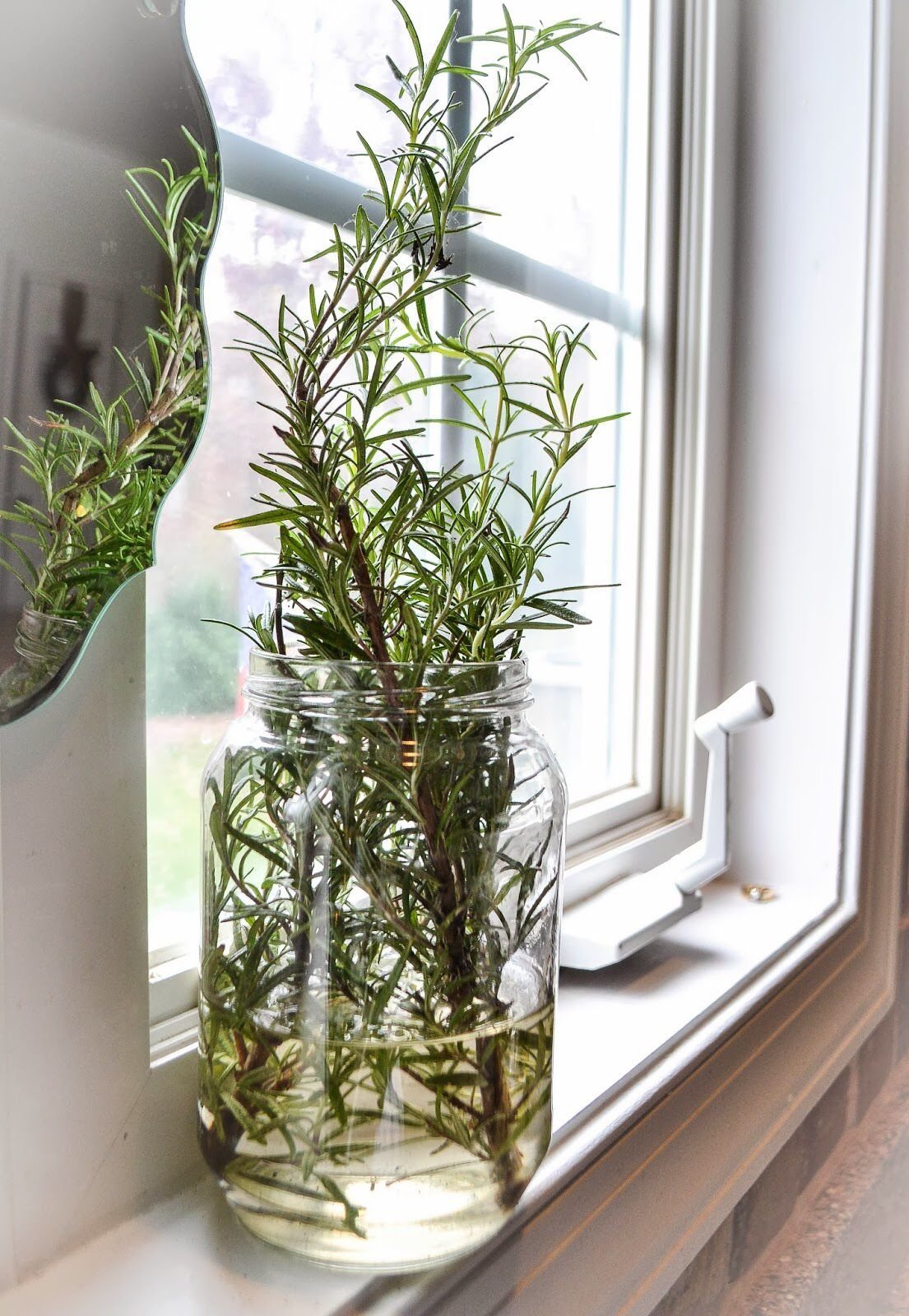
Rosemary on a windowsill is the version I like best: a glass jar, some water, and daylight coming through the glass. Bright light is what you want for this herb, so a sunny sill beats a shelf.
Strip the lowest leaves so none sit underwater, and keep the jar topped up. Rosemary is slower than softer herbs, so give it time.

100% PURE LEMON BALM LOOSE LEAF TEA: Chill out with aromatic lemon balm, a mood enhancing herb reputed to support good digestion and cognitive function. Enjoy the sweet lemony flavor of pure Lemon Balm tea or make your own delicious and healthy herbal tea blend by combining it with other herbs

1. 🌿 100% Pure Lemon Balm Leaf – Carefully harvested Melissa officinalis, naturally dried and packed for optimal freshness and flavor.

Includes 120 capsules for 60 servings per bottle, convenient for daily wellness routines
7. Thyme Cuttings in Water
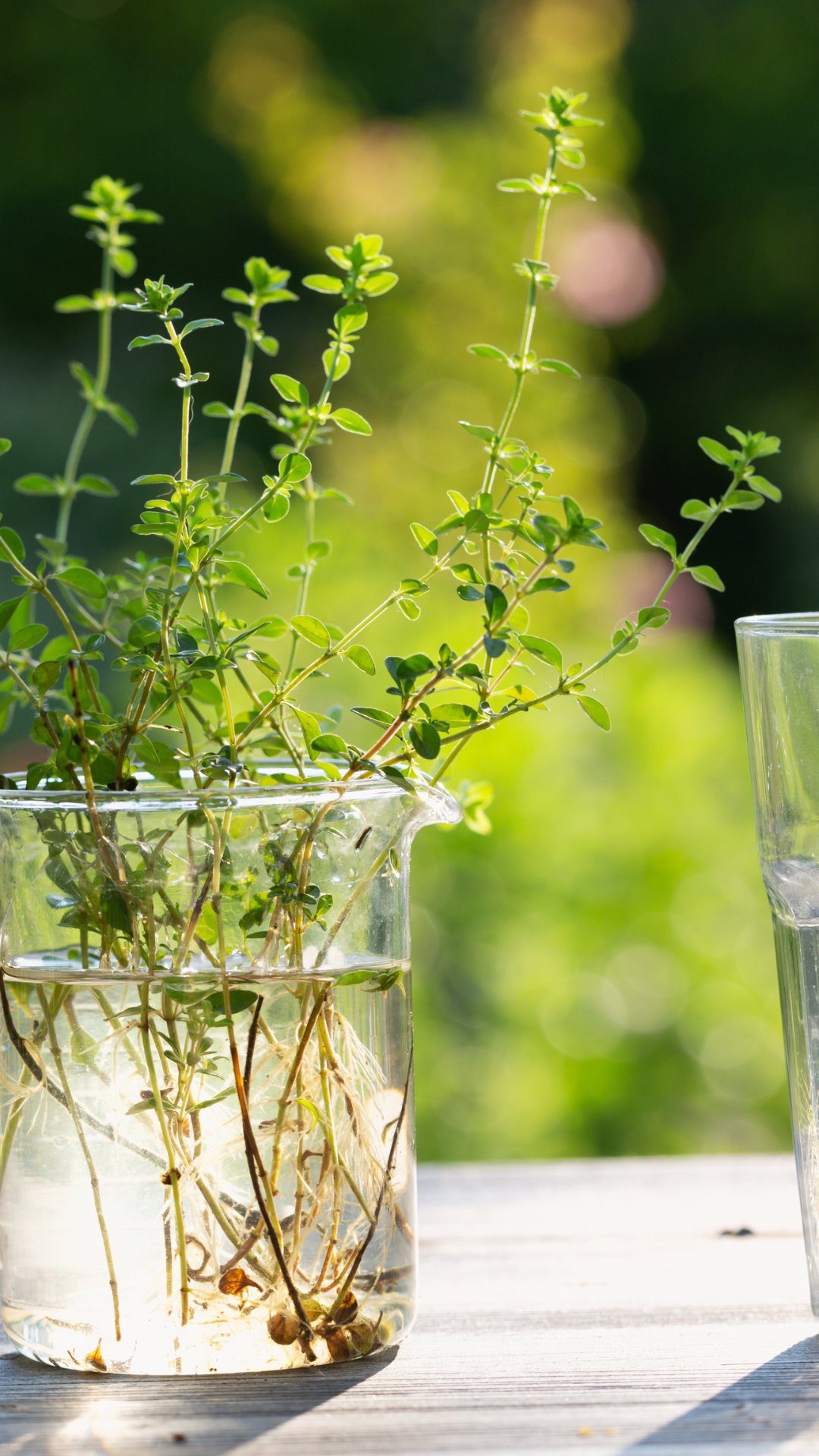
Thyme cuttings are small, but the flavor packs in, so a short cutting in a clear glass pitcher gives you plenty of herb for its size. A pitcher also holds more water than a jar, which means fewer refills.
Pick cuttings with healthy green growth and keep the cut ends under the surface. Watch for white roots along the stem; once they show, you can keep the cuttings in water and snip from them as needed.
Several herbs can grow for months in nothing but water. It’s an easy way to propagate them from your garden, and you can keep your fresh herb supply going in winter, just by bringing a few sprigs indoors before the frost arrives.
— Yahoo!

ROOTING GEL FOR PLANT CUTTINGS: Miracle-Gro Plant Care Root Starter Gel grows healthy roots for easy propagation; use to grow new plants using leaf and stem cuttings from existing plants

DUAL-ACTION ROOT SUPPORT FORMULA:This liquid solution is designed to nourish and strengthen plant roots during critical growth phases. It provides essential nutrients and support for cuttings in the rooting stage, helping to create an optimal environment for root development while aiding in the reduction of transplant stress.
8. Cilantro Stems in Water
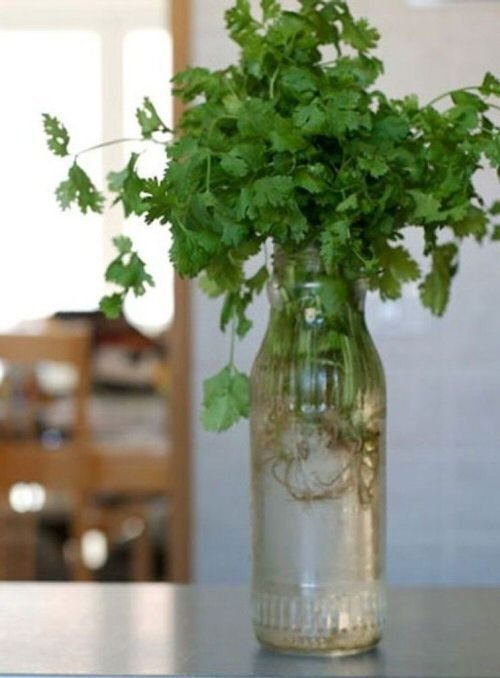
Cilantro does well in a narrow glass bottle, which holds the stems upright without any fuss. The neck keeps them from flopping over, and a clear bottle lets you check the white roots at a glance.
Cloudy water means bacteria are building up, so I pour it out and refill with fresh water, and I add more whenever the level drops below the cut ends.
A bottle on the counter takes up almost no room, so it suits a small kitchen.
9. Chives Stems with Bulbs in Water
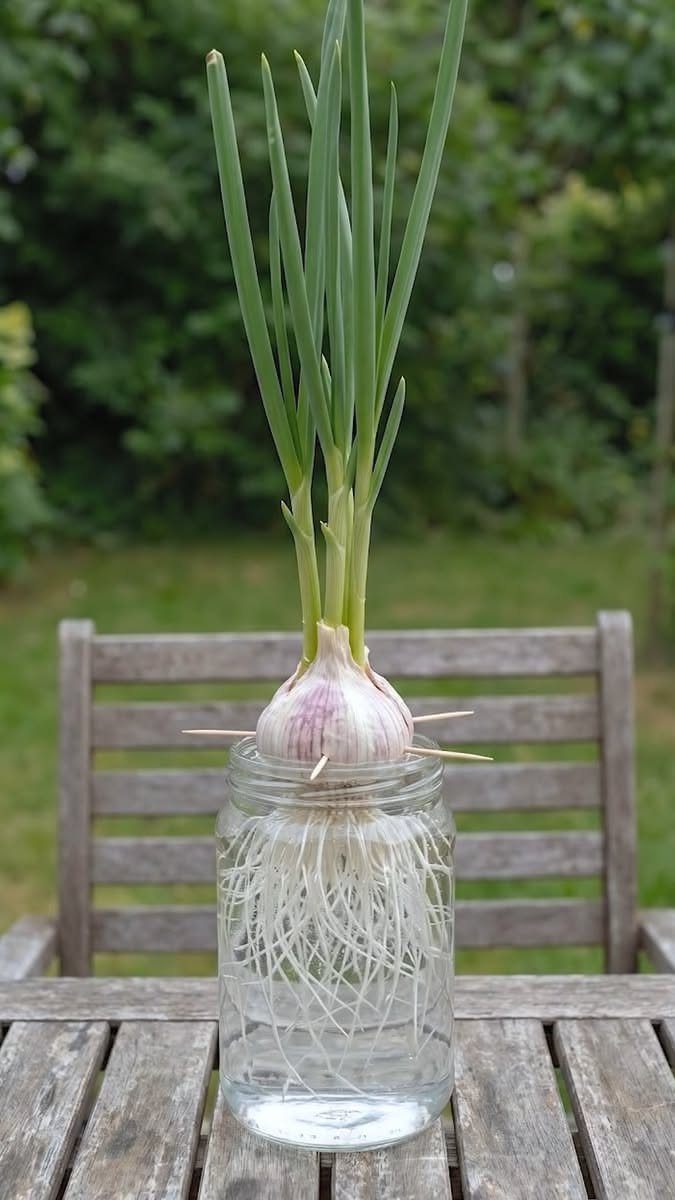
Chives are the one herb here where I’d keep the bulb attached. Set the bulb in a glass jar with just enough water to cover the white roots, and let the green stalks stand up above the rim.
Refill as the level drops and swap the water if it clouds. Snip stalks from the top as you need them, and leave the bulb in place.
10. Lavender Stems in Water
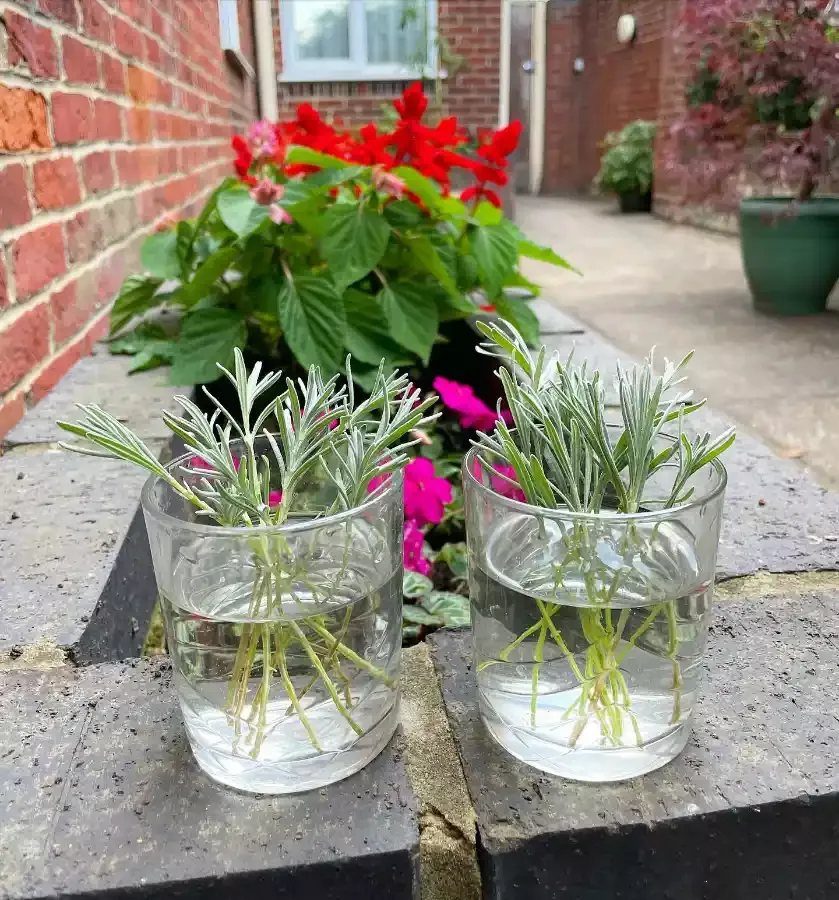
Lavender cuttings root best where you can keep an eye on them, so two clear jars side by side give you a backup if one cutting struggles. Glass lets you spot the roots forming without disturbing anything.
Put the jars where they get daylight, and keep the water level above the cut ends. Lavender can be slow, so give it patience before you decide a cutting has failed.

3-in-1 IBA+NAA+Mycorrhizae-You’ve Never Seen This Combo: Most rooting products rely on just one ingredient. We combine all three in our root hormone for cuttings for...
11. Lemongrass Stalks in Water
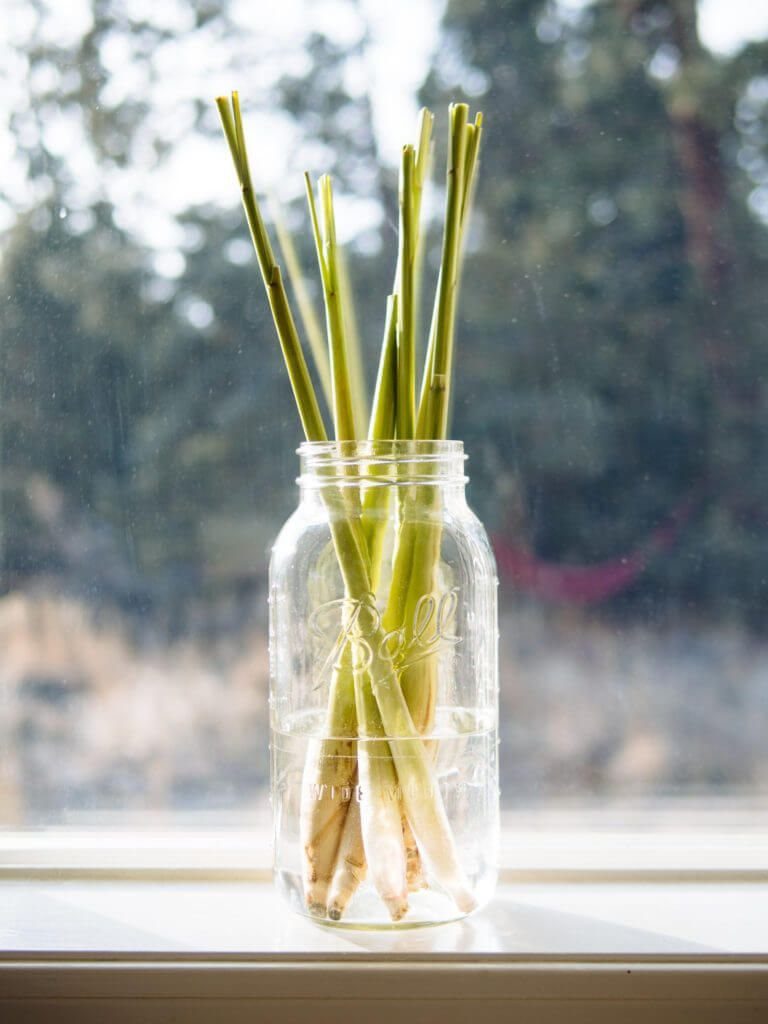
Lemongrass stalks stand tall in a mason jar, and the stalk base sits in water while the long blades reach up. A Ball jar is cheap, sturdy, and easy to find.
Set it on a bright windowsill and add water as it drops. White roots will show through the glass, and changing the water when it turns cloudy keeps them healthy.
Using Clean Water
Chlorine in tap water can slow root growth and weaken the plant overall, so the water you pour in matters as much as the jar. Filtered water works well, and so does tap water that has had time to sit.
To prepare tap water, fill a pitcher or jug and leave it out for 24 hours.
The chlorine dissipates on its own, and you’ll have a ready supply for every refill. I like keeping a second container going so there’s always some resting water on hand.
Water level deserves a regular look too. The roots should be submerged but not buried, so check often and adjust as the level drops.
Frequently Asked Questions
What herbs need more water?
Most herbs rooting in water manage fine with a regular top-off, but a few need closer attention.
Cilantro and chives get the closest watching from me: keep cilantro’s cut ends under water at all times, and top off chive jars so the white bulb roots stay covered.
Any herb that turns the water cloudy needs a fresh change.
How can I grow herbs indoors?
Take cuttings from a healthy plant, stand them in a clear glass container of clean water, and set them where they get good daylight.
Strip any leaves that would sit underwater so they don’t rot, and keep the cut ends submerged.
Can I use tap water to grow herbs in water?
Tap water works fine, as long as the jar sits uncovered on the counter for a full day before you use it.
Chlorine in water straight from the faucet can stunt new roots and leave the cuttings weak, but it drifts off by itself if the water rests.
Filtered water also works, and keeping a second container resting means you always have some ready for refills.