These ideas for zone 7 gardening run from a packet of lettuce seed to a low tunnel you build once and use for years.
What decides which one you need is whether you are trying to squeeze more out of the growing season, or just get through it without losing plants to a late freeze.
[link-whisper-related-posts]1. Warm-season Crops Tomatoes
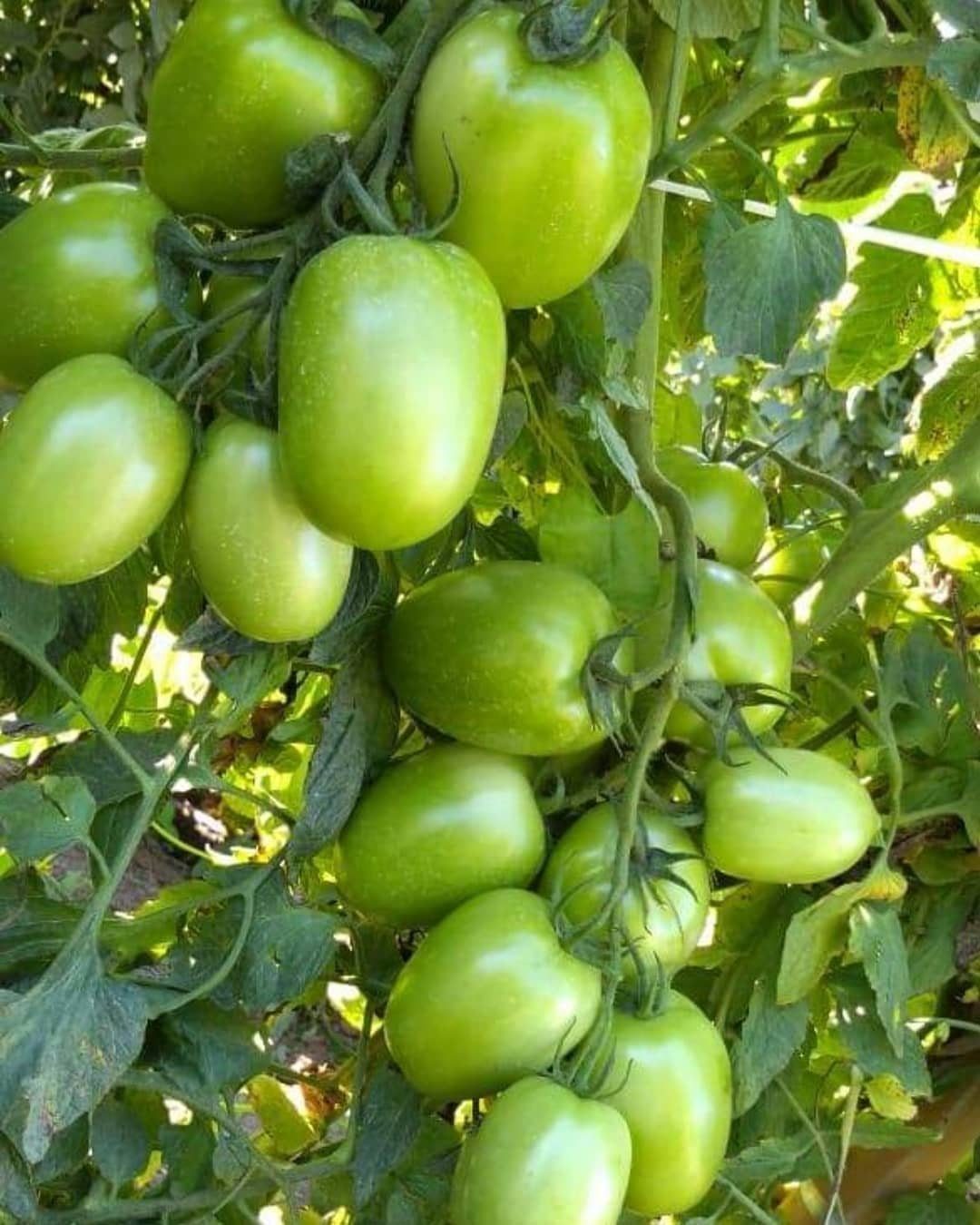
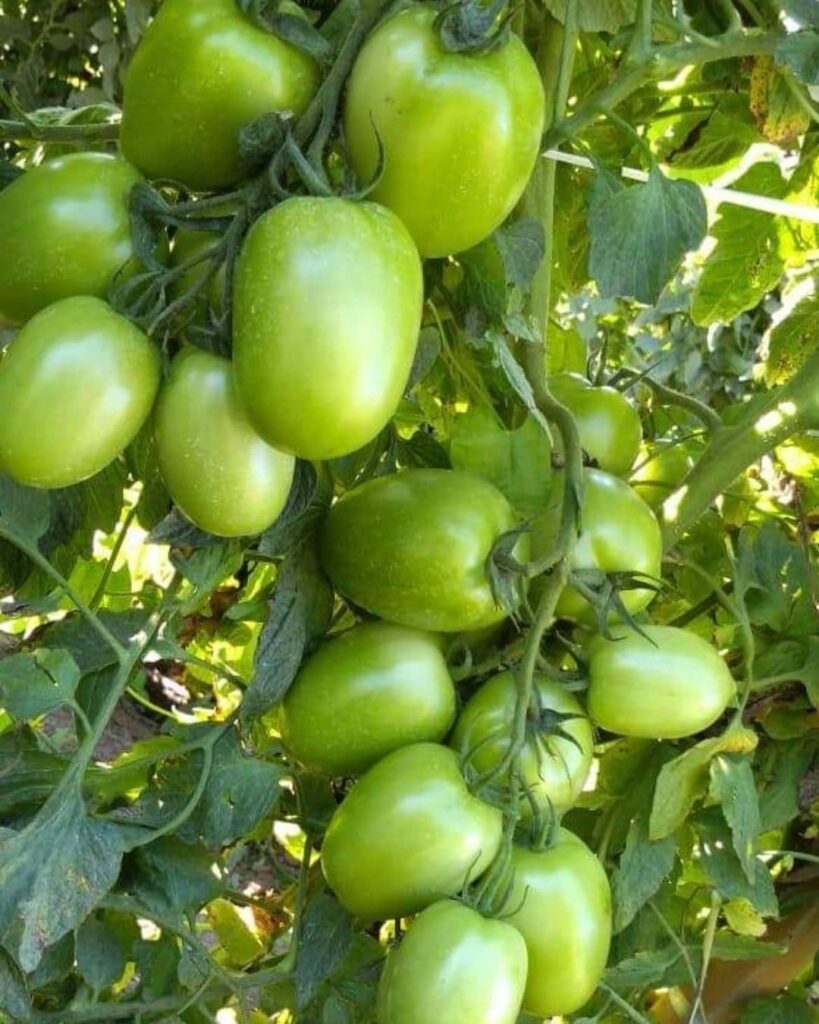
Warm-season crops like tomatoes need the soil to warm before they go in, which for zone 7 means mid-April to early May for most.
I wait until nights stay reliably warm; cold soil stunts the root system and the plant never recovers. Roma types, with their dense, oblong fruit clusters, handle the humidity swings of a zone 7 summer better than many beefsteak varieties.

ULTIMATE PRACTICALITY: The planter box measures 96"(L) x 24"(W) x 12"(H), has a huge capacity, any plants and flowers you want to grow can be planted, happiness is overflowing.
2. Broccoli
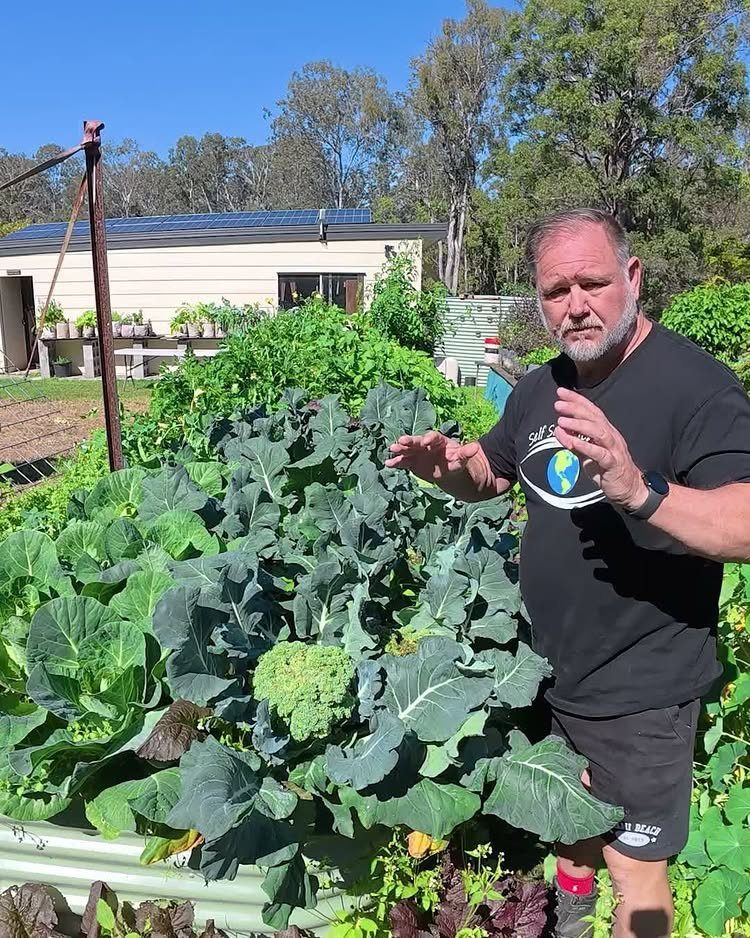
Broccoli goes in earlier than almost anything else in the spring garden. I sow seed directly in the ground about 4 weeks before the last expected frost, which in zone 7 falls between late March and mid-April depending on your specific location.
The plants mature in cool weather; start too late and the heads button up small or bolt straight to flower in the May heat.
A corrugated metal raised bed warms faster than in-ground soil and buys you a few extra days.

【Spacious and Versatile Design】: The CATMANOR raised garden beds outdoor provide ample growing space for a variety of vegetables, herbs, and flowers. The raised bed design maximizes planting capacity, making it an ideal solution for gardening enthusiasts who want to grow medium to deep-rooted plants such as broccoli, beans, and more.

Size: The garden bed measure is 23.6"L x 23.6"W x 17"H. Made of galvanized steel sheet metal with a rust-resistant coating features long-lasting use during kinds of weather.
3. Lettuce Mix in Raised Garden Bed
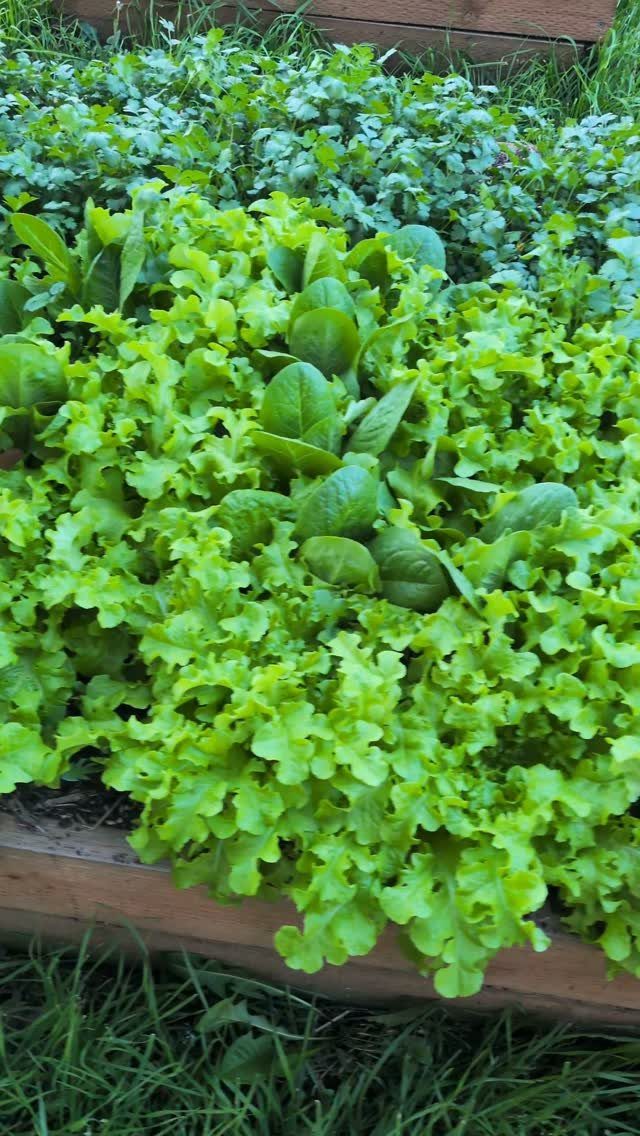
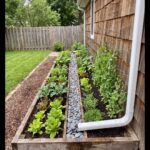
Lettuce mix in a raised bed gives you cut-and-come-again greens for weeks. I sow thickly in rows or broadcast across the surface, then cover with a quarter inch of fine soil.
A wooden frame keeps the planting area contained and the soil workable; without that structure, spring rains in zone 7 can compact the bed into something roots struggle to penetrate.
Harvest outer leaves when they reach 4 inches, leaving the crown to push new growth.
4. Starting Seeds Indoors
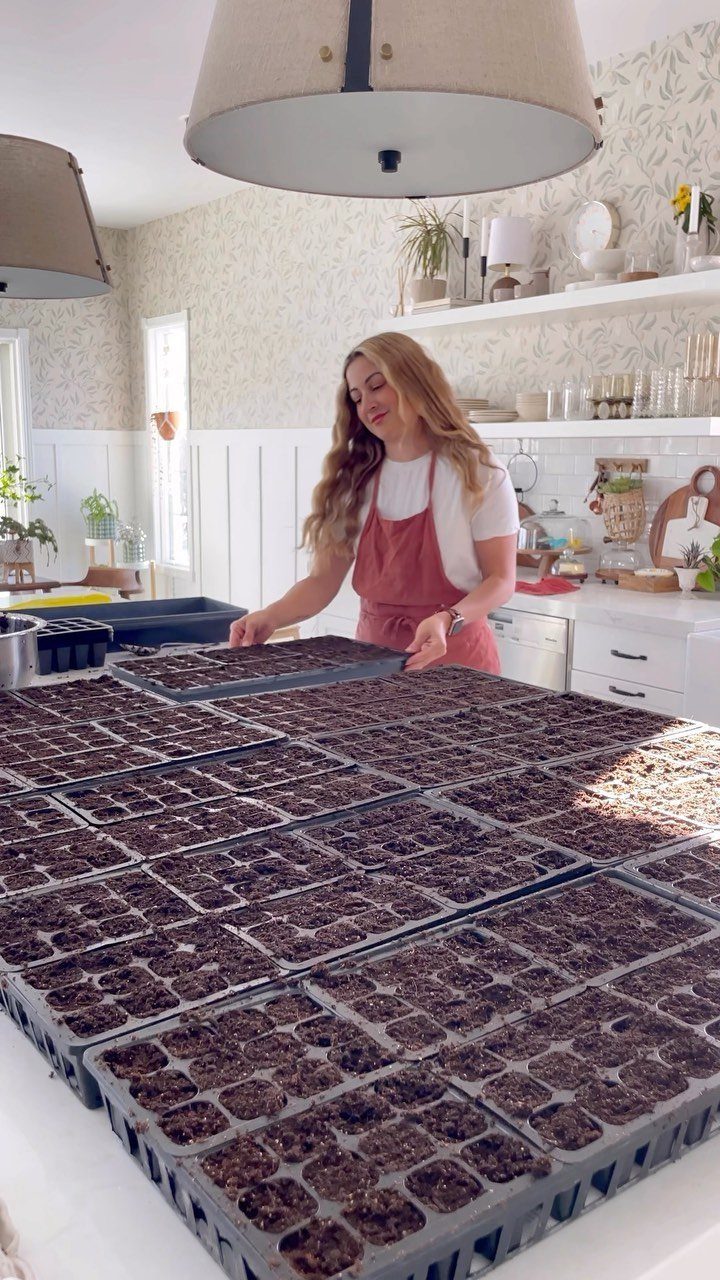
Starting seeds indoors lets you put out tomatoes, peppers, and eggplant in zone 7 with a month or more of head start.
I use seed starting mix rather than garden soil; one grower I follow saved nursery flats for years and fits six 12-cell liners or six 6-cell liners inside each one.
A bright kitchen counter works if you lack a greenhouse, though seedlings need long hours of light daily once they break the surface. Without enough intensity, they stretch thin and weak before transplanting weather arrives.
Gardening Challenges in Zone 7
Zone 7 sits right on the edge of reliable, and that is the first thing to plan for. A warm January can lull you into starting early, then a hard freeze at 15°F in April wipes out a month of work.
I watch the long-term forecast rather than the calendar, and I keep row cover or old bedsheets within reach of the garden for sudden drops.
The same volatility hits in fall, when a mild October stretches the season and a November storm tears through finished plants.
Hail and high winds roll through in spring too; I avoid plastic greenhouse film for that reason, and I stake tomatoes low and tight so they flex rather than snap.
Pests compound the weather stress.
Squash bugs, tomato hornworms, aphids, and grasshoppers all arrive in force once summer settles. I check undersides of leaves weekly starting in June, and I plant a few extra of anything the hornworms favor, knowing I will lose some.
In zone 7, average lowest winter temperatures fall in the range of 0F to 10F.
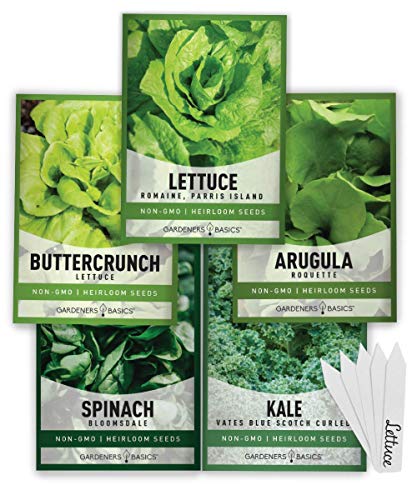
Five leafy greens varieties: Plant Parris Island romaine lettuce seeds, Buttercrunch lettuce seeds, Roquette arugula seeds, Vates Blue Scotch Curled kale seeds, and Bloomsdale spinach seeds. Includes 4,500+ seeds in five separate labeled packets.

Season Extension Techniques
Zone 7’s roughly 190 frost-free days are enough for two full rotations if you time them deliberately.
The window from last frost around April 15 to first frost near November 15 gives seven months of active growth, and the mild winters let you push cool-season crops straight through the off months.
I get spinach and kale in the ground in late August or early September; by November they slow but do not stop, and I harvest through winter under no protection at all.
A simple low tunnel of PVC and row cover fabric buys even more reliability for January and February harvests.
For summer crops, the challenge is heat, not cold. Tomatoes set fruit poorly once nights stay hot, so I aim to have plants established and flowering before summer heat settles in.
Afternoon shade cloth over a tomato row in July keeps production going where full sun would shut it down.
A hoop house in spring warms the soil for early peppers; the same structure in summer becomes a shade house with the plastic swapped for shade cloth.

Size: 60×29×11 in, 68 gallons of soil required.


Professional Size:84"L x 36"W x 12"H, Provides extra growing room for vegetables, tomatoes, flowers and herbs, making it a must have for urban gardeners.(Package Includes 2 Beds)
Planting Tips
Soil temperature matters more than air temperature for summer crops, and I check it with a simple probe thermometer before I set out tomatoes or peppers.
For potatoes, the old rule of planting by St. Patrick’s Day works because the tuber sprouts in cool soil and the foliage handles light frost.
Cold-weather vegetables are more forgiving of early planting, but they still need watching.
Broccoli, kale, spinach, and cabbage go in a few weeks ahead of the last frost date, yet a hard freeze can still damage young seedlings. I keep buckets or cloches ready to cover them overnight.
Beets are a useful benchmark for spring timing: they germinate in cold soil but turn woody and bolt if the weather turns hot before they size up.

【Spacious and Versatile Growing Space】The CATMANOR raised garden beds outdoor offer plenty of room for growing vegetables, herbs, and flowers. The raised bed design helps make better use of planting space and works well for medium to deep-rooted plants like broccoli, beans, and similar crops.

【Spacious and Versatile Design】: The CATMANOR raised garden beds outdoor provide ample growing space for a variety of vegetables, herbs, and flowers. The raised bed design maximizes planting capacity, making it an ideal solution for gardening enthusiasts who want to grow medium to deep-rooted plants such as broccoli, beans, and more.
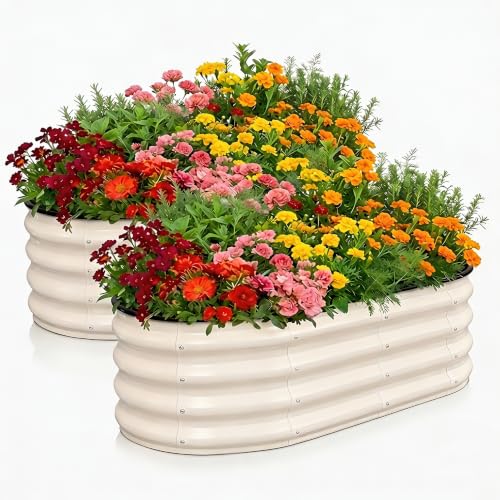
【Raised Garden Beds Outdoor】: GRASQUILINE’s galvanized raised garden bed features enhanced rust and corrosion resistance, ensuring years of durable use even in harsh outdoor environments and humid climates — so you never have to worry about premature wear.
Frequently Asked Questions
What can you grow in zone 7?
Zone 7 handles both cool-season and warm-season crops across a roughly 190-day frost-free window.
I grow tomatoes, peppers, and eggplant through summer; broccoli, lettuce, spinach, and kale in spring and again in fall; and beets, cabbage, and potatoes timed to beat the heat.
The mild winters let me keep spinach and kale going with little or no protection.
What states are in zone 7?
Zone 7 stretches from the mid-Atlantic down through the South and out to the West, covering slices of Virginia, Maryland, North Carolina, Tennessee, Arkansas, Oklahoma, northern Texas, southern New Jersey, Delaware, plus the low valleys in western Oregon and Washington.
The zone also reaches into northern Georgia, Alabama, northern New Mexico, Arizona high desert, and northern California interior valleys. Your exact half-zone, 7a or 7b, shifts your planting edge cases by about a week.