These pink flower ideas run from zinnia seeds to a peony clump that outlasts your mortgage, and the deciding factor is not color but hours of sun your spot actually gets.
Shade settles the question for astilbe, fuchsia, and impatiens; full sun swings it toward coneflower, zinnia, and lantana.
[link-whisper-related-posts]1. Peonies
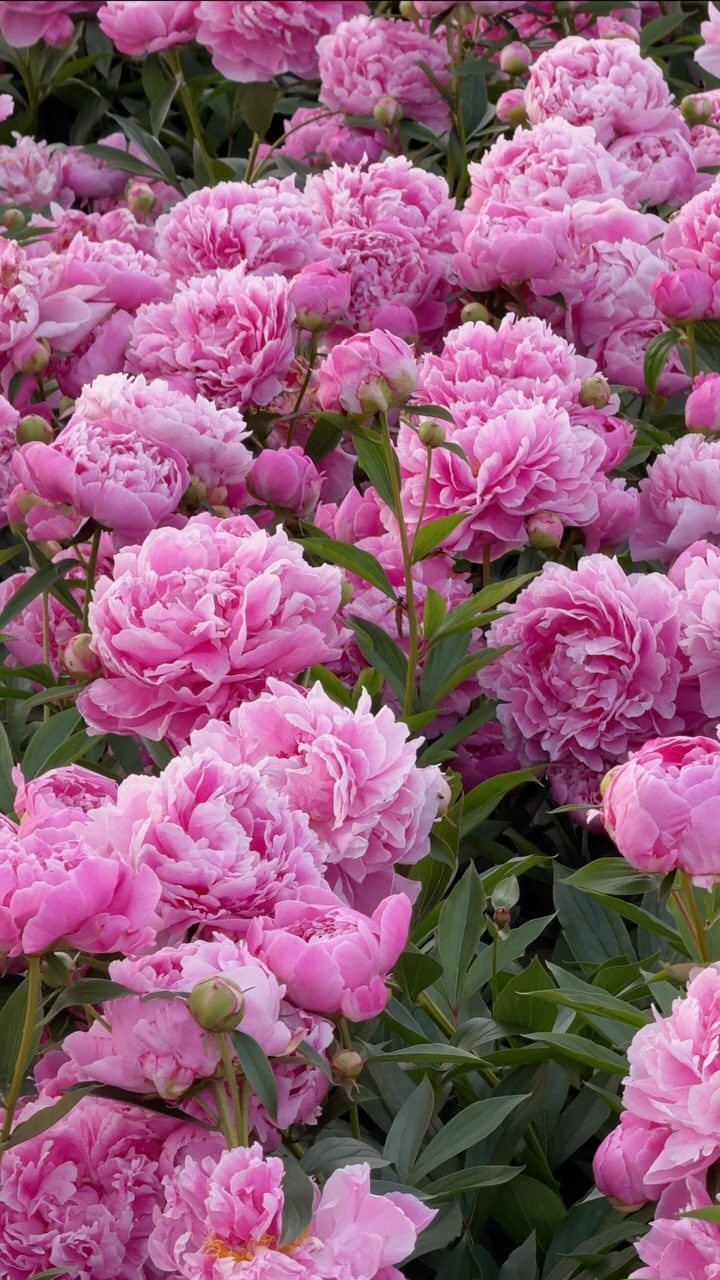
Peonies earn their spot by blooming once, but making it count. Those buds swell to 8 inches across, opening into layered pink with a silvery edge that catches morning light.
I plant them where I can walk past and smell them, since the stems stay short enough to sit below a window.
They need a winter chill, so they falter south of zone 8, and the flowers drop fast once they open. For that reason I keep early and late varieties together to stretch the season.
Dig the hole deep; the eyes sit no more than 2 inches below soil or they refuse to bloom. After that, peonies outlast most of what else is in your yard.
2. Dianthus
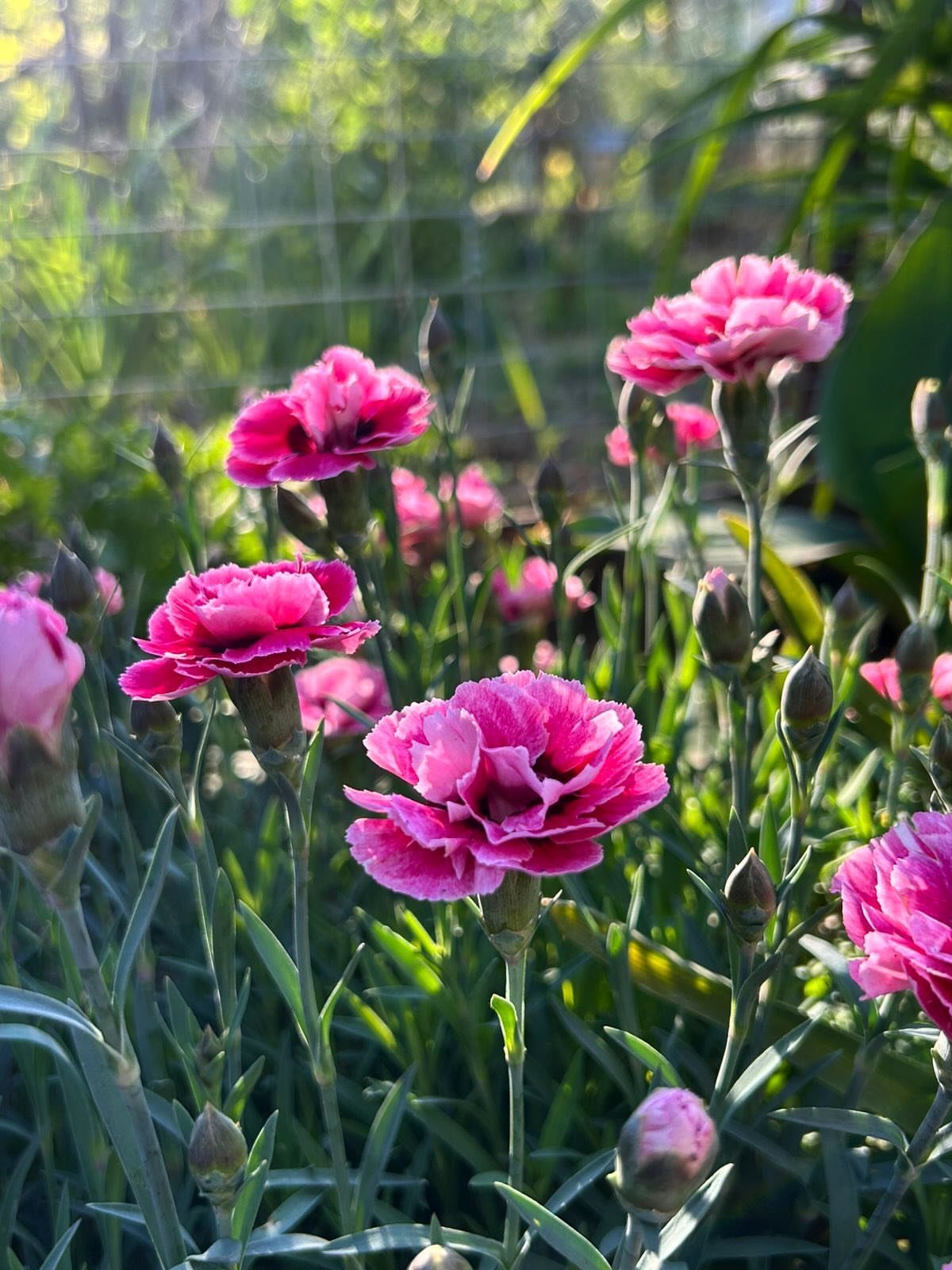
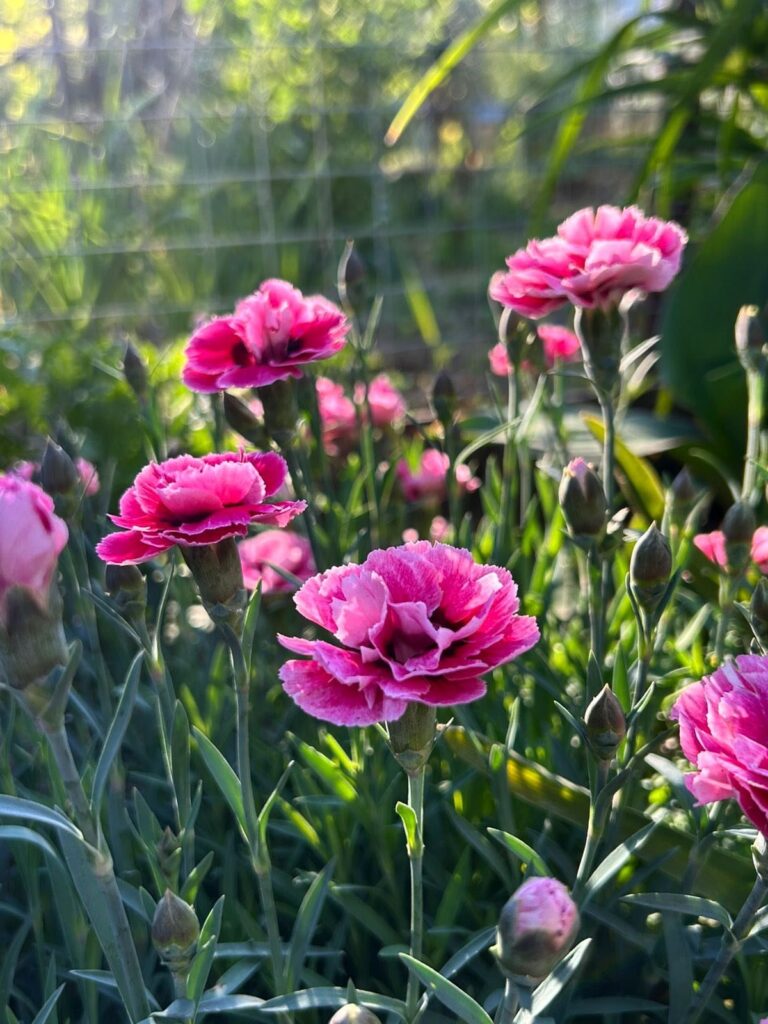
Dianthus ‘Raspberry Ruffles’ carries fringed petals that look like someone took pinking shears to the edges. It wants part sun to full sun and blooms early summer, then again in early fall if the first round gets deadheaded.
It stays low and compact enough to fill the front of a border without flopping.
I would check your soil drainage before planting; wet feet rot the crown fast. The spread means you need fewer plants than you’d think for a solid ribbon of color.
3. Zinnias
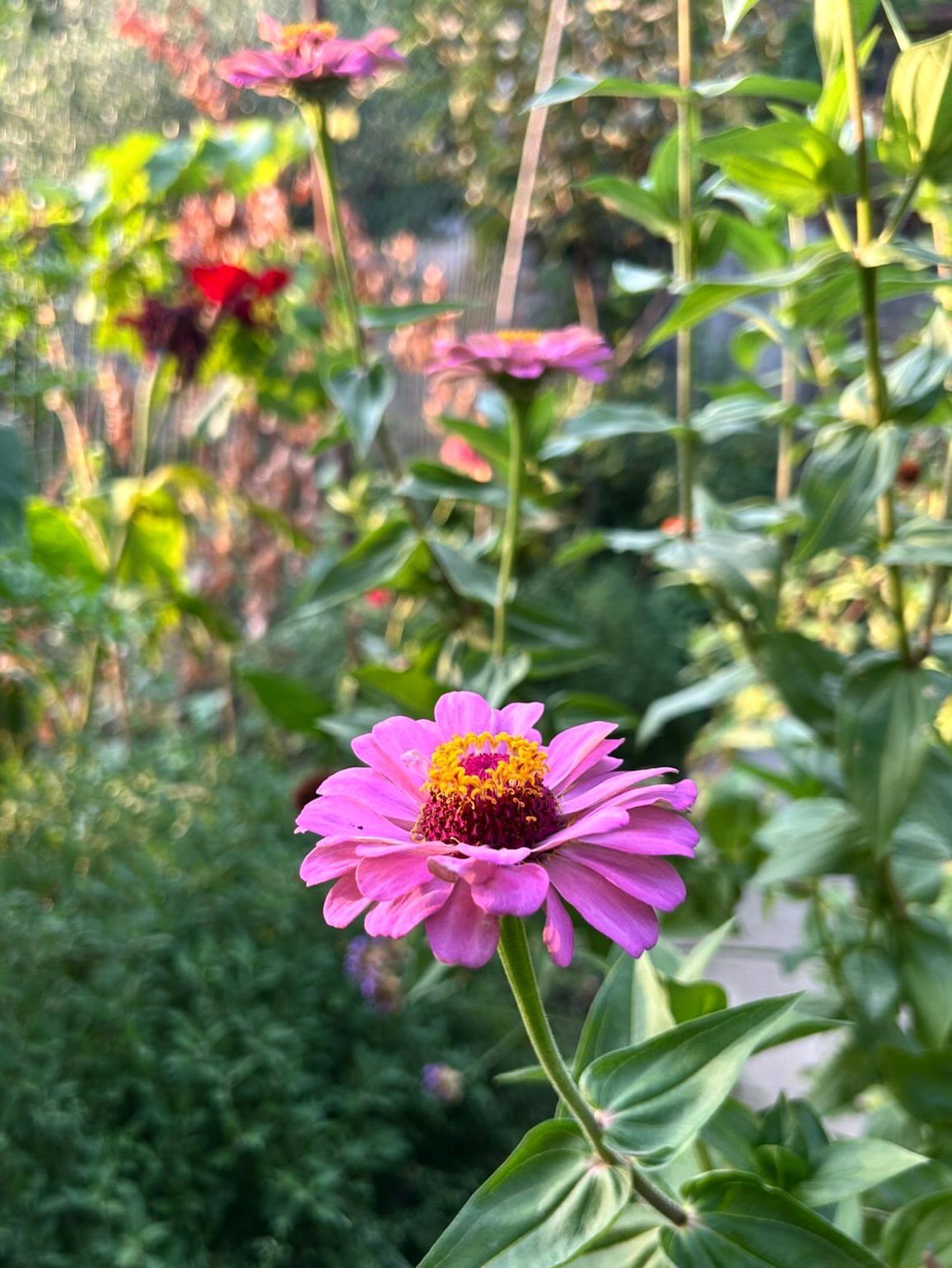
Zinnias are the annual I sow when I want pink and I want it now. Direct seed after your last frost date, and flowers follow in a couple months.
They ask for full sun and soil that is not too rich; too much nitrogen gives you leaves and no blooms.
I stagger plantings through July to keep the cutting supply steady. The stems hold up in a vase for a week, and the more you cut, the bushier the plant.
Powdery mildew hits late in the season. I plant where air moves freely and water at the base, not overhead, to push that back as long as possible.
4. Phlox
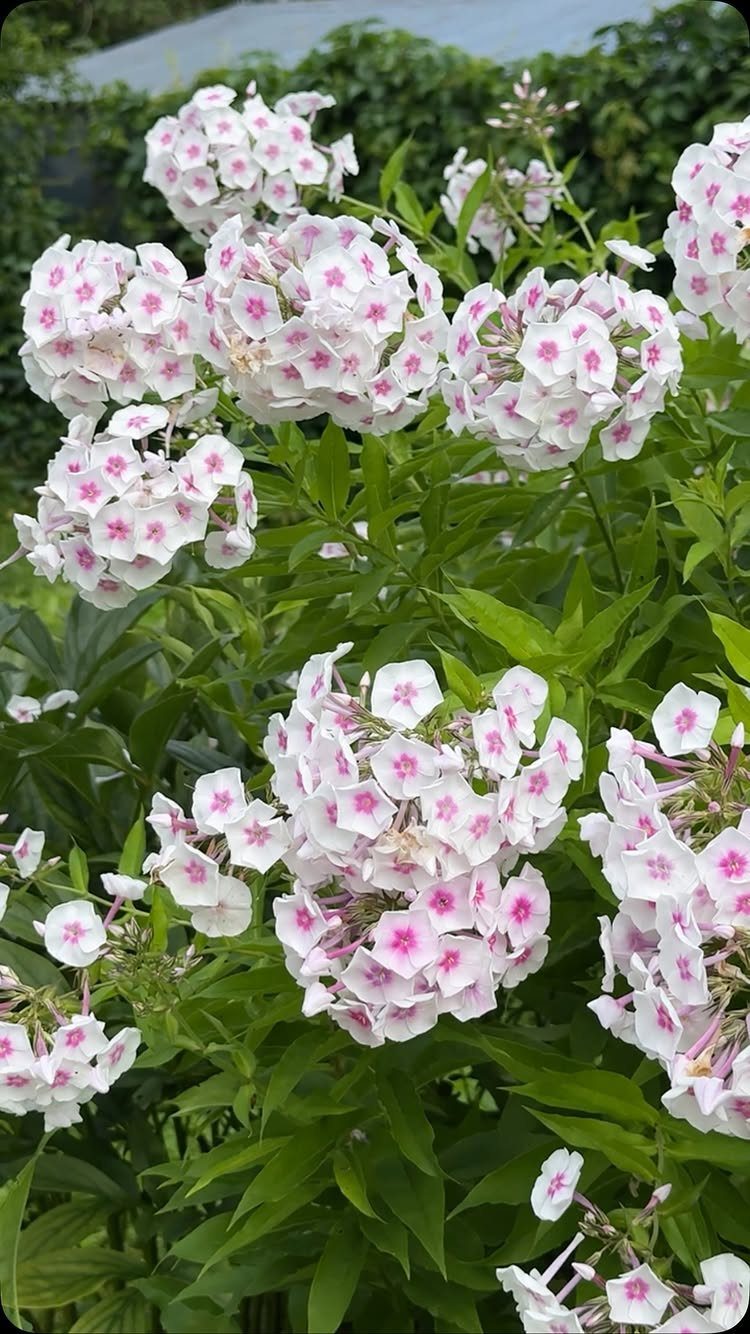
Garden phlox carries a sweet scent that justifies placing it near a door or a path you use in evening, when the smell hangs strongest.
The white eye at the center of each bloom sets off the pink and sets this plant apart from lookalikes.
I would choose a mildew-resistant variety; the species gets ugly by August in humid summers. Full sun to light shade, and divide the clump now and then to keep it vigorous and the flower count high.

Creeping phlox is the quintessential perennial cushion plant revered for its captivating blooms in an array of vibrant colors.
5. Sweet Peas
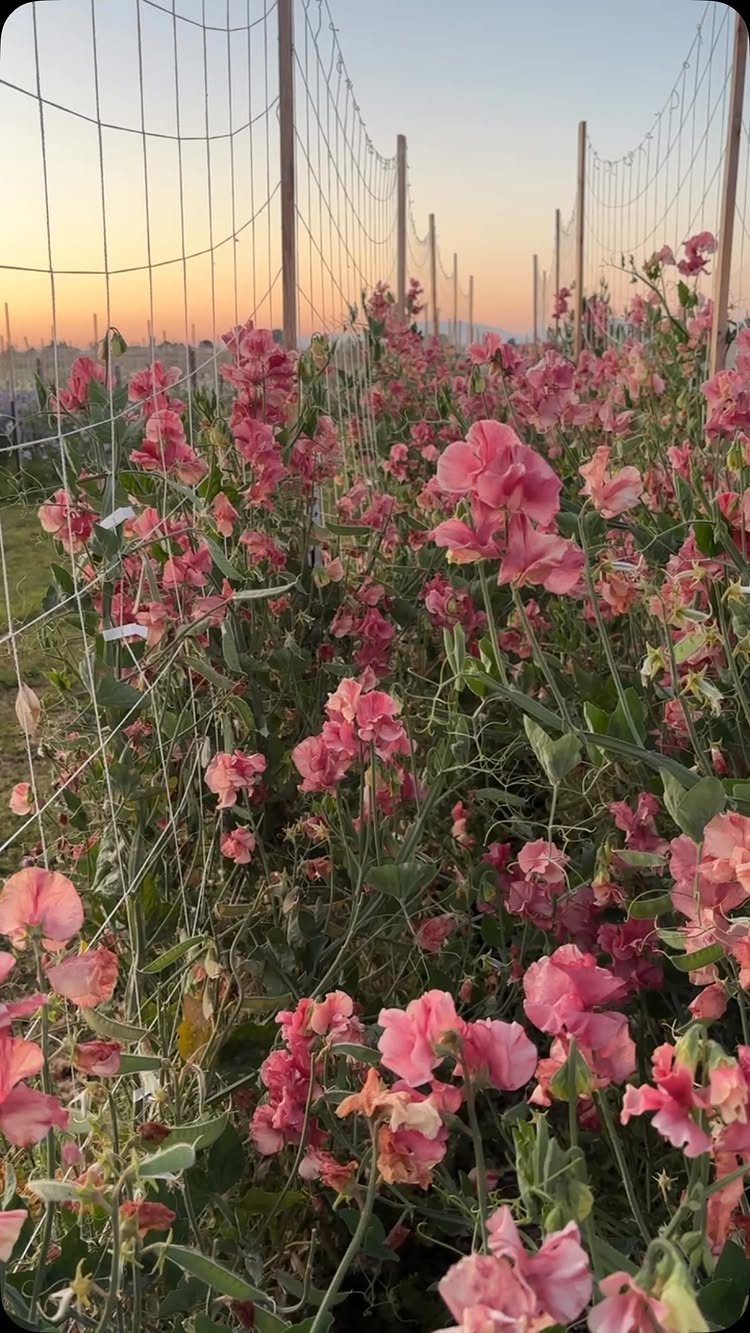
Sweet peas climb by tendrils, so they need something thin to grab: wire netting, string, or twiggy branches. A wire trellis staked with wooden posts gives them the sturdy support they need for a row of any length.
They prefer cool starts; I sow as soon as soil can be worked, or in fall where winters stay mild.
The fragrance is why I grow them, but the blooms fade fast in heat. Pick every morning for the longest season and the fullest vines.

Giant Mammoth Blooms: Sweet pea mammoth mix seeds produce very large, fragrant flowers on long stems. Plants reach 5-6 feet tall, ideal for dramatic vertical color in gardens and cut flower production.

Royal Family Mix Blooms: Sweet pea seeds produce large, solid-color flowers in lavender, pink, purple, red, salmon, and white. Sweet pea flowers are fragrant, eye-catching, and ideal for classic garden displays.

LARGE 0.5 OZ PACKET WITH 150+ SEEDS: Provides ample Sweet Pea Knee High seeds to plant up to 15 square feet, delivering generous coverage for trellises, borders, containers, and small garden spaces.
6. Lantana
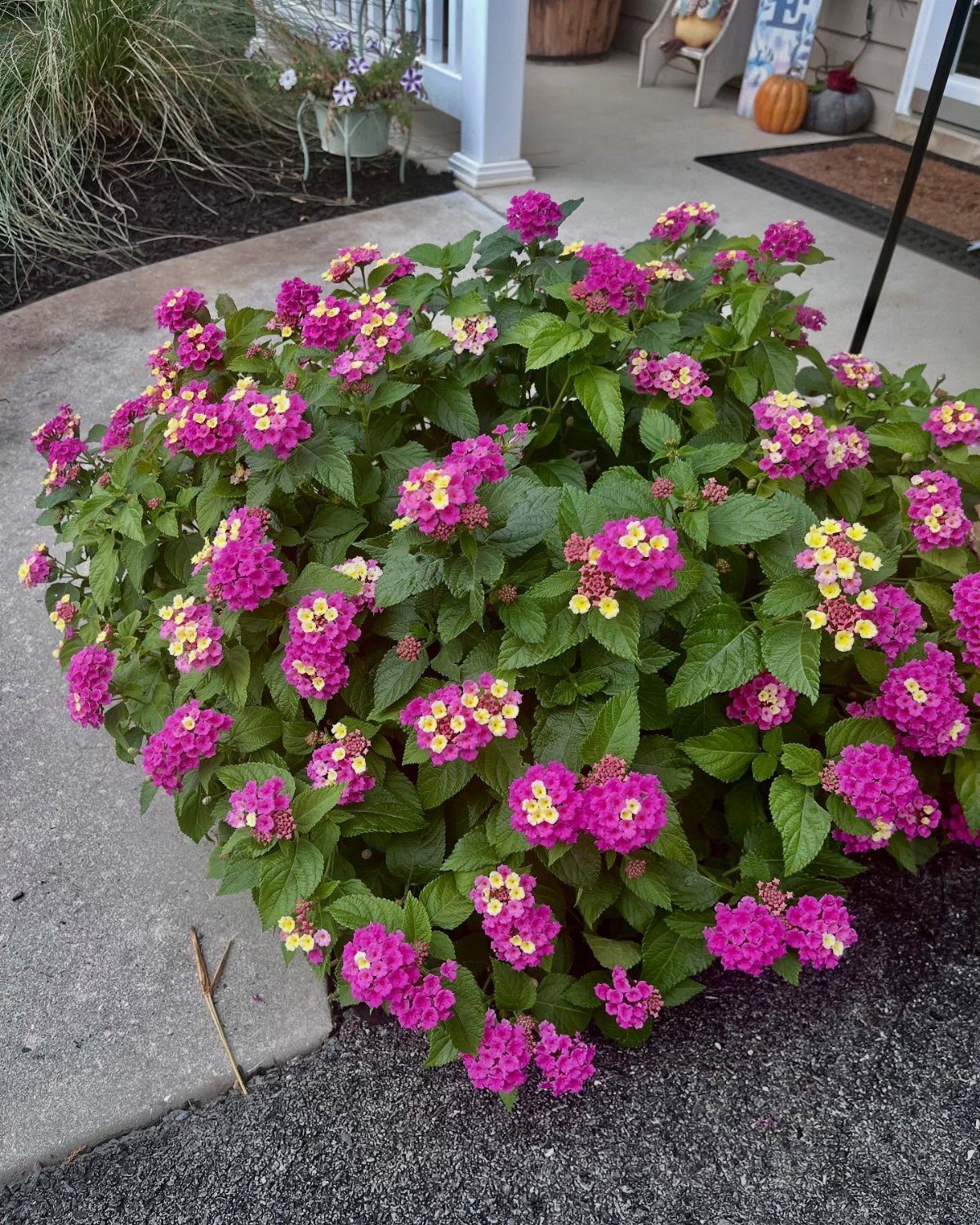
It grows shrubby in warm zones, root-hardy to zone 7, annual farther north.
Butterflies find it reliably, which matters more to me than the flower form. I would plant it where the foliage can spread without crowding a walkway; the stems roughen with age and snag bare legs.
The porch in the background with fall decor gives the timeline away: lantana peaks late and keeps going until a hard freeze.

Rare Peony Poppy Seeds for Planting Outdoor-Attracts Bees&Butterflies Non-GMO Heirloom

Walter Faxon is a Double Pink Peony

Auten's Pride - Double Pink Peony
7. Snapdragon
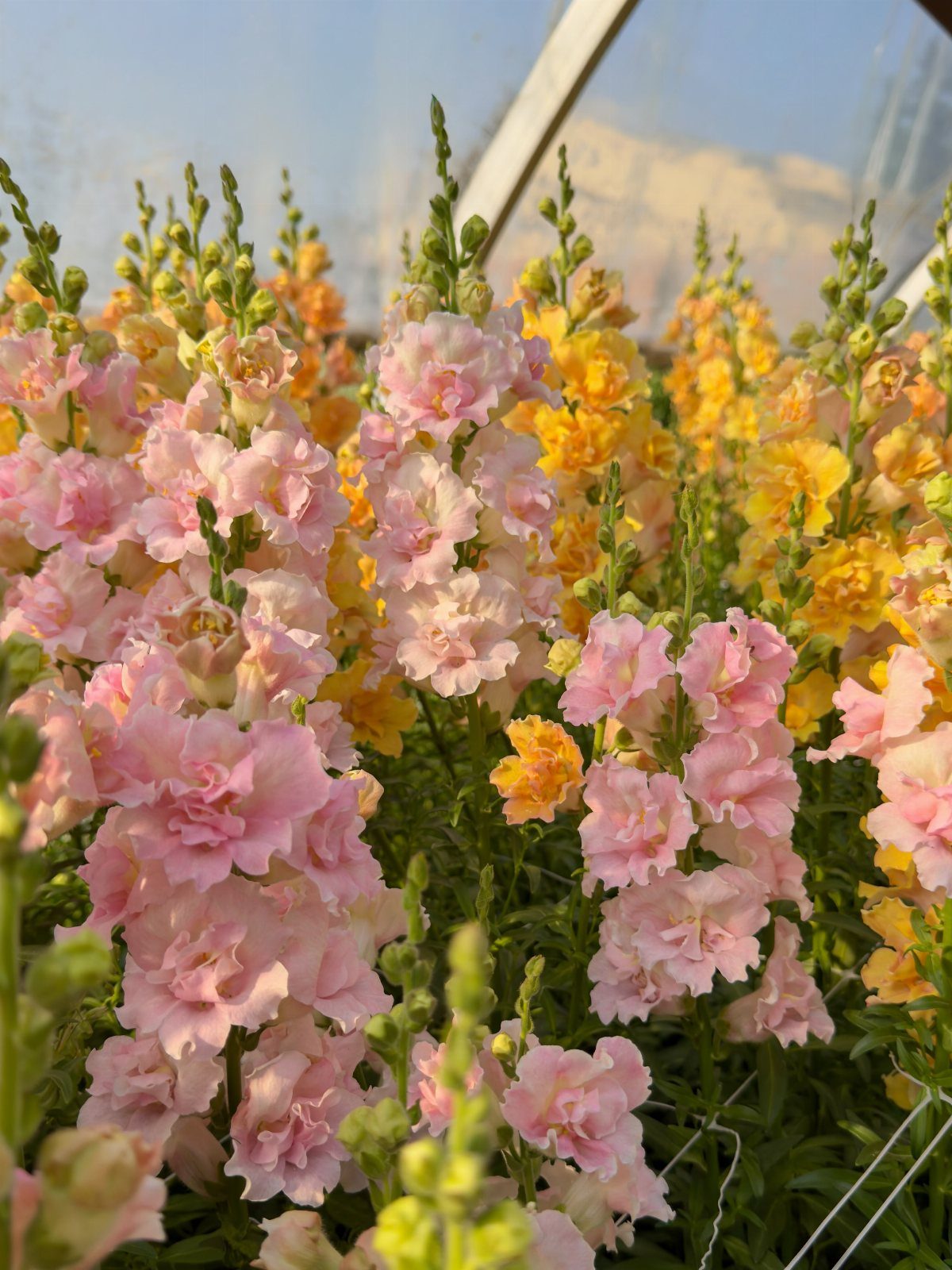
Snapdragons send up flower spikes that fill the vertical gap between low annuals and shrubs. The double blooms look almost like tiny azaleas stacked along the stem.
I would plant them in spring for cool-season performance; they fade once nights stay above 70.
Shear the spent spike to the first set of leaves and a shorter branch usually follows. Full sun brings the sturdiest stems.


VIBRANT HOT PINK DIANTHUS – Brilliant hot pink blooms rise above attractive blue-green foliage, bringing a strong splash of color to sunny garden spaces.

VIBRANT FLOWER DISPLAY: Our Deltoides Maiden Pink Dianthus flowers grow up to 8 inches, making it a great choice for creating colorful mounds in your garden. Space plants about 14 inches apart to allow for healthy growth and proper airflow. This spacing ensures a vibrant, lush display that enhances flower beds and borders without overcrowding.
8. Fuchsia
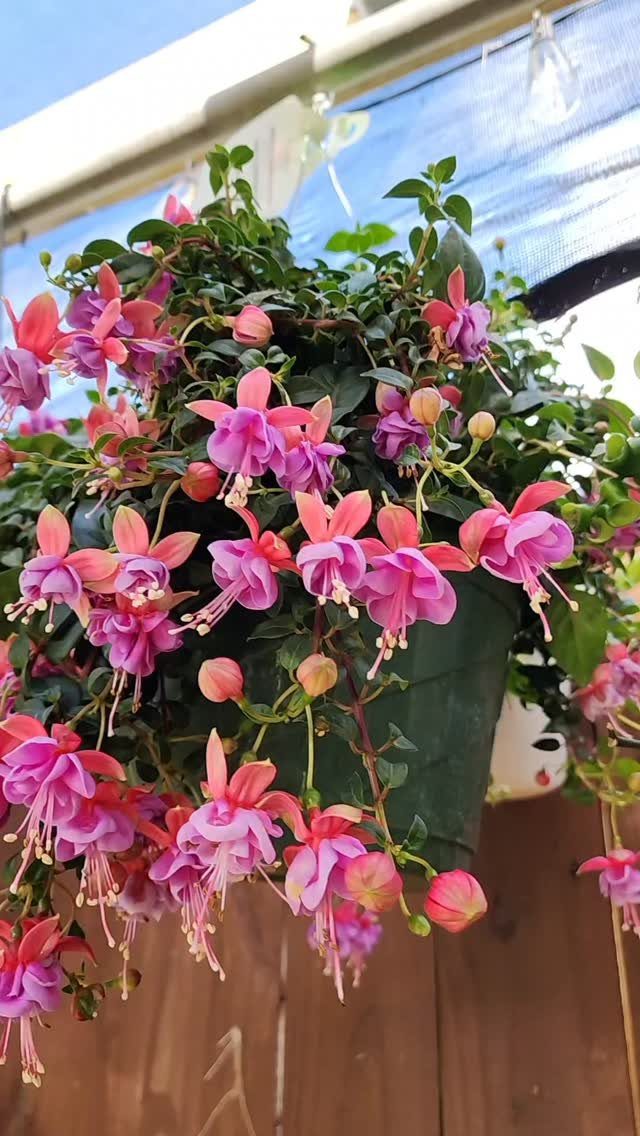
Fuchsia belongs in shade, which makes it useful on a porch or under trees where little else blooms this hard. The classic form has pink sepals flaring back from a purple corolla, dripping in clusters from a hanging basket.
I would check the weight before hanging; a mature plant in a soaked fiber pot can pull a weak hook.
Keep soil moist, not wet, and protect from afternoon sun. In zone 8 and warmer it may overwinter, but I treat it as annual and replace in spring.
9. Water Lily
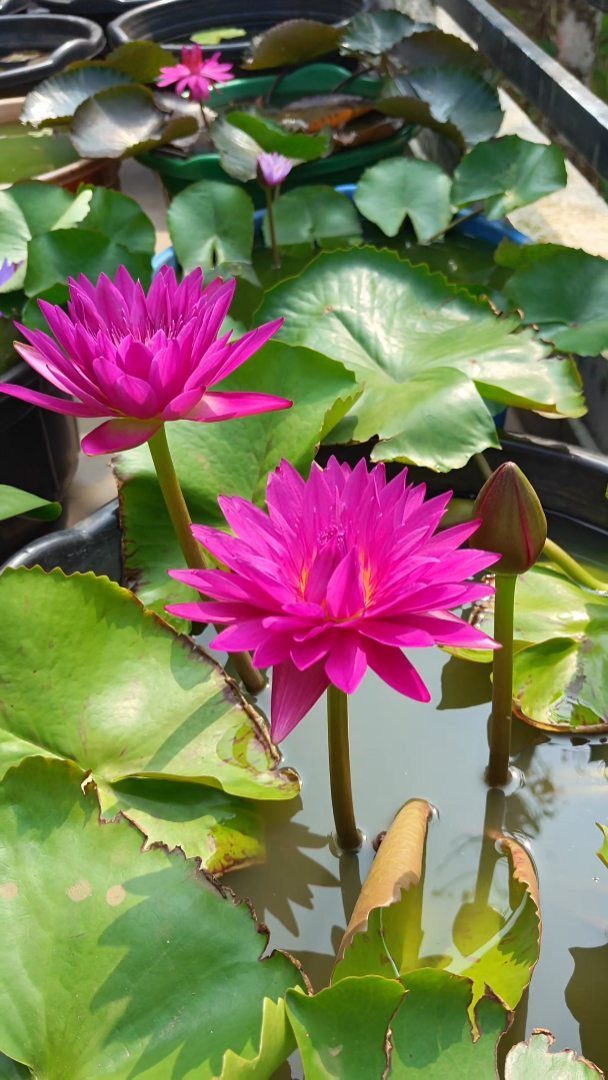
A water lily needs still water and sun on its leaves through most of the day. A container pond is the practical way to try one without rebuilding your yard.
Set the planted basket below the surface but not too deep, or stems stretch weakly. Use heavy loam, not potting mix, or the soil clouds the water.
I would add a fertilizer tablet monthly through summer. Hard water leaves mineral deposits on leaves; rain barrels help if your tap runs alkaline.
10. Pink Flowers: Shrubs
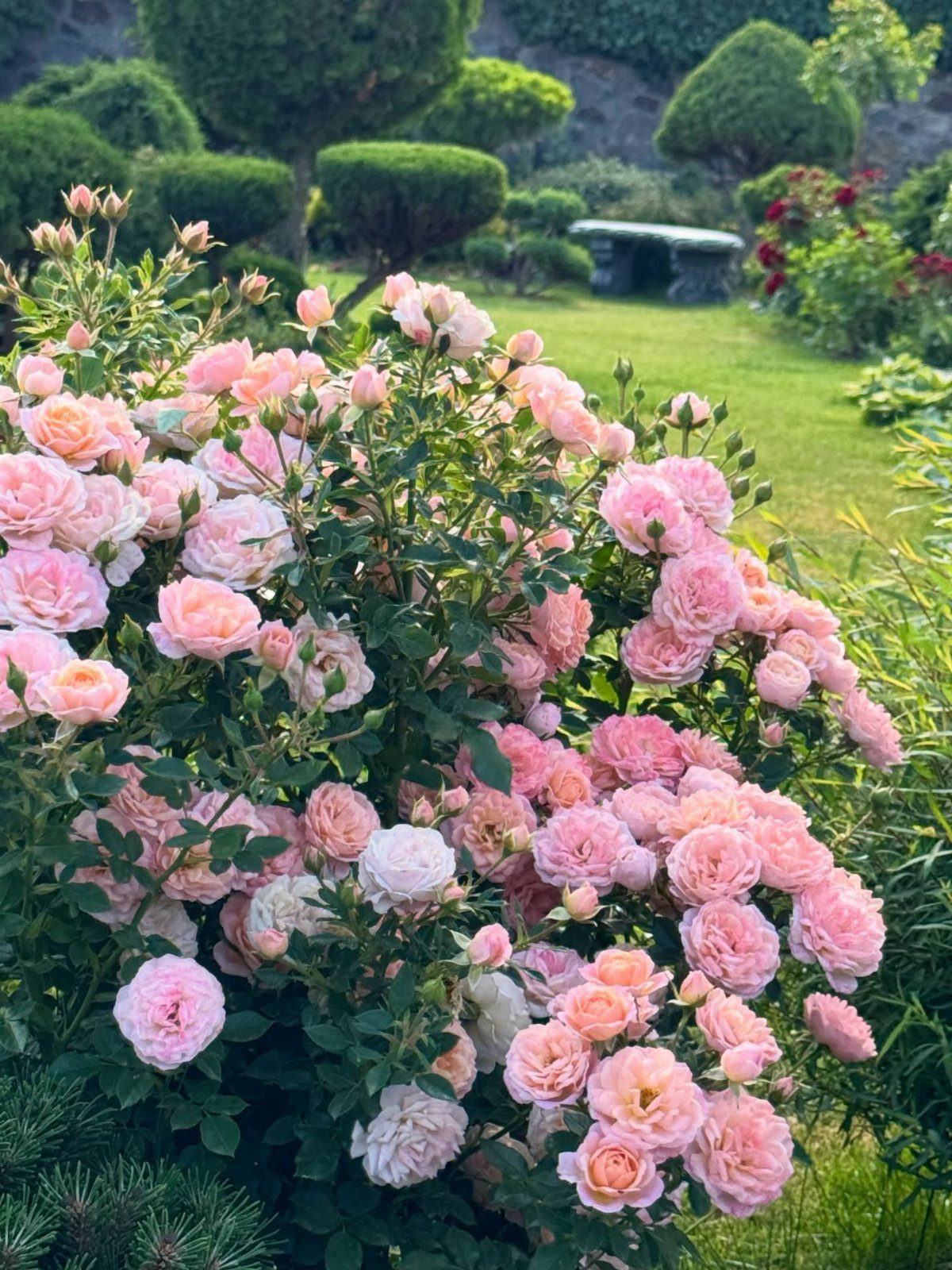
A pink-flowering shrub gives structure that annuals cannot. The category runs wider than rose: azalea, weigela, hydrangea, camellia depending on zone.
I would decide first on mature size and sunlight, then match bloom time to what else is in the bed.
Shrubs cost more up front than annuals and take a season or two to settle in, but they return for years. Plant in fall where winters are mild, spring where they are severe, and water through the first summer.
11. Astilbe
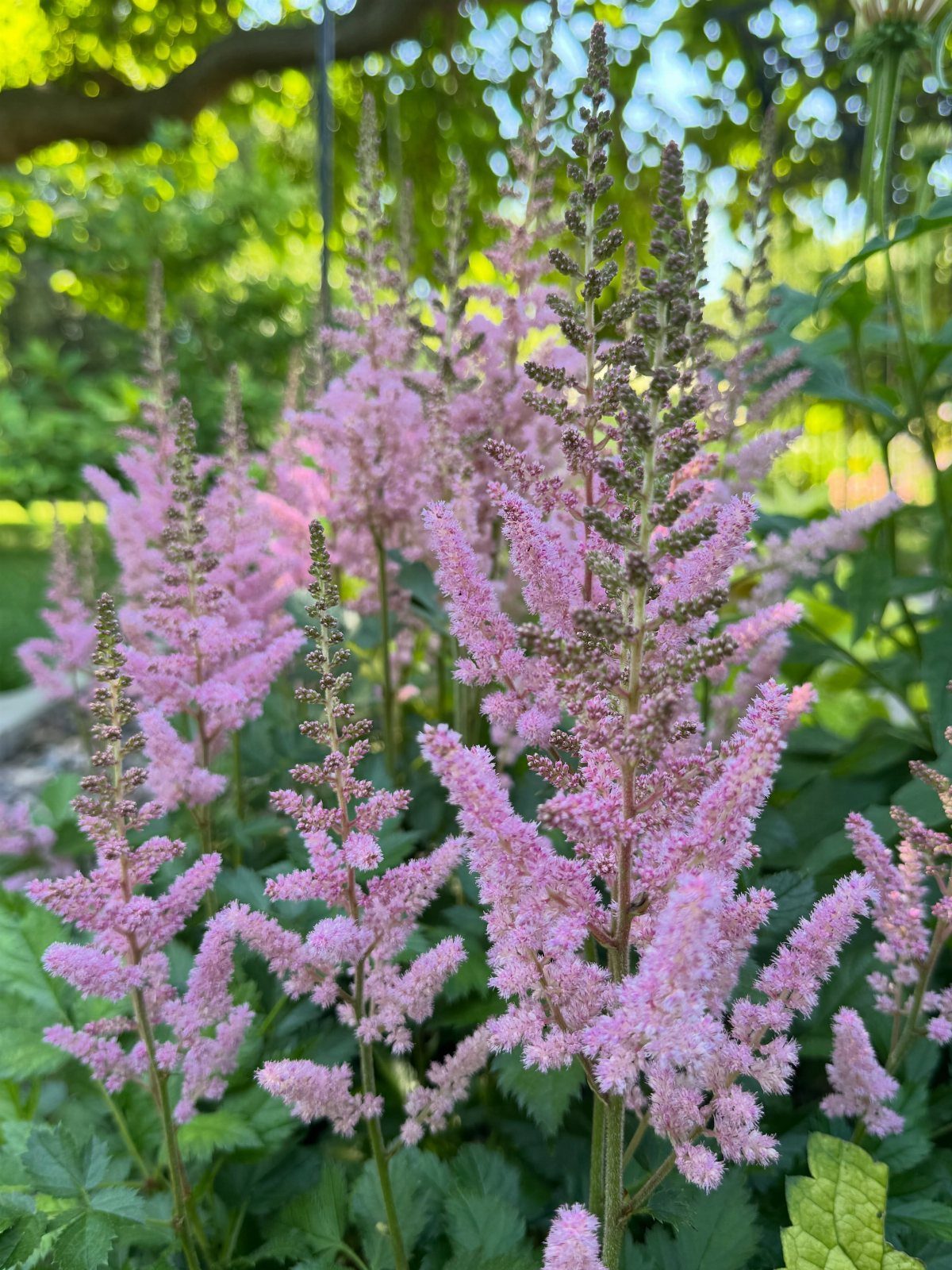
Astilbe carries its flowers in soft plumes rather than individual blooms, which reads as texture from a few feet back. Dappled shade is where astilbe belongs; direct sun scorches the foliage and the plums crisp.
Soil should stay damp, not just at planting but through the season, so I would site it near a downspout or in a low spot that does not dry fast.
Divide the clump every few years to keep it producing full plumes.
12. Impatiens
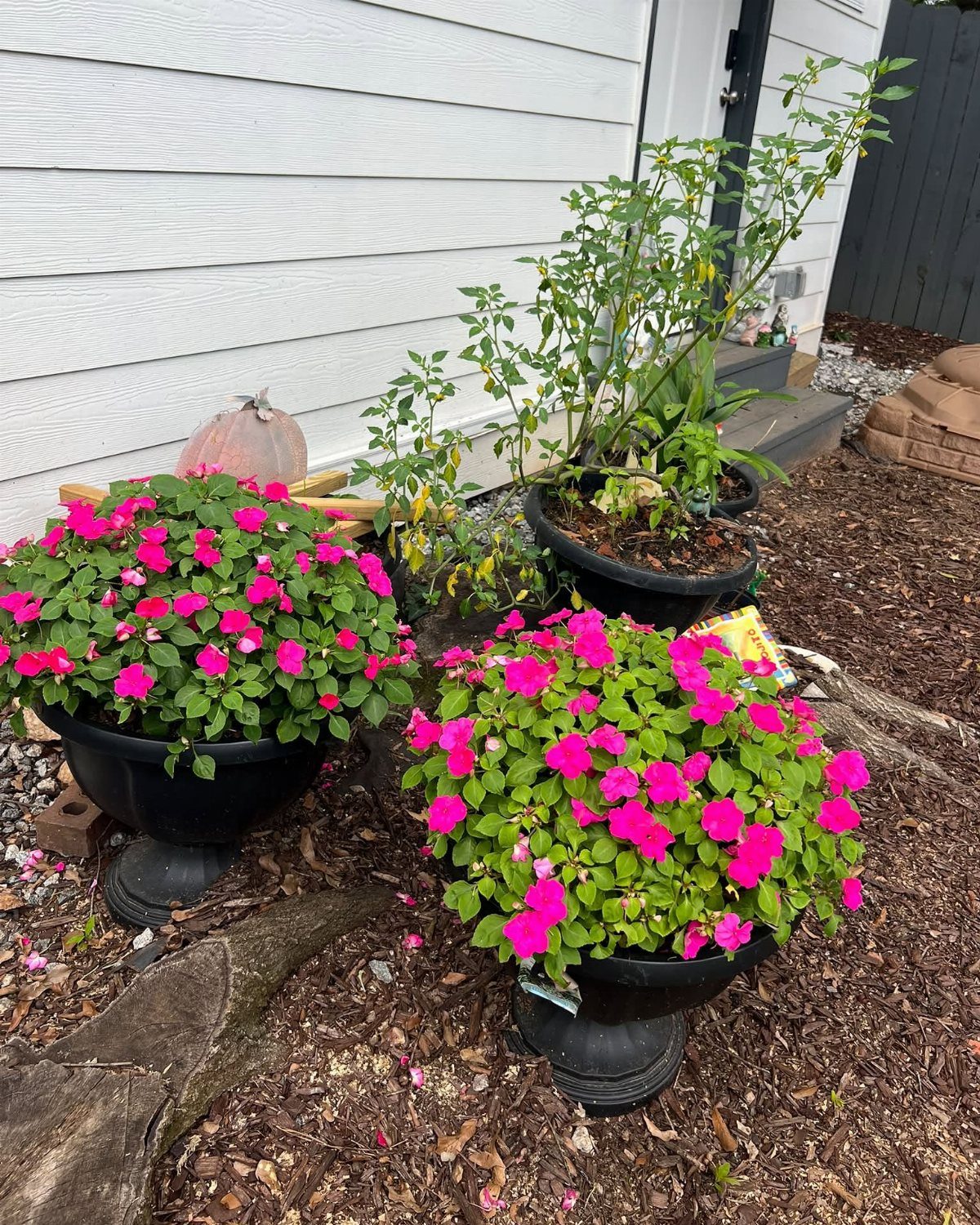
Impatiens fills a bed or pot with solid color where sun does not reach. Black urns make the pink pop against dark containers and pale siding.
I would buy them already blooming in flats; seed is slow and not worth the wait for a single season. Space them for a solid carpet, closer in pots.
Downy mildew has become a real problem in recent years, so I would choose a variety labeled resistant, or keep a backup plan. Feed lightly; too much nitrogen gives leaves at the expense of flowers.
13. Tulips
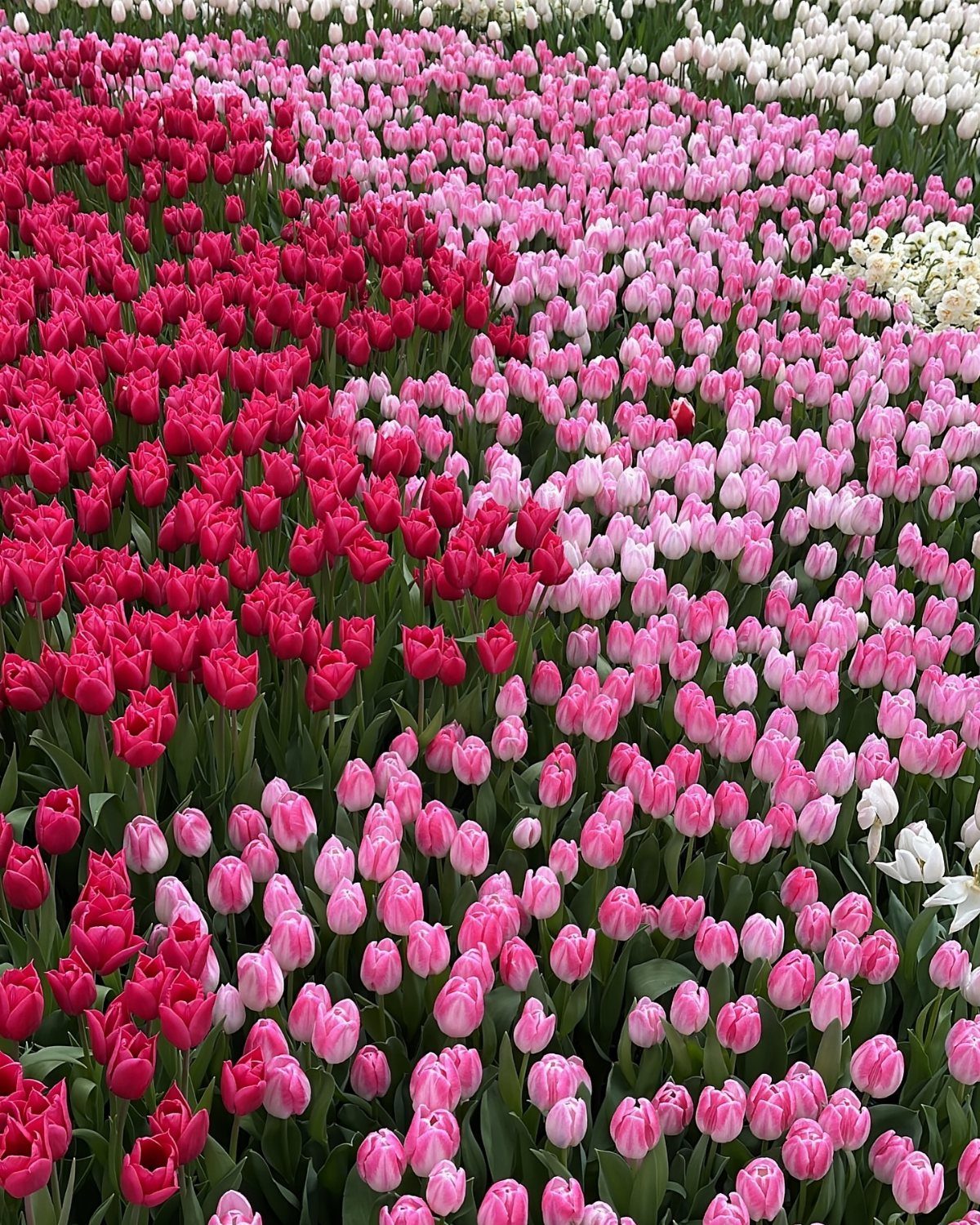
A spring field of tulips in layered pinks demands planning well ahead. The bulbs go in the ground in fall, before frost hardens the soil, and need a sustained winter chill to trigger bloom.
I would order varieties by bloom time, early through late, to stretch the show instead of getting one glorious week.
Drainage matters more than soil richness; bulbs rot in standing water. After flowering, let the foliage yellow before cutting or the bulb weakens for next year.
14. Japanese Anemone
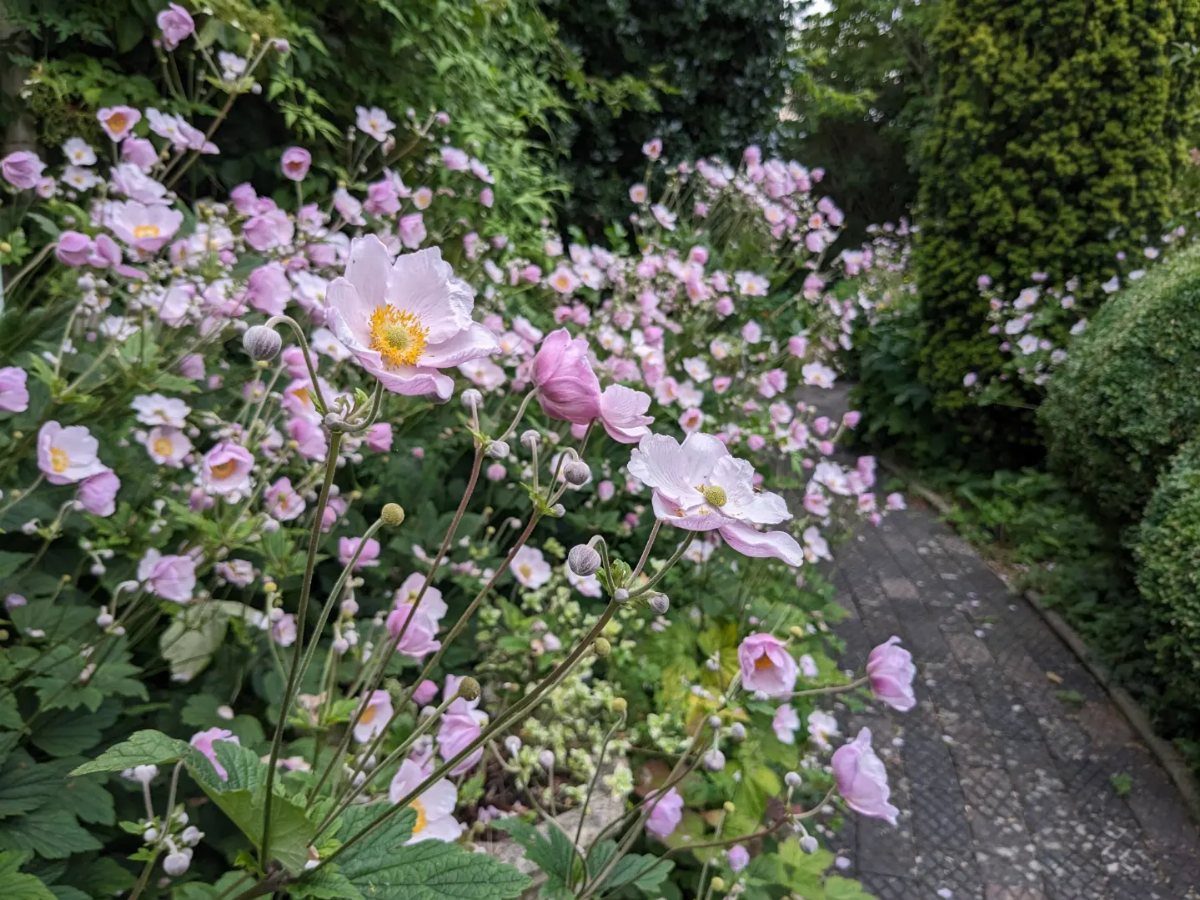
Tall stems of Japanese anemone carry pale pink saucers above mounded foliage from late summer into fall, when earlier blooms have finished. Yellow centers read brightest at the edge of shade or against stone.
I would plant where it gets morning light but shelter from strong afternoon sun; the stems stay upright and the color stays clean.
It spreads by rhizome, so give it room or be ready to divide. Backing a walkway brings the flowers close without demanding full sun.
15. Mandevilla
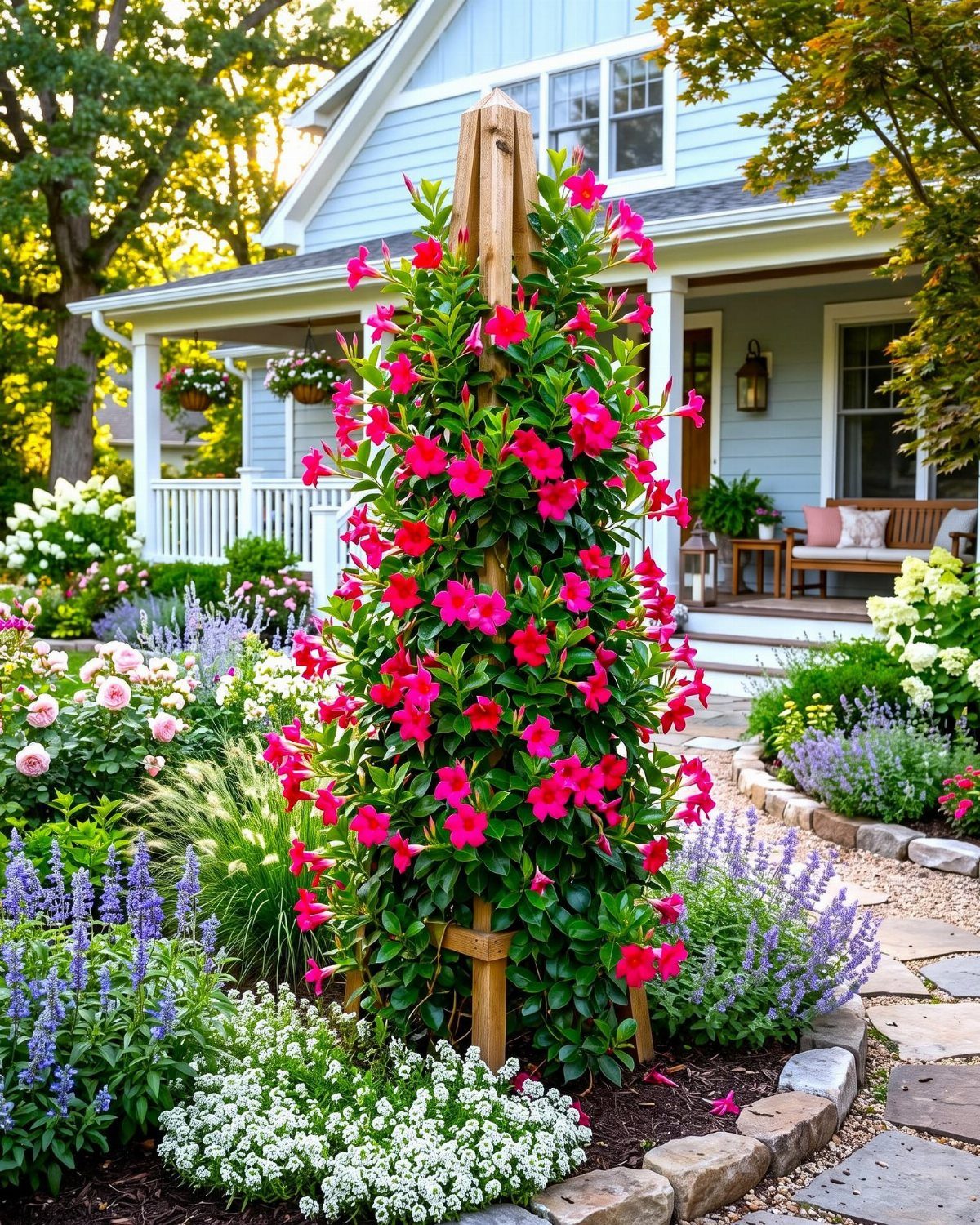
Mandevilla wants a sturdy vertical support: a trellis, a porch post, a tripod of bamboo.
The vine is tropical, so I treat it as annual in zone 8 and colder, though container-grown plants can overwinter indoors if you have the space and light.
Heavy bloom comes with heat, so I would wait until nights stay reliably warm before setting it out.
A standard potting mix and regular feeding through summer keeps the flower count high. The weight builds as the vine climbs; anchor the base well.
16. Coneflower
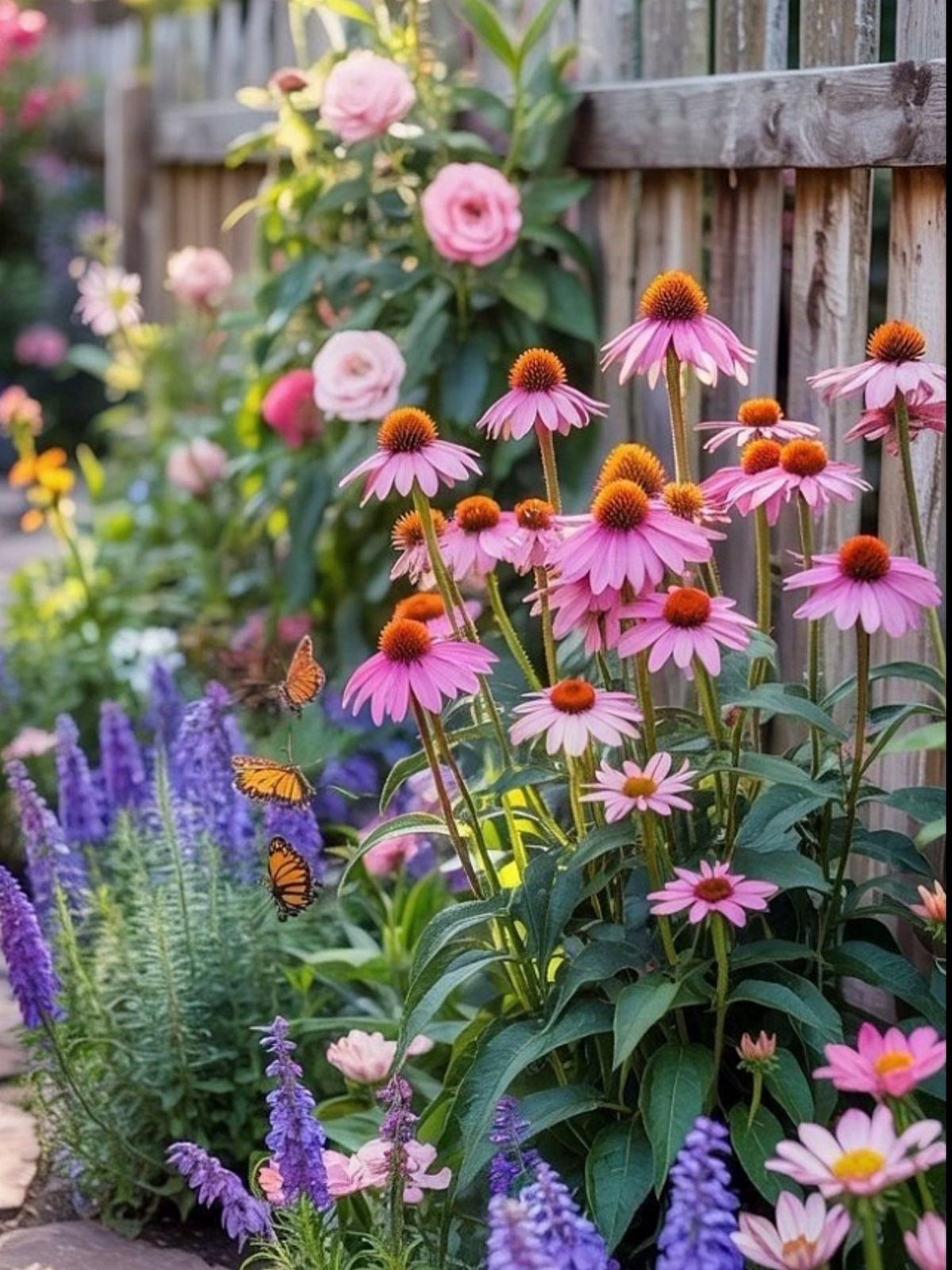
Coneflower stands pink with an orange disk, tough enough for a dry spot along a fence where the hose does not reach. Once established it tolerates drought and still draws monarchs, which the photo catches mid-flight.
I would plant in full sun and leave the seed heads standing through winter; birds pick them clean and the plant self-sows modestly.
Division every few years keeps the clump vigorous. The stems stay rigid in a vase if you cut before the disk flattens fully.
17. Begonias
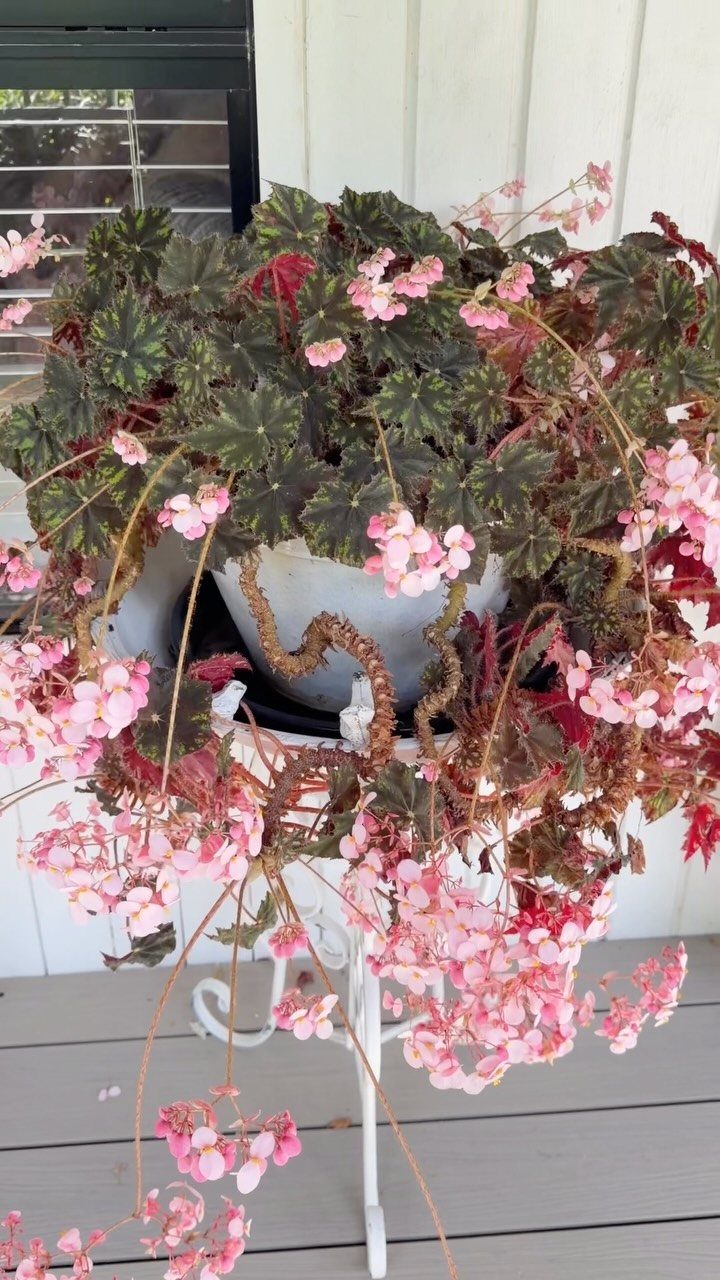
Pink begonia clusters spill well over a porch stand or white metal frame. That dark, star-patterned foliage tolerates shade that would stop most flowering plants, making it practical for covered porches or north-facing stoops.
I would keep soil slightly moist; these rhizomatous types rot in sogginess but crisp if dried out.
No deadheading needed; the blooms are self-cleaning. Bring the pot inside before frost if you want to carry it over; it sits dormant in a cool, bright room through winter.
18. Curcuma
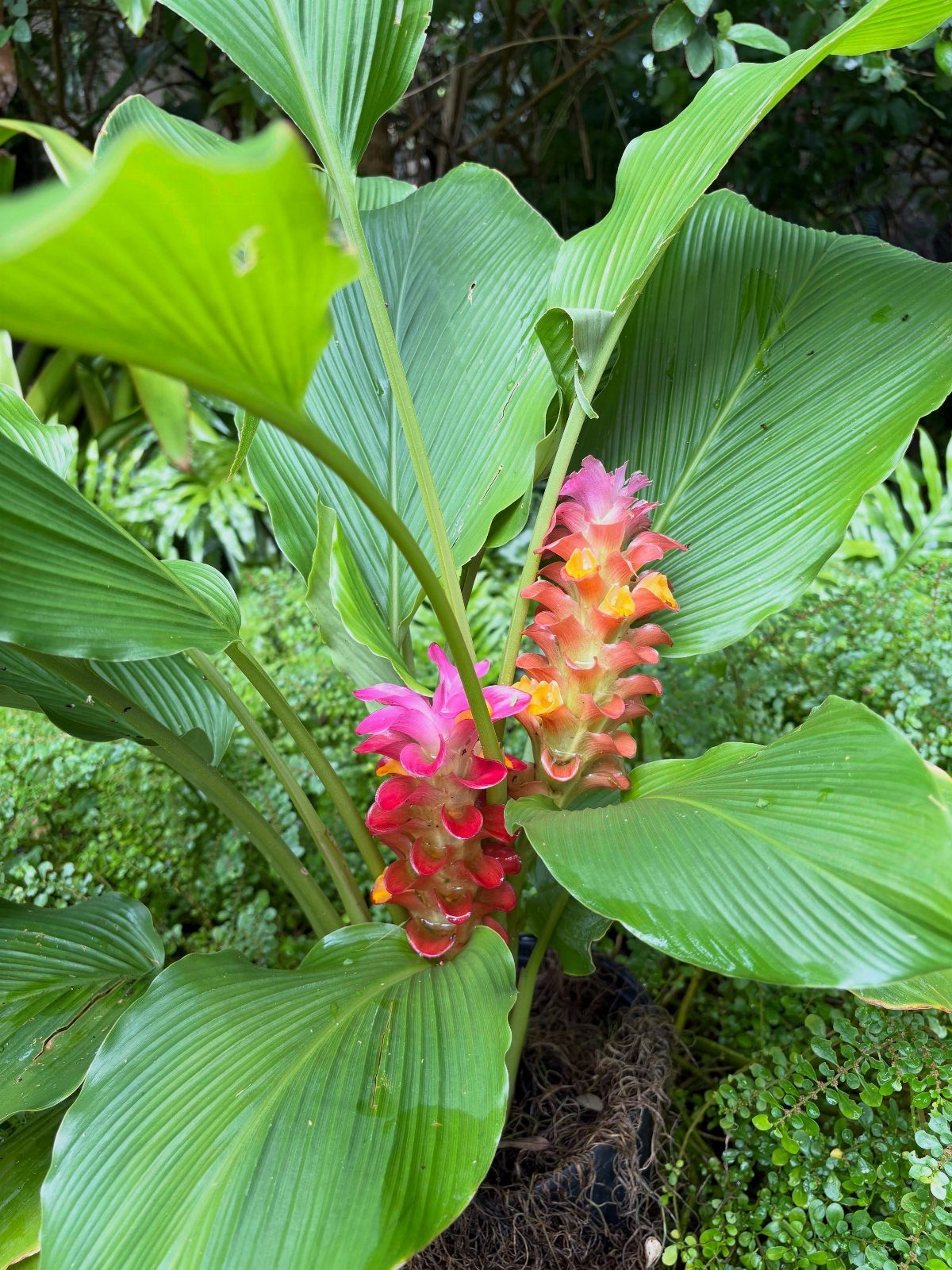
Curcuma sends up pink and orange cones above broad leaves in late summer, a tropical look for a shaded corner or a protected patio.
I would treat it as a container plant in zones 8 and colder; the roots need to be lifted and stored dry through winter where frost penetrates.
Give it rich, well-drained soil and steady moisture while in leaf. The flowers last weeks on the plant but make poor cut material.
In the ground in warm zones, mulch thickly before cold arrives; the foliage dies back naturally and resurfaces late, so mark the spot to avoid digging into it in spring.
19. Pink Flowers: Flower Bulbs
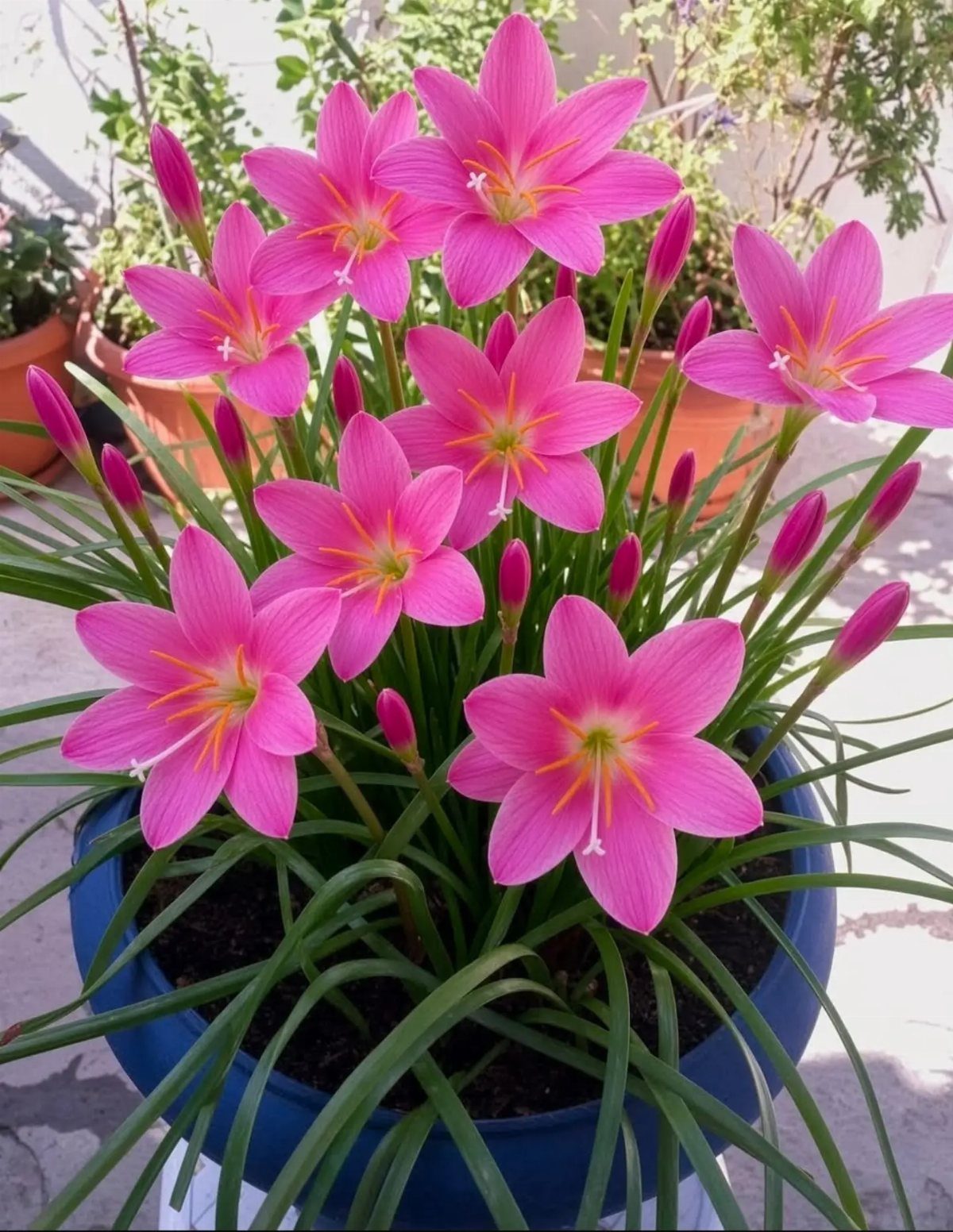
Rain lilies are summer-blooming bulbs that work well in containers and come back year after year in warm zones. Dahlias give you fat, showy heads in sizes from golf ball to dinner plate.
I would plant after soil warms in spring, and lift the tubers before frost if you garden north of zone 8.
Summer bulbs do not get the automatic winter chill tulips need; they ask more of you and give more in return.
20. Roses
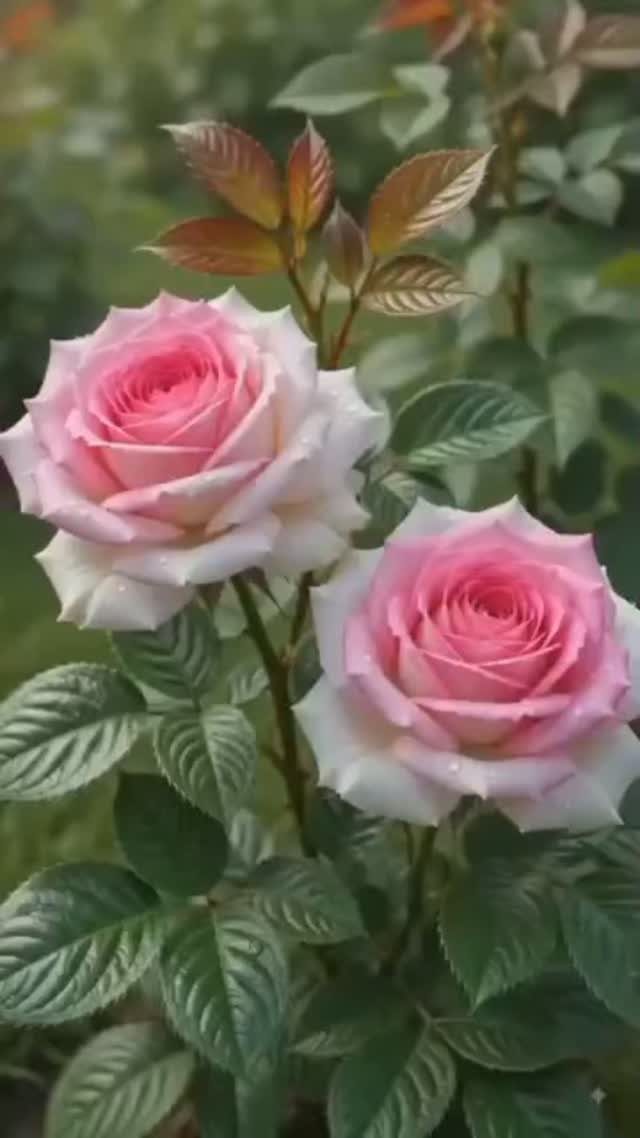
Light pink roses with white edges carry the romance people expect, but the color range runs from blush to deep coral and the forms from single to fully double.
I would decide first on shrub, climber, or groundcover habit, then match disease resistance to your climate; spraying is not a weekend project I would sign up for.
Modern landscape roses need less fuss than the classic tea hybrids and bloom more steadily through summer.
21. Bleeding Heart
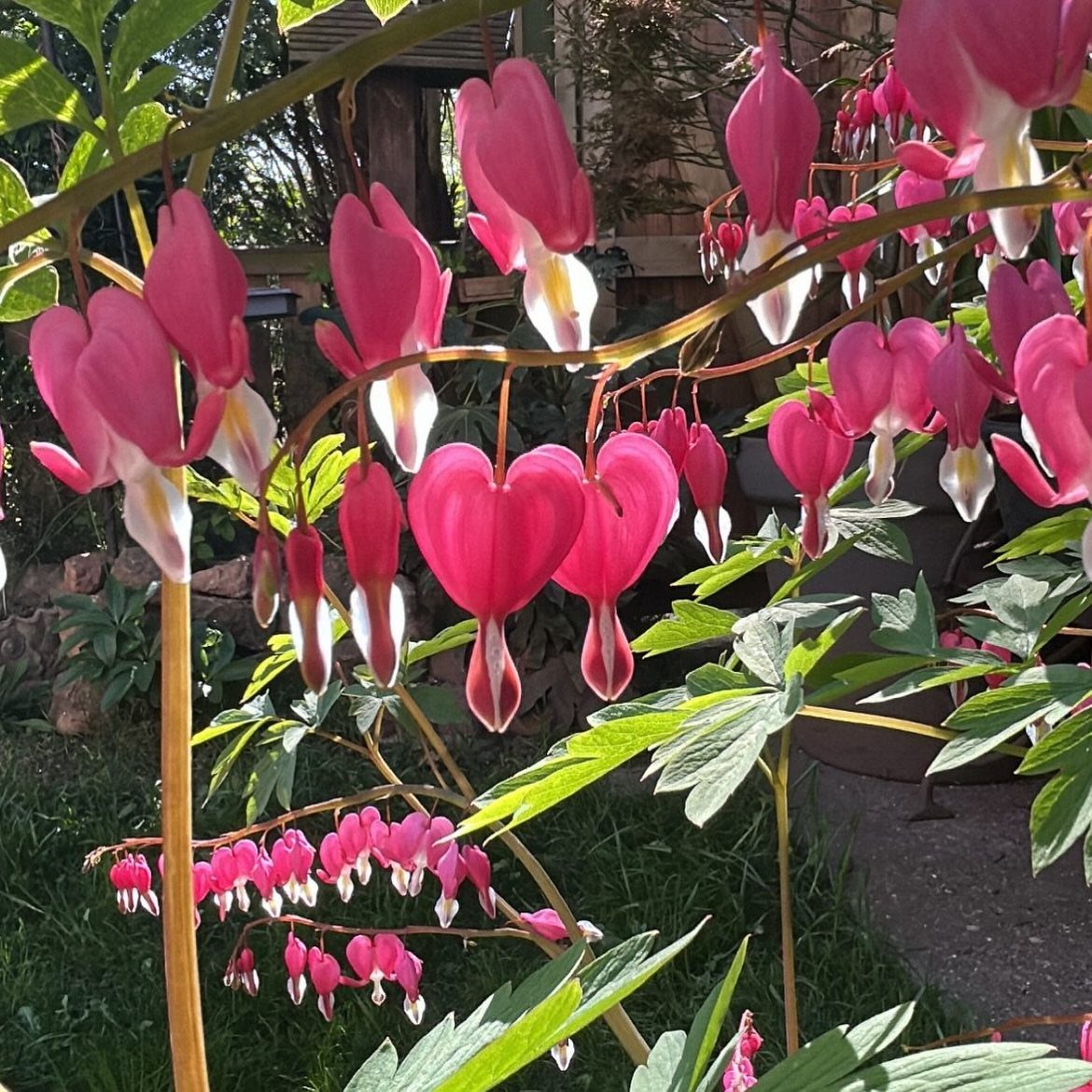
Heart-shaped blooms hang like lockets from arching stems, a shape no other perennial repeats. Bleeding heart wants shade and soil that stays moist through spring, then goes summer-dormant and disappears.
I would plant it where later-emerging hosta or fern can cover the gap.
The roots are brittle, so dig carefully if you move it. The classic variety blooms only in spring; a longer-blooming cultivar called ‘Luxuriant’ flowers off and on through summer if the soil stays cool.
22. Hydrangeas
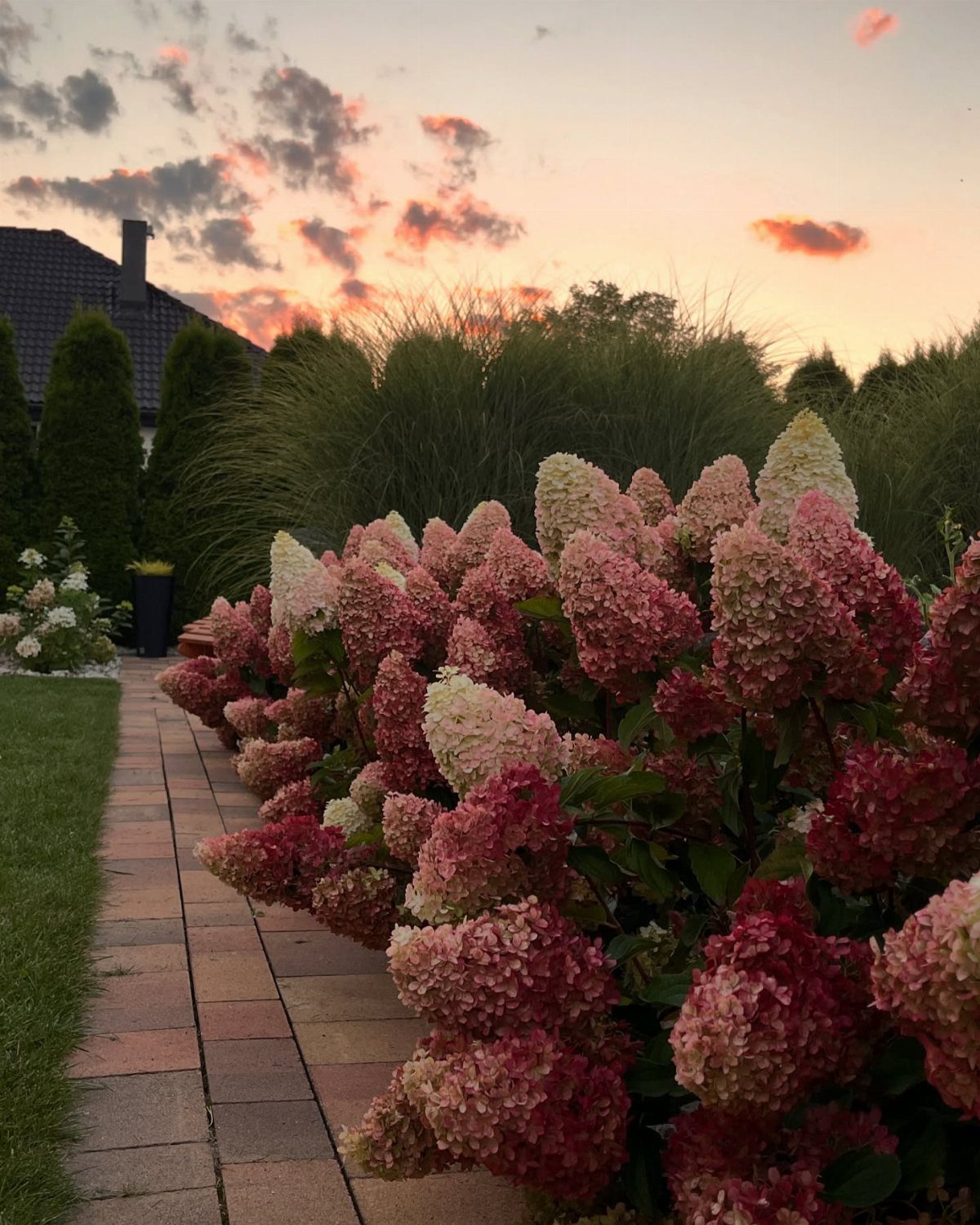
Panicle hydrangea carries cone-shaped flower clusters that open cream and shift pink as nights cool, a slow color change the photo catches at dusk.
The shrubs in that border look to be 5 or 6 feet, a manageable size for a walkway edge.
I would plant where afternoon sun is gentle; too much heat and the blooms brown instead of blushing.
Flower color on some hydrangeas shifts with soil pH, but panicle types color up from temperature, not chemistry, so lime or sulfur will not change them.
23. Hollyhocks
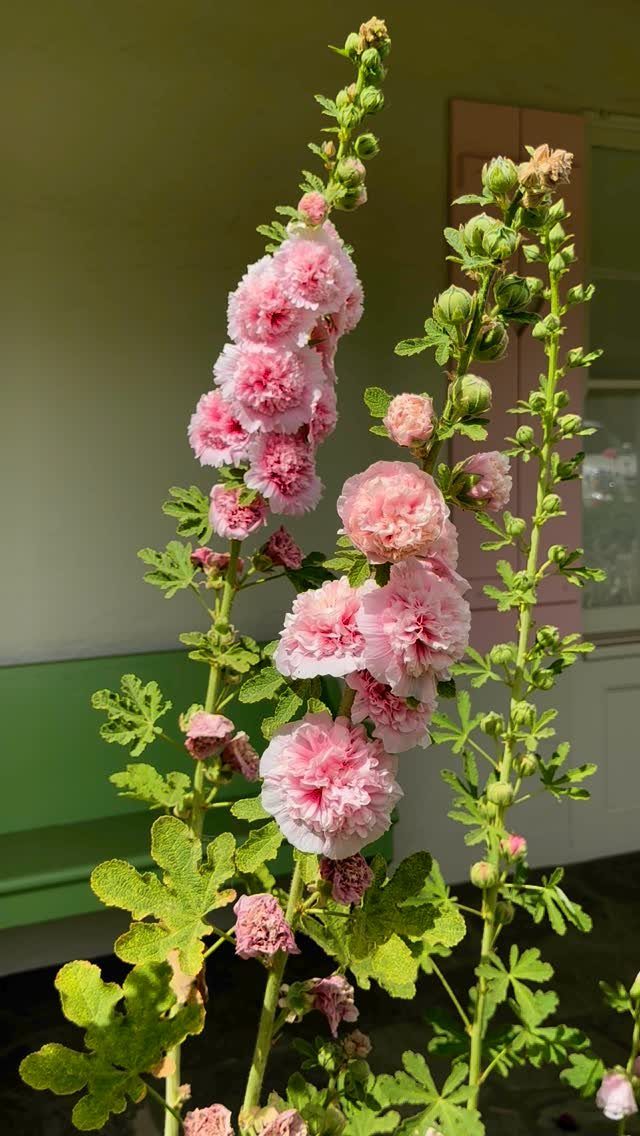
Double hollyhocks stand tall enough to screen a wall or soften a corner by a building, the blooms stacked up a single vertical stem.
Hollyhocks read old-fashioned and deliberate against green siding, with ruffled heads on tall stalks that need something to lean against.
I would plant in full sun against a fence or structure where the stalks have something to lean on; a hard rain knocks them flat in open ground.
Rust is the usual disease, so I would space for air movement and avoid wetting the leaves. Biennial types bloom the second year from seed; annual strains flower the first season if started early.
Design Tips for Pink Flowers
Cool pinks with blue or purple undertones read bolder against green foliage, while warm pinks with yellow undertones settle in more quietly.
I would pick one temperature and stay with it through a bed; mixing fuchsia magentas beside coral salmons makes both look muddy.
Silver-leaved plants like lamb’s ear or artemisia set off pink blooms without competing.
Chartreuse foliage does the same work in shade where gray plants struggle. For a monochromatic scheme, I would layer at least 3 pink values from pale to saturated so the eye has somewhere to travel.
Pink shows up best where the light is low, like a north-facing porch or under a tree line, and that is where it earns its keep.
The same intensity that would shout in full sun reads as simple visibility where light is scarce.
Also: know that there is no one-size-fits-all pink! Airy light pink flowers can pretty much act as a neutral, while hot pink shades bring a bit of drama.
Growing Conditions for Pink Flowers
Well-drained soil and full sun cover most of what the list asks for, but the exceptions matter.
Astilbe, fuchsia, bleeding heart, and impatiens want shade or dappled light; plant them in the same bed as your zinnias and one group fails.
Deadheading extends bloom on dianthus, zinnias, phlox, and snapdragons.
The cut matters: shear snapdragons to the first leaf set, not the stem base, or the regrowth stays short. Dianthus gives a lighter fall rebloom after deadheading, not a second peak.
Divide phlox, astilbe, and coneflower when flower count drops or the clump weakens.
Early spring or fall, when soil stays damp and temperatures hold moderate, makes the work easier on the plant and on you. Foliage is smaller then, so you can see what you are doing.
Seasonal Planting
A continuous pink sequence from March to November takes deliberate scheduling, not accident.
For spring I go with tulips and bleeding heart, then peonies to bridge into early summer, phlox and dianthus and zinnias for the midsummer stretch, and Japanese anemone, lantana, or curcuma to carry color into fall.
I would map bloom times before buying anything. A gap in July or a glut in May is easy to prevent on paper and hard to fix in the ground.
Warm-zone gardeners get more flexibility with tender perennials.
Lantana, mandevilla, and curcuma overwinter where tulips cannot, so the southern calendar shifts. In zones 8 and warmer, rain lilies and dahlias return without lifting; north of there, the same plants need storage or annual replacement.
Frequently Asked Questions
What are some good pink garden flowers?
Peonies, zinnias, phlox, and sweet peas top my list for different reasons. Peonies open to 8 inches across with layered pink and a silvery edge, while zinnias give you fast color from direct-sown seed in a couple months.
Phlox carries a sweet scent strongest in evening, and sweet peas climb by tendrils to vertical height with fragrance that justifies the effort. Match the plant to your sun and soil rather than forcing a favorite where it will struggle.
What color flowers go well with pink flowers?
If your pink runs cool with a blue or purple cast, blue, violet, and purple flowers keep the harmony; if it runs warm with yellow in it, orange, red, or yellow blooms feel like natural neighbors.
I would commit to one temperature across a whole bed; fuchsia magentas and coral salmons side by side dull each other into mud.
Silver foliage such as lamb’s ear or artemisia frames pink without fighting it, and in shade, chartreuse leaves do the same quiet job.