These builds run from a single Saturday to a full weekend, and from a small lumber budget up to the cost of a mattress, with the writing desk and wall-mounted desk asking the least of your wallet and the bed frame asking the most.
The one that fits you depends on whether you already own a drill and a saw or need the home center to make your cuts.
[link-whisper-related-posts]1. Bookshelf
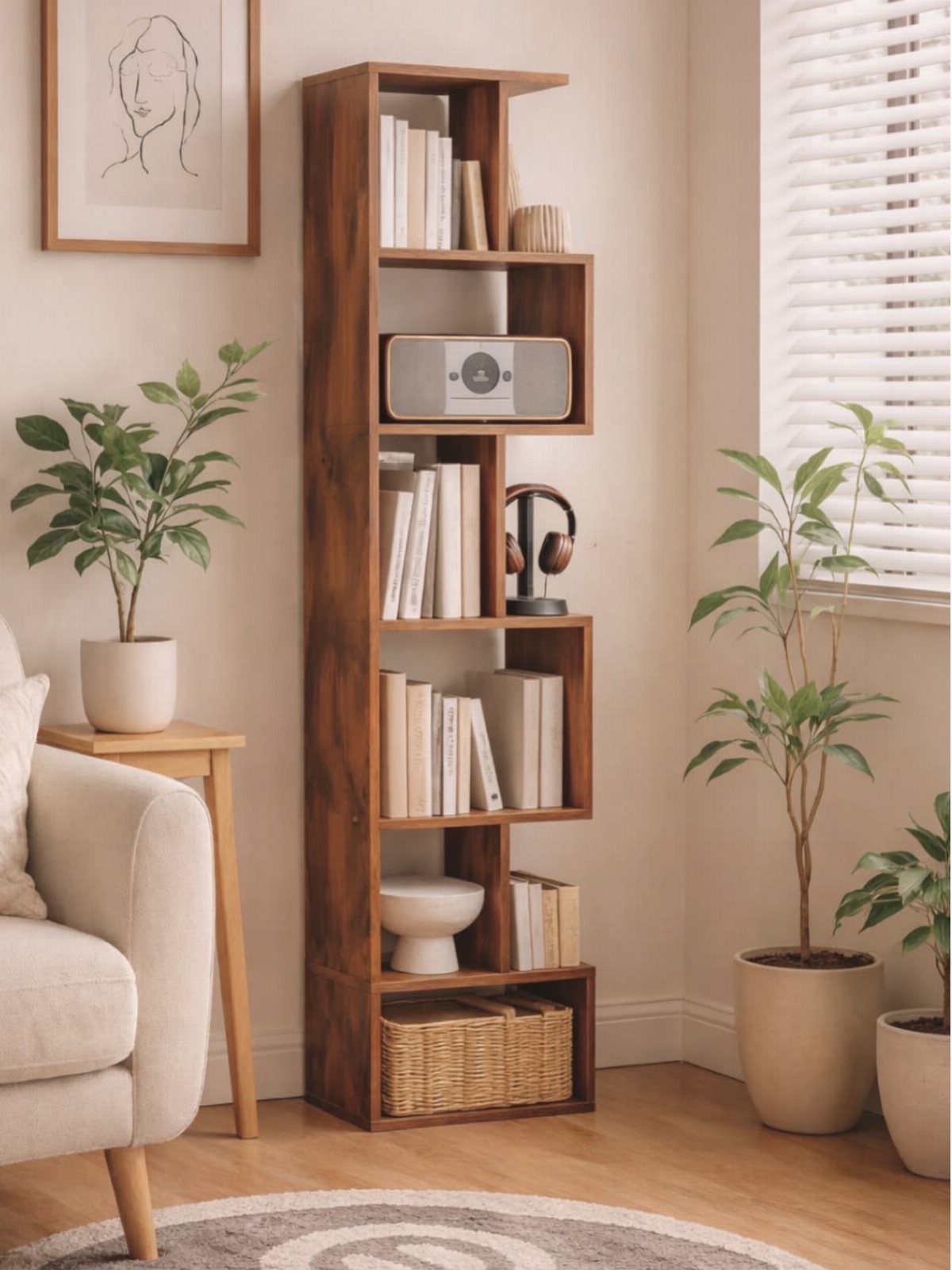
A geometric bookshelf breaks up a wall without the fuss of built-ins. I like that the asymmetrical compartments let you group books by height and still leave room for a radio or a trailing plant.
Before you cut anything, check that your tallest book fits upright in the deepest cubby; I have seen too many shelves where the coffee-table books sit flat and waste half the depth.
Pine or poplar boards are cheap at any home center, and a pocket-hole jig holds the angles together without visible brackets.
Stain it dark if you want the contents to pop, paint it the wall color if the books themselves are the statement.

Premium Home Improvement: This pocket-hole jig is a portable carpentry tool that makes strong joints

PERFECT DIY TOOLS: Made of Aluminum, not rust or break.Mini pocket hole jig set, perfect for DIY home projects or professional and general commercial use;

Easy Woodworking Tools: Kreg pocket-hole joinery is the fast, strong, easy way to join wood-drill, drive, and done
2. Storage Bench
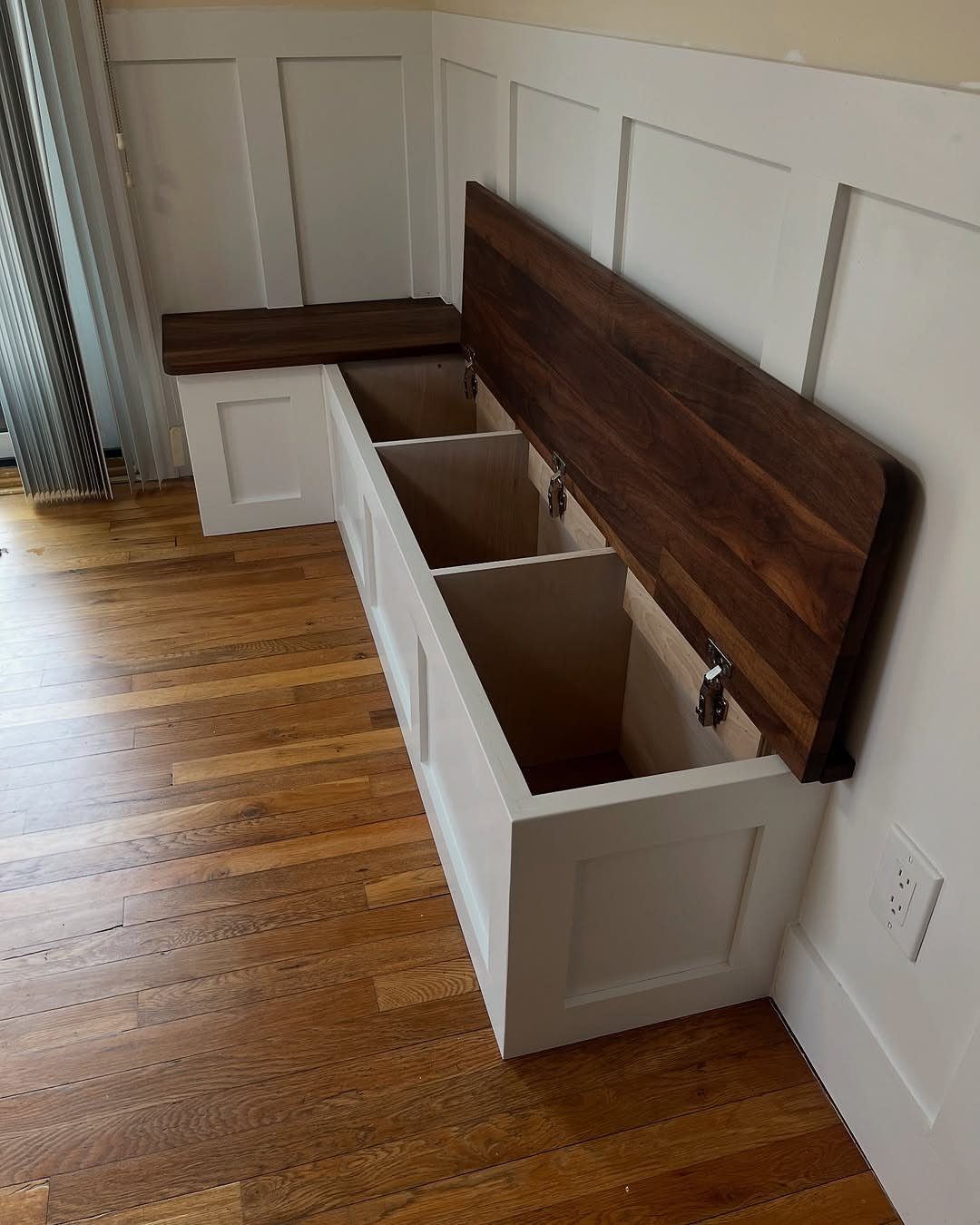
Flip-top seating hides the clutter you do not want to look at every day.
Build the box from plywood, hinge the lid with soft-close hardware so it does not slam on fingers, and pad the top with a foam cushion wrapped in outdoor fabric if it sits near a door.

【2 Hinges for Added Safety】The sturdy wooden storage chest features 2 safety hinges, holding the lid open and close slowly and smoothly. The lid can stay open at any angle without risk of slamming shut or pinching fingers. 2 cut-out handles allow you to easily move around

KEEP LID STAY OPEN — The lid support hinge holds the lid open until you want to close. Similar purpose of a gas strut but doesn't self lift, stays and supports lid where you want it. It's widely usage as hinges for wooden box, such as toy box hinges,chest hinges, also fit for overhead kitchen cupboard,wardrobe lids too.Perfect for any lids or flaps when soft close lid support is required.

【2 Hinges for Added Safety】The sturdy wooden storage chest features 2 safety hinges, holding the lid open and close slowly and smoothly. The lid can stay open at any angle without risk of slamming shut or pinching fingers. 2 cut-out handles allow you to easily move around
3. DIY Upholstered Bench
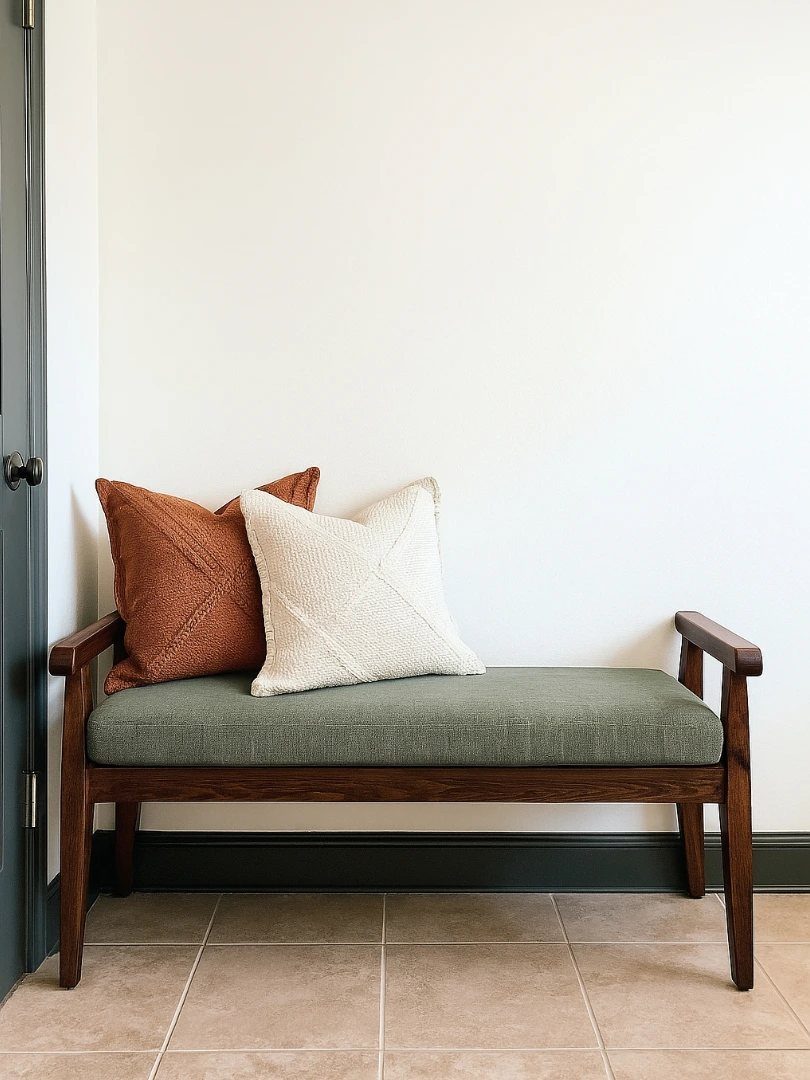
Upholstery turns a basic wooden bench into something you actually want to sit on.
The green fabric here is a medium-weight linen or cotton blend, which I would choose over velvet for anything near a kitchen or entry; it brushes clean and fades slowly.
The armrests are a detail I would copy only if the bench sits against a wall on both ends, since they make the piece feel wider than it is.
Cut your foam to overhang the frame by half an inch all around, pull the fabric tight with a staple gun, and trim the excess with pinking shears to keep the underside from fraying.
A bench like this runs cheap in materials if you already own the tools.

[Double-Layer Design] The bench cushion features a double-layer structure with a top layer of premium memory foam and a bottom layer of high-density foam. This combination offers superior elasticity and support compared to regular foam, achieving the perfect balance of softness and firmness. This double-layer patent design evenly distributes pressure, effectively alleviating discomfort from prolonged sitting.

Buy with Confidence: Quick responsive & responsible customer service to make things right, don't worry about any issues. We are not experienced Amazon sellers, but experienced manufacturers, the matching comfortable cushion is definitely worth the wait and money. PLEASE pay attention to your email after placing the order, sometimes there will be order details that needs your confirmation

Elegant Focal Point for Your Home: With its solid wood frame and tufted upholstered seat, this shoe storage bench enhances any living room or bedroom decor, working beautifully as an end of bed bench or a cozy window seat
4. Coffee Table
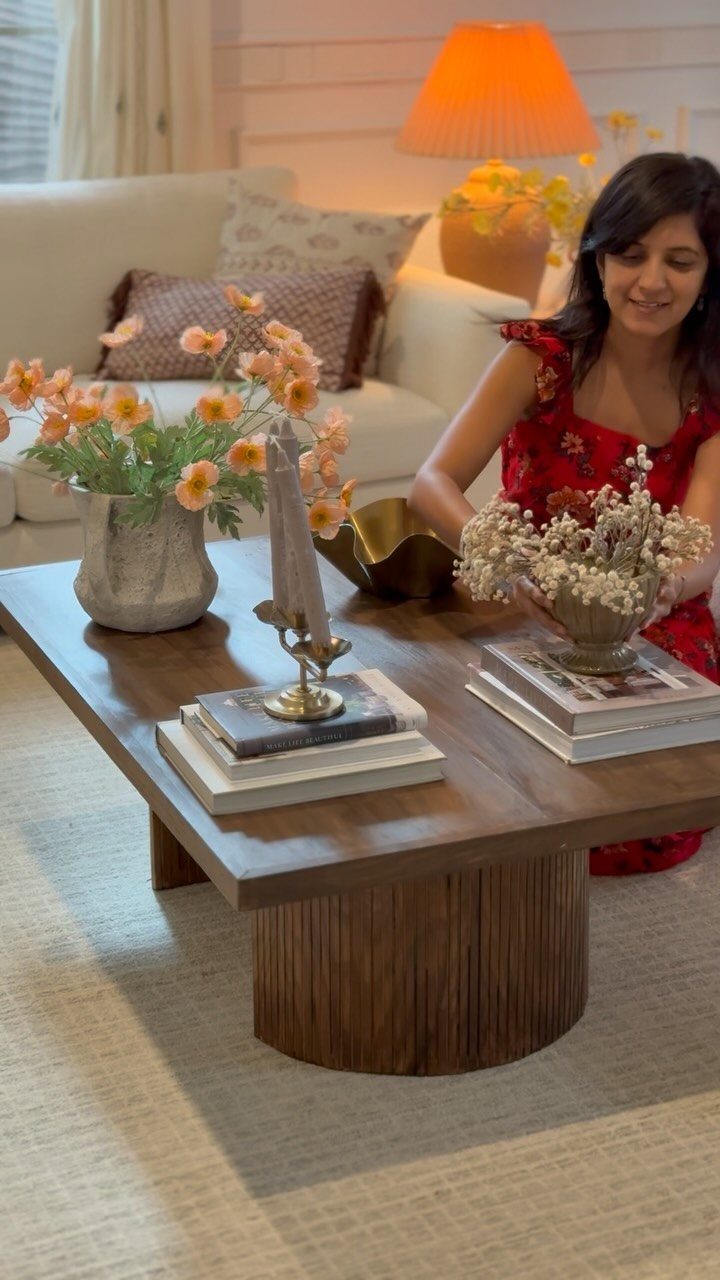
A fluted pedestal base gives a coffee table presence without the visual weight of legs at each corner.
The single central column leaves plenty of knee room if you sit on the floor, and it shifts easily when you rearrange the room.
I would build the top from 3 boards joined with biscuits, not a single wide plank; it stays flatter through the seasons.
The fluting itself is a router job or, simpler, half-round trim glued in vertical strips and painted to match.
Before you start, measure your sofa seat height; the table surface should sit slightly below it so you do not have to reach up for your mug.

Sleek Round Design: The 32" diameter tabletop offers a balanced, compact profile perfect for small spaces or central seating areas.

Round Coffee Table: Boasting a 31.5 inches diameter round tabletop with a height of 16.54 inches, it offers ample flat surface space to hold daily essentials including beverages, magazines and decorative ornaments for your living room. The rounded table edges deliver sturdy durability and safety while showcasing an elegant refined appearance.

★【Sturdy Construction】- This round coffee table is made of MDF material, and the design of the base not only ensures durability but is also very aesthetically pleasing.
5. Side Table
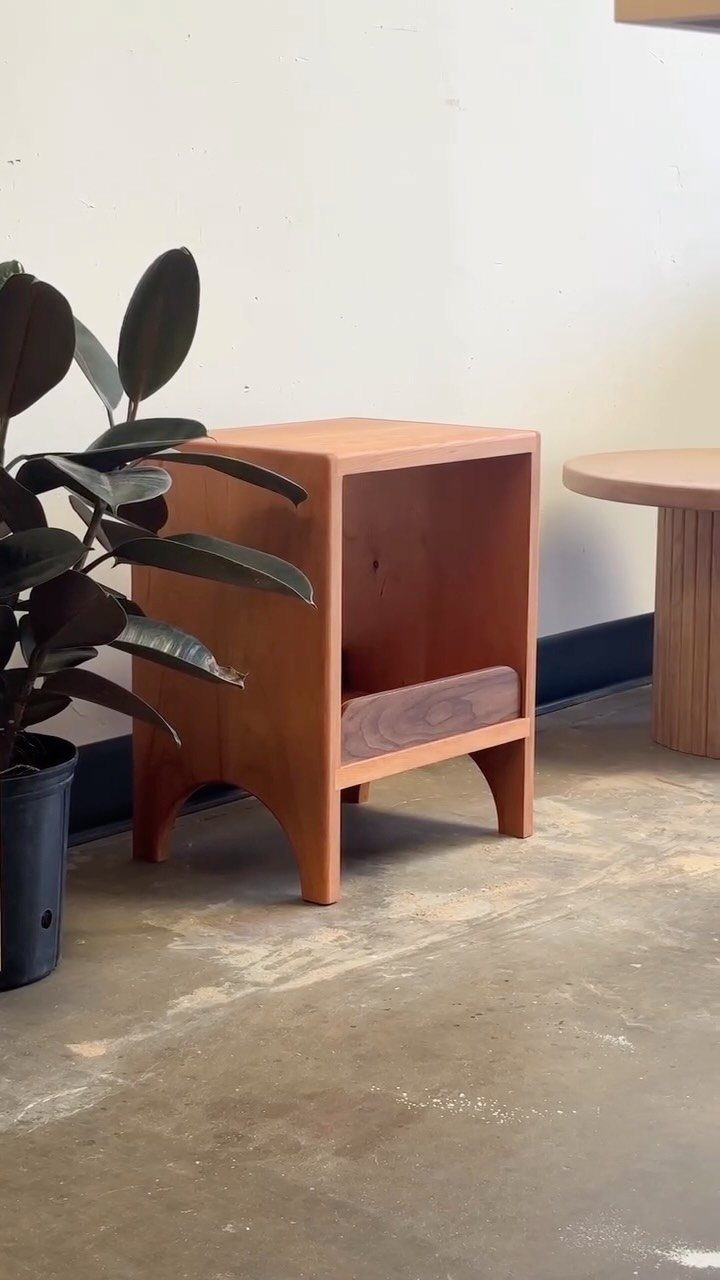
Curved legs and an open cubby turn a side table into more than a place to park a lamp.
The arch detail looks turned on a lathe, but a jigsaw and a sanding drum get you close for a fraction of the setup time.
I would build the cubby as a fixed shelf rather than a drawer; drawers in small tables always stick, and you lose the height for stacked books or a basket.
Pine takes paint well if you want the Scandinavian look, or try white oak with a clear finish for something that gains character as it dents. This fits tight spots where a round table would block the walkway.
If your entertainment center needs a little prime-time excitement, take this reclaimed wood console table for a spin. Its no-fuss frame and wood slat shelves make assembly and storage easy, while casters elevate the unit to a new level of convenience and portability.
— Bob Vila

COZY BEDSIDE PAIR: Little things feel better when they stay within reach. This slim side table set features 3-tier storage, 1 storage bin, and soft-corner shelves, bringing calm organization beside a sofa, bed, or reading chair

[SOLID HARDWOOD] Crafted from 100% solid Parawood. Durable accent table.
6. Wall-Mounted Desk
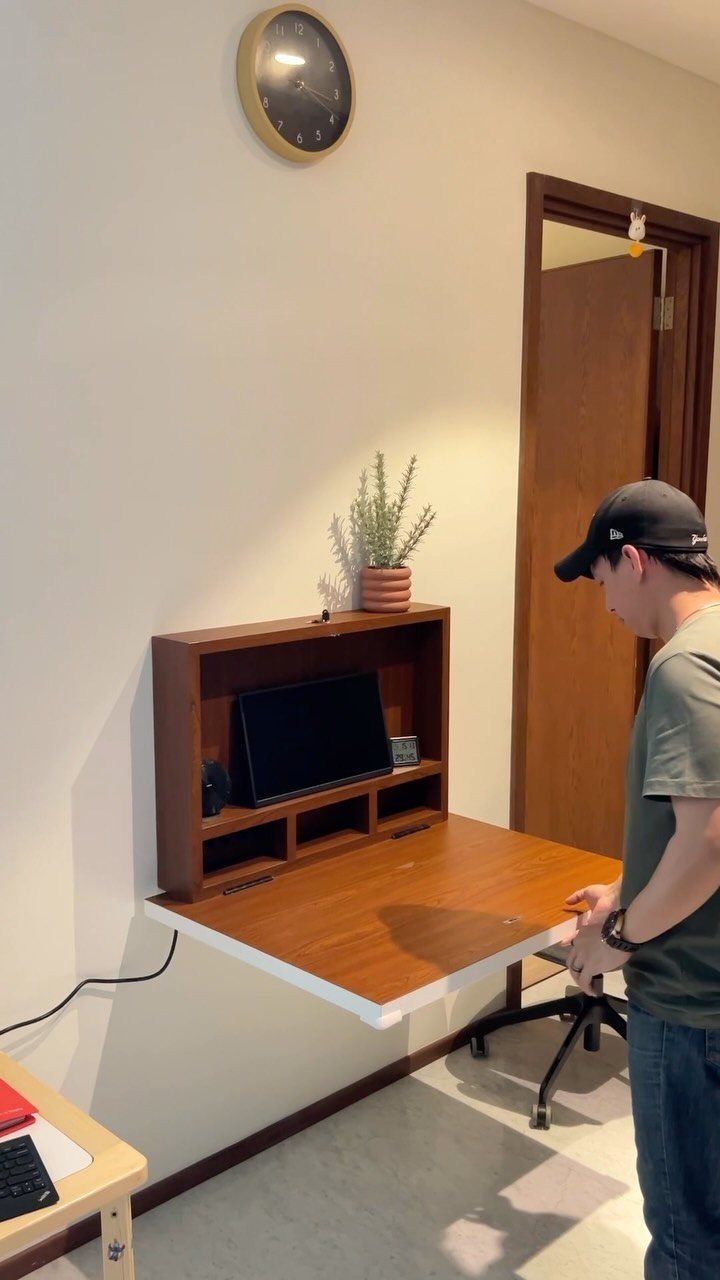
A wall-mounted desk folds away when the workday ends, which matters more than ever in a rental where the living room is also the office.
I would mount the hinge side to studs with a cleat, not just screws; a loaded desk rips out of drywall fast.
Check that your chair arms clear the underside when you roll in, and that the desktop depth fits your laptop and a notebook side by side.
A project like this takes a Saturday and a small lumber budget if you skip the hutch and add a simple shelf instead.


Premium Mini Pocket-Hole Jig: Creates precise pocket holes with steel-enforced drill guide holes

POCKET HOLE SET: Our easy-to-use tool creates corner and angle pocket hole joints for leg-and-rail connections, building face frame cabinets, sneaking screws into tight spots, and securing picture frames, with unlimited applications.
7. DIY Writing Desk
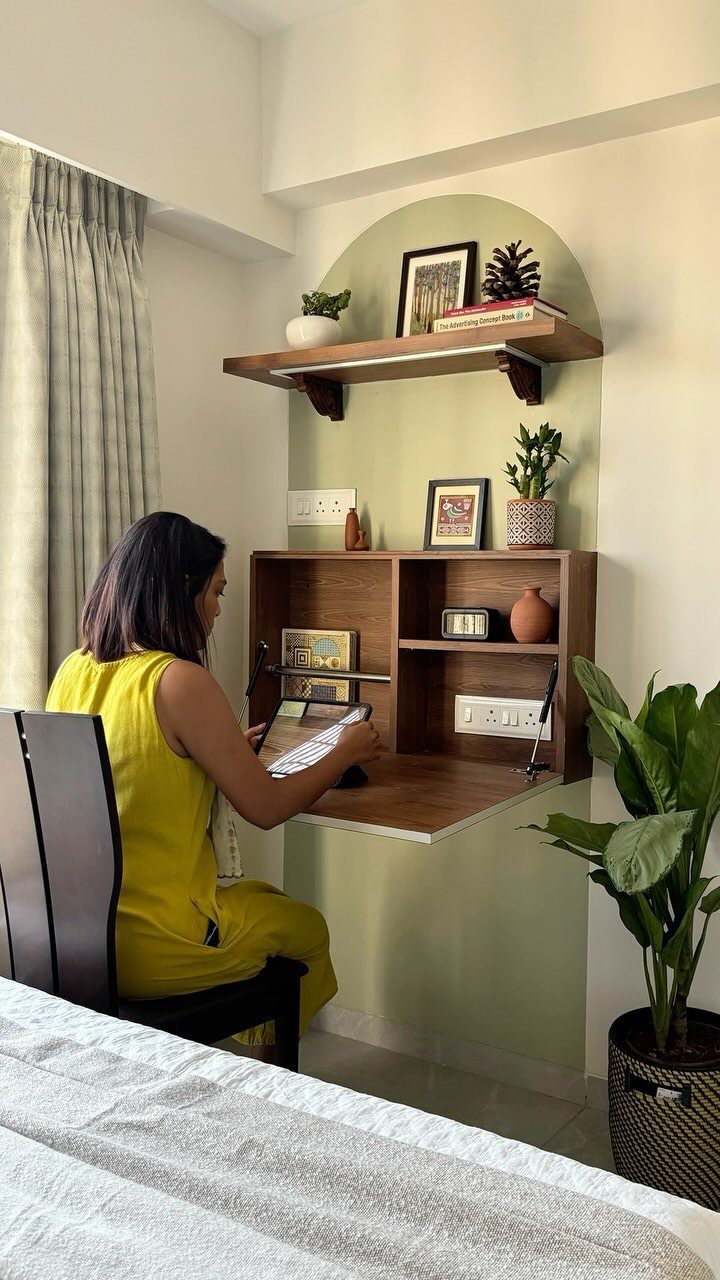
A wall-mounted drop-down desk gives you a work surface that disappears after hours, which matters in a small apartment where every square foot counts.
The visible version folds flat against pale green wall paneling, with a shallow shelf above for books you reach for often.
I would build the box frame from 3/4-inch plywood, hinged at the bottom so the desktop drops down rather than up; gravity helps you open it and a simple chain or strap limits the travel.
Check that your knees clear the underside when seated, and that the folded thickness does not block walkway traffic.
A magnetic catch or small slide bolt keeps it shut. This suits renters who can patch a few screw holes later, though I would still find studs rather than trusting drywall anchors with any load.

【2 Hinges for Added Safety】The sturdy wooden storage chest features 2 safety hinges, holding the lid open and close slowly and smoothly. The lid can stay open at any angle without risk of slamming shut or pinching fingers. 2 cut-out handles allow you to easily move around

【 BEFORE PURCHASING -Heavy duty needs to focus on. The chest lid hinge is very sturdy and with much pressure! 】 Nice performance for lids that huger or weight heavier, but no fit cabinet as that small or lids/doors too light and too small. Please note the heavy duty support weight of this lid support hinge before purchasing. If the lid is relatively light, only 1pc chest hinge is needed, or not fit!

【2 Hinges for Added Safety】The sturdy wooden storage chest features 2 safety hinges, holding the lid open and close slowly and smoothly. The lid can stay open at any angle without risk of slamming shut or pinching fingers. 2 cut-out handles allow you to easily move around
8. Simple Bed Frame
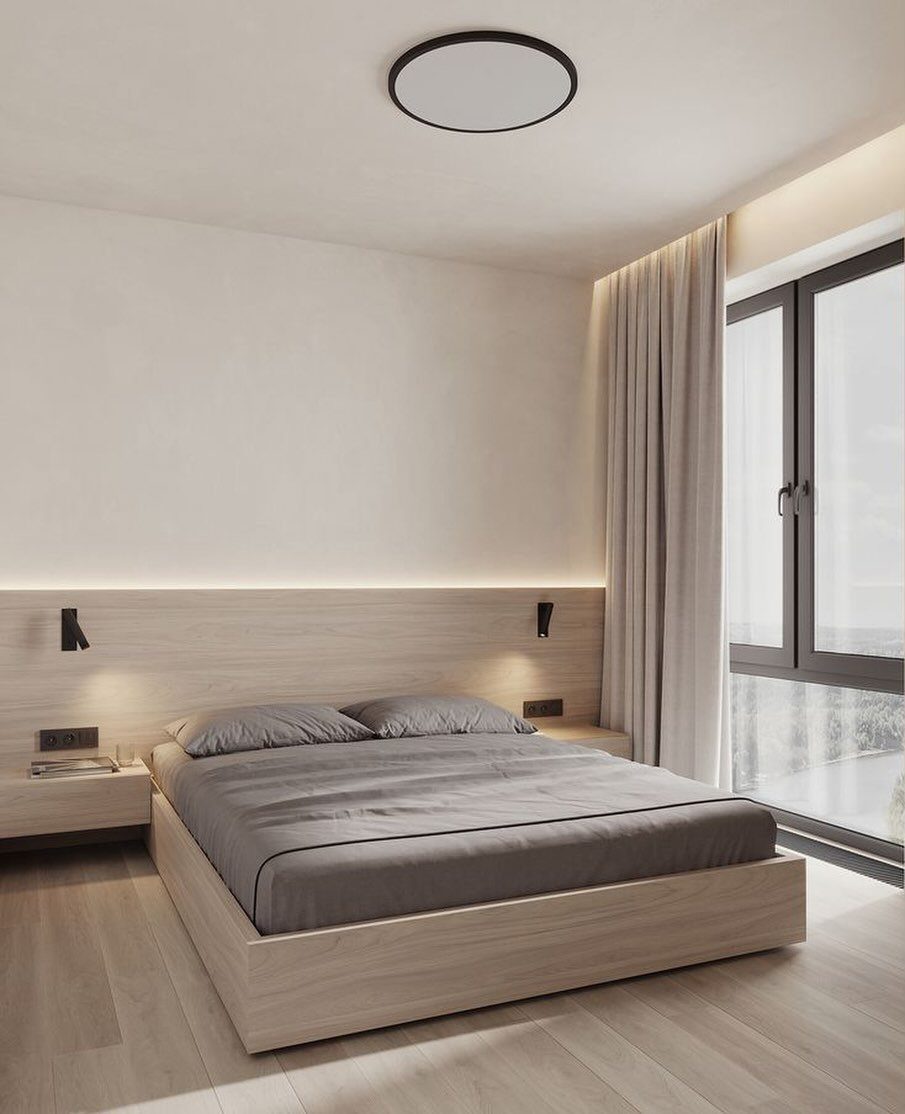
A low platform frame sits close to the floor and skips the box spring entirely, which saves money and keeps the profile clean in a small bedroom.
The visible version runs light wood with an integrated headboard panel that extends to floating nightstands; the whole unit reads as one built-in piece even though it is not.
I would build the base as a simple rectangle of 2-by-6 lumber with slats or a plywood deck for mattress support, keeping the height low so the bedding does not swallow the room.
Check that your mattress thickness leaves you able to stand up comfortably; a thick mattress on a low frame puts the surface at normal chair-seat height, which I find too low for getting in and out.
This trades storage space under the bed for visual calm, so budget for a closet solution if you currently stash bins below.

COMFORTABLE CUSHIONING: Padded with thick, high-density foam for superior comfort and support, creating a plush yet resilient seat that retains its shape over time.

Beautiful appearance, perfect match with living home environment. Classic colors that match your aesthetic and style.

COMFORTABLE CUSHIONING: Padded with thick, high-density foam for superior comfort and support, creating a plush yet resilient seat that retains its shape over time.
Tools for Building DIY Furniture
A pocket-hole jig is optional, though I would buy one before my third project; it opens up angles and hidden joints that screws alone cannot manage.
If you do not own a saw yet, have the home center cut boards to size when you buy them. The store cut is rarely perfect, but it gets you close enough for a first build.
I would start with a project that includes a video tutorial, detailed diagrams, and a cut list, because reading about tool angles and feeling them in your hands are different things entirely.

Generous 36" Round Top: Offers ample surface area for serving, styling, or everyday use in larger seating areas.

Modern Round Coffee Table: This drum coffee table features a stylish design, the unique mushroom shape with fluted design will effortlessly blend with your existing decor, whether you prefer a contemporary or minimalist style. Fluted coffee table combines mid-century design with rustic farmhouse appeal; Wood grain finish adds a natural and cozy accent that pairs effortlessly with diverse home décor.

44-Inch Rectangular Surface: Compact yet spacious tabletop is ideal for everyday living, offering room for drinks, books, and décor.
Choosing Wood for DIY Furniture
Pine and poplar are where I would start: they are light, cheap, and forgiving under a saw blade.
Whitewood boards work too. Plywood is worth keeping in mind for anything flat and wide, like shelf boxes or cabinet sides; it does not warp the way solid boards do across a span.
Hardwoods such as oak look better and last longer, but they cost more and wear down bits faster, so I would save them for a piece you plan to keep for years.
At the lumber rack, sight down the edge of every board. A curve or twist you spot in the store becomes a wobbly joint in your living room.
Skip boards with big knots or cracks, even if they are marked down; the knot will chip out or split when you cut it. Straight grain cuts cleaner, sands flatter, and takes stain more evenly.
How to Finish DIY Furniture
Sand in steps, not one marathon session.
I would start at 80 or 120 grit to level joints and mill marks, move to 150, and finish at 220. Wipe the dust off between grits; leftover grit from the previous round scratches the surface you just smoothed.
If you want color, apply stain after the final sanding. I would test it on a scrap piece first; pine turns blotchy with some stains, and a pre-stain conditioner helps.
For protection, polyurethane, wax, or hard-wax oil all work. Let each coat cure fully before you set a coffee mug on it; the surface feels dry long before it is hard.
This is also the stage to experiment.
Buy a board of poplar and try 3 finishes side by side. The time you spend here teaches you more than any tutorial about how your future pieces will look in real light.
Frequently Asked Questions
How to DIY furniture?
Start with something meant for first-timers: a build that shows you each cut in video and lists every board length before you plug in the saw. Hands-on practice teaches you more than reading about tools ever will.
Pine or whitewood boards are cheap and forgiving while you learn cuts and joinery. A pocket-hole jig, drill, and miter saw are the core tools most DIYers end up using regularly.
What wood is best for DIY furniture?
Pine and poplar are where I would start: they are light, cheap, and forgiving under a saw blade.
Plywood stays flat across wide spans, so it suits shelves and cabinet sides. At the store, sight down every board’s edge and skip anything with a curve, twist, big knot, or crack.