These ideas run from a quick gravel path you can finish over a weekend to an outdoor kitchen that gobbles most of a landscaping budget on structure alone.
[link-whisper-related-posts]1. Native Plants
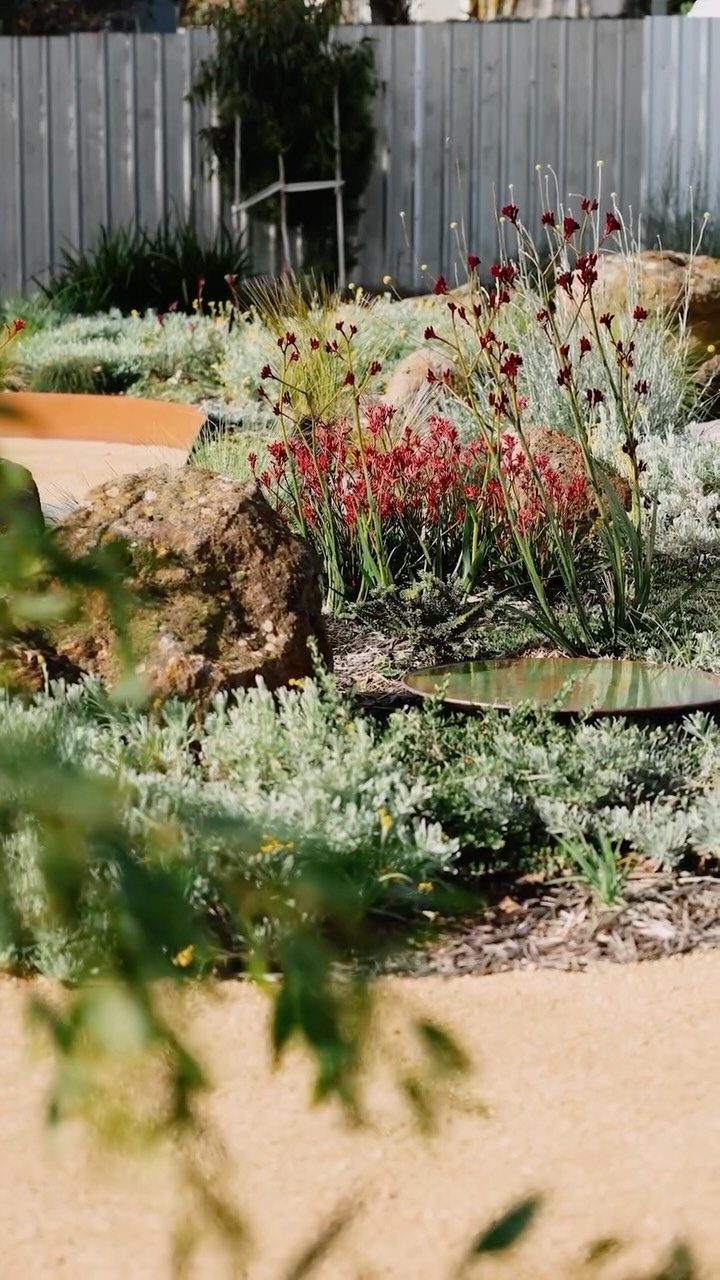
Native planting means species that grew here before irrigation and fertilizer became routine. Kangaroo paw and silver groundcover handle drought once established and ask almost nothing through summer.
I check my zip code against a native plant database before I buy, since a species native to Oregon can fry in Texas and sulk in Florida. Local extension offices keep lists free.
A shallow water dish set among rocks gives pollinators a landing spot without the standing-water problems of a full basin. Gravel mulch keeps crowns dry and weeks down.


NATIVE NORTH AMERICAN SHOWY MILKWEED SEEDS: Heirloom non-GMO open-pollinated Showy Milkweed (Asclepias speciosa) seeds with high germination rates, adapted to USDA zones 3-9
2. Mix of Tall Trees and Shrubs
A big yard can feel empty without vertical structure. Layering trees at the back, shrubs mid-height, and low plantings up front does what furniture does indoors: it breaks space into rooms.
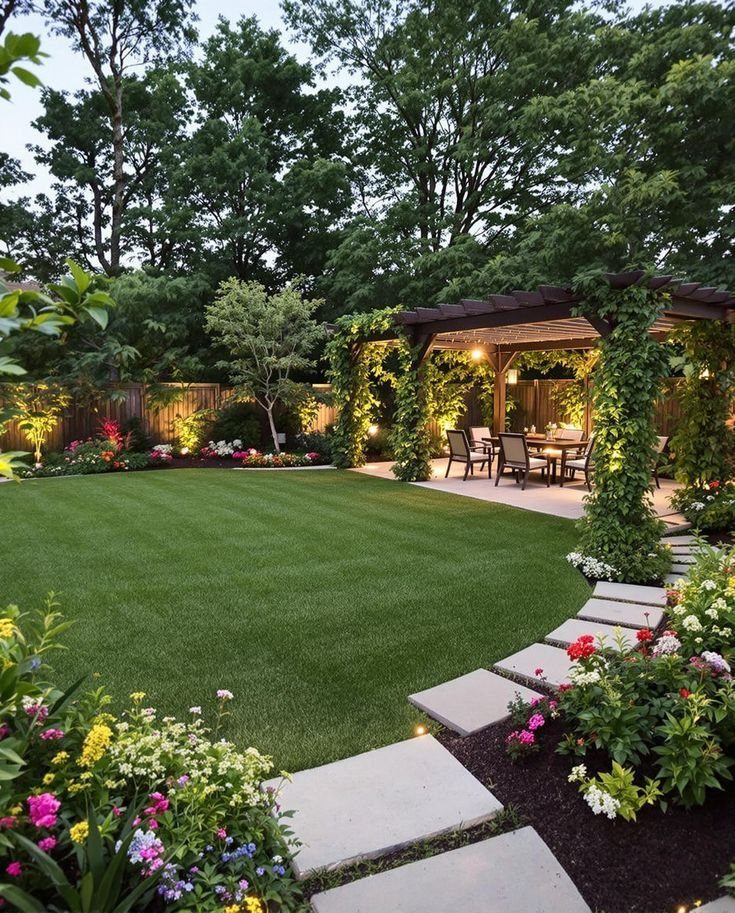
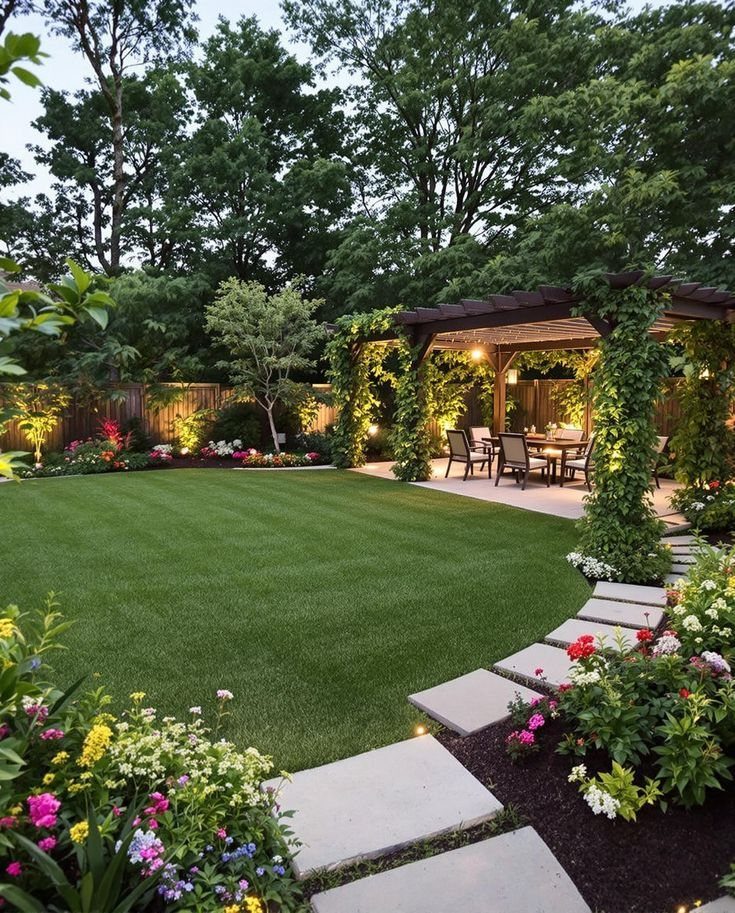
A vine-covered pergola makes an open lawn into a defined dining area without a hard wall.
I would place something similar to block late afternoon sun, though I’d check mature width on any vine before planting; wisteria can swallow a structure fast.
Tall trees at the perimeter filter wind and give night lighting somewhere to hang.

Versatile garden arch, perfect for event, wedding, and garden decoration. A must-have for your special occasions.

Solid Material -This Arbor is made by solid wood. It's sturdy and solid for long time and durable usage.Moisture Resistant,Maintain beauty and performance.
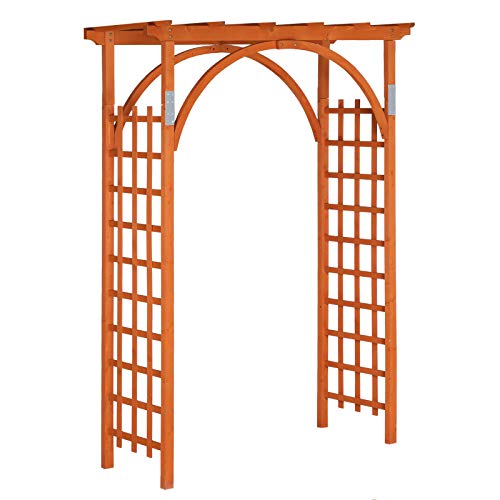
Solid Material -This Arbor is made by solid wood. It's sturdy and solid for long time and durable usage.Moisture Resistant,Maintain beauty and performance.
3. Design an Outdoor Kitchen
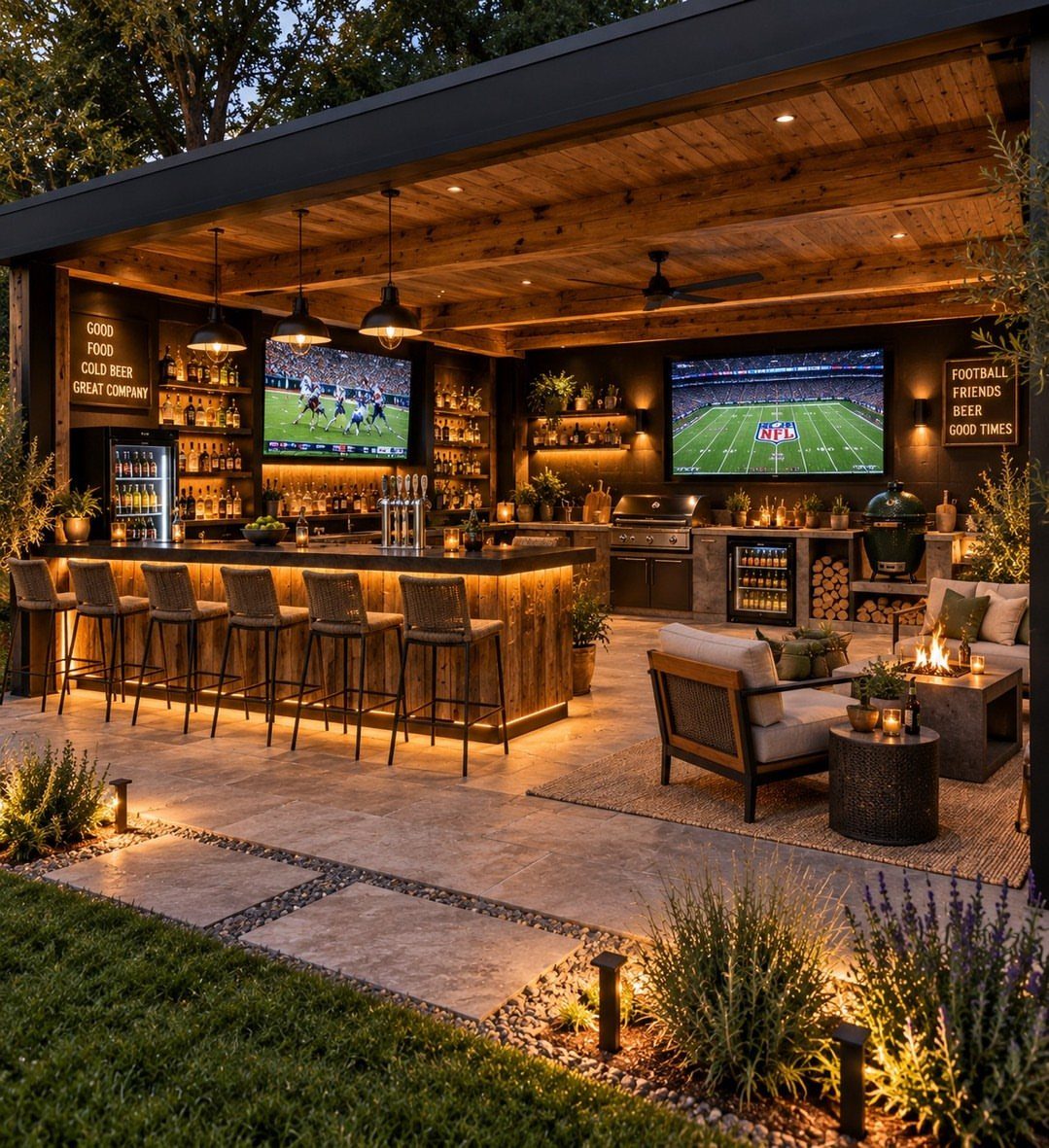
An outdoor kitchen lives or dies on workflow. A linear setup of grill, bar, and lounge keeps the cook near guests without smoke in anyone’s face.
I would put money into counter space before appliances.
One stretch of stone or tile for plating and staging matters more to me than a second burner. The beer taps look sharp, though I’d skip them unless I already keg; a basic under-counter fridge handles most gatherings.
Cover matters.
This one is fully roofed, which protects electronics and lets me cook when it drizzles. Budget half the project for structure, the rest for gear.

【OUTDOOR SPECIALIZED REFRIGERATOR】- It is made of fingerprint-resistant stainless steel and IPX4 waterproof material for rust and corrosion resistance, and its weather-resistant design shields it from the elements and makes it suitable for different climatic conditions. The airtight door and effective insulation maintains a constant temperature to keep your beverages refreshing. Its compact freestanding design allows it to be placed in outdoor spaces such as patios, decks or poolside.

Rigorously Tested Construction: Covered outdoor kitchen built from fully powder-coated galvanized steel and tested to support 8,350 lbs of snow load and 100 mph winds, with a full peak roof for weather protection and year-round cooking in any climate

【OUTDOOR SPECIALIZED REFRIGERATOR】- It is made of fingerprint-resistant stainless steel and IPX4 waterproof material for rust and corrosion resistance, and its weather-resistant design shields it from the elements and makes it suitable for different climatic conditions. The airtight door and effective insulation maintains a constant temperature to keep your beverages refreshing. Its compact freestanding design allows it to be placed in outdoor spaces such as patios, decks or poolside.
4. Build a Patio
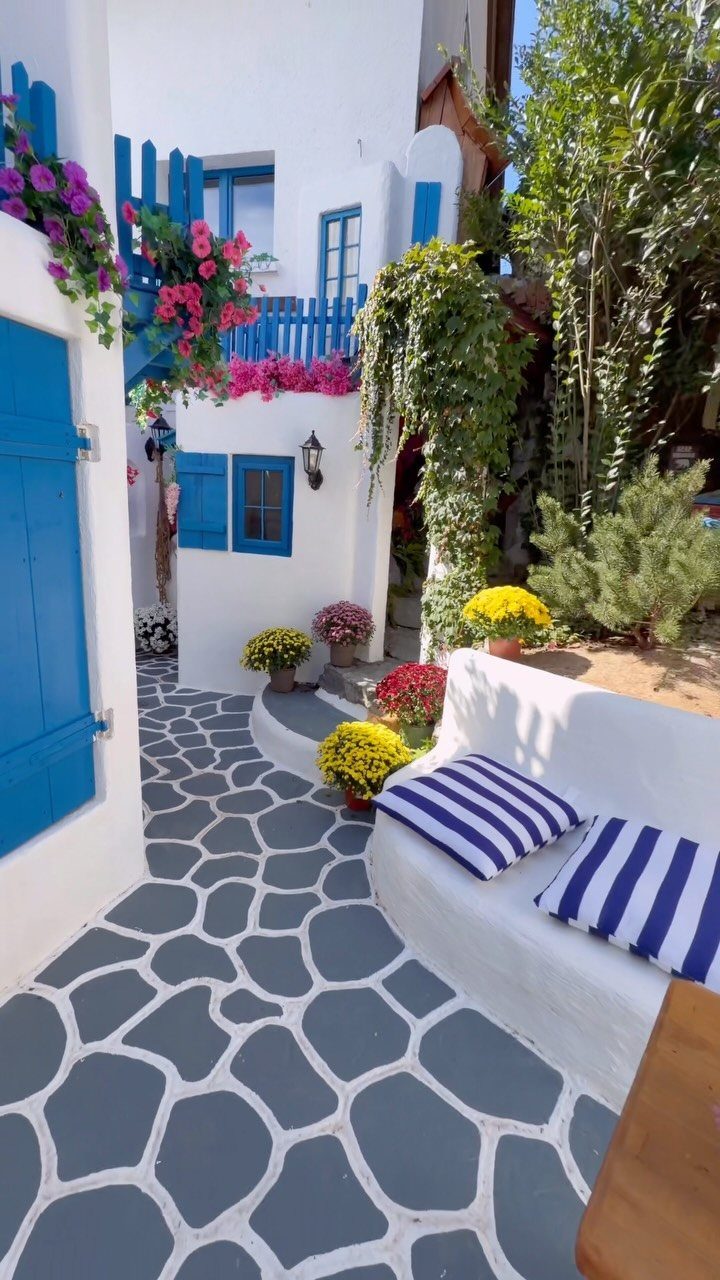
A patio is usually the biggest surface you add, so material choice multiplies fast. Painted flagstone keeps Mediterranean color but needs resealing on a schedule in sun; raw salt-cut limestone grays out but weathers without attention.
Built-in benches save buying furniture and stick where you put them. I account for bench depth and a slight back angle when I plan them; flat backs fatigue guests fast.
Potted annuals give quick color around hard edges. I cluster odd numbers, 3 or 5, and refresh twice a season.

QUALITY COMFORT: A gently curved backrest pairs with a soft, weather-resistant cushion that attaches to the frame with securing straps

The Leigh Country Welcome Bench features a reinforced metal seat panel that holds up to 550 pounds
5. Add a Fire Pit
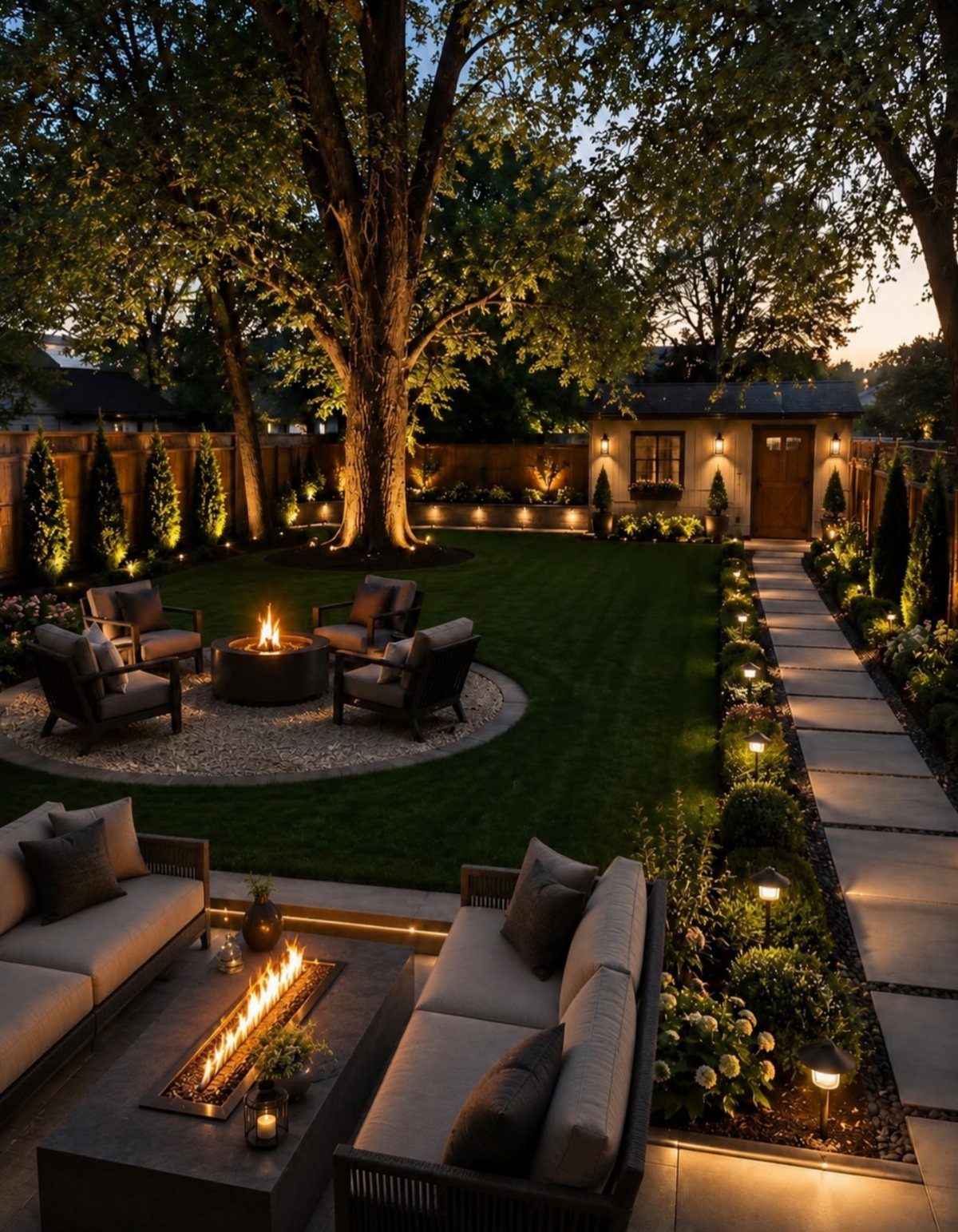
Gas or wood is the first split, and I default to gas for anything I use weekly. A buried line to a ring burner means no wood pile, no ash, and instant ignition when the temperature drops.
The separate fire table in foreground is a different species: ambiance without cooking heat. I would add one near seating I use for cocktails, the pit where I might actually roast something.
A ring of chairs is the minimum that doesn’t feel like a pair on a date. I leave enough space from flame to seat backs for ease around it.

Fun Moments Around the Campfire: If you want to create a welcoming atmosphere in your backyard for gatherings where you can enjoy delicious marshmallows and endless conversations together with your family and friends, the Gas One portable fire pit for camping is the ideal solution!

✓ PERFECT NO MESS CAMPFIRE: Say goodbye to dirty ash, expensive firewood, and bothersome smoke and enjoy a clean realistic propane campfire. The perfect outdoor centerpiece for camping trips, RV travels, tailgating get-togethers, beach parties, and family evenings on the backyard patio.
6. Plant a Vegetable Garden
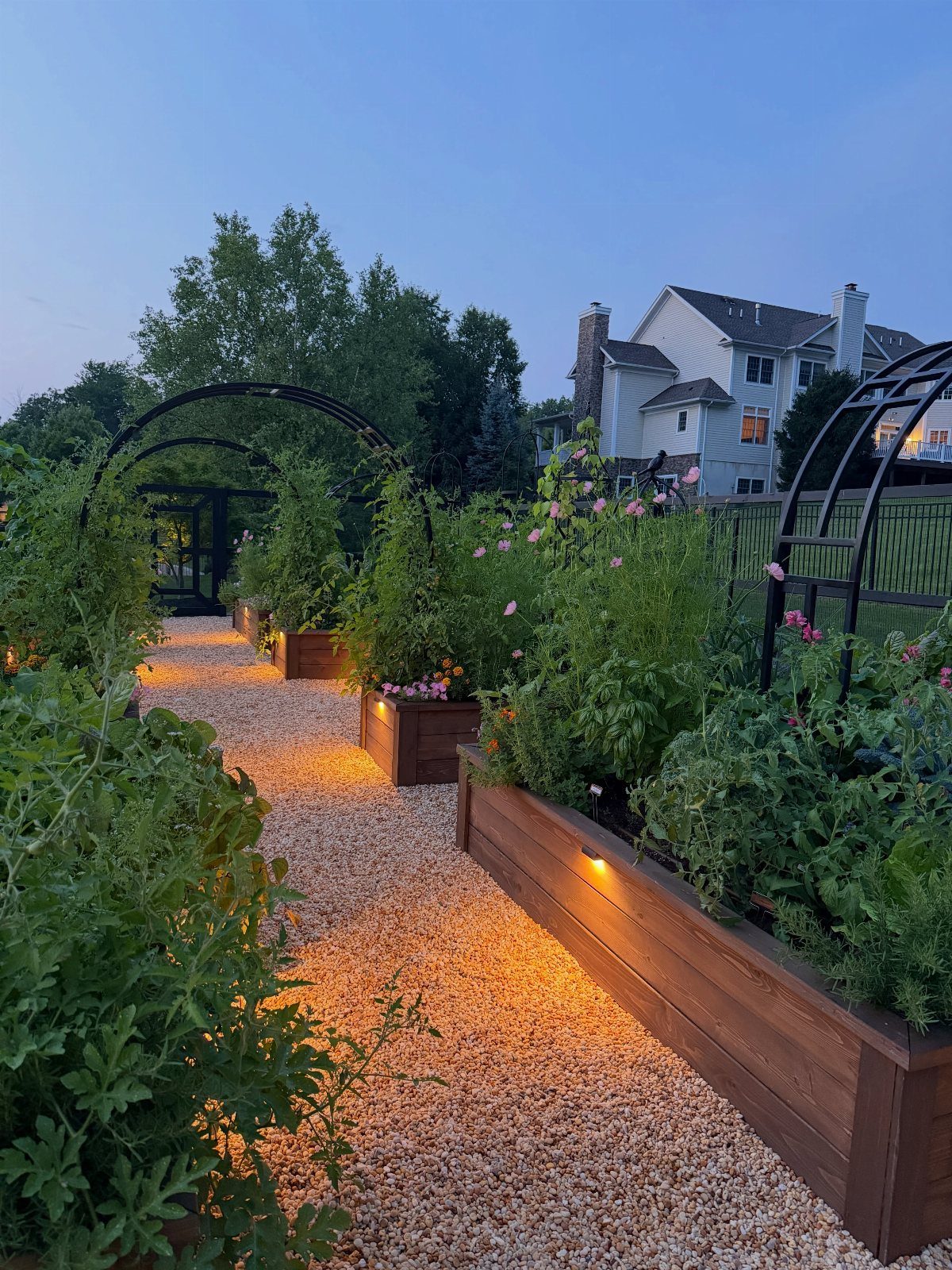
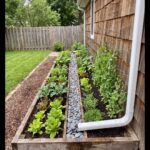
Raised beds warm faster in spring and drain through heavy rain, which matters when a big backyard turns to muck. A pea gravel path between boxes keeps feet clean and gives wheelbarrow access.
I build beds tall for root crops and to spare my back; less height suffices for leafy greens but I find that awkward. Black metal arches support climbers and define walkways without blocking light.
Low voltage path lighting, like the small fixtures here, lets me harvest after work in fall without stumbling. I run cable in conduit during bed construction; retrofitting means digging twice.
7. Incorporate Water Features
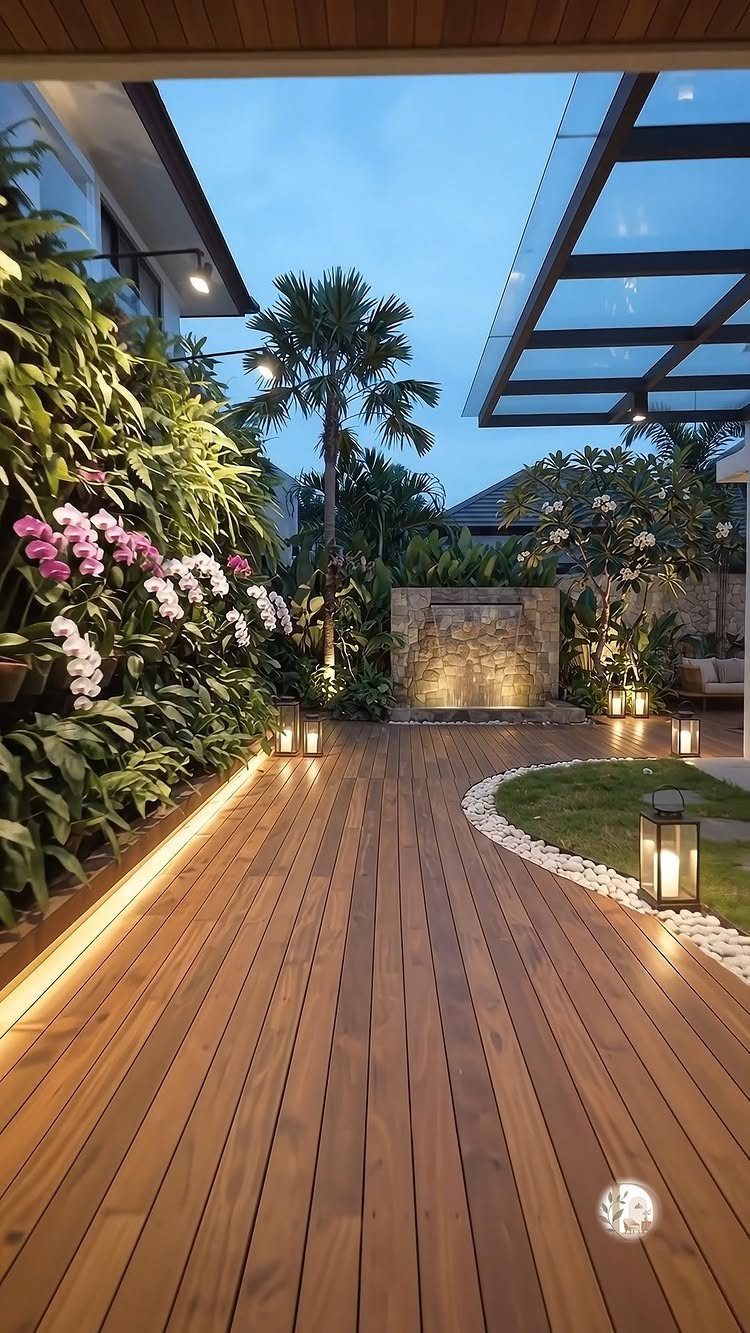
A water feature needs a power source and a level base, both of which are easier to bury during construction than to retrofit.
The stone wall fountain here recirculates from a hidden reservoir, so there is no open basin to breed mosquitoes or collect leaves.
Vertical planting beside a water feature softens the hardscape but needs irrigation run to the same zone.
I would check that my electrical and water lines share a trench before I pour any footing, since digging under finished stone is work I would pay to avoid.
Lantern placement matters too. Warm light on moving water reads as depth at night; cool light reads as flat glare.

Elegant Arch: Whether standing alone or covered with climbing vines and flowers, these outdoor metal arch add a striking focal point to your yard. Adding grace and prominence to any outdoor venue with the Arbor features squared lattice side panels
8. Curved Paths and Garden Beds
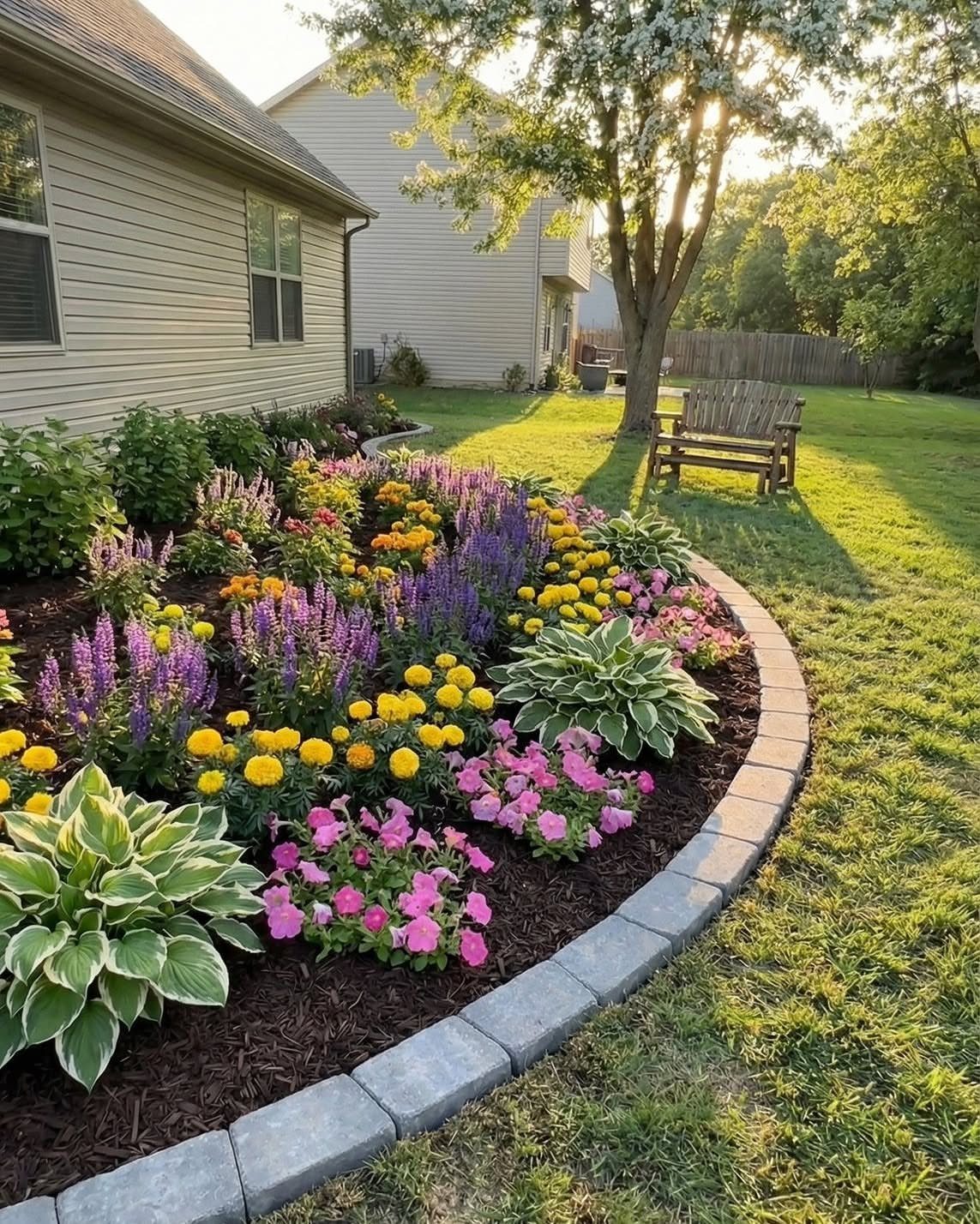
Curved beds turn a straight lawn into something that looks grown rather than drafted. The stone edging here is soldier-course pavers set flush with the grass line, which lets a mower wheel pass without scalping.
Hostas, marigolds, petunias and salvia are forgiving choices for a first attempt at layering height. I would put the tallest salvia at the back curve, shortest marigolds forward, and let the hostas fill middle gaps over a season.
The bench placement against the rear hedge gives a destination; without it, a curve can feel like a path to nowhere.
Soil builds up behind edging over years. I account for that when I set the first course, or the stone disappears.
9. Outdoor String Lights and Lanterns
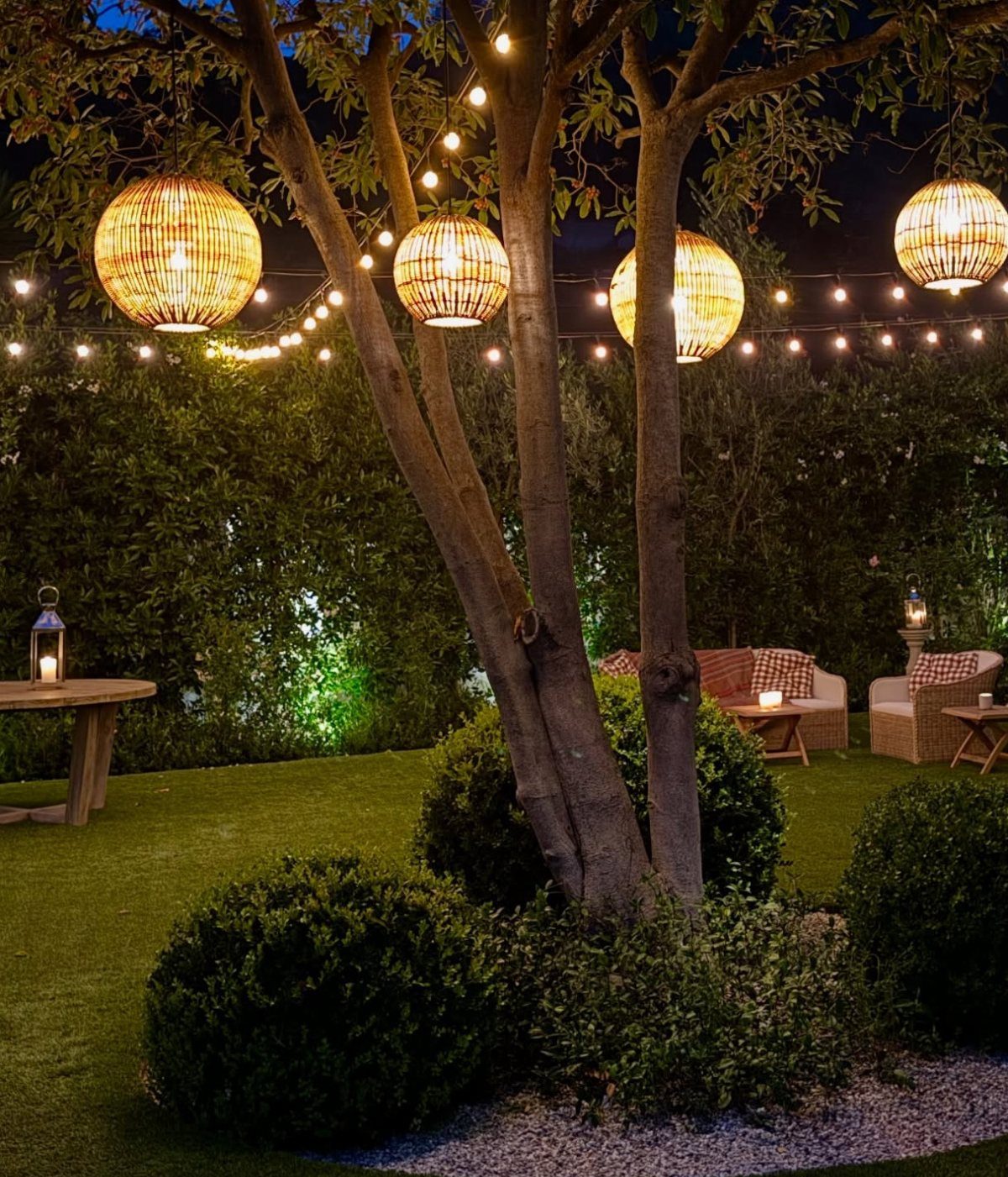
String lights and lanterns turn a yard you leave at dusk into one you stay in. The wicker spheres here hang from the same tree limbs as the cafe strings, which means one climbing trip rigs both.
I use LED bulbs for anything I leave up; filament looks warmer but burns out faster and draws more current than most outdoor outlets handle well. A timer at the plug saves the nightly walk.
Height is the detail that decides it. Strings hung high enough cast light downward without shining in seated eyes.
Spheres hung lower become lamps you read by. A mix of heights does both jobs without competing.

DURABLE CONSTRUCTION: Crafted with a sturdy, all-steel design and a weather-resistant finish to add dependable seating inside or outside

Rust-Resistant Frame: Made from durable cast iron with a powder-coated finish.This garden bench holds up well against rain, humidity, and sun, with good resistance to flaking and corrosion. The rust-resistant surface helps it maintain its look through multiple seasons with minimal maintenance.

[NO ROTTING OR SPLINTERING] Unlike traditional wooden benches that easily weather or rot, our 50-inch outdoor bench features premium wood-grain finished iron tubes. Built with an upgraded 0.8cm thick metal structure, it offers the rustic beauty of wood with the superior durability of iron, preventing the sagging commonly found in standard patio seating.
10. European Courtyard with Hedges
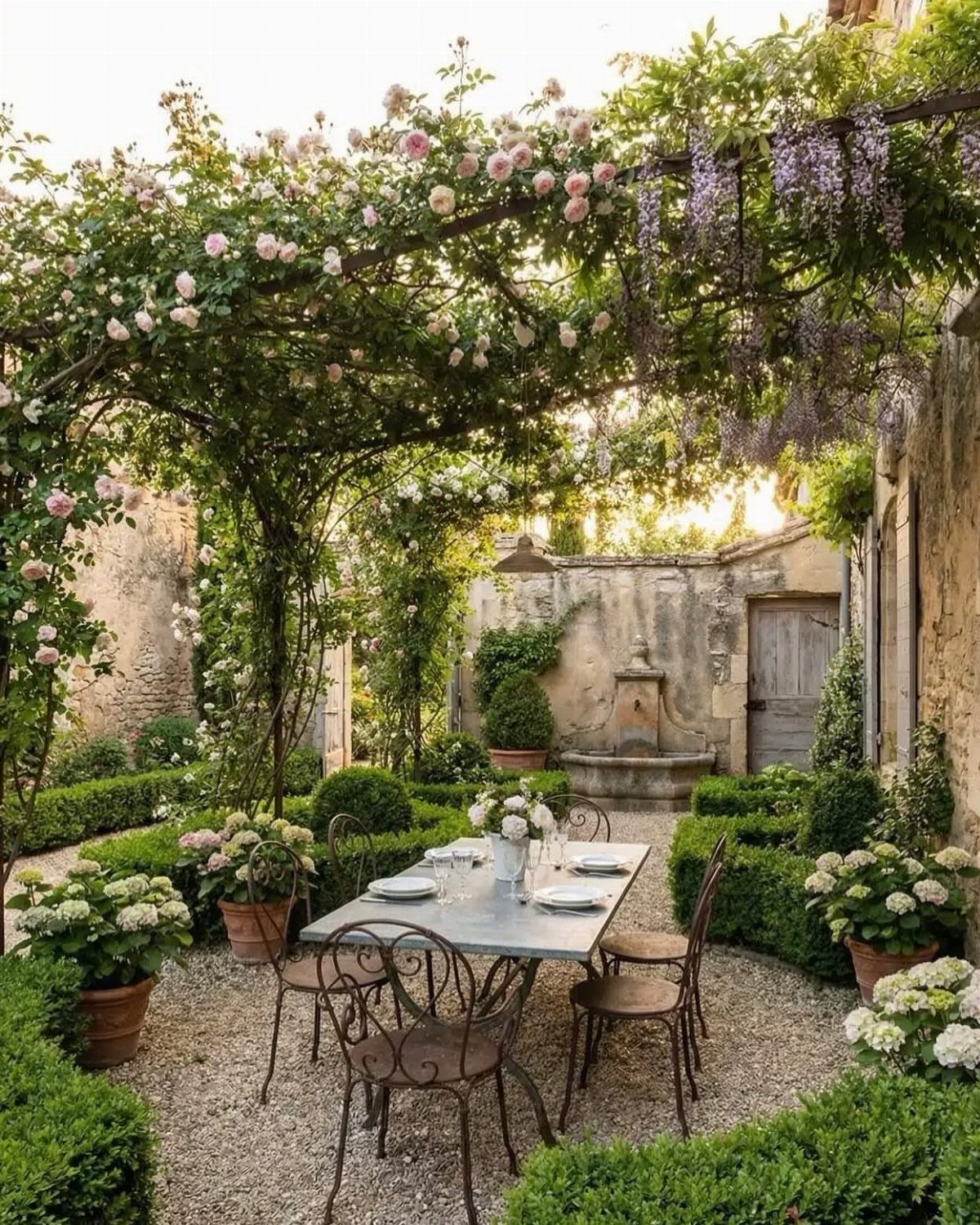
A courtyard is a room without a roof, and hedges are its walls. Boxwood or yew sheared to waist height gives enclosure without blocking breeze; taller and you trade air movement for privacy.
Compacted gravel with fines sets firm underfoot but drains fast. I would lay it deep enough over landscape fabric; too shallow and it migrates, too deep and you waste money.
The fountain and dining table share one axis, which is the formal gesture that makes this feel European rather than accidental.
The pergola roses need annual hard pruning to keep that arch passable; wisteria twice a year. I would plant the hydrangeas in pots to move them when the table expands for guests.

50,000 BTU Heat Output: The CSA-certified fire table produces up to 50,000 BTUs of heat to effectively warm a radius of space from 8 to 10 feet wide. The included lava rocks help to distribute heat and enhance the flame for an inviting campfire feeling that lasts all year long
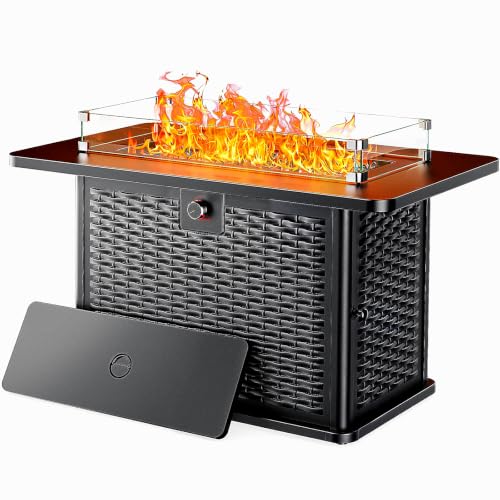
Powerful 60,000 BTU Heating: Enjoy efficient warmth on chilly nights with this high-heat 60,000 BTU output Ciays propane fire pit. The durable 304 stainless steel H-burner creates a denser flame pattern for consistent & effective heating. This gas fire pit will elevate your outdoor experience, reliability and safety.
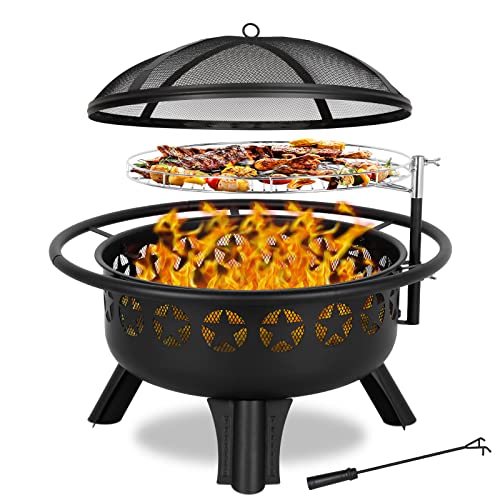
【2 in 1 Outdoor fire pit with grill】: 31” Dia x 24” H, this wood burning fire pit features a multi-functional design ideal for outdoor heating or grilling. The fire pit with cooking grate is designed with an outer ring around the central fire area allowing for easy movement. The creative pentagram vents help increase airflow for the firewood and brings a brighter flame. Air circulation burns longer and vigorously, and a mesh cover can prevent from flying sparks.
11. Backyard Pool and Landscape Vistas
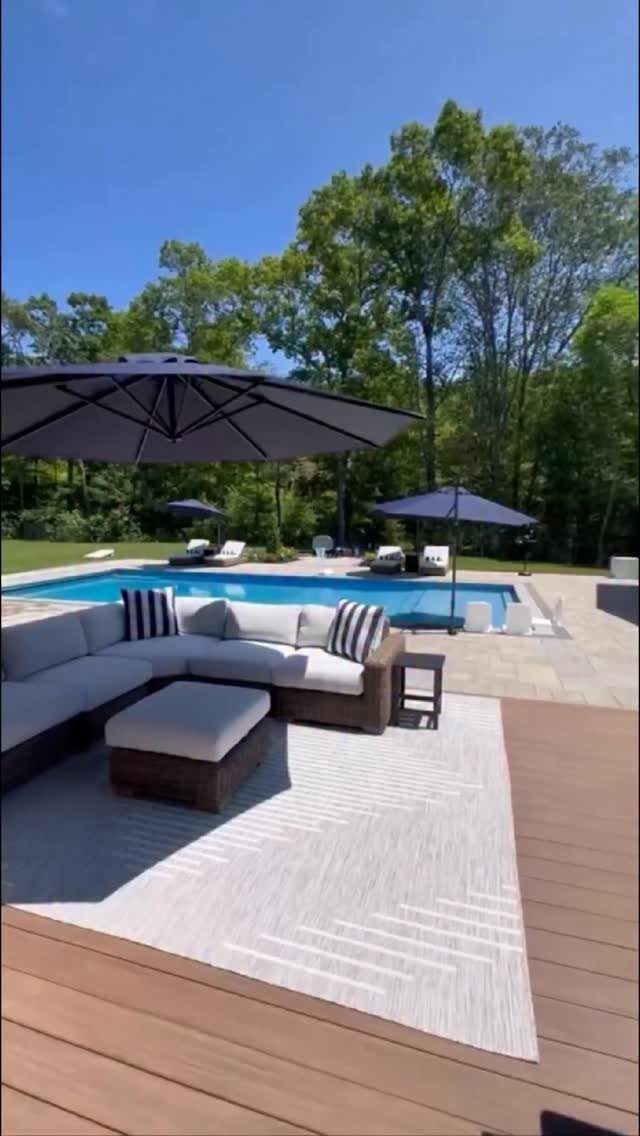
A pool deck is staging for the water, not the main event. An L-shaped sectional facing outward toward landscape beats inward-facing setups that turn every gathering into pool surveillance.
Shade structure matters more than furniture choice. A cantilever umbrella or pergola extends usable hours by cutting reflected glare; without it, light-colored cushions stain and dark ones burn legs.
The lounge chairs at water level need materials that handle chlorine and sun: powder-coated aluminum, teak, or quality resin. Cushions stored in a deck box last far longer than those left out.
This example pairs a designer and architect, but the layout principle is free: place seating to see past the pool, not into it.
12. Add Vertical Gardening Elements
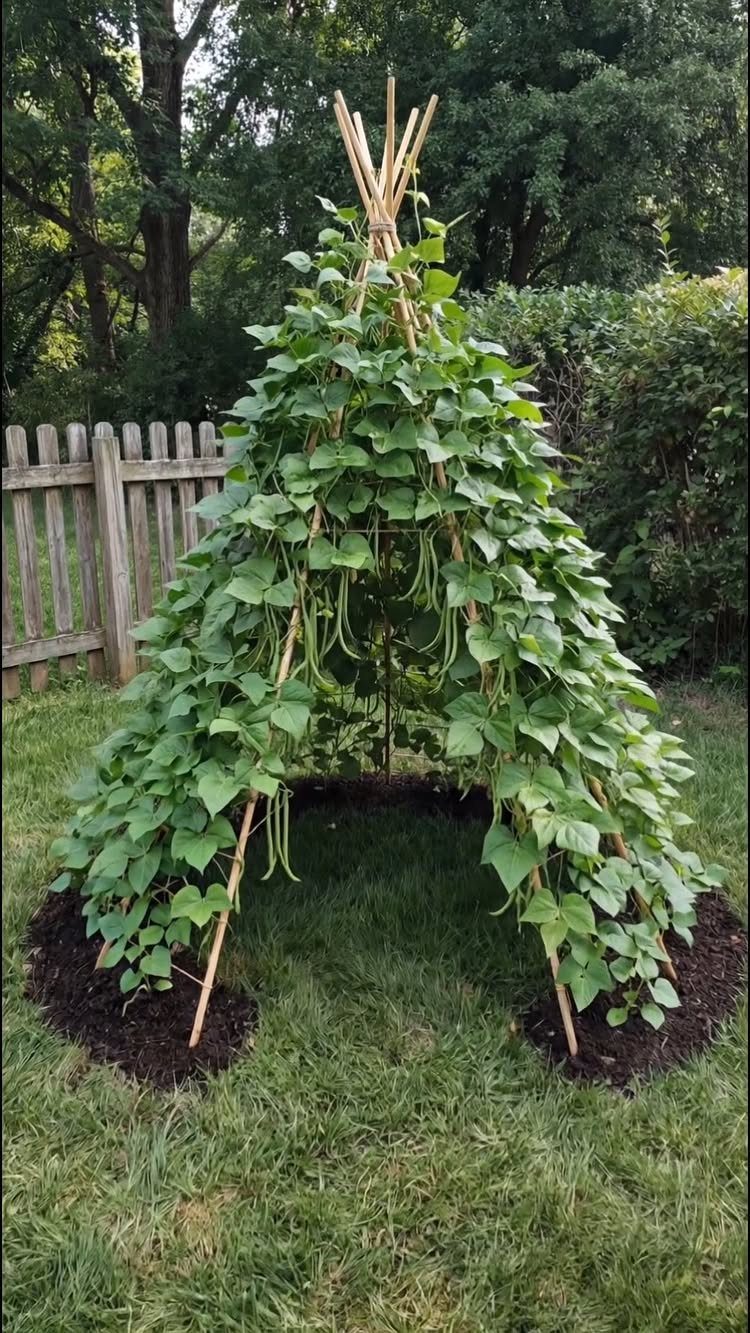
Vertical growing buys ground space back. A teepee trellis like this one trains pole beans or peas upward, which keeps fruit clean and picking easy.
Bamboo poles lashed at the top are the cheapest structure that lasts a season; cedar or pressure-treated 2x2s survive several. I set legs well into the ground or use steel rebar stakes to prevent wind lift.
The density here is what success looks like: plants thick enough to shade their own soil, which cuts watering.
I sow seeds in a circle around each pole, thin to the strongest two, and mulch the base once vines reach knee height.
A fence nearby gives bonus support for lateral growth if the teepee fills early.
13. Incorporate a Greenhouse
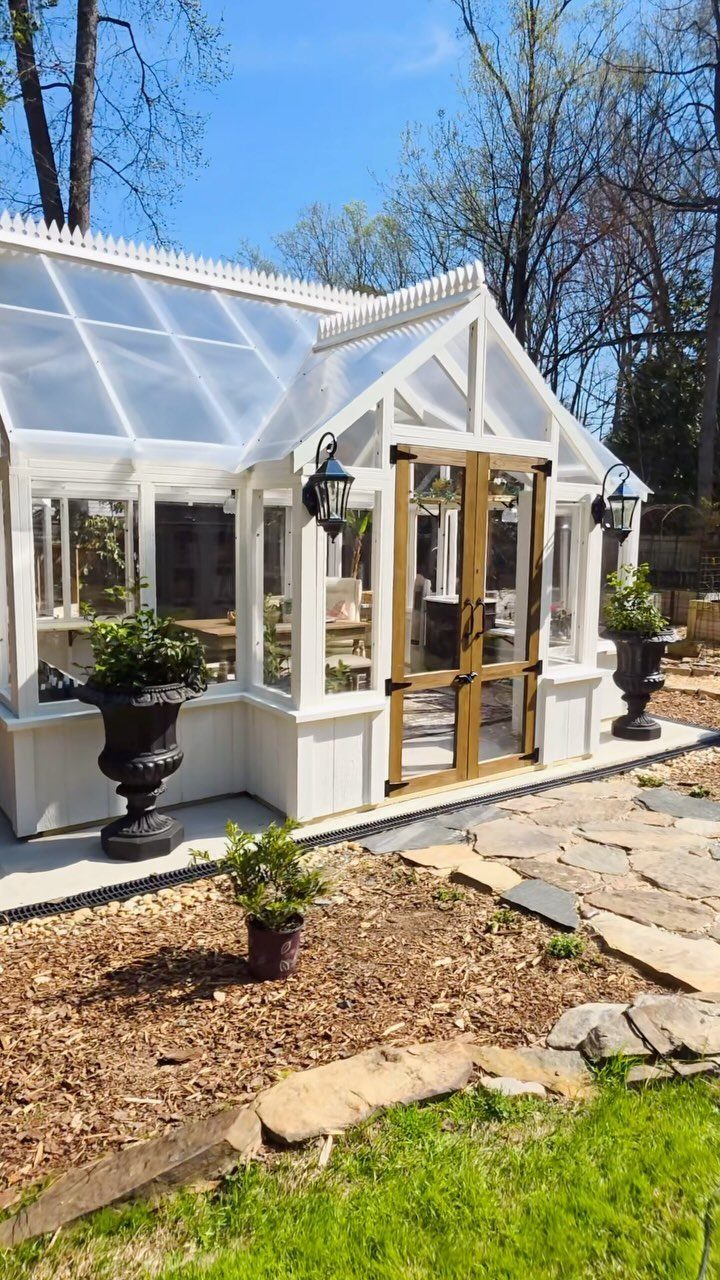
A greenhouse turns a big backyard into a year-round project space. This white Victorian-style frame with glass walls and translucent roof panels is the traditional look, though polycarbonate sheeting costs less and bounces light more evenly.
I would check local wind load before choosing glass; a storm season turns panes into shards fast. A stone path to the door keeps mud out and gives wheelbarrow access for soil and compost.
The trees visible nearby mean falling leaves in fall. A solid roof panel section, or shade cloth clipped over glass, cuts the cleanup and prevents summer bake.
14. Create a Labyrinth
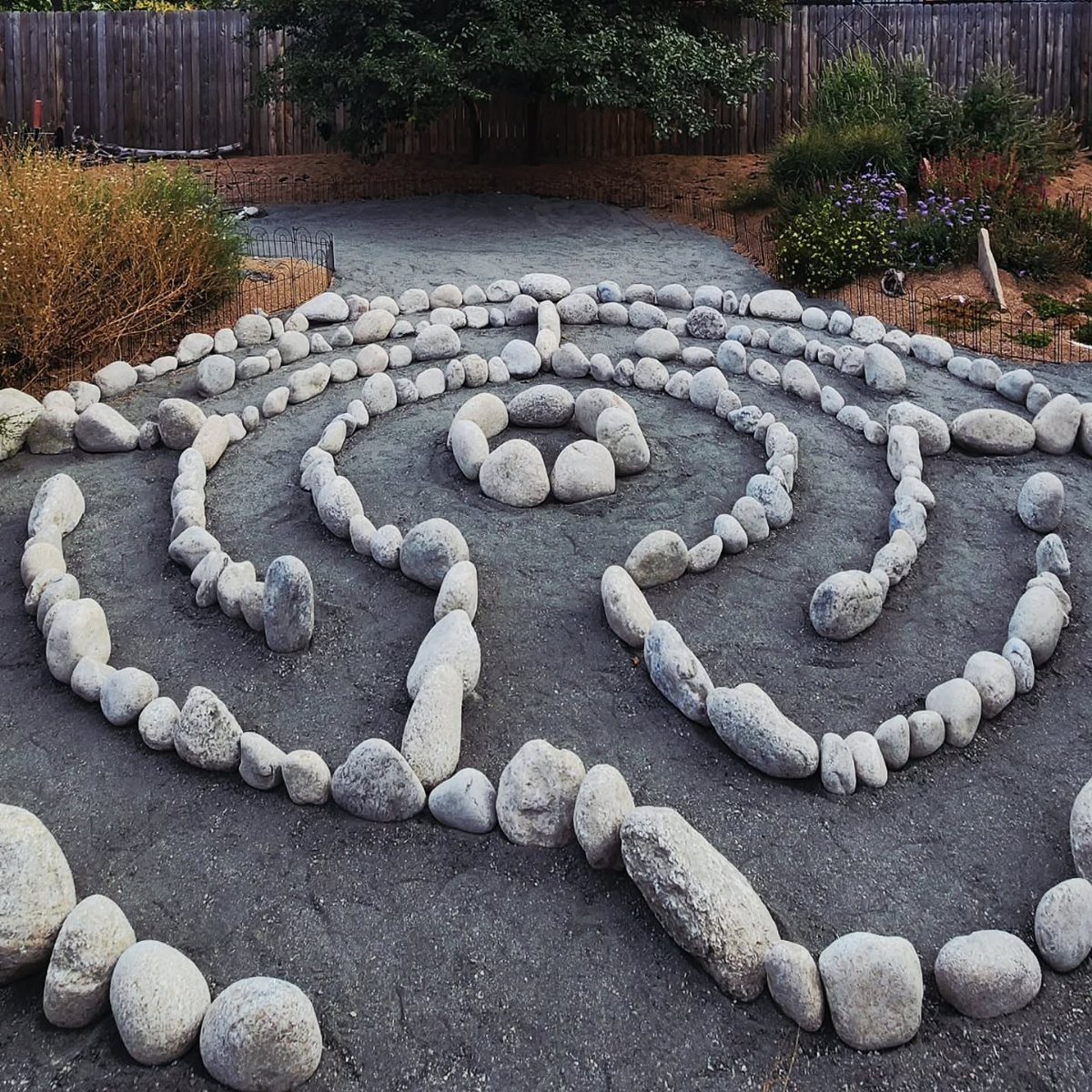
Stone laid in a winding single path to center and back out again is a labyrinth, not a maze. No choices to make, which is the point: you walk it slowly or you miss the point entirely.
Light stones on dark soil show up in shade, which matters if your yard has tree cover. The gravel base visible here needs edging to keep stones from migrating into lawn over a season.
A wooden fence gives the enclosure that makes walking feel intentional rather than eccentric.
Without a boundary, this reads as a strange patio. I would build it where at least two people can walk side by side for part of the path; solitude is the idea, but squeezing past ruins the rhythm.
15. Build a Treehouse
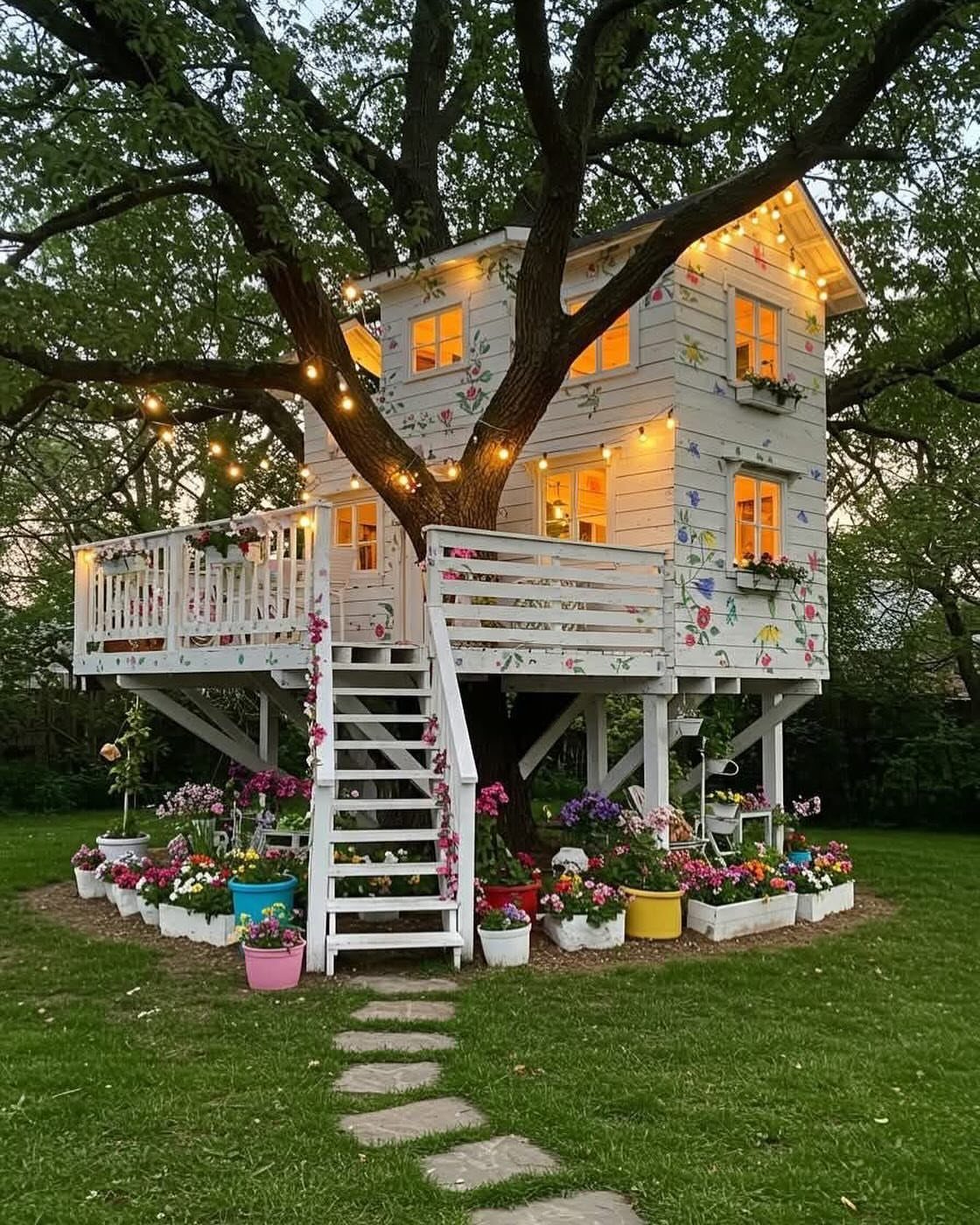
A treehouse built into the trunk rather than hung from branches spares the tree and lasts longer. The two-story white frame here works as a small house on posts, with the tree passing through openings.
The load-bearing parts need hardware rated for outdoor use: galvanized bolts, not decking screws, and ledger attachment inspected if anyone sleeps above.
Potted flowers at the base soften the transition but need watering; built-in planters would dry slower.
I would skip the second story unless the view demands it; a single level needs no railing code inspection in most places and lets younger kids use it sooner.
16. Use Artificial Grass
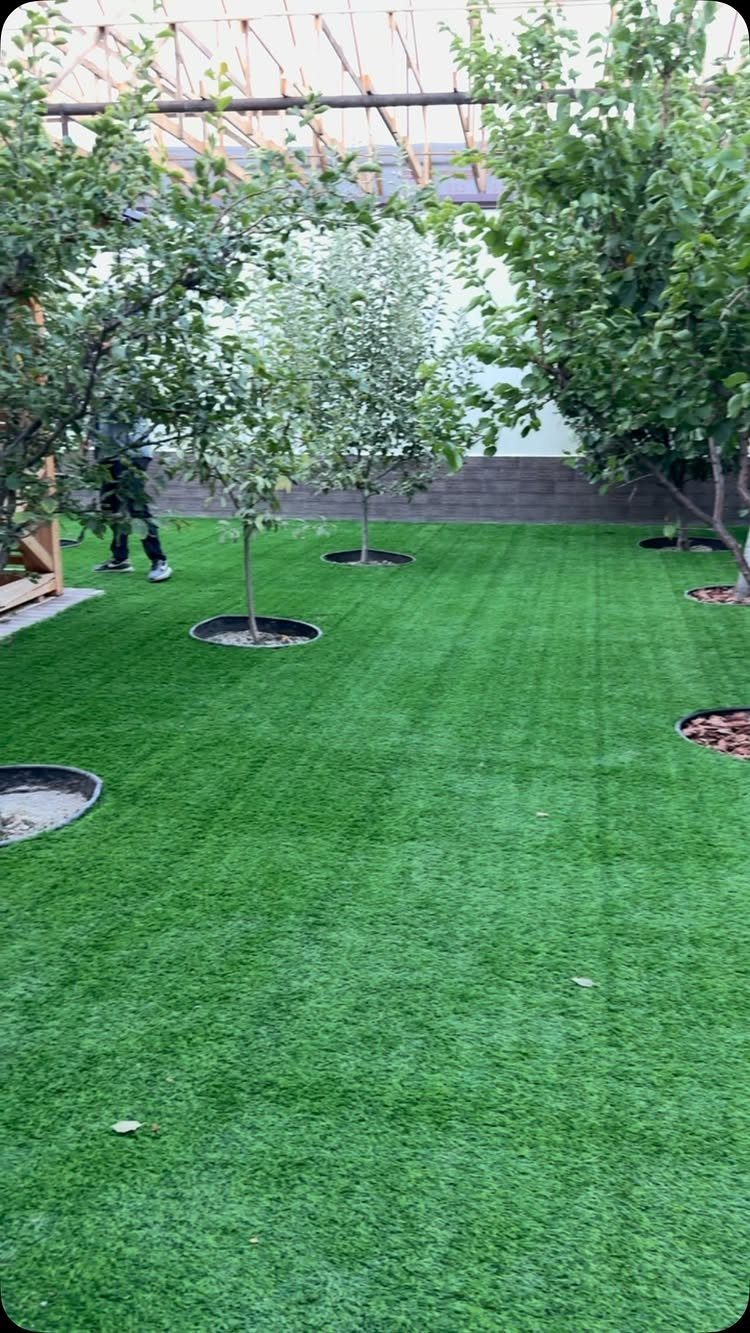
Artificial grass around tree cutouts solves what real turf fails at: shade, root competition, and foot traffic all at once. The circular openings visible here let existing trees stay while giving a uniform surface elsewhere.
Infill type decides how it feels underfoot.
Crumb rubber is common but heats up; coated sand stays cooler and doesn’t track indoors as much. I would request samples walked on in afternoon sun before buying.
The backing needs drainage holes rated for your soil percolation; clay bases puddle underneath and smell. A compacted decomposed granite base gives the firmness that prevents wrinkles and trip lips where pieces join.
17. Incorporate a Backyard Pond

A koi pond this clear takes filtration sized to the fish load, not just the water volume.
The narrow stream shape here exposes more surface for gas exchange than a round pool of equal gallons, which matters in summer when oxygen crashes.
Tropical density around the edges means leaf drop; a skimmer at the intake and a bottom drain to settlement chamber are minimum gear, not upgrades.
The hammock placement implies this is a viewing spot, so I would set the pond edge low enough to see fish from seated height.
Predators vary by region.
Herons take fish in daylight, raccoons at night. A tension wire strung above water, or simply depth the birds cannot wade, protects stock better than netting left in place.
18. Gravel Garden Pathways
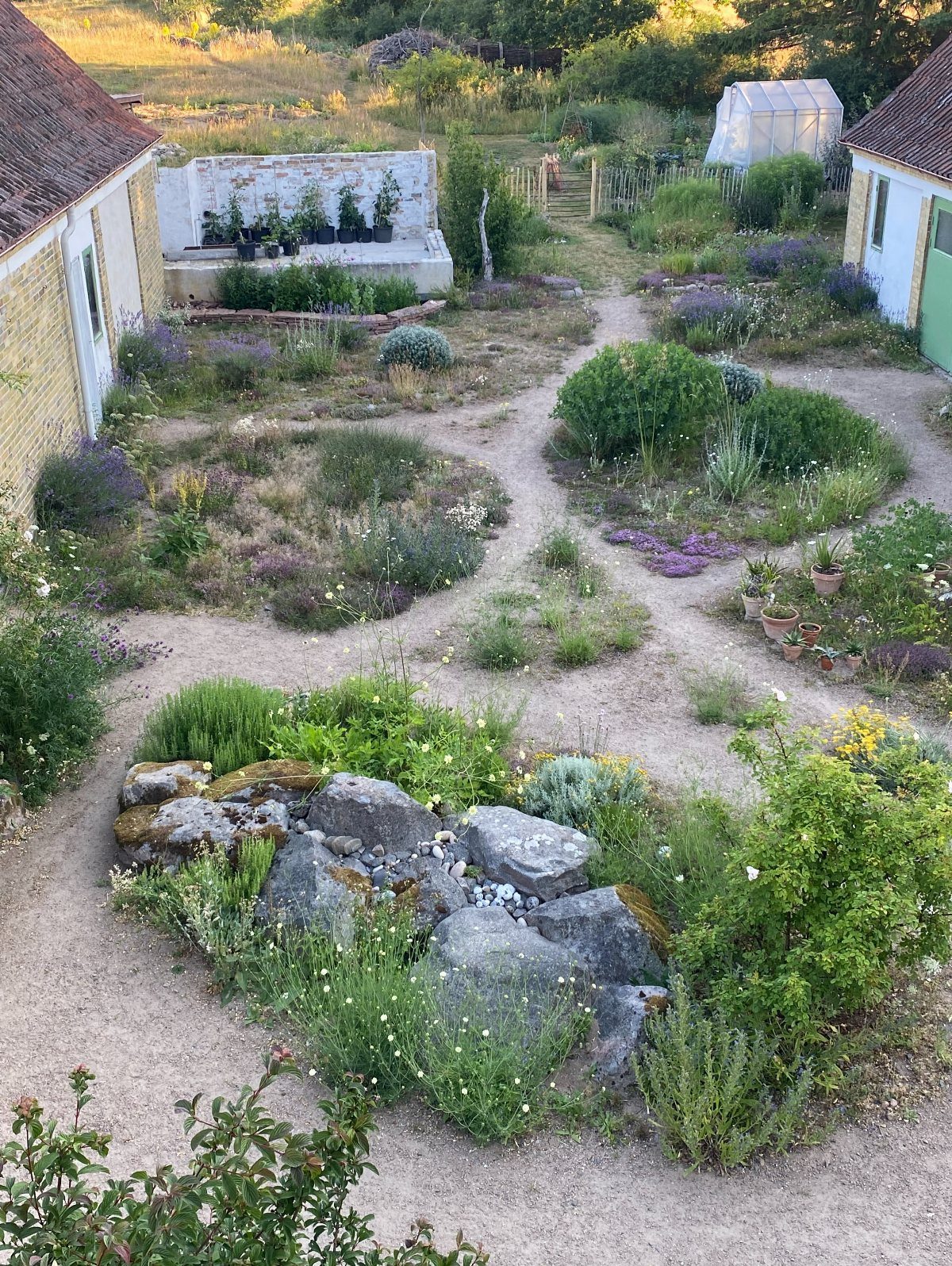
Winding gravel paths through planting beds let rain pass through to roots and stay walkable when paved surfaces slick over. Curves break a long yard into revealed sections; straight gravel reads as driveway.
Path width matters more than material.
Two people passing need 5 feet; a single walker, 3 feet saves stone and leaves more bed. The boulders visible serve as casual seating and as turn anchors that keep the curve from feeling arbitrary.
I would order gravel with fines for the base course and a top dress of clean stone; the top layer migrates less and looks sharper against green foliage.
Movable color on the path edge, from pots, doesn’t compete with permanent planting for root space.
Planning and Design Advice
A solid plan starts with how you actually live outside.
I mark zones for cooking, sitting, and moving between them, then check which get morning sun and which bake at 5 p.m.; that decides where the pergola goes and where shade already handles itself.
Elevation is the detail that turns a flat drawing into a walked experience. A step down to a fire area makes it feel removed without a wall; a slight rise toward the back edge gives planting layers somewhere to build.
I measure square footage last, after I know what happens where, because a big yard measured first becomes a lawn with accessories.
Style follows the house, not the other way around.
The same gravel and boxwood reads formal against Georgian brick and relaxed beside cedar siding. I gather images, yes, but I filter them through what the existing roofline already decided.
Maintenance Considerations
Soil test before planting saves replacing things that sulk. Turf lawns compact to concrete density over years; I loosen new beds and add amendment before anything goes in, not after roots struggle.
Multi-seasonal interest means more than flowers.
I pick for bark color, berries, and foliage that holds through winter, so the yard keeps working even in December. Staggered bloom times keep one bed from peaking in May and sleeping the rest of the year.
Hardscape beats plantings for low effort.
Stone weathers without pruning; gravel paths need raking, not mowing. I weigh the time I have against what each element asks: one hour weekly means fewer annuals and more established shrubs.
Native choices cut water and fertilizer, but I still mulch. Even drought-tolerant species need weed suppression the first 2 seasons while they root deep enough to fend for themselves.
Budgeting for Landscaping
A big backyard tempts me to do it all at once.
I resist; phased work lets me correct what the first season taught before I commit to the rest. Structure first, always: paths, beds, and drainage that hurts twice as much to retrofit.
Layered planting looks rich but buys time.
Tall edge plants and large shrubs establish slowly; I fill front gaps with cheap annuals the first year so something reads green while perennials settle. The permanent stuff stays, the filler rotates on a budget I control.
I put money where I touch it. Counter space in an outdoor kitchen, bench angles on a patio, path width that lets a couple pass without touching shoulders: these I build right.
Specialty appliances and showpiece trees can wait; hardscape mistakes cost more to undo than skimping on a grill ever saved.
Frequently Asked Questions
What is the 70/30 rule in gardening?
The 70/30 rule suggests dedicating 70% of your garden to plants and 30% to pathways and structures. In a big backyard, that balance keeps planting from overwhelming the space while giving you enough hardscape to move through it and use it.
My own approach puts structure first, paths and beds before filling everything green, since retrofitting hardscape costs twice as much once planting is in.
How do I landscape a huge backyard?
I divide the space into zones for how I actually live outside: cooking, sitting, moving between them. That turns one giant area into outdoor rooms, same as furniture breaks up an open floor plan indoors.
Then I check morning sun versus late afternoon baking to place shade structures where they’ll matter, and I build in elevation changes; a step down to a fire area makes it feel separate without walls.
What is the 3-5-7 rule in landscaping?
The 3-5-7 rule means planting in odd-numbered groups of the same plant: three, five, or seven together rather than scattered singles.
I don’t treat it as gospel, but the idea lines up with how I actually plant: something tall against the fence or property line, shrubs or mid-size perennials in the middle band, and ground-hugging stuff up front.
The stepping keeps your eye moving instead of hitting one flat plane across a wide space. My curved bed example uses hostas, marigolds, petunias, and salvia at graduated heights, which gives a similar effect without counting.