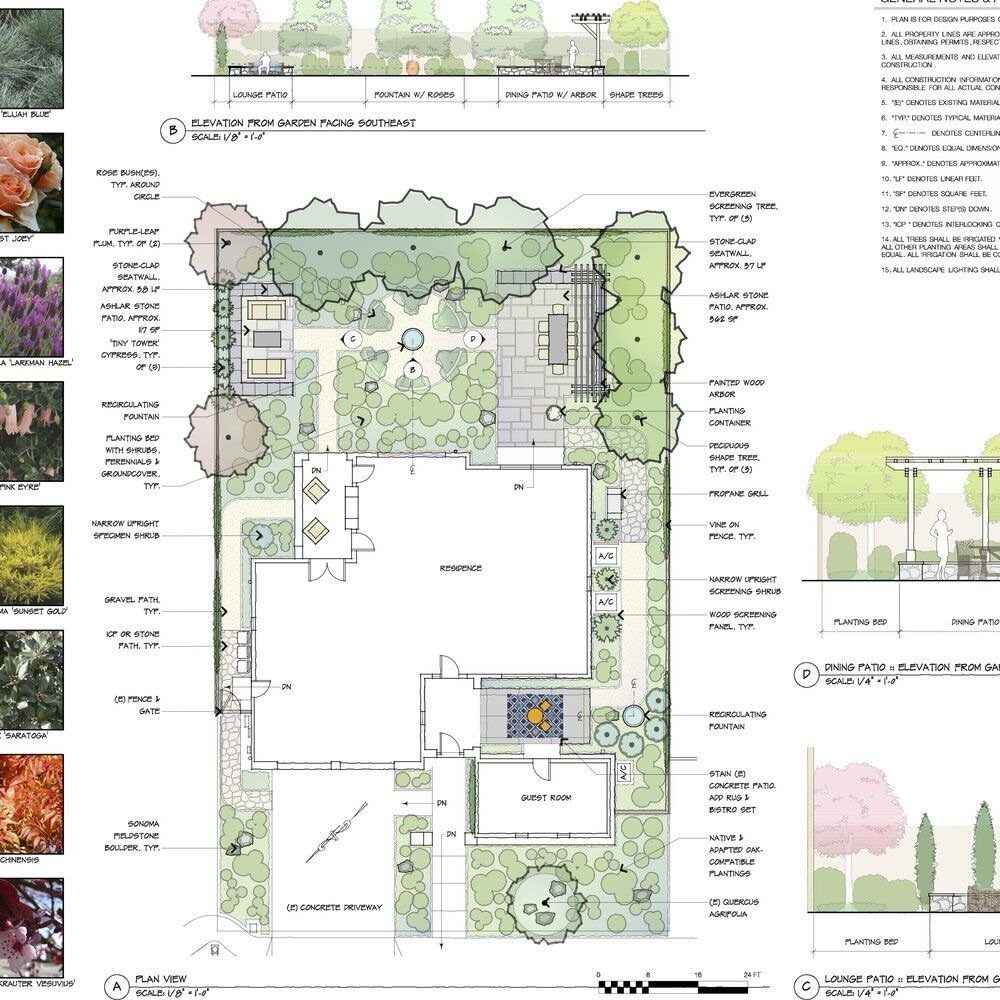
These 13 landscaping layout ideas run from a hand-drawn site plan to a poured concrete fire pit and recessed LED garden edging, with most falling between a weekend project and a full season of work.
The one that fits you depends on whether you need privacy screening, a level patio for dining, a dedicated vegetable zone, or simply a path that keeps your feet dry.
[link-whisper-related-posts]1. Backyard Layout Designs
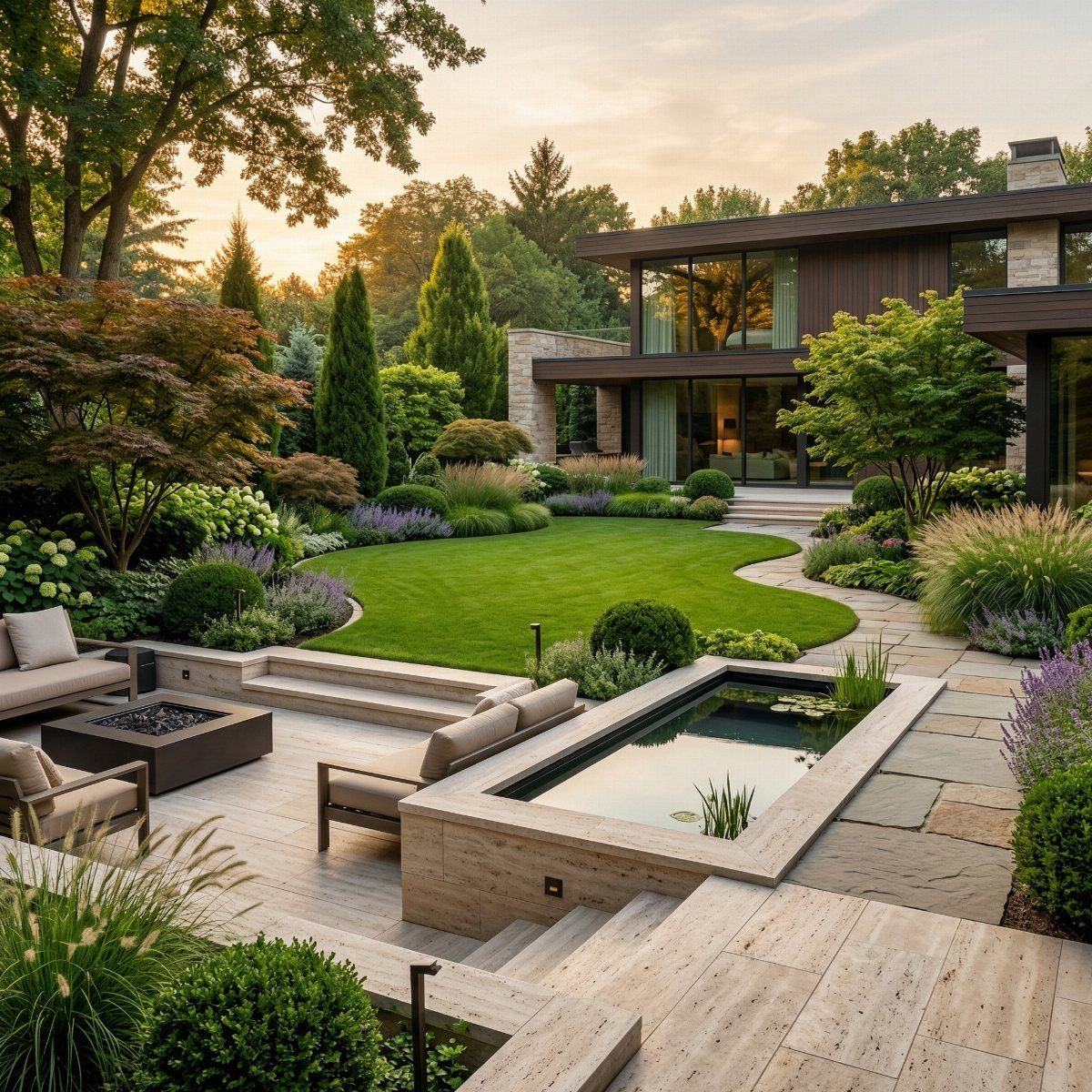
Geometric backyard layouts give you a plan before you spend a dime on plants or pavers.
Circles, rectangles, and curves can work together in the same yard: a sunken patio for gathering, a linear water feature for sound, and a lawn shape that ties them back to the house line.
I would start by marking the footprint of every hard surface in spray paint and living with it for a weekend.
Walking the lines tells you where traffic jams up and where a seating area feels too exposed. Marking everything out and adjusting before you build is cheaper than moving stone later.
Creating separate areas for different functions will make a backyard feel larger. Connect rooms with pathways or transition areas and use hedging, containers, plant groupings, fencing, or lattice to screen garden rooms.

Unique Ring Light Effect: Lumengy's patent-designed inground lights feature a unique ring of light with a glare-free effect, adding style and luxury to your outdoor areas. Perfect for illuminating decks, pavers driveways, patios, steps, walls, and ground areas.


Stunning Design - The Lumengy Paver Lane series has a super slim 0.5x9 (0.55 x 8.85 x 2.2 inches) size, perfect for a thin linear highlight between pavers. Its design adds sophistication and elegance to your outdoor space, while the warm white 2700K glare-free ambient effect provide safety and comfort.
2. Pathways, Patios, and Retaining Walls
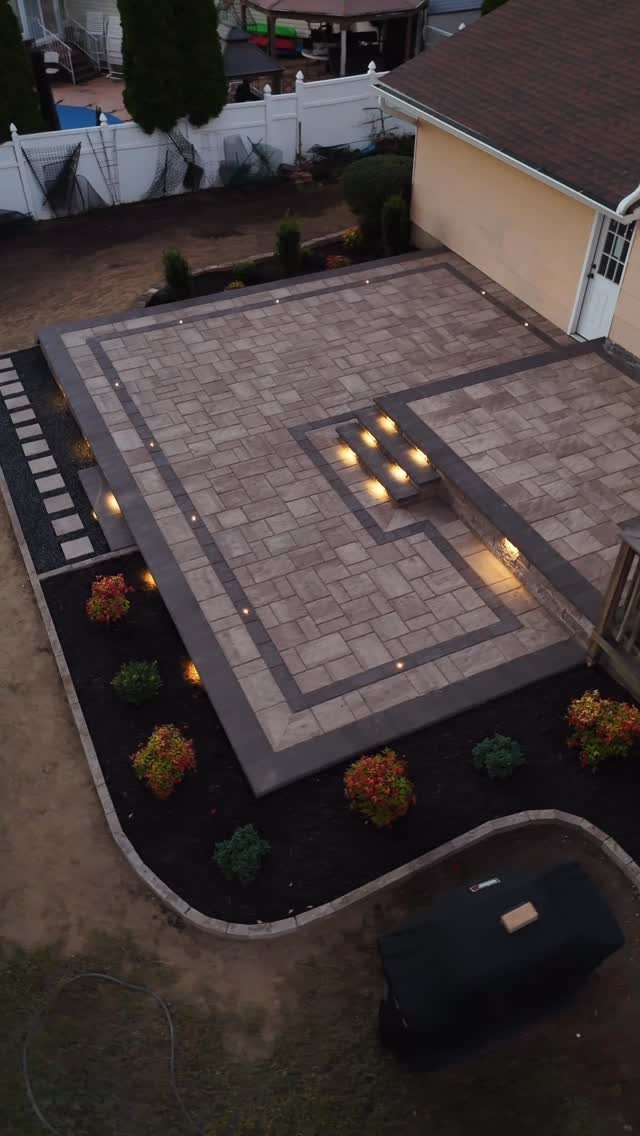
Paver patios with integrated lighting need a solid base more than they need the lights themselves.
Steps with low-voltage fixtures set into the risers mean you are running conduit before the first paver goes down. I would check local code on buried electrical; most areas want it well below grade and GFCI-protected.
Dark mulch beds against light stone create the contrast that makes the geometry read at dusk, so plan your plant palette for foliage that stays dark green or bronze rather than bright variegation.

Warm White Decorative Lights: the package comes with 16 pieces of 3W low voltage landscape lights and 32 connectors, meeting your party decorative needs at Halloween, Christmas, wedding, parties, festivals or safety needs at home; Landscape lighting can build an array of warm outside a home with warm low voltage landscape lights

【Unique Pagoda‑Style Shade】Break away from common mushroom‑shaped path lights. The 3‑layer pagoda shade refreshes your outdoor landscape. Impact‑resistant acrylic replaces fragile glass or PC lenses for durable, long‑term illumination

[Eye-catching Outdoor Landscape Lighting] With an upgraded transparent glass lens cover that delivers bright and uniform light, and a special full-gloss glass that prevents aging, it creates a charming atmosphere for your courtyard; its consistent and luxurious light effect brings every corner to life with vitality and charm
3. Vegetable Gardens
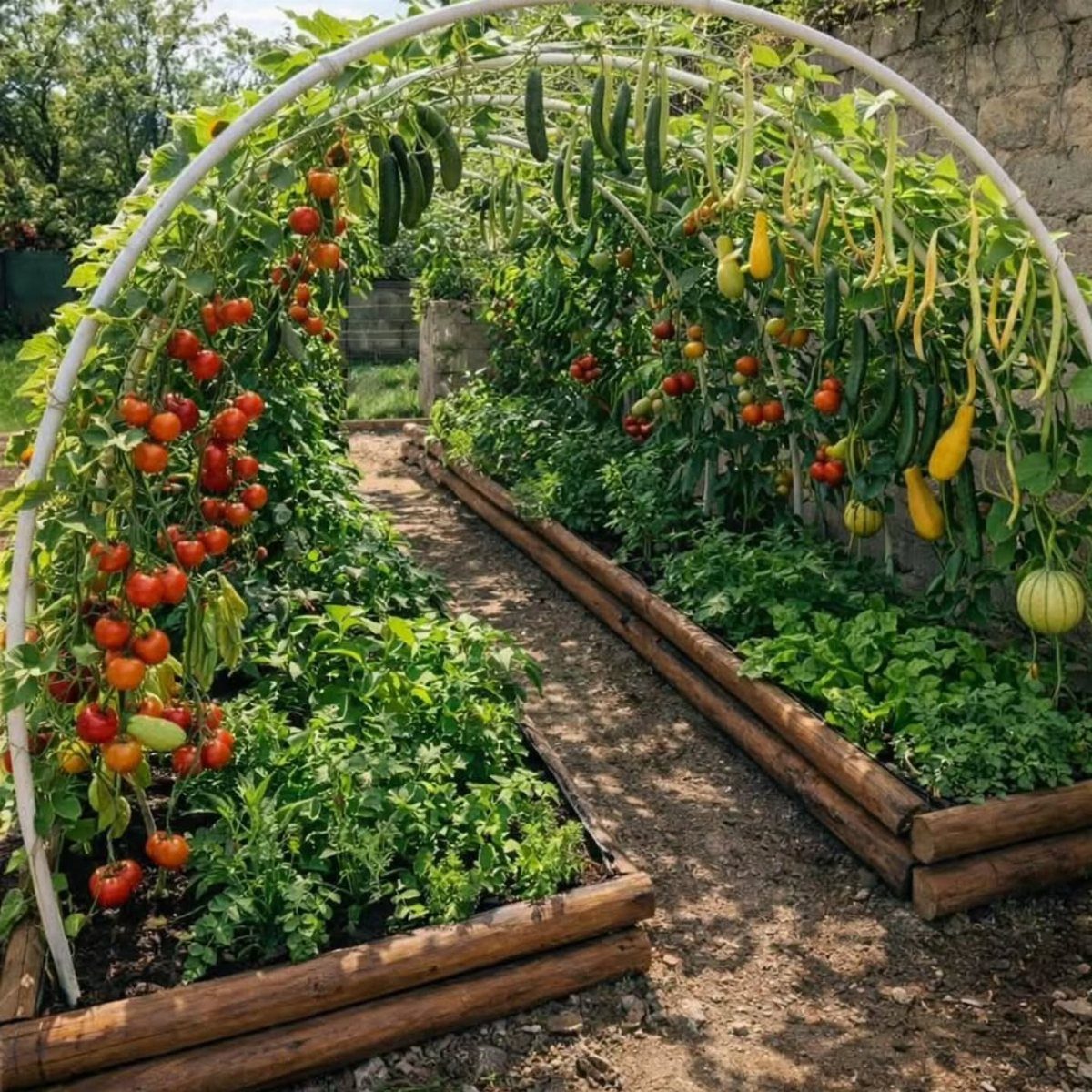
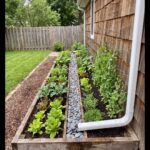
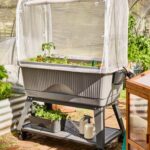
Raised beds with arched PVC trellises turn a vegetable garden into something you want to look at from the kitchen window.
The 2-inch PVC bent into hoops and slipped over rebar anchors is the detail I would copy: it is cheap, it lasts, and you can drape shade cloth or frost blanket over it in about 10 minutes.
Tomatoes and cucumbers trained up both sides of the tunnel leave the center path open, which matters more than you think when you are harvesting in July with a basket on your hip.
Cedar or fir for the boxes; pressure-treated lumber is cheaper but I would not use it for food beds.


Maximize Small Garden Space – Make the most of raised beds and compact gardens with this 7.3 ft U-shaped garden arch trellis. It trains vines to grow vertically, improves air circulation and sun exposure, and helps you harvest larger, healthier fruits and vegetables in limited space.
4. A Courtyard Oasis
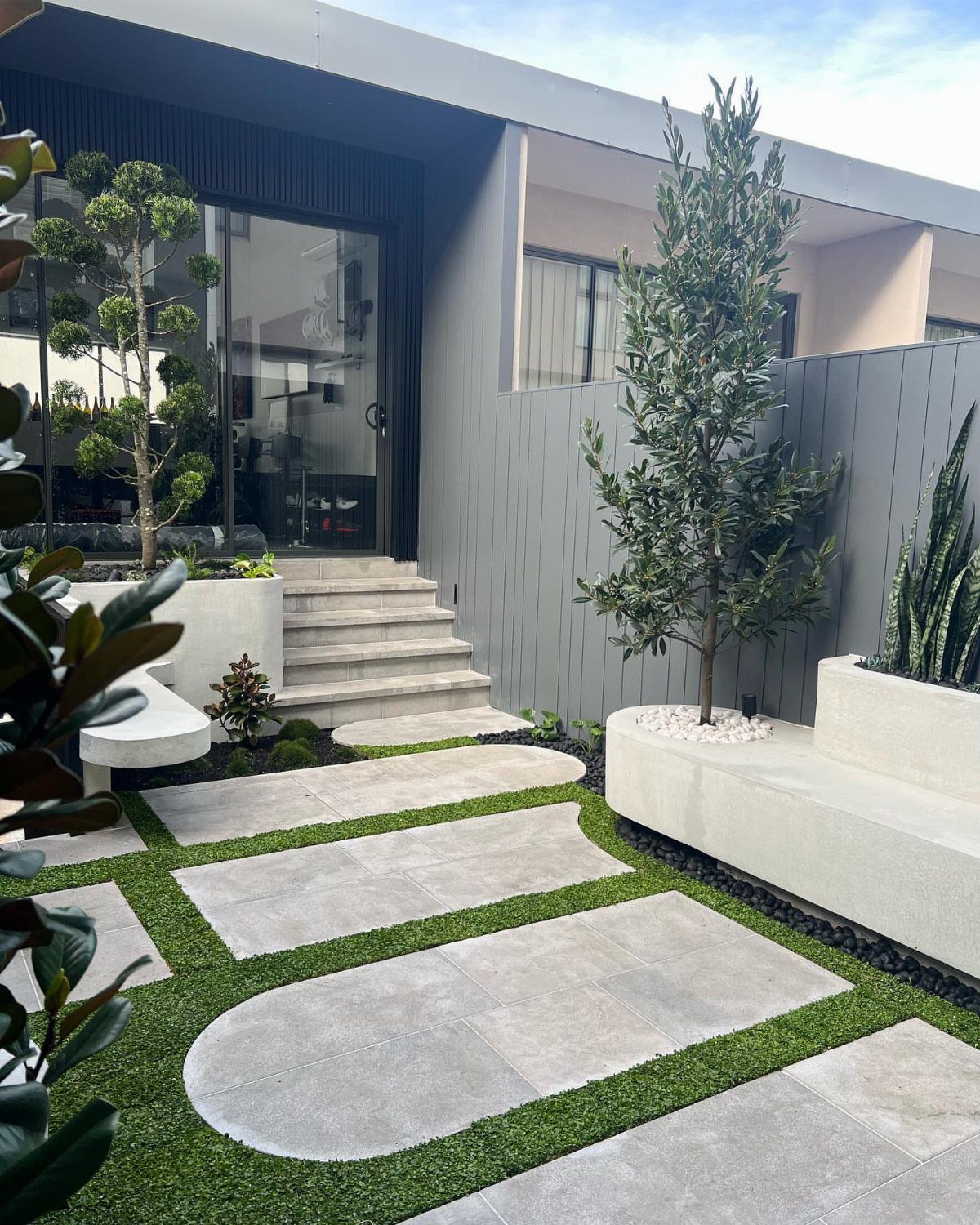
Courtyards work when every surface earns its place because none can hide.
Stone pavers set into artificial turf solve a real problem in a small enclosed space: solid paving turns into a heat island fast, and all-grass struggles with shade and foot traffic.
I like that the turf here is the negative space, not the main event. Curved concrete walls do double duty as bench and planter, but they need to be poured in one go to avoid seam lines that collect dirt.
Check your drainage slope before you build; water has nowhere else to go in a courtyard.

【Premium Material】: Garden trellis features galvanized steel pipes coated with PE material, offering protection against corrosion and adverse weather, while also preventing plants from high-temperature burns

【Product Use】 U-shaped appearance of the garden trellis with nylon climbing net is not only beautiful, but also allows plants to get enough sunlight and make effective use of space.The trellis has excellent gravity bearing capacity, and it can be easily achieved by planting pumpkins, watermelons and other heavy fruits and vegetables

★【PREMIUM GARDEN HOOPS GROW TUNNEL KIT】: Our garden hoops frame is a versatile solution for plant protection and growth enhancement. Crafted from durable, fiberglass, this kit includes 36 rust-resistant garden hoops, 30 connectors, 24 garden clips, and 12 support bases, offering a complete DIY experience.
5. Privacy Screening
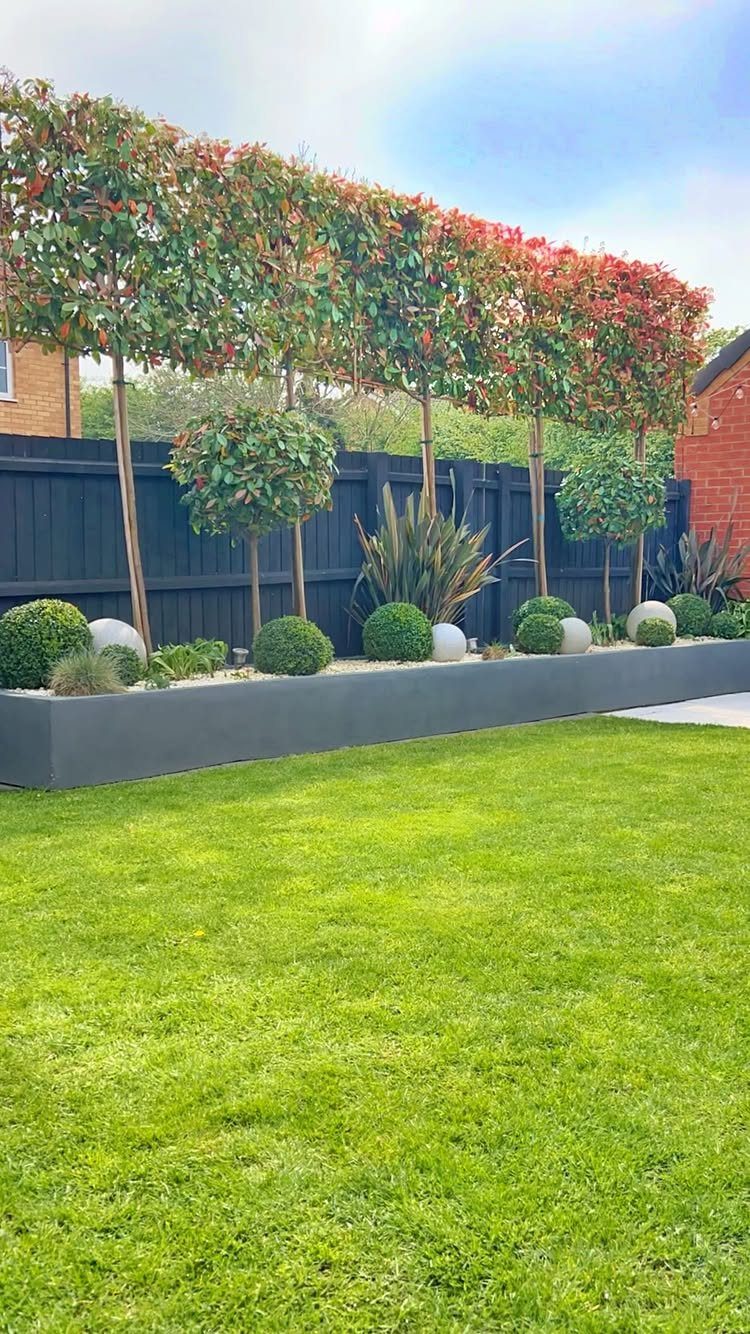
Privacy screening with plants takes longer than a fence but ages better.
Pleached trees trained above a fence line give you green at eye level without sacrificing ground space. I would plan on several years for the trees to fill in, or buy them pre-pleached and pay considerably more.
The raised bed in grey composite keeps roots contained and matches the fence tone, which makes the whole thing read as one intentional plane.
Ornamental grasses fill the middle layer and move in wind; topiary spheres give you winter structure when the grasses are cut back.

✅ Lightweight Concrete Composite – 70% Lighter, Easy to Move: Kante patented lightweight concrete composite delivers authentic cement texture and matte finish at just 30% of the weight. No more struggling with heavy planters. You can easily rearrange your patio, balcony or living room even when full of soil. Fits 2–5-gallon nursery pots perfectly.

This contemporary set of half-moon stoneware planters features an intricately embossed hatch design

🌿 Lightweight Sphere – Big look, easy move. Kante’s spherical planter has a 19.3-inch belly – plenty of presence – but it’s made from lightweight concrete so you can still slide it into place. No need for two people. Just roll it gently (or lift with one arm) to catch the best light
6. Architectural Landscape Site Plan
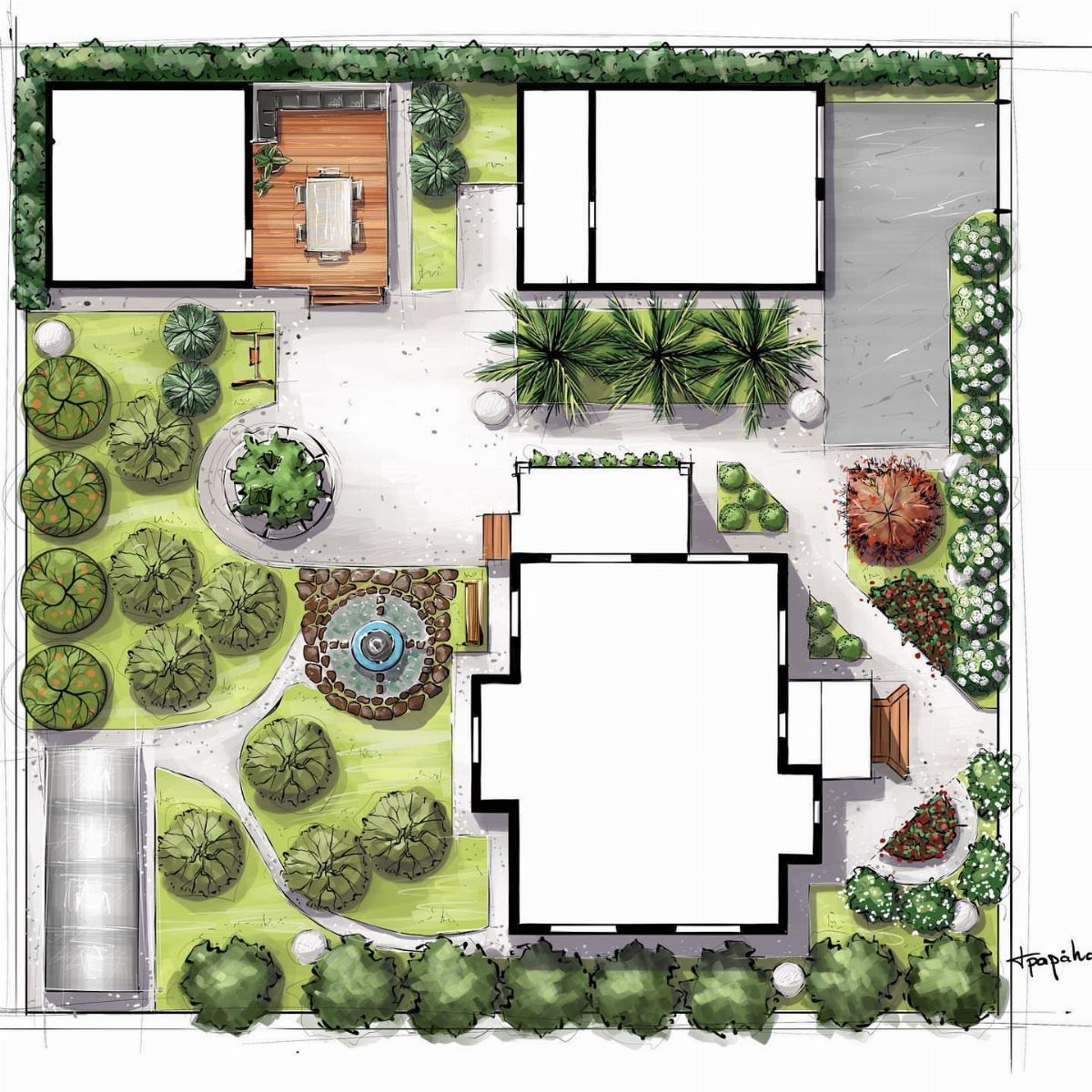
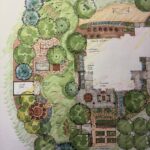
A hand-drawn site plan is the cheapest insurance against an expensive mistake. A good sketch shows circulation paths, where sun falls, and whether the patio sits too close to the bedroom window before you lift a shovel.
Scale matters. I would draw small for the whole property, then larger for the patio and planting beds where detail matters.
Trace the house footprint first, then add the big immovable items: existing trees you want to keep, the utility box, the septic field. Everything else is negotiable, but not if you are guessing.
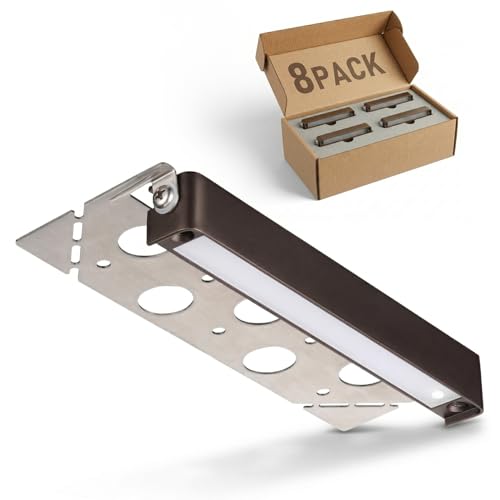
Widely Used: Powered by 12-24V AC/DC, this LED low voltage landscape light can be used to light barbecue fire pits, landscape steps, retaining walls, decks, rock brick column, outdoor kitchen, flowerbeds, and masonry walls. This hardscape paver light can be rotated to fits more applications

✅【Light Direction Adjustable】Unlike other retaining wall lights, this upgraded 7 inch retaining wall light can adjust the lighting direction 270°. Avoid any glare, suitable for landscape steps, retaining walls, fire pits, outdoor kitchens, garden masonry walls, decks, etc.

Adjustable Lighting Direction: The upgraded 7 inch retaining wall lights can be adjusted lighting direction up and down 270°. With anti-glare backsheet, glass cover and 90° beam angle, the landscape wall lights can better protect your eyes, lighting more focused on the using area
7. Cozy Fire Pit Lounge
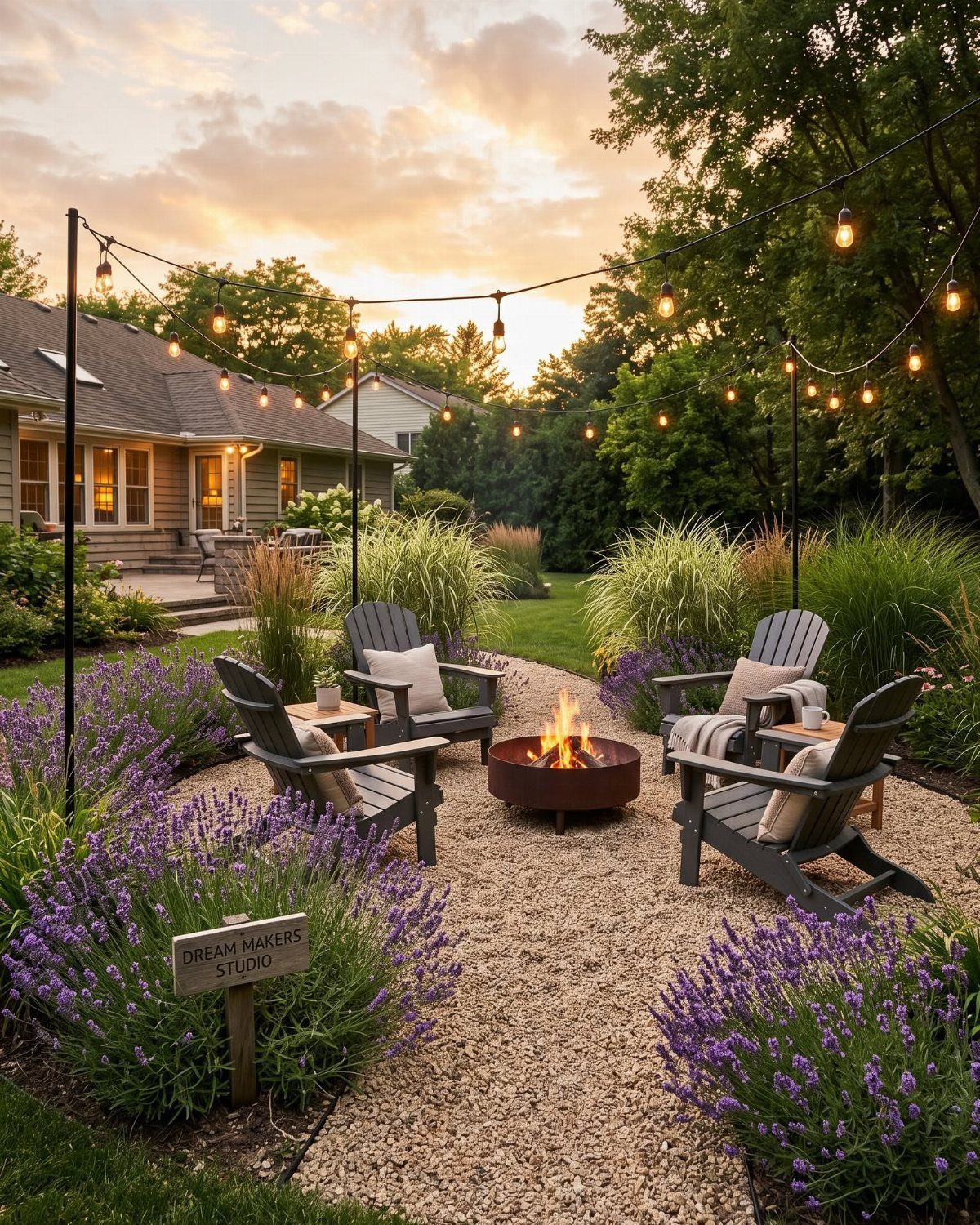
Gravel underfoot around a fire pit drains fast and costs less than pavers, but it shifts under chair legs.
I would set the pit on a concrete pad or steel ring sunk flush to keep the gravel from migrating into the flame.
Adirondack chairs sit low, so plan a 15-foot diameter minimum for four seats and walking room behind them.
Overhead string lights need a pole or tree anchor on at least 2 sides; check your local fire code on open flame plus low vegetation.

Widely applicable: Powered by 12V AC/DC, this low-voltage landscape light is ideal for illuminating barbecue fire pits, landscape steps, retaining walls, decks, rock pillars, outdoor kitchens, flower beds, and masonry walls. This hardscape pathway light is adjustable, allowing it to be rotated to suit a variety of settings

𝐅𝐥𝐞𝐱𝐢𝐛𝐥𝐞 & 𝐄𝐚𝐬𝐲 𝐭𝐨 𝐈𝐧𝐬𝐭𝐚𝐥𝐥: Each panel measures 40" (L) × 5" (H), including 3" underground stakes for strong anchoring, leaving 2" visible above ground for a clean, low-profile border. The hammer-in design makes installation fast and effortless—perfect for creating neat, professional-looking edges without digging.

EASYFLEX DECORATIVE NO-DIG LANDSCAPE EDGING: Get a beautifully landscaped yard without all the work of a dig-in lawn edging; simple installation without trenches or shovels; color may vary due to the unique manufacturing process.
8. Modern Pergola Dining Zone
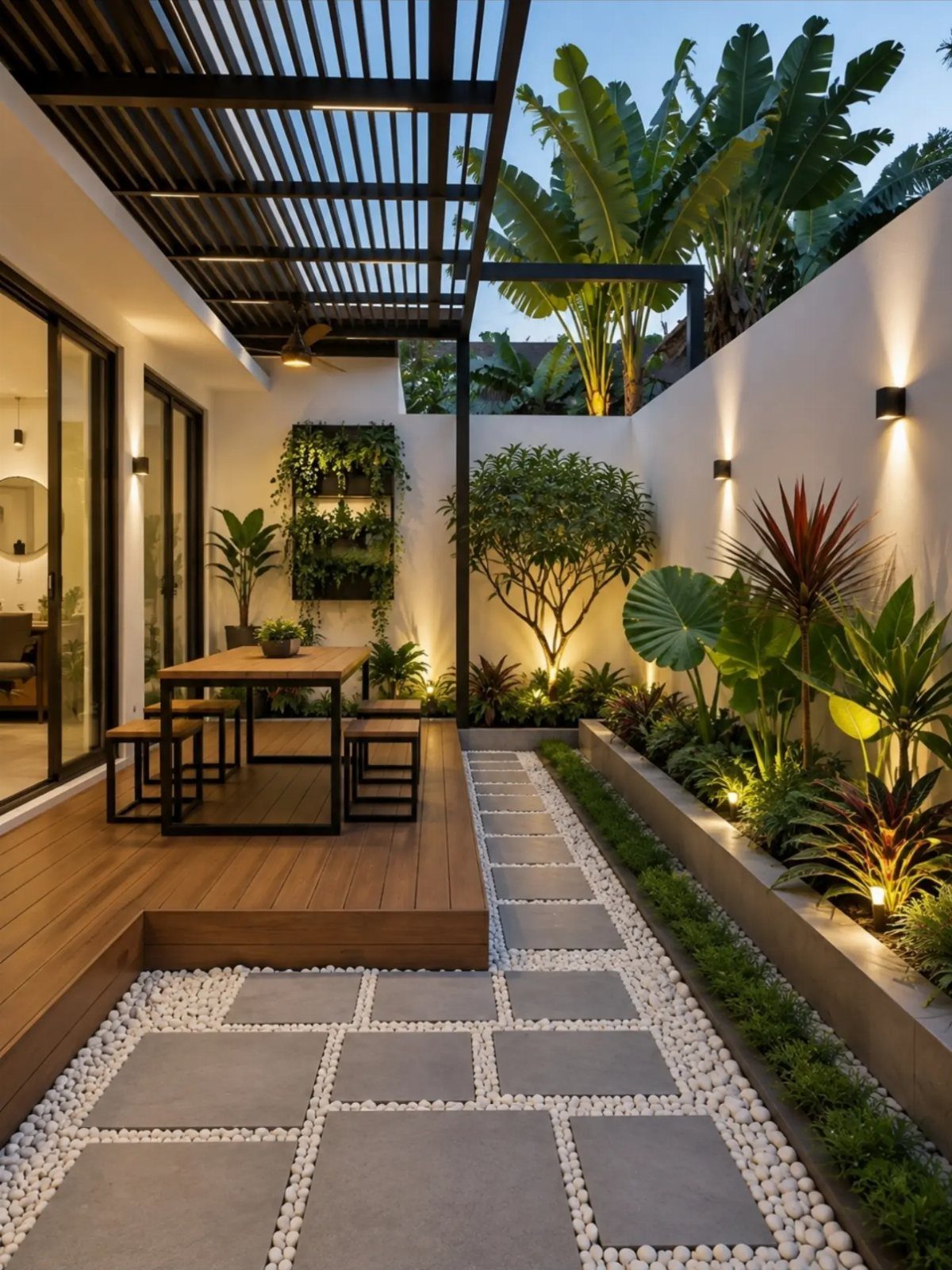
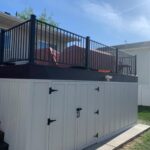
A raised deck under a pergola keeps dining level separate from yard grade, which matters when your site slopes even slightly.
I would run the decking boards perpendicular to the house so the eye travels outward and the space reads wider than it is.
Black slats overhead filter sun without blocking it entirely; the gap width controls how much shade you get at noon versus 5 PM.
Concrete planters on a deck need to be calculated into the load; saturated soil is heavier than dry, and a large planter holds more than you’d think.

3 IN 1 Raised Garden Bed with Trellis: This YITAHOME garden bed kit pairs 2 raised beds and two 87-inch arched trellis with climbing net, capable of holding 400 gal of soil.The arched trellis provides sturdy support and ample growing space for vines, guiding them upward to maximize sunlight and airflow

What You Get: Garden cucumber trellis X1, outdoor raised bed X1, tomato clips X20, leaf ties X100, twist tie X1, trellis netting X1, garden gloves X1, manual X2. If you're looking for a reliable and stable cucumber garden trellis, our arch trellis with raised bed are the ideal choice. Easy to install and reusable season after season.
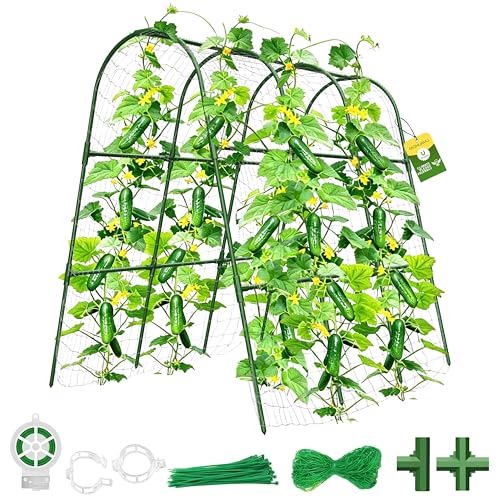
【U-Shape Stability Structure 】 U-frame trellis is more stable than A-frame trellis. Allowing you to plant a row on both sides. The arch design maximizes the garden space.
9. Circular Tree Bench Patio
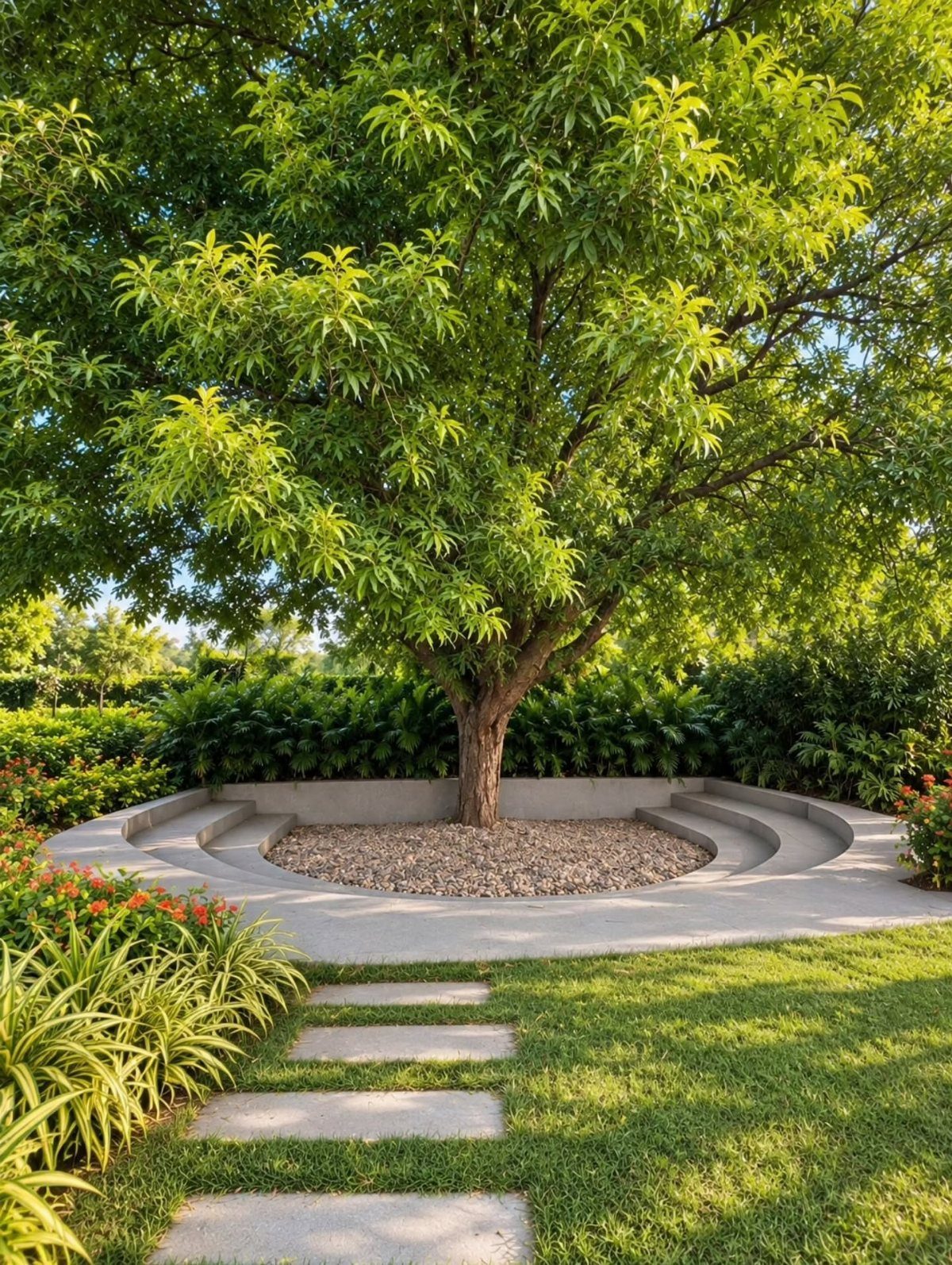
A tree at the center of a circular bench gives you shade and seating in one footprint, but the root zone limits what you can build.
I would keep the bench on piers or a gravel bed rather than pouring a continuous slab that girdles the trunk.
The concrete benches here are cast in curved sections; precast or formed-in-place both work, but the radius has to match your tree’s mature spread or someone will be bumping bark with their shoulder.
Plan for the tree to grow: a young oak needs more clear radius now than the tight circle that looks right today, because the trunk will widen and the roots will spread.
10. Layered Texture Garden Bed
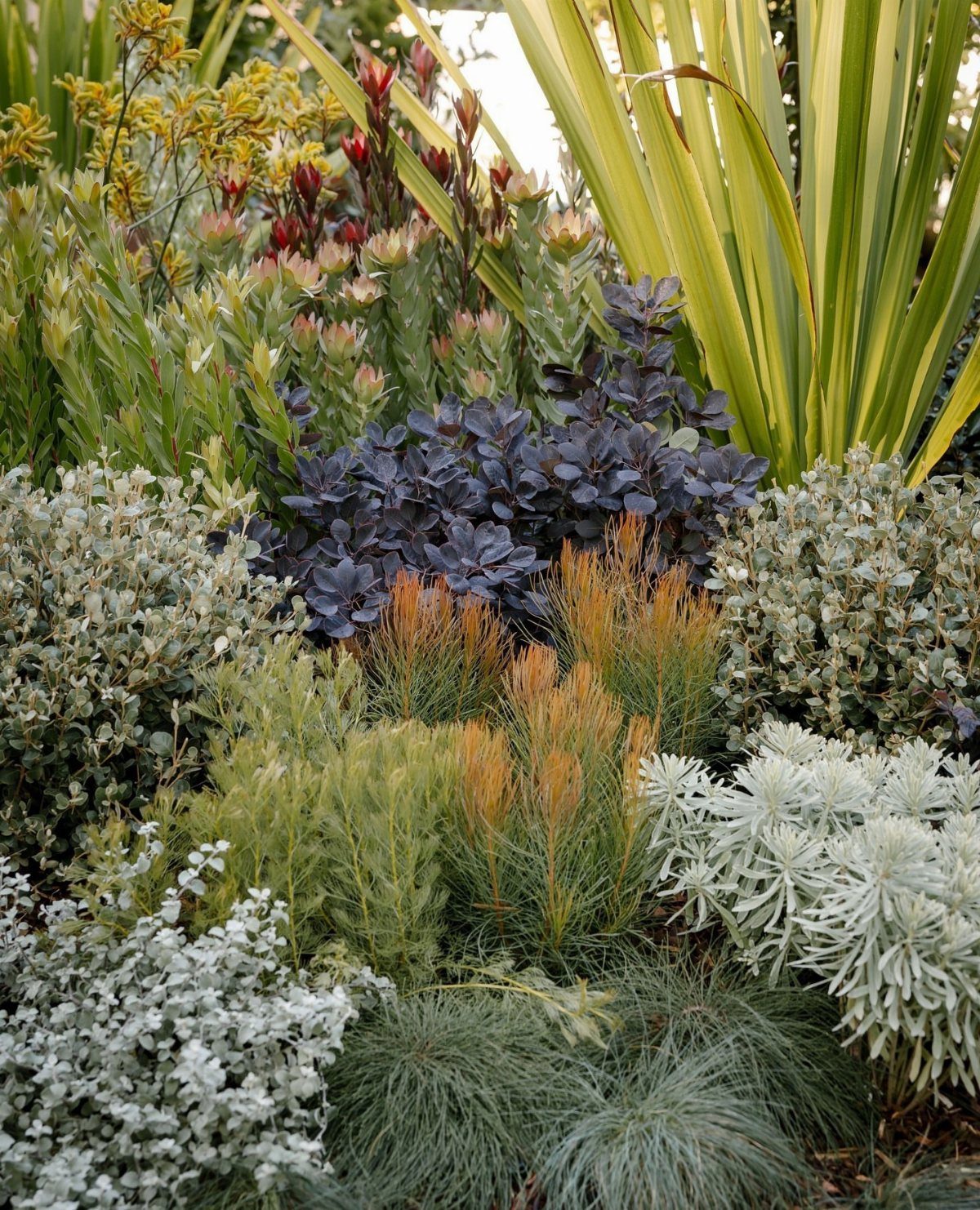
Dense planting reads as lush when every layer has a different texture, not just a different color.
Fine grasses against broad leaves, silvery groundcover under purple foliage; the contrast carries even in low light. I would pack plants closer than the tag suggests, erring toward overlap rather than the spaced-out look of individual mounds.
Mulch barely shows here, which means weeding by hand until the canopy closes. Succulents mixed with temperate plants work only where winter drainage is sharp; in clay soil, keep them in raised pockets or skip them.

Design: Wall mounted flower pots are suitable for indoor and outdoor decoration or office walls, saving space. It is also suitable for indoor plant wall pots and vertical wall flower pots
11. LED-Illuminated Garden Bed Border
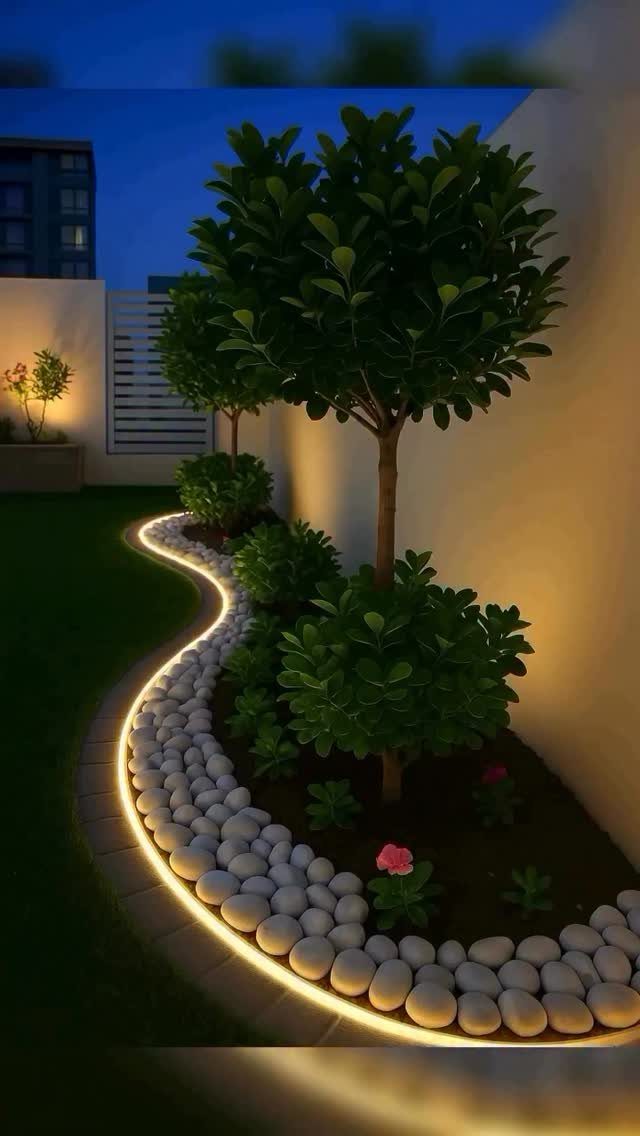
LED strip lighting along a bed edge is the detail you notice from the kitchen window after dark, but the strip itself is fragile.
I would recess it into a channel or behind the stone lip so a weed whacker never finds it. White river stones reflect the light upward and stay cooler than dark mulch, though they do not suppress weeds as well.
The transformer and junction need to be accessible; burying them under plant roots means digging later. Check the IP rating on any strip you buy: IP67 or higher for ground contact and sprinkler spray.
12. Narrow Side Yard Paver Path
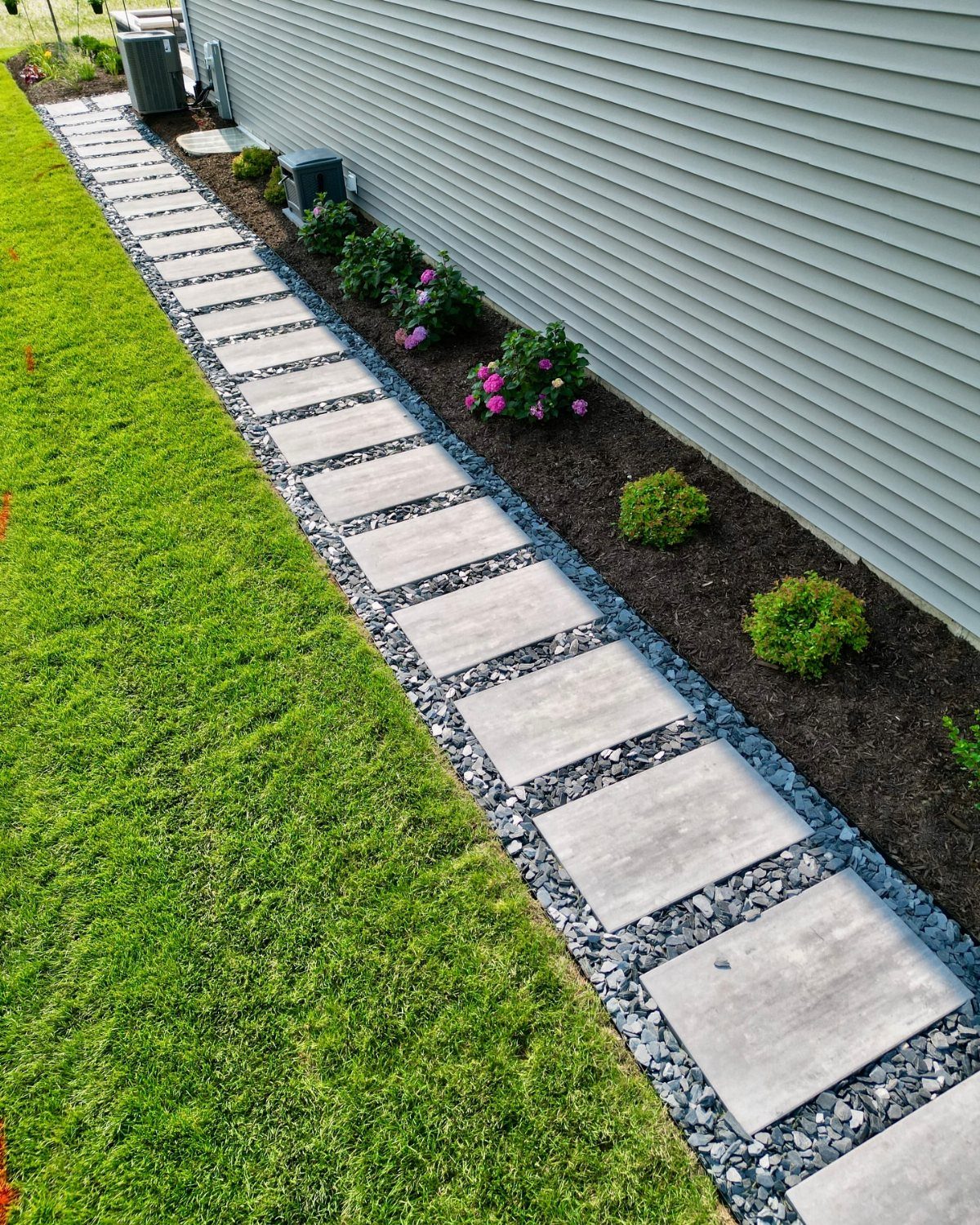
Large rectangular pavers with gravel between them handle a narrow side yard better than a solid path, because water and roots need somewhere to go.
I would set the pavers on a screed sand base, not mortar, so the path flexes with any soil movement against the foundation.
The gravel joint width matters: 2 inches reads as deliberate, half an inch looks like a mistake. Keep the paver surface slightly below the adjacent mulch or lawn grade so runoff does not wash across it.
A side yard this tight, usually 4 to 6 feet wide, does not need elaborate planting; one running bed against the house is enough.
13. Small Yard with Artificial Turf
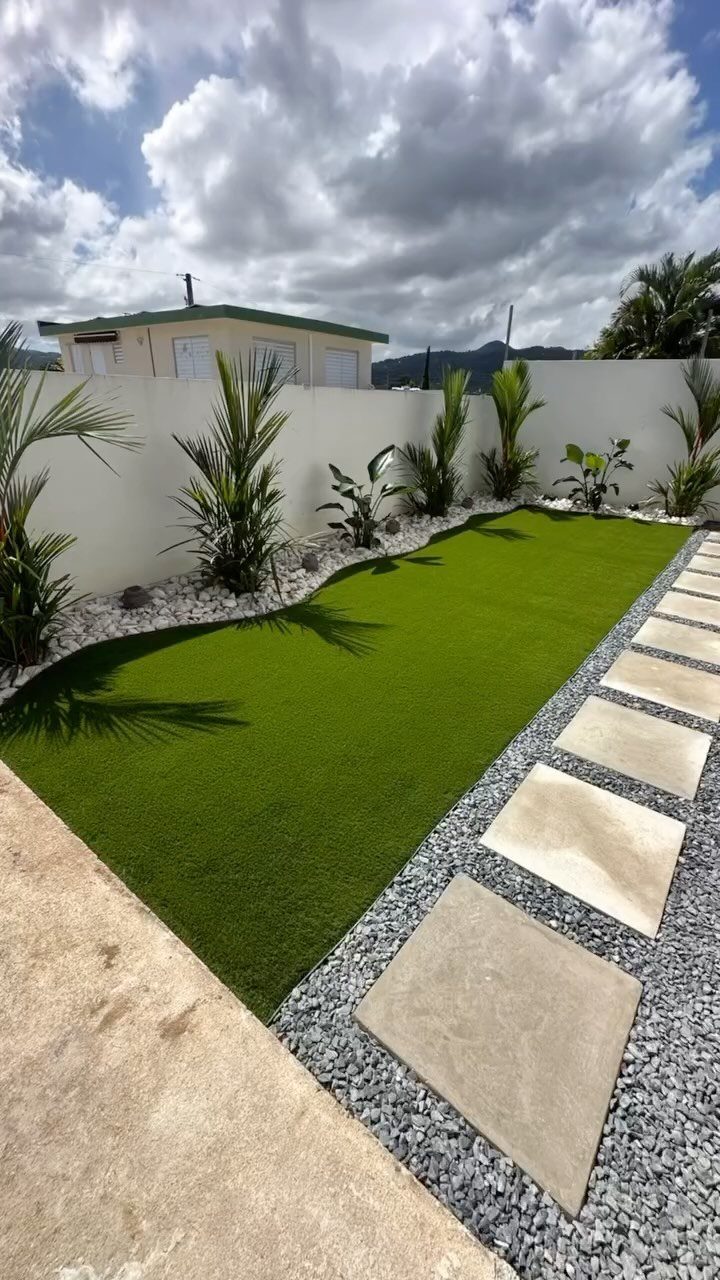
Artificial turf in a small yard gives you a surface that stays green without sun or water, which matters when your usable space is already tight.
I would keep the turf area flat and slightly crowned in the center so rain runs to the edges rather than pooling.
White rock borders need a solid edge restraint buried flush, or the stones migrate into the lawn and the vacuum hits them.
Concrete pavers set in gravel, like the path visible here, drain better than a solid walkway and cost less to reset if the ground shifts.
Tropical plantings against a white wall reflect heat and light; choose varieties rated one zone hardier than your location, because reflected sun and wall warmth stress roots in winter.
Artificial turf this size heats up in August, and you will want shoes after noon.
Planning Your Backyard Living Space
I would start every backyard project by standing in the space with a notebook and a camera phone, not a shovel.
The existing features you already own, good or bad, are the fixed points that everything else bends around: that mature oak you cannot replace, the utility box the previous owner hid behind a shrub, the afternoon shadow your neighbor’s garage throws across half the lawn.
Mark where sun hits at 9 AM, noon, and 4 PM; a spot that reads as "part shade" in spring may bake by July when the sun angle shifts.
Intended use is where most plans drift. A space for kids and dogs needs open lawn and resilient surfaces, not the delicate planting bed you saw on Pinterest.
Entertaining means defining a zone close enough to the kitchen that you are not hauling trays across the whole yard.
3 overlapping circles on tracing paper are how I sort any backyard into circulation, gathering, and service: grill, hose, tool storage.
Where all 3 overlap is your patio. Where they conflict is the decision you have to make, and making it on paper costs nothing.
Considerations for Plant Selection
USDA hardiness zone is the filter that eliminates most catalog temptations before you spend a dollar.
I would look mine up at planthardiness.ars.usda.gov and write it on the inside cover of whatever notebook holds the plant list, because every tag at the nursery assumes you already know it.
A plant rated one zone warmer than yours might survive most winters and die in a bad one; that is not a gamble I would take with a Japanese maple.
Soil testing is the step I see skipped most often, and it shows in yellow leaves and stunted growth once the newness wears off.
Your local extension office runs pH and nutrient panels for a low fee in most counties, and the results tell you whether to add sulfur, lime, or simply compost.
Clay soil in my area needs amendment for drainage; sandy soil needs organic matter to hold water. Neither problem fixes itself.
Maintenance level is where honesty pays.
A perennial border with 40 varieties sounds lush in March and like a part-time job by August. I would count the hours I actually spend outside now, not the hours I imagine, and choose plants that fit half that budget.
Native plants generally need less intervention than cultivars bred for flower size alone, and they feed the pollinators that make a vegetable garden productive.
Importance of a Landscape Plan
A landscape plan is the contract you make with your future self.
When the nursery delivery arrives and the excavator is idling in the driveway, you will not remember why you thought the patio edge belonged left of where it sits on the sketch. The drawing settles that argument before it starts.
Scale is the detail that separates a useful plan from a pretty picture.
Utility locations belong on every plan, whether you are digging or not. Gas lines, septic fields, and buried electric are not suggestions; they are fixed obstacles that can kill a project or a person.
I would call 811 for a locate even for planting beds, because root growth follows the path of least resistance and a split sewer line is not a weekend fix.
The plan shows these in a color you will not mistake for planting, and it stays in the garage file for the next owner, who deserves to know what is under their lawn.
Frequently Asked Questions
What are some ideas for DIY landscaping plans?
I would start by marking every hard surface in spray paint and living with the layout for a weekend before buying anything.
Layer plants by texture, not just color, and pack them closer than the tag suggests so the canopy closes and blocks weeds.
For vegetable beds, arched PVC trellises over raised boxes train tomatoes and cucumbers upward and keep the path clear.
What are different types of landscapes?
Geometric layouts that mix circles, rectangles, and curves in the same yard are the backbone of most plans I sketch.
Courtyards work when every surface earns its place because none can hide, and layered texture beds read as lush when fine grasses sit against broad leaves.