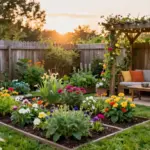
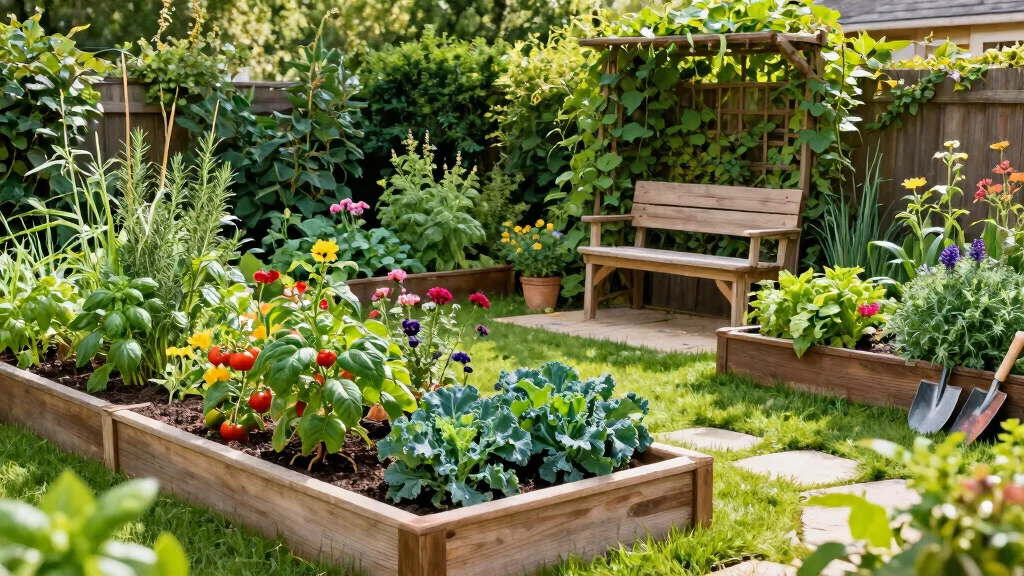
Transforming your backyard into a vibrant sanctuary has never been more important. With the world shifting towards sustainable living, many of us are craving ways to make our outdoor spaces not just beautiful, but functional and eco-friendly too. If you love gardening and want to dive into sustainable edible landscaping, you’re in the right place. This post is all about inspiring backyard landscape ideas that will completely change your outdoor space into a lush haven filled with life and flavor.
Whether you’re an experienced gardener or just starting out, this guide is designed for you. It’s perfect for anyone eager to explore ways to grow their own food, attract beneficial wildlife, or simply create a more inviting outdoor environment. You’ll find a collection of 17 unique ideas that are practical, enjoyable, and achievable for any yard size. Get ready to roll up your sleeves and discover how to turn your backyard into a paradise that’s not only beautiful but also productive!
By the end of this journey, you will have a wealth of ideas to revitalize your backyard. From edible flower gardens to vertical herb installations, you’ll learn how to incorporate sustainable practices into your landscaping. These tips will not only enhance your outdoor experience but also contribute to the environment by promoting biodiversity and self-sufficiency. Let’s dive in and explore the amazing possibilities that await in your backyard!
Key Takeaways
– Edible flower gardens can add beauty and flavor to your meals, giving you a dual purpose for your landscaping efforts.
– Vertical herb gardens maximize space and are perfect for small backyards, allowing you to grow fresh herbs right at your fingertips.
– Raised garden beds provide better soil conditions and improved drainage, making it easier to grow vegetables and fruits sustainably.
– Creating pollinator gardens helps attract bees and butterflies, supporting local ecosystems while beautifying your space.
– Designing outdoor kitchen spaces enhances your backyard experience, making cooking and entertaining a breeze in a natural setting.
1. Edible Flower Gardens
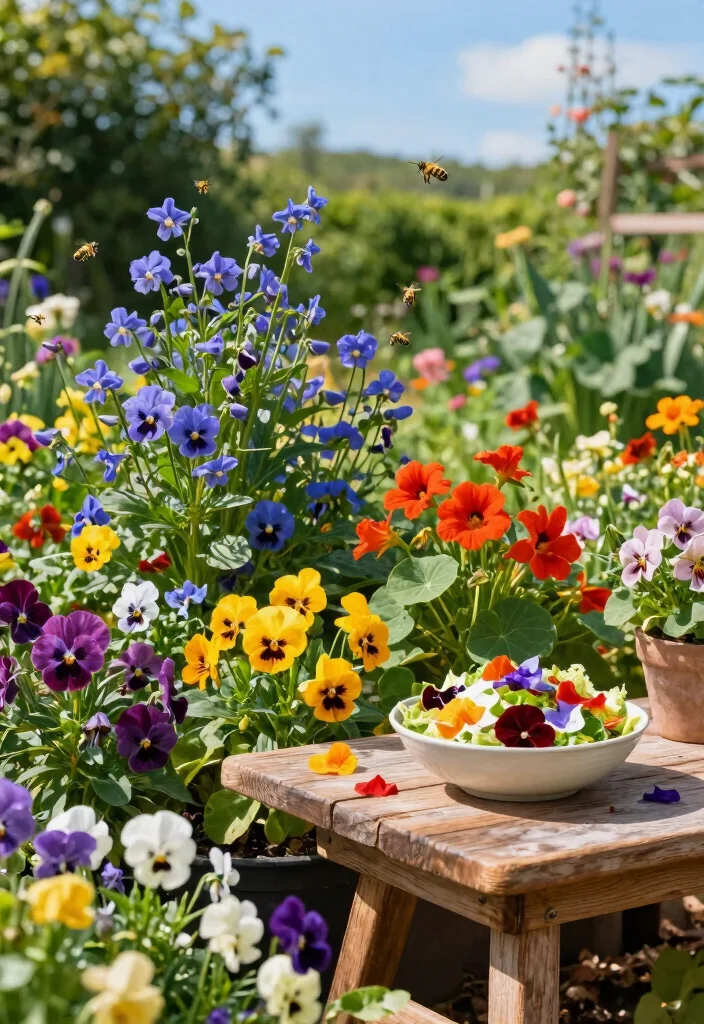
Have you ever thought about adding a pop of color and flavor to your meals? An edible flower garden is a beautiful way to do just that! Picture a vibrant collection of nasturtiums, pansies, and marigolds that not only enhances your dishes but attracts pollinators, promoting a thriving garden. You’ll enjoy a feast for the eyes and the palate, making every meal a little more special and unique.
Ingredients:
– 1 packet of nasturtium seeds
– 1 packet of pansy seeds
– 1 packet of borage seeds
– Well-draining potting soil
– Organic compost
Instructions:
1. Choose a sunny location in your garden.
2. Prepare the soil by mixing in organic compost.
3. Plant seeds according to packet instructions, spacing them appropriately.
4. Water gently to moisten the soil but avoid overwatering.
5. Regularly harvest flowers to encourage more blooms and enjoy them in salads or as garnishes.
FAQs:
– Can I eat all flowers? Some flowers are toxic, so ensure they are edible varieties.
– Can I grow these in pots? Yes, they thrive in containers as long as there’s enough sunlight.
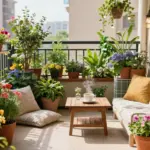
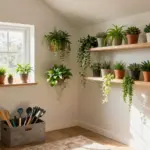
2. Vertical Herb Gardens
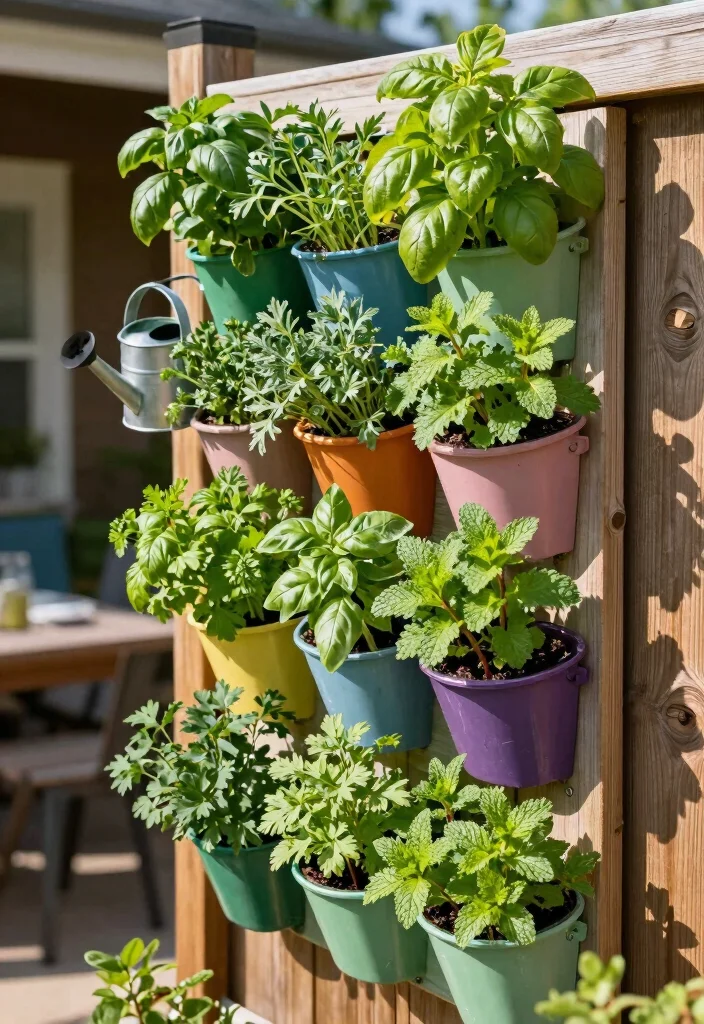
Are you short on space but still want to grow fresh herbs? Vertical herb gardens are your solution! These creative setups maximize your area while adding a striking feature to your yard. Using wall-mounted planters or hanging pots, you can cultivate herbs like basil and cilantro, making cooking with fresh flavors much easier.
Ingredients:
– Wall-mounted planters or pallets
– Potting soil
– Herb seedlings (basil, parsley, cilantro)
Instructions:
1. Select a sunny wall or fence to install your planters.
2. Fill planters with potting soil, leaving space for seedlings.
3. Plant herbs according to your preference, ensuring they have room to grow.
4. Water thoroughly and check for drainage.
5. Prune herbs regularly to encourage bushier growth and flavorful leaves.
FAQs:
– Can I use old pallets for this? Yes, just ensure they are clean and non-toxic.
– Can I grow herbs indoors? Absolutely, as long as they receive enough light!
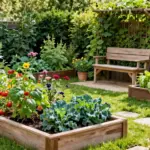
3. Raised Garden Beds
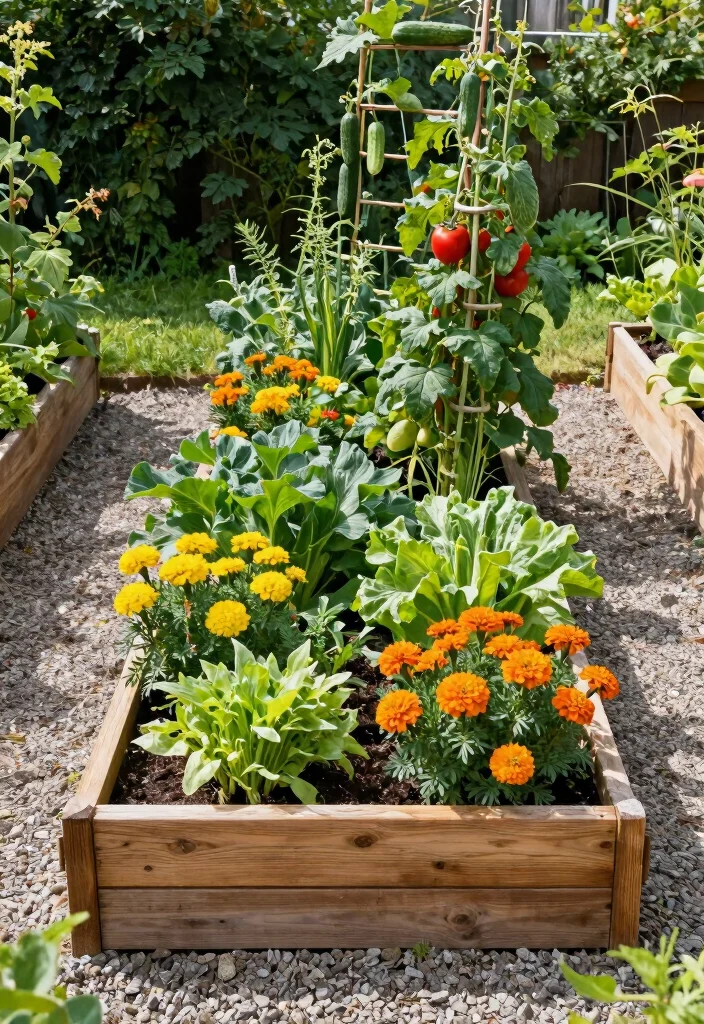
Looking to elevate your gardening experience? Raised garden beds are a fantastic way to grow vegetables and flowers while improving aesthetics. These beds provide excellent drainage and can be tailored to any design you like. You’ll find that they make gardening accessible and enjoyable, all while enhancing your backyard’s look.
Ingredients:
– Rot-resistant wood or recycled materials
– Quality soil mix (topsoil, compost, peat moss)
– Vegetable or flower seedlings
Instructions:
1. Decide on the size and shape of your raised bed.
2. Assemble the sides using wood or your chosen material.
3. Fill the bed with a quality soil mix for healthy plants.
4. Plant seedlings in groups based on their sunlight and water needs.
5. Add a trellis for climbing plants to utilize vertical space.
FAQs:
– Can I make it without wood? Yes, you can use bricks or stones.
– How often should I water? Water deeply once a week, adjusting for weather conditions.
Raised Garden Beds
Editor’s Choice



4. Food Forest Gardening
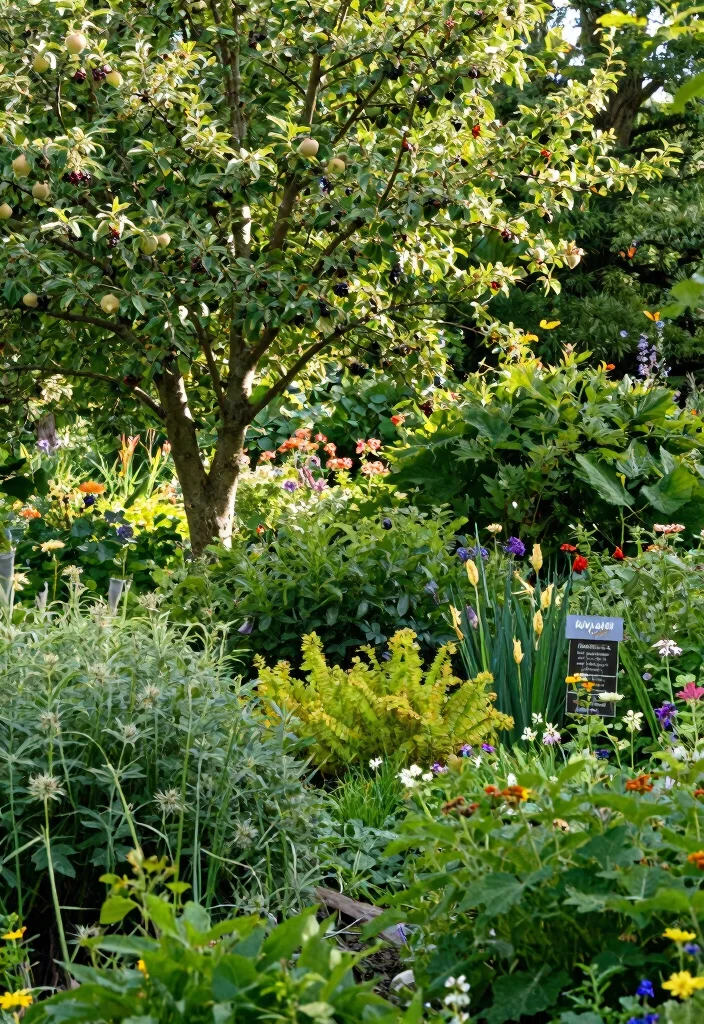
Have you ever dreamed of a lush mini-forest filled with fruiting trees? Food forest gardening is a sustainable approach that allows you to grow your food while enhancing biodiversity. By layering different plants, you can create a thriving ecosystem that continually yields delicious produce, making every visit to your garden a delightful adventure.
Ingredients:
– Tall fruit trees (apple, pear)
– Medium-sized trees (plum, cherry)
– Shrubs (blueberry, raspberry)
– Ground cover plants (strawberries, clover)
Instructions:
1. Start by selecting a diverse mix of plants suited for your climate.
2. Plant taller trees in the back and shorter ones in the front for layering.
3. Incorporate companion plants that help deter pests naturally.
4. Allow some weeds to grow for biodiversity—these can help enrich the soil.
5. Water deeply and less frequently to encourage strong root systems.
FAQs:
– Can I plant vegetables too? Yes, but ensure they are compatible with fruiting plants.
– How long until I see results? It varies, but some plants may bear fruit in a couple of years.
5. Pollinator Gardens
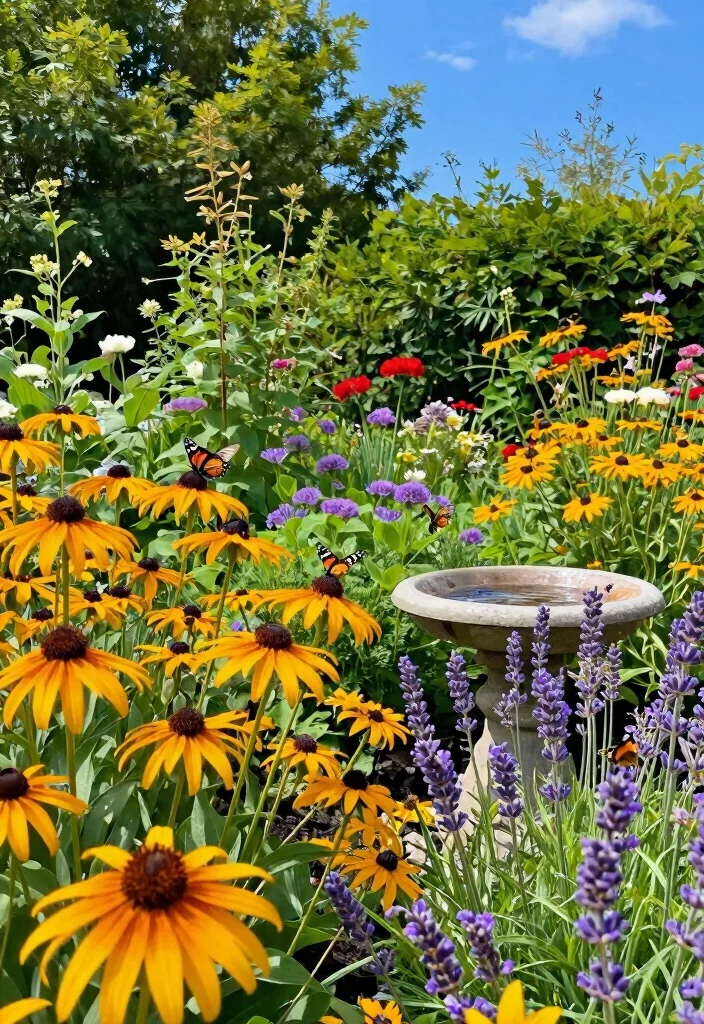
Are you passionate about supporting the environment? A pollinator garden not only beautifies your backyard but also provides essential food sources for bees and butterflies. By planting a variety of flowers that bloom at different times, you’re creating a haven for these important species while enjoying a gorgeous array of colors in your garden.
Ingredients:
– Native flowering plants (coneflowers, black-eyed Susans, lavender)
– Organic soil
– Access to water
Instructions:
1. Choose a sunny spot for your garden.
2. Group plants in clusters to attract more pollinators.
3. Avoid pesticides to protect beneficial insects.
4. Provide shallow water sources for insects to drink.
5. Regularly deadhead flowers to encourage continuous blooming.
FAQs:
– Can I plant herbs too? Yes, many herbs also attract pollinators.
– How do I know if my garden is working? Look for increased bee and butterfly activity!
❝ Fun fact: A pollinator garden can boost garden yields by up to 25% when blooms stagger from spring to fall. By planting native flowers that attract bees and butterflies, you turn your backyard landscape ideas into a thriving, buzzing habitat—beautiful and productive. ❞
6. Edible Landscaping with Fruit Trees
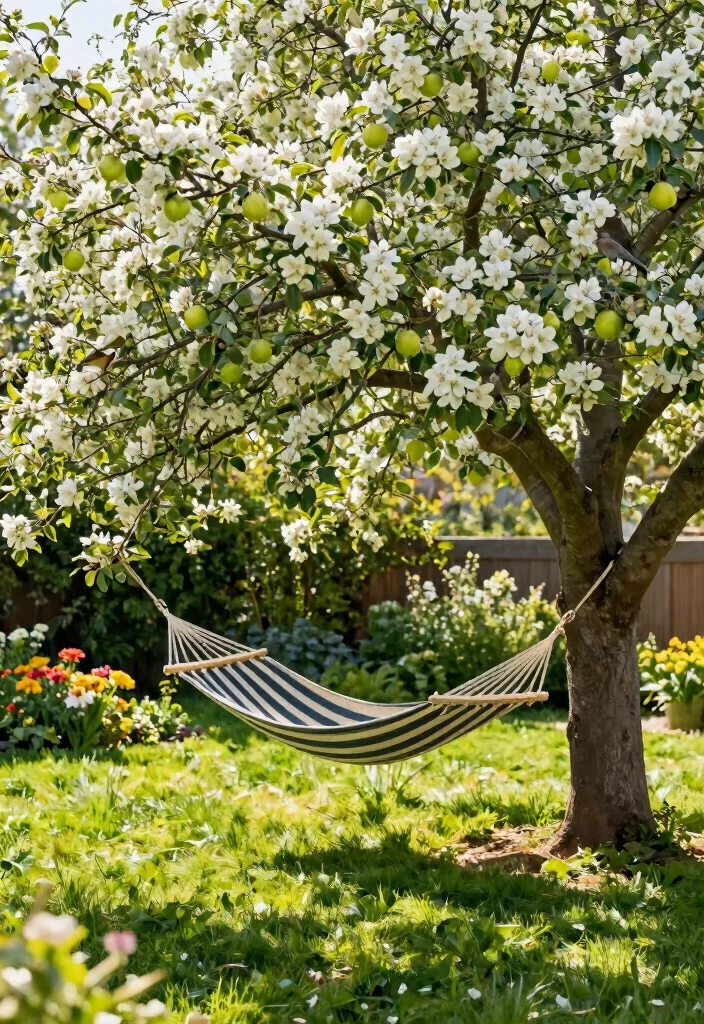
Have you considered growing fruit trees to enhance your landscape? Incorporating these trees adds beauty and provides fresh fruit right from your backyard. They offer shade and visual interest while making your garden a delicious place to explore. You’ll love the convenience of picking your own fruit while enjoying nature’s beauty.
Ingredients:
– Fruit tree saplings (apple, peach, cherry)
– Organic compost
– Mulch for moisture retention
Instructions:
1. Select appropriate fruit tree varieties for your climate.
2. Dig holes twice the size of the root ball and mix in compost.
3. Plant the trees, ensuring they receive plenty of sunlight.
4. Surround with mulch to retain moisture and suppress weeds.
5. Prune trees regularly for health and productivity.
FAQs:
– Can I plant more than one type? Yes, just ensure they have enough space.
– How long before they bear fruit? Most fruit trees take several years to produce.
Backyard landscape ideas don’t have to stay pretty—they can be delicious too. Fruit trees add beauty and practical harvests, turning your space into a shade-filled, edible oasis. Start with saplings, compost, and mulch, then watch fresh fruit transform your yard year after year.
7. Composting Areas
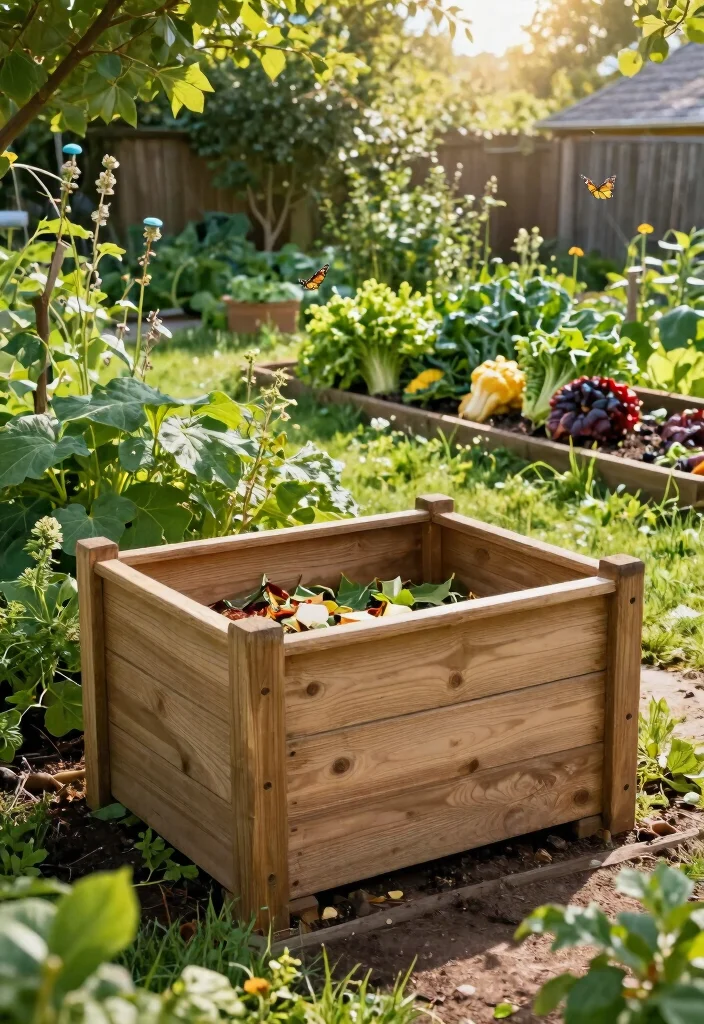
Are you looking for an eco-friendly way to nourish your garden? Setting up a composting area is an excellent solution. It reduces waste and creates nutrient-rich soil for your plants. Composting can be simple and rewarding, transforming kitchen scraps into garden gold while promoting a sustainable cycle in your backyard.
Ingredients:
– Compost bin or designated pile
– Carbon-rich materials (dry leaves, cardboard)
– Nitrogen-rich materials (kitchen scraps, grass clippings)
Instructions:
1. Choose a dry, shaded spot for your compost area.
2. Start layering carbon and nitrogen materials.
3. Turn the compost every few weeks to aerate it.
4. Keep it moist but not soggy to encourage decomposition.
5. Use finished compost to enrich your garden beds.
FAQs:
– Can I compost meat or dairy? It’s best to avoid these as they can attract pests.
– How long does it take to compost? It typically takes 2-6 months depending on conditions.
How To Choose The Right Edible Plants for Your Backyard
When you’re looking to create a sustainable edible landscape in your backyard, choosing the right plants is essential. The right selection will ensure you have a thriving garden that offers both beauty and bounty. Here are some key factors to consider:
1. Climate Zone
Understanding your climate zone is crucial for choosing plants that will thrive in your area. Check the USDA Plant Hardiness Zone Map to see what zone you live in. This will help you pick plants that can withstand the temperatures and conditions of your region. For example, if you live in a cooler area, opt for hardier vegetables like kale or root crops.
2. Sunlight Requirements
Different plants have varying sunlight needs. Most edible plants require at least 6-8 hours of direct sunlight daily. Take note of how much sun your backyard receives throughout the day. If you have a shady area, consider shade-tolerant plants like leafy greens or herbs. This way, you can maximize your garden’s potential, regardless of sunlight availability.
3. Space and Layout
Consider how much space you have available for your garden. Some plants, like squash or tomatoes, need ample room to grow, while others, like herbs, can thrive in smaller spaces. Plan your layout by sketching it out or using garden planning software. Raised beds or vertical gardens can help you utilize smaller spaces efficiently.
4. Plant Type and Variety
Choose a mix of annuals and perennials for a continuous harvest. Annuals, such as tomatoes and peppers, complete their life cycle in one growing season, while perennials, like asparagus and rhubarb, return year after year. Select a variety of plants that will provide diversity in flavor, nutrition, and harvest times. This not only enhances your menu options but also helps attract beneficial insects.
5. Pests and Disease Resistance
Opt for plant varieties known for their disease and pest resistance. Research which plants are more resilient in your area and make those your top choices. For instance, some tomato varieties are bred to resist blight, while certain beans are resistant to pests. This choice will reduce the need for chemical interventions and keep your garden healthier.
6. Personal Preference
Finally, choose plants that you and your family will actually eat. After all, the goal of your edible landscape is to enjoy the fruits of your labor. Think about what vegetables, fruits, and herbs you often use in your cooking. This will make your gardening efforts more enjoyable and rewarding.
Pro Tip: When starting your edible garden, try planting a few seeds of different varieties to see what grows best in your conditions and what you like best. Keep notes on your successes and challenges for future planning! This hands-on experience will guide you in making informed choices next time and help you create a thriving backyard garden.
8. Outdoor Kitchen Spaces
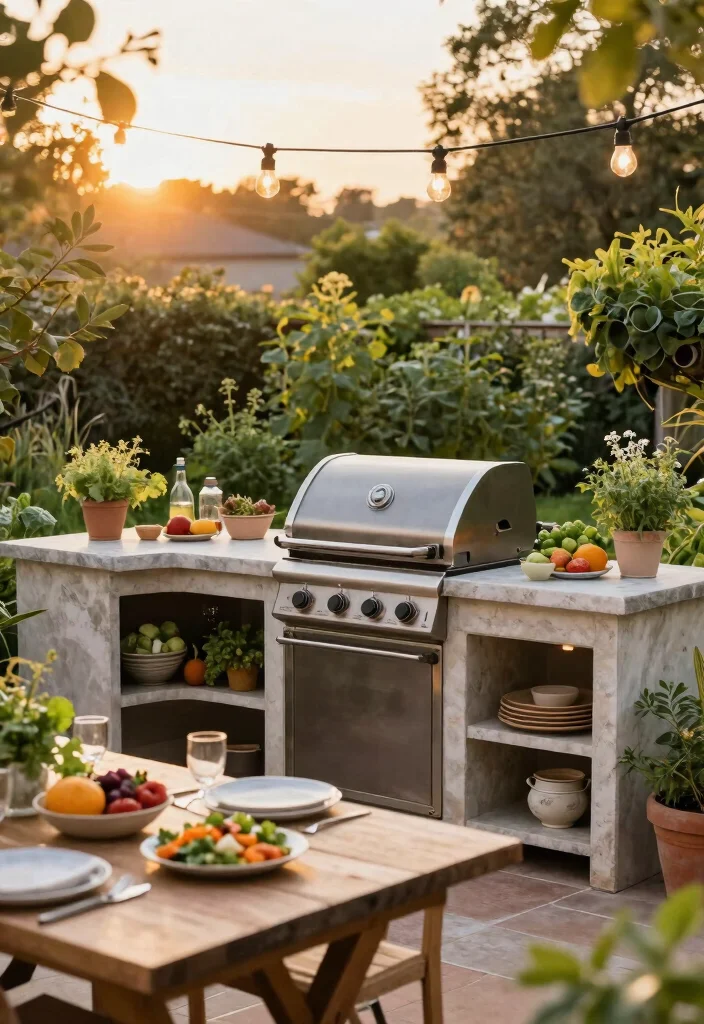
Do you dream of cooking with fresh ingredients right from your garden? An outdoor kitchen is the perfect space for any cooking enthusiast. Imagine preparing meals surrounded by nature, making every gathering a unique experience. This setup can blend functionality with beauty, creating an inviting area to entertain friends and family.
Ingredients:
– Durable countertops (stone or stainless steel)
– Grill and sink
– Seating area (tables, chairs)
Instructions:
1. Choose a sunny location close to your garden for easy access.
2. Install a grill and sink for convenience while cooking outdoors.
3. Create a dining area nearby to enjoy meals in the fresh air.
4. Add decorative elements like herbs in pots for a natural touch.
5. Ensure materials are weather-resistant for longevity.
FAQs:
– Can I build one on a budget? Yes, consider DIY options and repurposed materials.
– How do I protect it from the elements? Use covers and choose durable materials.
Outdoor Kitchen Spaces
Editor’s Choice


9. Natural Stone Pathways
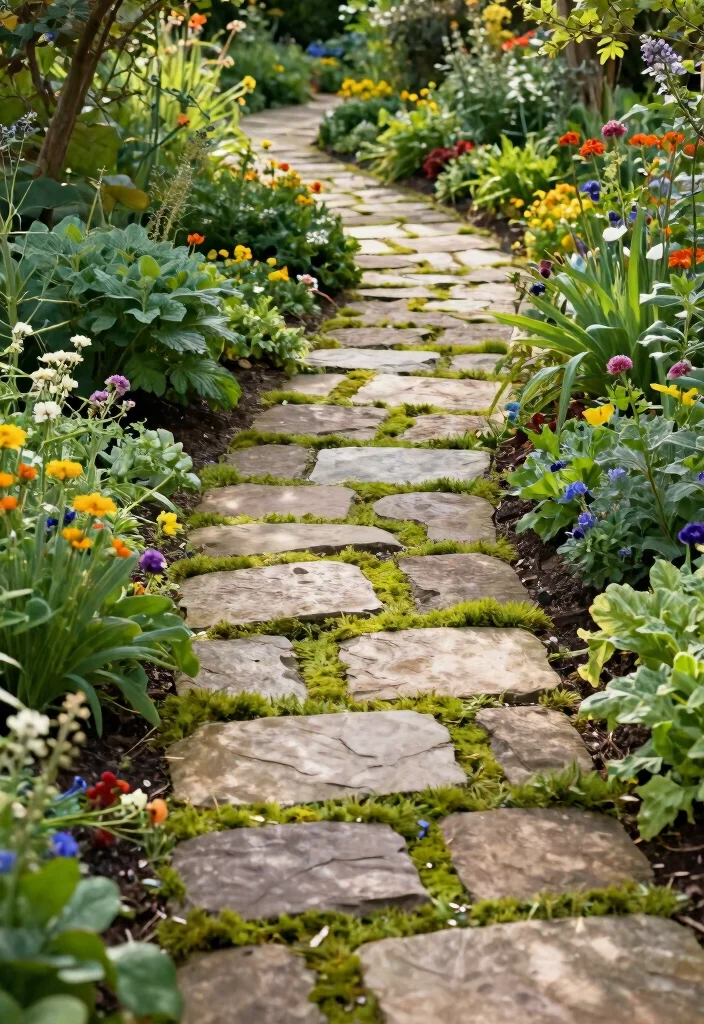
Do you want to create a serene journey through your garden? Natural stone pathways add charm and guide you through your edible landscape. These paths are not only beautiful but practical, enhancing the overall design of your garden while providing easy access for maintenance.
Ingredients:
– Natural stones (flagstones, river rocks)
– Gravel or soil for filling
– Landscaping fabric (optional)
Instructions:
1. Choose stones that match your garden’s style.
2. Lay them out following the natural contours of your yard.
3. Fill gaps with gravel or ground cover plants.
4. Ensure the path is wide enough for easy access.
5. Add solar lights along the path for evening ambiance.
FAQs:
– Can I use concrete instead? Yes, but natural stones offer a more organic feel.
– How do I maintain it? Regularly clear debris and adjust stones as needed.
10. Sustainable Water Features
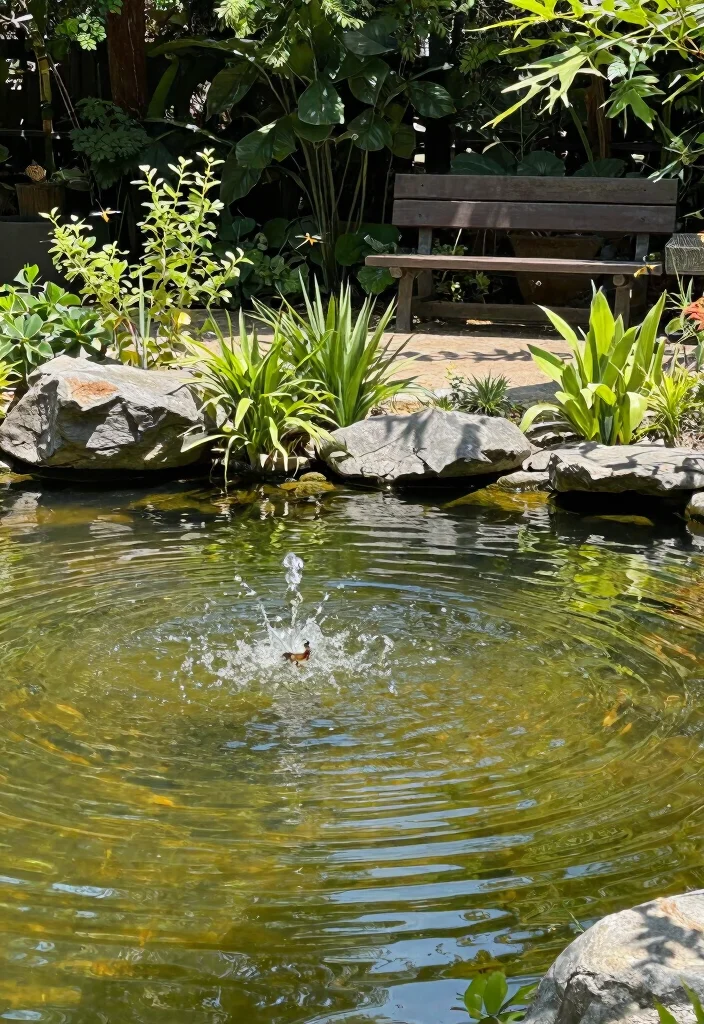
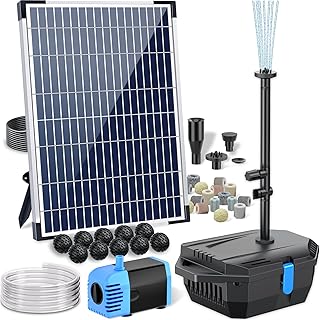
Are you seeking a calming element for your garden? A sustainable water feature can add tranquility and attract wildlife. Whether it’s a pond or fountain, these features create a peaceful ambiance while promoting a healthy ecosystem in your backyard.
Ingredients:
– Water feature design (fountain or pond)
– Native aquatic plants
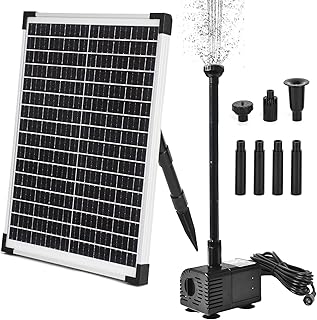
– Solar pump (optional)
Instructions:
1. Choose a design that complements your garden style.
2. Incorporate native plants around the water source for habitat.
3. Use a solar pump for eco-friendly water circulation.
4. Position your feature to balance sunlight and shade.
5. Maintain it by cleaning and replenishing the water regularly.
FAQs:
– Can I create a small pond? Yes, even a small water feature can be delightful.
– Do I need to filter the water? It’s helpful to keep the water clean and clear.
Sustainable Water Features
Editor’s Choice



11. Colorful Vegetable Gardens
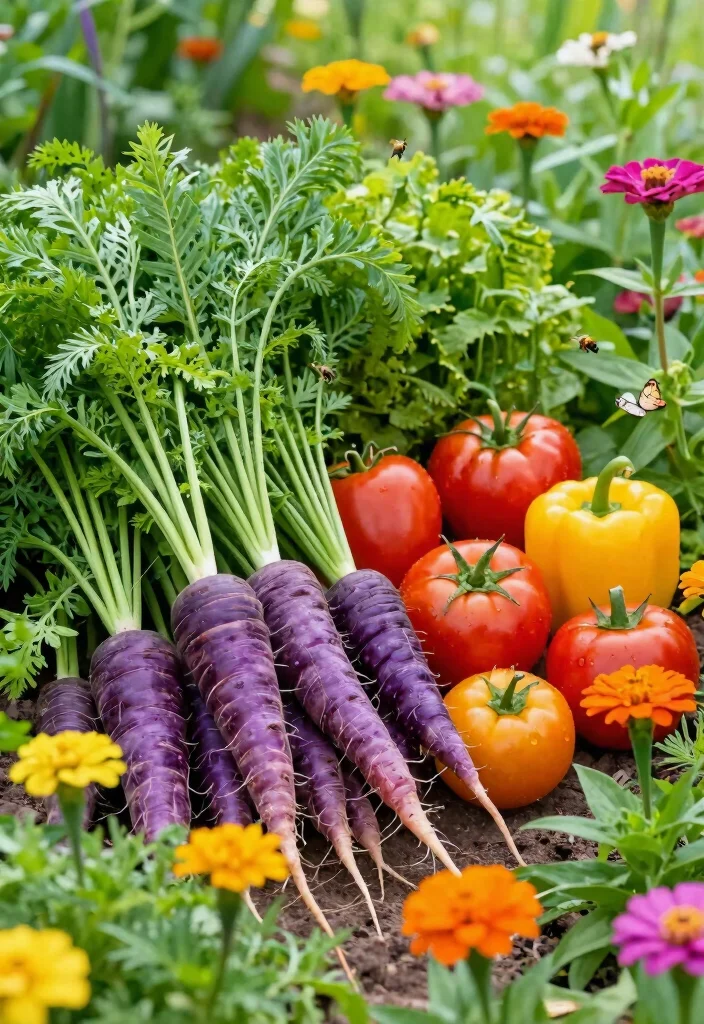
Who says vegetable gardens have to be bland? By mixing colorful varieties, you can create a stunning visual display while enjoying the benefits of home-grown produce. Brightly colored vegetables can make gardening an exciting and appealing endeavor, enticing you to spend more time outside.
Ingredients:
– Purple carrots, heirloom tomatoes, vibrant bell peppers
– Companion flowers (marigolds, zinnias)
– Quality soil mix
Instructions:
1. Choose colorful vegetable seeds and plant them in well-prepared soil.
2. Incorporate companion flowers for added beauty and pollinator attraction.
3. Organize plants in raised beds or patterns for aesthetic appeal.
4. Rotate crops each season to maintain soil health.
5. Water consistently to promote healthy growth.
FAQs:
– Can I grow vegetables in pots? Yes, many vegetables thrive in containers.
– How do I attract pollinators? Planting flowers alongside vegetables helps bring them in.
Colorful Vegetable Gardens
Editor’s Choice


12. Garden Benches and Relaxation Areas
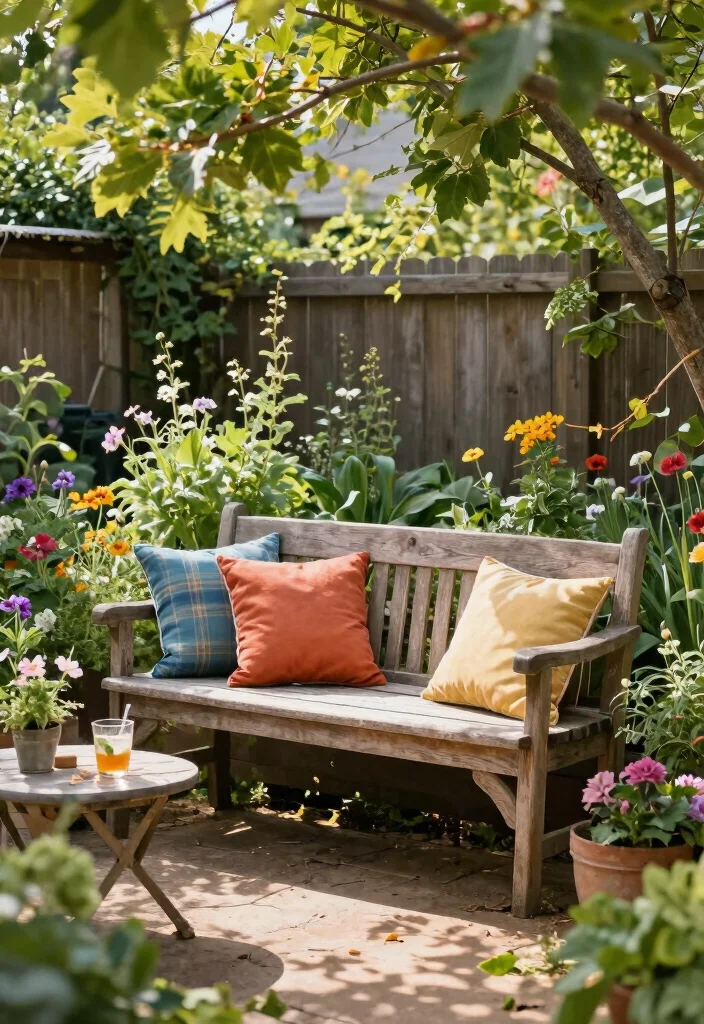
Do you want a cozy spot to unwind in your backyard? Adding comfortable seating allows you to fully enjoy your edible garden. A dedicated relaxation area fosters connection with nature, making your garden a delightful escape from the daily hustle.
Ingredients:
– Comfortable benches or chairs
– Cushions and throw pillows
– Shade options (umbrellas, pergolas)
Instructions:
1. Choose seating that complements your garden style.
2. Position benches to enjoy the best views.
3. Incorporate shade options for comfortable lounging.
4. Add cushions for comfort and visual appeal.
5. Surround the area with fragrant herbs or flowers for a sensory experience.
FAQs:
– Can I use old furniture? Yes, just ensure it’s weather-resistant or covered.
– How do I keep it clean? Regularly wipe down surfaces and store cushions when not in use.
13. Smart Planting for Shade
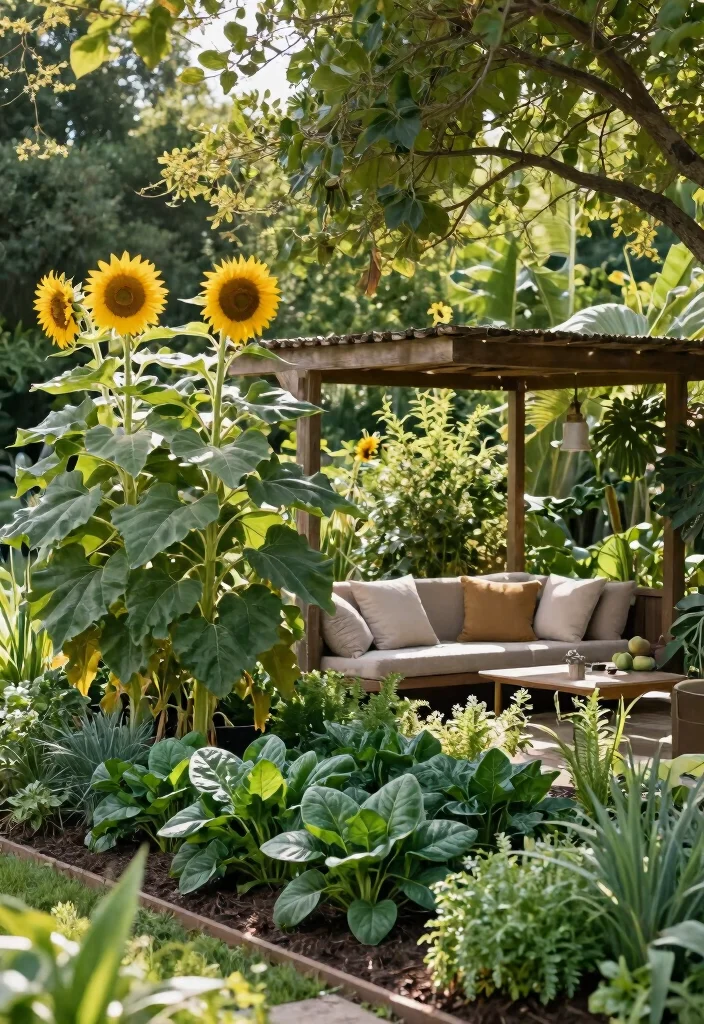
Are you struggling to keep your delicate plants thriving in the sun? Understanding how to use shade in your backyard can create comfortable spots for both plants and people. By strategically planting taller crops, you can provide shelter for smaller plants and create a cozy retreat in your garden.
Ingredients:
– Tall plants (sunflowers, corn)
– Shade-loving crops (spinach, kale)
– Organic compost
Instructions:
1. Identify shady areas in your garden for planting.
2. Plant taller crops on the sunny side to cast shade.
3. Incorporate shade-loving plants in the layout for optimal growth.
4. Use vertical gardening techniques for climbing plants.
5. Rotate crops to maintain garden health and productivity.
FAQs:
– Can I combine sun and shade plants? Yes, just ensure their needs align.
– How do I know if a plant likes shade? Research the specific requirements for each plant variety.
14. Wildlife Habitat Gardens
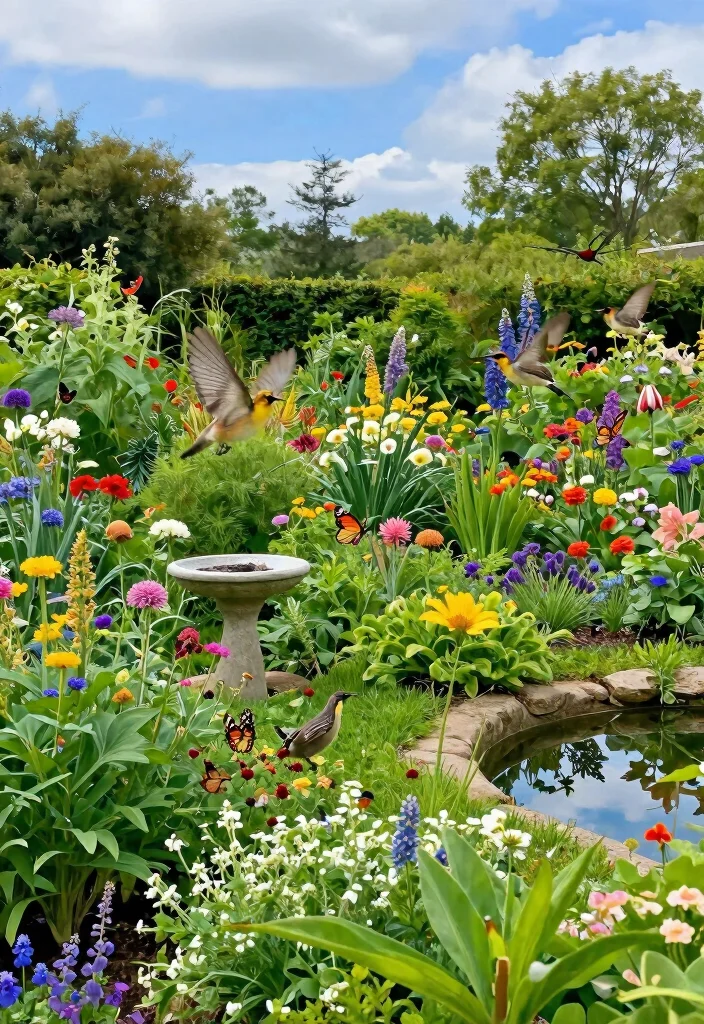
Are you passionate about creating a haven for local wildlife? A wildlife habitat garden supports ecosystems while enhancing your backyard beauty. By planting native species, you can attract a variety of birds, butterflies, and beneficial insects, turning your garden into a lively sanctuary.
Ingredients:
– Native flowering plants (black-eyed Susans, milkweed)
– Bushes and grasses for shelter
– Water sources (birdbaths, ponds)
Instructions:
1. Plant a variety of native species that bloom at different times.
2. Create shelter options with bushes and grasses.
3. Add water sources to attract diverse wildlife.
4. Avoid chemical pesticides to maintain a healthy environment.
5. Provide nesting materials to encourage wildlife to settle.
FAQs:
– Can I plant non-native species? While you can, native plants are more beneficial for local wildlife.
– How do I attract specific animals? Research their preferred plants and habitats.
15. Greenhouse Gardens
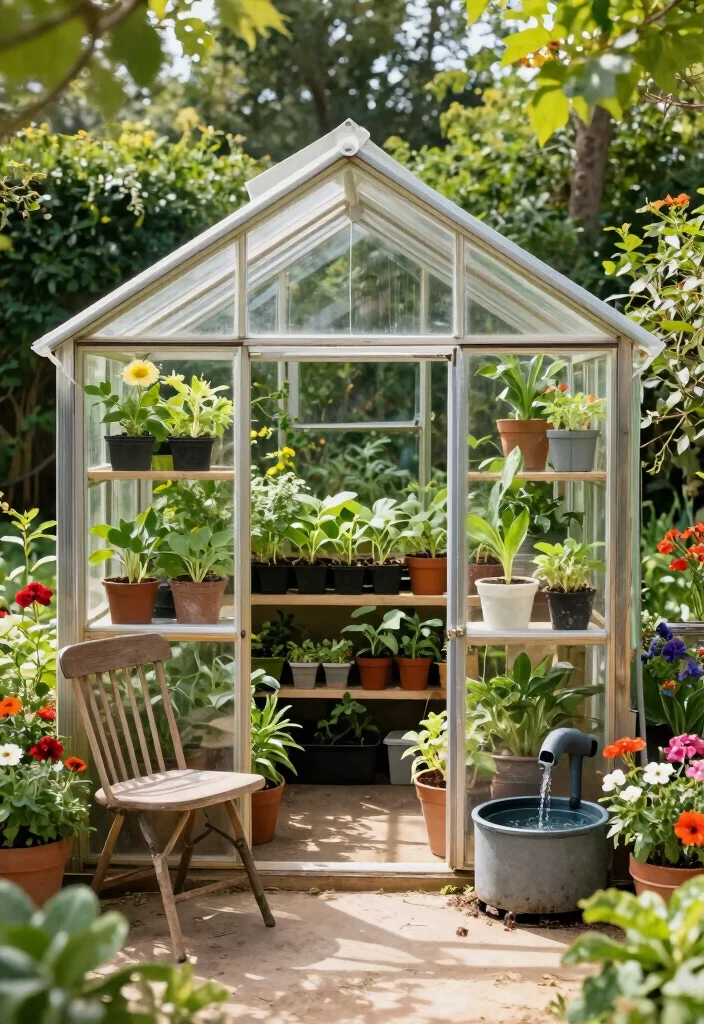
Are you ready to take your gardening to the next level? A greenhouse allows for an extended growing season and provides a controlled environment for your plants. This structure opens up a world of possibilities for growing delicate seedlings and tropical plants, enhancing your gardening experience.
Ingredients:
– Greenhouse structure (glass or polycarbonate)
– Shelving for plants
– Quality potting soil
Instructions:
1. Choose a sunny location with good drainage for your greenhouse.
2. Set up the greenhouse structure according to the manufacturer’s instructions.
3. Organize shelving for easy access to seedlings and pots.
4. Incorporate a rainwater harvesting system for sustainability.
5. Use your greenhouse to start seeds early or grow delicate plants.
FAQs:
– How do I regulate temperature? Ventilation and shading can help manage heat.
– Can I use it year-round? Yes, with proper insulation and heating, you can extend your growing season.
Did you know a greenhouse can extend your growing season by up to 6–8 weeks in cooler climates? Start with sturdy shelving and quality potting soil to turn those extra weeks into real harvests—your backyard landscape ideas become sustainable edibles.
16. Community Garden Collaboration
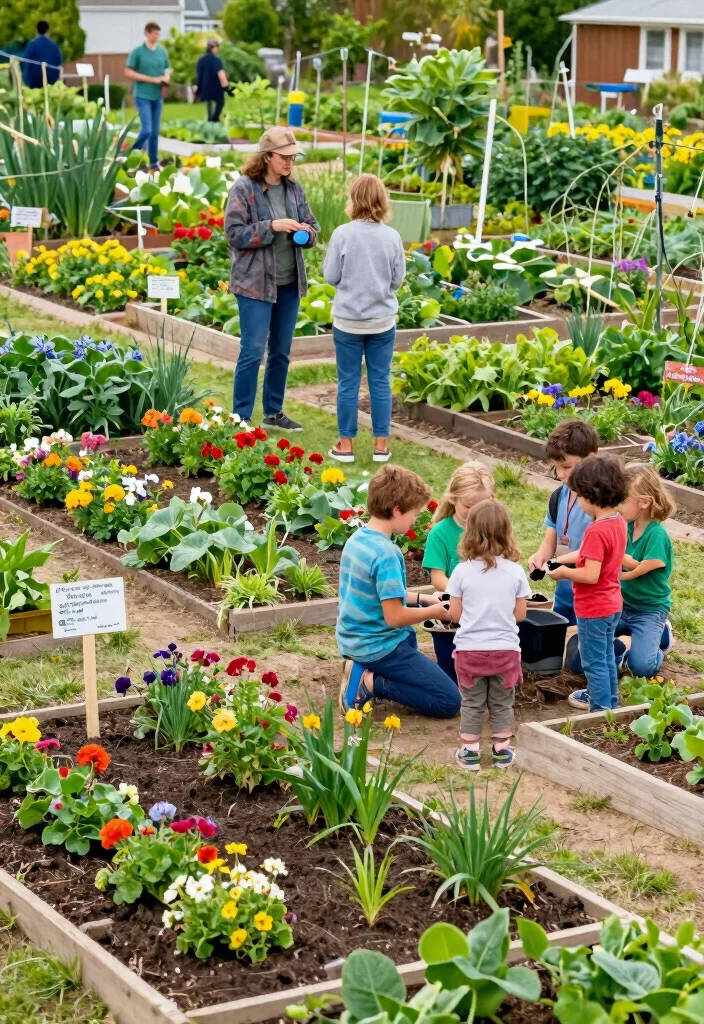
Have you thought about turning your backyard into a community gardening space? This initiative brings people together to share resources and knowledge while promoting sustainable practices. Community gardens not only beautify neighborhoods but also foster friendships, making gardening a rewarding collective endeavor.
Ingredients:
– Collaboration with neighbors
– Designated plots for individuals
– Communal gardening tools
Instructions:
1. Gather neighbors to discuss shared goals and garden layout.
2. Assign individual plots alongside communal spaces for shared crops.
3. Implement sustainable gardening techniques, like composting.
4. Organize events for planting and harvesting to build community spirit.
5. Maintain open communication for successful collaboration.
FAQs:
– How can I start a community garden? Reach out to your neighbors to gauge interest.
– What if I don’t have much space? Consider shared plots or utilizing vertical gardening techniques.
17. Seasonal Displays and Decorations
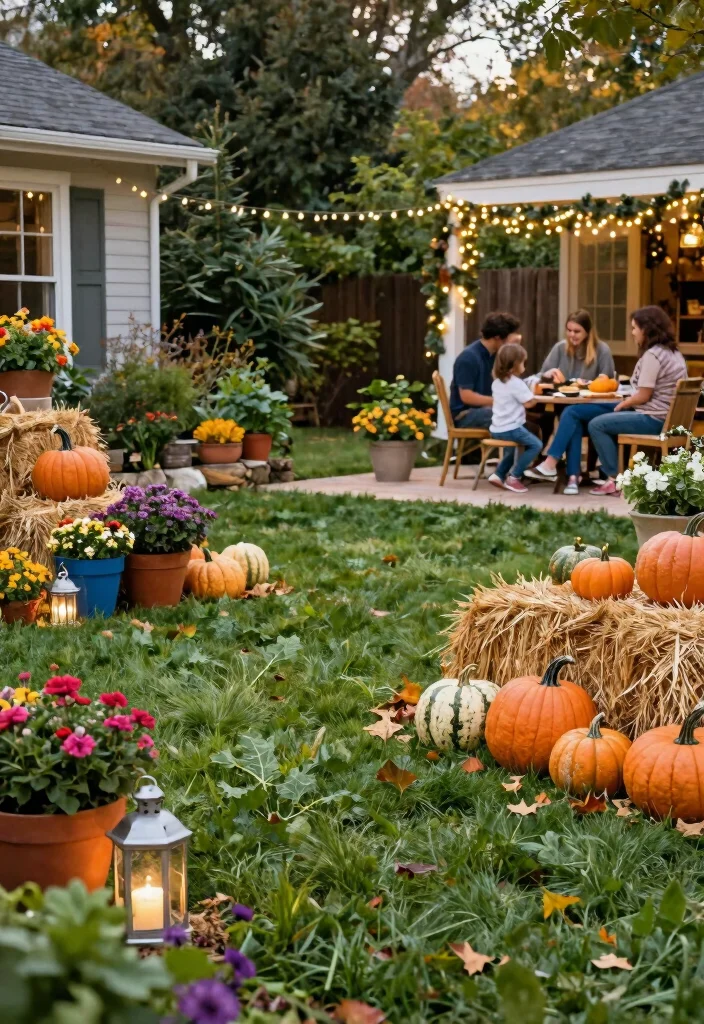
Do you want to keep your backyard looking fresh and festive all year round? Changing your decorations with the seasons adds charm and vibrancy to your outdoor space. Seasonal displays can range from beautiful planters to themed arrangements that celebrate nature’s cycles, making your garden inviting at any time of the year.
Ingredients:
– Seasonal decorations (pumpkins, holiday lights)
– Colorful planters
– Seasonal plants (spring flowers, autumn foliage)
Instructions:
1. Rotate decorations based on holidays or changing seasons for variety.
2. Choose planters that complement seasonal themes, like bright flowers in spring.
3. Incorporate plants that bloom at specific times for added appeal.
4. Plan a rotation schedule to keep your garden looking fresh.
5. Invite friends and family to help decorate, fostering community connections.
FAQs:
– Can I use homemade decorations? Absolutely! Creative DIY decorations can add a personal touch.
– How do I store decorations? Keep them in a cool, dry place to protect them from damage.
Seasonal Displays and Decorations
Editor’s Choice



Conclusion
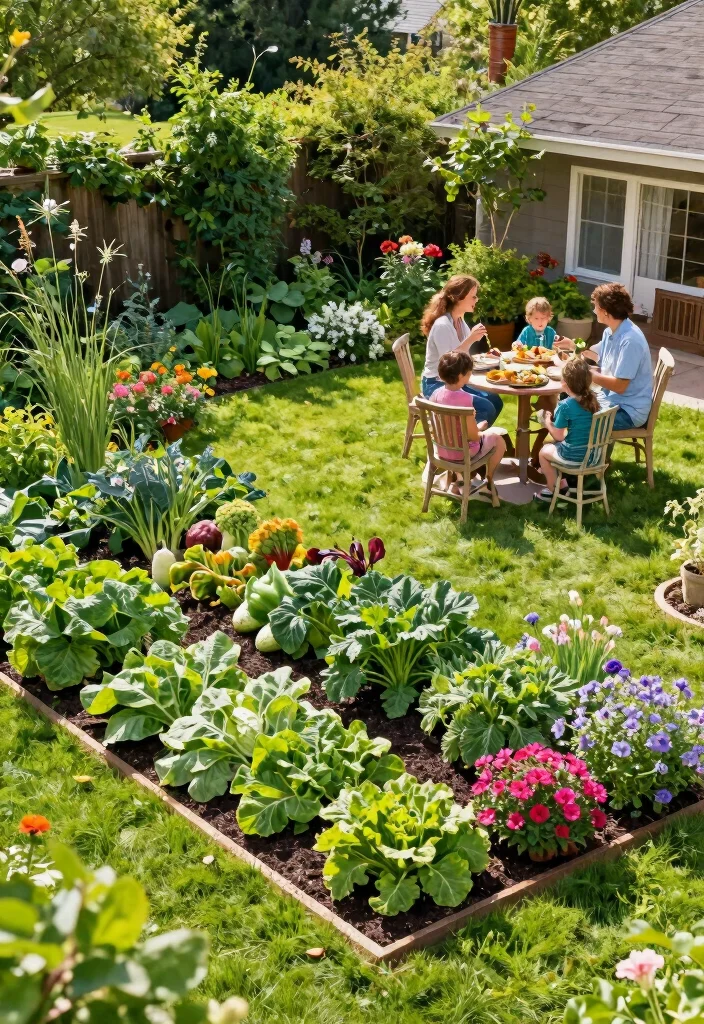
Transforming your backyard into a sustainable edible landscape is not just about creating a beautiful space; it’s about embracing a lifestyle that nurtures both nature and yourself. Each idea outlined offers a unique approach to gardening that blends aesthetics with functionality, encouraging you to enjoy the fruits (and vegetables) of your labor.
By implementing these 17 backyard landscape ideas, you’ll not only enhance your outdoor space but also cultivate a deeper connection to the environment. So go ahead, roll up your sleeves, and embark on this rewarding gardening journey!
Note: We aim to provide accurate product links, but some may occasionally expire or become unavailable. If this happens, please search directly on Amazon for the product or a suitable alternative.
This post contains Amazon affiliate links, meaning we may earn a small commission if you purchase through our links, at no extra cost to you.
Frequently Asked Questions
What are practical backyard landscape ideas that completely transform your outdoor space with edible landscaping?
Curious about practical backyard landscape ideas that completely transform your outdoor space while embracing edible landscaping? Start with a simple, sustainable plan that blends aesthetics and practicality.
First, map zones for growing, relaxing, and pathways. Use landscape design principles to create a natural flow and a focal point.
Next, add edible elements like raised veggie beds, fruit shrubs, and container herbs. Choose compact fruit trees for small yards to maximize productivity.
Layer plants to add year round interest and include a mix of perennial edibles and ornamental crops—this combines garden landscaping ideas with food production.
Then adopt water-wise practices: mulch, drip irrigation, and a simple rain barrel system to reduce maintenance and conserve resources.
Finally, design for lingering moments with a cozy seating area or dining nook, turning your transformation into a true backyard makeover.
How can sustainable garden landscaping ideas be woven into a backyard makeover without sacrificing beauty?
Great question. Start with a straightforward plan that uses native and edible plants, smart soil care, and water-wise tactics.
Incorporate landscape design fundamentals to balance form and function. Pick edible perennials along borders and use raised beds for easy access.
Add composting and a rainwater harvesting system to close the loop on resources, a key outdoor gardening tips for sustainability.
Choose durable, low-maintenance materials and mulching to reduce chores while maintaining visual appeal. This creates a cohesive landscape transformation for your backyard makeover and features garden landscaping ideas you can implement today.
What are easy outdoor gardening tips to start a small backyard landscape transformation?
Starting small is smart. Focus on three zones: edible beds, seating, and a pollinator-friendly border.
Tip one: include vertical or container gardening for herbs and small veggies to save space.
Tip two: improve soil with compost and soil amendments; healthy soil is your best friend for growth.
Tip three: install a simple drip irrigation or soaker hose to keep water where plants need it, conserving water with outdoor gardening tips you can implement now.
Finish with mulch and moisture-loving plants to reduce weeds and maintenance, achieving a noticeable landscape transformation without breaking the bank.
Which low-cost, high-impact backyard landscape ideas help create a sustainable edible garden?
Affordability doesn’t mean sacrifice. Try these budget-friendly moves that deliver big results and garden landscaping ideas.
Repurpose pallets or wire fencing to build vertical trellises for beans, cucumbers, or herbs. Use leftover pavers to define edible beds and paths.
Start small with a few raised beds, a simple compost bin, and a rain barrel for irrigation. Mix in dwarf fruit trees or berry bushes to boost production without taking over space.
Plant native, drought-tolerant edibles and flowering perennials to attract pollinators, boosting the overall landscape design and transforming your space into a backyard makeover that pays back in produce and beauty.
How can I plan a cohesive set of backyard landscape ideas that blends beauty, functionality, and food production?
Begin with a clear vision of what you want your space to do for you this season and beyond. Create a simple map that assigns zones for edible beds, seating, and pathways, guided by landscape transformation goals.
Choose a palette of plants that provide both beauty and function—native ornamentals with edible options, pollinator-friendly flowers, and compact edibles for easy harvests. Use sustainable practices like mulch, soil building, composting, and water-wise irrigation to keep maintenance manageable.
Finally, keep a realistic maintenance plan and adjust as your garden grows. This approach yields backyard landscape ideas that are practical, stylish, and deliciously productive.
Related Topics
backyard landscape ideas
sustainable gardening
edible landscaping
landscape design
backyard makeover
garden transformation
outdoor gardening tips
low-maintenance plants
DIY landscaping
beginner friendly
seasonal gardening
eco-friendly design